
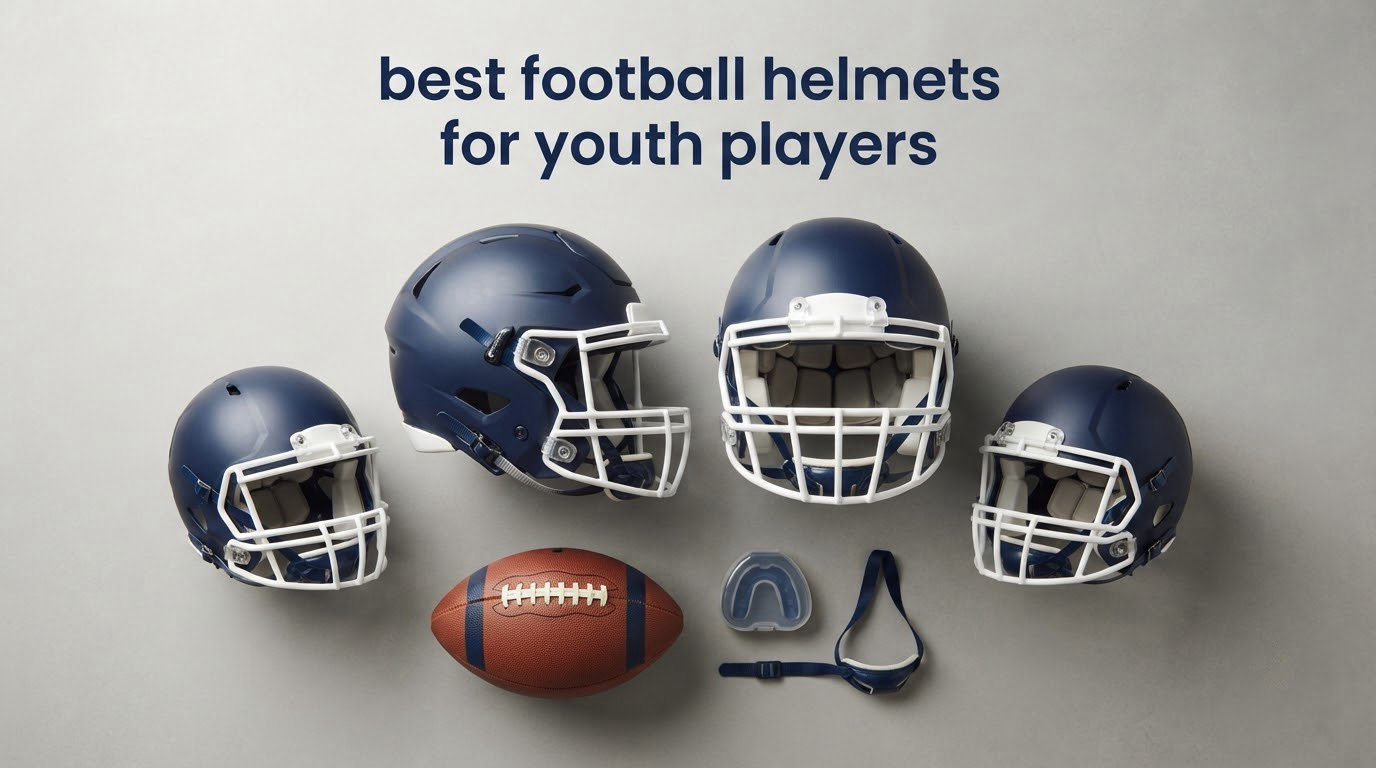
Here is the short answer: the Riddell SpeedFlex Youth is the best football helmet for youth players in 2026. It carries a 4.7-star average across 845 reviews, it includes a Flex shell and Ratchet-Loc chin strap, and it spans more youth sizes than any of the other models we reviewed. If you want the same independent safety pedigree for less money, the Schutt Youth Vengeance A11 is the pick, and it earned a 5-star rating in the Virginia Tech Helmet Ratings with the facemask already in the box.
That 4-or-5-star rule comes straight from Virginia Tech Helmet Lab, and it is the single most useful filter a parent can apply. Their STAR methodology runs 48 impact tests per helmet, weights the results by concussion risk, and produces a composite score where a lower number means better performance. Anything rated 4 stars or 5 stars is what the lab recommends you buy.
Two other filters matter just as much. Every youth helmet should carry a NOCSAE seal, and NOCSAE issued its first dedicated youth standard, ND006, in February 2025, which takes effect on September 1, 2027. That standard caps a youth helmet at 3.5 pounds including the facemask and limits how fast the head can rotate on impact, because a youth neck cannot absorb what an adult neck can.
Fit is the piece most buyers underestimate. A 2021 study found 71.4% of helmets worn by youth players ages 7 to 12 were fitted improperly, which means a perfectly safe helmet fitted badly protects almost nothing. Our selection criteria were a 4- or 5-star Virginia Tech rating, NOCSAE compliance, a total weight at or under 3.5 pounds where the manufacturer publishes it, and fit adjustability that lets you dial a helmet in as a child grows.
Six helmets made the cut, and they cover the range most families actually need, from a first Pop Warner season through middle school. We walked through each one, weighed the fit, the padding, the included hardware and the real complaints owners report. If you also ride, our e-bike helmet picks cover a different kind of impact protection entirely.
Table of Contents
Top 3 Picks: Best Football Helmets for Youth Players (October 2026)
Riddell SpeedFlex Youth
- Flex shell and hinge clips
- PSIP mandible protection
- Ratchet-Loc chin strap
- Youth sizes Small to X-Large

Schutt Youth Vengeance A11
- 5-star Virginia Tech rating
- TPU cushioning
- Carbon steel facemask included
- Inter-link jaw pads
Riddell Victor Youth
- PSIP side impact protection
- Fitted liner system
- Facemask and chinstrap included
- Removable overliner
The Best Football Helmets for Youth Players at a Glance
| Product | Specifications | Action |
|---|---|---|
| Riddell SpeedFlex Youth |
|
Check Latest Price |
| Schutt Youth Vengeance A11 |
|
Check Latest Price |
| Riddell Victor Youth |
|
Check Latest Price |
 Schutt F7 LX1 Youth Schutt F7 LX1 Youth |
|
Check Latest Price |
 Schutt F7 AiR Youth Schutt F7 AiR Youth |
|
Check Latest Price |
 Riddell Victor-i Youth Riddell Victor-i Youth |
|
Check Latest Price |
The ratings split into three tiers. The Schutt Vengeance A11 and the Schutt F7 AiR Youth are the only two models in this group whose manufacturers cite a 5-star rating from the independent Virginia Tech Helmet Lab. The Riddell SpeedFlex Youth leads on owner satisfaction, and the Victor-i Youth posts the highest average rating of the six at 4.8 stars, though from a much smaller review base of 50.
1. Riddell SpeedFlex Youth — Best Overall Football Helmet for Youth Players
Riddell SpeedFlex Youth Helmet, White, Large
Weight 5 lb
Polycarbonate shell
Fit Small to X-Large
PSIP mandible protection
Pros
- Fit described by owners as glove-like
- Durable shell and build quality
- Spans youth sizes Small to X-Large
- Ratchet-Loc chin strap adjusts fast
Cons
- Assembly tools sold separately
- Runs slightly large for some buyers
- Shell needs reconditioning to keep warranty
The SpeedFlex Youth is the model I keep coming back to because the fit is the hardest thing to get right and Riddell engineered for it. Owners describe the fit in a way that is unusually specific, saying it fits like a glove, and that consistency across 845 reviews is what separates this from the rest of the Riddell youth line. The Flex system runs through the shell, the facemask and the facemask attachment, with hinge clips that give under impact to reduce how much force transfers to the wearer.
Side impact protection is where the PSIP research-based mandible system earns its keep. Youth players take a lot of contact to the jaw and the side of the head, and the SpeedFlex is built to spread those forces. The Ratchet-Loc chin strap means a parent can adjust the chin cup in seconds between practices, which matters more than it sounds like when you are dealing with a nine-year-old who cannot fasten a buckle.
One thing to know before you buy: the listed weight for this model is 5 pounds, which is heavier than several others here and above the 3.5 pound ceiling that NOCSAE’s youth standard will impose in 2027. For a smaller child in Pop Warner, weight matters more than almost any other spec, so check the total package against your child’s head before committing.
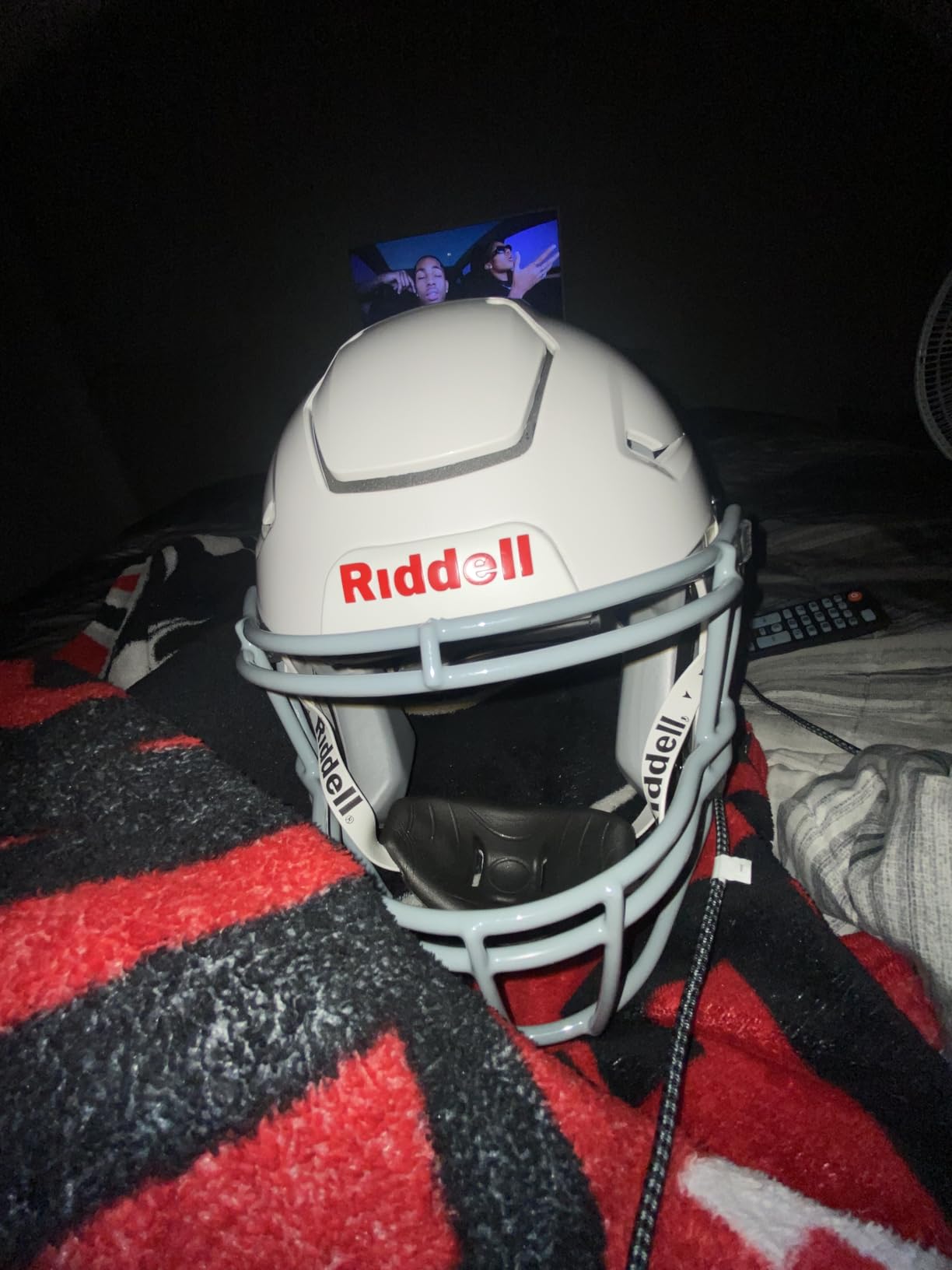
The most repeated friction point in the reviews is that the assembly and breakdown tools do not come with the helmet and have to be purchased separately. You only need them the first time, and the facemask clips are the only part that is genuinely fiddly, but it is a real added step that catches families off guard. Riddell also recommends annual reconditioning, with service by a NOCSAE licensed reconditioner at least every two years, to keep the three-year shell warranty intact.
Several owners mention the helmet runs a little larger than they expected, which is worth factoring in if your child sits between youth sizes. Riddell covers youth sizing from Small through X-Large, which is one of the broadest ranges in this group and part of the reason this helmet ages gracefully from early youth into middle school.
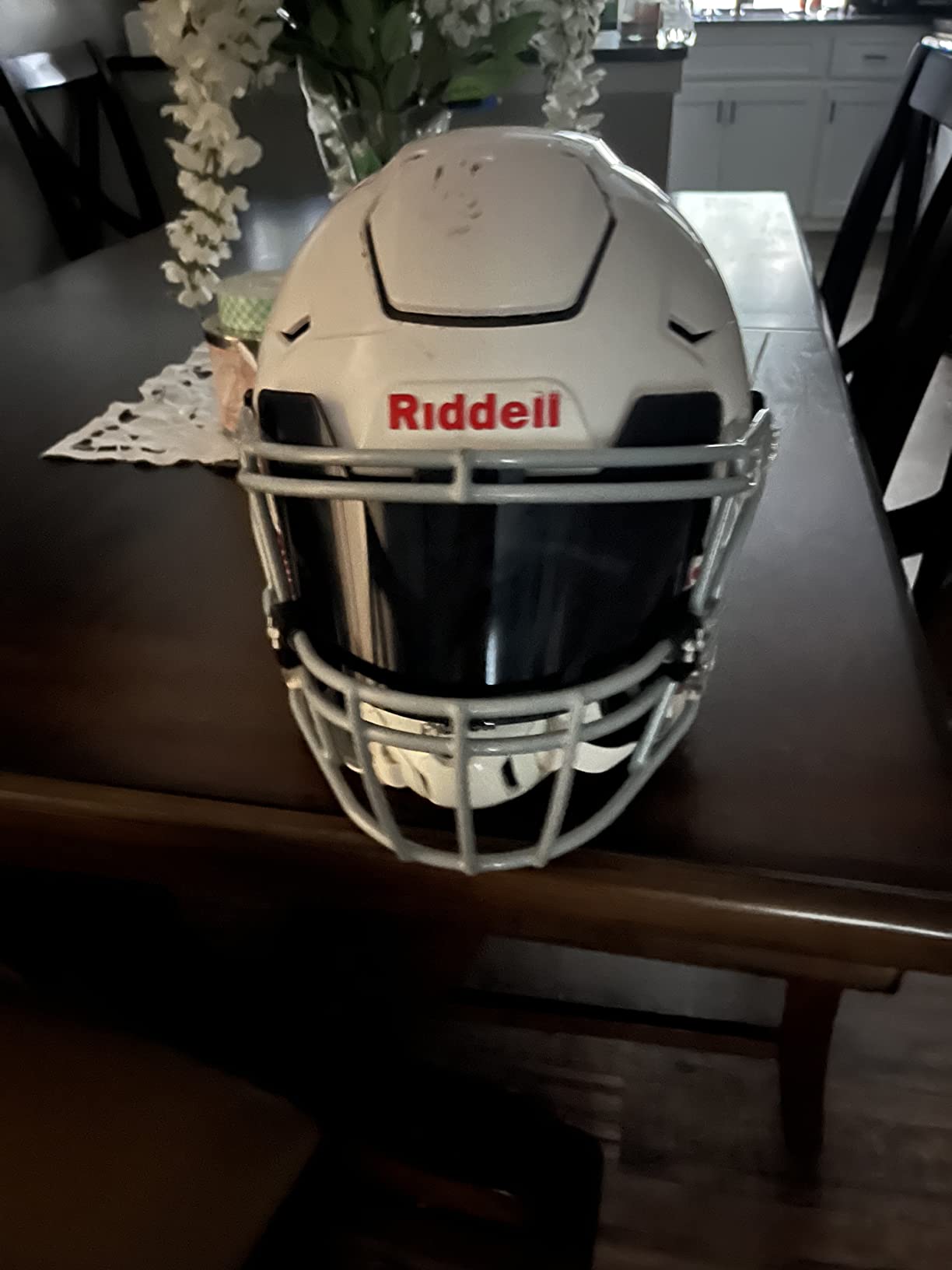
Is the SpeedFlex Youth worth it over an entry-level Riddell?
Yes, if your child will wear it for more than one season and you can find the right size. The SpeedFlex advantage over the Victor Youth is the Flex hinge system and the Ratchet-Loc strap, both of which show up as comfort and adjustability rather than as a headline safety number. If you are outfitting a first-year player who will grow out of a helmet in a season anyway, the Victor Youth is a defensible place to start.
Buy the SpeedFlex if your league requires a facemask, if your child is on the larger side of the youth range, or if you plan to hand the helmet down to a sibling. Skip it if weight is the deciding factor, because a 5-pound package sits at the wrong end of the youth scale.
Who should not buy the SpeedFlex Youth?
Do not buy it for a small child in a flag or non-tackle league that only requires a soft shell, and do not buy it if your league caps helmet weight strictly. Some parents also prefer the air liner setups from the Schutt models because they can pump the fit down as a child grows, while the SpeedFlex relies more on sizing up or down through the shell range.
If your child complains about pressure points, try the helmet on with damp hair and check the ear area first. A helmet that is technically correct but uncomfortable is one your player will take off during warm-ups, and a helmet that comes off is not protective no matter what it is made of.
2. Schutt Youth Vengeance A11 — Best Value Football Helmet for Youth Players
Schutt Youth Vengeance A11 Football Helmet, VROPO TRAD Facemask Attached, Medium, White
5-star Virginia Tech rating
Weight 3.8 lb
Medium youth
TPU cushioning
Pros
- Independent 5-star safety rating
- Facemask included so nothing extra to buy
- No air pump needed
- Inter-link jaw pads stay put
Cons
- Less fit adjustability than inflatable liners
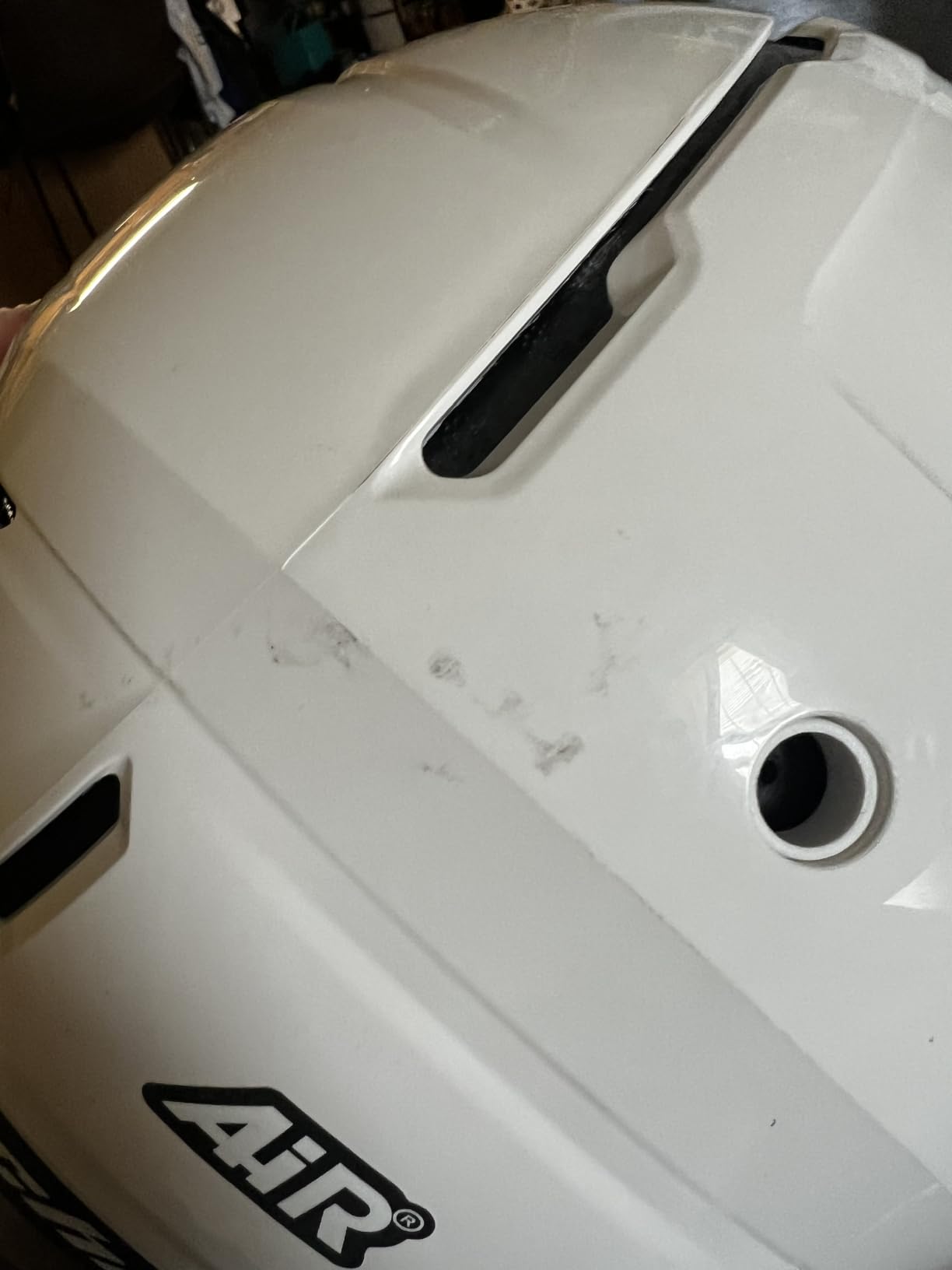
- Gloss white finish scuffs
The Vengeance A11 is the value pick for a simple reason: it pairs a 5-star independent safety rating with a facemask already attached and a liner that needs no pump. Schutt builds it around TPU cushioning, thermoplastic urethane padding that holds its protective properties across a wider temperature range than conventional foam, and inter-link jaw pads that are mechanically attached so they cannot shift or fall out.
That last detail sounds minor until you have watched foam pads in a basic helmet migrate away from the cheekbone mid-game. Owners consistently call out the secure, consistent feel of the padding, and 738 reviews at 4.6 stars with 84% five-star ratings is a strong signal for a model that most families meet through a team equipment order rather than a careful search.
Fit is where you have to be deliberate. The liner is non-inflatable, which means the fit is set by the size of the shell and the padding rather than by a pump, so a growth spurt means a new helmet instead of an adjustment. At 3.8 pounds with the facemask attached, it sits between the SpeedFlex and the F7 AiR on weight, a defensible middle ground for a big-kid or middle school player.
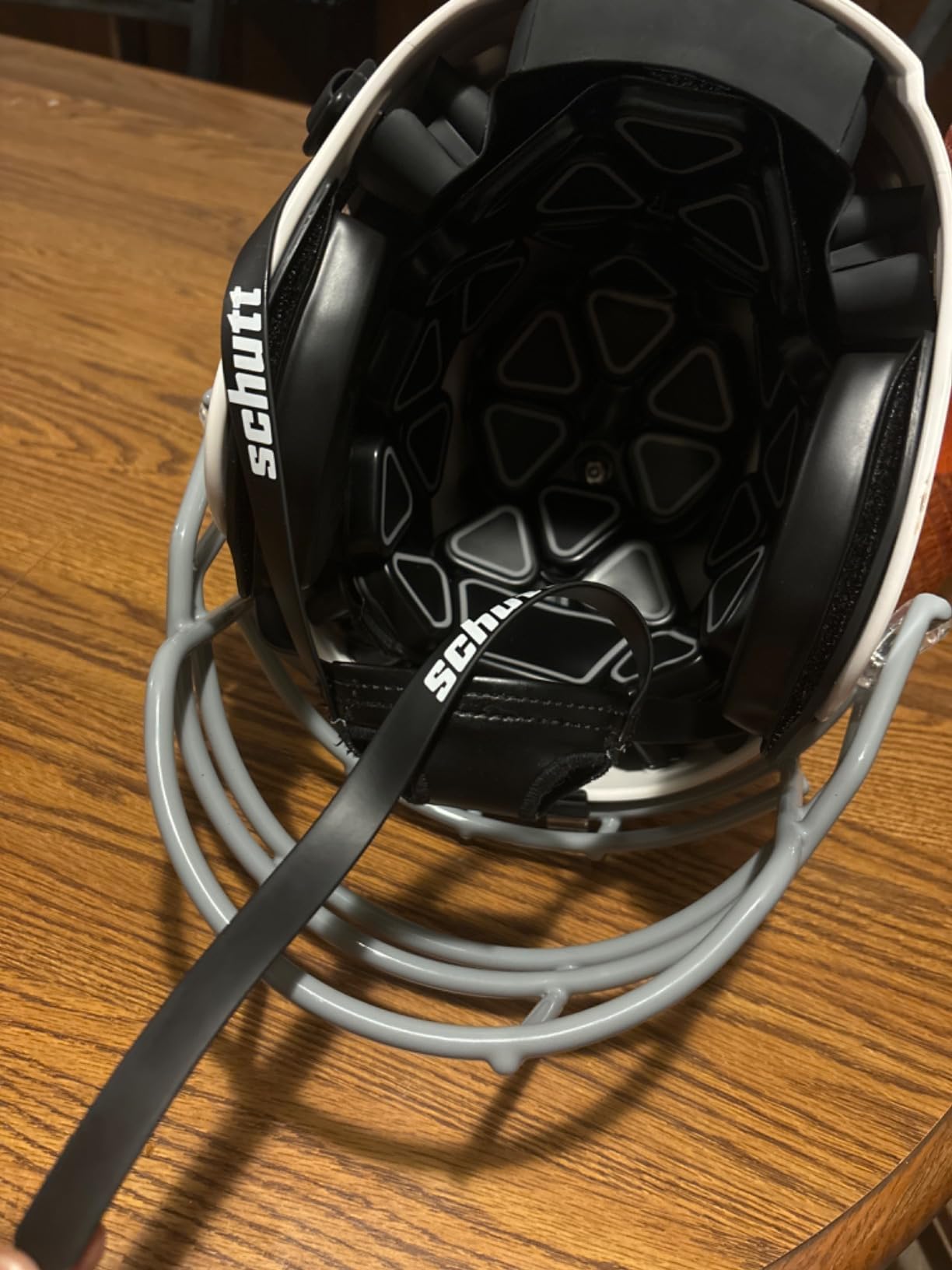
Reviewers like the carbon steel facemask that comes with it, and that matters for two reasons. Carbon steel is the standard material in football, it is what most youth leagues expect and allow, and attaching the facemask at the factory removes the single most common assembly headache for a family that has never fitted a helmet before. Schutt also adds flexural resistance engineering at the back shelf, a location that takes repeated contact and is a common failure point in more basic shells.
The trade-off is straightforward: no inflatable liner means no pump, which also means no fine-tuning during a season. If your child is on the smaller end of the medium range and still growing fast, weight the comfort and adjustability of an air liner more heavily, because those are what keep a helmet fitting properly at week six rather than week one.
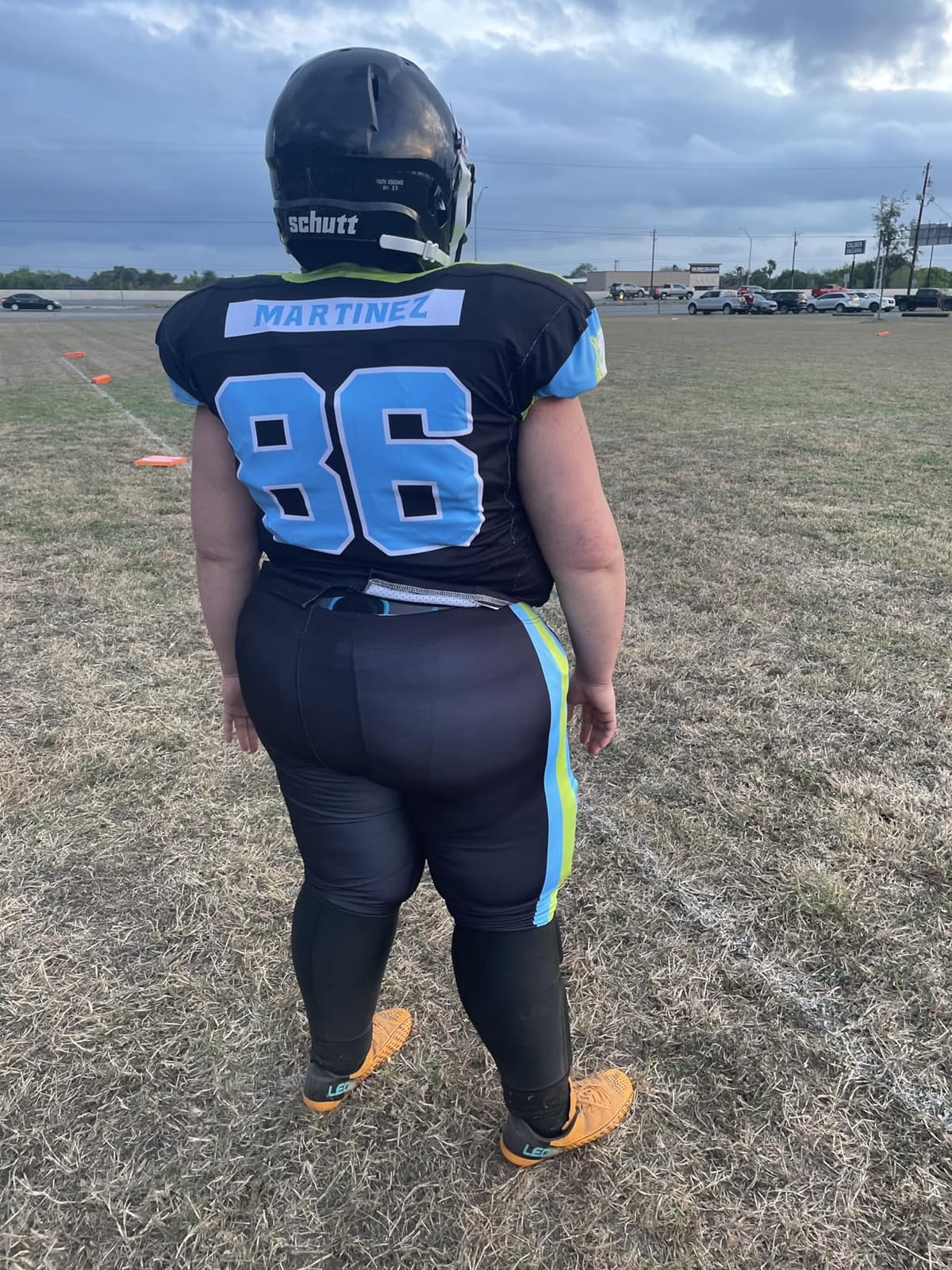
Is the A11 safe enough for a middle school player?
Yes. The 5-star rating from the independent Virginia Tech Helmet Lab is the strongest safety credential available in the youth category, and it sits on a helmet that does not need a separate facemask purchase to become game ready. For a family that wants the safety result without chasing premium features, this is the most defensible purchase in the list.
The caveat is fit adjustability, not safety. A non-inflatable liner fits the size you chose and not much else, so buy the size your child’s head measures today and expect a replacement in a season or two rather than stretching the purchase to save money. A well-fitted A11 beats a poorly fitted model in a higher price bracket.
Who should not buy the Vengeance A11?
Do not buy it if your child is a fast grower between the ages of about 8 and 11, because you will lose the ability to pump the liner down as the head changes. Do not buy it if your league mandates a particular facemask color or style that differs from the one attached.
The gloss white shell is also worth noting if your team has a color scheme, since it shows scuffs. Beyond that, the only real limitation is the missing air pump, and for a parent who wants no maintenance between seasons, that is a feature rather than a flaw.
3. Riddell Victor Youth — Best Football Helmet for a First Youth Season
Riddell Victor Youth Helmet , White, Large
Weight 4.4 lb
Polycarbonate shell
Large youth
Fitted liner system
Pros
- Helmet chinstrap and facemask all included
- PSIP mandible protection
- Removable moisture-resistant overliner
- Steady 4.6-star owner rating
Cons
- Fitted liner offers less adjustability
- Limited color and size combinations
- 4.4 lb package is on the heavy side
The Victor Youth is the answer to a question every parent asks once, which is whether the first helmet needs to be an expensive one. It is a conventional youth shell with Riddell’s PSIP mandible protection, a fitted liner system, and the three pieces you actually need, helmet, chinstrap and facemask, all in the box. For a player in their first season in a league that issues helmets, it is a solid backup and a reliable second helmet.
What stands out in the reviews is the removable, moisture-resistant overliner. It protects the liner underneath and adds a layer of comfort that matters in August, and it wipes clean instead of absorbing sweat and grass stain the way a fixed cover does. Owners rate the model at 4.6 stars across 626 reviews, with 82% of those giving it five stars, which reads as a model that does its job quietly.
Be honest with yourself about the weight, though. At 4.4 pounds for the helmet, this is one of the heavier packages in the group, and a heavy helmet on a small neck is exactly the situation NOCSAE wrote the new youth standard to address. If your child is 8 rather than 12, weigh that number seriously.
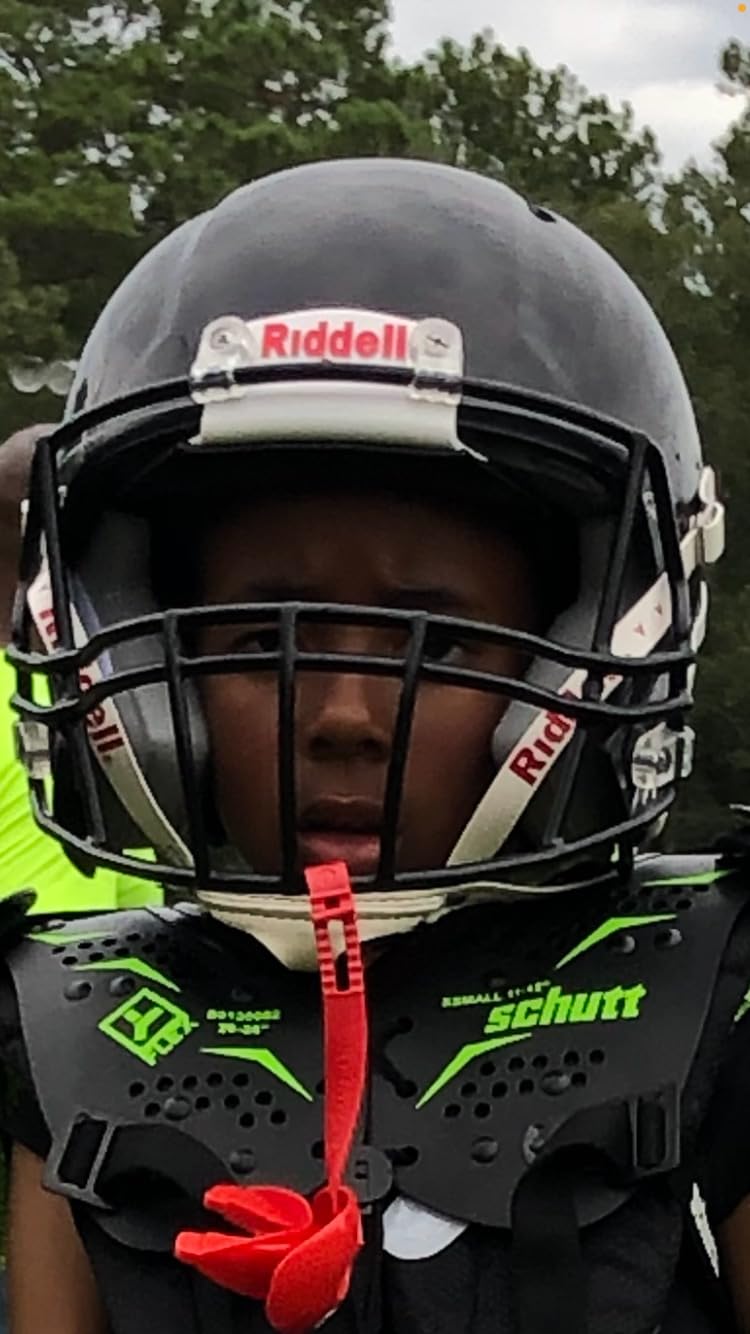
The fitted liner system is the main compromise. It is built for a specific head, and until your child outgrows that head the helmet has no adjustment remaining. Some parents solve this by buying a size up and accepting a slightly loose fit, which is the wrong trade, because a loose helmet rotates on the head and rotational motion is what the new standard is designed to limit.
Color and size availability is the other limitation, and it is a practical one. This model comes in fewer combinations than the SpeedFlex, so if your child’s head falls between two youth sizes, check carefully that the size you need is offered before you commit.
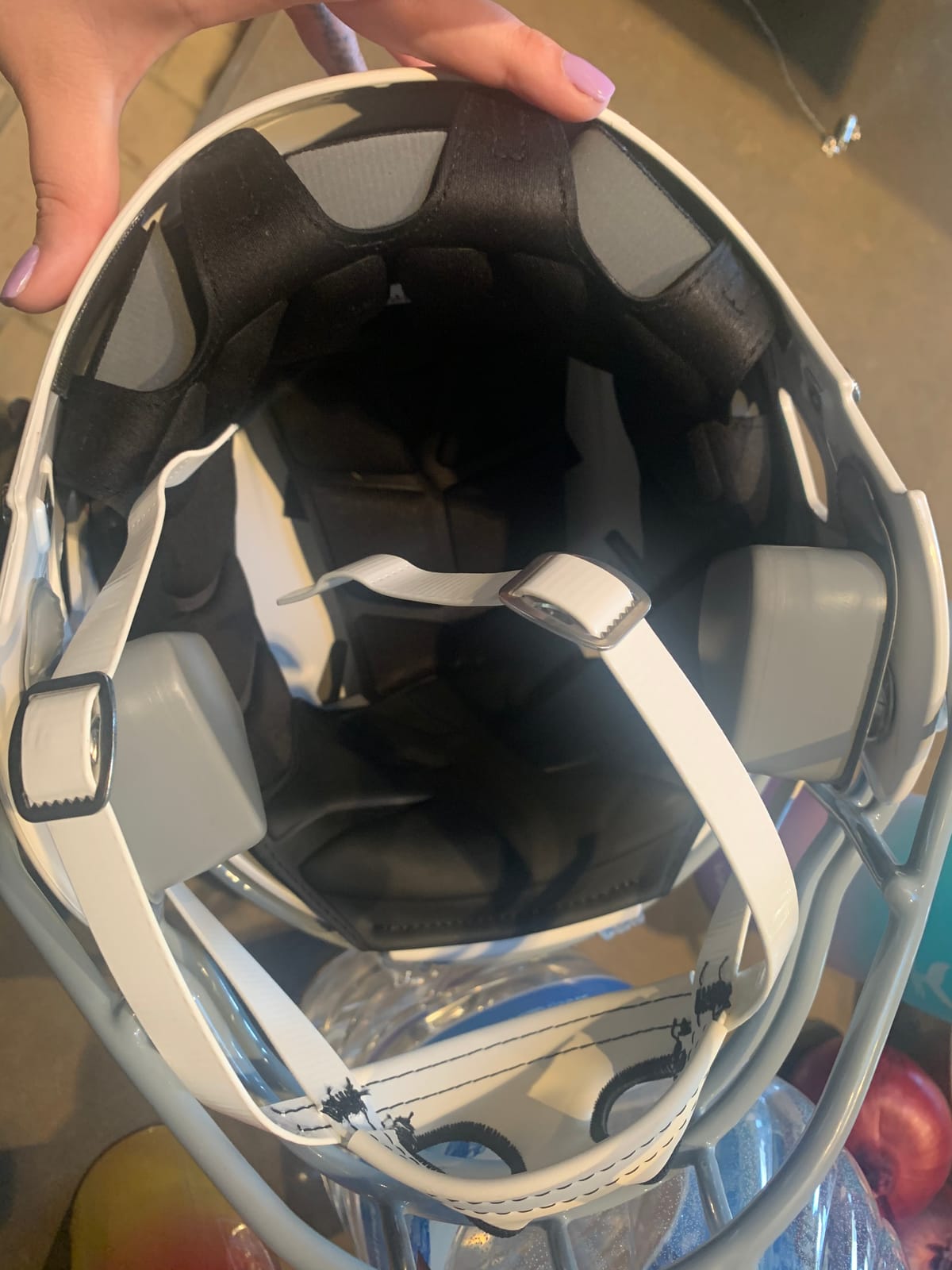
Do you need a premium helmet for a nine-year-old?
Not for one season. The premium models buy you Flex hinge systems, air liners and larger padding configurations, and all of those pay off over multiple seasons. A child who will move up a size within a year gets more value from a well-fitted mid-range helmet than from a top model they quickly outgrow.
What you should not compromise on is certification, fit and a NOCSAE seal. Everything above those three is a comfort and durability preference, and comfort is what decides whether your player actually keeps the helmet on during a hot fourth quarter.
Who should not buy the Victor Youth?
Do not buy it for a child who is growing quickly, because the fitted liner leaves no room for adjustment once the head changes. Do not buy it for the smallest players in your league, where helmet weight should be your first filter, and be cautious about it if your program is strict about total package weight.
Also check your league’s facemask rules before buying. The included facemask is the standard configuration, and some youth programs require a different bar count or a specific style for certain positions.
4. Schutt F7 LX1 Youth — Best Football Helmet for Middle School Players
Schutt Sports F7 LX1 Youth Football Helmet (Facemask NOT Included), White, Medium
Weight 4.6 lb
Polycarbonate shell
Inflatable air liner
Facemask not included
Pros
- Air liner gives a genuinely custom fit
- TPU cushioning across temperatures
- Tektonic plates manage rotational force
- Many youth sizes and colors
Cons
- Facemask sold separately
- Air pump sold separately
- Standard jaw pads run thick
- Some reports of missing hardware
The F7 LX1 is the model where fit adjustability matters most, and for a middle school player in a growth phase that is the feature that decides the purchase. The SureFit inflatable air liner runs along the back and sides of the shell, so you pump it down as your child’s head changes between seasons instead of buying a new helmet every time the measurements shift.
The protection package is genuinely advanced. TPU cushioning handles the liner work, three-dimensional Tektonic plates sit in the most impacted zones and move independently in multiple directions to work against rotational force, and the Helmet Stabilization System uses both internal and external stabilizers built from high performance impact foam wrapped in synthetic leather. Owners describe the result as comfortable, light and not bulky for a shell with this much padding in it.
Here is the catch, and it is a real one. The facemask is not included, and the air pump used to inflate the liner is not included either. Both are separate purchases, so the figure on the listing is not the figure you end up paying, and for a first-time buyer that surprise is the most common complaint in the reviews along with the sizing.
Two more practical notes from owners. The standard 1.25 inch jaw pads are uncomfortable for players with larger heads or fuller cheeks, and swapping to thinner three-quarter inch pads is a common upgrade among people who buy this model. Sizing also runs tight at youth medium, so several buyers recommend sizing up rather than fighting the fit.
A small number of reviews also report arriving with missing chin strap hardware or missing jaw pads. That is worth checking the moment the box opens, because a helmet with no chin strap hardware is not a usable helmet and a replacement visit costs a season of play time.
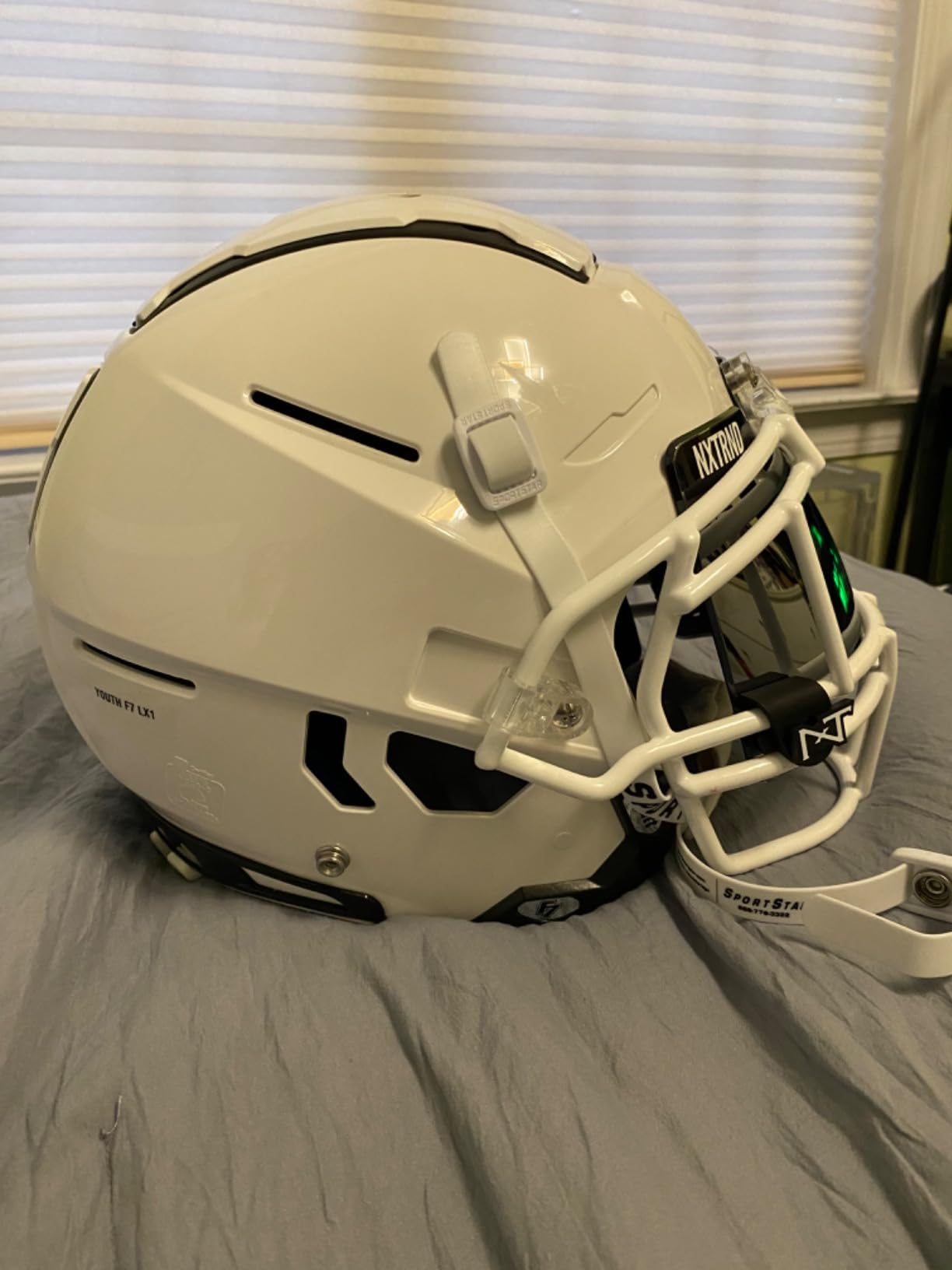
Is the F7 LX1 worth the extra steps?
It is if your child is 10 or older and still growing, because the air liner buys you a season or more of use that a fitted liner cannot. Buy the correct facemask in the same order if you go this route, and budget for a pump, which is a small item you can pick up once and keep.
It is not worth the extra steps if your child is 7 and likely to be in a different size next year. In that case a non-inflatable model that arrives complete, like the Vengeance A11, is the simpler path to the same place.
Who should not buy the F7 LX1 Youth?
Do not buy the F7 LX1 Youth if you want one box that opens into a ready-to-play helmet, because you will be sourcing a facemask and a pump separately. Do not buy it for a child with a head shape that runs narrow at the back, since the sizing runs tight at youth medium and the padding can crowd the occipital area.
Buyers who care about total package weight should also look elsewhere, because 4.6 pounds before a facemask is added is one of the heavier combinations in this group. Middle school is where this helmet makes the most sense, and little league is where it makes the least.
5. Schutt F7 AiR Youth — Best Lightweight Football Helmet for Youth Players
Schutt F7 AiR Youth Football Helmet (Virginia Tech 5-Star Helmet)
Listed weight 3 lb
Polycarbonate shell
Carbon steel facemask attached
Medium youth
Pros
- 5-star Virginia Tech Helmet Lab rating
- Facemask pre-attached
- Lightest listed weight we analyzed
- Air liner for a custom fit
Cons
- Air pump sold separately
- Highest one-star share of the six
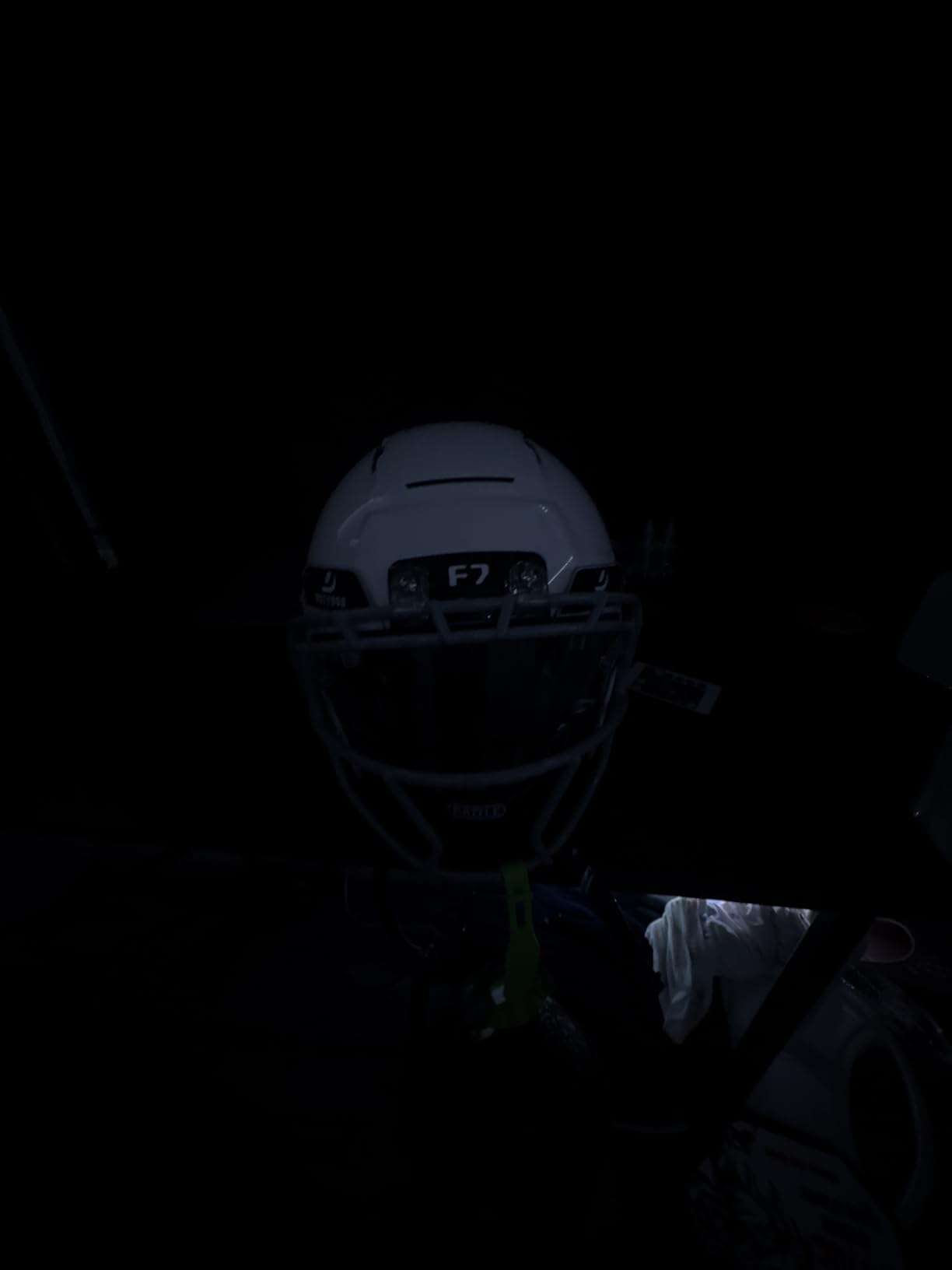
The F7 AiR Youth is the one to look at when weight is the deciding factor. Its listed weight is 3 pounds, the lowest published weight among the six helmets we analyzed, and on a smaller neck that difference is not a rounding error. It is a full Schutt F7 model carrying that same 5-star citation from the independent Virginia Tech Helmet Lab.
The Helmet Stabilization System jaw pads and the inflatable air liner are the two features that carry over from the F7 family, and they work together. The jaw pads stabilize the head inside the shell, and the air liner lets you dial the shell in against the skull, which is exactly the combination you want for a child whose head size is still moving.
Because the facemask comes attached, there is no assembly step at all. Schutt is explicit that no assembly is required, which removes the single most common reason a new helmet ends up sitting in a garage while a parent works out how the clips go together. You can hand it to your player and put it on.
The trade-off on this model is the review profile rather than the product. At 4.3 stars from 154 reviews it trails the Riddell and Vengeance models, and its one-star share of 11% is the highest of the six. Most of that reflects a newer listing with a smaller sample rather than a design problem, but it does mean you have less owner history to lean on.
You will still need a pump for the air liner, and that is the only accessory gap in an otherwise complete package. Budget for it, and check the fit with the air liner inflated rather than deflated, since a helmet that feels loose in the box is not a problem if it pumps down properly.
Is a 3-pound youth helmet actually better for a child?
It is better for a small player, and the reasoning is about the neck rather than the head. A youth neck has less developed musculature to resist rotational force, so every extra pound the head carries is a pound the neck has to manage during a tackle. NOCSAE built the 3.5 pound cap into its youth standard for exactly this reason, and this helmet sits comfortably inside that ceiling with the facemask already attached.
For a bigger middle school player the advantage shrinks, and the air liner plus HSS padding keep this model competitive. But if you are choosing for a 6- to 9-year-old, the weight ranking is a legitimate tiebreaker after safety rating.
Who should not buy the F7 AiR Youth?
Do not buy it if you are uneasy about a thinner owner review base, particularly if you want to compare a long track record. And skip it if your child needs thick jaw pads for a broad face, since the HSS configuration is tuned to sit closer to the skull than some padded shells.
If your program requires a facemask color or style other than the attached carbon steel unit, that ends the evaluation quickly. Check your league rules first, because the pre-attached facemask is the main reason this model is so easy to start using on day one.
6. Riddell Victor-i Youth — Best Football Helmet for Skill Positions
Riddell Victor-i Youth Football Helmet with Facemask, Football Helmets for Youth
ABS shell
Large to X-Large
Inflatable rear liner
S2B facemask included
Pros
- Highest average rating of the six
- Extended jaw flap for side protection
- Inflatable rear liner and S-jaw pads
- S2B facemask suits skill positions
Cons
- Combined Large-X-Large sizing is coarse
- ABS shell rather than polycarbonate
- Smallest review base at 50
The Victor-i Youth is built for quarterbacks, running backs and other skill positions, and the reasoning is in the facemask. It includes an S2B facemask, which is the bar configuration designed for players who need clear vision and situational awareness rather than a lineman’s cage. If your child throws, catches or carries, that is the right bar style from day one instead of a conversion later.
Side impact protection is the other differentiator. The extended jaw flap and the interior liner extending down to the mandible area increase energy attenuation on exactly the blows a skill position takes, since a quarterback absorbs contact on the front and side of the head far more than a guard does. The offset shell design is built to manage a broad range of impact types, and the inflatable rear liner plus S-jaw pads let you set the fit in the back of the head where loose helmets usually pool.
Its 4.8-star average is the highest of the six products we analyzed, paired with 84% five-star ratings. That number comes from 50 reviews, the smallest base in the group, so treat it as encouraging rather than conclusive.
There is no image gallery of owner photos for this listing, so our read on it leans more heavily on the specification sheet and the review text than on the other five. The comfort features owners mention are a removable moisture-resistant overliner and a vinyl front pad cover, both of which help with the heat and the grass stains of a long season.
Is an ABS shell a downgrade from polycarbonate?
Not automatically, and the distinction matters mostly for league rules. ABS is the traditional youth shell material, and polycarbonate is what most adult and varsity shells use. Youth helmets in this roundup split between the two, with the Riddell SpeedFlex, Victor Youth and Schutt models listed as polycarbonate and the Victor-i listed as ABS.
Some youth leagues and Pop Warner chapters restrict which shell materials are permitted, so check your league handbook before buying. At youth size the difference shows up in weight and build, and an ABS shell will usually be the lighter option within any given brand line.
Who should not buy the Victor-i Youth?
Do not buy it if your child falls between youth sizes, because the Large to X-Large configuration is a coarser fit than the separate small youth sizes offered by the other models here. That single detail rules it out for most younger players regardless of how good the rest of the spec sheet is.
Linemen should skip it too, because the S2B facemask is deliberately open and is not the right bar style for a player taking contact on every snap. If your program issues helmets anyway, buy the model your team already stocks so replacement parts and reconditioning stay simple.
How to Choose a Youth Football Helmet That Fits
What does a Virginia Tech STAR rating actually mean?
A Virginia Tech STAR rating is a laboratory measurement, not a marketing claim. The lab runs 48 impact tests per helmet across the front, front boss, side and back of the head at low, medium and high energies, on a youth-specific headform assembly calibrated to a 10- to 12-year-old. Results are converted into a 1-to-5 star rating and a STAR value score, where a lower score indicates better performance.
That lower-is-better detail trips people up, so read it twice. A 5-star helmet with a score of 0.90 outperforms a 4-star helmet with a score of 1.80, because the star count is a band and the score is the measurement. Virginia Tech’s own recommendation is simple: choose a helmet rated 4 or 5 stars. We used that threshold for every pick in this list.
The ratings change as testing evolves. Virginia Tech refreshed its ratings recently and the number of 5-star high school helmets fell sharply, which tells you the bar is moving rather than the products getting worse. Check the current ratings page for the model you are considering instead of trusting a number from a blog post written two seasons ago.
How do you measure a child’s head for a football helmet?
Measure the circumference, not the height. Wrap a soft measuring tape around the fullest part of the head, which is just above the eyebrows and across the widest point, keeping the tape level all the way around and snug enough to stay on the head without pinching.
Then add a little. Because a helmet adds padding between the skull and the shell, a measured head circumference lands in the size band above the raw number, and the manufacturer chart converts it for you. Measure with the hair damp and flattened, since a puffy dry head reads larger than it is in practice.
Re-measure every few months during a growth period. This is the easiest habit a parent can build, and it is far more reliable than eyeballing whether the helmet still looks right.
What are the fit checkpoints after the helmet arrives?
Put the helmet on with damp hair, because that is how it will be worn on a humid game day.
Check the brow line. You should be able to fit two fingers between the front edge of the helmet and your eyebrows, no more and no less.
Look at the ear holes. The center of each ear should sit inside the ear opening on both sides, which is the quickest single indicator of correct sizing.
Confirm the cheek pads are touching just below the ear, with no gap that lets your fingers slide in.
Fasten the chin strap into the chin cup so it sits snug under the jaw, and ask your player to shake their head hard. The helmet should not shift at all.
If the helmet has an air liner, pump it before the final fit check, not after.
Run the movement test last, because a helmet that moves on the head is a helmet that rotates, and rotational motion is precisely what both Virginia Tech and the new NOCSAE standard are built around. If the helmet shifts, the fix is sizing, not tightening.
What is NOCSAE and why does the 3.5 pound cap matter?
NOCSAE is the standards body that certifies football equipment, and the NOCSAE seal on the shell or the packaging is your baseline. For youth, the relevant document is ND006, the first dedicated youth football helmet standard, issued in February 2025 and taking effect on September 1, 2027. It caps a youth helmet at 3.5 pounds including the facemask and sets a limit on how quickly a head can rotate on impact.
The weight cap exists because of the neck, not the skull. A youth player has a smaller skull on a weaker neck, and a heavier helmet produces more rotational force on the neck every time the head is turned. The NOCSAE rotational limit treats that as a measurable risk rather than a theoretical one.
Use the cap as a buying filter now even though it is not yet enforceable. Four of the six helmets in this roundup publish a weight figure, and only one of them sits well under the cap while the other three sit above it. If your child is under 10, start with the lighter end of the range.
Our related gear coverage is thinner but more specialized, including our adventure motorcycle helmet picks if your family rides on weekends, and our auto-darkening welding helmet guide for a very different kind of face protection.
Is the Schutt F7 safer than the Riddell SpeedFlex?
Both are strong choices, and the honest answer is that the gap between them is smaller than the marketing suggests. The Schutt F7 family, including the Vengeance A11 and the F7 AiR Youth, cites 5-star ratings from the Virginia Tech Helmet Lab, and those are the independent ratings the lab publishes. The SpeedFlex does not carry a 5-star citation in the data we reviewed, but it leads on owner satisfaction with 4.7 stars across 845 reviews and a youth size run that spans Small to X-Large.
Where they genuinely differ is fit and adjustment. The F7 models use inflatable air liners and TPU cushioning, which let a growing child dial the helmet in over a season. The SpeedFlex relies on a Flex hinge system, PSIP mandible protection and sizing across youth shells, which suits a child who has already reached a stable size.
Choose the F7 side for a younger or faster-growing player, and the SpeedFlex for a larger youth player who has nearly stopped growing. Both are defensible; the wrong fit is the only real failure mode here.
Which helmet should you buy at each age?
At 6 to 8, weight leads the decision, so start with the lightest certified model you can find and expect a replacement within two seasons. At 9 to 11, an inflatable liner starts to earn its keep because it extends the life of the helmet across a growth spurt, and facemask style becomes a position question. At 12 to 14, players are approaching adult head sizes, so measure carefully and check whether an adult shell is coming within a year, because moving to adult polycarbonate is usually a one-way transition rather than a gradual one.
Flag football is a different category entirely, and a soft-shell cap is the right and often league-required answer. None of the six helmets in this list is a flag helmet, and using a full tackle shell for flag play adds neck weight for no protection benefit.
When should you replace a youth football helmet?
Replace it when your child’s head no longer fits the size they bought, which is the first and most common trigger, typically every one to three seasons in youth football. Replace it immediately after any significant impact, because the liner and shell can be structurally damaged while still looking fine, and because impact history is not something you can un-ring.
Replace it if the shell has a crack, if the facemask or clips are bent or missing hardware, or if the padding is compressed, hardened or displaced. Finally, replace it when the manufacturer’s shelf life runs out, which is commonly cited as around ten years for an unused helmet even in storage.
Do not buy a used helmet without knowing its history. A helmet that came out of a teammate’s garage has an unknown impact record and an unknown storage history, and the savings rarely justify it for a head that small. A more sensible way to spend less is buying a current model from a seller with a straightforward return policy.
How do you avoid a counterfeit or non-NOCSAE helmet?
Buy from an authorized retailer or a brand-authorized seller, and look for the NOCSAE seal in the product listing and the packaging before you buy. If a listing does not show a certification seal, treat that as the answer to your question rather than as a detail to check later.
Be wary of marketplace listings that copy a brand name and model number but describe a shell you would not find in that manufacturer’s catalog. Check that the model year, the shell material, the facemask and the included accessories all match the manufacturer’s own product page for that model.
Finally, check the return policy. A seller who will not take the helmet back for a fit exchange is telling you something about how much support stands behind the product, and fit is the one variable you cannot settle from a photograph.
Frequently Asked Questions
What is the best football helmet for youth players?
The Riddell SpeedFlex Youth is our best football helmet for youth players in 2026, with a 4.7-star average across 845 reviews, a Flex hinge system and the widest youth size range we reviewed. Parents shopping on a tighter budget should look at the Schutt Youth Vengeance A11, which carries a 5-star Virginia Tech Helmet Lab rating and ships with a facemask attached.
Which helmet is safer, the Schutt F7 or the Riddell SpeedFlex?
Both are safe choices and the difference is smaller than the marketing suggests. The Schutt F7 family cites 5-star ratings from the independent Virginia Tech Helmet Lab, while the SpeedFlex leads on owner satisfaction and youth sizing. Pick the F7 side for a younger player who is still growing, and the SpeedFlex for a larger youth player whose head size has settled.
What is the best football helmet for youth players to prevent concussions?
No helmet prevents concussions. Athletic trainers are clear that a certified helmet reduces the risk of skull fracture, laceration and contusion, but it cannot stop the brain from moving inside the skull. What you can control is certification, correct fit and total weight, which is why we rank every pick on the Virginia Tech STAR rating and the NOCSAE seal.
What size youth helmet does a 10 year old need?
Measure your child’s head circumference with a soft tape across the fullest part of the head, just above the eyebrows, then match that number to the size chart on the manufacturer’s product page. Most 10 year olds land in the large or large to X-Large youth range, but heads vary enough that measuring beats guessing. Re-measure every few months during a growth spurt.
When should I replace my child’s football helmet?
Replace it when the head no longer fits the shell size, which is usually every one to three seasons in youth football, and immediately after any significant impact. Also replace it if the shell is cracked, if the facemask or clips are bent, if hardware is missing or if the padding is compressed or displaced. A used helmet with an unknown impact history is not a safe budget option for a child.
What does a 4 or 5 star helmet rating mean?
A star rating from the Virginia Tech Helmet Lab is a lab measurement, not a marketing claim. The lab runs 48 impact tests per helmet on a youth headform and converts the results into a 1-to-5 star rating plus a STAR value score, where a lower score means better performance. Virginia Tech recommends choosing a helmet rated 4 or 5 stars.
Our Final Youth Football Helmet Recommendations
After working through all six, the best football helmets for youth players in 2026 come down to this. Buy the Riddell SpeedFlex Youth if you want the best overall fit, a youth size run that spans Small to X-Large and the deepest owner history in the group. Buy the Schutt Youth Vengeance A11 if you want a 5-star Virginia Tech rating with a facemask in the box and nothing else to buy.
For a fast-growing middle school player, the Schutt F7 LX1 Youth buys you adjustability you can pump in over the season, with the understanding that the facemask and pump are separate purchases. For the smallest players, the Schutt F7 AiR Youth is the lightest certified option we found, and it needs no assembly at all. The Riddell Victor Youth covers a first season well, and the Victor-i Youth is the right call for a quarterback or running back who needs an open facemask and extra side protection.
Whatever you choose, fit the helmet before the season starts rather than at game day, keep the NOCSAE seal in view, and re-measure your child’s head every few months. That last habit does more for your player’s safety than the model name ever will.