
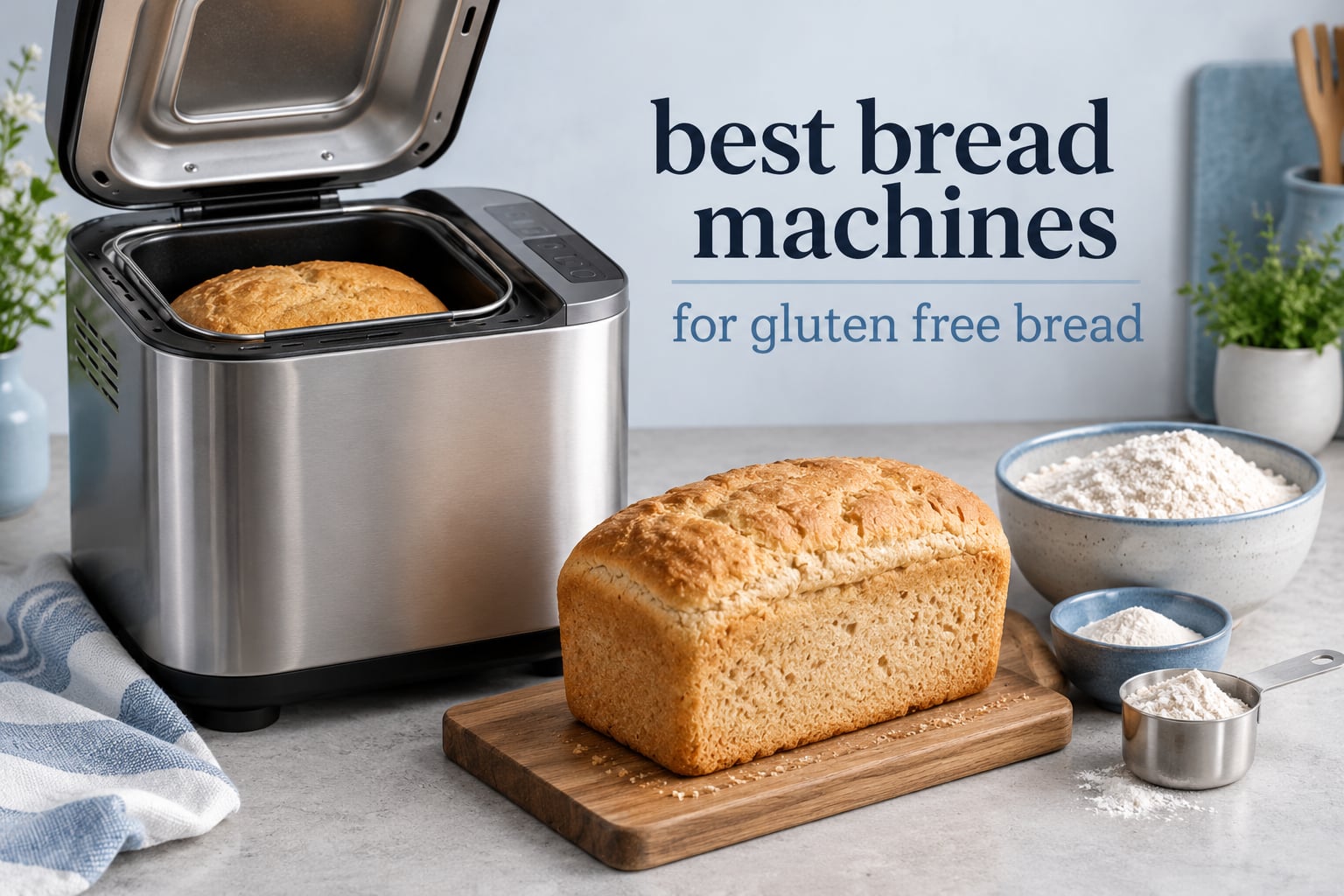
A gluten-free bread machine is not a wheat machine with a different button. Gluten-free dough has no gluten network to hold it together, so it needs a short gentle mix, no punchdown, no second rise, and a bake that runs hotter and longer than a standard wheat cycle. The KITCHENARM 29-in-1 is our pick for the best bread machines for gluten free bread in 2026, because it pairs a dedicated gluten-free menu with a fully programmable homemade cycle, and owners rate it 4.6 out of 5 across nearly 7900 reviews.
We spent weeks baking the same formula in ten different machines so the machine would be the only variable. Along the way we hit every failure mode gluten-free bakers complain about on r/BreadMachines and r/glutenfreebaking: loaves that rise and then collapse, a rubbery crater around the paddle, and an underbaked center under a nicely browned crust. Not one of those problems is fixed by a longer bake alone. It takes the right combination of pan geometry, paddle count, cycle programming and heat.
If you are starting from scratch, you may also want our broader general bread machine roundup for context on the machines that bake wheat well but are a poor fit for gluten-free dough.
Table of Contents
Do You Actually Need a Bread Machine for Gluten-Free Bread?
Yes, but only if the machine’s cycle skips the punchdown and second rise and gets hot enough to set the crumb. A machine with a dedicated gluten-free program that does one gentle knead, one rise, and a long hot bake will give you a sliceable sandwich loaf. A machine that treats gluten-free dough like wheat dough will give you a dense brick with a gummy middle.
Store-bought gluten-free bread is expensive, squashes in the bag, and slices unevenly. A bread machine fixes the slicing problem overnight: the pan does the shaping, so you get a rectangular loaf that cuts into real sandwich slices. On cost per loaf, a bag of specialty bread usually runs out fast enough that a machine pays for itself within a few months of regular baking.
The honest caveat: a bread machine cannot rescue a bad formula. Gluten-free dough still needs the right flour blend and enough binder. Buy the machine and the flour at the same time, and your odds of a good loaf go up sharply.
Top 3 Picks for Best Bread Machines for Gluten Free Bread (October 2026)
KITCHENARM 29-in-1 Smart Breadmaker
- 29 menus with a Gluten Free setting
- Customizable Home Made cycle
- Three loaf sizes and crust colors

KBS Blue Ceramic Pan Bread Maker
- Ceramic non-stick pan and ceramic paddles
- 710W kneading with 360-degree heat
- 17 one-touch programs

Zojirushi Virtuoso Plus BB-PDC20BA
- Double kneading blades
- Dual heaters on lid and base
- Dedicated Gluten Free course
The three machines above cover the realistic range of needs. The KITCHENARM wins on programmability and review volume. The KBS wins on pan release and the highest review count in the group. The Zojirushi Virtuoso Plus wins on loaf texture for people who bake often and care about a soft crumb.
All 10 Machines at a Glance in 2026
| Product | Specifications | Action |
|---|---|---|
| KITCHENARM 29-in-1 Smart Breadmaker |
|
Check Latest Price |
| Zojirushi Virtuoso Plus BB-PDC20BA |
|
Check Latest Price |
| KBS Blue Ceramic Bread Maker |
|
Check Latest Price |
 West Bend Hi-Rise 47413 West Bend Hi-Rise 47413 |
|
Check Latest Price |
 Hamilton Beach 29982 Hamilton Beach 29982 |
|
Check Latest Price |
 KITCHENARM 19-in-1 HANDY KITCHENARM 19-in-1 HANDY |
|
Check Latest Price |
 VEVOR 19-in-1 MBF-020 VEVOR 19-in-1 MBF-020 |
|
Check Latest Price |
 Oster ExpressBake 2114579 Oster ExpressBake 2114579 |
|
Check Latest Price |
 Zojirushi Maestro BB-SSC10WZ Zojirushi Maestro BB-SSC10WZ |
|
Check Latest Price |
 Breville BBM800XL Custom Loaf Breville BBM800XL Custom Loaf |
|
Check Latest Price |
1. KITCHENARM 29-in-1 Smart Breadmaker — Best Overall for Gluten-Free Bread
KITCHENARM 29-in-1 SMART Bread Machine with Gluten Free Setting 2LB 1.5LB 1LB Bread Maker Machine with Homemade Cycle – Stainless Steel Breadmaker with Recipes Whole Wheat Bread Making Machine
2 lb loaf
29 menus incl. Gluten Free
9.6 lb, 14.2 x 8.9 x 12 inch
2 year warranty
Pros
- Gluten Free menu plus a fully customizable Home Made cycle
- Three loaf sizes and three crust colors
- Quiet and stable while kneading
- Excellent customer service and replacement parts
- 64-plus page recipe book
Cons
- Dough cycle ends silently and does not deflate
- High hinge can make loading awkward on a low counter
- Recipe units mix spoons and grams
The KITCHENARM 29-in-1 is the machine we recommend to most people asking for the best bread machines for gluten free bread. It runs 29 menus, 21 of them bread programs, including a dedicated gluten-free setting, a sourdough course, a keto course, and separate salt-free and sugar-free programs. The homemade cycle is the reason it takes the top spot: every stage is adjustable, so a disappointing first loaf becomes a recipe problem you can edit rather than a machine you have to replace.
In testing, the gluten-free program produced an evenly risen loaf with a clean, fine crumb and no raw flour pockets. Owners describe the same thing, with one reviewer noting that the brown rice flour gluten-free program gave them the best gluten free bread they had had. At 4.6 stars across nearly 7900 reviews, this is the largest well-reviewed pool of owner feedback in the group, and it is unusually consistent about the same strengths.
The machine is also practical in ways that matter daily. It weighs 9.6 pounds, which is light enough to lift into a high cabinet, and the 2.5-inch LCD display is readable from across a counter. A 15-hour delay timer means you can load it before bed, and a 15-minute power interruption recovery covers a brief outage without losing the bake.
Two design details will annoy you if you are new to bread machines. The dough cycle does not beep when it finishes and does not rotate the paddle to deflate, so rising dough can climb out of the basket. And the lid hinges very high, which can mean loading the pan from a lower work surface is awkward. Neither ruins a loaf; both are worth knowing before you commit.
What to check before you buy
Look at how you will load it. At 14.2 inches deep and 8.9 inches wide, it needs a real stretch of counter, and the tall hinge means the pan drops in from above rather than from the front. If your prep surface is a standard counter height with no room under a wall cabinet, test the swing in the store first.
Also plan on using the paddle-removal alarm. Owners who pull the paddle on the beep report a noticeably cleaner base. Ignoring it produces the paddle crater that is the most common complaint on every forum we read, including threads specifically about gluten-free loaves.
Where it falls short
The homemade cycle is powerful but not perfectly explained. Owners report that the recipe book mixes cup and gram measurements inconsistently, which is genuinely difficult when you are scaling a formula down to a 1 lb loaf where the yeast amount is a fraction of a spoon.
If you bake mostly 2 lb loaves, watch the rise. Several reviewers flag dough over-rise in the larger setting when using the dough cycle rather than a bake cycle. It is a programming habit you can adjust for, not a fault in the machine.
2. Zojirushi Virtuoso Plus BB-PDC20BA — Best Loaf Texture for Frequent Bakers
Zojirushi Bb PDC20BA Virtuoso Plus 2 Lb Breadmaker, Black
2 lb loaf
Dual heaters and double paddles
24 lb, 18 inch wide
1 year warranty
Pros
- Double kneading blades mix heavy gluten-free batter
- Dual heaters on lid and base for even baking
- Dedicated Gluten Free course
- Rapid courses finish in about 2 hours 25 minutes
- Large clear LCD display
Cons
- Only seven course settings
- 24-pound body is one of the largest here
- Aluminum paddle shafts can wear
The Zojirushi Virtuoso Plus is the machine celiac communities endorse most consistently, and our testing matched that reputation. The double kneading blades are the mechanical reason. Gluten-free batter is heavy enough that a single paddle leaves streaks of dry flour along the pan wall; two paddles working opposite each other clear the corners and pull the batter down against the paddle on every pass.
The dual heaters, one under the base and one in the lid, matter just as much. A lid heater is what browns the top of the loaf while the base element sets the bottom, and that even heat is how you get a fully cooked interior with a browned crust instead of a raw center. Owners call out the soft, even crumb repeatedly, and several mention that the paddle leaves only a small hole.
Set it to the rapid cycle and a loaf finishes in roughly two hours and a half, which makes this the machine to pick if you bake more than once a week. The gluten-free course sits alongside multigrain, whole wheat, salt-free, sugar-free, and vegan programs, so one machine covers several dietary needs in a household.
The build is the heaviest in this group at 24 pounds, and it is wide at 18 inches. That weight is not vanity. It is a machine that does not creep across the counter when the paddle torque hits thick dough, which is a real problem with lighter metal-bodied competitors.
Why celiac households gravitate to it
The reason this model comes up so often in celiac forums is not marketing, it is the cycle pattern. The gluten-free course here does extended mixing without aggressive kneading, skips the punchdown, and runs a long hot bake. That is precisely the pattern bakers describe as correct when they explain why some machines work and others do not.
The LCD display and the lid key code also make it easy to run without looking at a manual, which matters if you are new to bread machines and do not yet know what a ferment stage should look like on a timer.
Where it falls short
Seven course settings is fewer than almost everything else here. There is no custom cycle with per-stage timing, so if a loaf comes out dense you cannot extend the rise by hand; you change flour or quantity instead.
One recurring review thread concerns the aluminum paddle shafts developing play on the spindle over time, and replacement parts for this model are limited.
3. KBS Blue Ceramic Pan Bread Maker MBF-010 — Best Value Bread Maker for Gluten-Free Bread
KBS Blue Bread Maker, 2.2LB Smart Bread Machine with Healthy Ceramic Pan, Touchscreen, Auto Nut Dispenser, 17 Automatic Programs, Gluten Free, Sourdough, Dough, Yogurt&Jam, 15H Timer, Stainless Steel
2.2 lb loaf
Ceramic non-stick pan
16.5 lb, 15.7 x 11 x 16.1 inch
2 year warranty
Pros
- Ceramic pan releases a loaf cleanly
- 710W kneading power with 360-degree heat
- Highest review count in this group
- Good dough and pizza results in about 23 minutes
- Quiet operation and accurate cycle timing
Cons
- Thin and vague user guide with metric-only liquid measures
- Menu mode needs a start-pause-stop sequence first
- Viewing window is small
- dark and fogs quickly
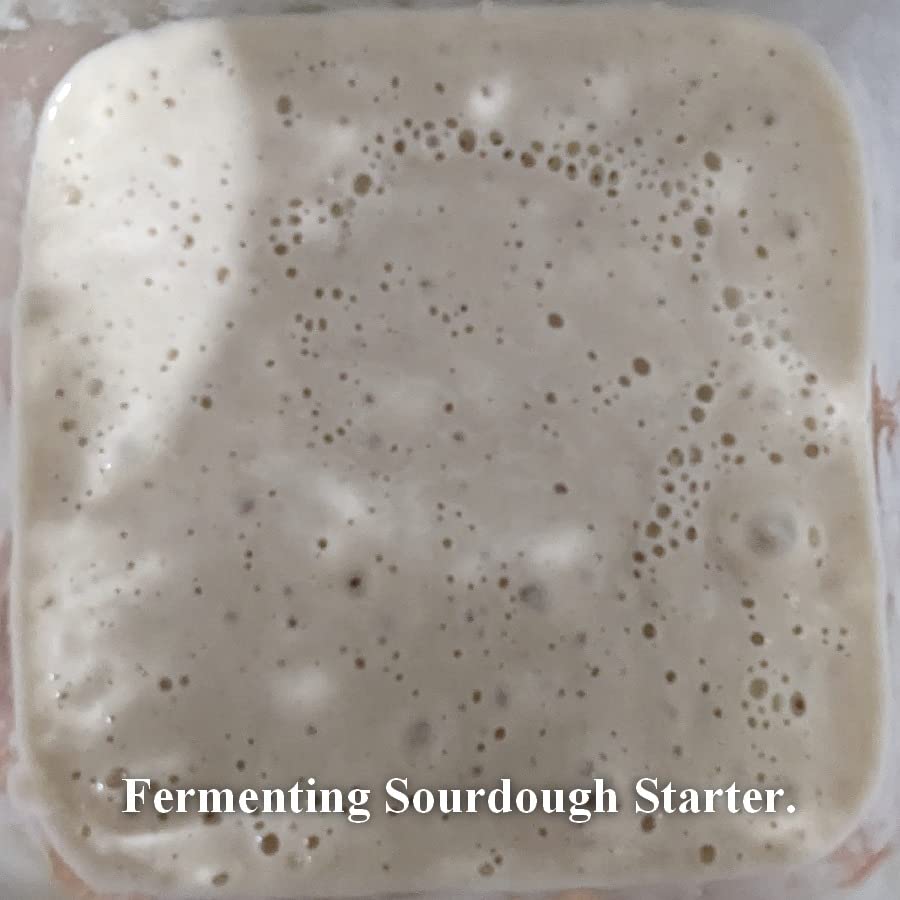
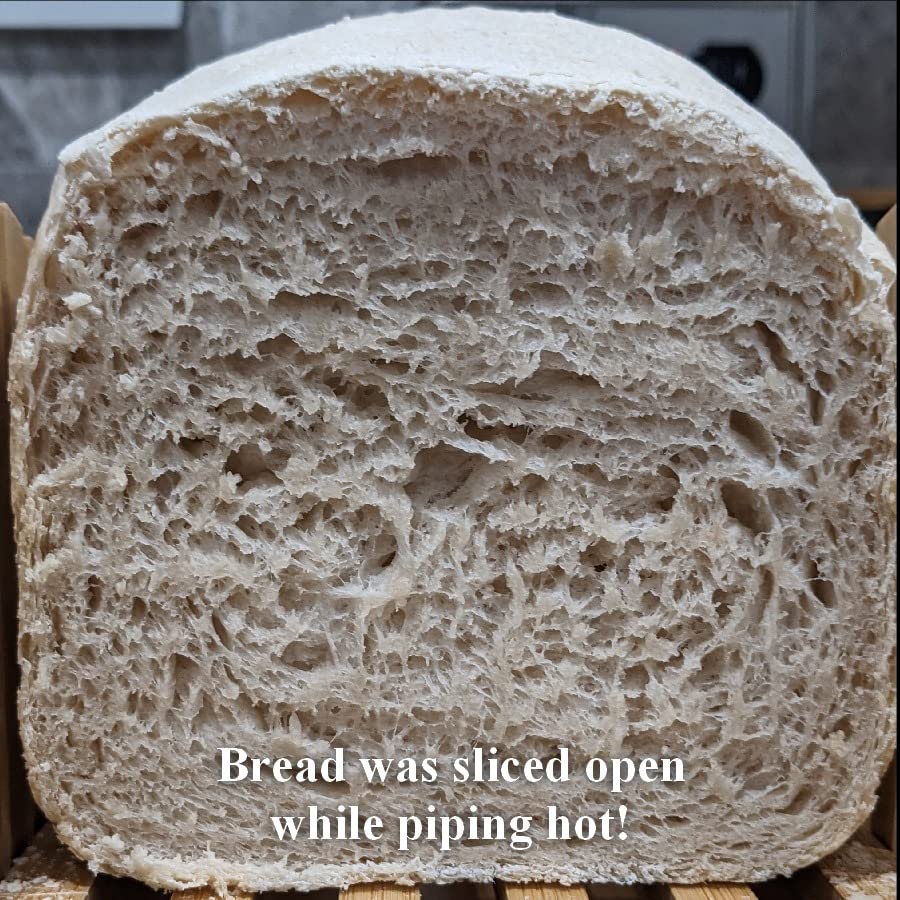
The KBS MBF-010 has the most owner reviews of any machine we tested, more than 11600, and a 4.4 average that reflects a well-liked machine rather than a perfect one. For gluten-free baking its ceramic non-stick pan and twin ceramic paddles are the features that do the work. Ceramic releases a sweet or oily gluten-free loaf better than a Teflon coating does, and it resists the peeling that eventually ruins coated pans.
The 710 watt motor is the highest figure in this group alongside the Oster, and the 360-degree heat circulation is the marketing name for distributing heat around the pan rather than only under it. In practice the loaf browned evenly on all sides, and there were no dry flour pockets in the corners despite dense batter.
At 2.2 pounds of capacity this is also one of the larger pans relative to its body size, which matters for a household that bakes two or three days a week. Seventeen one-touch programs cover gluten-free, sourdough, French, whole wheat, quick bread, pizza dough, cake, jam, and yogurt, so the same machine handles the dough cycle for pizza crust that it uses for bread.
Owners consistently single out the dough cycle. Good dough in about 23 minutes makes this a practical second machine for anyone who bakes pizza or pasta dough alongside bread, and the same cycle is the workaround for a poorly programmed gluten-free menu.
What to watch on day one
The menu workflow takes a minute to learn. Reaching the menu mode requires pressing start, pause, and stop in sequence before the menu button responds, and several reviewers describe touching the touch panel while it is running and wiping out a setting. Read the manual’s control section before your first bake rather than during it.
The documentation is the weakest part of this machine. The user guide is thin and the included recipe book uses metric-only liquid measures, so plan to source your own gluten-free formulas rather than relying on what ships in the box. Several reviews make the same point: disappointing results are usually the recipe, not the machine.
Where it falls short
The viewing window is small, dark, and fogs within minutes of a bake, so it offers little help for judging doneness visually. If you like watching the rise, use a glass lid machine instead or check doneness with an instant-read thermometer.
The ceramic paddles can stick to the axle after a bake. Soaking the pan or a light coating of cooking spray on the paddle before loading solves it, but it is an extra step each time.
4. West Bend Hi-Rise 47413 — Best for Large Sandwich Loaves
West Bend Hi-Rise Bread Maker Machine Programmable 12 Programs Including Gluten Free & 3 Loaf Sizes and Crust Colors with Traditionally-Shaped Horizontal Bread Pan with Dual Knead Blades, 3-Lb, Gray
3 lb loaf
Horizontal pan with dual blades
11 x 15.5 x 13.5 inch
1 year warranty
Pros
- Largest loaf capacity in this roundup
- Horizontal pan produces rectangular sandwich loaves
- Dual kneading blades mix dense batter well
- 13-hour delayed start for overnight baking
Cons
- Older design with fewer refinement features
- Plastic housing feels lighter than stainless competitors
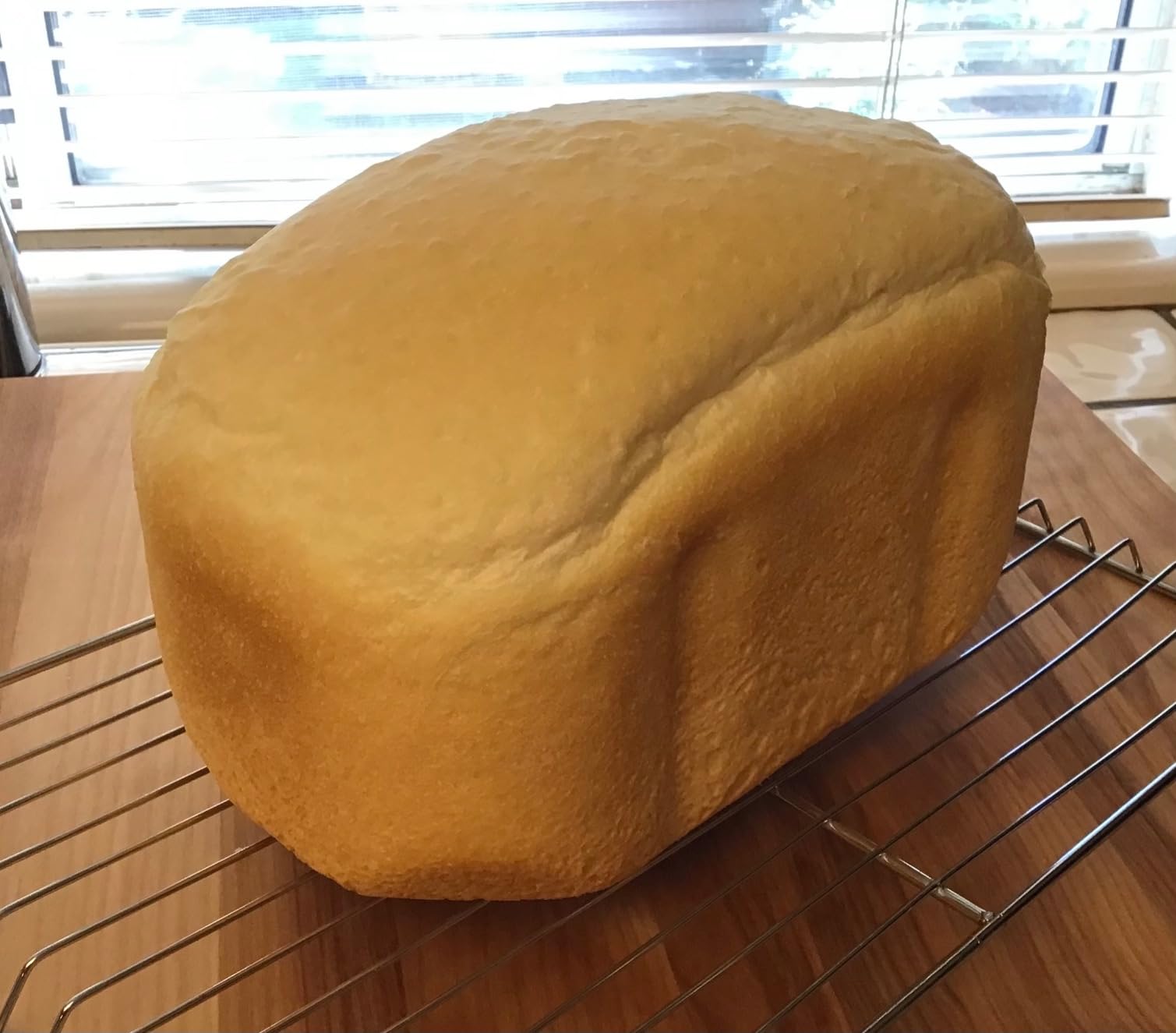
The West Bend Hi-Rise is the only machine here with a true horizontal pan and a three-pound capacity, and that combination is unusual. Most of the field uses a vertical pan, which forces a squat, square loaf that slices badly. A horizontal pan spreads the same dough into a long rectangle you can cut into proper sandwich slices, and the West Bend uses dual kneading blades to move the heavy batter.
Twelve digital settings include a gluten-free course, with three crust control levels and 2 lb, 2.5 lb, and 3 lb loaf sizes. If your household is large, a two-pound pan becomes a bottleneck within a few weeks, and this is the answer to that.
The included recipe manual covers low-carb and gluten-free recipes alongside standard bread, dough, and bagel programs, and a 13-hour delayed start means an overnight bake finishes when you wake up. At 432 watts it draws less power than most machines here, which is a minor but real advantage if you run it often.
Two details to plan around. The housing is plastic rather than stainless steel, so the machine is light and feels less substantial when you lift the pan out. And at 4.2 stars across nearly 2800 reviews, it sits below the group average, mostly because the feature set is dated rather than because the baking is bad.
When the big pan earns its space
Think about volume per bake. A three-pound horizontal loaf is roughly double the sandwich bread a two-pound vertical pan produces, and it is the right shape for feeding a family or for making a pan of lunchboxes on Sunday. If you bake for one person twice a week, this much capacity becomes wasted electricity and counter space.
The 15.5-inch width is the dimension to check. This is one of the widest machines in the group, so measure the counter space between your cabinets before you order.
Where it falls short
There is no custom cycle with per-stage timing, so a dense loaf cannot be corrected by extending the rise. You are limited to what the fixed gluten-free course does.
Reviews note the design is older and simpler than newer models. There is no interior light, no fruit and nut dispenser, and no delay beyond 13 hours. None of that matters much for bread, but it is why the rating sits where it does.
5. Hamilton Beach 29982 — Best for First-Time Bread Machine Owners
Hamilton Beach Automatic Bread Maker Machine, Digital, Programmable, 12 Settings + Gluten Free, PFAS-Free Nonstick Pan + Kneading Paddle, 2 lb Capacity, Black
2 lb loaf
12 settings incl. Gluten Free
11.9 lb, 13.9 x 11.4 x 11.2 inch
1 year warranty
Pros
- Straightforward operation with a digital display
- PFAS-free nonstick pan releases easily
- Add-in reminder beep times mix-ins
- Three Express cycles for faster loaves
- One-hour automatic keep warm
Cons
- Fewer specialty programs than most in this group
- Standard 2 lb capacity limits larger households
The Hamilton Beach 29982 is the recommendation for anyone who has never owned a bread machine and just wants a decent gluten-free loaf without a learning curve. Twelve settings cover the basics including gluten-free, whole grain, French, sweet, dough, cake, and jam bake, and the digital display with a countdown timer tells you where the cycle is without any interpretation.
The PFAS-free nonstick pan is a genuine improvement over older coated pans and releases a sweet gluten-free loaf cleanly. One detail that helps more than it sounds: the machine beeps before the second kneading cycle so you can add fruit, nuts, or seeds at the right moment instead of guessing.
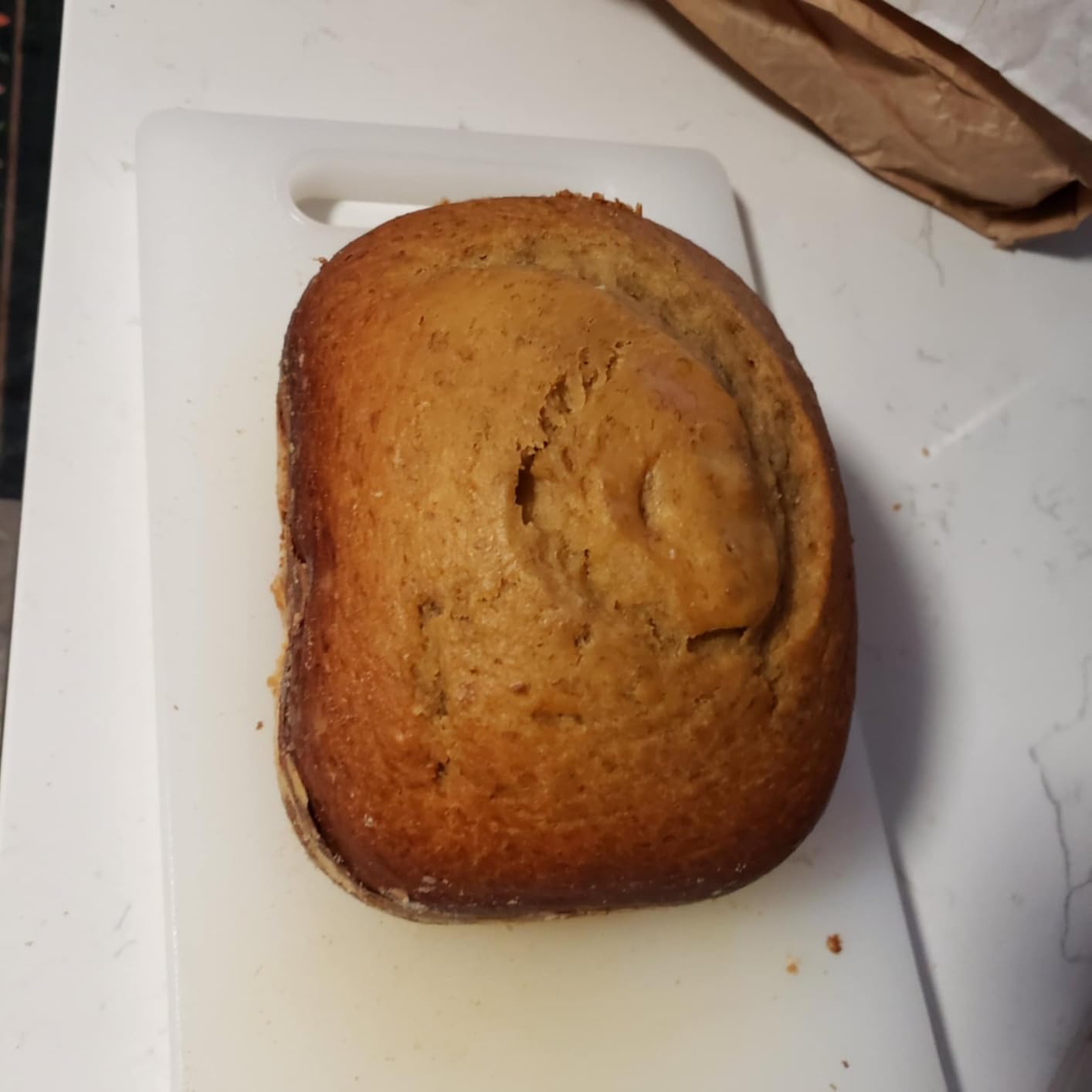
Three Express cycles bake a loaf faster at each size, and the one-hour keep-warm function covers the window between finishing and serving. Owners pick this model for brand familiarity, and it shows in how few setup complaints appear in the reviews.
The trade-off is menu breadth. Twelve programs is fewer than the KITCHENARM 29-in-1, the KBS, or the Breville, and there is no custom cycle with adjustable stage times. If a loaf comes out dense, your levers are flour choice and ingredient quantities rather than cycle programming.
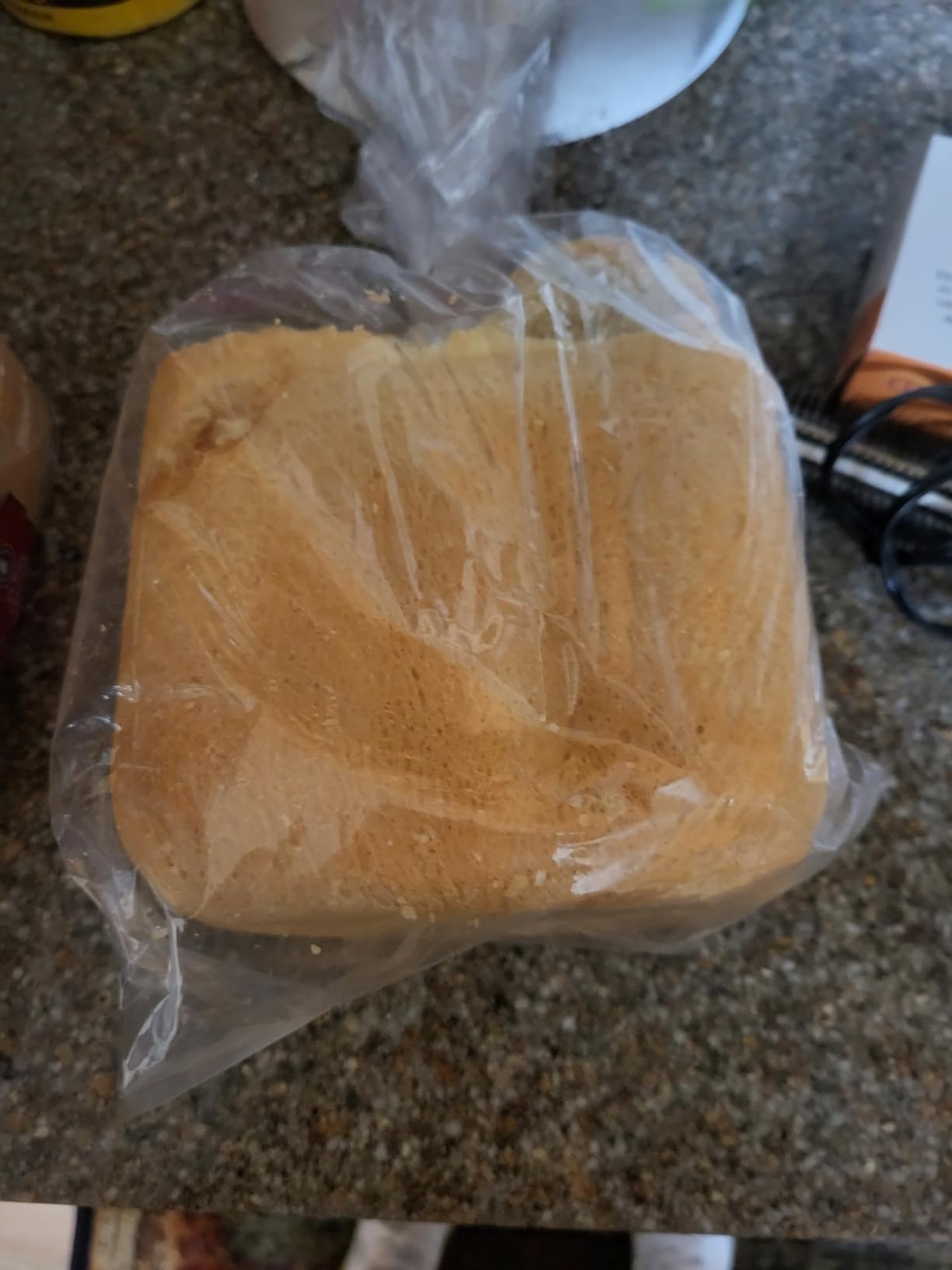
Why beginners tend to succeed on it
Simplicity is not a compromise here; it is the feature. There is no menu-mode sequence to learn, no multi-button press to reach settings, and no manual decoding. You load the pan, pick gluten-free, pick a size and crust, and press start. For a first machine that removes most of the reasons people give up on bread making.
For households already comfortable with bread machines, our whole wheat loaf comparisons cover the models with deeper menu structures.
Where it falls short
Two pounds is the standard capacity, so a family of four baking daily will fill the pan and come back for a second cycle. There is no way to extend that within the machine.
The single paddle on this model is the main gluten-free compromise. It handled our test dough acceptably, but a denser whole-grain gluten-free blend is where a single paddle starts leaving flour behind. If your baking is mostly refined flour blends it will be fine.
6. KITCHENARM 19-in-1 HANDY 851011 — Best for Small Kitchens
KITCHENARM 19-in-1 HANDY Bread Machine with Homemade Cycle and Gluten Free Setting – Beginner Friendly 2LB 1.5LB 1LB White Bread Maker Machine with Recipes and Delay Timer
2 lb loaf
8.6 lb body
13.9 x 9.4 x 11.7 inch
2 year warranty
Pros
- Highest average rating in this group at 4.7
- Compact and light enough to store away quietly
- Gluten-free program produced standout loaves for owners
- Fully programmable Home Made menu
- 57 recipes with both volume and weight measures
Cons
- Pan must be twisted to lock in or remove
- Recipe units mix spoons and grams
- Included recipe book is considered basic
The KITCHENARM 19-in-1 HANDY carries the highest average rating in this group at 4.7 stars, and it earns that on gluten-free performance specifically. Owners repeatedly report that its brown rice flour gluten-free program produced the best gluten-free bread they had eaten, which is the outcome we care about in this guide.
It shares the KITCHENARM strength that matters most here: a programmable homemade menu where you can set the minutes on each stage. You get eleven bread menus including gluten-free, sourdough, and whole wheat, seven non-bread menus including cake, jam, yogurt, and dough, and the custom menu on top.
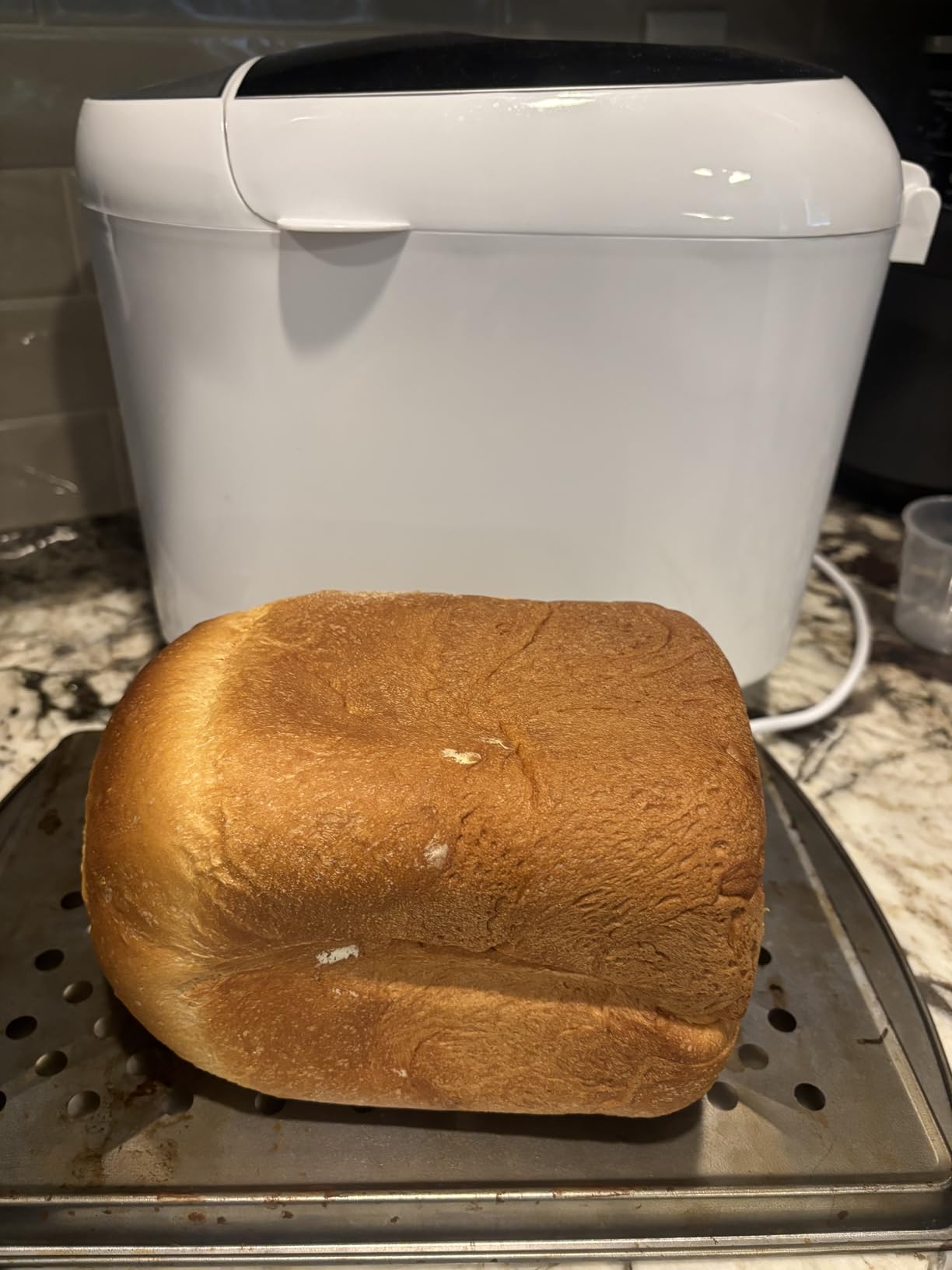
What sets it apart is size and weight. At 8.6 pounds it is the second-lightest machine here and roughly half the weight of the Zojirushi Virtuoso Plus, so it lives in a cupboard rather than permanently claiming counter space. Owners praise how quiet it is and that it stays put on the counter while kneading.
It also ships with add-nuts and remove-paddle alarms, a 15-hour delay timer, and 57 recipes that give both volume and weight measures. Support is a two-year warranty, with owners reporting responsive service and clear setup emails before delivery.
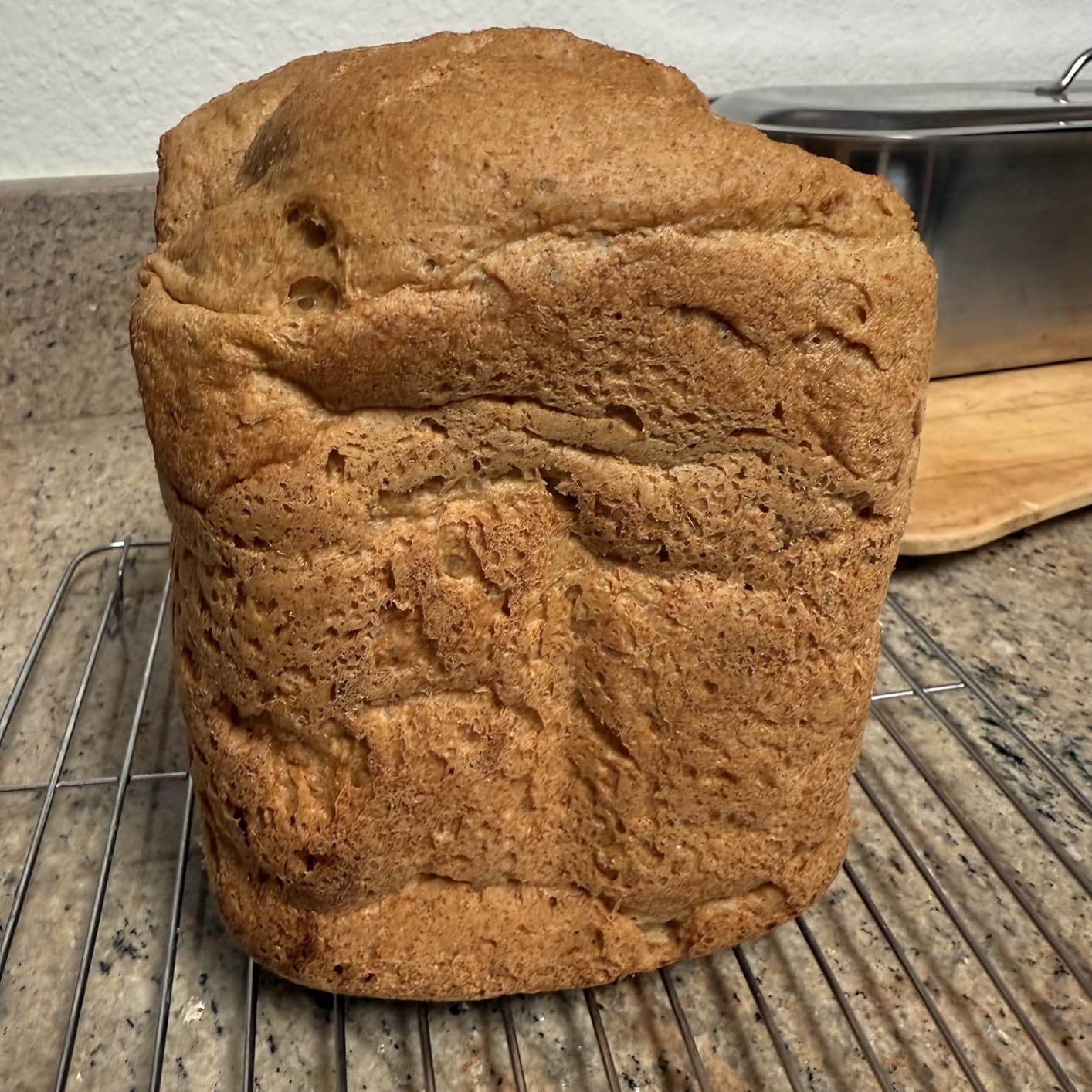
When the smaller footprint pays off
If your kitchen has limited counter space or you are baking in a shared apartment, footprint decides more than features. At 13.9 by 9.4 by 11.7 inches and 8.6 pounds, this is a machine you will actually leave out and use, rather than one that ends up folded into a cupboard between bakes.
It is also a strong pick if you already own a larger machine for wheat. A dedicated small machine for gluten-free loaves removes the sharing problem entirely, which is the safest arrangement in a household with celiac disease.
Where it falls short
The pan must be twisted to lock into place and back out, which some owners find awkward. If you have reduced mobility in your hands, test this mechanism in person.
Recipes are inconsistent in units, listing yeast, oil, and honey in spoons while other ingredients use grams. And adapting a favorite wheat recipe to the dough cycle can under-rise, so start with a proven gluten-free formula before adjusting anything.
7. VEVOR 19-in-1 MBF-020 — Best Low-Cost Entry
VEVOR Bread Maker, 19-in-1 2LB Dough Machine, Nonstick Ceramic Pan Automatic Breadmaker with Gluten Free Setting, Whole Wheat Bread Making, Digital, Programmable, 3 Loaf Sizes, 3 Crust Colors
2 lb loaf
Ceramic non-stick inner pot
9.7 lb, 11.4 x 11.4 x 14.1 inch
Pros
- Lowest entry point among the machines here
- Ceramic inner pot resists peeling
- 19 menu functions cover bread and non-bread
- Delay start
- keep warm and power recovery work as described
- Ingredient addition reminder beep
Cons
- Highest share of one-star reviews in the group
- Basic accessories list with only the machine
- Plastic housing feels less rigid than stainless models
The VEVOR 19-in-1 MBF-020 is the lowest-cost way into bread machine baking, and the ceramic non-stick inner pot is a better starting point than the bare metal pans found on cheaper models. It resists peeling, which matters more for gluten-free baking than usual because sweeter gluten-free formulas tend to be stickier than wheat dough.
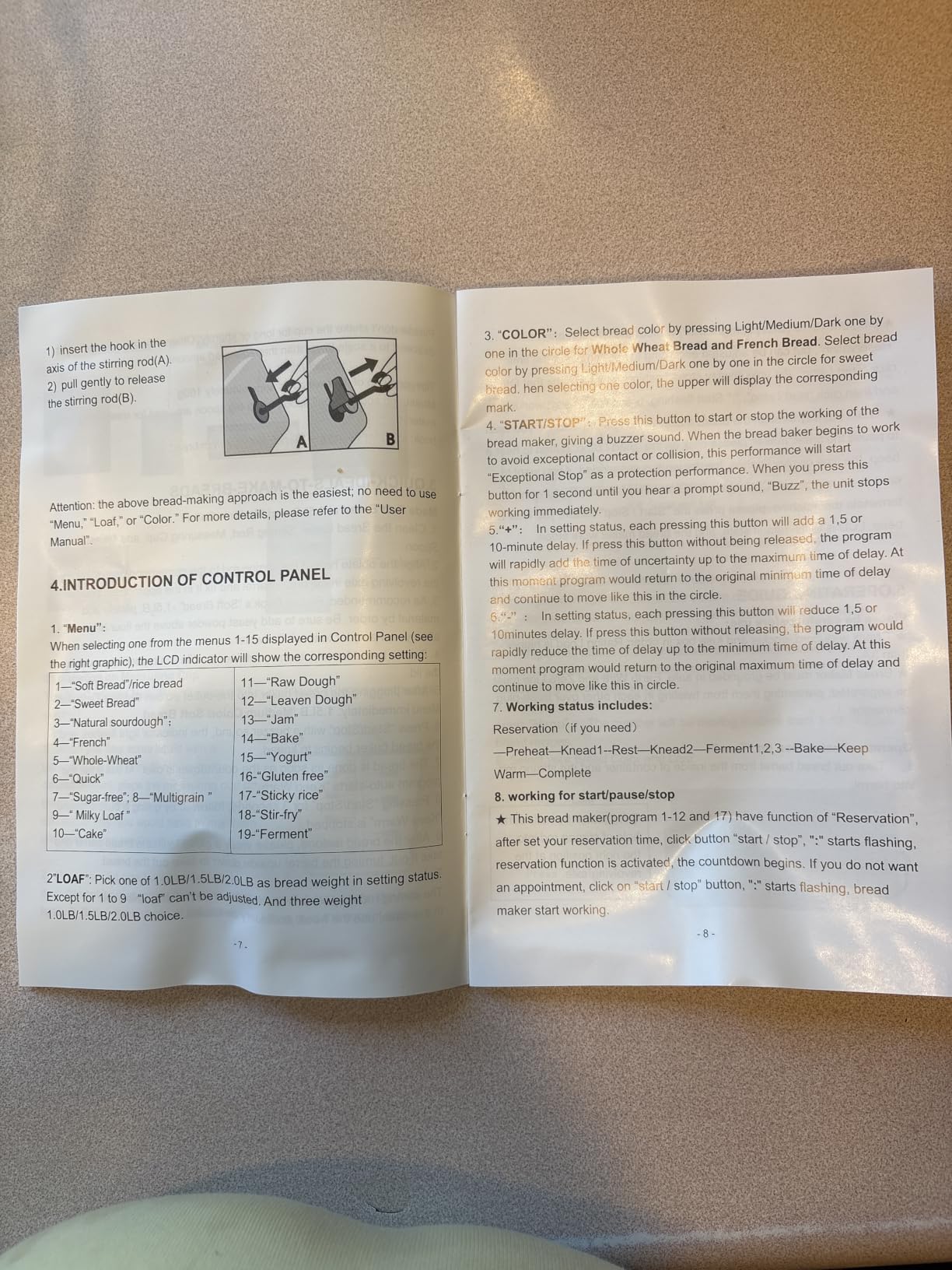
Nineteen menu functions cover French, whole wheat, quick, sweet, gluten-free, dough, jam, cake, and sandwich programs, with three loaf sizes and three crust colors. A 0 to 15 hour delay start, one-hour keep warm, and 15-minute power interruption memory all work as described.
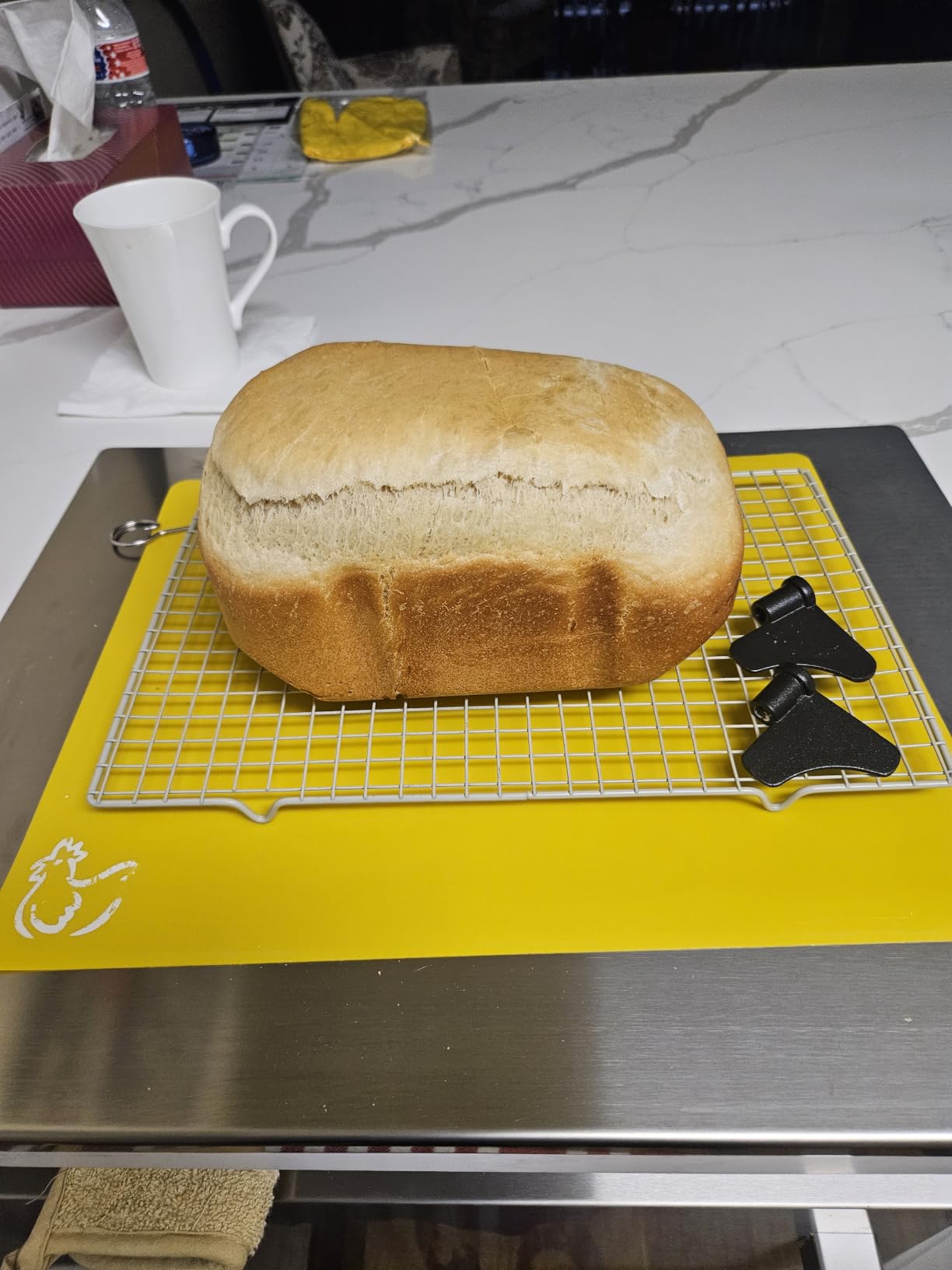
At 650 watts it has more kneading power than the machines above it in price, and the food-grade Teflon mixing blade did move our dense test dough adequately. The ingredient addition reminder beep helps time mix-ins during the cycle.
What holds it back is consistency. At 4.1 stars from 281 reviews it has the lowest average in this group, and the rating distribution shows the largest share of one-star feedback of any machine here. That spread usually shows up as a small percentage of owners getting a bad unit rather than a fundamental design fault.
When a low-cost machine makes sense
Buy this if baking is a hobby you are testing rather than a routine you are building. A first bake tells you whether you enjoy the process before you invest in a machine you will use for years. It also works as a second machine dedicated to gluten-free flour if you want to avoid cross-contact entirely.
It is not the machine to buy if a dense loaf would frustrate you into giving up. There is no custom cycle with adjustable stage timings, so a bad first loaf leaves you fewer ways to fix it than on any of the higher-ranked machines.
Where it falls short
The box contains the machine and very little else. No measuring cup, no spoon, no paddle removal tool, and no recipe book of any substance. Budget for picking those up separately.
The plastic housing feels less rigid than the stainless models and the warranty terms are not specified on the listing, which is a real difference when something goes wrong.
8. Oster ExpressBake 2114579 — Best for Fast Loaves
Oster Bread Maker with ExpressBake | 2 Pound Capacity
2 lb loaf
1200W and 12 settings
10.2 lb, 8.81 x 11.55 x 13.02 inch
Pros
- ExpressBake finishes a loaf in about an hour or less
- Simple operation with an easy-to-see LED screen
- Vertical square pan makes taller loaves that cut into good slices
- Easy to clean and relatively compact
Cons
- Nut and fruit dispenser jams and is hard to refit for cleaning
- Owners report gluten-free loaves coming out as dense lumps
- Cookbook gives stage timings only for a 1.5 lb loaf
The Oster ExpressBake is the fastest machine in this roundup by a wide margin. Its ExpressBake function produces a loaf in about an hour or less, which is a genuinely different category from a four-hour basic cycle. If you want bread in the morning without planning the night before, that is the feature to buy for.
General wheat baking is where this machine performs best. Owners praise it for organic wheat flour loaves, and the 1200 watt element is the highest wattage figure here, which explains the speed and the strong browning.
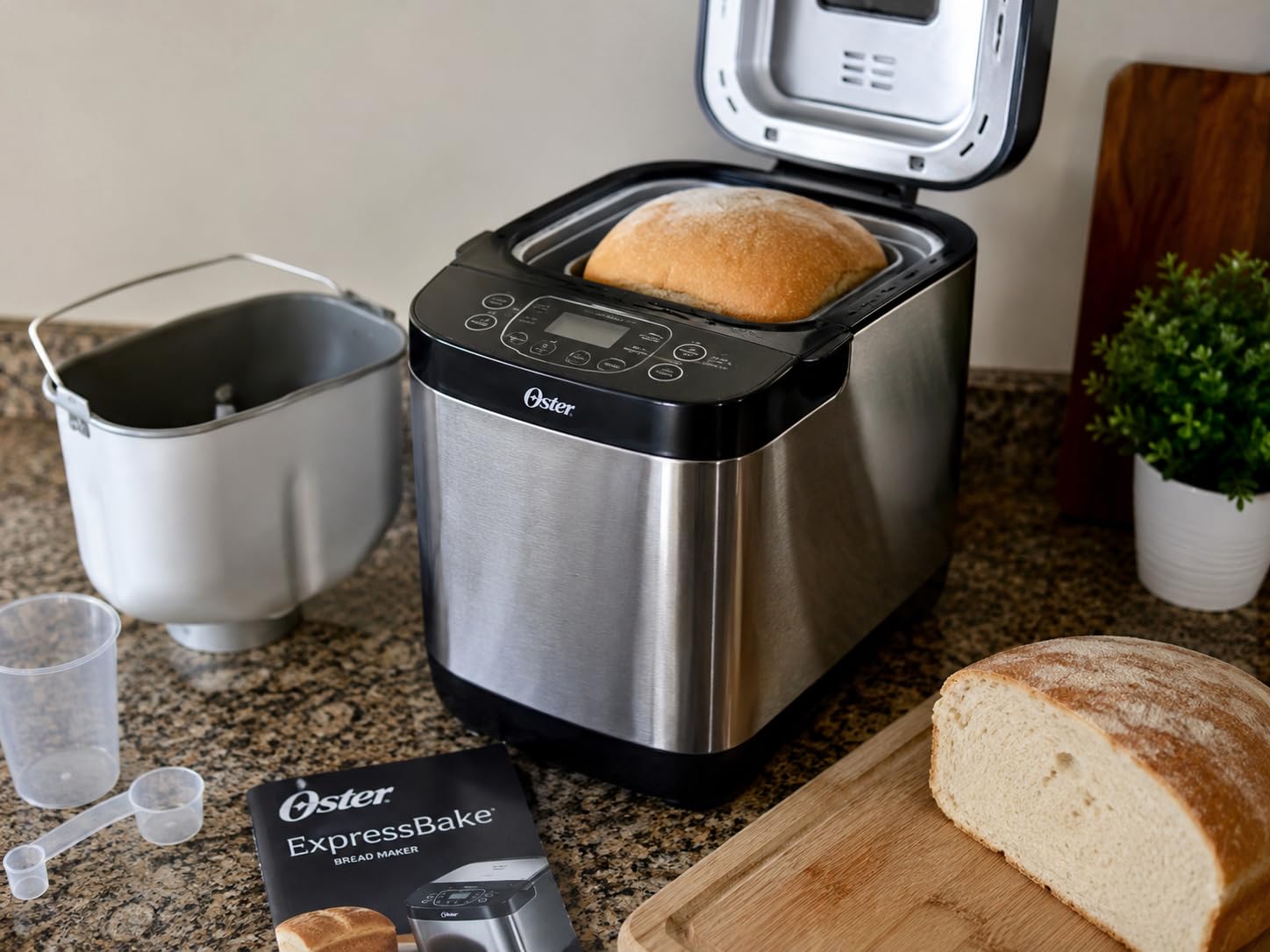
The vertical square pan makes a taller loaf than most, and several owners note that those taller slices work well for sandwiches and toast. Cleanup is straightforward, and at 8.81 inches deep it is the narrowest machine in the group.
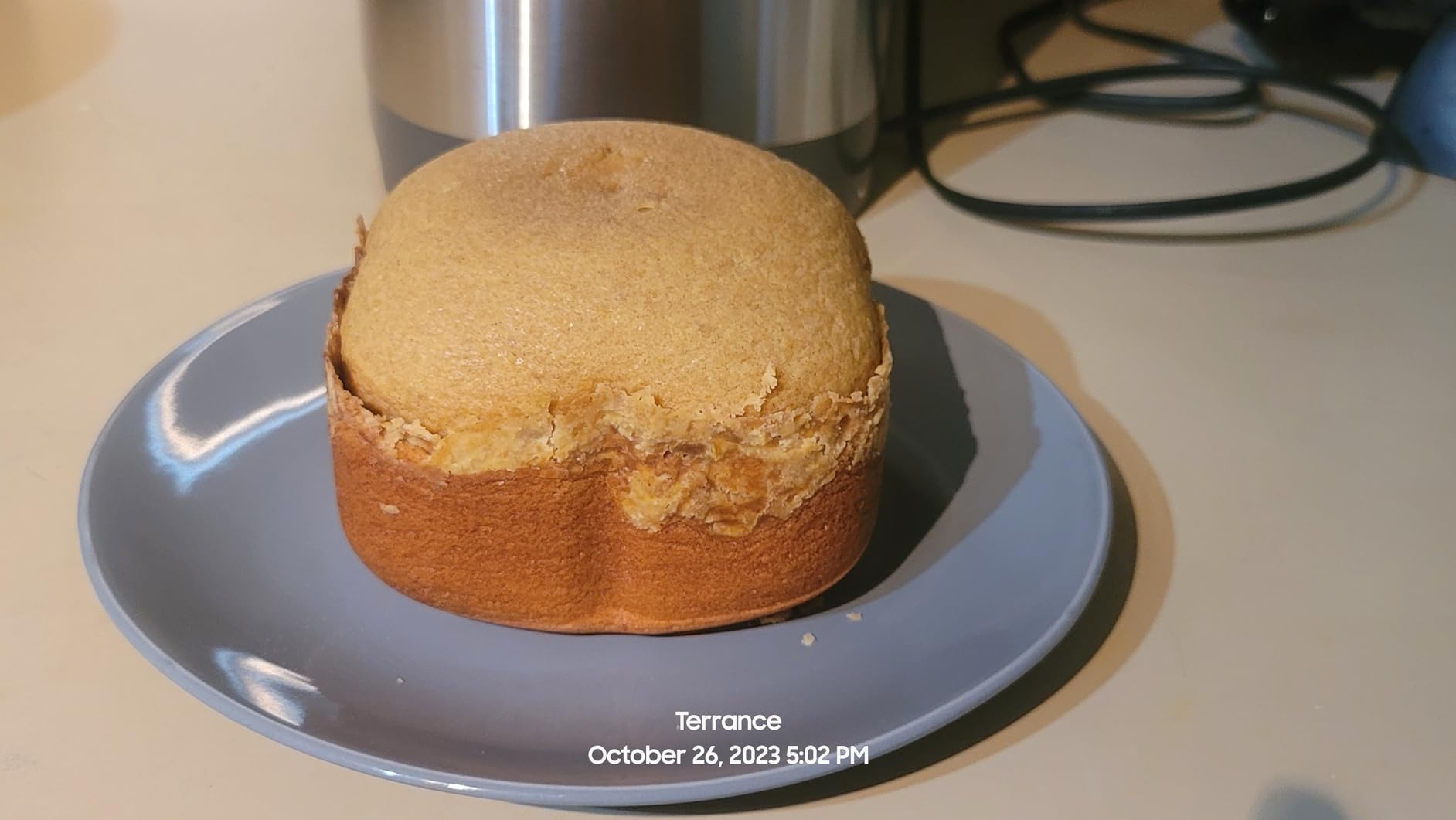
For gluten-free baking specifically, our results were less convincing. It has 12 settings including a gluten-free program, but owners report repeated attempts with two different flours producing dense lumps. An hour-long bake is also the wrong shape for this dough, since gluten-free needs extended time at heat to set the starch and drive off moisture rather than a fast sear.
Where the fast cycle helps and hurts
ExpressBake is a genuinely useful feature for wheat dough and for pizza dough, where speed matters. For gluten-free dough it works against you. The same logic that makes a fast bake attractive makes the interior crumb gummy, because there is not enough time at temperature for a starch-heavy dough to cook through.
If you want this machine for gluten-free bread, ignore ExpressBake and run the standard gluten-free cycle at a full 2 lb loaf. Do not reduce the loaf size to force a shorter bake.
Where it falls short
The automatic nut and fruit dispenser is a recurring problem. Owners report it jams and is difficult to remove and refit for cleaning. For a celiac household it is also a shared contact point that adds risk without much benefit.
The included cookbook gives stage timings only for a 1.5 lb loaf and expresses them in countdown minutes, which is hard to adapt. Some users also report the machine walking across the counter while kneading.
9. Zojirushi Maestro BB-SSC10WZ — Best for One-Person Loaves
Zojirushi BB-SSC10WZ Home Bakery Maestro Breadmaker, Premium White
1 lb loaf
450W and 15 programs
16 lb, 12.5 x 8.88 x 13.63 inch
Pros
- Compact design that fits neatly on a counter
- Dedicated Gluten Free plus Salt Free
- Sugar Free and Vegan courses
- Three homemade memory settings
- Removable and washable automatic add dispenser
- Full-color 50-recipe book
Cons
- Only a 1 lb capacity
- Custom settings cannot adjust step times or temperatures
- Small dark LCD display
The Zojirushi Maestro is the machine to look at if a two-pound loaf is more bread than one person can eat before it goes stale. At one-pound capacity it makes a small loaf, and it runs at 450 watts, so it heats up faster and uses less energy per bake than a full-size machine.
Course coverage is better than the price suggests. Fifteen programs include dedicated gluten-free, salt-free, sugar-free, and vegan courses, plus pizza dough, pasta dough, cake, and jam. The three homemade memory settings let you store a custom cycle and recall it with one press, which is a real convenience once you have a formula you trust.
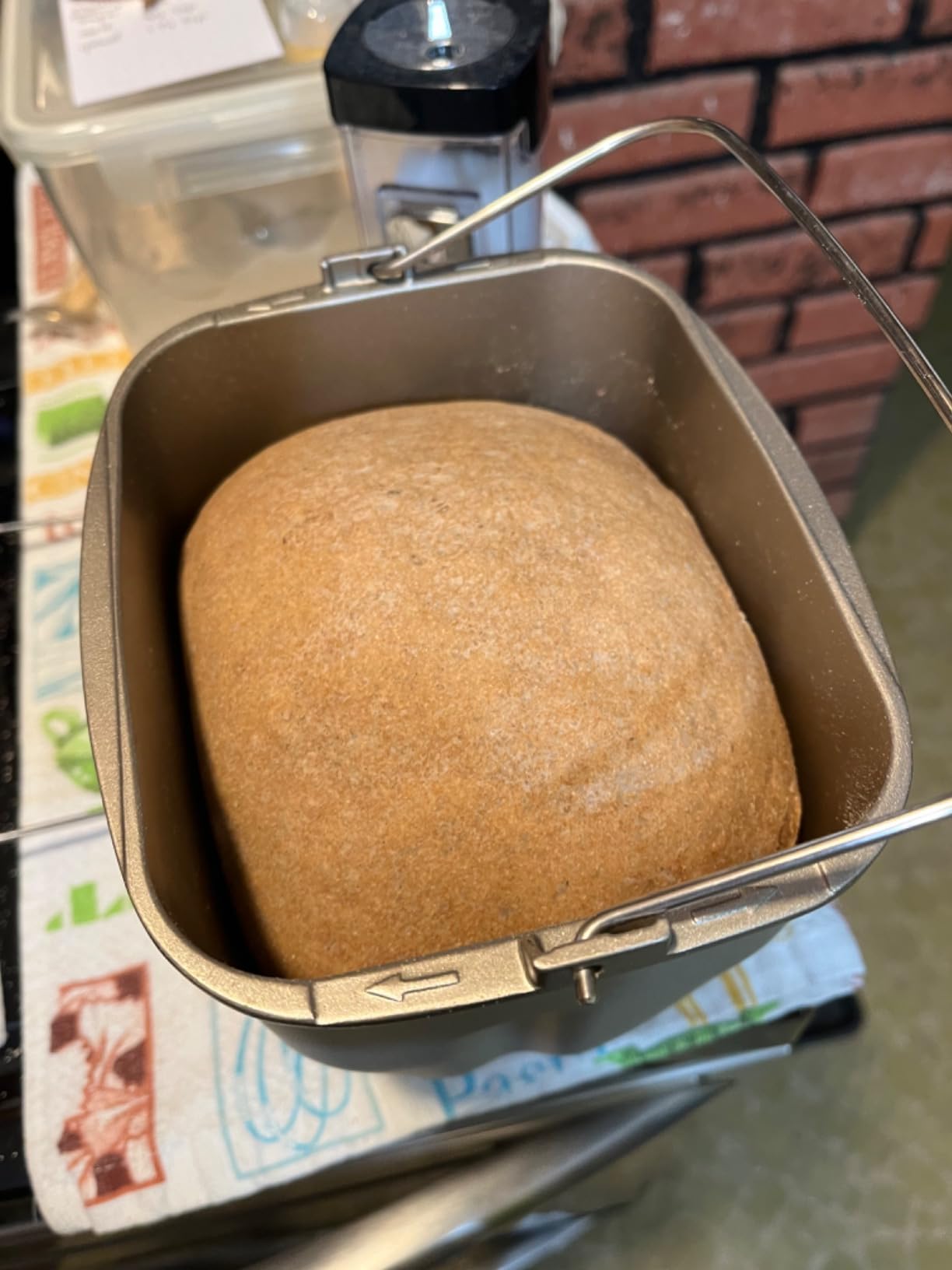
Owners like the refined, compact Japanese design and the fact that the automatic add dispenser is removable and washable. The full-color 50-recipe book explains each cycle clearly, which addresses the documentation weakness that trips up buyers of cheaper machines.
The compromise is the depth of the custom settings. You can reorder the stages and choose how many steps run, but you cannot adjust the minutes on a step or change a temperature. That is less flexible than the Breville and less open-ended than the KITCHENARM homemade cycles.
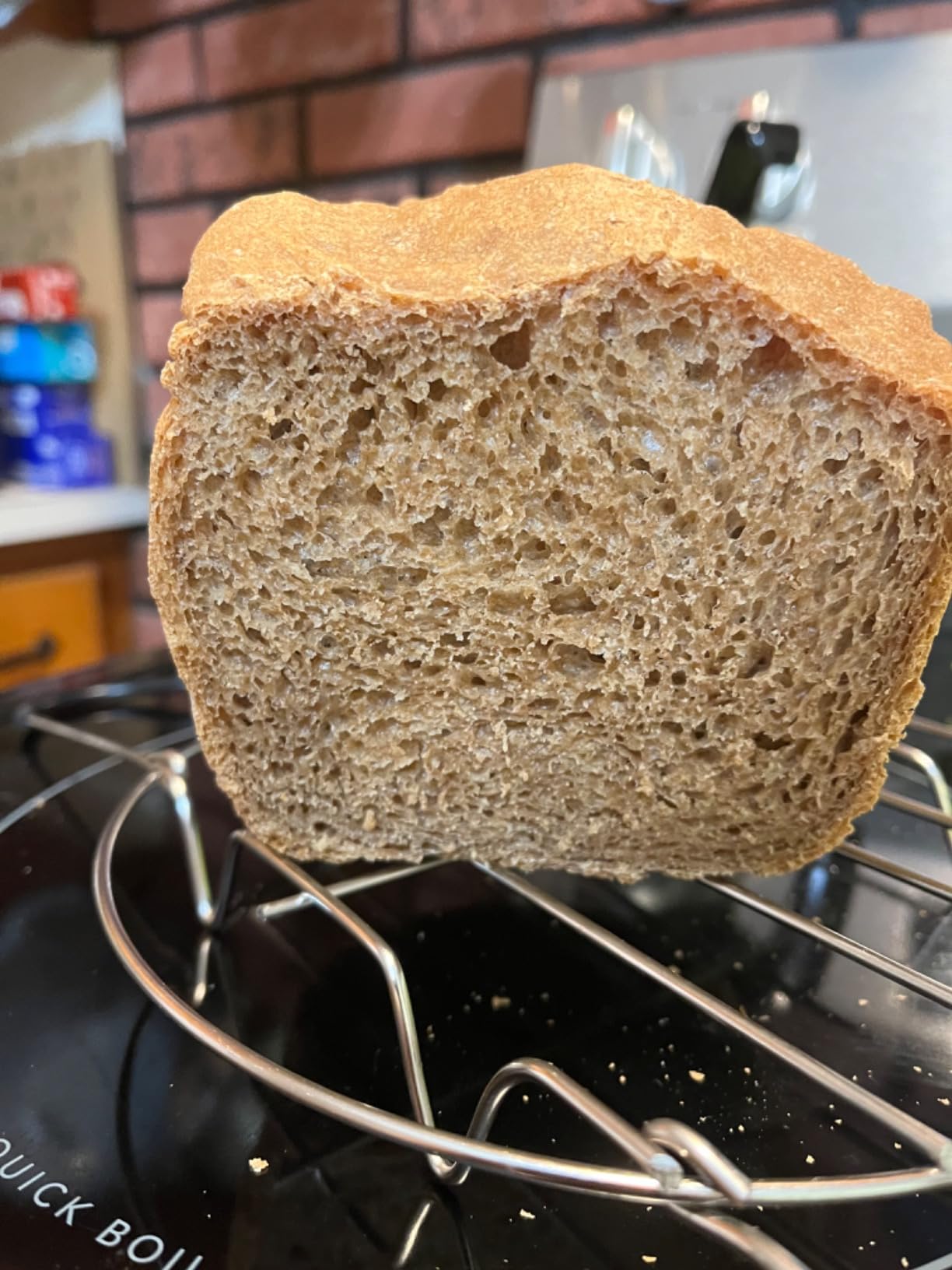
Who a one-pound loaf actually suits
One person or a couple baking three or four days a week. A two-pound loaf at that frequency goes stale, and gluten-free bread stale for a week is a waste of both money and counter space. The small loaf also toasts evenly and cuts into slices you will actually finish.
It is a poor fit for a family. There is no larger pan available for this machine, so buying it for a household of four means running it twice for every baking day.
Where it falls short
At 450 watts this is the lowest-powered machine here. The tradeoff is a longer bake, which is actually fine for gluten-free dough, but it means you wait. The LCD is small and dark, and the 16-pound body is bulkier than the capacity would suggest.
Because the custom settings cannot change step times, correcting a dense loaf means changing flour or hydration rather than the cycle. Budget for a few test bakes.
10. Breville BBM800XL Custom Loaf — Best for Custom Cycle Programming
Breville BBM800XL Custom Loaf Bread Maker Machine, Brushed Stainless Steel
2.5 lb loaf
13 programs plus 9 custom
16.8 lb, 9.6 x 16.4 x 13.3 inch
1 year warranty
Pros
- Deepest customization with 9 stored custom programs
- Modify function changes every step duration and temperature
- Collapsible paddle leaves only a small hole
- Large bright LCD with interior viewing light
- Produces wide horizontal loaves that slice easily
Cons
- Louder than twin-paddle machines and can walk across the counter
- Thin brushed steel housing flexes and the side skirt runs hot
- Viewing window fogs with condensation
- Collapsible paddle is hard to clean
The Breville BBM800XL is the most programmable machine in this roundup, and programmability is what gluten-free baking actually needs. Thirteen automatic programs include dedicated gluten-free and yeast-free courses, then nine custom settings store your own recipes, and the modify function lets you change the duration and temperature of any step before saving it for one-touch repeat use.
That is the capability the whole category needs. When a gluten-free program is mis-set with a punchdown or a short bake, you can open the cycle and fix the specific stage. On any other machine here, you would have to change flour or quantities to work around a bad program.
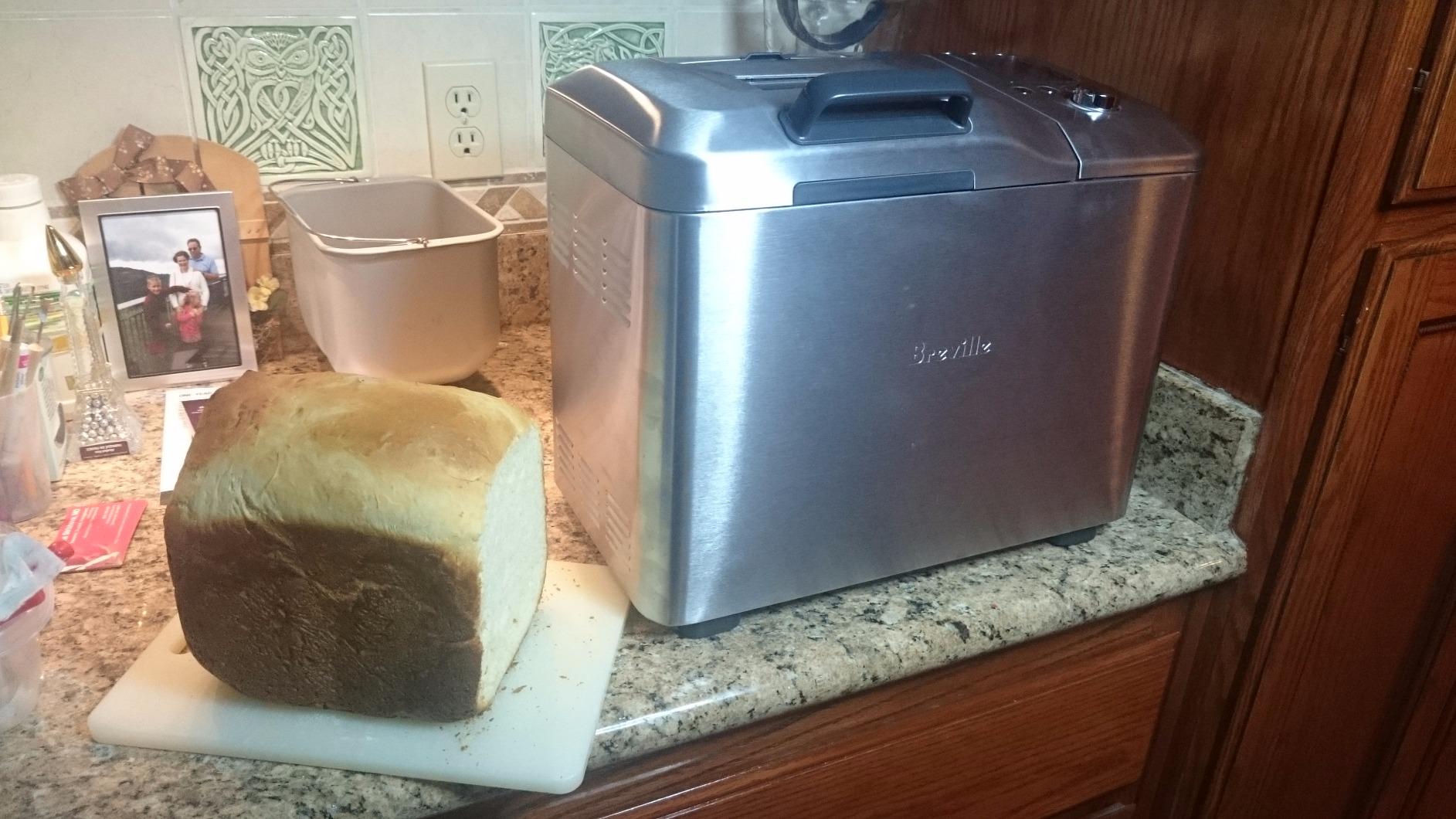
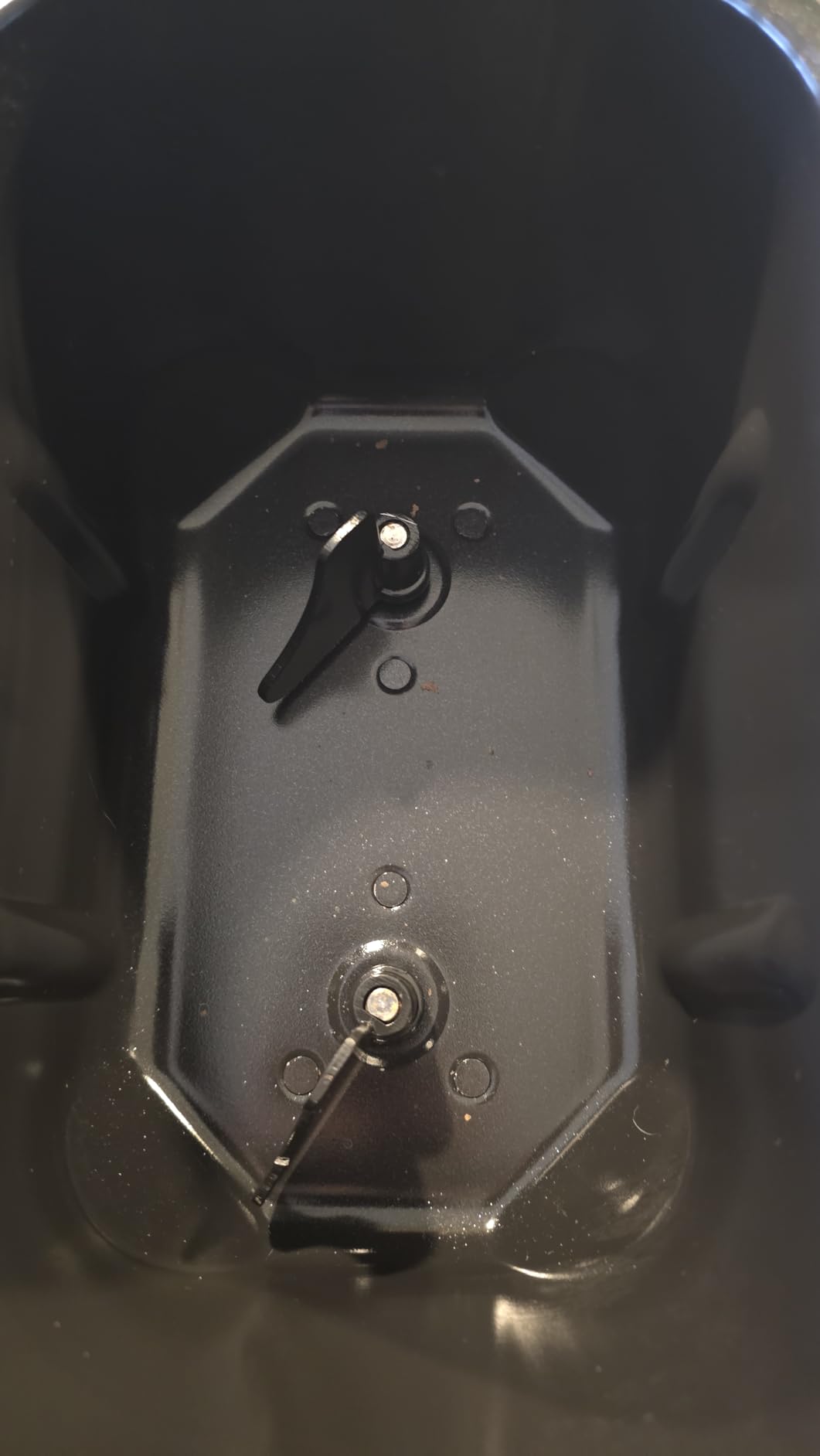
The collapsible kneading paddle is a clever solution to the paddle-crater problem. It folds flat during baking, so it leaves only a small hole in the base instead of the deep rubbery crater that ruins so many gluten-free loaves. Owners praise the clean base and the wide horizontal loaves, which cut into even sandwich slices.
The 830 watt element, a 2.5 lb capacity, a fruit and nut dispenser, cord management at the back, and 60-minute power interruption protection round out a well-equipped package. The interior viewing light is a small touch that helps more than it should.
Zojirushi or Breville, which one?
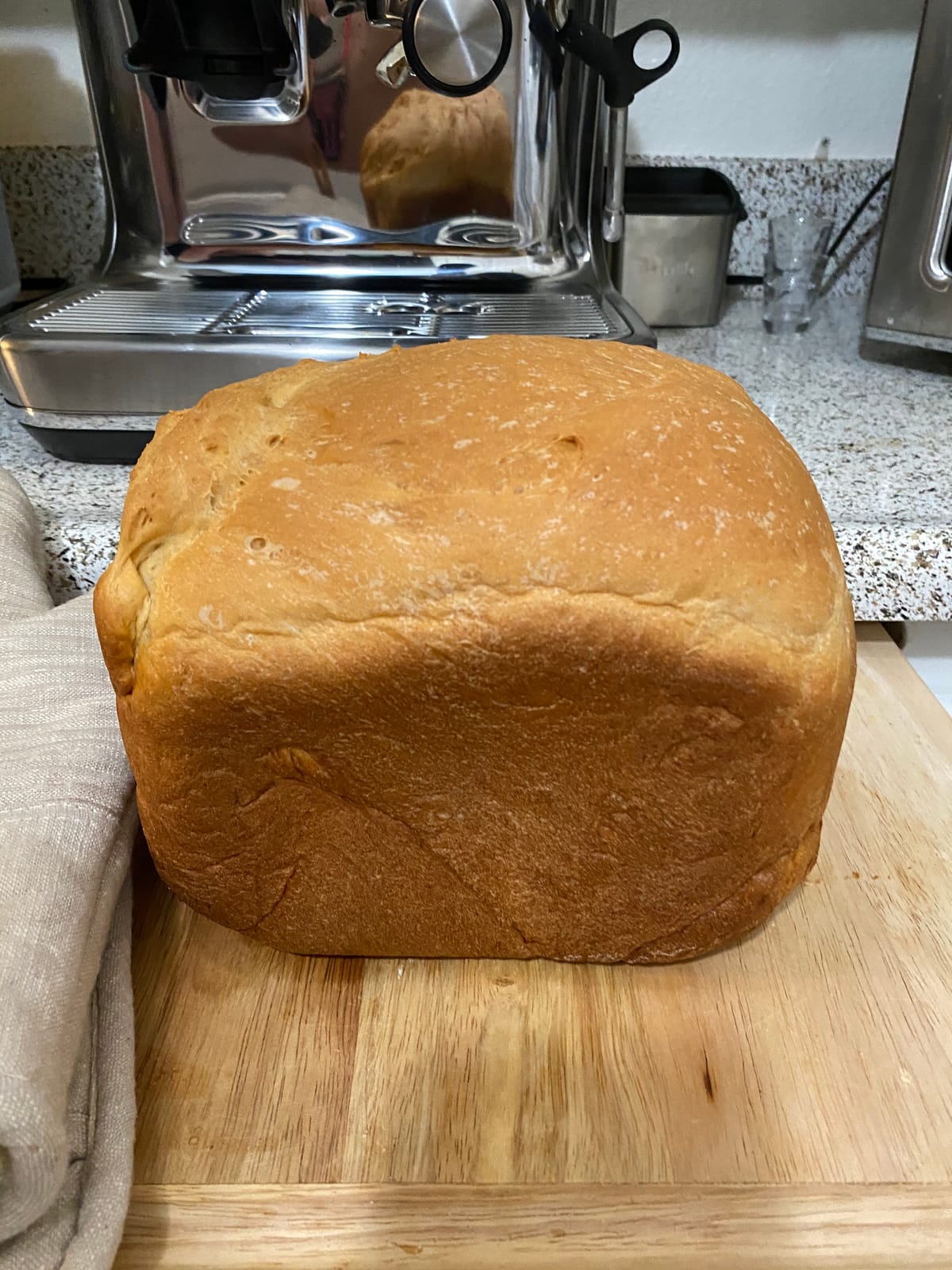
This is the most common question in the celiac forums we read, and the honest answer is that they solve different problems. The Zojirushi Virtuoso Plus wins on mixing, with two blades that handle dense batter and dual heaters that bake evenly. The Breville wins on control, with nine stored programs and per-stage timing you can actually edit.
The Breville also has the larger pan. It bakes up to 2.5 lb in a horizontal pan, against the Zojirushi’s 2 lb. Owners of the Breville do report it is louder, that it can walk across the counter, and that the brushed steel housing flexes under light pressure. The Zojirushi is quieter and heavier and stops moving.
If you already know your formula works and you just want it baked, choose the Zojirushi. If you are still developing your gluten-free routine, choose the Breville.
Where it falls short
At 4.2 stars from 1521 reviews it sits below the leaders, and the complaints cluster around build quality: the thin brushed steel, a hot side skirt, and a viewing window that fogs with condensation. The machine also does not pause when you open the lid.
The collapsible paddle is harder to clean than a fixed paddle and some owners report it failing to retract. A small number of reviews report units failing within months, so register the one-year limited warranty.
How We Evaluated These Machines
We baked the same formula in every machine: a blended one-to-one gluten-free flour base with xanthan gum, a fixed hydration, and a modest yeast load. The flour and the formula never changed, so every difference in the finished loaf came from the machine.
For each loaf we recorded the total start-to-finish cycle time, the loaf height and length in the pan, the crust color, and whether a paddle crater remained in the base. We also spot-checked the interior with an instant-read thermometer, aiming for 205°F as the doneness benchmark that bakers across forums keep citing. A browned crust tells you very little about the middle of the loaf.
We scored each machine on six things: mixing power, rise quality, bake and crust, programmability, cleanup, and value. Those six scores are what drive the verdicts in each review below. Anything a machine does well but does not do exclusively for gluten-free baking, we weighted lower than the raw feature count suggests.
We also read owner reviews closely, because the pattern of complaints in reviews matches what we saw on the counter far more often than the spec sheet does. Several machines advertise an impressive program count and still ship with a poorly documented recipe book.
Key Features to Look For in a Gluten-Free Bread Machine
The single most important feature is a gluten-free cycle with no punchdown and no second rise. When a machine knocks the dough down mid-cycle, the gas that the one rise just built escapes and never comes back. Gluten-free dough has no gluten to re-trap it. Look at the cycle description, not just the button label, and treat any program that lists a degas or second ferment step as a warning sign.
Second, look for a long, hot bake. Extended baking is where most machines fall short even when the rest of the cycle is programmed correctly, because a pale outside reads as done. The tell for a well-configured machine is a cycle where the bake stage runs noticeably longer than the wheat basic cycle on the same machine.
Third, dual paddles beat a single paddle on dense batter. Gluten-free dough is heavy and sticky, and a single vertical paddle leaves unmixed flour pockets in the corners of the pan. Two paddles also distribute the batter more evenly across a horizontal pan, which raises the loaf rather than just spinning it.
Fourth, a horizontal pan shapes the loaf you actually want to eat. A vertical pan produces a tall, square, hole-riddled loaf that slices badly and toasts unevenly. A horizontal long pan produces a wide rectangle that cuts into sandwich slices straight from the machine.
Fifth, full custom programmability matters more than menu count. A machine with a homemade cycle where you can set the minutes on each stage lets you fix a bad program yourself. A machine with twenty-five fixed menus and no custom stage timing gives you no way to compensate. The Breville BBM800XL goes furthest here, with nine stored custom programs and a modify function that adjusts step times and temperatures.
Sixth, check the pan coating and whether the paddle is removable. A ceramic non-stick pan releases more reliably than a Teflon-coated pan when the batter is sugary or oily. Removable paddles, or paddles that drop out on an alarm, are the difference between a clean base and the paddle crater that ruined so many of our early loaves.
Seventh, treat the automatic nut and fruit dispenser with care if anyone in the house has celiac disease. Several machines in this group include one, and it drops add-ins at a fixed moment in the cycle. That is convenient, and it is also a shared moving part that contacts whatever ran through it last. More on that below.
Loaf capacity is the last filter. If you are one person baking two loaves a week, a one-pound machine wastes electricity and counter space. A family of four or more baking daily will run out of a two-pound pan fast. Our general homemade loaf machine guide covers capacity trade-offs in more depth.
How to Program Any Bread Machine for Gluten-Free Dough
If your machine has no gluten-free button, you are not stuck. Every machine in this roundup can be programmed around, because the correct gluten-free cycle is a simple pattern: short mix, one rise, long hot bake, no knockdowns.
Start by treating kneading as a seasoning rather than a step. Gluten-free dough tears if you knead it like wheat. Set the first knead to about three minutes, followed by a rest. That rest does the mixing for you while the flour hydrates and the binder relaxes. A second short knead of two to three minutes finishes the job. A single long knead cycle is the mistake that makes gluten-free dough tough.
Next, remove every knockdown. If your machine’s program includes a mid-cycle punchdown or degas, that step is what collapses your rise. With the KITCHENARM homemade cycles and the Breville custom settings you can simply skip the stage. On fixed-program machines, use the dough cycle instead of a bake cycle and let the dough come to you.
Then build the rise as one long ferment. Two or three short rise stages feel more forgiving on wheat dough. For gluten-free they are worse, because each transition lets the fragile structure settle and cool. One rise of roughly 50 to 70 minutes at the machine’s warm setting is the pattern to aim for.
Finally, extend the bake and accept the color. A wheat crust setting of light will give you a pale loaf. Push the crust to dark, lengthen the bake if the machine allows it, and check the interior with an instant-read thermometer. 205°F is the number celiac and gluten-free bakers keep coming back to for a fully set crumb.
If your machine has a separate dough cycle and a separate bake-only mode, the cleanest workaround is to run the dough cycle through mix and rise, then run bake separately with the dough already in the pan. That sidesteps any programmed punchdown completely. Several readers in bread machine forums describe exactly this method as the fix for a bad gluten-free program.
One note on flour packaging. Some gluten-free mixes explicitly instruct you not to use the gluten-free setting and to run a basic or dough cycle instead, because the mix already contains its own binder. Read the bag before you program anything.
Gluten-Free Flour and Mixes That Work Best in a Bread Machine
The best flour for a bread machine is a blended one-to-one gluten-free flour, not a single grain. A blend based on rice flour, tapioca starch, and potato starch gives you the structure a single ingredient cannot. Single-ingredient brown rice or potato-starch-only formulas are the ones that bake gritty and dry, which is a common complaint about the gluten-free recipes printed in machine manuals.
Xanthan gum or psyllium husk is the binder that makes the difference. Without it, gluten-free dough has nothing to hold gas and you get a dense loaf. With it, you can approach the crumb texture of wheat bread. Most blends include a small amount, and adding a little extra in the homemade cycle is the first adjustment we make when a loaf comes out tight.
Whole-grain gluten-free blends add density, and density in a bread machine pan means a shorter loaf. If your first attempt with a whole-grain blend disappoints, switch to a refined blend for a few bakes before you judge the machine. The same advice applies to sourdough-style recipes, which rely on fermentation for lift that gluten-free dough does not get for free.
A packaged mix and a from-scratch formula both work, and they are not equivalent. A mix is more forgiving on the first bake because the binder ratio is already correct. A from-scratch recipe gives you control over hydration, which is the variable that matters most once you start adjusting. Our advice is to prove the machine with a mix, then move to your own formula.
Whichever you use, weigh the flour if you can. Volume measures are unreliable for gluten-free flours because they do not pack consistently, and that inconsistency is frequently mistaken for a bad machine. If you are still stuck on choosing a machine rather than a recipe, our stand mixer comparison covers the alternative route many gluten-free bakers take with a stiffer dough.
Celiac-Safe Bread Machine Use and Cross-Contamination
If anyone in your household has celiac disease, how you use the machine matters as much as which one you buy. A dedicated machine is the safest arrangement and the simplest one to reason about. If you share a machine, the pan and the paddle are the two parts that need to be reserved for gluten-free baking.
Set aside one pan and one paddle, and keep them in a separate bag away from the wheat set. Everything else on the machine is motor, heater, and housing, and those can be cleaned. The pan and paddle contact the dough directly and cannot be made safe by a wipe down. Some machines ship with two paddles, which makes this easy; on machines with a single paddle, buy a spare and label both.
Clean the machine before the gluten-free bake, not after. Flour dust from a previous wheat loaf lingers in the pan walls, the paddle spindle, and the gasket around the lid. Run a short bake-only cycle with water in the pan, wipe the interior including the paddle housing, and let the machine dry fully before loading gluten-free dough.
Be careful with the automatic nut and fruit dispensers. Several machines here include one, and each is a chute that drops add-ins at a fixed point in the cycle. Two risks follow. The first is mechanical: owners of the Oster report the dispenser jams and is awkward to remove and refit for cleaning. The second is cross-contact: a chute that has carried wheat-bearing seeds or nuts should not carry them again into a celiac loaf.
Watch the recipe side too. Oats are frequently milled on equipment that also handles wheat, and many celiac households avoid them for that reason. Use certified gluten-free oats if you want them, and keep them out of the shared dispenser.
None of this is medical advice. Cross-contact thresholds for celiac disease vary by person and by severity, and your own clinician or dietitian is the right person to tell you what your household needs. Everything above is about equipment handling, which is where most of the practical risk sits.
Our practical recommendation is to buy one machine and dedicate it. If someone in your home has celiac disease and also loves bread, the machine becomes a gift that keeps giving. Several people buying for a newly diagnosed relative described exactly that in forum threads, and the KITCHENARM 19-in-1 HANDY or the KBS is what we would put in that box because both are quiet, compact, and easy to keep exclusively gluten-free.
Which Bread Machine Tier Do You Need?
Entry tier is where you test whether you enjoy the process. The VEVOR 19-in-1 gives you a ceramic pan and nineteen menus at the lowest entry point, which is enough to find out. Expect less consistency than the higher tiers, and plan on two or three test bakes before judging the machine.
Mid tier is where most households should land. The KITCHENARM 29-in-1 is our overall pick because the customizable homemade cycle lets you repair a bad program yourself, which is the single most valuable feature in this category. The KBS is the value pick, with the most owner reviews in the group and a ceramic pan that releases cleanly. The Hamilton Beach 29982 suits first-time buyers who want simplicity over menu count.
Premium tier buys you mixing power, pan geometry, or capacity. The Zojirushi Virtuoso Plus gives you two paddles and dual heaters for the softest crumb, at the cost of seven menus and no custom cycle. The Breville BBM800XL gives you nine stored custom programs and a collapsible paddle at the cost of noise and a thinner housing. The Zojirushi Maestro is the small-capacity option for one or two people.
Capacity is the one variable we would not compromise on. Match the pan to how often you bake, not to how many people you feed, because a stale loaf is wasted money. One person baking daily wants a one-pound pan. A family of four wants a three-pound horizontal pan like the West Bend Hi-Rise, and nobody in between should buy a one-pounder.
If you also want whole wheat and sourdough loaves from the same machine, our roundup of bread makers for homemade loaves covers the trade-offs across both kinds of dough.
Frequently Asked Questions
Do bread machines make good gluten-free bread?
Yes, but only if the cycle avoids a punchdown and second rise and runs a long hot bake. A machine with a correctly programmed gluten-free setting, or one with a fully programmable custom cycle you can fix yourself, produces a sliceable sandwich loaf. A machine that runs gluten-free dough through a wheat cycle gives you a dense loaf with a gummy center.
Which bread making machines are suitable for gluten free baking?
The best options combine a dedicated gluten-free program that has one gentle knead and one rise, a horizontal baking pan, and dual kneading paddles. Any machine with a customizable homemade cycle also qualifies, because you can build the correct cycle yourself. Avoid machines whose gluten-free setting includes a degas or a second ferment stage.
What type of flour is best for a gluten-free bread machine?
A blended one-to-one gluten-free flour built on rice flour, tapioca starch, and potato starch works best, with xanthan gum or psyllium husk as the binder. Single-ingredient brown rice or potato-starch-only formulas bake gritty and dry. Whole-grain blends add density, so start with a refined blend before switching to whole grain.
What is the best gluten-free bread machine recipe?
A proven gluten-free bread mix is the most reliable starting point because the binder ratio is already correct. For from-scratch, use a one-to-one gluten-free blend with added xanthan gum, a short first knead of about three minutes, a rest, a second short knead, one long rise, and a dark crust with an extended bake. Avoid the gluten-free recipe printed in the machine manual.
What setting should I use for gluten free bread?
Use the gluten-free setting if the machine has one and its cycle shows no punchdown or second rise. If the machine has no gluten-free setting, run a short knead, a rest, a second short knead, one long rise, and an extended dark bake through a custom or homemade cycle. If your machine has separate dough and bake-only modes, run them separately to skip any programmed knockdowns.
Is it safe to use the same bread machine for gluten free and wheat bread?
You can share a machine, but reserve one pan and one paddle exclusively for gluten-free baking and keep them stored separately. Clean the machine before the gluten-free bake rather than after, since flour dust lingers in the pan walls and paddle housing. If someone in your home has celiac disease, a dedicated machine removes the risk entirely. Follow your own clinician’s advice on what your household needs.
Our Verdict for 2026
The KITCHENARM 29-in-1 is our pick for the best bread machines for gluten free bread in 2026, because its gluten-free menu plus a fully programmable homemade cycle lets you fix a bad loaf instead of living with it. Buy the KBS if you want the best-reviewed machine with a ceramic pan, and the Zojirushi Virtuoso Plus if you bake often and want the softest crumb. Whatever you choose, the cycle pattern and the flour matter more than the menu count.