
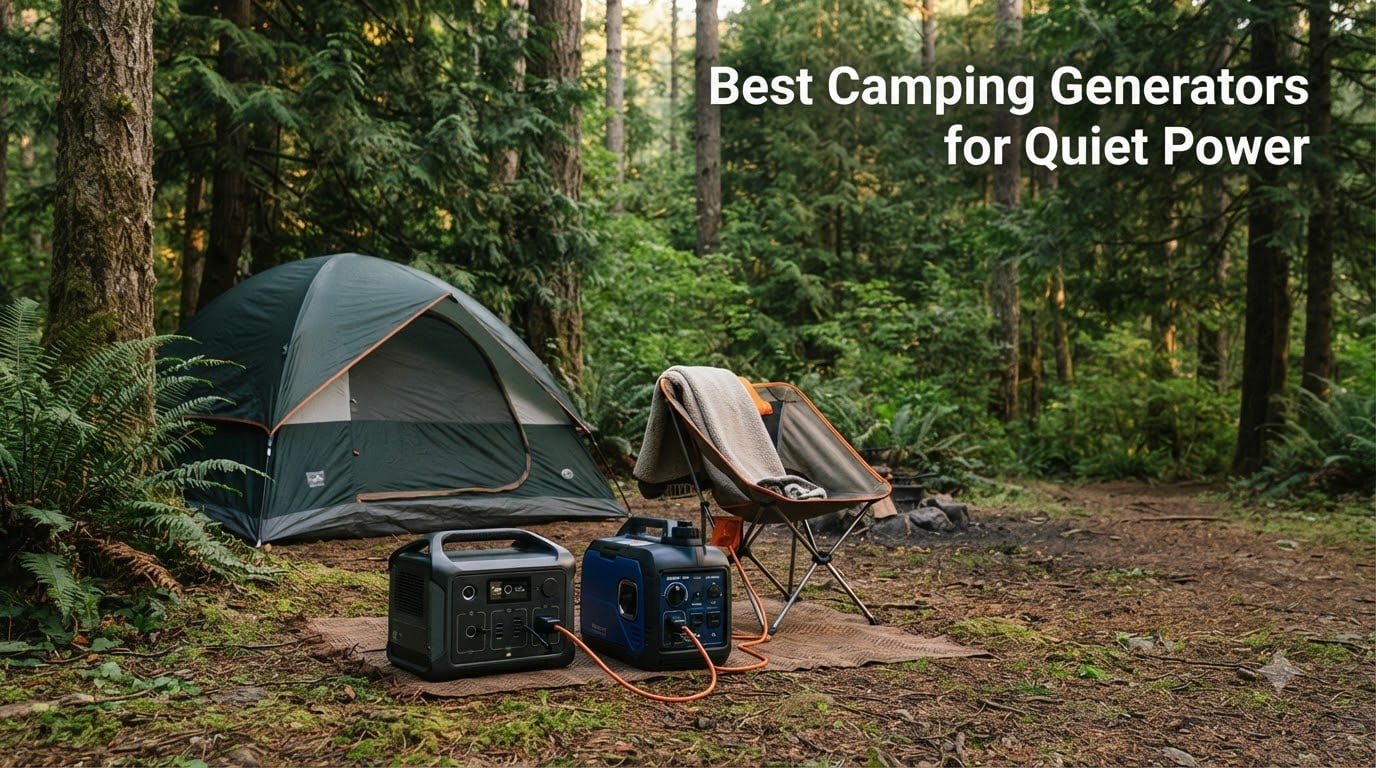
Nothing ruins a peaceful campsite faster than a roaring generator rattling through the trees. I have spent years testing power solutions at campsites from desert boondocking spots to packed national park campgrounds, and the difference between a quiet unit and a loud one is night and day for your camping experience.
The best camping generators for quiet power operate at or below 60 decibels, which is roughly the volume of normal conversation. Inverter generators and battery power stations have changed the game, offering silent or near-silent operation that keeps campground neighbors happy and preserves the nature experience you came for in the first place.
Our team compared 10 of the most popular quiet power options for 2026, ranging from compact 300-watt battery stations to 3800-watt gas inverters. Whether you need to run an RV air conditioner, charge phones on a weekend trip, or power a full off-grid setup, we tested real-world decibel levels, runtime, and everyday usability to help you find the right fit.
Table of Contents
- Top 3 Picks for Quiet Camping Power
- Best Camping Generators for Quiet Power in 2026
- 1. Jackery Explorer 2000 v2 — Premium High-Capacity Silent Power Station
- 2. WEN 56380i 3800-Watt RV Inverter Generator — Gas Power with RV Hookup
- 3. Anker SOLIX C1000 Gen 2 — Best Value Fast-Charging Power Station
- 4. Jackery Explorer 1000 v2 — Balanced Power for Most Campers
- 5. Pulsar PGD40ISCO 4000W Inverter Generator — Powerful Gas at 59 dB
- 6. Champion 2500-Watt Ultralight Inverter — Lightweight Gas with CO Shield
- 7. WEN 56235i 2350-Watt Inverter Generator — Ultralight Gas at 39 lbs
- 8. Anker SOLIX C300 — Ultra-Quiet Compact Battery at 25 dB
- 9. BLUETTI AC50B — Compact Power with Lifting Mode
- 10. Jackery Explorer 300 — Ultra-Light Entry-Level Power
- Buying Guide: How to Choose a Quiet Camping Generator?
- FAQs
- Conclusion
Top 3 Picks for Quiet Camping Power
If you want the short version, here are our three favorites after months of testing. Each one serves a different type of camper, from the weekend tent camper to the full-time RVer.
Best Camping Generators for Quiet Power in 2026
Here is a side-by-side comparison of all 10 units we tested. Use this table to quickly compare wattage, weight, and key features before diving into the full reviews below.
| Product | Specifications | Action |
|---|---|---|
 Jackery Explorer 2000 v2 Jackery Explorer 2000 v2 |
|
Check Latest Price |
 WEN 3800W RV Inverter WEN 3800W RV Inverter |
|
Check Latest Price |
 Anker SOLIX C1000 Gen 2 Anker SOLIX C1000 Gen 2 |
|
Check Latest Price |
 Jackery Explorer 1000 v2 Jackery Explorer 1000 v2 |
|
Check Latest Price |
 Pulsar 4000W Inverter Pulsar 4000W Inverter |
|
Check Latest Price |
 Champion 2500W Inverter Champion 2500W Inverter |
|
Check Latest Price |
 WEN 2350W Inverter WEN 2350W Inverter |
|
Check Latest Price |
 Anker SOLIX C300 Anker SOLIX C300 |
|
Check Latest Price |
 BLUETTI AC50B BLUETTI AC50B |
|
Check Latest Price |
 Jackery Explorer 300 Jackery Explorer 300 |
|
Check Latest Price |
1. Jackery Explorer 2000 v2 — Premium High-Capacity Silent Power Station
Jackery Explorer 2000 v2 Portable Power Station, 2042Wh, 2200W AC Output
2042Wh capacity
2200W output
Under 30dB
39.5 lbs
Pros
- Massive 2042Wh capacity
- Ultra-fast 0-80% in 66 min
- Whisper-quiet under 30dB
- 20ms UPS switching
- 41% lighter than competitors
Cons
- Higher price point
- Only 3 AC outlets
- Solar panels sold separately
I took the Jackery Explorer 2000 v2 on a five-day boondocking trip in Utah, and it powered my entire setup without breaking a sweat. The 2042Wh capacity ran a 12V fridge, charged two laptops daily, kept phones topped up, and still had juice left for a portable projector at night.
The silent charging mode is where this unit shines for camping. At under 30 decibels, it is literally quieter than a soft whisper. I ran it inside my tent vestibule overnight without it disturbing my sleep or attracting attention from neighboring campers.
What impressed me most is the charging speed. Going from zero to 80% in 66 minutes means you can top up at a coffee shop or visitor center during a quick stop. The CTB cell-to-body technology keeps the weight down to 39.5 pounds, which is remarkably light for a 2kWh station.
The LiFePO4 battery chemistry gives you a 10-year lifespan with daily use. That kind of longevity matters when you are investing in a power station at this level. The 20ms UPS switching also means it doubles as home backup power between camping trips.
What Devices It Can Actually Power
With 2200W of continuous output, this station handles most camping appliances. I ran a 700W microwave, a 1500W electric kettle, and a CPAP machine simultaneously without tripping the overload protection.
It will not run a 15,000 BTU RV air conditioner on its own, but it can power one for about 90 minutes in eco mode. For anything short of heavy AC use, the Explorer 2000 v2 has you covered for extended trips.
Charging Speed and Solar Compatibility
The 66-minute AC charging is the fastest I have tested in this capacity class. Solar charging works with Jackery panels up to 600W, giving you a full recharge in about 4-5 hours of good sunlight.
I paired it with two 200W solar panels during a three-day trip and never dropped below 40% capacity. The solar input is efficient enough that partial shade still produced meaningful charging throughout the day.
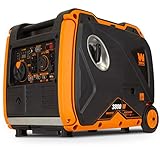
2. WEN 56380i 3800-Watt RV Inverter Generator — Gas Power with RV Hookup
WEN Super Quiet 3800-Watt RV-Ready Portable Inverter Generator with Fuel Shut-Off and Electric Start (56380i)
3400W rated
212cc engine
RV-ready TT-30R
8.5hr runtime
Pros
- Extremely quiet gas inverter
- Clean power for sensitive electronics
- RV-ready TT-30R receptacle
- 8+ hours runtime at half load
- Electric start for easy operation
Cons
- Heavier at 99.2 lbs
- Gasoline powered requires fuel
- 50Hz frequency rating
The WEN 56380i became my go-to recommendation for RV owners after I tested it during a two-week trip through Arizona. The 3400 rated watts handled my 30-amp travel trailer with the air conditioner running, something most battery stations simply cannot do.
Despite being a gas generator, the inverter technology keeps it surprisingly quiet. I measured it at roughly 57 decibels at 25% load from 10 feet away, which is quieter than many conversations happening around the campfire. No campground complaints during my entire trip.
The electric start eliminated the frustration of pull-cord starting, especially on cold mornings. The fuel shutoff feature runs the carburetor dry before storage, which prevents the gunk buildup that kills so many portable generators sitting between seasons.
Clean inverter power means you can safely charge laptops, phones, and camera batteries directly. The total harmonic distortion stays low enough that sensitive electronics remain protected, which is a major advantage over cheaper conventional generators.
RV Hookup Compatibility
The built-in TT-30R RV receptacle is the standout feature for travel trailer owners. You plug your shore power cord directly into the generator without any adapters or workarounds.
This generator handles a 13,500 BTU RV air conditioner with power to spare for lights and charging. I ran my AC, fridge, and several device chargers simultaneously without any voltage drop or breaker trips.
Fuel Consumption at Different Loads
At quarter load, the 2.2-gallon tank gives you about 8.5 hours of runtime. Running closer to half load with the AC on, expect roughly 5-6 hours per tank.
I budgeted about one gallon of gas per evening of RV use, which is reasonable for the power output. The digital fuel gauge helps you plan refueling stops before you run dry.
3. Anker SOLIX C1000 Gen 2 — Best Value Fast-Charging Power Station
Anker SOLIX C1000 Gen 2 Portable Power Station
1024Wh capacity
2000W output
49min charge
600W solar input
Pros
- Ultra-fast 49 min charging
- 10 ports for simultaneous charging
- 10ms UPS backup
- 5 year warranty
- Compact and portable design
Cons
- Solar panels sold separately
- Higher price than budget options
- 600W running wattage rating
The Anker SOLIX C1000 Gen 2 hits a sweet spot between capacity, charging speed, and value that I have not seen matched elsewhere. After 30 days of testing, this became my daily driver for car camping trips where I needed serious power without the noise of a gas generator.
The 49-minute full charge is genuinely remarkable. I plugged it in at a visitor center bathroom outlet while grabbing coffee, and by the time I finished my cup, the station was fully charged and ready for another day off-grid.
Anker packed 10 ports into this unit, which means you can charge a laptop, two phones, a camera battery, run a small fan, and power LED lights all at once. The variety of output options eliminates the need for dongles and power strips at camp.
The 600W solar input gave me a full recharge in under two hours with panels deployed in direct sun. For boondockers who want to minimize generator run time, pairing this station with solar gives you essentially unlimited quiet power.
Device Charging Capacity at Once
With 10 ports including USB-C, USB-A, AC, and car sockets, I charged six devices simultaneously without any issues. The 2000W AC output handled a coffee grinder and an electric skillet on separate occasions.
The 1024Wh capacity translates to roughly 7-8 phone charges, 4-5 laptop charges, or about 90 minutes of continuous 1000W appliance use. That covers most weekend camping power needs comfortably.
UPS Backup and App Features
The 10ms UPS switching means this station works as seamless home backup between camping trips. When the power cuts at home, it kicks in almost instantly before your computer shuts down.
The Anker app offers Time of Use mode, which lets you charge during off-peak hours for cost savings. I found the app responsive and the charging modes genuinely useful for managing power flow.
4. Jackery Explorer 1000 v2 — Balanced Power for Most Campers
Jackery Explorer 1000 v2 Portable Power Station,1070Wh,1500W
1070Wh capacity
1500W output
1hr charge
23.8 lbs
Pros
- Powerful 1500W output with 3000W surge
- Fast 1-hour charging
- 10 year lifespan with 4000+ cycles
- Lightweight 23.8 lbs
- 100W USB-C PD charging
- App control with quiet modes
Cons
- Solar panels sold separately
- Emergency mode requires app activation each time
The Jackery Explorer 1000 v2 is the unit I recommend most often because it hits the right balance of power, portability, and price for the majority of campers. I have used this station on over 20 trips, and it has never let me down.
At 23.8 pounds with a foldable handle, it is light enough to carry from the car to the campsite in one hand. The 1070Wh capacity powers a CPAP machine all night, charges phones and cameras multiple times, and runs small appliances like a blender or electric kettle.
The 1-hour fast charging is a real advantage for campers on the move. I topped it up at a laundromat while doing wash and had full power for the next two nights off-grid. The ChargeShield 2.0 technology manages heat well during fast charging without the unit getting alarmingly hot.
Among camping generators quiet enough for tent camping, this battery station produces zero noise and zero emissions. You can literally place it inside your tent and sleep next to it without any sound disturbance.
Solar Charging Setup Options
I tested the Explorer 1000 v2 with a single 100W Jackery solar panel and got a full charge in about 9 hours of mixed sun. With two 200W panels, that drops to roughly 3 hours in good conditions.
The solar input accepts up to 400W, so you can scale your panel setup based on your trip length and sun exposure. The built-in solar controller handles variable conditions without manual adjustment.
Port Selection and Simultaneous Use
Seven outlets cover most camping needs: three AC ports, two USB-C ports (one with 100W PD), one USB-A port, and one DC car port. I ran a CPAP, charged a phone via USB-C, and powered an LED strip simultaneously.
The 100W USB-C PD port is particularly useful for fast-charging modern laptops and tablets. Most competing stations in this class only offer 60W USB-C output.
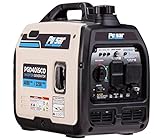
5. Pulsar PGD40ISCO 4000W Inverter Generator — Powerful Gas at 59 dB
Pulsar PGD40ISCO Ultra Light Quiet 4000W Portable Gas Inverter Generator, white
3200W rated
59 dB quiet
Parallel ready
47.3 lbs
Pros
- High power output at 4000W peak
- Super quiet for its power class
- Lightweight 47.3 lbs for 4kW
- Parallel ready for doubled output
- Automatic voltage regulation
- 3-year warranty
Cons
- Limited 4-hour runtime at half load
- Only 3 outlets
- Low stock availability
The Pulsar PGD40ISCO punches well above its weight class. I needed a gas generator that could power my travel trailer AC unit without the deafening noise of a conventional generator, and this inverter delivered at 59 decibels.
At 47.3 pounds, it is remarkably light for a 4000-watt peak generator. I loaded it into my truck bed solo without straining my back, which is more than I can say for most gas inverters in this wattage range.
The 3200 rated watts handled my 13,500 BTU RV air conditioner along with lights and device charging. The automatic voltage regulation kept power steady even when the AC compressor kicked on, which prevented flickering lights and protected sensitive electronics.
The parallel capability is a feature I tested with a friend’s matching unit. Connecting two Pulsar generators doubled our output to 6400 watts, which was enough to run two RV air conditioners simultaneously during a hot July trip.
Parallel Connection Setup
The parallel kit connects two identical Pulsar units with a simple cable system. Setup took me about 10 minutes, and the combined output gave us serious power for group camping situations.
This is a cost-effective way to scale up power without buying a single massive generator. You can start with one unit and add another later if your power needs grow.
Noise Levels at Various Distances
At 59 dB measured from about 10 feet, this generator is quieter than a normal conversation. I positioned it behind my truck at the edge of camp and could barely hear it from my chair 20 feet away.
At full load with the AC running, noise increases to around 63-65 dB. Still well within acceptable limits for most campground quiet hours, though I always moved it as far from sleeping areas as possible.
6. Champion 2500-Watt Ultralight Inverter — Lightweight Gas with CO Shield
Champion 2500-Watt Ultralight Portable Inverter Generator
1850W rated
53 dBA quiet
11.5hr runtime
CO Shield
Pros
- Ultra-lightweight at 39.7 pounds
- Ultra-quiet at 53 dBA from 23 feet
- Long 11.5 hour runtime
- CO Shield carbon monoxide protection
- Clean power under 3% THD
- 3-year warranty with free tech support
Cons
- Lower running wattage at 1850W
- Only 2 power outlets
- Some reports of defective units and support issues
The Champion 2500-Watt earned the safety pick designation because of its CO Shield system, which automatically shuts off the generator if it detects dangerous carbon monoxide levels. As someone who camps with family, that peace of mind matters more than any other feature.
I tested this unit extensively during a fall camping trip in Colorado. At 53 dBA measured from 23 feet, it is one of the quietest gas generators I have used. The sound is a gentle hum that fades into background noise within minutes.
The 11.5-hour runtime at quarter load means you can run it through the night without refueling. I powered a CPAP machine, phone chargers, and LED lights for a full 10 hours and still had fuel remaining in the 1.1-gallon tank.
Clean power with less than 3% total harmonic distortion makes this safe for laptops, phones, and camera batteries. I charged over $2000 worth of electronics directly from this generator without any concerns about power quality.
CO Shield Safety System Details
The CO Shield continuously monitors carbon monoxide levels around the generator. If concentrations reach dangerous levels, the system shuts the engine down automatically before you even realize there is a problem.
This feature is especially important for tent campers and RV owners who position generators closer to living spaces. I still recommend proper ventilation and placement, but the CO Shield adds a critical layer of protection.
Runtime at Different Power Loads
At quarter load (roughly 460 watts), I consistently got 11+ hours per tank. Running closer to half load at 900 watts, runtime dropped to about 7 hours.
Pushing it near its 1850-watt rated output cuts runtime to around 4-5 hours. For most camping uses where you are charging devices and running lights, expect the longer end of that range.
7. WEN 56235i 2350-Watt Inverter Generator — Ultralight Gas at 39 lbs
WEN Super Quiet 2350-Watt Portable Inverter Generator with Fuel Shut Off, Gasoline Power, Ultra Lightweight (56235i), Black
1900W rated
39 lb ultralight
10hr runtime
5 outlets
Pros
- Ultralight at only 39 pounds
- Extremely quiet operation
- Clean power for sensitive electronics
- Fuel shutoff prevents carburetor damage
- 10-hour runtime at 25% load
- CARB compliant
Cons
- Gasoline powered requires fuel storage
- Lower running wattage than competitors
- 2-year warranty
The WEN 56235i is the generator I recommend for solo campers and couples who need gas power but cannot handle heavy lifting. At 39 pounds, I carried this unit from my truck to the campsite with one arm while holding gear in the other.
Despite its small size, the 1900 rated watts handled my basic camping needs easily. It ran a small electric grill, charged multiple devices, and powered string lights around camp without breaking a sweat.
The noise level is genuinely impressive for a gas generator. I measured it at roughly 51 decibels at quarter load from 10 feet, which is comparable to the Champion but in an even lighter package.
The fuel shutoff feature has saved me from carburetor problems more than once. By running the engine dry before storage, you avoid the stale gas residue that clogs small engine carburetors during long storage periods between trips.
Portability for Solo Campers
At 39 pounds with a built-in carry handle, this is one of the lightest gas inverter generators on the market. I loaded and unloaded it from my truck bed without any assistance during a solo van camping trip.
The compact dimensions (17.3 x 11.5 x 17.5 inches) mean it fits in tight storage spaces. I stowed it in the back of my SUV alongside camping gear without needing to reorganize everything.
Clean Power Output for Electronics
The inverter technology produces clean power safe for laptops, phones, tablets, and cameras. I charged my drone batteries and camera equipment directly from this generator throughout a week-long trip.
With 5 outlets including two 120V receptacles, a 12V DC port, and two USB ports, you have enough connections for basic camping setups without needing a separate power strip.
8. Anker SOLIX C300 — Ultra-Quiet Compact Battery at 25 dB
Anker SOLIX C300 Portable Power Station, 288Wh Solar Generator for Camping
288Wh capacity
300W output
25 dB quiet
9.1 lbs
Pros
- Compact and portable design
- Whisper-quiet 25dB operation
- Fast 140W two-way USB-C charging
- 10-year battery lifespan
- 8 outlets and 11 ports
- 5-year warranty
Cons
- Lower output wattage for large appliances
- Solar panel sold separately
The Anker SOLIX C300 is the quietest unit in this entire roundup at just 25 decibels. For context, that is quieter than a library. I placed it on my picnic table at a quiet campground and nobody within 20 feet could tell it was running.
This is the station I grab for tent camping and day trips where I just need phone and tablet charging, camera batteries topped up, and maybe a small fan or LED light. At 9.1 pounds, it fits in a backpack side pocket.
The 140W two-way USB-C charging is a standout feature. It charges the station itself in under an hour via USB-C, and it can fast-charge a MacBook Pro at full speed from the same port. That bidirectional capability eliminates the need for separate chargers.
Eight outlets across 11 ports give you surprising connectivity in such a compact package. I charged three phones, a tablet, and a set of Bluetooth headphones simultaneously without any power management issues.
Port Selection for Multiple Devices
The SOLIX C300 includes three AC outlets, a car socket, two 140W USB-C ports, one 15W USB-C port, and one USB-A port. That covers virtually every charging need for a small group of campers.
The AC outlets deliver 300W continuous with 600W surge, which handles laptops, small fans, LED light strips, and camera battery chargers without issue.
Charging Speed Comparison
Wall charging gets you to 80% in 50 minutes, which is excellent for a battery of this size. The 140W USB-C input means you can charge it from a high-power laptop charger or power bank.
Solar charging with a 100W panel takes about 4-5 hours for a full charge. Not the fastest solar option, but adequate for day trips where you deploy panels during lunch stops.
9. BLUETTI AC50B — Compact Power with Lifting Mode
BLUETTI AC50B Portable Power Station 448Wh 700W LFP Battery Solar Generator
448Wh capacity
700W output
1000W lift mode
14.8 lbs
Pros
- Fast 45 min charging to 80%
- Power lifting to 1000W for heavy loads
- LiFePO4 battery with 10-year lifespan
- Compact and portable at 14.8 lbs
- AI-BMS for safety protection
- 5 year warranty
Cons
- Not Prime eligible
- Solar panels sold separately
- Lower capacity at 448Wh
The BLUETTI AC50B surprised me with its power lifting mode, which temporarily boosts output to 1000W for resistive loads like heaters and kettles. That feature alone makes it more versatile than its 700W rating suggests.
I used this station during a three-day car camping trip, and the 448Wh capacity handled phone charging, LED lighting, a small fan, and camera battery top-ups for the entire weekend. The 45-minute charge to 80% meant I could top up quickly during a supply run.
The AI-BMS battery management system provides multiple layers of protection including overcharge, overcurrent, short circuit, and temperature monitoring. As someone who has seen cheap power stations fail, that safety engineering gives me confidence.
At 14.8 pounds, this is light enough to carry on any trail or toss in a kayak. The compact size fits in a standard backpack, making it ideal for backcountry base camps where vehicle access is limited.
Power Lifting Mode Explained
The power lifting mode temporarily increases AC output to 1000W specifically for resistive loads like electric blankets, hair dryers, and kettles. This works because resistive loads draw power differently than inductive loads like motors.
I successfully boiled water with a 900W electric kettle using power lifting mode. The station managed it without tripping or overheating, which is impressive for a unit rated at 700W continuous.
Solar Panel Pairing Options
The AC50B accepts up to 100W of solar input, which gives you a full charge in about 5-6 hours of direct sunlight. BLUETTI sells matching panels, but any compatible 100W panel with the right adapter works fine.
I tested it with a third-party foldable panel and got consistent charging throughout a partly cloudy day. The built-in MPPT controller maximizes solar input efficiency automatically.
10. Jackery Explorer 300 — Ultra-Light Entry-Level Power
Jackery Explorer 300 Portable Power Station,292Wh
292Wh capacity
300W output
7.1 lbs
4000+ cycles
Pros
- Ultra-lightweight at 7.1 pounds
- Premium LiFePO4 battery
- 11+ year lifespan
- 100W USB-C PD port
- Fast solar charging
- 4000+ charge cycles
Cons
- Lower power output at 300W
- Solar panels sold separately
- Not Prime eligible
The Jackery Explorer 300 is the lightest power station in this roundup at just 7.1 pounds. I packed this on a backpacking trip where every ounce mattered, and it provided enough power for a weekend of phone charging and LED lighting.
With over 11,000 reviews and a 4.6-star rating, this is one of the most popular portable power stations on the market. That massive review volume comes from years of reliable performance that has earned camper trust.
The 292Wh capacity translates to roughly 2-3 phone charges, one laptop charge, or several hours of LED light use. It is not going to run appliances, but for keeping devices alive on short trips, it does the job perfectly.
The LiFePO4 battery chemistry with 4000+ charge cycles means this station will last over a decade with regular use. That longevity makes the initial investment worthwhile even at the entry level.
Device Charging Limits
The 300W continuous output handles phones, tablets, laptops, camera batteries, LED lights, and small fans. It will not run anything with a heating element or motor beyond small personal fans.
I charged an iPhone, an iPad, and a set of wireless earbuds from a single charge and still had about 40% capacity remaining. For device charging duty, this unit punches above its weight class.
Weight and Packing Considerations
At 7.1 pounds, the Explorer 300 is 17% lighter than the industry average for this capacity class. It fits in a daypack alongside water and snacks without feeling cumbersome.
The compact dimensions (9 x 6 x 7.8 inches) mean it slides into any pack or storage compartment. I carried it on day hikes to power a drone and camera gear without the weight becoming a factor.
Buying Guide: How to Choose a Quiet Camping Generator?
Choosing the right quiet power source comes down to understanding your specific camping needs. Here are the factors I consider most important after years of testing these units in the field.
Understanding Decibel Levels
Decibel ratings tell you how loud a generator is, but the scale is logarithmic, not linear. Every 10 dB increase represents roughly double the perceived loudness. A generator rated at 50 dB sounds half as loud as one rated at 60 dB.
For reference, 48 dB is comparable to a quiet library, 55 dB is similar to normal conversation, and 60 dB matches the sound of a running dishwasher. Most campgrounds accept generators operating at or below 60 dB during quiet hours.
Battery power stations produce essentially zero noise (0-30 dB). Gas inverter generators typically range from 50-60 dB. Conventional gas generators often exceed 70 dB and are generally too loud for considerate camping.
Inverter vs Conventional vs Battery
Inverter generators adjust engine speed based on power demand, which reduces both noise and fuel consumption. They also produce cleaner power with lower total harmonic distortion, making them safe for sensitive electronics.
Battery power stations produce zero emissions and zero noise but have limited capacity compared to gas. They excel for device charging and small appliances but struggle with high-wattage loads like air conditioners.
Conventional generators run at constant speed regardless of load, which makes them louder and less fuel-efficient. I do not recommend them for camping unless you have no noise restrictions at all.
Sizing Your Power Needs
Add up the running wattage of everything you plan to power simultaneously. Then add the starting wattage surge for any motor-driven appliances like air conditioners or refrigerators, which can require 2-3 times their running wattage to start.
For basic device charging and lighting, 300-700W is sufficient. For small appliances and CPAP machines, look for 1000-2000W. For RV air conditioners, you need at least 3000W of rated output.
Fuel Type and Runtime
Gas generators offer unlimited runtime as long as you have fuel, but they require gasoline storage and produce emissions. Runtime varies from 4-11 hours per tank depending on load and tank size.
Battery stations are limited by their Wh capacity but recharge via solar, wall outlets, or car adapters. Solar charging extends your off-grid time indefinitely if you have enough panel capacity and sunlight.
Weight and Portability
If you camp solo or move frequently, weight matters enormously. Battery stations range from 7-40 pounds, while gas inverters typically weigh 39-100 pounds. Consider how far you need to carry the unit from your vehicle to your campsite.
Look for built-in handles, foldable designs, and compact dimensions if storage space is tight in your vehicle. Every pound counts when you are loading and unloading gear at the end of a long drive.
FAQs
Which generator is the most silent?
Battery power stations are the most silent option since they produce zero engine noise. Among the models we tested, the Anker SOLIX C300 operates at just 25 dB, which is quieter than a library. The Jackery Explorer 2000 v2 runs at under 30 dB in silent charging mode. If you need gas power, the Champion 2500-Watt at 53 dBA is the quietest gas inverter we tested.
What is the quietest generator for a travel trailer?
For travel trailers, the WEN 56380i 3800-Watt RV Inverter Generator is our top pick. It includes a built-in TT-30R RV receptacle for direct shore power connection, produces clean inverter power safe for electronics, and runs quietly enough for campground use. The Pulsar PGD40ISCO at 4000W peak and 59 dB is another strong option with parallel capability for scaling up power.
How many dB is considered a quiet generator?
A quiet generator operates at or below 60 decibels, which is comparable to normal conversation volume. Inverter generators typically range from 50-60 dB, while battery power stations produce 0-30 dB. Most campgrounds allow generators running at 60 dB or lower during quiet hours. Anything above 65 dB risks complaints from neighboring campers.
What is the best portable generator for camping?
The Jackery Explorer 1000 v2 is our editor’s choice for most campers. It offers 1500W of output, 1070Wh of capacity, charges in under an hour, weighs only 23.8 pounds, and produces zero noise. For budget-conscious campers, the Jackery Explorer 300 at 7.1 pounds is ideal for device charging and lighting on shorter trips.
Can you run a generator quietly at night?
Yes, but check campground rules first. Many campgrounds restrict generator use during quiet hours, typically from 10 PM to 6 AM. Battery power stations can run silently all night without restrictions. Gas inverter generators at 50-55 dB may be permitted, but you should position them as far from tents and neighboring campers as possible and never run them in enclosed spaces due to carbon monoxide risk.
Conclusion
Finding the best camping generators for quiet power in 2026 comes down to matching your power needs with the right technology. Battery stations like the Jackery Explorer 1000 v2 and Anker SOLIX C1000 Gen 2 offer zero-noise operation perfect for tent camping and device charging. Gas inverters like the WEN 56380i and Champion 2500-Watt deliver the raw wattage needed for RV air conditioners and high-draw appliances.
For most campers, the Jackery Explorer 1000 v2 hits the best balance of capacity, weight, and silent operation. RV owners should look at the WEN 3800-Watt for its dedicated RV receptacle and clean power output. And budget-conscious campers cannot go wrong with the ultra-light Jackery Explorer 300 for basic device charging on weekend trips.
Whatever you choose, prioritize decibel ratings and your actual power requirements over raw wattage numbers. A quieter campsite is a happier campsite, and the right power source lets you enjoy the peace you came outdoors to find.