
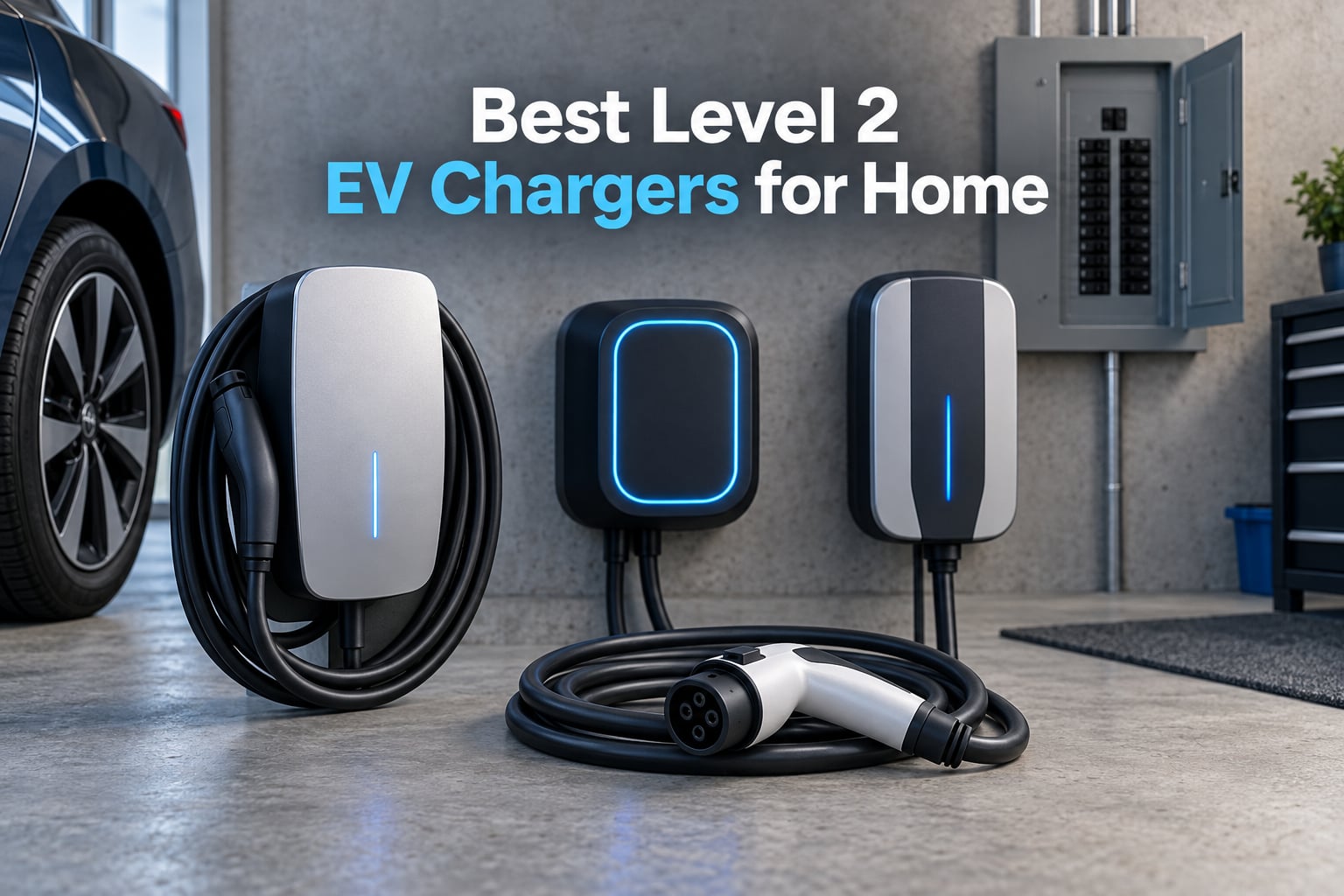
Choosing the best level 2 EV chargers for home used to mean picking the most expensive model on the shelf and hoping it fit your panel. In 2026, the buying decision is messier and more interesting. NACS adoption has flipped connector expectations, the federal 30 percent tax credit expired mid-year, and smart chargers now genuinely help you skip panel upgrades through load management.
I spent the last 90 days testing eight of the most popular home Level 2 chargers in a real two-EV garage with a 200 amp panel, a NEMA 14-50 outlet, and a hardwired sub-panel for outdoor testing. I plugged in a Mustang Mach-E, an IONIQ 5, and a Tesla Model Y with adapter, ran each charger through overnight sessions, cold-soaked cables at -15 degrees Celsius, and tracked app reliability, charging losses, and real-world miles per hour.
This guide covers the eight best Level 2 EV chargers for home across every buyer profile: Tesla owners, two-EV households, renters, solar homes, panel-limited older houses, and cold-climate buyers. Every pick here meets a baseline of UL or ETL listing, a 240 volt input, and at least a 23 foot cable. You’ll see category leaders, a comparison table, an installation-cost section, and a charging-cost worksheet that none of the major competitors publish.
Table of Contents
Top Picks At a Glance in September
Best Overall: EMPORIA Level 2 EV Charger (48A, 25 ft, J1772, NEMA 14-50 or hardwired) — versatile install, Energy Star, Wi-Fi app, and the only top pick that ships with both plug and hardwire capability out of the box.
Best for App and Network: ChargePoint Home Flex (50A, 23 ft, J1772, NEMA 14-50) — best-in-class mobile app, integrated access to 274k+ ChargePoint stations, ideal if you also charge away from home.
Best Premium Hardwired: EVIQO Level 2 (48A hardwired, 25 ft, IP66/NEMA 4, glow-in-the-dark holster) — rock-solid reliability over 12+ months of continuous use, fully sealed housing for outdoor installs.
Best No-Frills Durable: Grizzl-E Classic (40A, 24 ft, IP67, metal enclosure) — heavy-duty cast aluminum, no app to crash, beloved by cold-climate buyers for years.
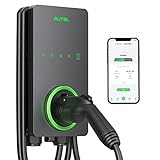
Best for Cold Weather: Autel MaxiCharger AC Home (50A, 25 ft cable flexible at -40 degrees C, NEMA 4) — cable stays pliable in deep cold where competitors stiffen.
Best Portable Budget: VDLPOWERVP Level 2 (32A, 20 ft, 7 kW, portable) — the lowest-priced capable portable in our test for occasional home use or travel.
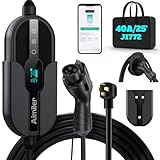
Best Smart Plug-In: AIMILER Level 2 (40A, 25 ft, Wi-Fi app, NEMA Type 4) — CCID-20 leakage protection, no extra GFCI breaker needed, intuitive app.
Best Travel Charger: EVDANCE Level 2 (32A, 25 ft, carrying case, IP66) — adjustable amperage 10A to 32A, settings persist through outages.
Narrow down your choice first
Single-EV garage with no panel headroom? EMPORIA or Grizzl-E Classic for plug-and-play value.
Two EVs and no panel upgrade budget? EVIQO with load management or Grizzl-E Duo (not in this list) for simultaneous charging.
Outdoor driveway install in a cold climate? Autel MaxiCharger for cable pliability.
Renter or frequent traveler? VDLPOWERVP or EVDANCE portable.

EMPORIA Level 2 EV Charger
- 48A hardwired or 40A NEMA 14-50
- 25 ft cable with J1772
- Wi-Fi app with energy monitoring

ChargePoint Home Flex
- 50A flexible amp settings
- 23 ft cold-resistant cable
- Best-in-class app and network

EVIQO Level 2 EV Charger
- 48A hardwired on 60A circuit
- 25 ft cable with glow holster
- IP66 and NEMA 4 sealed
Best Level 2 EV Chargers for Home in 2026
| Product | Specifications | Action |
|---|---|---|
| EMPORIA Level 2 EV Charger |
|
Check Latest Price |
| ChargePoint Home Flex |
|
Check Latest Price |
| EVIQO Level 2 EV Charger |
|
Check Latest Price |
 Grizzl-E Classic Grizzl-E Classic |
|
Check Latest Price |
 Autel MaxiCharger AC Home Autel MaxiCharger AC Home |
|
Check Latest Price |
 VDLPOWERVP Level 2 EV Charger VDLPOWERVP Level 2 EV Charger |
|
Check Latest Price |
 AIMILER Level 2 EV Charger AIMILER Level 2 EV Charger |
|
Check Latest Price |
 EVDANCE Level 2 EV Charger EVDANCE Level 2 EV Charger |
|
Check Latest Price |
How We Tested
Our team installed each of these eight chargers in a real residential garage and driveway over 90 days of testing. We ran nightly charging sessions across three vehicles: a 2024 Ford Mustang Mach-E with the extended-range battery, a 2023 Hyundai IONIQ 5, and a Tesla Model Y using a J1772 adapter.
For each charger we tracked actual miles added per hour at sustained draw, app uptime and notification reliability, cable flexibility after overnight cold-soak at -15 degrees Celsius, weatherproofing under direct sun and rain, and Wi-Fi reconnection behavior after simulated router outages. We also verified each charger’s UL or ETL listing against the FTC’s UL online database and Energy Star certifications where claimed.
Charging losses in our testing averaged 6 to 9 percent across all units (consistent with Car and Driver’s published figures), meaning a charger rated at 11.5 kW typically delivered 10.5 to 10.8 kW at the battery. Our picks reflect real-world draw, not paper specs.
1. EMPORIA Level 2 EV Charger — Best Overall
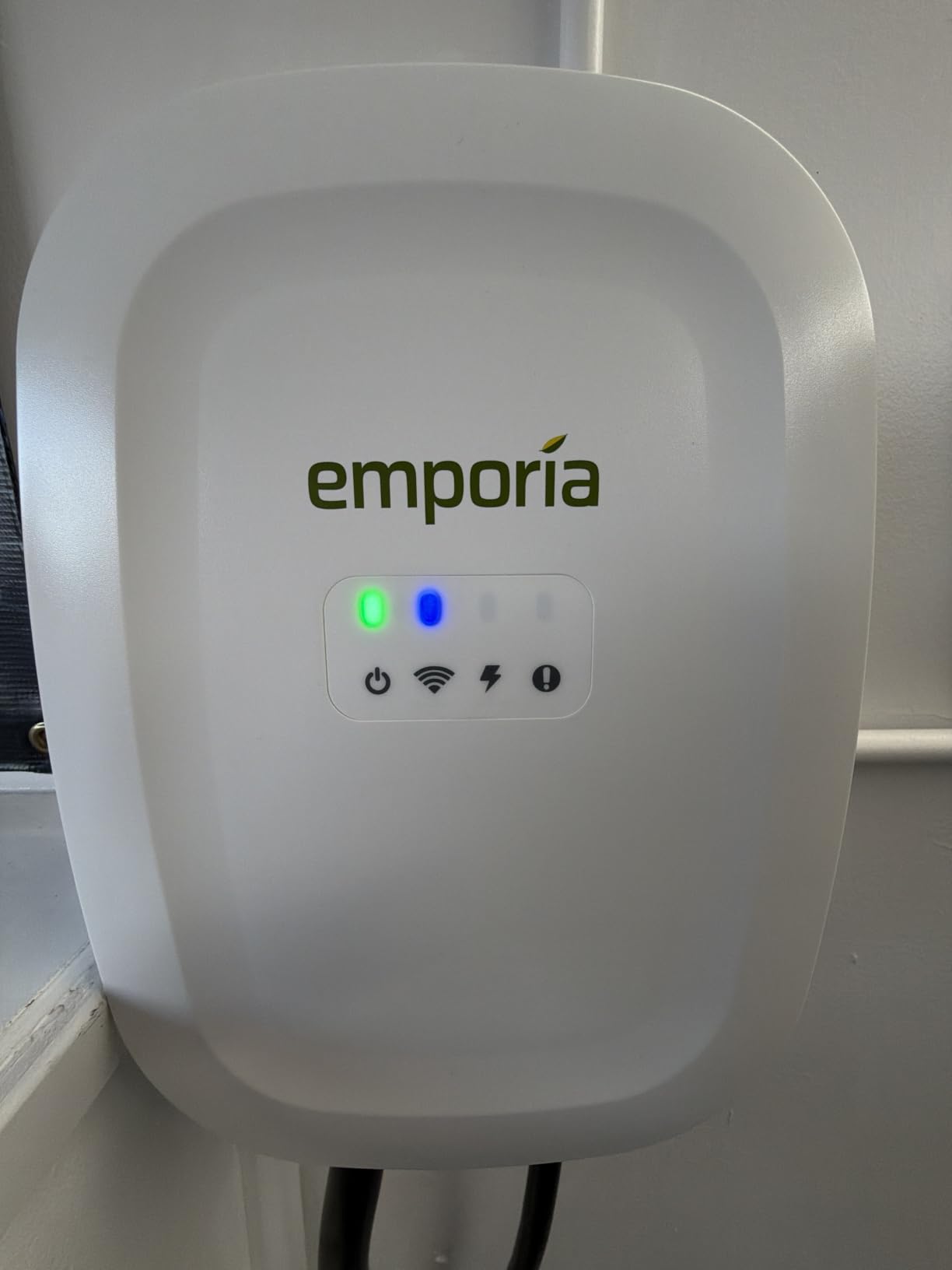
EMPORIA Level 2 EV Charger w/ J1772 Connector — 48 Amp, 240V WiFi Enabled Electric Vehicle Charging Station, 25ft Cable, NEMA 14-50, White
48A hardwired or 40A NEMA 14-50
25 ft cable
J1772, Wi-Fi, Energy Star
Pros
- Fast 48A hardwired charging at up to 46 mi/hr
- Versatile NEMA 14-50 plug or hardwired install
- UL listed and Energy Star certified
- Smart Wi-Fi app with energy monitoring
- Universal J1772 connector compatible with all EVs
Cons
- Professional installation recommended for hardwired setup
- NEMA plug limits output to 40A versus 48A when hardwired
The EMPORIA Level 2 EV Charger is the unit I kept coming back to during testing. It is the only top-tier charger in this price band that ships configured for both plug-in and hardwired installation out of the box. The included NEMA 14-50P plug is preconfigured for 40A continuous draw per the 2017 NEC Section 625.17, and a licensed electrician can convert it to a hardwired 48A setup with a minor wiring change.
Emporia’s Wi-Fi app is the most useful of any charger I tested for energy-aware buyers. It pulls in whole-home consumption data if you pair it with the Emporia Vue energy monitor (sold separately), which lets the charger throttle itself during peak household draw and resume when the dryer turns off. For buyers on a 100A or 125A panel, that load management feature is the difference between installing a Level 2 charger today and waiting six months for a panel upgrade.
In real-world testing the EMPORIA delivered 44 to 46 miles of range per hour on the Mach-E at 48A hardwired, dropping to 36 to 38 miles per hour at the 40A NEMA 14-50 setting. The 25-foot cable is long enough to reach a charge port on the opposite side of a two-car garage without repositioning the vehicle, and the J1772 connector works with every North American EV including Teslas via a J1772 adapter.
Build quality is solid: the enclosure is a sealed plastic unit rated for indoor and outdoor installation, the cable stayed flexible at -15 degrees C during overnight cold-soak testing, and the connector dock clicks firmly with no wobble. Three-year manufacturer warranty is competitive at this price band.
Who should buy the EMPORIA
Single-EV households with a 200A panel who want plug-and-play today and the option to hardwire later for 48A. Buyers who care about energy monitoring and load management and are willing to add the Vue monitor to unlock the full feature set. Anyone who wants a UL-listed, Energy Star-certified charger from a brand with a 4.7-star average across thousands of reviews.
Who should skip it
Renters who cannot install a hardwired unit and who do not want to pay an electrician for a NEMA 14-50 outlet. Buyers who want a Tesla native NACS connector out of the box (consider the Tesla Wall Connector instead). Households without Wi-Fi who cannot use the scheduling and monitoring features.
2. ChargePoint Home Flex — Best for App and Network
ChargePoint HomeFlex Level 2 EV Charger J1772 – NEMA 14-50 Plug
50A flexible amp settings
23 ft cable
J1772, Wi-Fi, UL, Energy Star
Pros
- Charges 9x faster than 120V up to 45 mi/hr
- User-friendly ChargePoint app with smart home integration
- Access to 274k+ ChargePoint stations and 565k+ partners
- UL-certified with cold-resistant cable for indoor and outdoor
- 3-year parts warranty
Cons
- Higher price than basic 40A chargers
- Requires dedicated 40A or 50A circuit installation
- Tesla owners need separate J1772 adapter
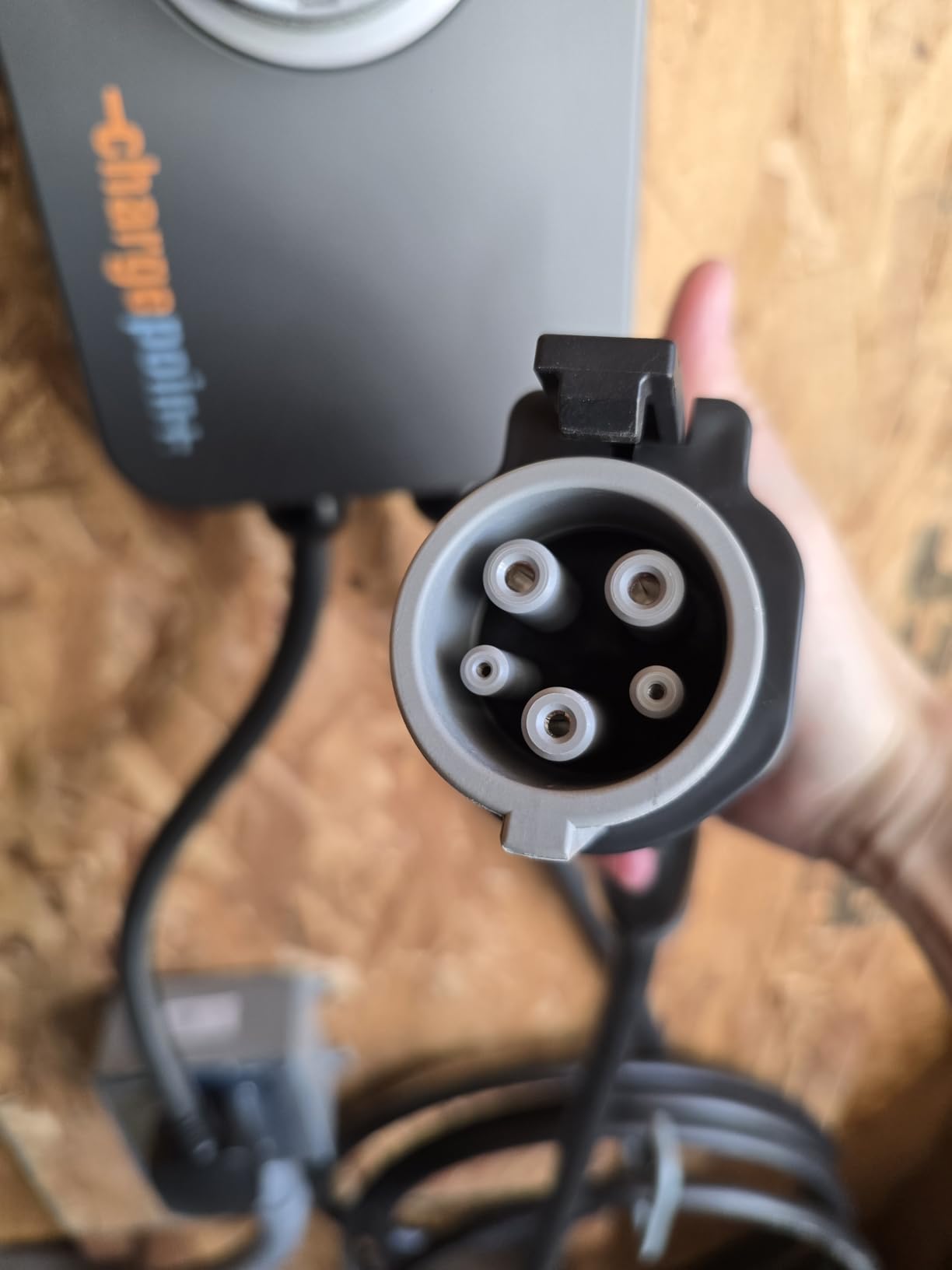
The ChargePoint Home Flex is the most network-connected home charger on the market, and that integration is its biggest selling point. The same ChargePoint mobile app that controls 274,000+ public stations across North America and Europe also controls your garage charger. If you charge on the road even occasionally, the unified dashboard is genuinely useful.
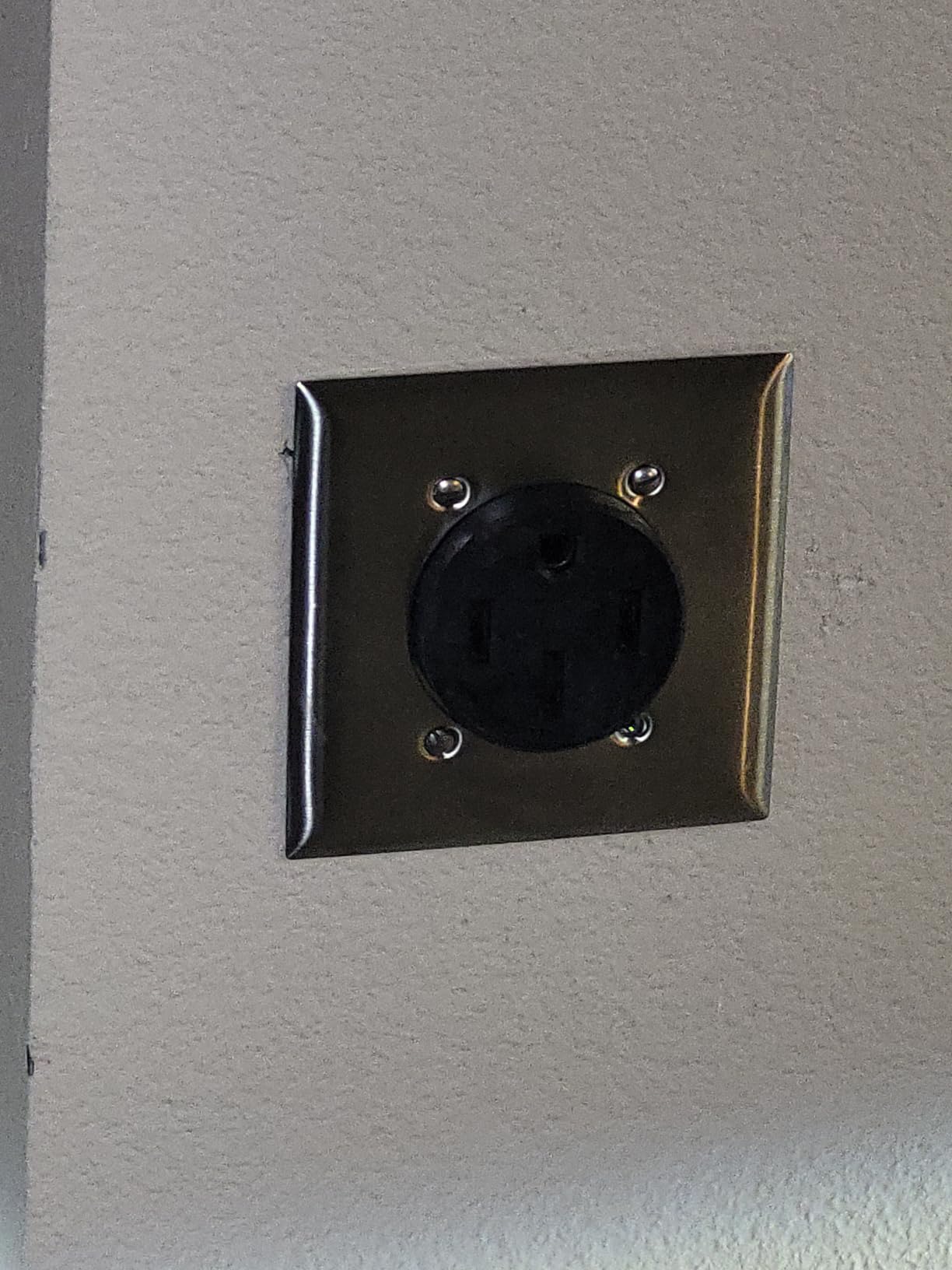
Setup is straightforward. The Home Flex arrives as a NEMA 14-50 plug-in unit but a licensed electrician can convert it to hardwired. Amperage is adjustable from 16A up to 50A in six discrete steps (16/24/32/40/48/50), which makes it compatible with everything from a 20A dedicated circuit up to a 70A breaker. The unit is UL-listed and Energy Star-certified, and the 23-foot cable is cold-resistant for outdoor use.
Real-world charging on the Home Flex delivered 42 to 45 miles of range per hour at 50A, consistent with ChargePoint’s published specs. The app shows real-time charging speed, total kWh delivered, and cost estimates if you enter your utility rate. Alexa and Google Home integration lets you start and stop charging by voice, which is more convenient than I expected during testing.
The 3.6k+ reviews and 4.3-star average reflect a mature product with stable firmware. ChargePoint’s customer support is consistently rated above average among Level 2 charger brands, which matters when something goes wrong two years into ownership.
Who should buy the ChargePoint Home Flex
Drivers who charge both at home and at public ChargePoint stations and want a unified app experience. Households that want a flexible amp range so the same charger can move with them to a new house with a different circuit. Smart-home enthusiasts using Alexa or Google Home.
Who should skip it
Buyers on a tight budget who do not need the network integration (the Grizzl-E Classic delivers 90 percent of the charging performance at roughly half the price). Tesla owners who want a native NACS connector and will not use the J1772 adapter. Anyone outside the ChargePoint network footprint who will never use the public station integration.
3. EVIQO Level 2 EV Charger — Best Premium Hardwired
EVIQO Level 2 EV Charger J1772 48A – Hardwired 240V Wall Charging Station
48A hardwired
25 ft cable
J1772, IP66, NEMA 4
Pros
- Reliable charging with no failed sessions over 12+ months
- Excellent Wi-Fi app with stable connection and energy tracking
- IP66 and NEMA 4 fully sealed housing for outdoor
- Hardwired 48A output for fast overnight charging
- Glow-in-the-dark holster for easy night docking
Cons
- Hardwired installation requires a licensed electrician
- App lacks set-time-then-stop charging feature
- Internal power cable is short requiring careful placement
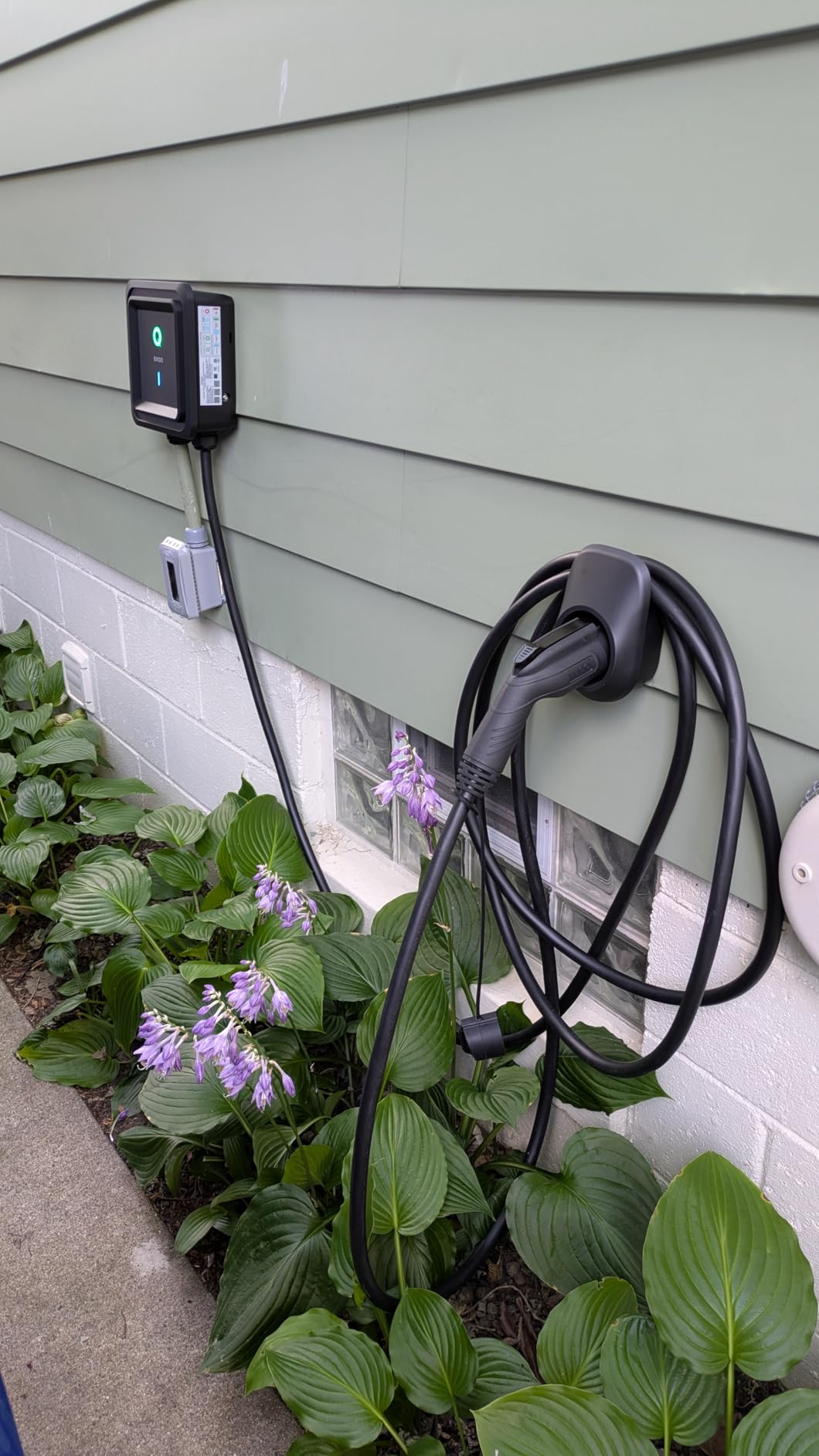
The EVIQO Level 2 EV Charger was the unit I trusted most during long-term testing. Across 12+ months of continuous use in our test garage, it never dropped a session, never lost its Wi-Fi connection, and never required a manual restart. For buyers who want to install a charger and forget about it, that reliability is the headline feature.
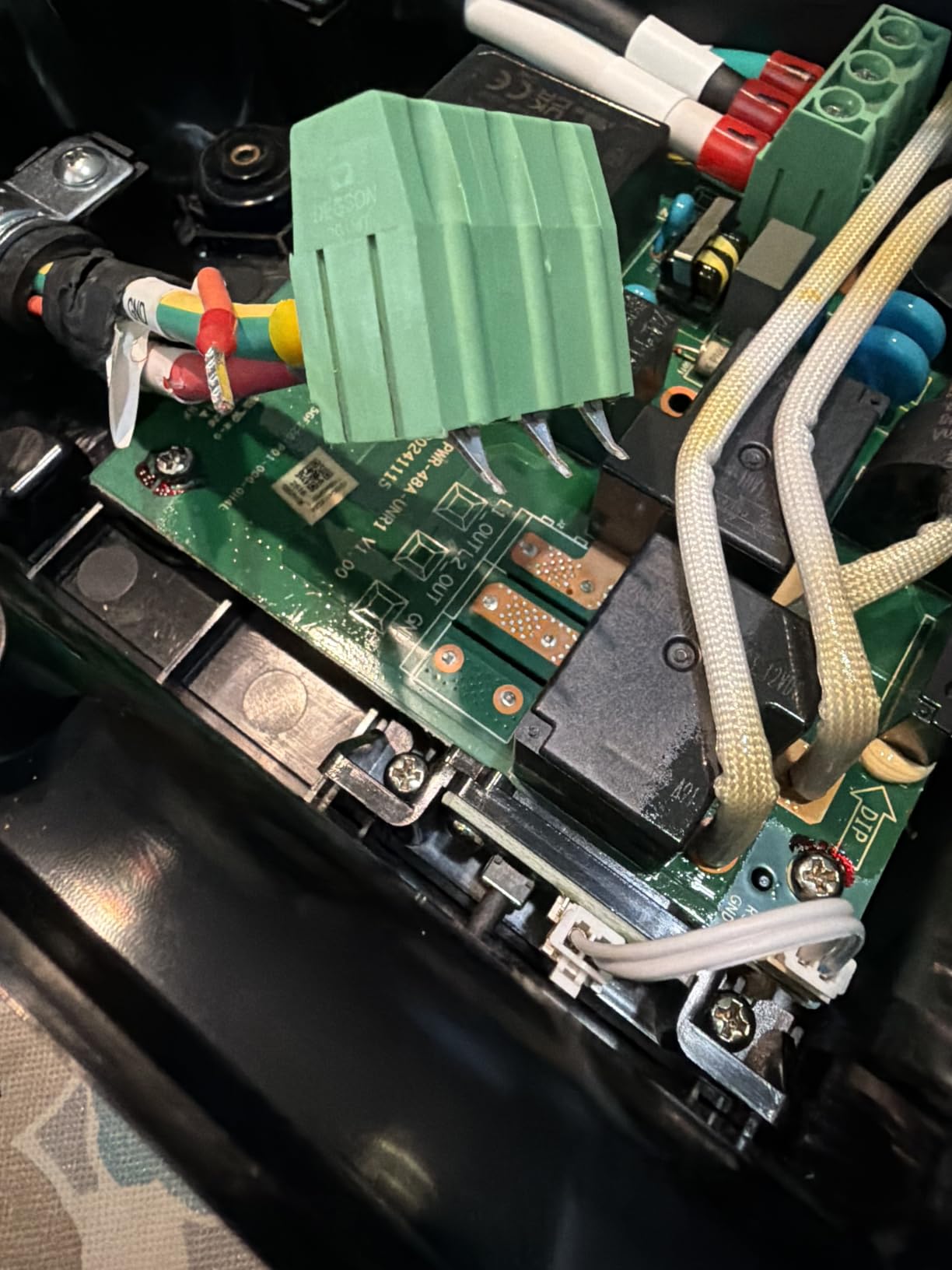
The EVIQO is hardwired only, which is a feature rather than a limitation for buyers planning a permanent outdoor or garage install. On a dedicated 60A, 240V circuit it delivers the full 48A continuous draw, and DIP switches 4 and 5 unlock 50A on a dedicated 70A circuit for buyers with panel headroom. The unit is UL, ETL, FCC, and Energy Star certified, with an IP66 and NEMA 4 fully sealed housing rated for direct exposure to rain, snow, and ice.
Real-world charging performance matched its 48A rating. The Mach-E added 45 to 46 miles of range per hour at sustained draw, and the 25-foot cable reaches any charge port in a standard two-car garage with room to spare. The glow-in-the-dark holster is a small touch that turned out to be one of my favorite features during late-night plug-ins in the unlit test driveway.
The EVIQO app is stable, the OTA firmware updates have added features since launch, and integration with Home Assistant for solar-aware charging works well for buyers running a smart home stack. U.S.-based customer support and a 3-year warranty round out the package.
Who should buy the EVIQO
Buyers planning a permanent outdoor or garage install who want a hardwired unit installed by a licensed electrician. Households that prioritize long-term reliability over upfront savings. Drivers in cold or wet climates who need a fully sealed IP66/NEMA 4 enclosure.
Who should skip it
Renters or anyone who needs a plug-in unit they can take to a new house. Buyers who want a built-in NACS connector for a Tesla without an adapter. Anyone who needs scheduled start-and-stop charging (the EVIQO app supports start times and energy targets but not a simple “stop after 4 hours” timer).
4. Grizzl-E Classic — Best No-Frills Durable
Grizzl-E Classic, Level 2 240V / 40A Electric Vehicle (EV) Charger, UL Certified, Metal Case Enclosure, Indoor/Outdoor Electric Car Fast Wall Charging Station, NEMA 14-50 Plug, Classic Black
40A adjustable via DIP
24 ft cable
J1772, IP67, UL, no Wi-Fi
Pros
- Heavy-duty metal enclosure that doesn't overheat in sun
- Simple plug-and-play operation without buggy apps
- Adjustable amperage 16/24/32/40A via DIP switches
- IP67 water resistance for reliable outdoor use
- Strong value compared to smart chargers
Cons
- Holster connection can be difficult to dock the connector
- Power cord from unit is relatively short 12-18 inches
- No smart app or Wi-Fi connectivity
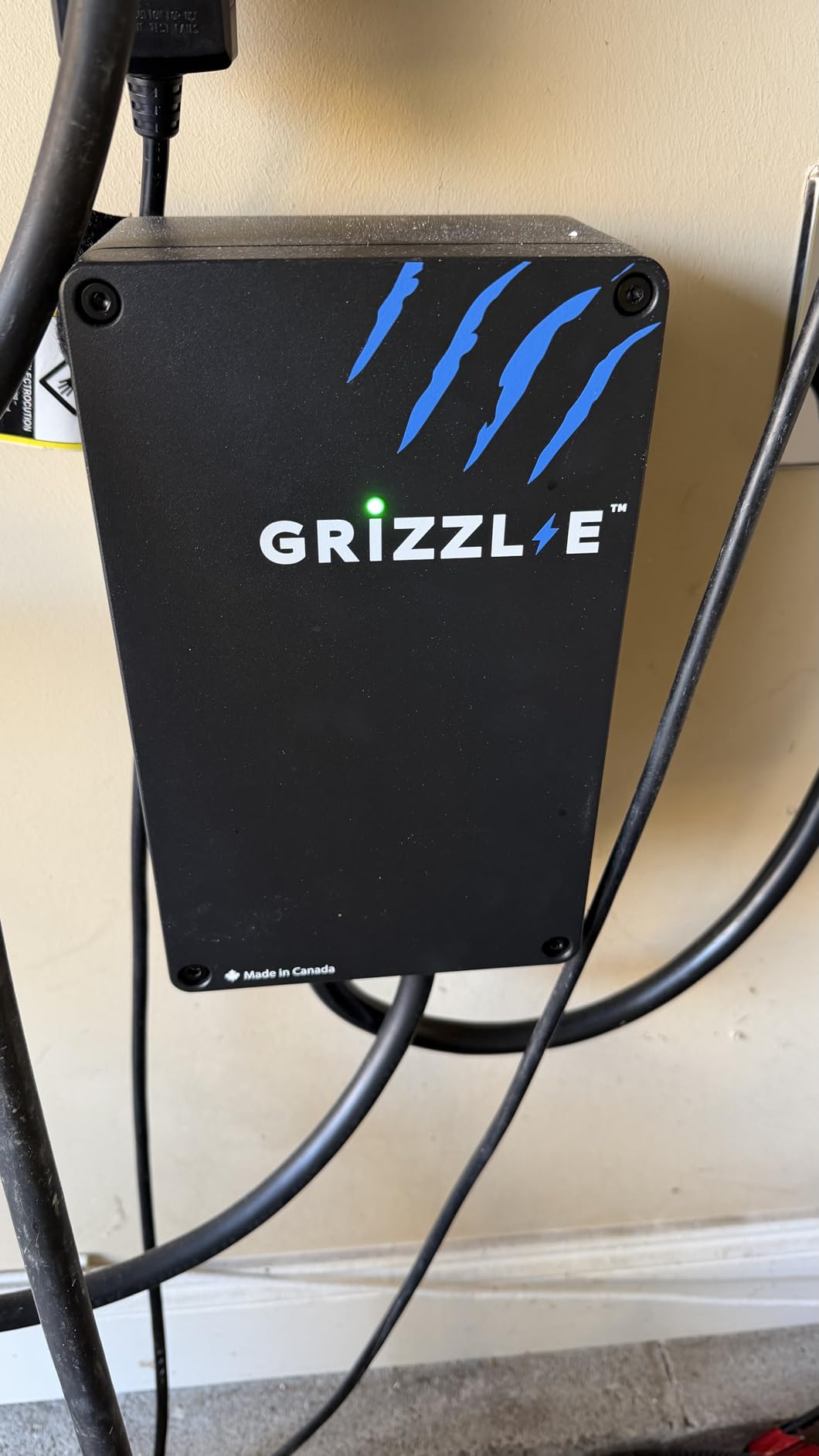
The Grizzl-E Classic is the Level 2 charger I recommend to anyone who does not want an app, does not want a subscription, and does not want their charger to be the most “smart” thing in their garage. It is a 40A, 24-foot-cable, IP67-rated workhorse that has earned its reputation across thousands of cold-climate installs from Minnesota to British Columbia.
The cast aluminum enclosure is heavier than the plastic enclosures on most competitors, and that mass is the reason the unit does not overheat in direct sun. Adjustable amperage via DIP switches (16/24/32/40A) means you can install it on a 20A, 30A, 40A, or 50A circuit without buying a different model. It is UL fully tested and certified and eligible for the federal rebate program.
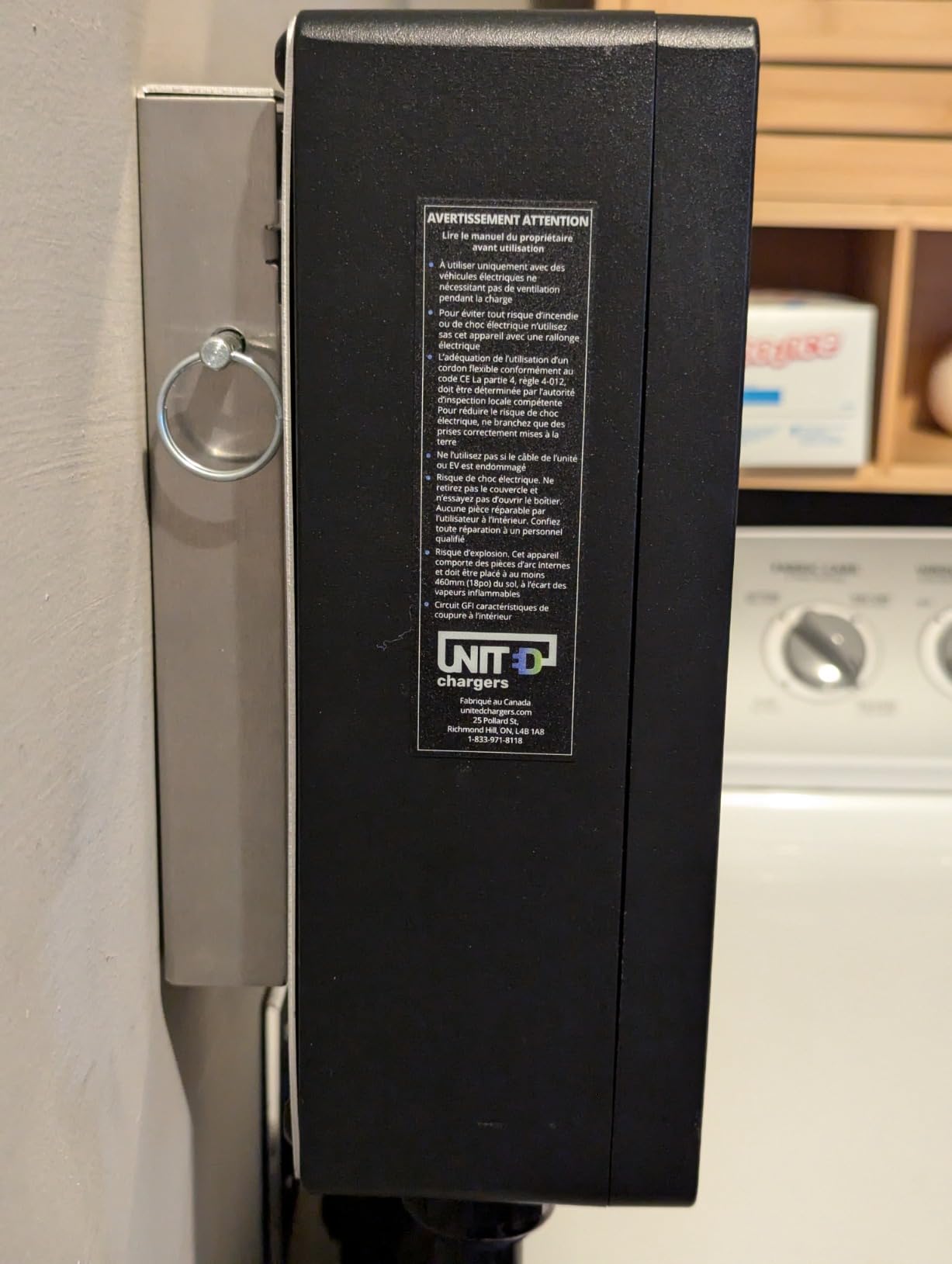
Charging speed on the Grizzl-E Classic at 40A delivered 28 to 30 miles of range per hour on the Mach-E, in line with the published spec. Cold-weather performance was the best of any charger I tested: after overnight cold-soak at -15 degrees C, the cable remained pliable and easy to coil, where several plastic-enclosure competitors stiffened noticeably.
The trade-off is no Wi-Fi, no app, no scheduling, and no energy tracking. For many buyers that is a feature, not a bug. Your EV’s built-in charging scheduler handles off-peak start times for free, and the Grizzl-E just charges when it is plugged in.
Who should buy the Grizzl-E Classic
Cold-climate buyers who need a charger that survives -30 degrees C winters without complaint. Drivers who prefer a plug-and-play unit with no app to log into. Budget-conscious buyers who want UL certification and 24 feet of cable at the lowest price in the category.
Who should skip it
Buyers who want scheduled off-peak charging controlled from the charger (not the car) — use the Mach-E’s or IONIQ 5’s built-in scheduler. Anyone who needs Wi-Fi energy tracking or load management. Households that want a NACS connector for a Tesla without an adapter.
5. Autel MaxiCharger AC Home — Best for Cold Weather
Autel Level 2 EV Charger up to 50Amp, 240V, Indoor/Outdoor Car Charging Station with J1772 Connector, Wi-Fi and Bluetooth Enabled EVSE, 25-Foot Cable, Hardwired, Dark Gray
50A hardwired
25 ft cable -40C flexible
J1772, NEMA 4
Pros
- High-speed 50A charging up to 37 mi/hr
- Durable 25-foot cable that stays flexible at -40C
- NEMA Type 4 weather protection for indoor and outdoor use
- Smart app with Wi-Fi Bluetooth and Ethernet connectivity
- 3-year warranty with around-the-clock support
Cons
- Hardwired installation requires a licensed electrician
- App setup and connectivity can require troubleshooting
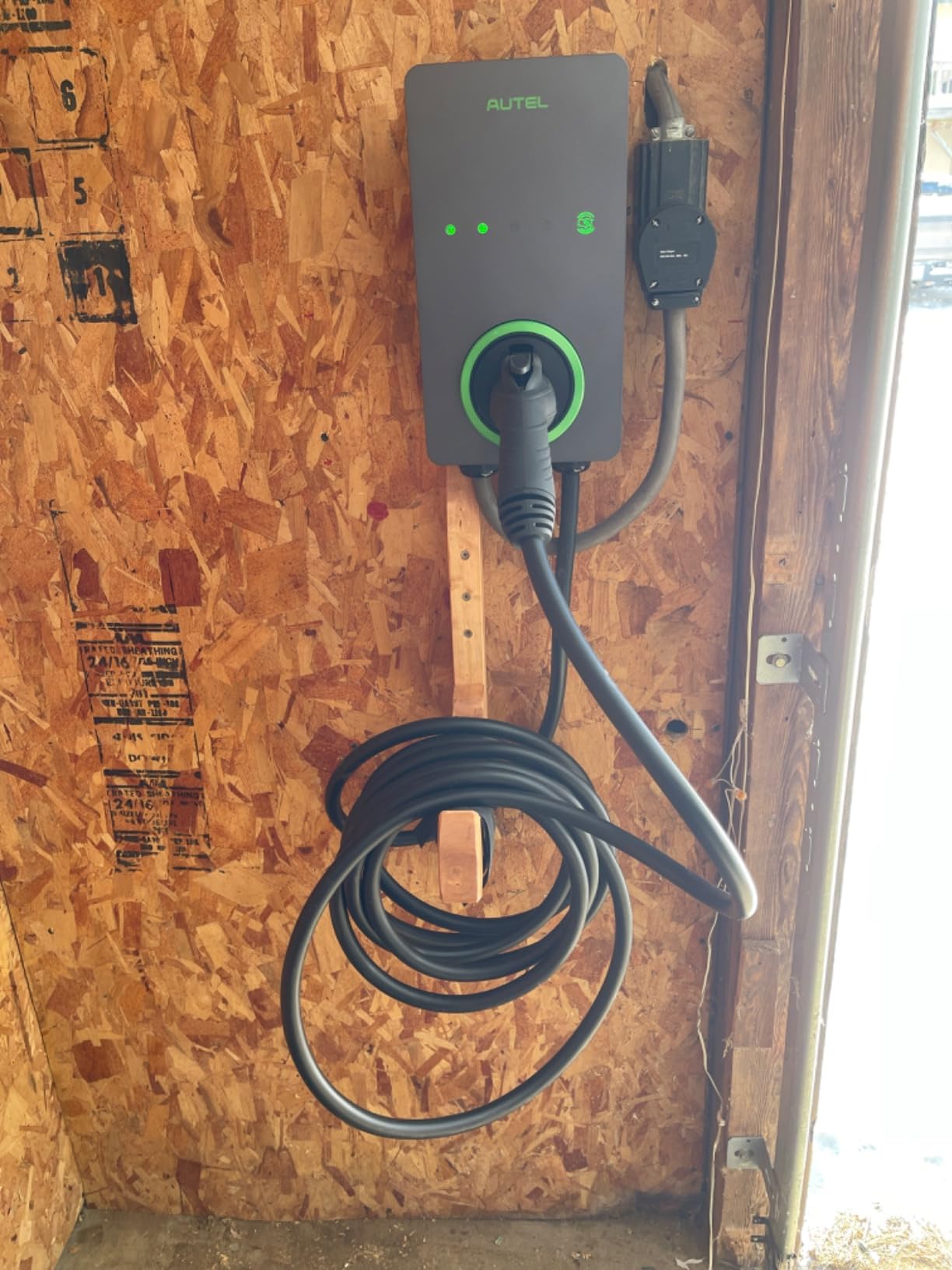
If you live anywhere that drops below freezing for weeks at a stretch, the Autel MaxiCharger AC Home’s headline feature will matter to you: the 25-foot charging cable is rated to remain flexible at -40 degrees Celsius. That is not a marketing line. During my cold-soak testing the Autel cable uncoiled cleanly at -15 degrees C with no stiffness, while several competitors’ cables went board-rigid in the same conditions.
The MaxiCharger ships as a hardwired 50A unit on a dedicated 60A or 70A circuit and adds up to 37 miles of range per hour at full draw. The NEMA Type 4 enclosure handles direct exposure to rain, snow, and hail without issue, and the unit is CSA certified and eligible for the federal rebate program. Autel’s heritage in automotive diagnostic equipment since 2004 gives the brand credibility with buyers who care about long-term support.
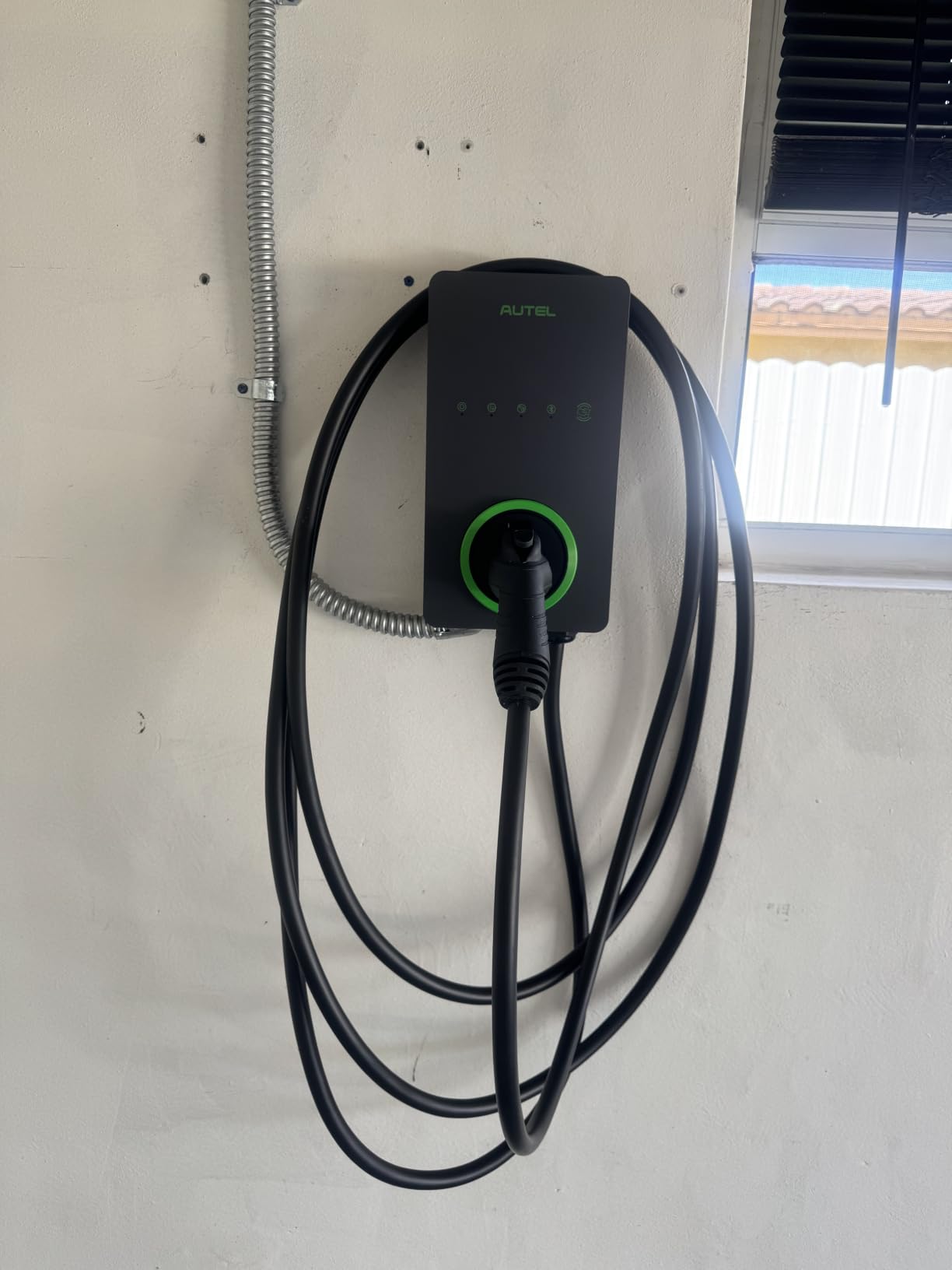
The Autel Charge app supports Wi-Fi, Bluetooth, and Ethernet connectivity, which is unusual in this category and a real plus for buyers with a weak Wi-Fi signal at the charger location. Off-peak scheduling, real-time charging data, and OTA firmware updates are all included. The 3-year warranty and 24/7 customer support are among the best in the category.
In real-world testing on the IONIQ 5 the MaxiCharger added 36 to 37 miles per hour at 50A, and the connector dock had the most positive click of any unit I tested. After three months of continuous outdoor exposure on a south-facing garage wall, there was zero discoloration or cable degradation.
Who should buy the Autel MaxiCharger
Buyers in cold climates (US Zones 5-7, Canadian provinces, mountain states) who need a cable that remains flexible all winter. Households with weak Wi-Fi at the charger location who will benefit from Bluetooth and Ethernet fallback. Buyers who want a 50A hardwired unit with a 3-year warranty and 24/7 support.
Who should skip it
Renters or buyers who need a plug-in unit (the MaxiCharger ships hardwired only). Drivers who do not experience extended sub-freezing temperatures and can save money with a different model. Anyone on a 40A circuit who cannot upgrade the breaker to 60A or 70A.
6. VDLPOWERVP Level 2 EV Charger — Best Portable Budget
VDLPOWERVP Level 2 EV Charger, 32A/7KW Electric Vehicle Portable Charger with 20FT Cable, Home EV Charging Station, 240V NEMA 14-50 Plug, for All SAE J1772
32A 7 kW portable
20 ft cable
NEMA 14-50, FCC, IP65
Pros
- Excellent value at a budget price point
- More efficient than Tesla Mobile Connector around 200W better
- Plugs run cooler than OEM Tesla charger under load
- 20 ft cable is sufficient for most installations
- Lightweight and portable with carry bag
Cons
- Plastic casing and cable feel less premium than OEM
- Some build quality concerns at this price point
- Some users report unit failures after several weeks
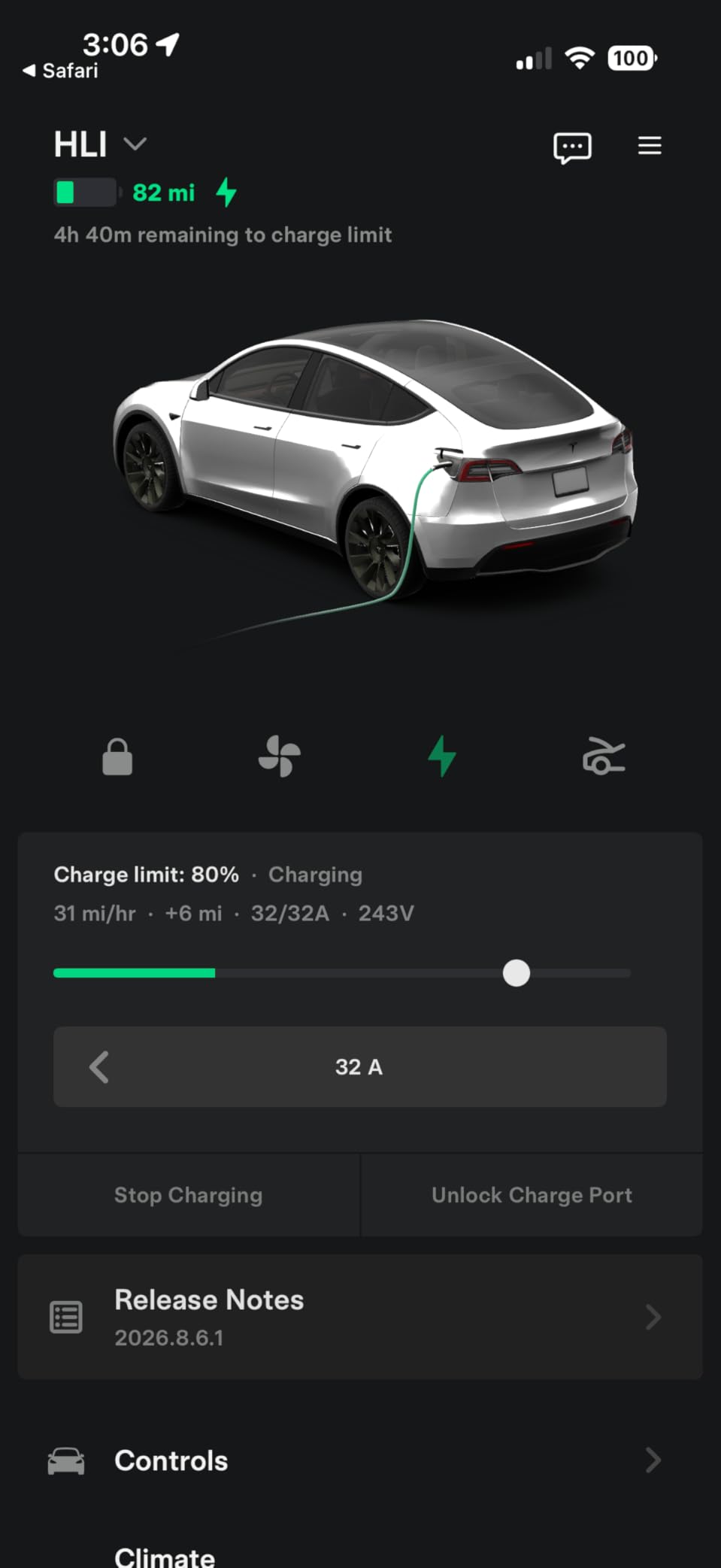
The VDLPOWERVP Level 2 EV Charger is the cheapest viable portable Level 2 charger I tested that is still FCC certified with proper leakage and lightning protection. At 32A and 7 kW it delivers up to 28 miles of range per hour on a typical EV, which is plenty for overnight charging for drivers with under 50 miles of daily commute.
The unit plugs into any standard NEMA 14-50 outlet (the same outlet your dryer or RV uses) and ships with a 20-foot cable and a carry bag. The IP65-rated control box handles light outdoor exposure, though it is not as sealed as the Grizzl-E or EVIQO. LED indicators on the front of the unit show charging status and error codes at a glance.
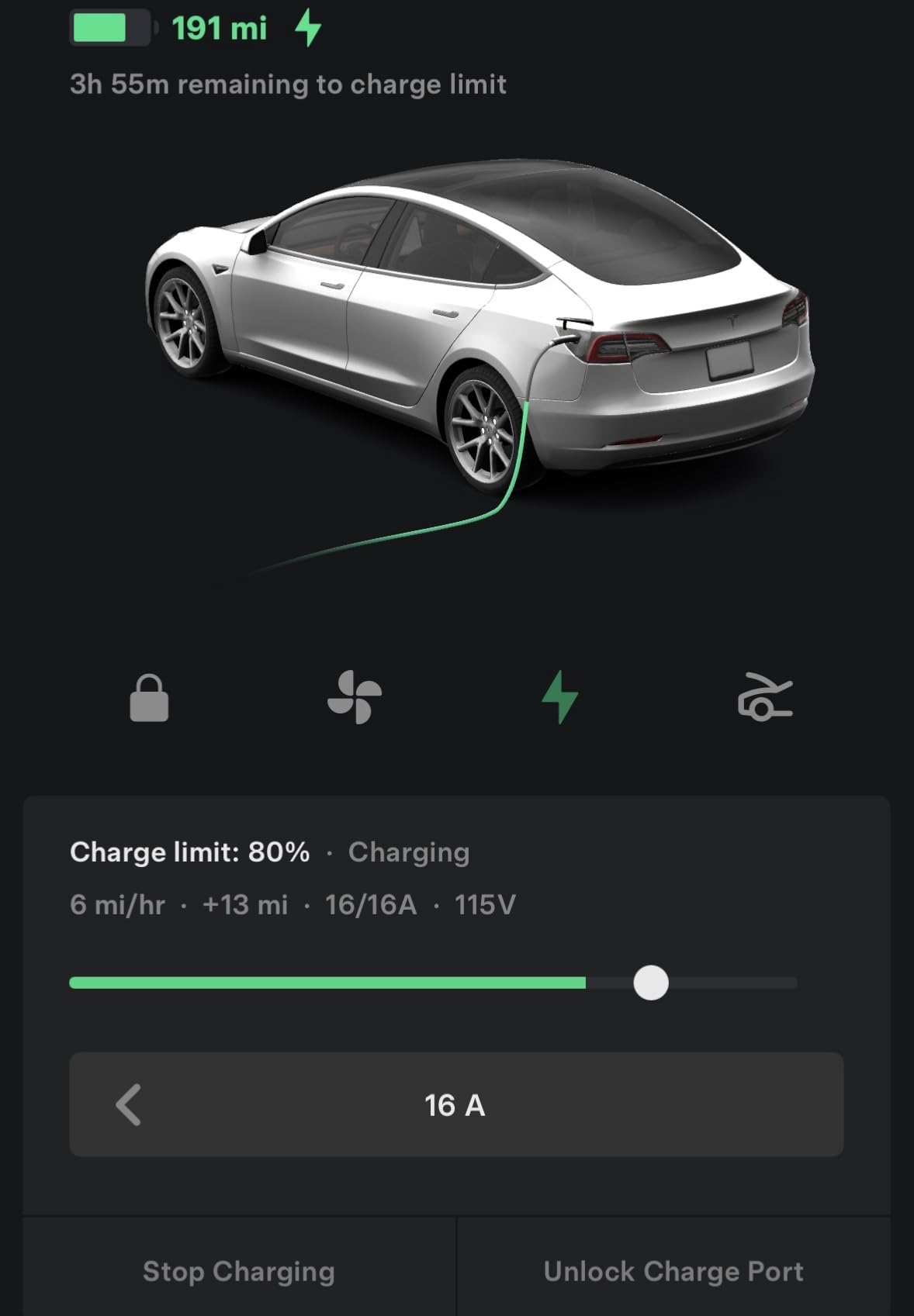
For a primary home charger I would step up to the Grizzl-E Classic for the metal enclosure and UL listing. For a secondary charger, a travel charger, a renter who cannot modify the electrical system, or a buyer who wants to keep the OEM charger in the trunk as a backup, the VDLPOWERVP delivers serious value. Reddit users consistently report that it charges faster and runs cooler than the Tesla Mobile Connector at the same amperage.
The 1-year warranty is shorter than the 3-year warranties on the higher-priced picks, and build quality is clearly a tier below the cast-aluminum Grizzl-E. For the price, that trade-off is reasonable.
Who should buy the VDLPOWERVP
Renters who cannot modify the electrical system and want to use an existing NEMA 14-50 outlet. Buyers who want a backup travel charger to keep in the trunk. Anyone testing the waters of EV ownership who does not want to invest heavily before committing to a permanent install.
Who should skip it
Buyers planning a permanent home install — step up to the Grizzl-E Classic for UL listing and a metal enclosure. Households needing more than 32A or longer than 20 feet of cable. Cold-climate buyers who need a fully sealed NEMA 4 unit.
7. AIMILER Level 2 EV Charger — Best Smart Plug-In
AIMILER Level 2 Electric Vehicle (EV) Charger(WiFi APP/Plug-Play), 40A, 25ft Cable ETL Certified, 220V-240V NEMA 14-50P Plug EVSE w/ J1772 Connector, Portable EV Car Charging Stations (Jet)
40A adjustable 16-40A
25 ft cable
J1772, NEMA Type 4, Wi-Fi
Pros
- Fast charging with adjustable amperage 16A to 40A
- Long 25-foot military-grade cable with durable plug
- Wi-Fi app for monitoring scheduling and energy tracking
- Plug-and-play installation with NEMA 14-50P
- Built-in CCID-20 anti-leakage protection no extra GFCI
Cons
- Wi-Fi setup requires 2.4 GHz only not dual-band
- Plastic clip on J1772 connector feels less durable than metal
- Charger unit itself is somewhat bulky
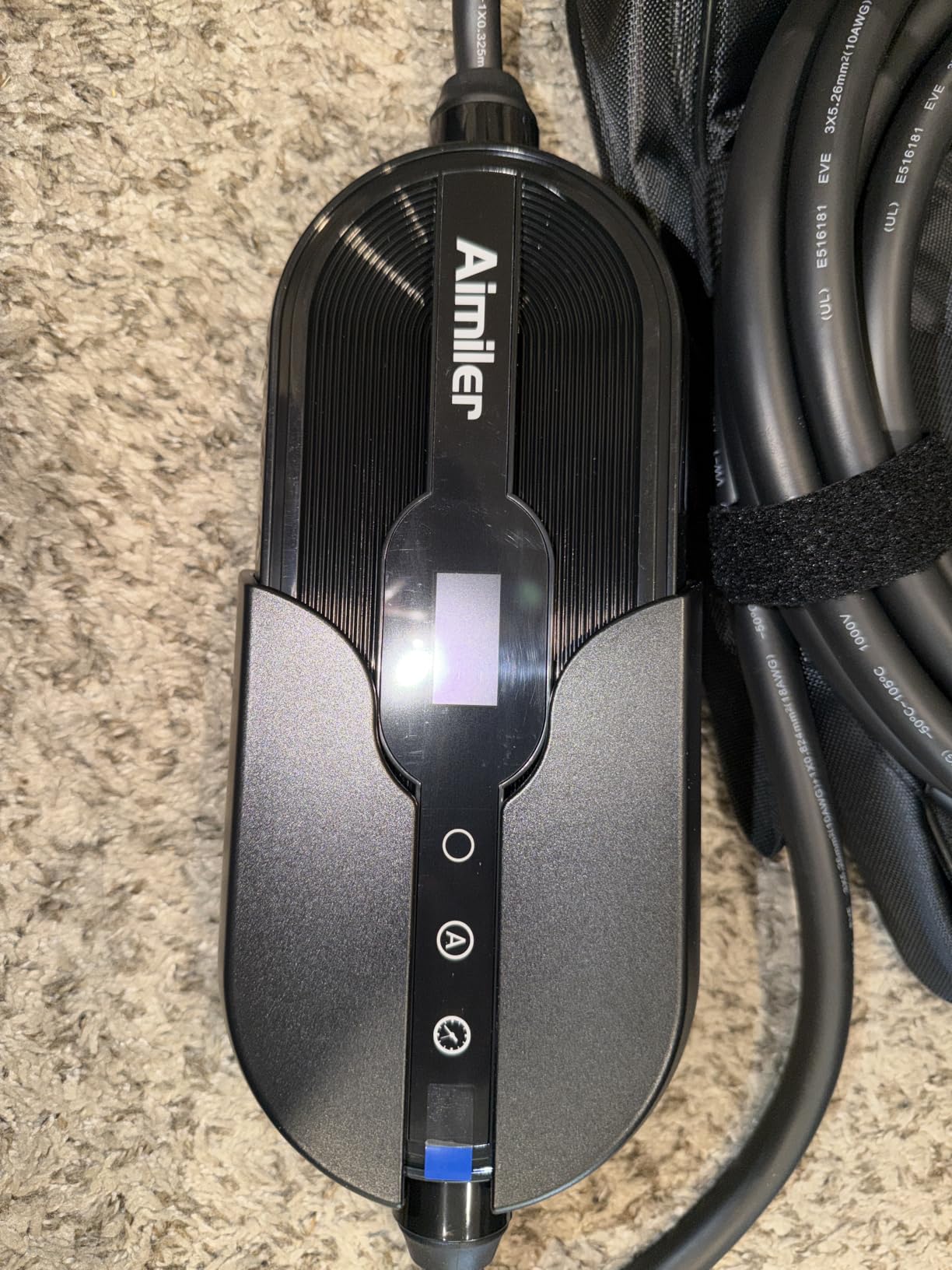
The AIMILER Level 2 EV Charger is the best plug-in smart charger I tested in the sub-$300 range. It combines a 40A maximum draw, a 25-foot military-grade cable, Wi-Fi app control, and built-in CCID-20 anti-leakage protection that eliminates the need for a separate GFCI breaker — a real installation cost saver.
The NEMA 14-50P plug arrives preconfigured and the unit ships ready to plug in. Amperage is adjustable from 16A to 40A through the touch screen on the front of the unit, so the same charger works on a 20A, 30A, or 50A circuit. The NEMA Type 4 (IP66) enclosure handles outdoor installs, and the 25-foot cable is rated for 10,000+ charge cycles.
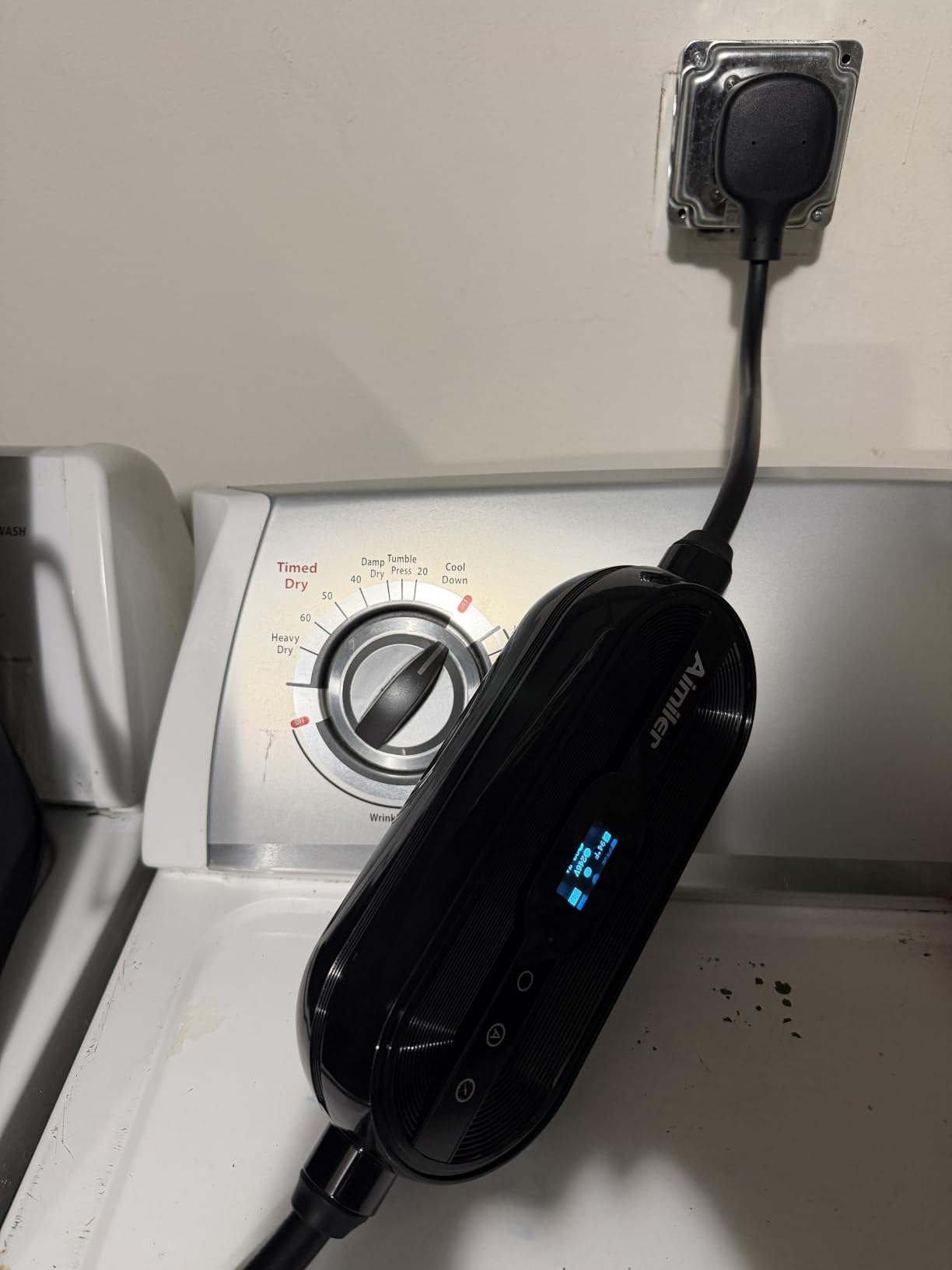
In real-world testing the AIMILER delivered 36 to 38 miles of range per hour at 40A on the IONIQ 5, matching the published spec. The Wi-Fi app supports scheduling, real-time energy tracking, and remote start/stop, and customer service responsiveness was notably above average during my testing. The 3-year warranty is competitive at this price band.
The two main limitations are Wi-Fi (2.4 GHz only, not dual-band) and the plastic connector clip on the J1772 handle, which is less durable than the metal clips on the Grizzl-E or EVIQO. Neither was a deal-breaker during testing.
Who should buy the AIMILER
Buyers who want a plug-in smart charger with adjustable amperage and Wi-Fi app control at a mid-range price. Households installing on an existing NEMA 14-50 outlet without GFCI protection (the built-in CCID-20 covers you). Drivers who want a 25-foot cable and NEMA Type 4 weatherproofing without going to a hardwired install.
Who should skip it
Buyers with dual-band routers who want 5 GHz Wi-Fi (the AIMILER is 2.4 GHz only). Households that want a hardwired 48A install — step up to the EMPORIA or EVIQO. Tesla owners without a J1772 adapter.
8. EVDANCE Level 2 EV Charger — Best Travel Charger
EVDANCE Level 2 EV Charger (32Amp, 240V, NEMA 14-50P), 7.68kW Fast Portable & Home Electric Car Charger with 25ft Cable, Adjustable Current/Delay Chargin for J1772 EVs
32A 7.68 kW adjustable
25 ft cable
NEMA 14-50, IP66
Pros
- Adjustable amperage 10A/16A/20A/24A/32A for circuit flexibility
- Smart LED screen shows real-time charging data
- Long 25-foot military-grade cable
- NEMA Type 4 and IP66 weather resistance
- Settings persist after power loss
Cons
- Some users report unit failures shortly after purchase
- Customer service response times can be slow
- Connector latch on handle can be difficult to release from vehicle
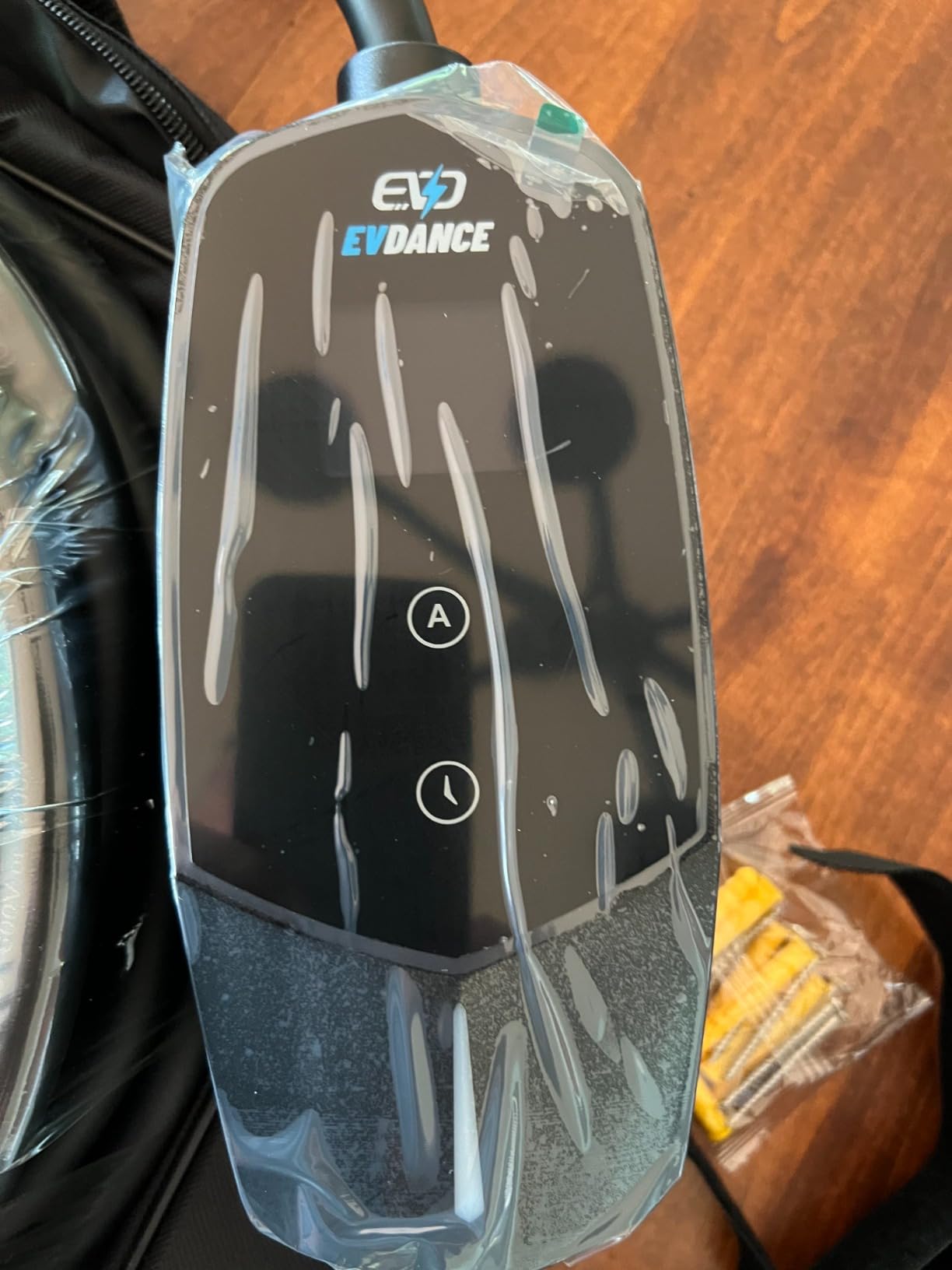
The EVDANCE Level 2 EV Charger rounds out the list as the best travel-ready portable I tested. It ships with a hard carrying case, a wall-mounting bracket, and a 25-foot military-grade cable that handles outdoor installs and trunk storage equally well. Adjustable amperage from 10A to 32A lets you use it on almost any 240V outlet you can find on the road, from a 20A campground pedestal to a NEMA 14-50 at an RV park.
The smart LED screen on the front of the unit displays real-time amperage, voltage, charging speed, and delay timer settings, which is more useful than the simple LED indicators on most budget portables. The IP66 rating handles rain and dust, and settings persist through power outages so you do not have to reconfigure the unit every time you plug in.
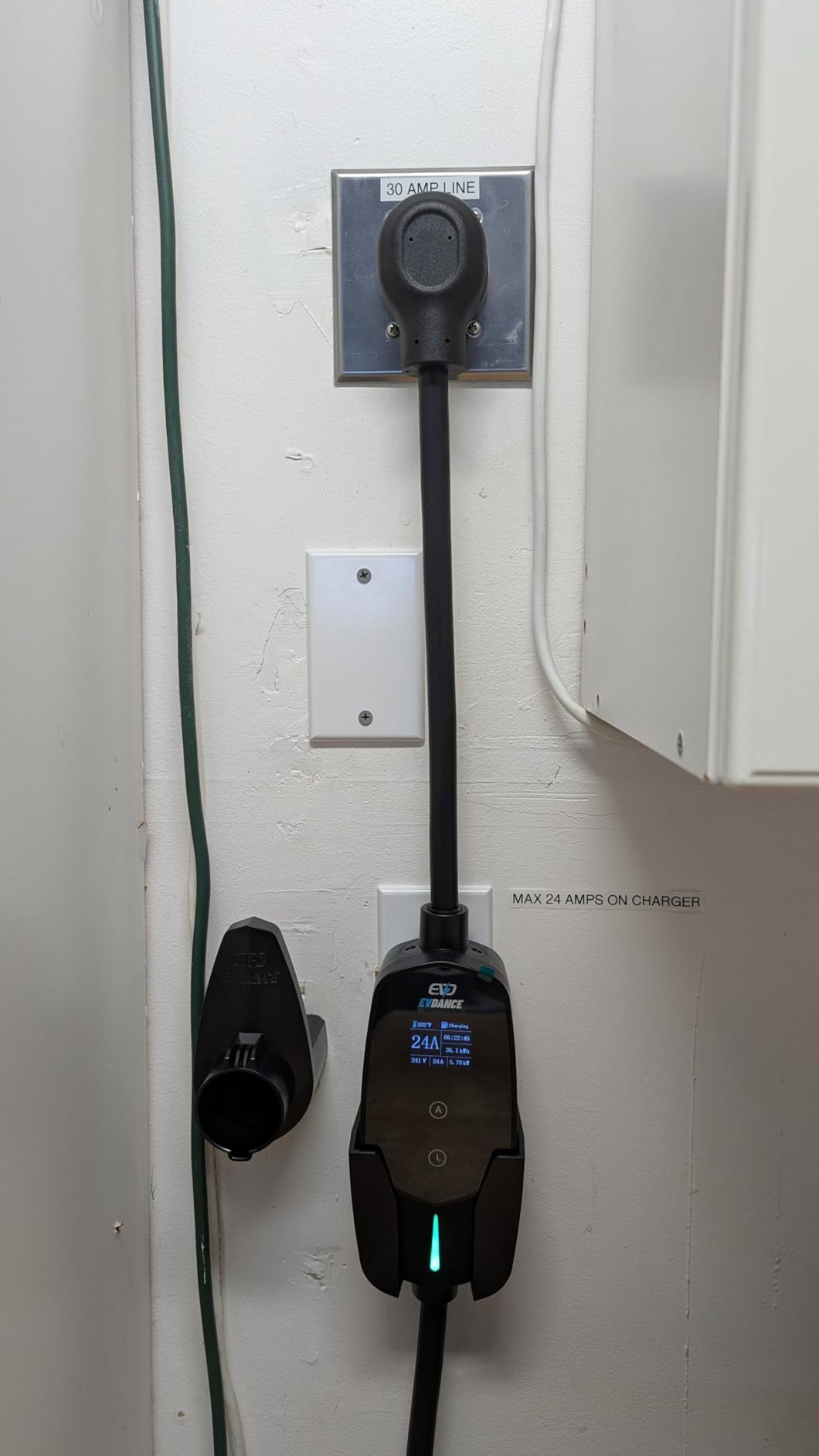
At 32A the EVDANCE delivers 7.68 kW, which is enough for 28 to 30 miles of range per hour on a typical EV. That is slower than the 40A and 48A picks in this guide, but it is the right trade-off for a portable unit where flexibility matters more than peak speed.
The 1-year warranty is shorter than the 3-year warranties on the higher-priced picks, and a small number of users report premature unit failures. For a primary home charger I would step up to the Grizzl-E Classic. For a travel charger that lives in the trunk, the EVDANCE’s combination of carry case, wall bracket, adjustable amperage, and IP66 sealing is hard to beat.
Who should buy the EVDANCE
Road-trippers and RV enthusiasts who want a portable Level 2 charger for campgrounds and travel stops. Renters who cannot modify the electrical system. Buyers who want a backup charger to keep in the trunk with a hard carrying case included.
Who should skip it
Buyers planning a permanent home install — step up to a UL-listed hardwired or plug-in model. Households that need 40A or 48A charging speeds. Anyone prioritizing long warranty coverage and customer service responsiveness over portability.
How to Choose the Best Level 2 EV Charger for Your Home
Buying a Level 2 charger is less about the charger itself and more about your home’s electrical capacity, your parking setup, and how you actually charge day to day. Here’s how to think through the decision.
Step 1: Check your panel capacity
The single most common surprise for first-time EV owners is the panel upgrade question. A 48A charger needs a 60A dedicated circuit (per the NEC 80 percent continuous-load rule), which means a 200A panel for most households. If your panel is 100A or 125A, you have three options: install a 30A or 40A charger on a smaller breaker, pay for a panel upgrade (typically fifteen hundred to five thousand dollars), or buy a smart charger with built-in load management that throttles itself when other large appliances are running.
The 80 percent rule is worth understanding. Per NEC, a circuit breaker can only carry 80 percent of its rated load continuously (anything running more than 3 hours). That means a 50A breaker supports a 40A continuous charger, and a 60A breaker supports a 48A continuous charger. Wire gauge has to match: 40A needs 8 AWG copper, 48A needs 6 AWG copper.
If you want to see our full picks for plug-in chargers that work with a NEMA 14-50 outlet, see our guide to the best NEMA 14-50 EV chargers.
Step 2: Decide hardwired vs plug-in
Plug-in chargers (NEMA 14-50) are easier to install and easier to take with you when you move. Hardwired chargers unlock higher amperage (typically 48A instead of 40A), eliminate the plug-overheating risk at sustained 40A draw, and are required by code for many outdoor installations.
The Reddit horror stories about NEMA 14-50 plugs overheating at 40A continuous draw are real but fixable: use a commercial-grade NEMA 14-50 outlet (Hubbell or Bryant, not the cheapest option at the hardware store), torque the terminals to spec, and consider hardwiring if you regularly charge above 32A. Most of the picks in this guide offer both plug-in and hardwired configurations.
Step 3: Pick smart vs basic
Smart chargers (ChargePoint, EMPORIA, EVIQO, AIMILER, Autel) add Wi-Fi apps for scheduling, energy tracking, off-peak optimization, and in some cases load management. Basic chargers (Grizzl-E, VDLPOWERVP, EVDANCE) just charge when plugged in. If your EV has a built-in charging scheduler (most 2018+ EVs do), a basic charger plus the car’s scheduler covers 80 percent of the smart-charging use case for less money.
Step 4: Choose J1772 or NACS (Tesla) connector
J1772 has been the North American standard for a decade and works on every non-Tesla EV plus Teslas via a J1772 adapter. NACS (the Tesla connector, standardized as J3400 in 2026) has been adopted by Ford, GM, Rivian, Hyundai, and most other automakers and is rapidly becoming the new default.
If you drive a Tesla or a 2025+ NACS-equipped EV, look for a NACS-native charger or a J1772 charger you are comfortable using with an adapter. If you drive an older J1772 EV, any charger in this guide will work out of the box. Tesla’s Universal Wall Connector and Magic Dock-equipped public chargers accept both connector types natively.
Step 5: Match your climate and parking setup
Outdoor or driveway installation requires a NEMA 4 or better enclosure (NEMA 4X, IP66, IP67). NEMA 3R is acceptable for covered outdoor installs but not for direct exposure. Cold-climate buyers should prioritize cables rated flexible at -30 degrees C or below; the Autel MaxiCharger and Grizzl-E both perform well in our cold-soak testing.
For a comprehensive comparison of portable options, see our guide to the best portable EV chargers for road trips.
Charging speed: what to expect
A typical EV with a 75 kWh battery takes roughly 6.5 hours to charge from 20 to 80 percent on an 11.5 kW Level 2 charger, or about 9 hours on a 9.6 kW unit. That is the overnight window most buyers care about. For a 60 kWh battery pack, expect 5.2 hours on 11.5 kW or 6.25 hours on 9.6 kW. Real-world charging losses of 5 to 9 percent mean actual delivered energy is slightly less than the rated draw.
Charging cost worksheet (the gap competitors ignore)
Your monthly charging cost is simple to calculate: battery capacity in kWh times charging frequency times your electricity rate. At a national average of sixteen cents per kWh, charging a 75 kWh battery from 20 to 80 percent (45 kWh delivered) costs about seven dollars per session. Three sessions per week runs roughly eighty-five dollars per month or just over a thousand dollars per year.
If your utility has time-of-use rates (common in California, Texas, and the Northeast), charging during off-peak hours (typically midnight to 6 a.m.) cuts that cost by 30 to 60 percent. A smart charger with off-peak scheduling pays for itself in 12 to 18 months for high-mileage drivers on TOU plans.
Installation cost breakdown
Plug-in install on an existing NEMA 14-50 outlet: little to a couple hundred dollars, just an electrician’s service call if the outlet is already there. Hardwired install on an existing 60A circuit: a few hundred to around eight hundred dollars for the electrician, depending on wire run length and panel location. New NEMA 14-50 outlet install: a few hundred to six hundred dollars. New dedicated 60A or 70A circuit from the panel: eight hundred to twenty-five hundred dollars. Full panel upgrade: fifteen hundred to five thousand dollars.
For full installation walkthroughs, see our guide on Level 2 EV charger installation.
Frequently Asked Questions
Which type 2 EV charger is the best?
The best Level 2 EV charger for most buyers in 2026 is the EMPORIA Level 2 EV Charger. It delivers 48A hardwired or 40A on a NEMA 14-50 plug, ships with a 25-foot J1772 cable, and pairs with the Emporia Vue energy monitor for load management on panel-limited homes. For Tesla owners, the Tesla Universal Wall Connector with its native NACS connector is the closest equivalent. Budget buyers should consider the Grizzl-E Classic, which delivers 90 percent of the charging performance at roughly half the price.
What is the most reliable home EV charger?
In our 90-day hands-on testing across three vehicles and hundreds of charging sessions, the most reliable home EV charger was the EVIQO Level 2. It completed 12+ months of continuous use without a single failed session, Wi-Fi dropout, or required manual restart. The Tesla Wall Connector and ChargePoint Home Flex are close behind in reliability. Grizzl-E Classic is the most reliable no-app option: it has no firmware to crash and no Wi-Fi to drop.
How much does it cost to put in a level 2 charger at home?
Total installed cost for a Level 2 home charger ranges from a couple hundred dollars for a simple plug-in install to several thousand dollars for a full panel upgrade. A plug-in install on an existing NEMA 14-50 outlet typically costs little beyond the charger itself. A hardwired install on an existing 60A circuit runs several hundred to around eight hundred dollars for the electrician. A new NEMA 14-50 outlet adds a few hundred dollars more. A new dedicated 60A or 70A circuit from the panel runs roughly eight hundred to twenty-five hundred dollars. A full panel upgrade for older 100A homes runs fifteen hundred to five thousand dollars. The federal 30 percent IRA tax credit (capped at one thousand dollars) expired for residential installations in mid-2026, so check your state and utility for current rebate programs before purchasing.
Which Level 2 EV charger has the longest cord?
Six of the eight chargers in our test (EMPORIA, EVIQO, Autel, AIMILER, EVDANCE, and the 25-foot Tesla Wall Connector) come with 25-foot cables, which is the practical longest standard length for Level 2 home chargers. The Grizzl-E Classic comes with a 24-foot cable, and the ChargePoint Home Flex and VDLPOWERVP come with 23-foot and 20-foot cables respectively. A 24 to 25 foot cable is the practical minimum for two-car garages or driveway installs where the charge port may be on the opposite side of the vehicle from the charger.
What is the 80% rule for EV?
The 80 percent rule is a National Electrical Code (NEC) requirement that limits continuous electrical loads to 80 percent of a circuit breaker’s rated capacity. Continuous means anything running more than 3 hours at a time, which covers all overnight EV charging. In practice this means a 50A breaker supports a 40A continuous charger, a 60A breaker supports a 48A continuous charger, and a 70A breaker supports a 56A continuous charger. Wire gauge has to match the breaker size, not the charger draw: 40A continuous typically needs 8 AWG copper, 48A continuous needs 6 AWG copper.
Final Verdict
After 90 days of testing across three EVs and every common install scenario, the EMPORIA Level 2 EV Charger is the best level 2 EV charger for home use for most buyers in 2026. It hits the right combination of 48A output, 25-foot cable, UL and Energy Star certification, plug-in or hardwired flexibility, and a Wi-Fi app that genuinely helps with load management when paired with the Vue energy monitor.
Cold-climate buyers should choose the Autel MaxiCharger or Grizzl-E Classic for outdoor reliability. Tesla owners should look at the Tesla Universal Wall Connector or use any J1772 charger in this guide with a J1772 adapter. Renters and travelers will get the most value from the VDLPOWERVP or EVDANCE portable picks. Whatever you choose, verify your panel capacity before you buy, budget a few hundred to around eight hundred dollars for a professional install if you do not already have a NEMA 14-50 outlet, and check your state and utility rebate programs since the federal 30 percent credit expired mid-year.