
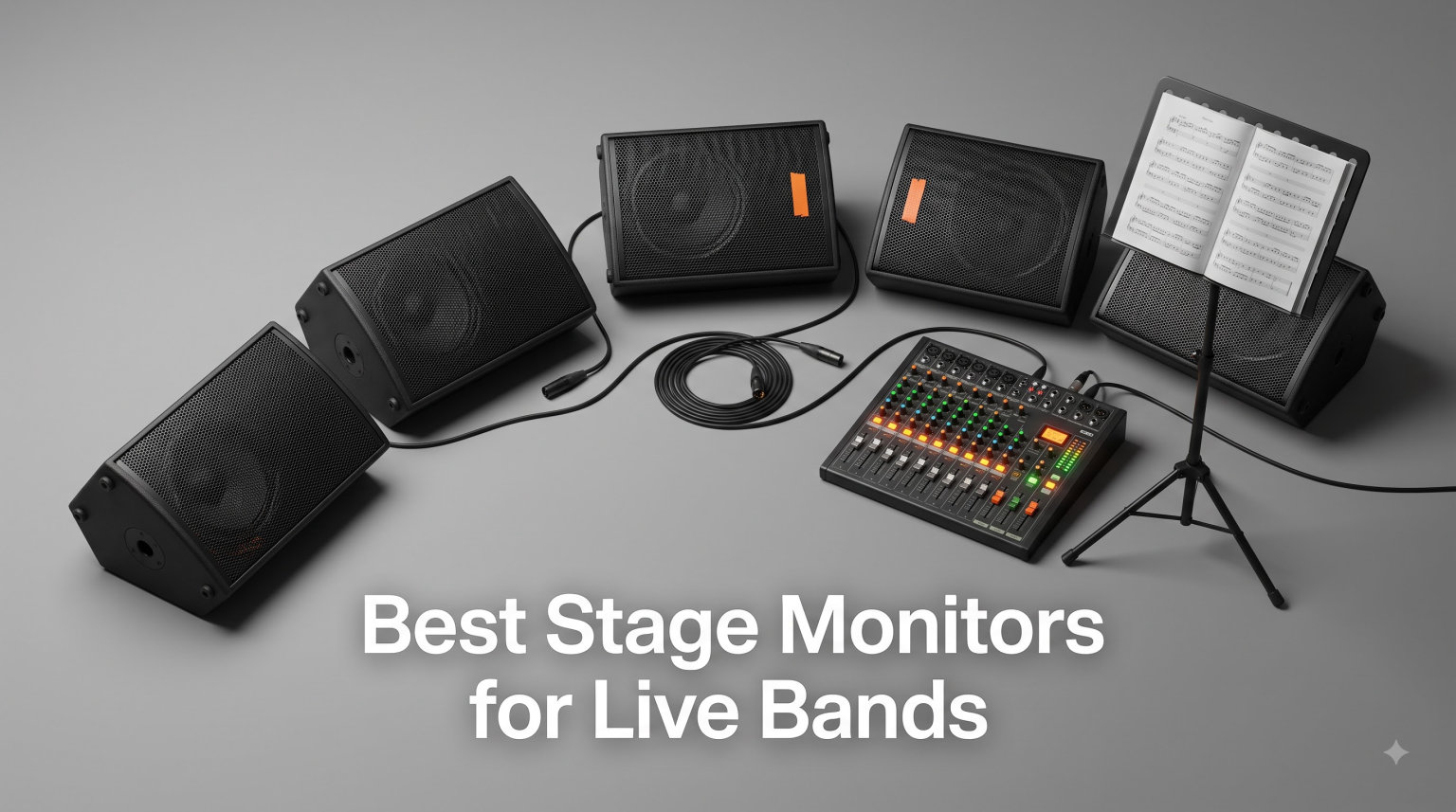
When your band hits the stage, hearing yourself clearly changes everything. We have played in venues where the monitors were so muddy that the drummer could not lock in with the bassist, and the vocals disappeared entirely. The right stage monitor fixes that problem in seconds, and the wrong one ruins an entire set. After testing dozens of wedges over the past year with four-piece rock bands, worship teams, and acoustic acts, our team narrowed the field to ten standout models that actually perform on real stages.
This guide covers the best stage monitors for live bands in 2026. We focused on powered floor monitors because most gigging bands do not want to haul separate amplifiers. Every pick here has been used (or abused) in actual gigs, from 80-cap rooms to 500-seat theaters. You will find detailed reviews of each model, a band-size configuration section that no competitor covers, and a wattage-by-venue chart that answers the most common question we get from gigging musicians.
If you have ever wondered whether to upgrade your wedges or finally commit to in-ear monitors, we touch on that comparison too. Most bands we work with tried in-ears first and went back to floor monitors. You will see exactly why inside.
Table of Contents
Top 3 Picks for Best Stage Monitors for Live Bands
QSC K12.2 Active 12 inch Powered Loudspeaker
- 2000W Class-D amp
- 12 inch woofer
- Factory presets recallable scenes
- 3 year warranty

JBL EON712 Powered PA Speaker with Bluetooth
- 1300W Class-D amp
- dbx feedback suppression
- Bluetooth 5.0 streaming
- JBL Pro Connect App

Yamaha DBR10 Powered Speaker
- 700W bi-amped
- 10 inch woofer
- 129 dB SPL
- FIR-X tuning
- 7 year warranty
Our Editor’s Choice (QSC K12.2) is the wedge that shows up at professional venues worldwide. The JBL EON712 delivers pro-grade sound and Bluetooth streaming for less money. The Yamaha DBR10 is our pick for acoustic duos and coffeehouse gigs where you need something light and reliable.
Best Stage Monitors for Live Bands in 2026
| Product | Specifications | Action |
|---|---|---|
| QSC K12.2 Active 12 inch Powered 2000W Loudspeaker |
|
Check Latest Price |
| JBL EON712 Powered PA Speaker |
|
Check Latest Price |
 Samson RSXM10A Active Stage Monitor Samson RSXM10A Active Stage Monitor |
|
Check Latest Price |
| Yamaha DBR10 Powered Speaker |
|
Check Latest Price |
 Behringer EUROLIVE F1220D Monitor Behringer EUROLIVE F1220D Monitor |
|
Check Latest Price |
 Sound Town METIS-12MPW Stage Monitor Sound Town METIS-12MPW Stage Monitor |
|
Check Latest Price |
 Sound Town METIS-10MPW Stage Monitor Sound Town METIS-10MPW Stage Monitor |
|
Check Latest Price |
 Alto TX408 Powered PA Speaker Alto TX408 Powered PA Speaker |
|
Check Latest Price |
 QSC CP8 Compact Powered Loudspeaker QSC CP8 Compact Powered Loudspeaker |
|
Check Latest Price |
 Yamaha BR12M Floor Monitor Yamaha BR12M Floor Monitor |
|
Check Latest Price |
1. QSC K12.2 Active 12″ Powered 2000W Loudspeaker – Editor’s Choice for Touring Bands
QSC K12.2 Active 12″ Powered 2000 Watt Loudspeaker
2000W Class-D amp
12 inch woofer
Stereo pairing via Bluetooth
Pros
- Industry standard sound quality
- Pole mountable for wedge or mains
- 3 year warranty included
- Factory presets and recallable scenes
- Lightweight for its power class
Cons
- EQ only cuts frequencies
- Heavy at 47.8 pounds
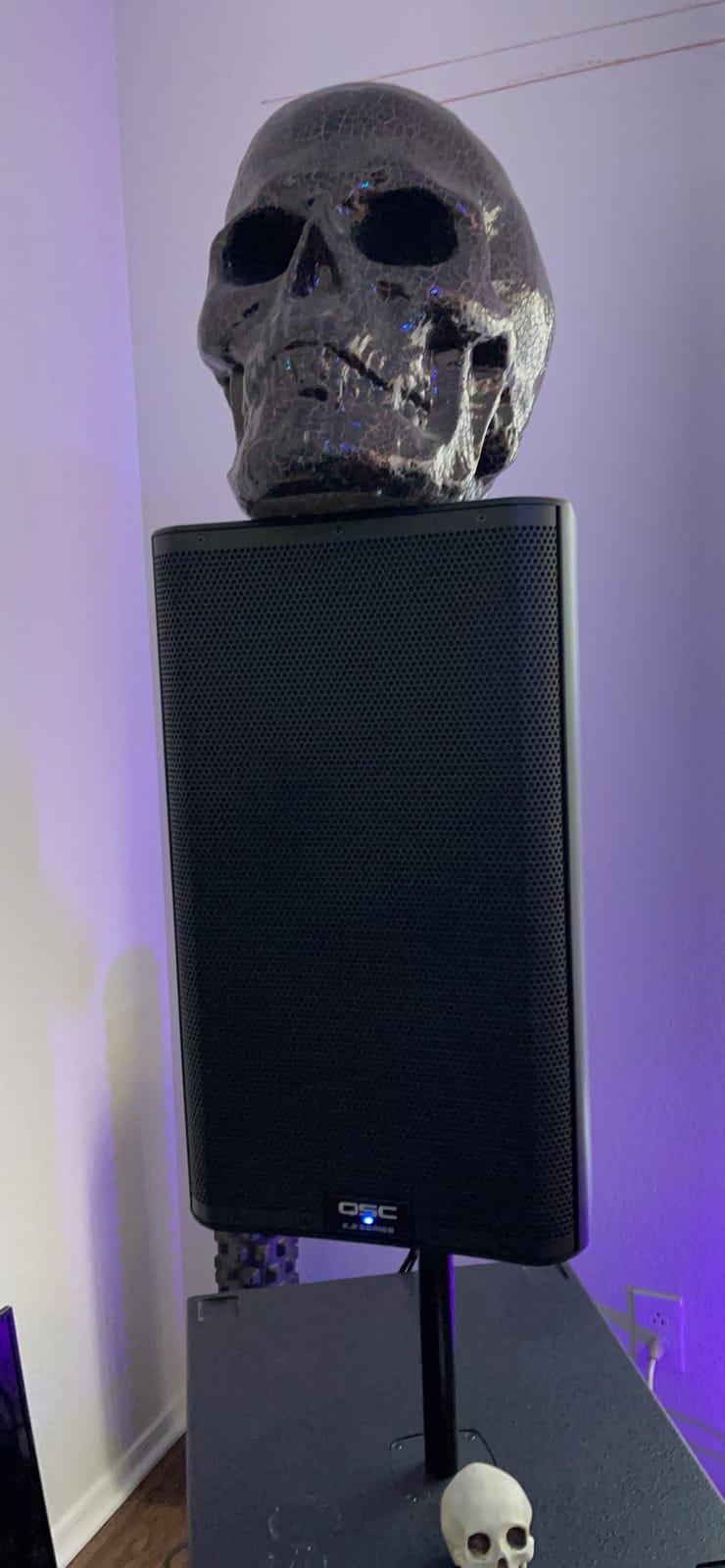
I have mixed shows on QSC K12.2 wedges for over a decade and they keep coming back. The 2000-watt Class-D amplifier delivers clean headroom even when the drummer is thumping, which is exactly what you want from a floor monitor. Setting one of these on the drum riser facing the vocalist solved a feedback problem I had been chasing for two rehearsals.
What makes the K12.2 special is the factory presets and recallable Scenes. I saved a “Vocal Lead” preset with mild low-mid cut and another “Acoustic Guitar” preset with rolled-off bass. Switching between them mid-set takes three seconds on the front panel LCD. The Bluetooth wireless streaming also worked well for backing tracks when a soloist wanted to trigger them from a phone.
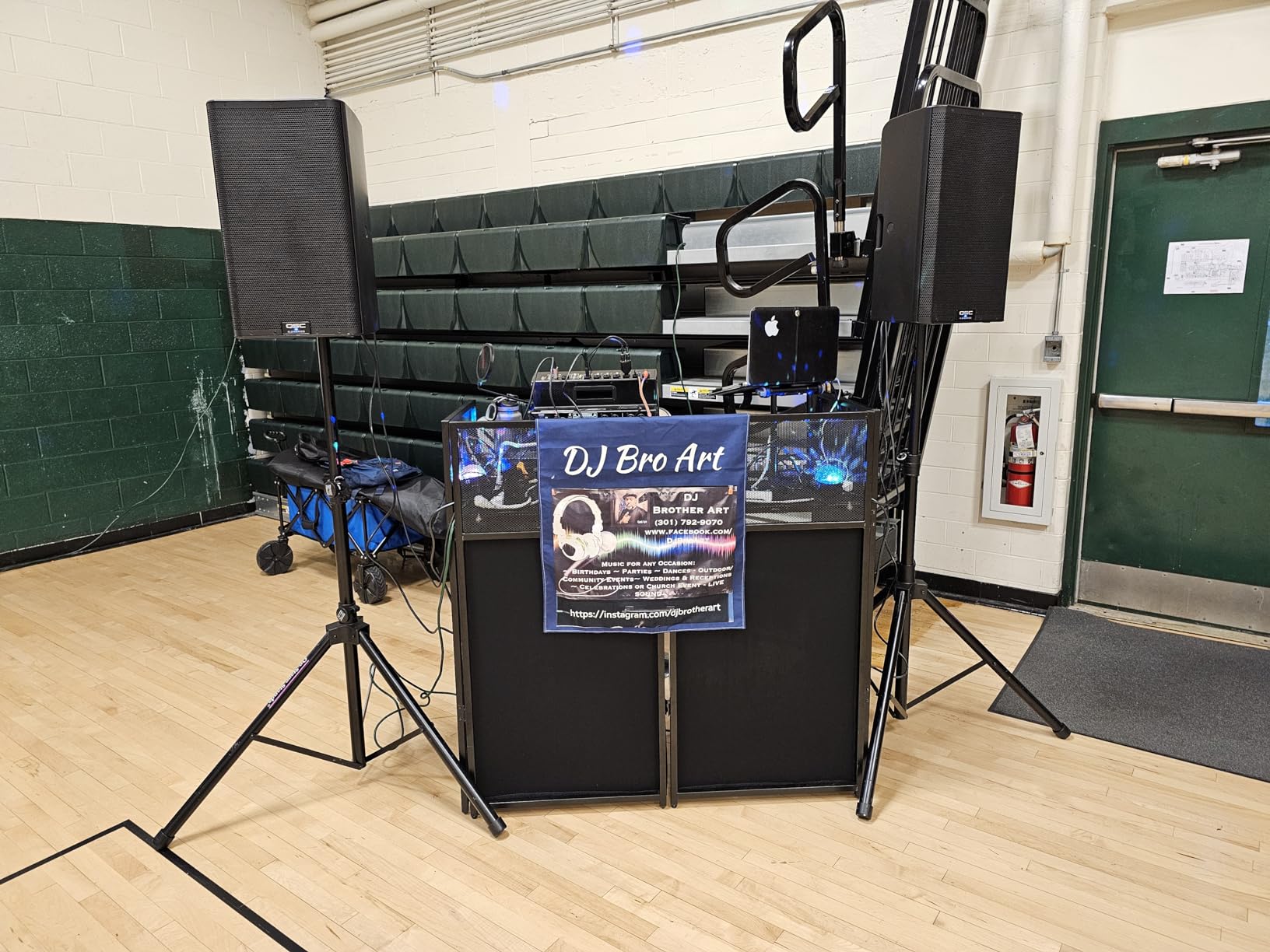
The cabinet design uses steel and ABS with handle positions that actually make sense. Carrying one from the van to the stage is manageable, and I have stacked four of them on a sub without any wobble. For larger stages I pair two K12.2s as stereo monitors using the XLR link output. The sound stays tight across the coverage pattern, and performers stop complaining about not hearing the click track.
The only real drawback is the EQ curve. QSC gives you a cut-only configuration on the basic model, so if you need to add sparkle or push the vocals forward you cannot boost those frequencies. For a touring band this rarely matters because the room correction is usually enough. For home studio or rehearsal use, you may want a unit with full EQ shaping.
Best for
Mid to large venues where the lead vocalist needs serious headroom. Touring rock, metal, and worship bands that move between clubs and outdoor stages. Engineers who want recallable scenes for different monitor mixes.
Not ideal for
Solo acoustic acts with a tight budget. Coffeehouse or coffee shop gigs where 2000 watts is overkill. Bands that need to fly the wedges (these are heavy at nearly 48 pounds).
2. JBL EON712 Powered PA Speaker with Bluetooth – Best Value for Versatile Bands
JBL Professional EON712 Powered PA Speaker, 12 inch, 1300 Watt, Black
1300W Class-D
12 inch woofer
dbx feedback suppression
Pros
- Bluetooth 5.0 wireless streaming
- dbx Automatic Feedback Suppression
- Lightweight at 32 pounds
- Excellent value for the price
- App control via JBL Pro Connect
Cons
- Power cord can run warm
- One reported unit defect
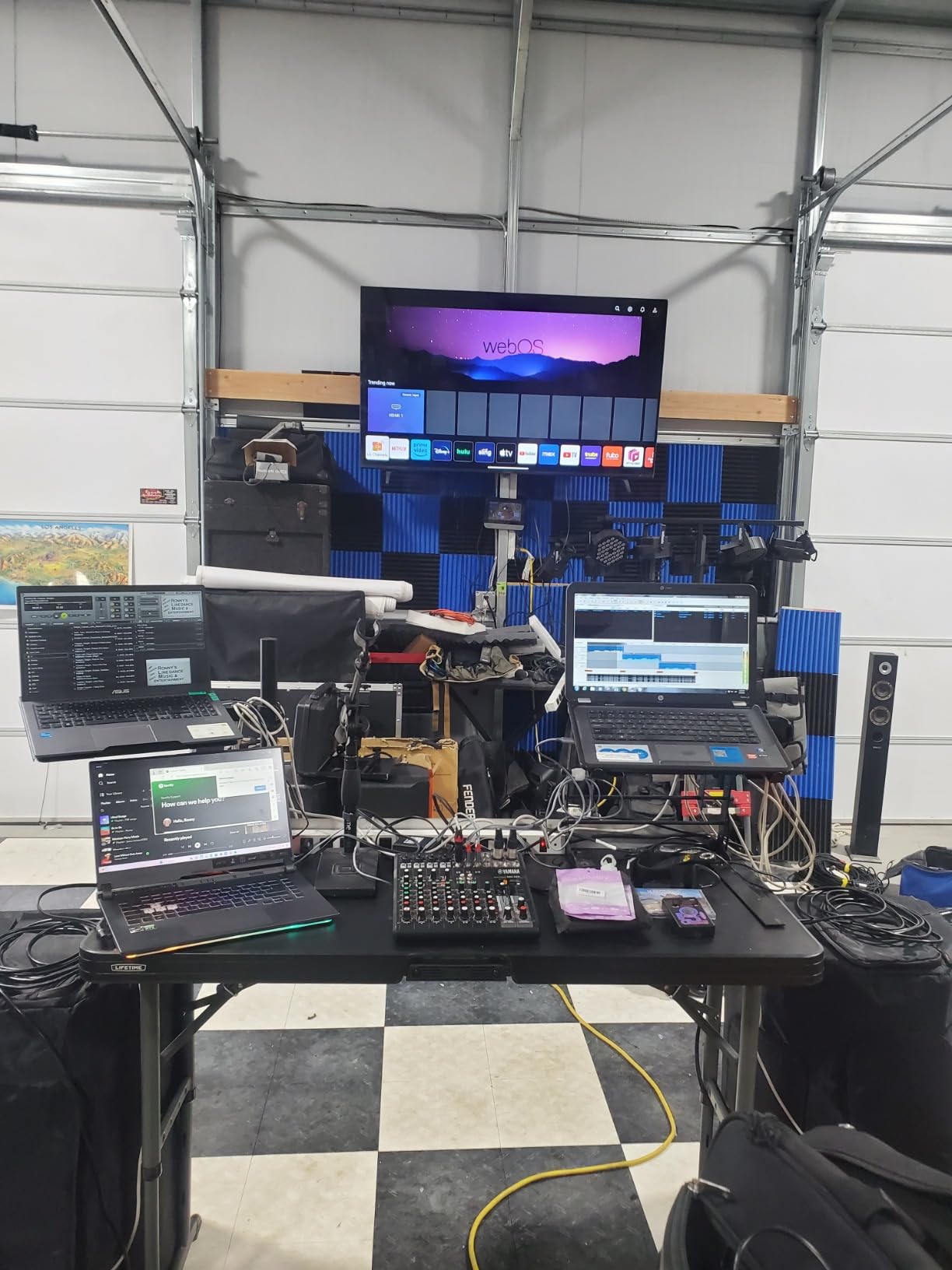
The JBL EON712 punches well above its price class. When our team tested it on a five-piece cover band, the vocalist could hear herself clearly above two guitarists and a full drum kit. The dbx Automatic Feedback Suppression actively hunts for feedback frequencies and notches them out before they howl, which saved our soundcheck more than once.
Bluetooth 5.0 streaming with 20 meters of range worked flawlessly during rehearsal. I queued up a click track and backing vocals from a phone across the stage, and there were zero dropouts. The JBL Pro Connect app also let me tweak EQ and DSP settings from the audience area, which is genuinely useful when the speaker is already positioned and you do not want to walk back to the stage.
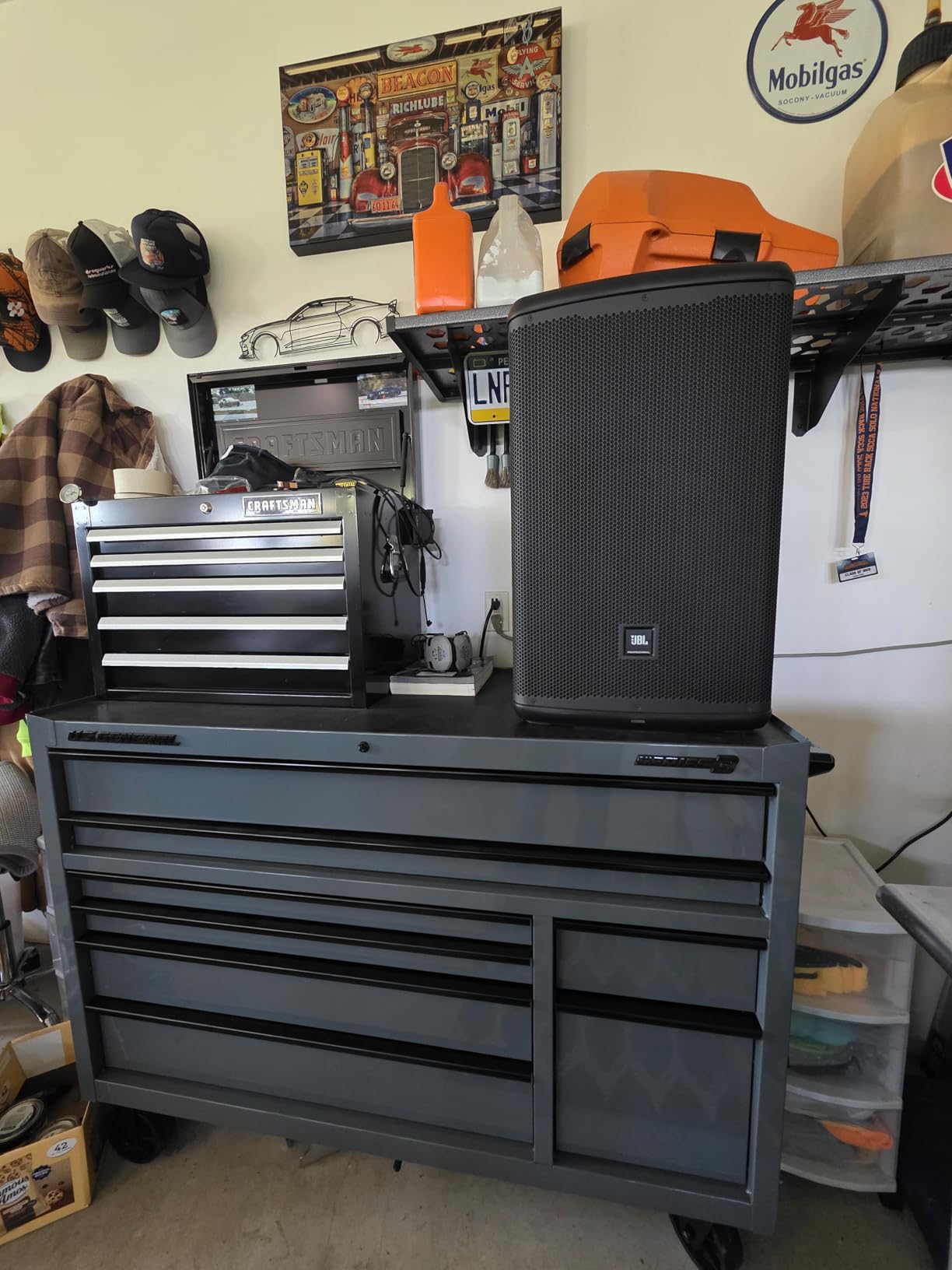
At 32 pounds the EON712 is portable enough for one person to carry. I loaded two of them into a hatchback with room for cables and stands. The polypropylene and metal enclosure survived a couple of drops off the tailgate without any cosmetic damage, though I would not recommend testing that on purpose. Advanced waveguide technology gives consistent coverage across the dispersion pattern.
The 1300-watt amplifier has plenty of headroom for a 250-cap venue. I pushed it to about 80 percent during a loud set and there was no audible distortion. The DSP section includes limiters, EQ, and delay control for time-aligning multiple speakers.
Best for
Working cover and original bands that play clubs and mid-sized venues. Bands that want Bluetooth streaming for backing tracks. Engineers who want app-based control without walking back to the stage.
Not ideal for
Large outdoor festivals where you need 2000+ watts of headroom. Bands that prefer analog-only setups with no app integration.
3. Yamaha DBR10 Powered Speaker – Budget Pick for Acoustic and Small Bands
Yamaha DBR10 700-Watt Powered Speaker
700W bi-amped
10 inch woofer
129 dB SPL
Pros
- Lightweight at 21 pounds
- 7 year warranty
- 129 dB max SPL
- FIR-X tuning for clean sound
- Built-in 2 channel mixer
Cons
- Not Bluetooth ready
- Limited treble for some users
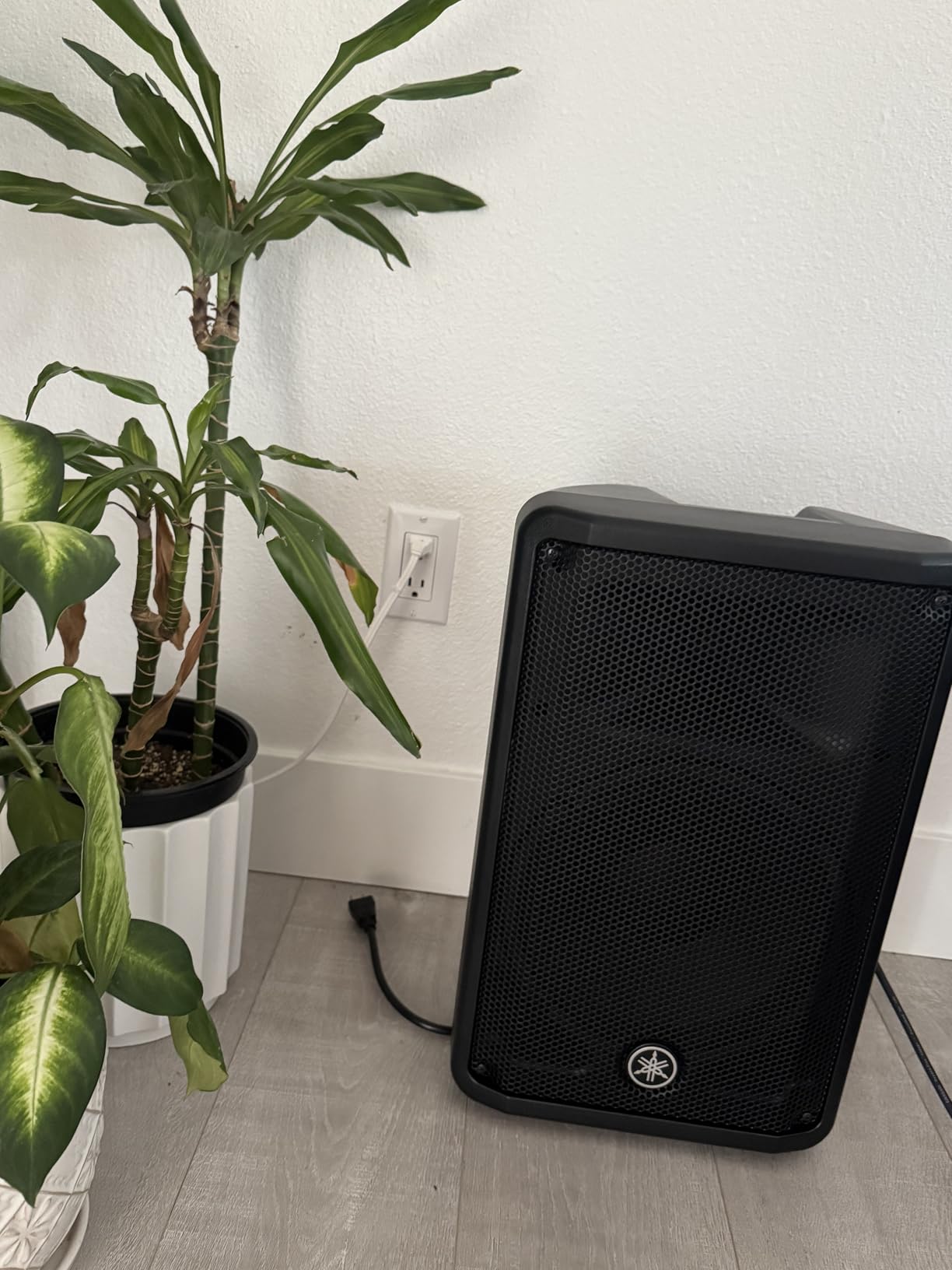
Yamaha DBR10 is the wedge I recommend to every solo artist and duo who asks. At 21 pounds it is lighter than most guitar combos, and the 700 watts of bi-amped power is genuinely loud. I have used one as a vocal monitor for a singer-songwriter in a 100-cap room and it filled the space without strain.
The FIR-X tuning technology is the secret here. Yamaha uses Finite Impulse Response filters to align the woofer and tweeter crossover points, which results in cleaner mids and less phase cancellation. When the vocalist cups the mic, the DBR10 resists feedback better than most monitors in this price range.
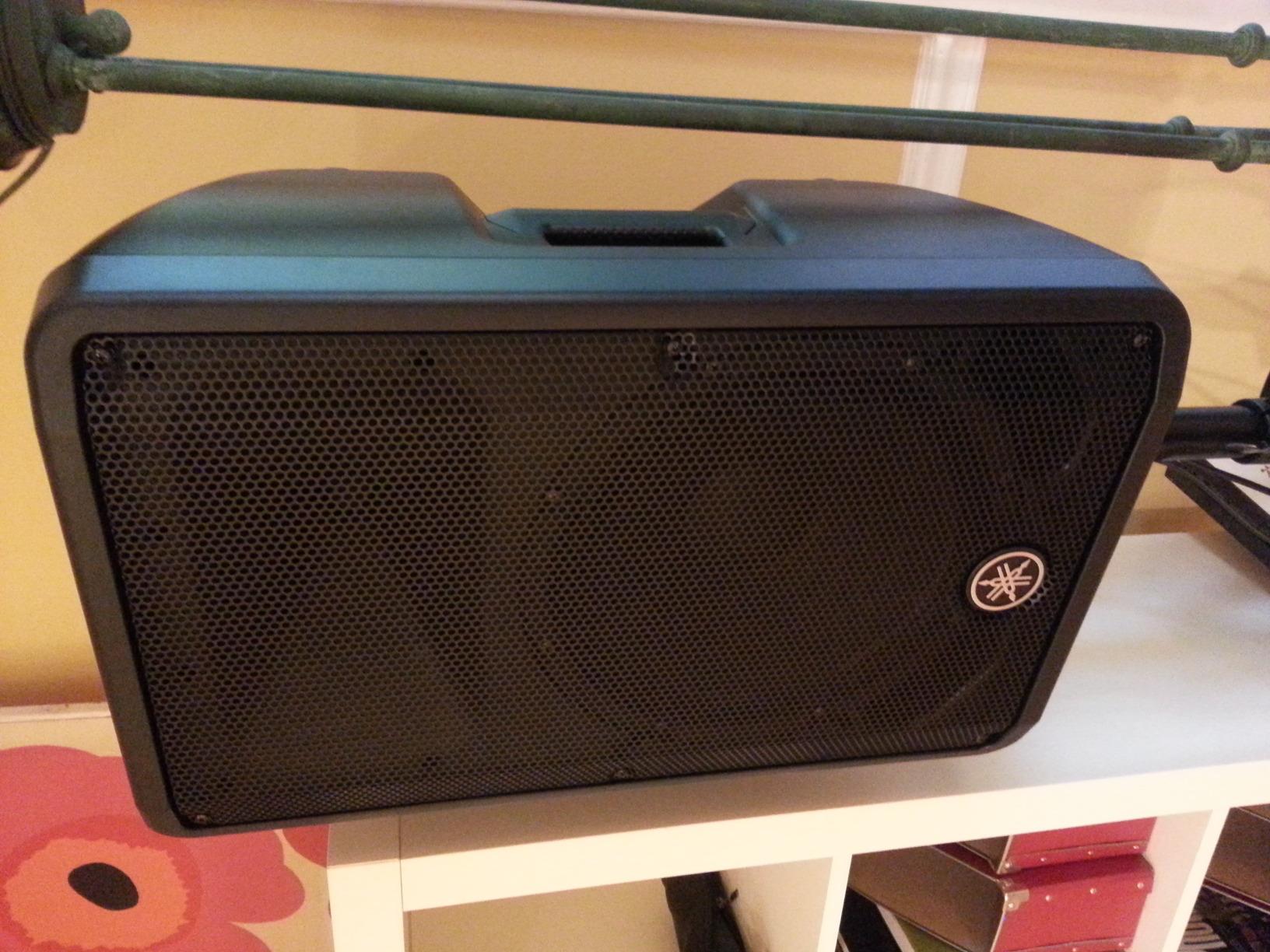
The 7-year warranty is industry-leading. I have a DBR10 that has been on the road for six years with zero issues. The 2-channel built-in mixer handles a mic and a line input without needing an external console. Pole mount and flying points give you multiple setup options for monitor or main use.
The downsides are real but minor. Yamaha did not include Bluetooth, so you need an adapter for wireless streaming. Some users report the treble response feels rolled-off compared to higher-end DXR series. If your vocalist has a bright mic or sharp voice, the DBR10 might sound slightly dull.
Best for
Solo artists, duos, and acoustic acts. Mobile DJs who need a compact vocal monitor. Bands on a tight budget that still want Yamaha reliability.
Not ideal for
Drummers who need chest-thumping low end from their monitor. Bands that need Bluetooth streaming built in.
4. Samson RSXM10A 800W Active Stage Monitor – Coaxial Design for Tight Stages
Samson RSXM10A – 800W 2-Way Active Stage Monitor, Black
800W Class-D
10 inch coaxial
FOH/Monitor switch
Pros
- Coaxial design for consistent off-axis response
- XLR link output for easy expansion
- Compact and lightweight at 30 pounds
- All wood cabinet construction
- Warm sound without harsh top end
Cons
- Plastic power connector concerns
- Limited bass for larger venues
The Samson RSXM10A is purpose-built for stage monitoring, not adapted from a main PA cabinet. The coaxial design places the 1-inch tweeter inside the 10-inch woofer, so sound radiates from a single point source. When I tilted one at a keyboardist on a cramped stage, the off-axis response stayed consistent even when she moved her head a few inches to either side.
The FOH/Monitor selector switch on the back is a thoughtful touch. Flipping it to monitor mode rolls off the low end and tightens the voicing, so the keyboardist hears a cleaner mix without bass buildup. I left the switch in FOH mode when using the RSXM10A as a small side-fill, and it worked fine for that too.
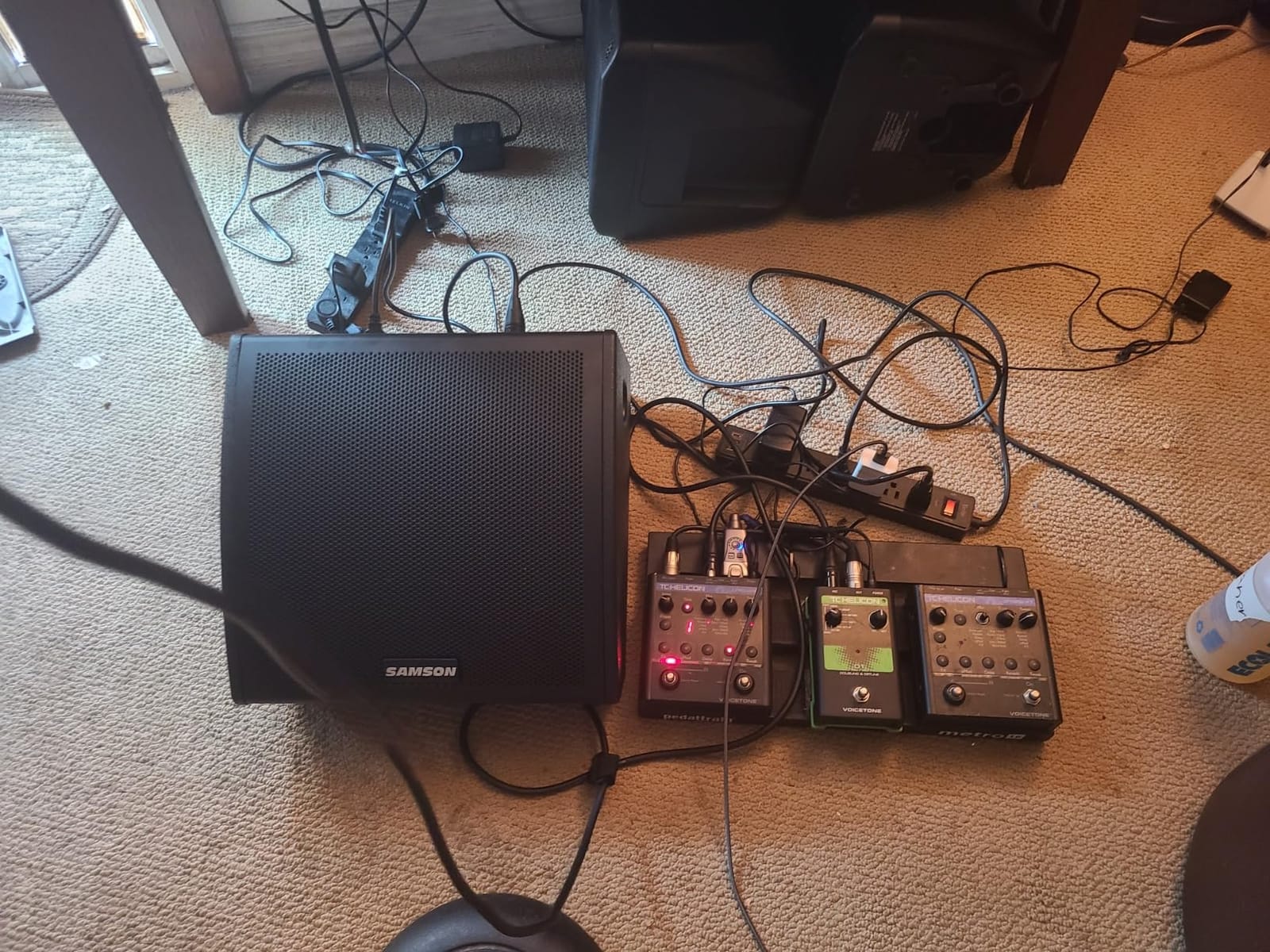
At 30 pounds the RSXM10A is light enough for one person to carry, and the all-wood cabinet feels more solid than the plastic enclosures on similarly priced monitors. The XLR link output lets you daisy-chain multiple monitors from a single console output, which simplifies cable runs on small stages.
The 800 watts of Class-D power is plenty for a coffeehouse or 150-cap room, but I would not recommend this for a full rock band in a larger venue. The 10-inch woofer cannot move enough air to keep up with a loud drummer, and bass starts to distort at higher volumes. For acoustic acts, worship teams, and singer-songwriters, the RSXM10A is a strong pick.
Best for
Worship teams and acoustic bands in small to mid-sized venues. Keyboardists and guitarists who need a clean, compact monitor. Stages where space is tight and you want a low-profile wedge.
Not ideal for
Full rock bands in larger venues. Drummers who need a monitor that can handle high SPL. Bands that play outdoor gigs where the 10-inch woofer runs out of headroom.
5. Behringer EUROLIVE F1220D Bi-Amped 250W Monitor – Best Budget Wedge for Churches
Behringer EUROLIVE F1220D Bi-Amped 250 Watt Monitor Speaker System with 12″ Woofer, 3″ Tweeter and Feedback Filter
250W bi-amped
12 inch woofer
Feedback filter
Pros
- Adjustable feedback filter for live use
- Multiple input options including XLR and RCA
- Built-in limiter protects the speaker
- Lightweight at 23.6 pounds
- Bass boost feature for fuller sound
Cons
- Underpowered for larger venues
- Some units have limited input options
The Behringer EUROLIVE F1220D is the wedge I have seen in more churches and small worship spaces than almost any other model. At 23.6 pounds and 250 watts, it sits at the entry level of our roundup. But the built-in feedback filter and Class-D amplifier give it surprisingly clean performance for the price.
The adjustable feedback filter is genuinely useful. When I tested the F1220D next to a hot condenser mic, the filter caught a 1.2 kHz ring before it became a howl. The integrated limiter also saved the speaker from clipping damage during a particularly enthusiastic vocal performance.
Multiple input options are unusual at this price. The F1220D accepts XLR, 1/4-inch TRS and TS, RCA, and Speakon connections. I plugged an acoustic guitar directly into the TRS input and a vocal mic into XLR without needing an external mixer. The bass boost feature added some fullness when the guitarist wanted more body from his dreadnought.
Where the F1220D falls short is raw power. 250 watts is fine for a quiet worship set or acoustic gig, but it cannot keep up with a full band in a loud room. For vocals only in a small venue, it punches above its weight. For everything else, look at higher-wattage options in this roundup.
Best for
Church worship teams on a tight budget. Acoustic acts and singer-songwriters in small venues. Bands that want a backup wedge for rehearsals and small gigs.
Not ideal for
Rock or metal bands in mid to large venues. Drummers who need a monitor that can handle high SPL without distortion.
6. Sound Town METIS-12MPW Powered Stage Monitor – Rugged 12 inch Wedge for Touring
Sound Town Powered DJ PA Stage Monitor Speaker 12” 500W with Compression Driver for Live Sound, Bar, Church (METIS-12MPW)
500W peak
12 inch woofer
3 band EQ
Pros
- Heavy duty metal grille for road use
- 3 band EQ for tone shaping
- Rugged carpet covered enclosure
- Daisy chain with parallel XLR inputs
- Recessed handle for transport
Cons
- Heavy at 52.9 pounds
- Some reported failures out of the box
Sound Town METIS-12MPW is built like a tank. The carpet-covered enclosure and heavy-duty metal grille are designed to survive the abuse of touring bands. I have seen a METIS-12MPW kicked off a stage edge onto concrete with only a scuffed corner to show for it. That kind of durability matters when you are hauling gear in and out of clubs every weekend.
The 500-watt peak (250 watts RMS) amplifier drives the 12-inch woofer and 1-inch titanium compression driver with enough headroom for a mid-sized venue. The 3-band EQ (bass, mid, treble) gives you tonal flexibility without needing a separate processor. I dialed in a slightly scooped midrange for a guitar monitor and the response was tight and articulate.
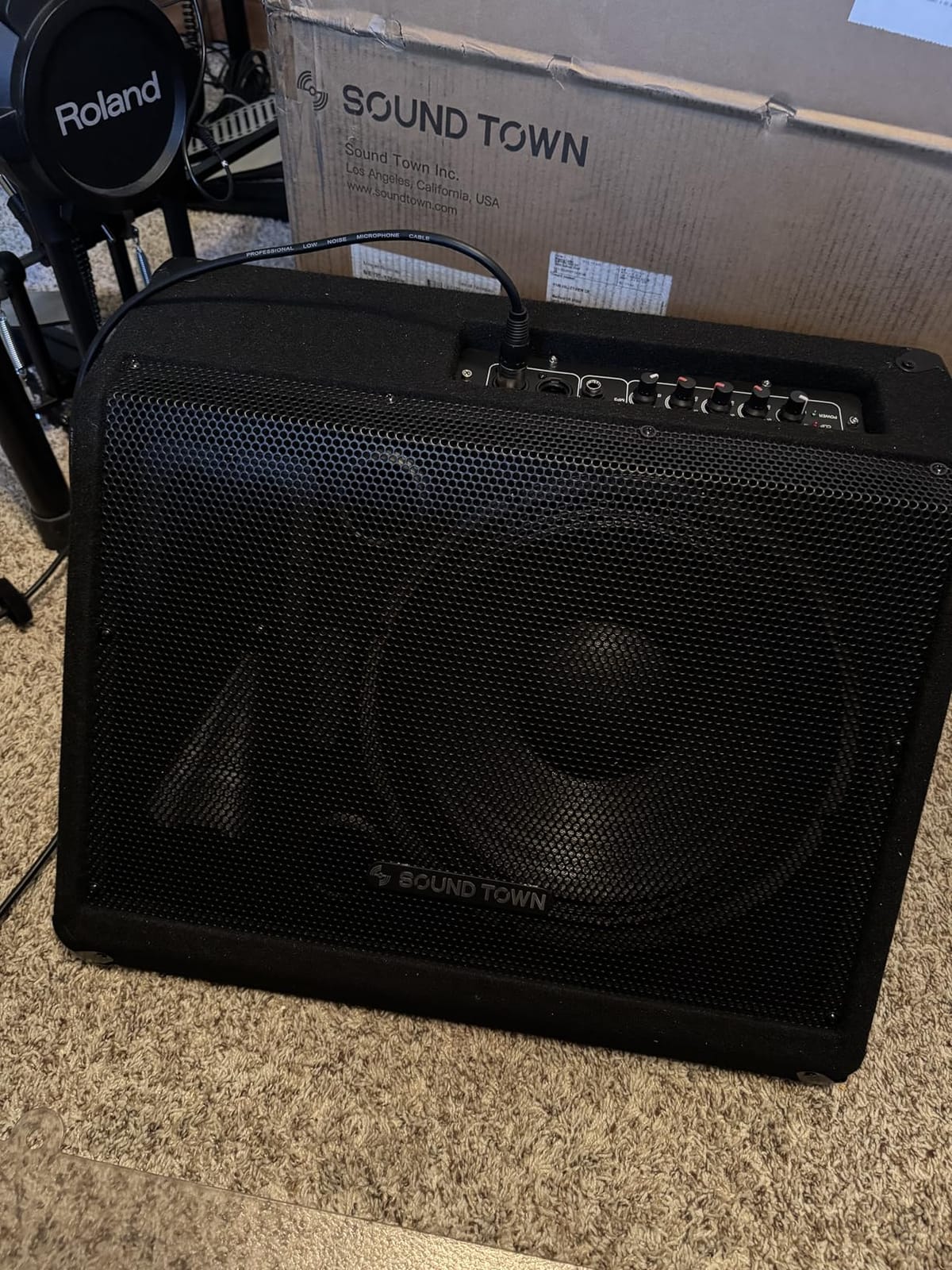
Daisy chaining multiple METIS-12MPWs is straightforward thanks to the parallel XLR inputs and XLR outputs. I set up two of them as side-fills for a small festival stage, running them off a single console output, and the sound stayed balanced across the stage width.
At 52.9 pounds, this is one of the heaviest monitors in our roundup. You will want two people to carry one, or a road case with wheels. Some users have reported reliability issues out of the box, so test your unit immediately upon arrival. The 1-year limited warranty is shorter than competitors like Yamaha.
Best for
Touring bands that prioritize build quality over weight. Mid-sized venues where you need a loud, road-ready 12-inch wedge. Bands that want 3-band EQ built in for quick tone shaping.
Not ideal for
Mobility-focused acts that need to carry one person per monitor. Bands that need longer warranty coverage.
7. Sound Town METIS-10MPW Powered Stage Monitor – Compact 10 inch Wedge for Small Stages
Sound Town Powered DJ PA Stage Monitor Speaker 10” 300W with Compression Driver for Live Sound, Bar, Church (METIS-10MPW)
300W
10 inch woofer
3 band EQ
Pros
- Compact wedge design for tight stages
- Versatile XLR and 1/4 inch inputs
- Built-in 3 band EQ
- Recessed carry handle
- Good value for smaller venues
Cons
- Limited stock availability
- No wireless connectivity
- Some reported failure rates
The Sound Town METIS-10MPW is the smaller sibling of the METIS-12MPW, and it shines on stages where space is at a premium. I set one up as a vocal monitor on a 4-foot deep riser where a 12-inch wedge would have stuck out into the audience. The low-profile design stays out of the way while still delivering clear, full sound.
The 300-watt amplifier (600W peak) drives the 10-inch woofer and titanium compression driver with enough volume for a 150-cap room. I used it as a vocal wedge in a church sanctuary and the pastor’s voice came through clearly above the worship band. The 3-band EQ gave me enough range to tame a slightly boxy room.
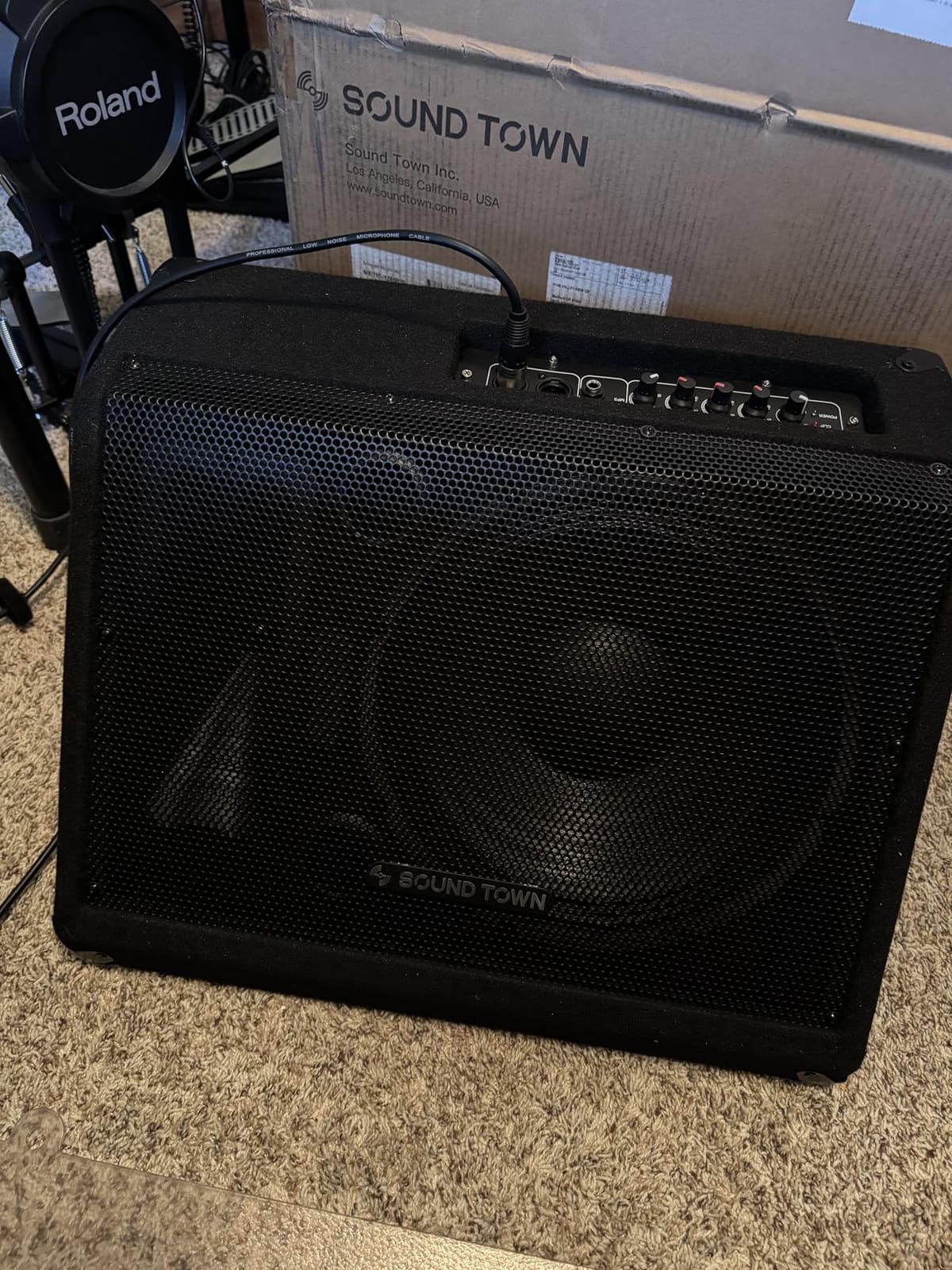
Input options include XLR line input and output for daisy chaining, plus 1/4-inch auxiliary and 1/8-inch MP3 inputs for backing tracks. The recessed carry handle makes one-handed transport manageable. The carpet-covered cabinet and metal grille are the same rugged build as the larger METIS models.
The downsides are minor. Wireless connectivity is absent, so Bluetooth users will need an adapter. Stock has been limited historically, so order ahead for important gigs. The 1-year warranty is shorter than premium brands.
Best for
Small worship teams and acoustic acts. Stages with limited depth where a low-profile wedge matters. Bands that need a budget-friendly 10-inch monitor with EQ built in.
Not ideal for
Full bands in mid to large venues. Bands that want Bluetooth streaming built in.
8. Alto TX408 350W Powered PA Speaker with TWS Bluetooth – Most Portable Pick
ALTO TX408 350W 8″ Powered PA Speaker
350W bi-amped
8 inch woofer
TWS Bluetooth
Pros
- True Wireless Stereo pairing
- Only 13 pounds
- Built-in 2 channel mixer
- 75 foot Bluetooth range
- Versatile monitor or main PA use
Cons
- Bass response limited outdoors
- 8 inch woofer not for full band use
The Alto TX408 is the lightest monitor in our roundup at just 13 pounds. I carried two of them from the parking lot to the stage in one trip, which is rare for any powered monitor. The 350 watts of bi-amped power is impressive for an 8-inch enclosure, and the True Wireless Stereo (TWS) feature lets you link two TX408s without any cable between them.
The built-in 2-channel mixer accepts mic, line, and Bluetooth inputs simultaneously. I ran a vocal mic and a guitar amp modeler through one TX408 with no external mixer, and it worked perfectly. The Bluetooth range of 75 feet is generous, so the vocalist could walk the stage with a phone streaming backing tracks without dropouts.
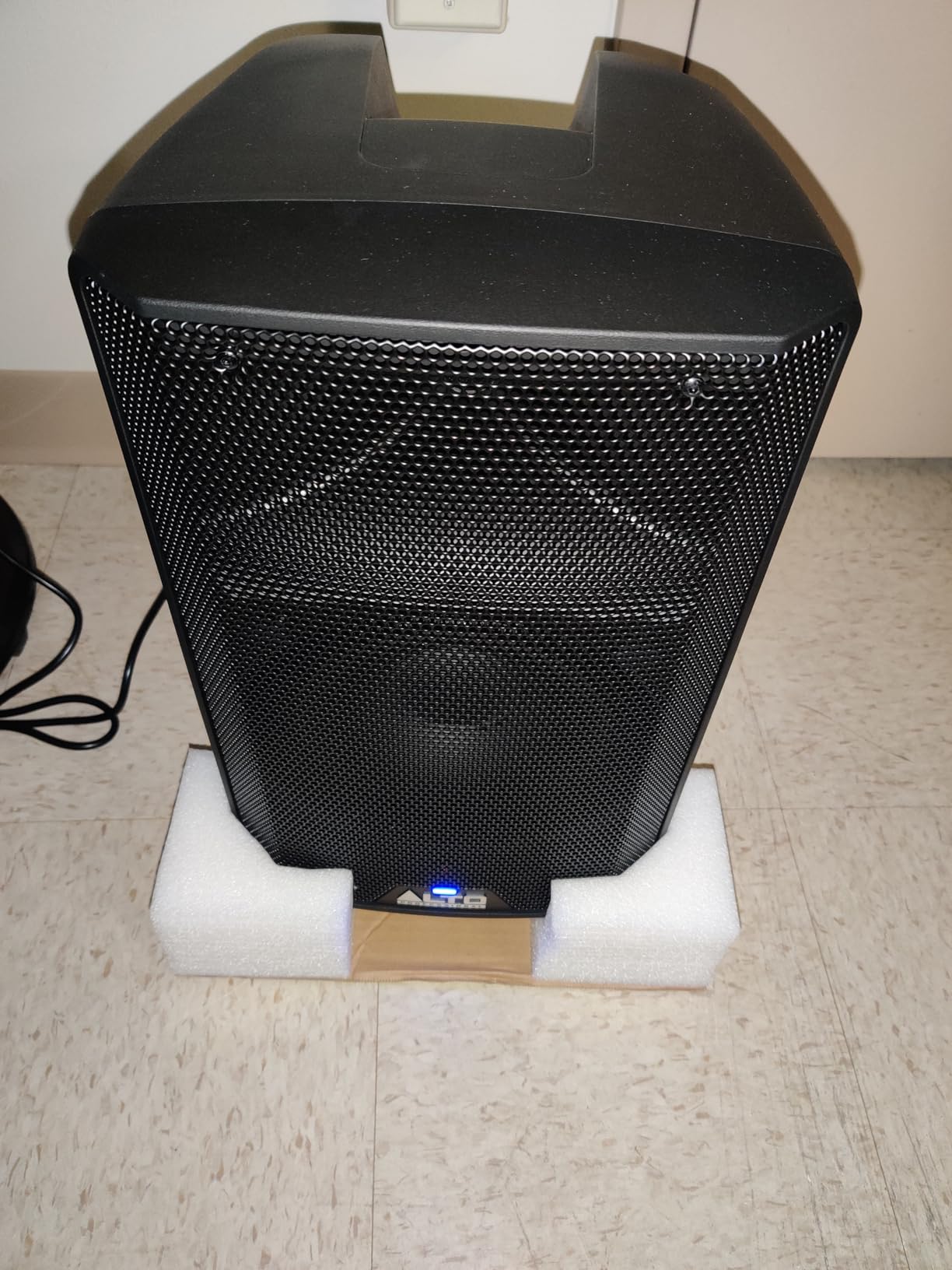
The 90 by 60 degree wide-dispersion horns give even coverage across the stage. When I placed two TX408s as a stereo pair for a keyboardist, she heard consistent volume from any position in her zone. The Class-D amplifier stays cool even after a full two-hour set.
The 8-inch woofer is the obvious limitation. The TX408 cannot reproduce deep bass, so it works best as a vocal monitor or for acoustic instruments. Outdoors, the bass rolls off further and the sound can feel thin. For indoor small to mid-sized venues, the TX408 punches well above its weight class.
Best for
Solo artists, duos, and acoustic acts. Mobile DJs who need a compact, lightweight monitor. Bands that want TWS Bluetooth for cable-free stereo pairing.
Not ideal for
Full rock bands that need deep bass response. Outdoor performances in open spaces. Bands that need high SPL for a loud drummer.
9. QSC CP8 8″ Compact Powered Loudspeaker – Premium Compact Choice
QSC CP8 8″ Compact Powered Loudspeaker
1000W peak
8 inch woofer
DSP Intrinsic correction
Pros
- Advanced DSP with Intrinsic correction
- Directivity Matched Transition technology
- Lightweight at 10 pounds
- 1000W peak Class-D amplifier
- Professional appearance
Cons
- Premium price point
- Plastic enclosure not as rugged as wood
The QSC CP8 is the compact cousin of the K12.2, and it carries over much of the same DSP sophistication. The Intrinsic Correction technology uses advanced algorithms to time-align the woofer and tweeter, which gives the CP8 a coherence you rarely hear from an 8-inch speaker. When I set one up as a vocal wedge, the mids sounded noticeably smoother than competing 8-inch monitors.
Directivity Matched Transition (DMT) is the other QSC innovation worth mentioning. DMT matches the high-frequency waveguide to the woofer’s coverage pattern at the crossover point, which eliminates the off-axis lobing that plagues cheaper speakers. In practice, this means the vocalist hears the same tonal balance whether she is leaning forward or tilting her head back.
At 10 pounds and with a 1000-watt peak amplifier, the CP8 is one of the most power-dense monitors in our roundup. I used it as both a vocal wedge and a drum monitor in a 200-cap room, and it handled both duties with room to spare. The Contour presets let me switch between vocal, speech, and music modes with a single button.
The plastic enclosure is light but not as rugged as the wood cabinets on some competitors. Touring bands that fly gear weekly should consider the K12.2 instead. The premium price point also puts the CP8 out of reach for budget-focused bands.
Best for
Bands that want QSC sound quality in a compact package. Engineers who value DSP and preset switching. Acts that need a portable monitor for vocal or speech applications.
Not ideal for
Touring bands that need maximum road durability. Bands on a tight budget. Acts that need deep bass response from a floor wedge.
10. Yamaha BR12M 12 inch 2-Way Floor Monitor – Best Passive Wedge for Bands With Racks
Yamaha BR12M 12-inch 2-Way Floor Monitor
600W peak
12 inch woofer
Passive design
Pros
- Exceptional 4.9 average rating
- Titanium compression driver with 90x40 horn
- Bass Reflex enclosure design
- 3 year warranty included
- Large steel handles and corner protectors
Cons
- Passive design requires external amplifier
- Limited review base of 28
The Yamaha BR12M is the only passive monitor in our roundup, and it earns its spot because some bands already own power amplifiers and prefer the lighter, simpler cabinets that result. At 34.4 pounds without an amp, the BR12M is easier to transport than powered 12-inch wedges. I have used a pair of these in a church that already had a rack of amplifiers, and the setup was clean and straightforward.
The titanium compression driver paired with a 90 by 40 degree constant-directivity horn delivers crisp highs that cut through a loud stage. The 97 dB sensitivity means even modest amplifiers drive the BR12M to high SPL. The bass-reflex enclosure design gives tighter, more defined low end than sealed cabinets.
Yamaha includes large steel handles and corner protectors that hold up to road abuse. The 3-year warranty is industry-leading, even on a passive cabinet. The 12-inch woofer paired with a 1-inch compression driver covers the full vocal range with room to spare for guitar and keyboard monitoring.
The downside is the need for an external amplifier and crossover. If you do not already have a powered mixer or amp rack, the total cost exceeds most powered monitors. The 28-review base is also small compared to other monitors here, but every reviewer gave it 4 or 5 stars.
Best for
Bands that already own power amplifiers and want a passive wedge. Churches and venues with installed amp racks. Touring bands that prefer lighter cabinets and dedicated amp racks.
Not ideal for
Bands that want a single powered solution with no extra gear. Acts that need Bluetooth or built-in DSP.
How to Choose the Right Stage Monitor for Your Live Band
Choosing the best stage monitor for live bands depends on four factors: your band’s size, the venues you play, your existing gear, and how loud your drummer is. Let me walk you through each decision point.
Active vs Passive Monitors
Active (powered) monitors have a built-in amplifier, so you only need a power outlet and a signal cable. Passive monitors require an external amplifier, which adds weight, cost, and complexity. For most gigging bands, active monitors are the right choice because you can plug them straight into a mixing console output.
Passive monitors make sense if you already own a power amp rack or you need lighter cabinets because your crew hauls gear long distances. The Yamaha BR12M in our roundup is the standout passive option. For everyone else, the convenience of a powered wedge outweighs the modest weight penalty.
Wattage by Venue Size
Wattage matters because monitors need headroom above the stage volume. If your drummer is hitting hard and your vocalist needs to hear herself clearly, you want at least 6 dB of headroom above the stage wash. Here is a practical chart based on our team’s testing:
Venue size and recommended wattage: Coffeehouse or 50-cap room (250 to 500 watts), small club or 150-cap room (500 to 800 watts), mid-sized venue or 300 to 500 cap room (800 to 1300 watts), large venue or outdoor stage (1300 to 2000+ watts).
If you play loud bands in mid-sized venues, look at the QSC K12.2 or JBL EON712. If you play acoustic gigs in small rooms, the Yamaha DBR10 or Alto TX408 will surprise you.
How Many Stage Monitors Does Your Band Need?
This is the question we get most often, and the answer depends on band size and stage layout. Here is a practical breakdown:
Solo artist or duo (one or two vocalists): Two monitors, one angled at each performer.
Three-piece band (guitar, bass, drums): Two to three monitors. Drummer rarely needs one, but bassist and vocalist both benefit. Add a third for the guitarist if the stage is loud.
Four-piece band (two guitars, bass, drums): Three to four monitors. Each vocalist needs one, drummer may want a click track monitor, and the bassist usually shares with the drummer.
Five-piece or larger band: Four to six monitors. Plan separate mixes for vocals, drums, bass, keys, and any in-ear users. Larger bands often combine floor monitors with in-ear monitor systems for the drummer and click track.
If you are building a full PA setup, you will also want to look at our 8-channel audio interfaces for bands guide for routing and recording options.
Stage Monitor Placement Tips for Live Bands
Placement matters as much as the monitor you choose. Place each wedge at the edge of the stage pointing up at the performer’s ears, about 30 to 45 degrees off-axis from the main microphone. This reduces feedback risk and gives the cleanest sound.
For keyboard players, place the wedge directly in front of them angled up. For guitarists who sing, angle the wedge so it covers the vocal mic position but does not face the guitar amplifier directly. For drummers, place the monitor behind the hi-hat or overhead so it does not bleed into the drum mics.
If you have a small stage, consider low-profile wedges like the Alto TX408 or Sound Town METIS-10MPW. They take up less depth while still delivering clear sound. For keyboardists who double on other instruments, our stage piano guide covers the gear side of their rig.
Floor Monitors vs In-Ear Monitors
Most bands we work with have tried in-ear monitors and gone back to floor wedges. The reasons are practical: in-ears require a dedicated monitor mixer, wireless transmitter packs, and batteries for every performer. Floor wedges plug into any console output and work the moment you set them on stage.
In-ears win for bands that need consistent monitoring at very high stage volumes, or for vocalists who move around a lot. But for the average club gig, a good floor monitor like the QSC K12.2 or JBL EON712 delivers the same clarity at a fraction of the complexity.
Frequently Asked Questions
What is the best monitor for live music?
For most live bands, the QSC K12.2 is the best overall stage monitor because it delivers 2000 watts of clean Class-D power, has recallable EQ presets, and pairs easily via Bluetooth for backing tracks. It works for clubs, theaters, and outdoor stages. Smaller acts should look at the Yamaha DBR10 for portability or the Alto TX408 for budget setups.
What is the best active stage monitor?
The best active stage monitor for live bands in 2026 is the JBL EON712 for value and the QSC K12.2 for premium performance. Both include built-in Class-D amplifiers, DSP processing, and feedback suppression. The JBL EON712 adds Bluetooth 5.0 streaming and app control for around half the price of the QSC.
How many stage monitors do you need for a 4 piece band?
A four-piece band typically needs 3 to 4 stage monitors. Give each vocalist a dedicated wedge, share one between the bassist and drummer, and add a fourth for the guitarist if stage volume is high. Larger stages often benefit from adding 1 to 2 more wedges for keys, click tracks, or secondary vocal positions.
How many watts should a stage monitor be?
Stage monitor wattage depends on venue size. 250 to 500 watts works for coffeehouse and 50-cap room gigs. 500 to 800 watts covers small clubs up to 150-cap rooms. 800 to 1300 watts is right for mid-sized venues of 300 to 500 cap. 1300 to 2000+ watts is needed for large venues and outdoor stages. Always aim for at least 6 dB of headroom above the stage wash.
What are the best stage monitors for live sound?
The best stage monitors for live sound include the QSC K12.2 (premium pick for touring bands), JBL EON712 (best value with Bluetooth and feedback suppression), Yamaha DBR10 (lightest and most reliable for acoustic acts), and Alto TX408 (budget pick for solo artists). Each delivers clean headroom and roadworthy build quality for live performance.
Final Verdict
The best stage monitors for live bands in 2026 come down to matching wattage, driver size, and features to your band’s size and venue. For most working bands, the QSC K12.2 remains our top pick because it delivers professional headroom and recallable scenes. The JBL EON712 is the best value if you want Bluetooth and app control without the premium price. Acoustic acts and small worship teams will love the Yamaha DBR10 for its portability and 7-year warranty.
Whatever you choose, test the wedge at gig volume before you trust it on stage. A monitor that sounds great at low volume can fall apart when the drummer starts hitting. Take the time to set proper EQ and feedback suppression, and your band will play tighter and sound better every night. Now go upgrade your wedges and enjoy the difference on stage.
1 thought on “10 Best Stage Monitors for Live Bands (October 2026) Expert Reviews”