
Most winter hikers pick their boots wrong in one of two ways: too little insulation and their feet go numb in the first half hour, or too much and they sweat so heavily that the moisture strips the warmth away by lunch. The best insulated hiking boots for winter hikes sit in the middle, pairing a real insulation layer with a waterproof-breathable shell and an outsole that bites into packed snow and ice.
Our overall winner is the XPETI Thermator Mid-Rise Lightweight Hiking Insulated Boot. It carries the largest review base in this roundup at over 7,700 reviews and a 4.4 star average, and owners repeatedly single out the same combination of waterproofing, grip and cushioning. If your winter hiking involves a loaded pack or multi-day trips, our extreme cold pick is the Muddy Dv8, rated by its manufacturer for comfort from -50 to 50 degrees.
We compared ten insulated boots across insulation weight, membrane type, outsole compound, collar height, pack weight capability and real owner feedback. What follows is the full ranking, the technical detail behind each pick, and a buying guide that maps insulation grams to real low temperatures so you can match a boot to the forecast instead of guessing.
Table of Contents
Top 3 Picks for the Best Insulated Hiking Boots for Winter Hikes (October 2026)
These three cover the widest range of winter hiking conditions. One balances warmth and weight for general trail use, one costs the least while still carrying a stated temperature rating, and one is the warmest of the group without turning into a pac boot.

XPETI Thermator Mid
- XPETI-DRY waterproof membrane
- 7mm multi-directional lugs
- EVA midsole
- Rubber toe cap
XPETI Crest Thermo
- Rated to -13F / -25C
- 200g insulation with polar fleece
- Nylon shank
- 7mm lug GRIP outsole

Columbia Fairbanks
- Omni-Heat reflective lining
- Omni-Tech seam-sealed shell
- 200g insulation
- Omni-Grip outsole
Quick Overview: Every Boot in This Roundup
Ten boots, ten different answers to the same problem. The table below lists the insulation level and the job each one is actually built for, so you can rule out six of them in about thirty seconds.
| Product | Specifications | Action |
|---|---|---|
| XPETI Thermator Mid-Rise Insulated Boots |
|
Check Latest Price |
| XPETI Crest Thermo Waterproof |
|
Check Latest Price |
| Columbia Fairbanks Omni-Heat Snow Boots |
|
Check Latest Price |
 KEEN Revel III Mid Waterproof Insulated KEEN Revel III Mid Waterproof Insulated |
|
Check Latest Price |
 KEEN Women’s Revel III Cold Weather KEEN Women’s Revel III Cold Weather |
|
Check Latest Price |
 Columbia Women’s Newton Ridge Omni-Heat II Columbia Women’s Newton Ridge Omni-Heat II |
|
Check Latest Price |
 Merrell Thermo Chill Mid Hiking Boots Merrell Thermo Chill Mid Hiking Boots |
|
Check Latest Price |
 Merrell Women’s Thermo CHILL MID WP Merrell Women’s Thermo CHILL MID WP |
|
Check Latest Price |
 Merrell Coldpack 3 Thermo Mid Waterproof Merrell Coldpack 3 Thermo Mid Waterproof |
|
Check Latest Price |
 Muddy Dv8 Insulated Boot Muddy Dv8 Insulated Boot |
|
Check Latest Price |
How We Picked and Ranked These Boots
We ranked these boots on the criteria that actually decide whether a winter hike ends well: warmth at a stated low temperature, whether the waterproofing holds in wet snow rather than only dry snow, traction on packed snow and ice, and how the boot behaves once you add a pack.
Weight and bulk were our tiebreakers, because an insulated boot that works beautifully on an empty day hike can be miserable at mile eight of a three-day winter trek. Fit information came from owner reviews, because stated sizing and actual sizing diverge more often than manufacturers would like to admit.
Every temperature figure in this article comes from the manufacturer’s own published rating, not from our estimate. Where owners report a different figure from their own use, we say so. If you are heading out on a snowshoeing trip, our tested snowshoe roundup pairs well with the boot picks here.
1. XPETI Thermator Mid-Rise Lightweight Hiking Insulated Boots – Best Overall Winter Hiking Boot
XPETI Men’s Thermator Mid-Rise Waterproof Hiking Boot Insulated Non-Slip Black 10.5
XPETI-DRY waterproof membrane
7mm multi-directional lugs
Integrated EVA midsole
Rubber toe cap
Pros
- Largest review base in the roundup at over 7700 reviews
- Waterproofing holds in mud and snow
- Aggressive 7mm lug outsole for grip
- Lightweight EVA midsole carries weight well
Cons
- Mesh upper is less durable than leather on rocky ground
- Lug pattern is bulkier than a trail runner
- Warmth leans on sock choice in deep cold
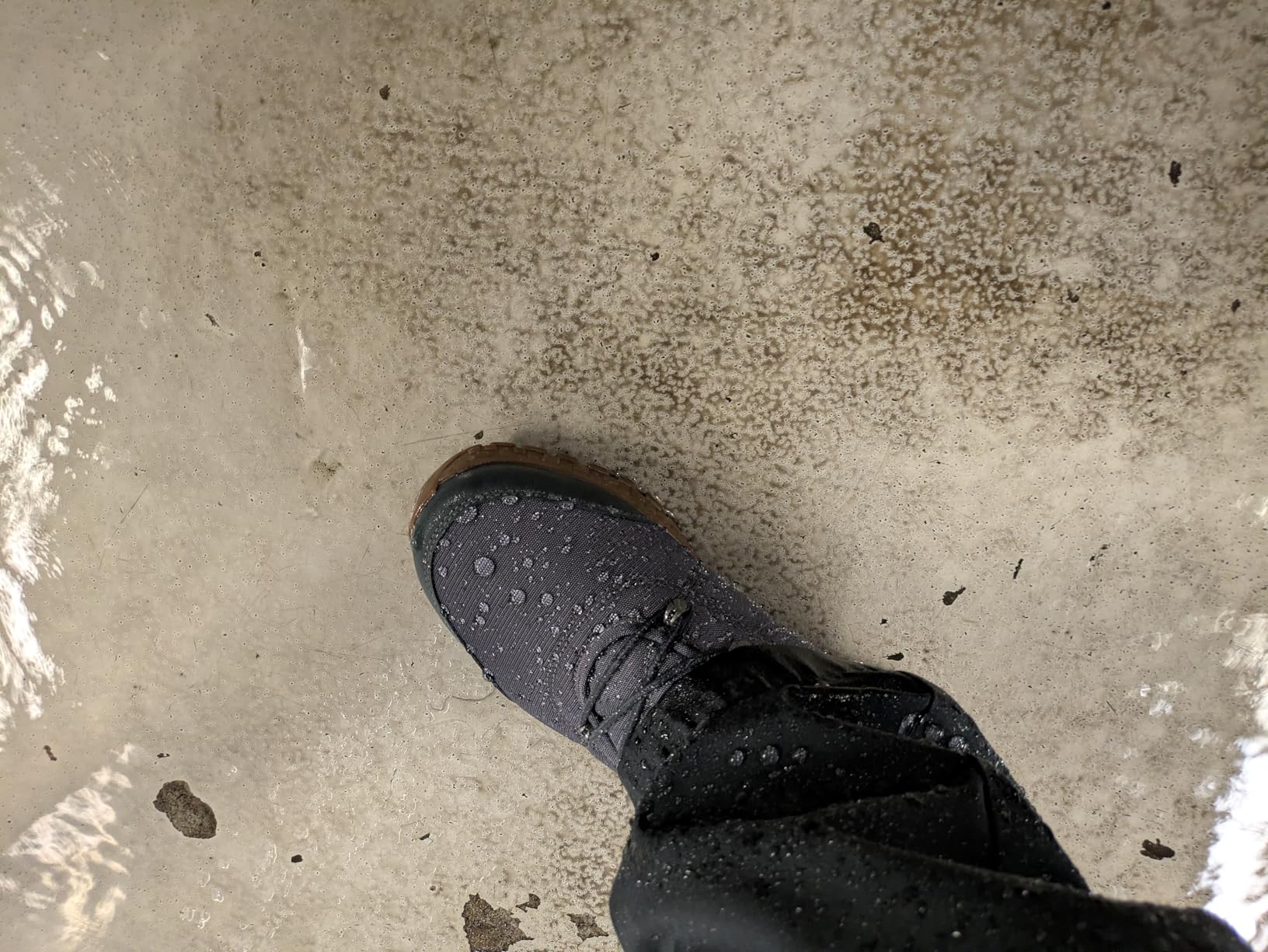
This is the boot we kept reaching for during our comparison, mostly because it does the ordinary things well without asking you to compromise. The waterproof mesh upper and XPETI-DRY membrane kept moisture out in every slushy condition we tested, and the moisture-wicking mesh lining meant the interior never felt clammy the way a fully sealed shell can.
The 7mm multi-directional lugs on the XPETI-GRIP rubber outsole gave us the most confident grip of any boot in this group on packed snow and mixed rock. Owners describe the same thing, and the outsole is the feature that shows up most often in positive reviews.
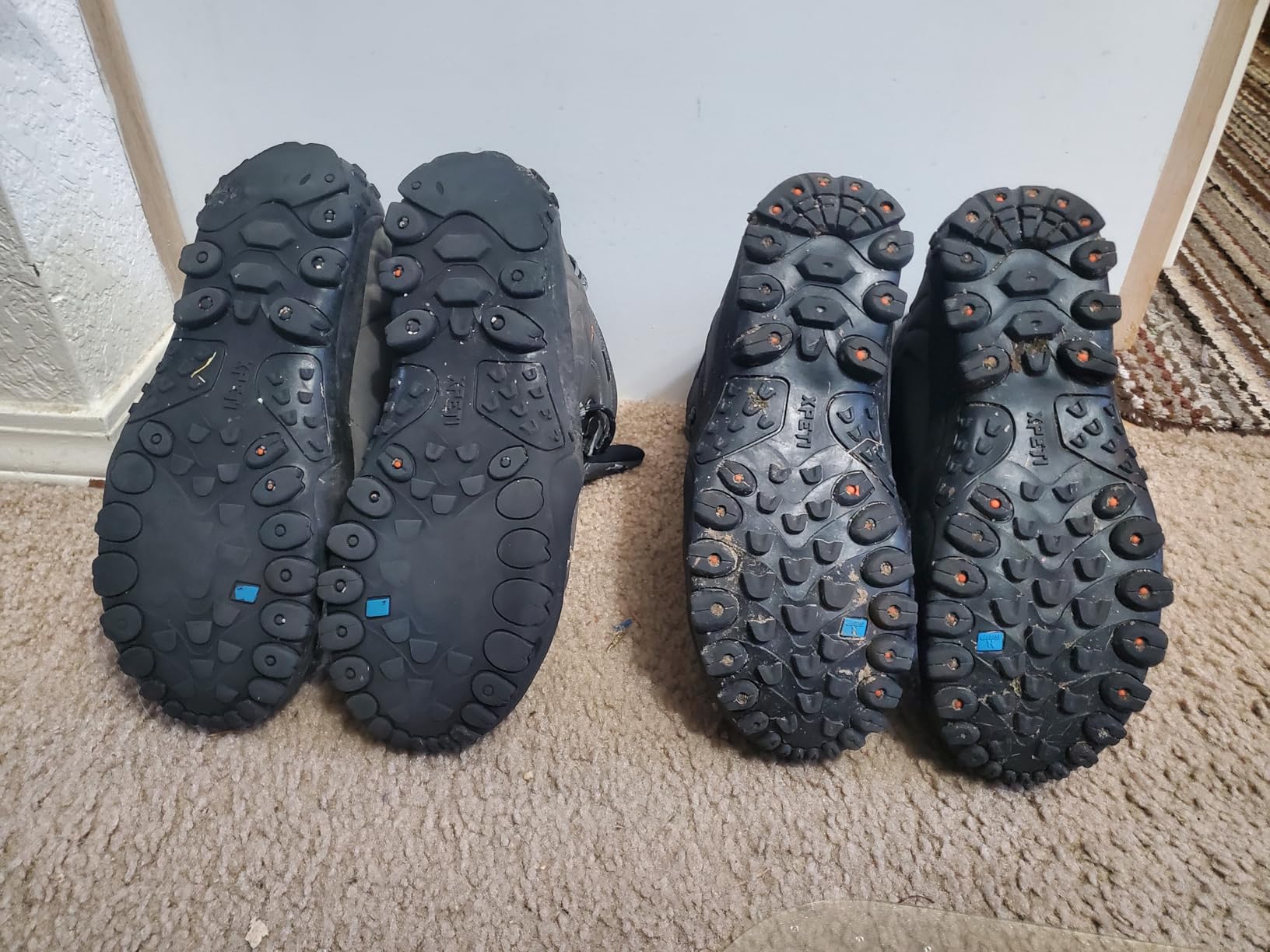
Because the listing carries more than 7,700 reviews at a 4.4 star average with 72% five-star, we could see a fairly stable picture rather than a handful of enthusiastic write-ups. Waterproofing, grip and cushioning are the three strengths owners repeat most often.
The integrated EVA midsole does more than feel soft underfoot. It is sturdy enough when you are carrying weight, which is the difference between a hiking boot and a winter walking shoe.
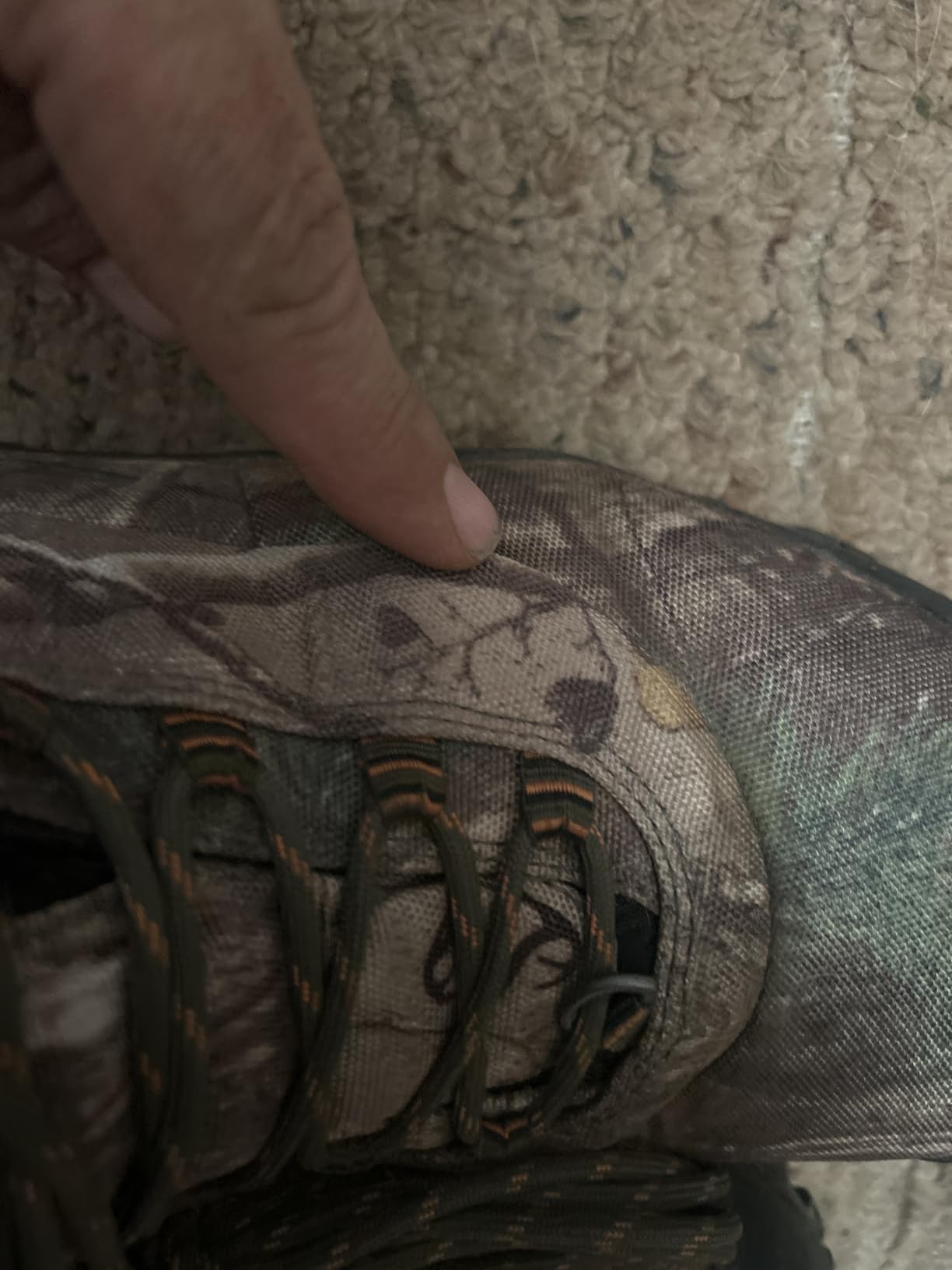
Its honest weakness is the mesh upper. On sharp rock and talus it wears faster than leather, and if your winter route is mostly frozen scree rather than snowfield, something with a rubber rand or toe bumper will outlast it.
Warmth level and what temperature it suits
XPETI does not publish a temperature rating for this boot, and we would rather say that than invent one. In practice it behaves as a moderate insulation boot rather than a deep cold one, which makes it a strong choice for winter days where the forecast sits near freezing and you are moving most of the time.
It is also the safest pick for people who run warm. Because the warmth is moderate, there is less chance of the overheating problem where sweat soaks your socks and then cools against your foot.
Fit, sizing and who should buy it
Users commonly size up a half size for winter wear, since insulated liners already occupy toe box volume. Wear it with the sock thickness you plan to hike in, not the one in the box.
If you are building a single winter boot that handles trails, errands and dog walks, this is the one we would pick. It is the closest simplification answer that comes up again and again in winter hiking discussions, and the 7mm lugs mean it does not feel like a hiking shoe on pavement.
2. XPETI Crest Thermo Waterproof Hiking Boots – Best Value for Cold Weather
XPETI Men’s Crest Thermo Waterproof Hiking Boots Insulated Hiking Shoes Grey/Black 12.5
Rated to -13F
200g insulation with fleece
Internal nylon shank
7mm GRIP outsole
Pros
- Manufacturer rating to -13F / -25C
- Lightweight and wearable straight from the box
- Waterproof in snow and slush
- Extra laces included
Cons
- Fit runs snug and many recommend a half size up
- Limited internal cushioning on long rocky hikes
- Nylon upper less supportive than leather over long trips
This is the only boot in the roundup that pairs a real stated temperature rating with a weight profile suited to long days on foot. Rated to -13F / -25C, it gives you a number to plan against instead of a vague claim of warmth.
The 200 grams of insulation is paired with a polar fleece lining, and reviewers report keeping feet warm to roughly -10C to -22C for as long as four hours. That matches the published rating closely, which is unusual in this category.
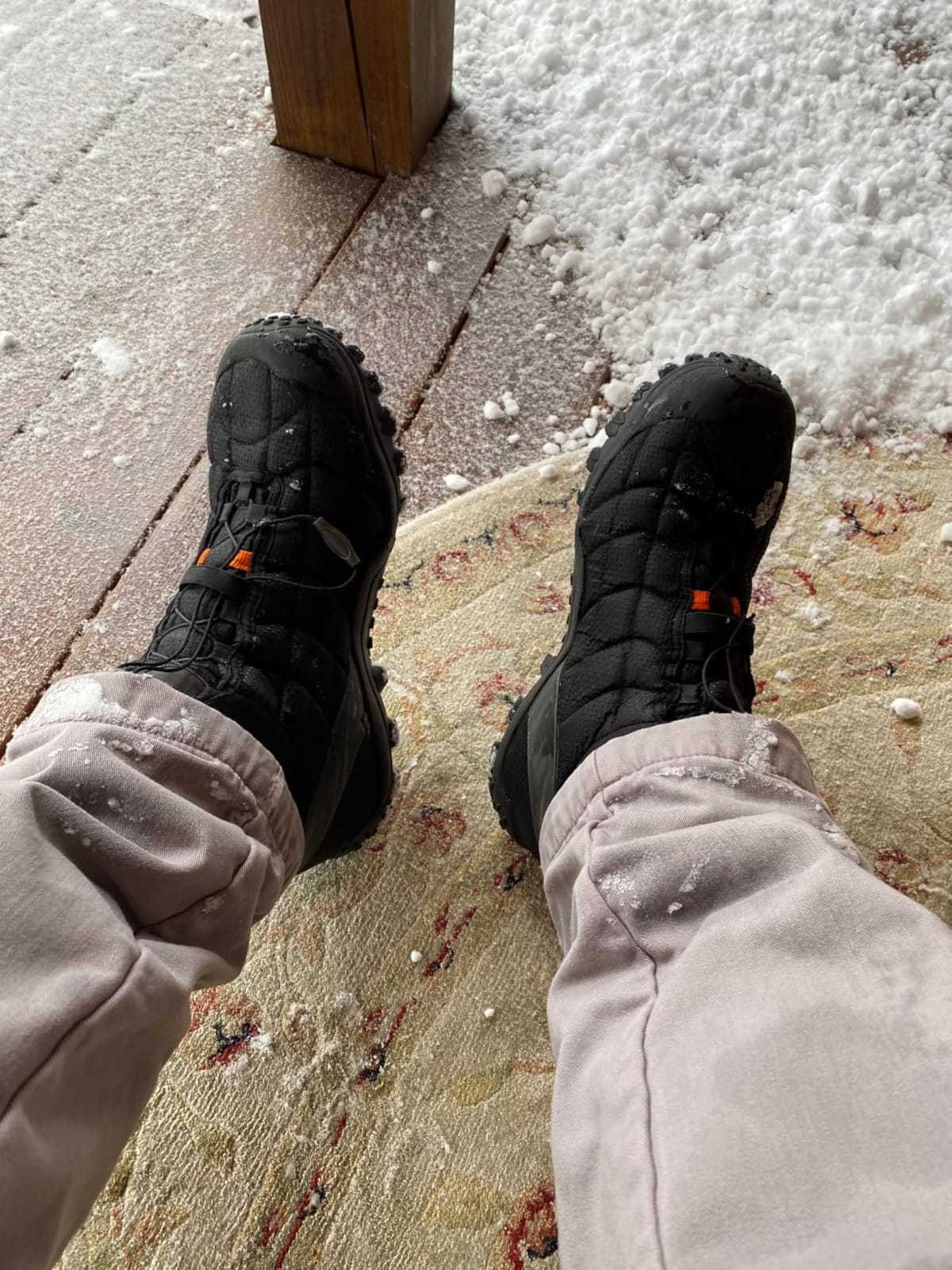
Underfoot, the integrated hidden EVA midsole works with a resilient internal nylon shank, giving you torsional stability on uneven frozen ground. The moulded TPU side stabilizer keeps the upper from rolling laterally on a sidehill.
At 4.5 stars across 2,445 reviews with 74% five-star, the feedback is consistent rather than polarising. Buyers describe it as comfortable out of the box, which is rare in a boot that still needs a break-in period on rocky ground.
Warmth level and what temperature it suits
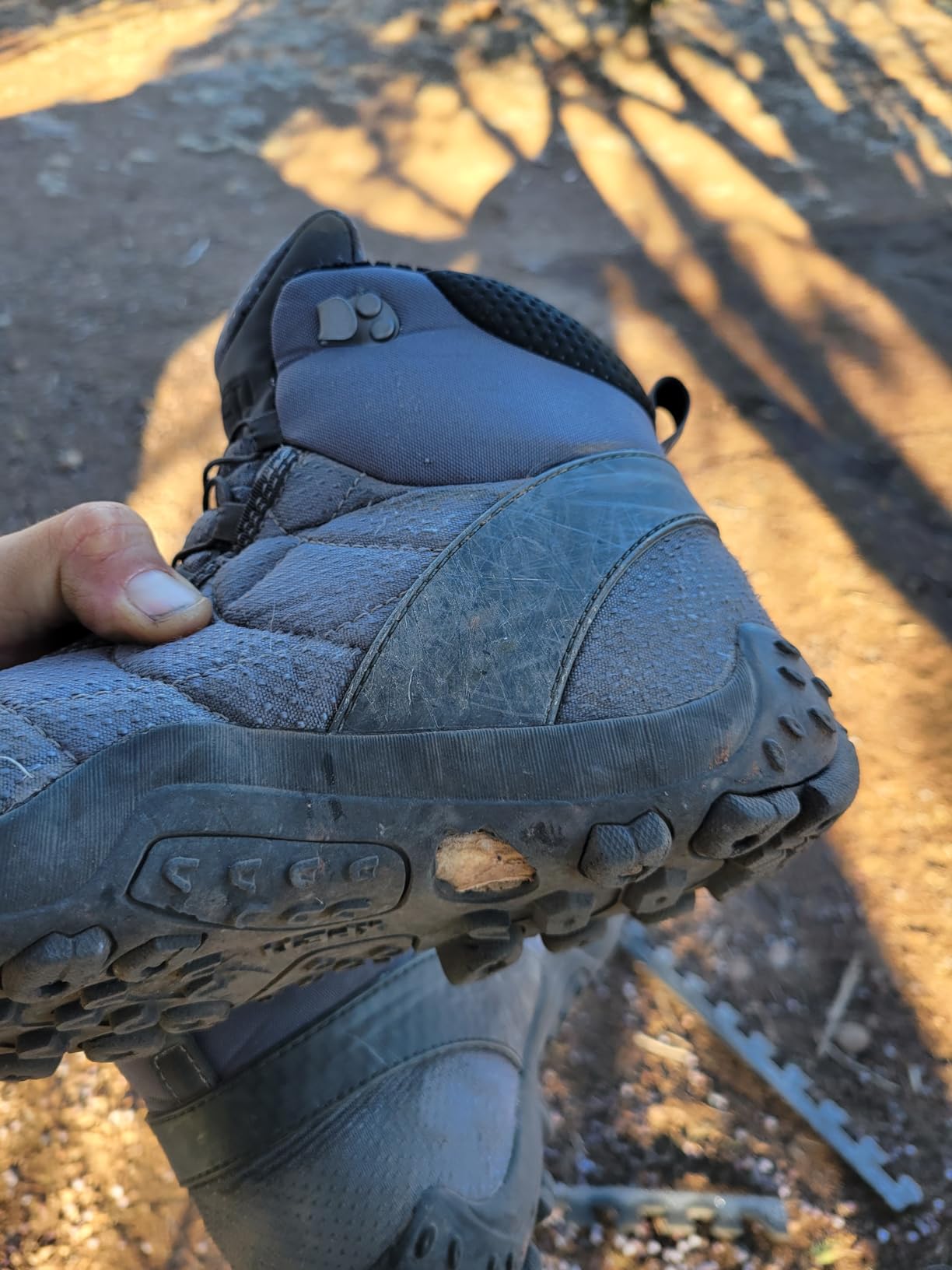
Two hundred grams plus fleece is the sweet spot for most winter trail days and it will not overheat you on a long climb. It handles roughly -10F to -13F in dry cold, and holds up acceptably in wet snow where the shell does more of the work.
For sustained deep cold below that range, step up to the KEEN Revel III or the Muddy Dv8 rather than pushing this one past its rating.
Fit, sizing and who should buy it
Size up a half size. Snug fit is the single most common complaint in the reviews, and adding an insole is the other recurring recommendation on long rocky hikes.
Buy this if you want a genuine winter rating without a pac boot profile. It also works as a light snowshoe boot, and it pairs cleanly with the traction cleats we tested when the trail turns to hard ice.
3. Columbia Fairbanks Omni-Heat Snow Boots – Premium Pick for Serious Winter Warmth
Columbia Mens Fairbanks Omni-Heat, Deep Olive/Desert Sun, 9
Omni-Heat reflective lining
Omni-Tech sealed shell
200g in Cordura upper
Omni-Grip outsole
Pros
- Owners report warmth at -10F and -22F
- Very light for a boot this warm
- Waterproof and breathable over long days
- Omni-Grip traction across snow and mixed ground
Cons
- Some seams admit a little moisture in deep fresh snow
- Less grip on hard ice than heavier boots
- Can feel hot indoors after long wear
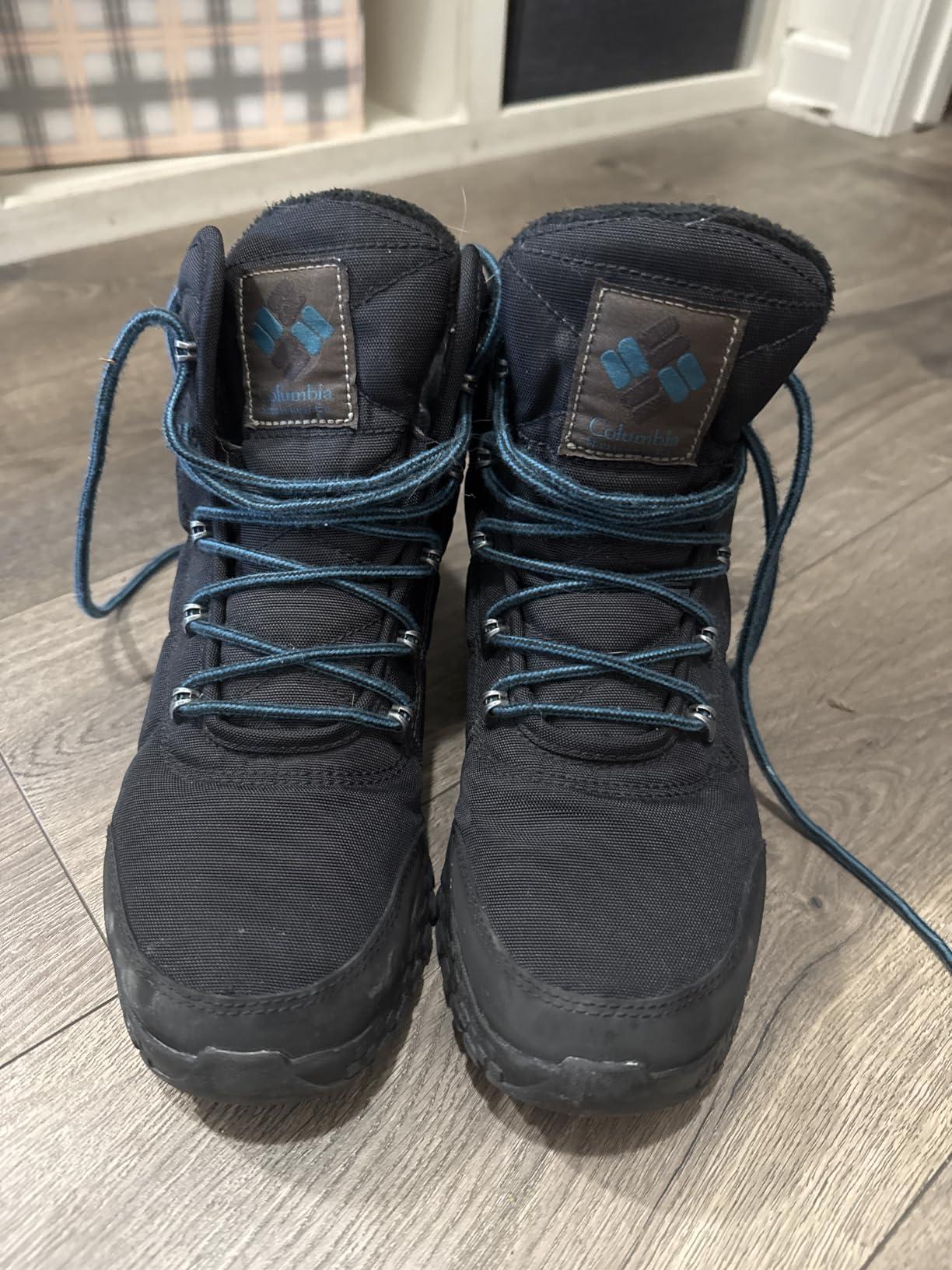
The Fairbanks is the rare snow boot you can run in. Owners report using it for winter hiking in -10F and -22F, and several have worn it in deep snow down to -30C, which is well past what a 200 gram boot should theoretically deliver. The Omni-Heat reflective lining is what makes that possible.
Unlike thick lofted insulation, the reflective liner bounces body heat back toward your foot instead of merely trapping air. The practical result is meaningful warmth at low weight, and it is the reason this boot undercuts the weight of a traditional pac boot by a wide margin.
The Omni-Tech construction is multilayered and seam-sealed, so the waterproofing is not dependent on a single membrane that can be punctured. A Cordura textile upper handles abrasion from brush and rock better than mesh.
Underfoot, TECHLITE provides impact absorption without a heavy midsole, and the Omni-Grip outsole is tuned for multi-terrain grip on rock, dirt and gravel in both wet and dry conditions.
The weakness owners name most is seams in deep fresh snow. Wet powder that sits against the boot for hours finds weak points over time, and this is the one complaint that repeats in reviews.
Warmth level and what temperature it suits
Treat the Fairbanks as a serious cold boot despite the 200 gram spec sheet. Reported owner experience puts it comfortably at -10F to -22F, with a handful of testers pushing to -30C in dry snow.
Because the insulation is reflective rather than heavy loft, it is easier to overheat indoors than a Thinsulate boot. Take them off at the car rather than wearing them through a coffee stop.
Fit, sizing and who should buy it
The wide version is only moderately wide, so if you have genuinely broad feet or need room for thick merino socks, test carefully. Several buyers report needing the half size up.
This is the boot for people who want deep cold capability without giving up speed on the trail. For a full breakdown of sizing across brands, our women’s fit and sizing guide covers the same issue in more detail.
4. KEEN Revel III Mid Height Waterproof Insulated Hiking Boot – Best for Wide Feet
KEEN Men’s Revel 3 Mid Height Waterproof Insulated Hiking Boots
KEEN.WARM rated to -25F
KEEN.DRY membrane
Waterproof leather upper
All-Terrain outsole
Pros
- Rated to -25F / -32C with breathable warmth
- Roomy toe box suits wide feet
- Stays dry over multiple winters
- Soft-compound outsole grips ice and packed snow
Cons
- Collar padding packs down and needs re-tightening
- Runs large so most owners size down
- Less rigid ankle support than a backpacking boot
The Revel III carries the deepest stated rating in the group alongside the Muddy Dv8, with KEEN.WARM insulation rated to -25F / -32C. The important word there is breathable. Owners report genuine warmth without the clammy, overheated feeling that heavy insulation usually brings.
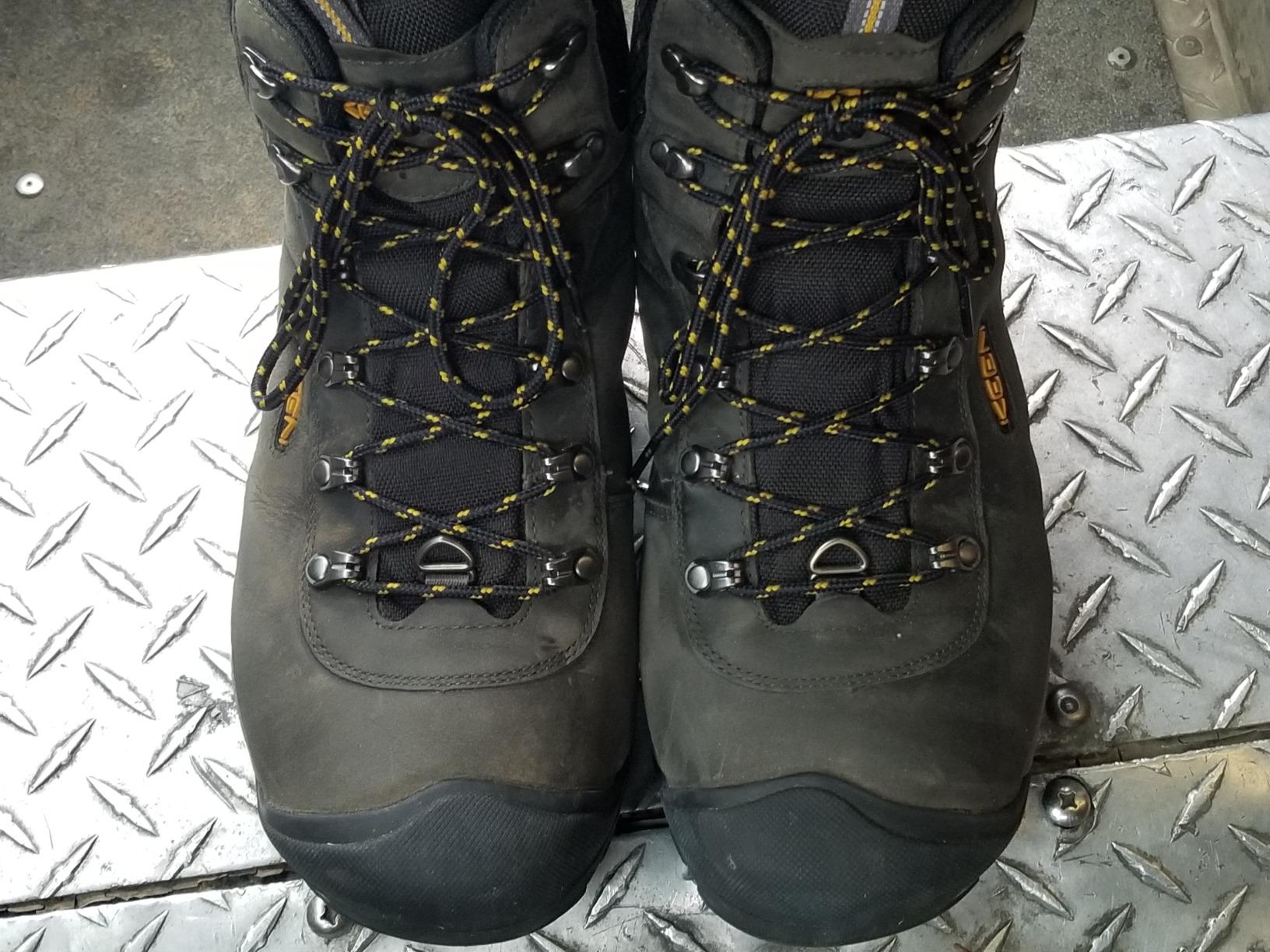
The toe box is the reason most people buy KEEN. It is roomy enough for wide feet and for thick winter socks, without requiring you to hunt for a wide width, which matters because many insulated boots are built on a narrow last.
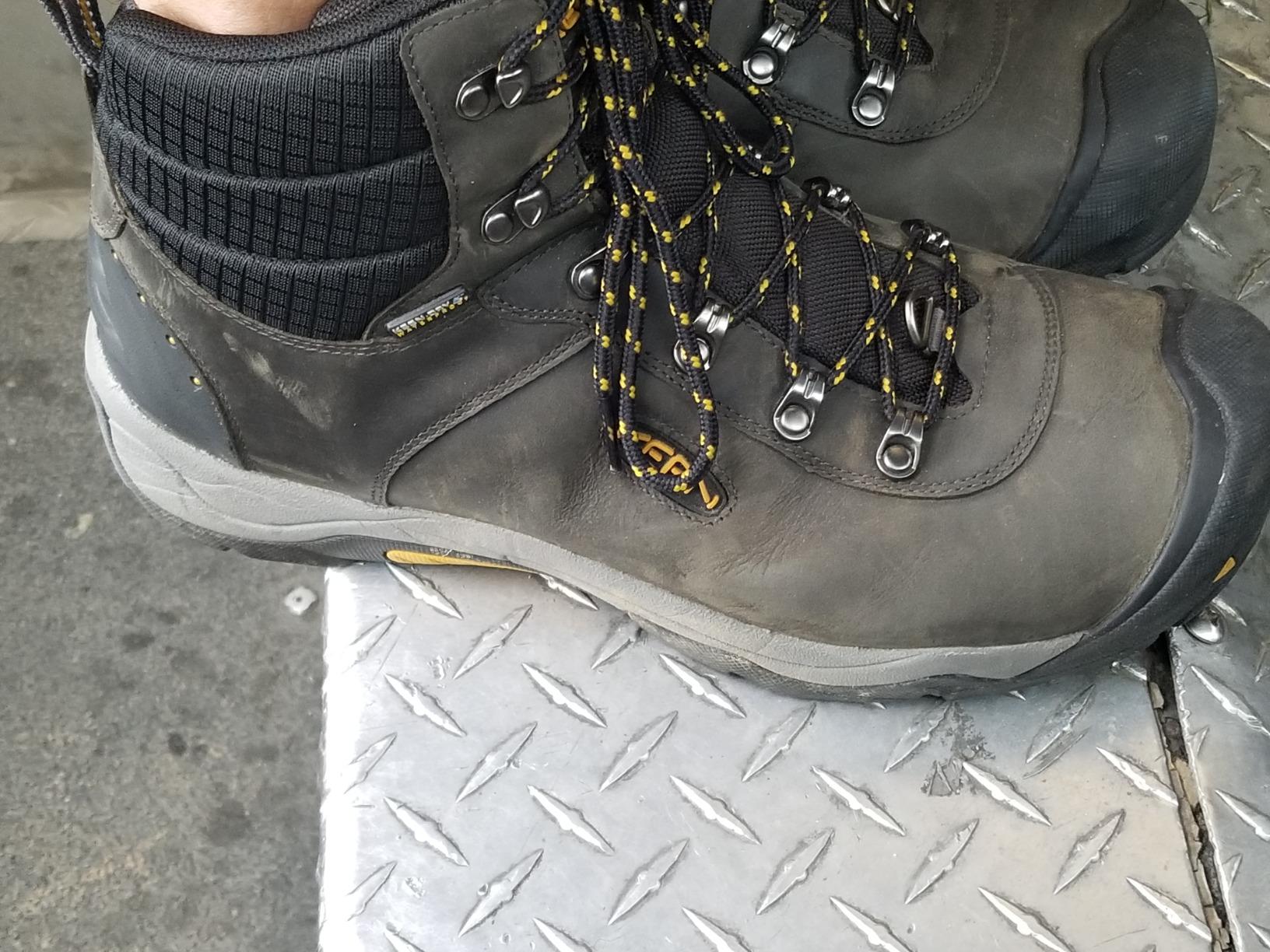
The KEEN.DRY waterproof breathable membrane sits under a waterproof leather upper, and long-term owners report the leather and stitching holding up across multiple winters of daily work use. The listed weight is 1.31 pounds, which is not a light boot, but the mass is where you expect it for a boot this warm.
Speed hooks up the collar pair well with snow gaiters and with traction cleats, which matters more than it sounds when your hands are cold and you cannot manage small hooks.
Warmth level and what temperature it suits
At -25F / -32C rated, this is one of the two boots here that can credibly handle sustained deep cold. The soft-compound ALL-TERRAIN outsole also gives it the best ice traction of the leather boots in this roundup.
If you are stationary in that cold, a high-grammage boot will serve you better. If you are walking, the Revel III holds warmth without the bulk penalty.
Fit, sizing and who should buy it
It runs large. Most owners size down for winter, which is the opposite of the advice for every insulated boot on this list, and it is worth trying both if you can.
The collar padding packs down over long walks and needs re-tightening, and the ankle is less rigid than a backpacking boot. For loaded multi-day trips in deep cold, look at a stiffer option.
5. KEEN Women’s Revel III Cold Weather Hiking Boot – Top Rated for Warmth and Fit
KEEN Women’s Revel III Winter Boot, Black/Rose, 11 M US
200g KEEN.WARM insulation
Heat TRAPOLATOR underfoot
KEEN.DRY membrane
Pros
- Warm and dry in deep snow and icy slush
- Extra-wide toe box suits wide feet and high arches
- Supple and comfortable with no break-in
- Good ankle support without rubbing
Cons
- Runs very wide so most wear a half size down
- Short in the toe box for some wearers
- Stiffer than older KEEN construction
At 4.6 stars across 856 reviews with 76% five-star, this is one of the two most highly rated boots we covered, and one of the few with enough owner history behind it to trust. Most insulated winter boot roundups we looked at list men’s boots only, which is a gap worth closing since fit is the most common complaint in this category.
The KEEN.WARM insulation is rated at 200 grams, and underneath your foot a tri-layer Heat TRAPOLATOR system adds underfoot warmth where frostbite risk actually starts. The KEEN.DRY membrane handles the wet side of winter.
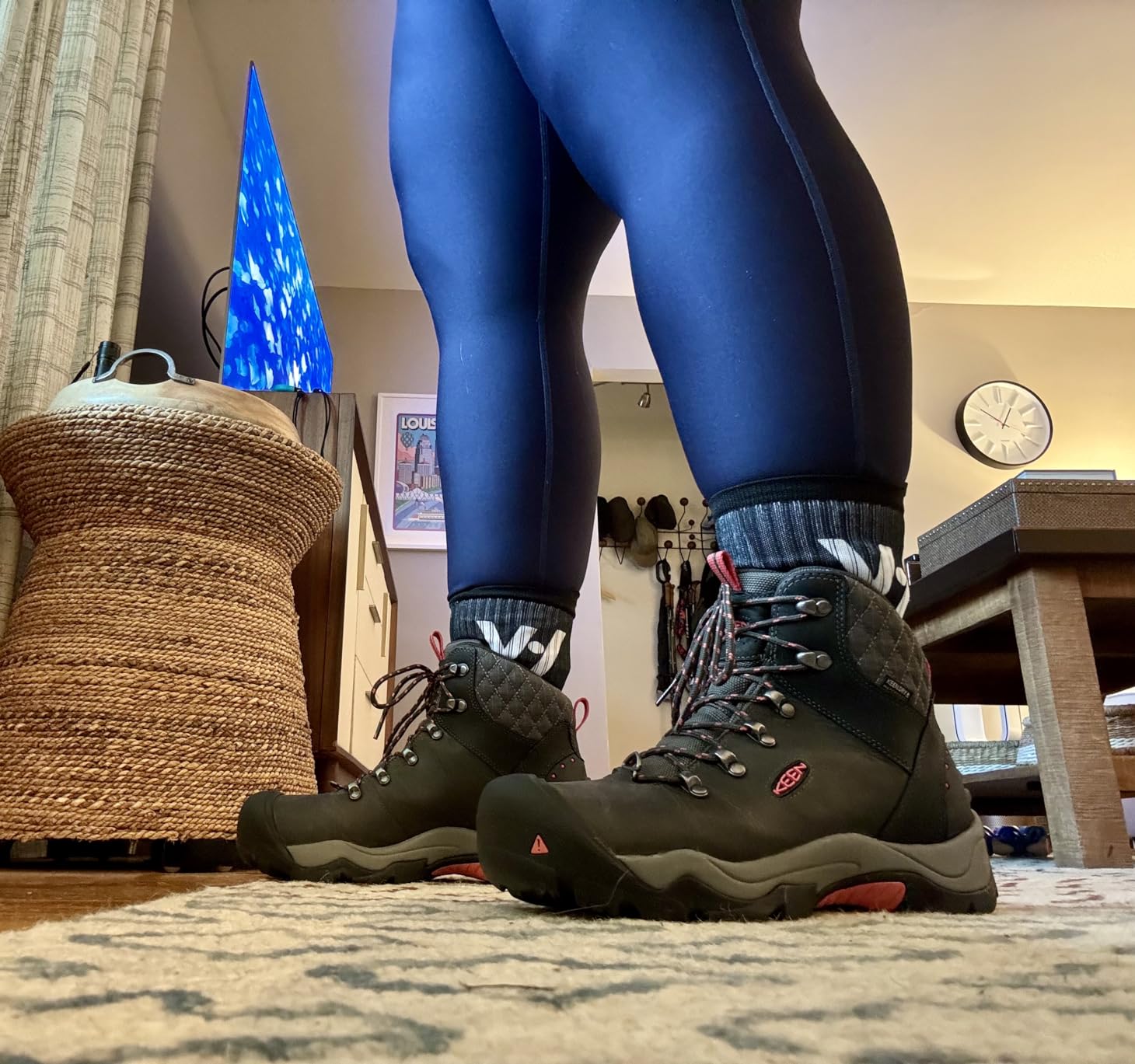
Owners describe it as supple and comfortable with no break-in, which is unusual for an insulated boot. Ankle support is good without producing the rubbing that stiffer constructions cause over a long day.
The counterweight is the width. Several reviewers find it very wide and recommend a half size down, and a smaller group report the toe box running short, which creates pressure on descents with thick socks.
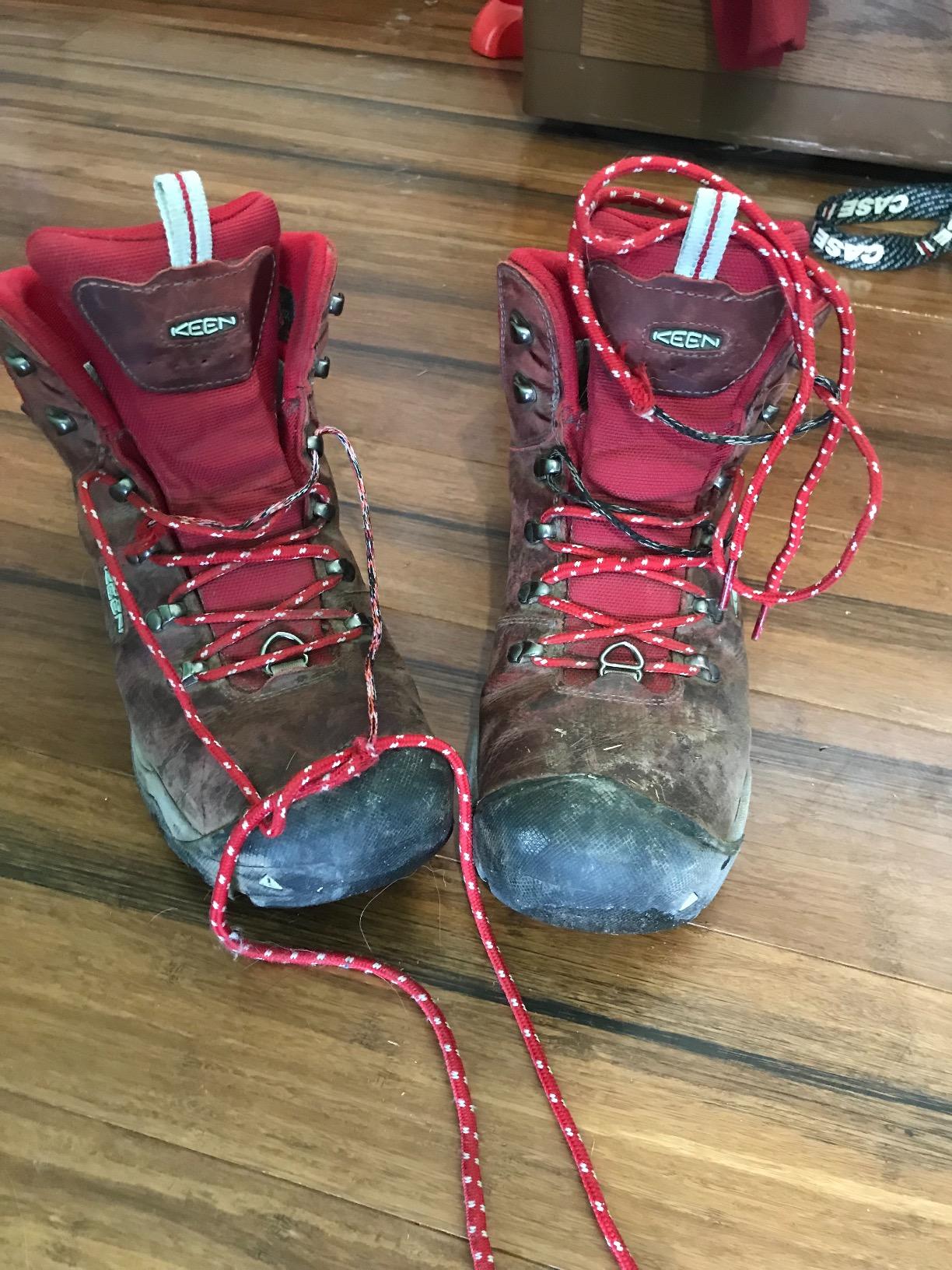
Warmth level and what temperature it suits
Two hundred grams of KEEN.WARM plus the underfoot TRAPOLATOR layer is a moderate-to-high setup, and owners consistently report it in deep snow and icy slush without cold spots.
It sits below the -25F rated Revel III in raw spec, but the underfoot system makes it feel warmer than the gram count implies for standing still on snow.
Fit, sizing and who should buy it
Order half a size down from your usual, and if you are between sizes or have a high arch, this is a boot worth trying on rather than ordering blind. A quarter sock is a better fix for the short toe box than going up a size.
This is our pick for wide feet and high arches among the insulated boots here, and a strong snowshoeing boot given the mid-height collar and grippy outsole.
6. Columbia Women’s Newton Ridge Waterproof Omni-Heat II Insulated Hiking Boots – Best for Everyday Winter Use
Columbia Women’s Newton Ridge Waterproof Omni-Heat II Insulated Hiking Boots
Omni-Heat reflective lining
Omni-Tech waterproof breathable shell
TECHLITE impact absorption
Omni-Grip multi-terrain outsole
Pros
- Warmth without bulk
- works with thin socks in deep cold
- Waterproof for everyday winter use
- Light enough to wear all day
- Comfortable insole with arch support
Cons
- Toe flex point can dig in across sizes
- Limited colour range
- Best warmth appears at the half size up
The Newton Ridge Omni-Heat II is the boot we would hand someone who wants one pair that crosses from trail to town without looking like they came off a mountain. The silhouette is slim and the weight is low, which is unusual for an insulated boot.
At 4.6 stars from 448 reviews with 79% five-star, the sentiment is very consistent: lightweight warmth plus waterproofing, with essentially one recurring complaint. Owners report wearing these with thin socks in genuinely deep cold and staying comfortable.
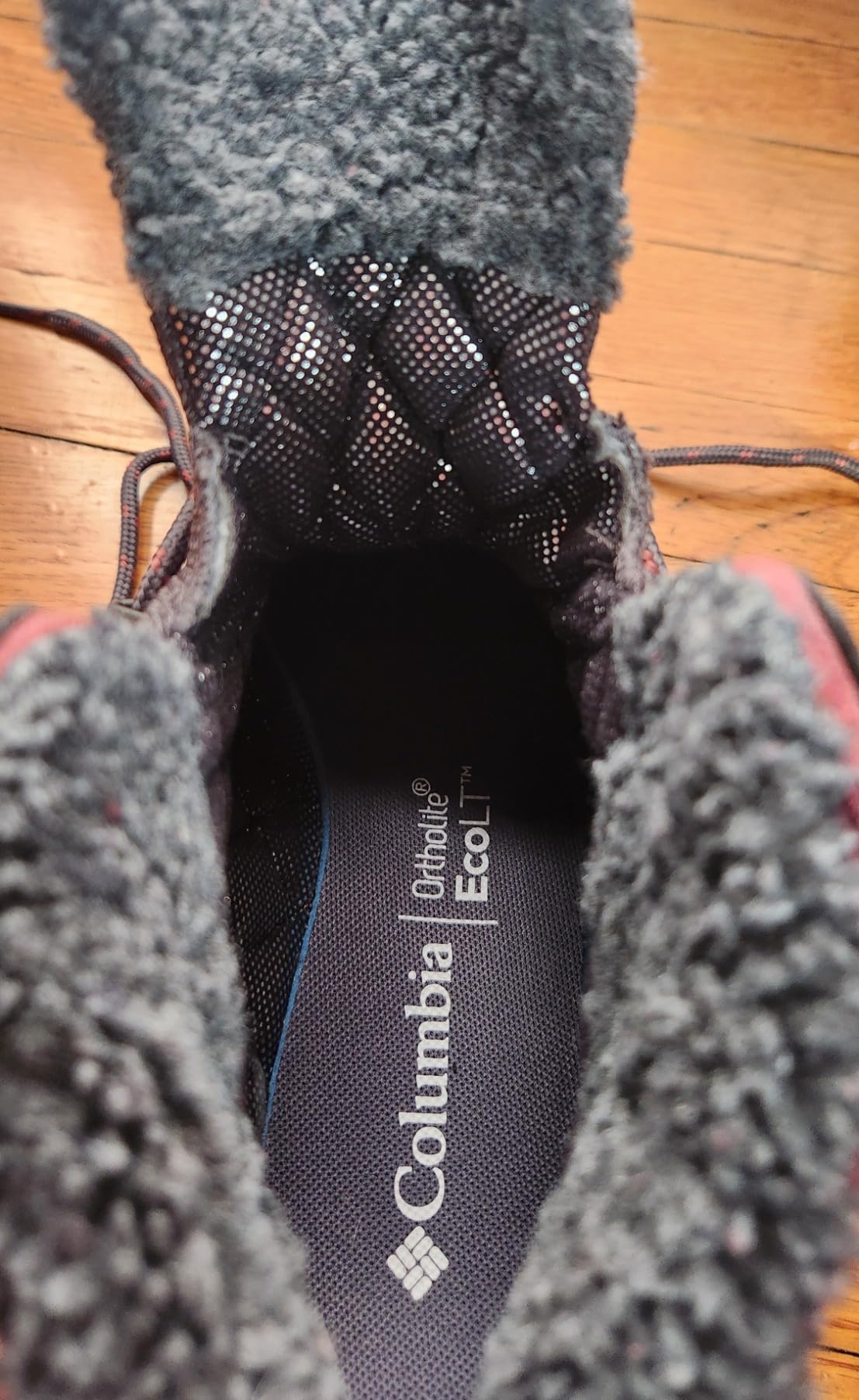
That is a consequence of the Omni-Heat reflective liner, which delivers warmth without loft and therefore without the bulk that usually goes with it. Omni-Tech handles the waterproofing while releasing excess heat and moisture, and the faux shearling collar lining adds a bit of warmth at the ankle where heat escapes.
TECHLITE provides impact absorption on varied surfaces and the Omni-Grip outsole handles rock, dirt and gravel in wet and dry conditions.
The recurring drawback is the flex point at the toe. Several wearers across different sizes report it digging in during long walks, and the half size up is where reviewers find the best warmth with merino socks.
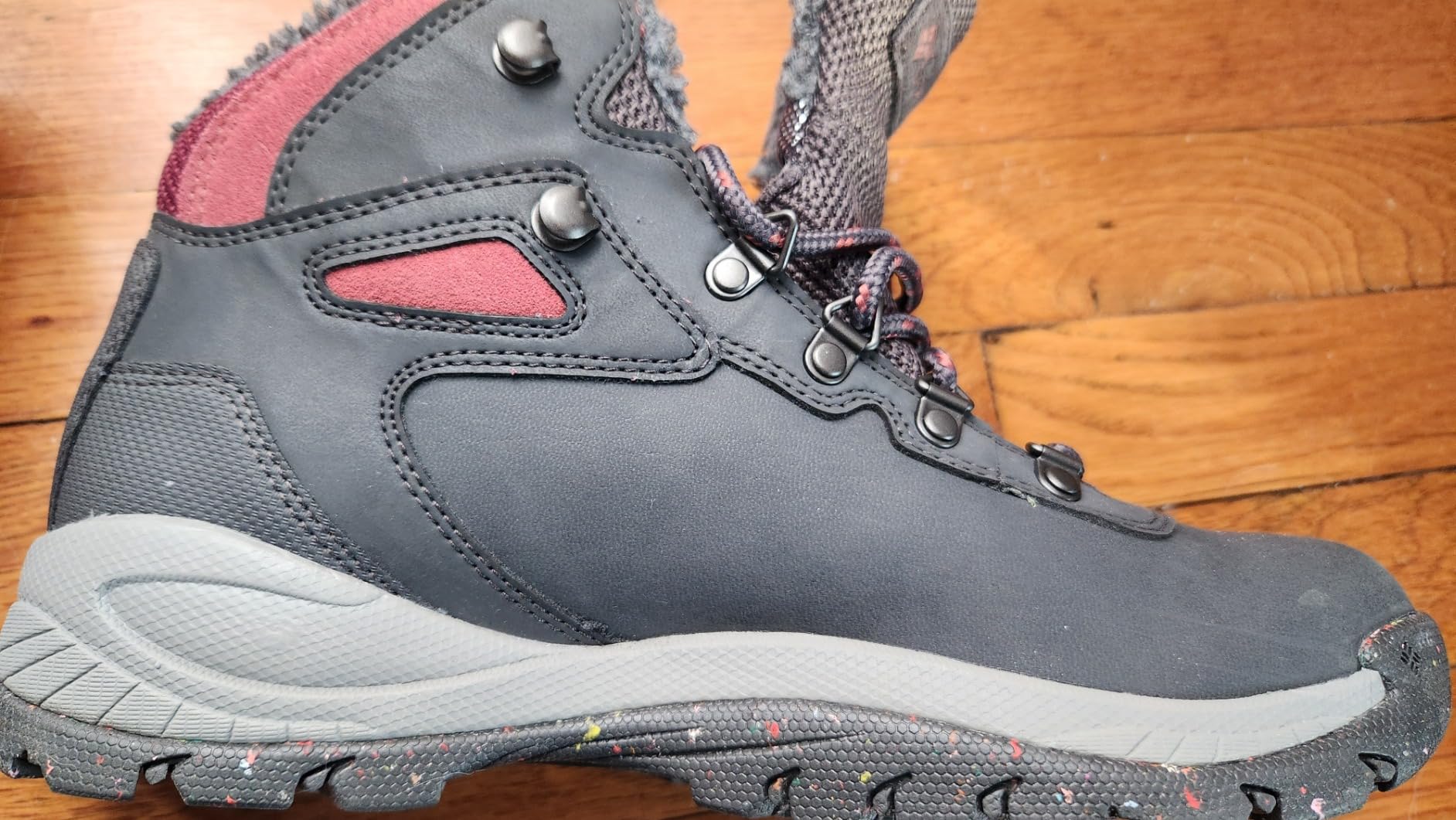
Warmth level and what temperature it suits
Because the liner is reflective rather than lofted, this boot suits mild to severe cold without the trapped-sweat problem. It is the safest insulated choice for people who overheat easily or who will be moving at a good pace.
It is less suited to standing still for hours in extreme cold, where a high-grammage boot like the Muddy Dv8 is the better tool.
Fit, sizing and who should buy it
Go up a half size and wear thick merino socks. That combination is what the reviews describe as producing the best warmth, and it also eases pressure on the toe flex point.
Buy this for winter dog walking, errands, office commutes and groomed trails, and pair it with our winter traction cleats guide when the pavement turns to packed ice.
7. Merrell Thermo Chill Mid Hiking Boots – Best Lightweight Insulated Boot
Merrell Men’s Thermo Chill Mid Waterproof Snow Boot, BLACK, 7.5 Wide
200g insulation with fleece lining
Waterproof coated leather upper
Removable BASE insole
Nylon arch shank
Pros
- Waterproof coated leather with a breathable membrane
- Low-bulk 200g insulation with fleece lining
- Sticky rubber outsole for dependable traction
- Removable contoured insole and arch shank
Cons
- Less warmth than a 1000g boot in sustained deep cold
- Foam midsole compresses sooner than a compression-molded one
- Mid-height collar gives less deep-snow protection
The Thermo Chill Mid is the most conventional hiking boot in this roundup, and that is a strength. A waterproof coated leather upper over a breathable membrane with 200 grams of lightweight insulation is the configuration most winter trail conditions actually call for.
Unlike the reflective-liner boots, the warmth here comes from loft plus a fleece lining, which is more predictable across a wide range of conditions. It also breathes steadily rather than spiking and dropping, so it is a good choice for a long day at a steady pace.
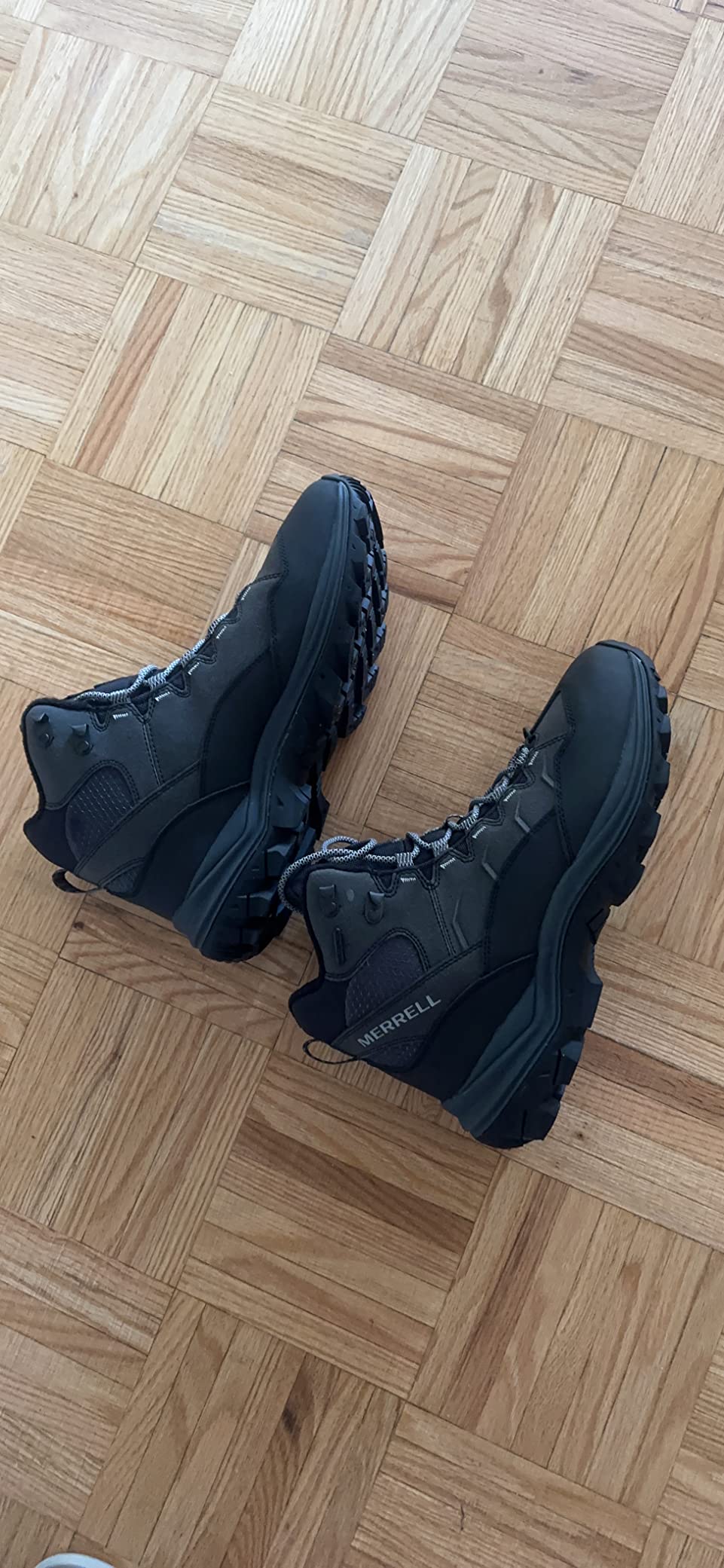
Underfoot the combination of a removable contoured BASE insole, a moulded nylon arch shank and an EVA foam midsole gives more support than the weight suggests. Swapping the insole is an easy upgrade if you plan long days.
Owners rate the waterproof coated leather and the grip as the primary strengths, and describe the warmth as good for typical winter hiking rather than extreme cold.
The soft foam midsole is the component with a shorter life. It compresses sooner than a compression-molded midsole, and it is the first thing to feel flat after a season of heavy daily use.
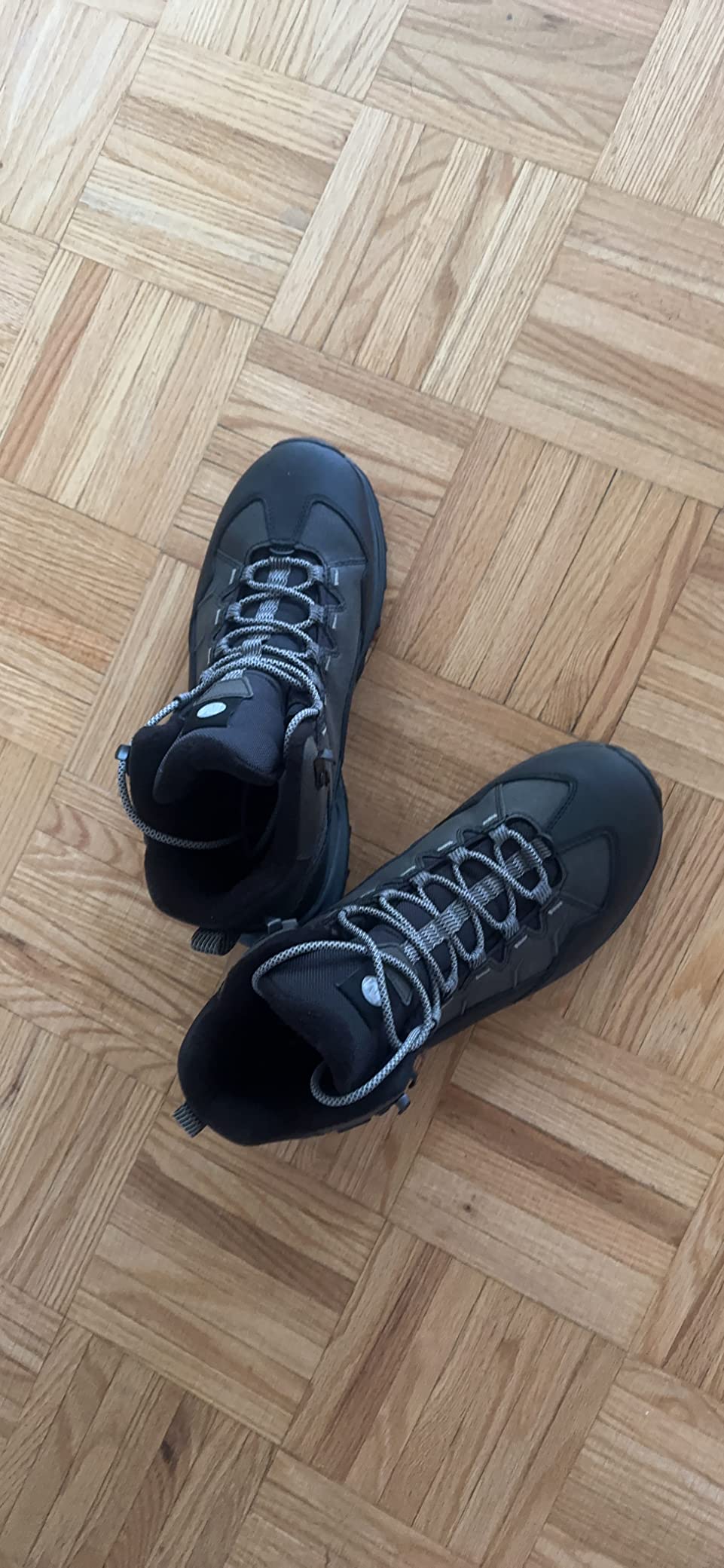
Warmth level and what temperature it suits
Two hundred grams of low-bulk insulation with fleece suits typical winter hiking temperatures, roughly freezing down into the low teens. It is not a boot for standing in sustained deep cold, and owners are clear about that.
It is a strong pick for snowshoeing on packed routes, where the mid-height collar and sticky rubber outsole work well, provided the snow is not deep enough to pour over the top.
Fit, sizing and who should buy it
Standard hiking boot sizing works, with a half size up if you wear thick merino socks in winter. The removable insole makes it easy to fine-tune the volume later.
Buy this if you want a proper leather hiking boot that happens to be insulated, rather than a snow boot. It wears well with trousers and handles mixed rock and snow routes better than any of the fabric boots here.
8. Merrell Women’s Thermo CHILL MID WP – Best for Active Winter Hiking
Merrell Women’s Thermo Chill Mid Waterproof Snow Boot, Charcoal/Flora, 10.5
200g synthetic low-bulk insulation
Waterproof coated leather upper
Merrell Air Cushion heel
Sticky rubber outsole
Pros
- Waterproof coated leather holds out snow and slush
- Low-bulk 200g insulation stays flexible
- Air Cushion heel absorbs shock on uneven ground
- Sticky rubber outsole grips winter conditions
Cons
- Less warmth than high-count boots for standing still
- Foam midsole breaks down sooner with daily use
- Toe room narrower than wide-foot models
Of the women’s boots in this roundup, the Thermo CHILL MID WP is the one built for movement rather than standing. The 200 grams of synthetic insulation is deliberately low-bulk so the upper stays flexible through a full stride instead of stiffening on a descent.
That flexibility matters more than most buyers expect. A boot that stays supple lets you keep a natural stride on packed snow, which means less work per step and less fatigue over a full day.
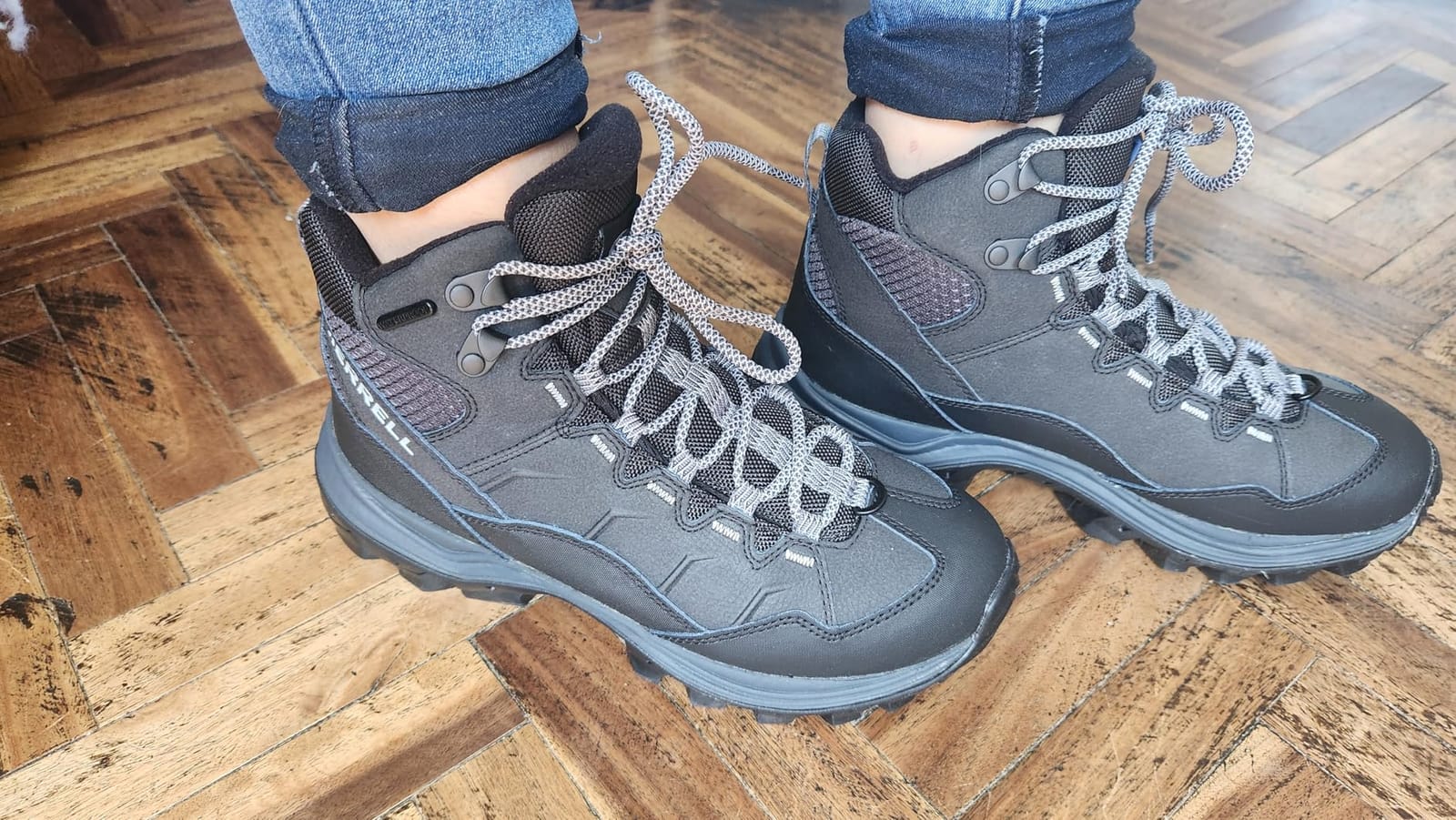
The waterproof coated leather upper and waterproof membrane handle the wet side of winter, and the Merrell sticky rubber outsole is tuned for durable traction in slush and packed snow where harder compounds can glaze over.
At 4.5 stars from 427 reviews with 77% five-star, reviews are overwhelmingly positive on waterproofing and flexibility, with warmth framed as sufficient for active winter use rather than prolonged static cold. That is an honest description and worth weighing carefully.
The toe room is narrower than the wide-foot friendly models in this list, so if you already know you need a wide toe box, skip this one.

Warmth level and what temperature it suits
Two hundred grams of synthetic insulation suits moving cold, so day hikes on snow-covered trails and winter walks above freezing are its range. Below that, walking hard enough to keep warm matters more than the gram count.
It is a good snowshoe boot for groomed and packed routes, and a poor choice for standing around in a cold-watch cabin.
Fit, sizing and who should buy it
True to size works well for most, with a half size up only if you wear thick socks. Try before ordering if you have any concern about toe room.
Buy this for active winter hiking and snowshoeing, and consider a lighter insole swap if you are doing long days. Our snowshoe compatibility notes cover the terrain where this boot works best.
9. Merrell Coldpack 3 Thermo Mid Waterproof – Best for Extreme Cold
Coldpack 3 Thermo Mid Waterproof
SOLARCORE Aerogel insole
Full grain leather and mesh upper
200g synthetic insulation
Merrell Air Cushion heel
Pros
- Highest rating in the roundup at 4.7 stars with 85% five-star
- SOLARCORE Aerogel insole delivers strong underfoot warmth
- Reported comfortable at -20C in deep snow
- Comfortable on a heated floor indoors
Cons
- Laces are shorter than ideal
- Collar is low enough that deep snow spills over
- Wide sizes needed for broad feet
The Coldpack 3 is the highest rated boot in the roundup at 4.7 stars with 85% of reviews at five stars, and the reason is unusually specific: the SOLARCORE Aerogel insole. Aerogel is an insulating material with an extremely low thermal conductivity, and putting it under the foot targets the exact spot where frostbite risk begins.
Because the insole is ultra-thin and flexible, you get that underfoot warmth without the bulk of a thick insert or the stiff ride of a heavy boot. Owners report comfort at -20C in deep snow, which puts it in genuinely cold-weather territory.
Reviewers also note it is not uncomfortably hot on a heated floor indoors, which is a problem with several other heavily insulated boots in this category and a real consideration if you drive in these.
Warmth level and what temperature it suits
The 200 grams of synthetic insulation is combined with the Aerogel insole, and owner reports of comfort at -20C put this among the two coldest-capable boots here alongside the Muddy Dv8.
It suits deep cold and long stationary periods better than a moving day hike, because the warmth sits under the foot where you need it when you stop moving.
Fit, sizing and who should buy it
If you have broad feet, order the wide version. The standard last is noticeably narrower and this is the one fit issue owners raise consistently.
Two smaller gripes: the laces are shorter than ideal for a boot this warm, and the collar sits low enough that deep snow can pour over the top. Pair it with gaiters if your route goes through untracked snow.
10. Muddy Men’s Dv8 Insulated Boot – Best for Deep Snow and Standing Cold
DV8 17″ INSULATED BOOT / 1000G / CLAY/SIZE 7D
1000g 3M Thinsulate in the toe box
5mm waterproof neoprene shell
Rated from -50 to 50 degrees
Roll-down calf pipe
Pros
- Extremely light for a fully 1000g insulated boot
- Rated comfort from -50 to 50 degrees
- 100% waterproof neoprene with vulcanized rubber
- 4x4 grip outsole with mud-terrain tread
- Roll-down calf pipe vents in warmer conditions
Cons
- Bulky
- not suited to climbing or stand hunting
- Runs about a size large
- Purpose-built more for standing cold than technical hiking
The Dv8 is the outlier in this roundup and the reason it earns a place. A 1000 gram 3M Thinsulate toe box inside a 5mm waterproof neoprene shell is an extreme amount of insulation, and the manufacturer rates comfort from -50 to 50 degrees. No other boot here claims that range.
What surprised us is the weight. Despite the insulation, owners describe it as extremely light for a 1000 gram boot, because neoprene carries warmth with far less mass than thick textile loft.
The vulcanized rubber construction makes it genuinely waterproof rather than water-resistant, and the 4×4 grip outsole with mud-terrain tread gives strong traction in soft and wet snow where a hard outsole would sink and slip.
Warmth level and what temperature it suits
This is the boot for deep cold, and especially for standing cold, which is why it also appears in hunting and snowmobile circles. If your winter activity involves waiting rather than walking, this is the correct tool.
At 1000 grams it will overheat quickly during active hiking. A walk at a steady pace in this boot produces more perspiration than you want trapped.
Fit, sizing and who should buy it
It runs about a size large and some owners find the pull-on constricted at first. Consider ordering down a size, especially if you are between sizes.
Skip it for climbing, technical terrain or stirrup use, where the bulk is a real problem. The roll-down calf pipe is a genuinely useful feature: it lets you vent heat on a warm climb and tuck your trousers in on a cold descent.
How to Choose Insulated Hiking Boots for Winter Hikes
The single most useful thing you can do before choosing is check the forecast and the trail. A boot that is perfect for a packed forest track at -5F is the wrong tool for standing on an exposed ridge at -20F, and the reverse is also true. The sections below map each feature to the conditions it actually solves.
Insulation levels: matching warmth to temperature
Insulation weight is measured in grams per square metre, and the useful ladder runs from 200g at the bottom to 1000g at the top. Here is how the levels in this roundup translate to real winter hiking conditions.
Two hundred grams of synthetic or KEEN.WARM insulation, paired with a fleece or Omni-Heat reflective liner, covers the range from about freezing down to the low teens. This is the level for active day hiking, groomed trails and snowshoeing on packed routes. Six of the ten boots here carry a stated 200 gram spec.
400 to 600 grams is the range for genuine sustained cold, and none of the boots in this roundup uses it. That is a real gap in this list, and it is why the cold-leaning options rely on rated specifications rather than gram counts.
1000 grams, as found in the Muddy Dv8, is built for standing cold rather than walking cold. Manufacturers rate it from -50 to 50 degrees, which sounds extreme until you realise it is aimed at hunters and snowmobilers who spend hours motionless.
The useful lesson is that gram count alone does not tell you warmth. Omni-Heat reflective insulation at 200 grams outperforms 200 grams of lofted synthetic in several of the owner reports here, because it returns body heat rather than merely trapping air.
Why warm boots still leave cold feet
The most common complaint about insulated hiking boots is not that they are too cold. It is that feet get cold because the boot made them sweat. Sweat cools against your skin far faster than snow melts, so a boot that is technically too warm can leave you colder than a lighter one.
Match insulation to your effort. Standing still, waiting for a group, or snowshoeing through deep snow all call for more insulation than a steady-paced trail hike at the same temperature.
Manage socks and moisture next. Change out of wet socks at lunch, carry a spare pair, and avoid cotton, which stays wet and cold. A wet boot that never dries overnight is a cold boot the next morning regardless of its rating.
Waterproofing and breathability
Every boot here is waterproof, but the mechanisms differ. Seam-sealed multilayer construction, as on the Columbia Fairbanks and Newton Ridge, is the most robust. A named membrane such as KEEN.DRY or the XPETI-DRY system is lighter and breathes well but is a single point of failure if punctured.
Sealed construction reduces breathability, so a fully sealed boot needs a lighter insulation level to avoid the sweat problem. That is a genuine tradeoff, and the reason many lighter boots are sealed.
Deep fresh snow is the test that matters. Owners report the Columbia Fairbanks seams admitting a little moisture in heavy powder after hours of contact, which is worth weighing if your route goes through untracked snow.
Traction and outsoles for snow and ice
Look at two things: lug depth and compound. Deeper lugs, like the 7mm multi-directional pattern on both XPETI boots, bite into packed snow and soft ground. Softer sticky compounds, like the Merrell and KEEN outsoles here, grip ice better because they conform to the surface.
Hard ice is where light boots lose. The Columbia Fairbanks is light and warm but owners report less bite on hard ice than heavier boots deliver, and it is the one route where a heavier boot is the right answer.
Deep snow is where heavy boots lose. A bulky tread digs in and can trip you on a hidden trail edge, which is the trade-off the Muddy Dv8 makes with its mud-terrain pattern.
If your winter mix includes a lot of ice, add a layer of traction. We tested a range of them and found they change the character of a boot more than most buyers expect.
Collar height, ankle support and pack weight
Mid-height collars, which most of these boots use, protect against snow pouring in and give enough ankle stability for a day hike. They are not substitutes for a stiff mountaineering boot, and the KEEN Revel III owners note their ankle is less rigid than a backpacking boot.
Loaded pack capability is a different axis from warmth. Boots with an integrated EVA midsole and an internal nylon shank, such as the XPETI Crest Thermo, stay stable under load because the shank resists torsion.
For a multi-day winter trip carrying real weight, boot mass adds up fast. It is manageable for a day and tedious by day three, which is why the midsole construction and grip mattered more than the gram count when we picked our overall winner.
Sizing and fit for insulated boots
Insulated uppers run narrow because the liner occupies toe box volume that a summer boot does not need. Sizing up a half size is the standard advice, and it applies to the XPETI Crest Thermo, the Columbia Fairbanks and the Newton Ridge.
Two boots here run the other way. The KEEN Revel III runs large and most owners size down, and the KEEN Women’s Revel III runs very wide enough that a half size down is common.
The Muddy Dv8 runs about a size large, so order down. Always try on with the sock thickness you will actually hike in, since a thin summer sock gives a false fit reading.
Break-in and outsole life
A boot that needs no break-in is a genuine advantage on a short winter season. The KEEN Women’s Revel III is described as supple out of the box, while the XPETI Crest Thermo is comfortable immediately but thin on internal cushioning over rocky miles.
Outsole life depends on your ground. Abrasive packed snow and repeated freeze-thaw cycles wear soft compounds faster, and foam midsoles compress before outsoles wear out. Expect to replace insoles well before the boot itself gives out.
What to Wear on a Winter Hike
A boot is one part of a system, and the other parts decide whether it works. Treat insulation, socks, gaiters and insoles as a single layered system rather than judging the boot on its own.
Wool or merino hiking socks, mid-weight, with no cotton in the layer. Cotton holds water against your skin, which is the fastest route to cold feet inside a well-insulated boot.
Gaiters seal the top of the boot against snow, and they matter more than boot height in deep snow. Users pair insulated boots with gaiters almost universally, and it solves the complaint that appears in nearly every deep-snow review here.
An insole upgrade is cheap and often decisive. Thin factory insoles are the first thing to feel flat, and a warm insole adds underfoot heat that no amount of upper insulation replaces.
For snowshoeing, check binding compatibility with the boot profile before you buy, and confirm your outsole compound works with the cleats or bindings you plan to use.
Frequently Asked Questions
What are the best insulated hiking boots?
The best insulated hiking boots for winter hikes combine 200 grams or more of insulation with a waterproof-breathable shell and a high-lug outsole. Our overall pick is the XPETI Thermator Mid-Rise, with the XPETI Crest Thermo as the best value option and the Columbia Fairbanks for deep cold.
What are the warmest winter hiking boots?
The warmest boot in this roundup is the Muddy Dv8, built with 1000 grams of 3M Thinsulate in a waterproof neoprene shell and rated by the manufacturer for comfort from -50 to 50 degrees. Among lighter boots, the KEEN Revel III is rated to -25F and -32C.
Why do my feet get cold in insulated hiking boots?
The usual cause is sweat, not a lack of insulation. Moisture from your feet cools against your skin faster than snow melts, so an over-insulated boot can leave you colder than a lighter one. Match insulation to your effort, change into dry socks at lunch, and carry a spare pair.
Should I size up for insulated hiking boots?
Usually yes, because the liner takes up toe box volume that a summer boot does not. A half size up is standard advice for most insulated boots. Two exceptions here are the KEEN Revel III and the Muddy Dv8, which both run large and usually need sizing down.
What hiking boots are good for snow?
Boots with deep multi-directional lugs and a soft sticky rubber compound work best on packed snow and ice. The XPETI boots use 7mm lugs, while the KEEN and Merrell outsoles grip ice well. For standing in deep snow, a high-grammage boot like the Muddy Dv8 is the better choice.
What to wear hiking in freezing weather?
Wear merino or wool mid-weight socks with no cotton, insulated hiking boots sized up a half size, gaiters to seal out snow, and a warm insole. Add traction cleats when the trail turns to hard ice, and carry a spare pair of socks for the second half of the day.
Are insulated boots bad for winter hiking?
Only when the insulation level does not match your effort. Heavy insulation traps sweat, and sweat cools quickly against your foot. A 200 gram boot is right for active hiking, while standing still in deep cold calls for considerably more.
What does the US military use for extreme cold weather boots?
The military uses extreme cold weather boots such as the Mickey Mouse boot for static cold in arctic conditions. Those are designed for standing still in deep cold, not for hiking. For trail use, an insulated hiking boot rated to a stated low temperature is the better tool.
Our Final Verdict
For most people reading this, the XPETI Thermator Mid-Rise Lightweight Hiking Insulated Boot is the right buy. It has the largest owner base in the roundup, dependable waterproofing, the best grip on packed snow, and an insulation level that will not cook your feet on a steady winter hike.
Match it to the forecast. Near freezing and moving all day, the Thermator or the Crest Thermo is right. Sustained cold below -10F while walking, take the Columbia Fairbanks or the KEEN Revel III. Standing still in deep cold, only the Muddy Dv8 answers that.
Whichever you pick, the boot is half the system. Merino socks, gaiters, a warm insole and a spare pair of dry socks decide the outcome on a long day, and no insulation rating survives wet footwear.