
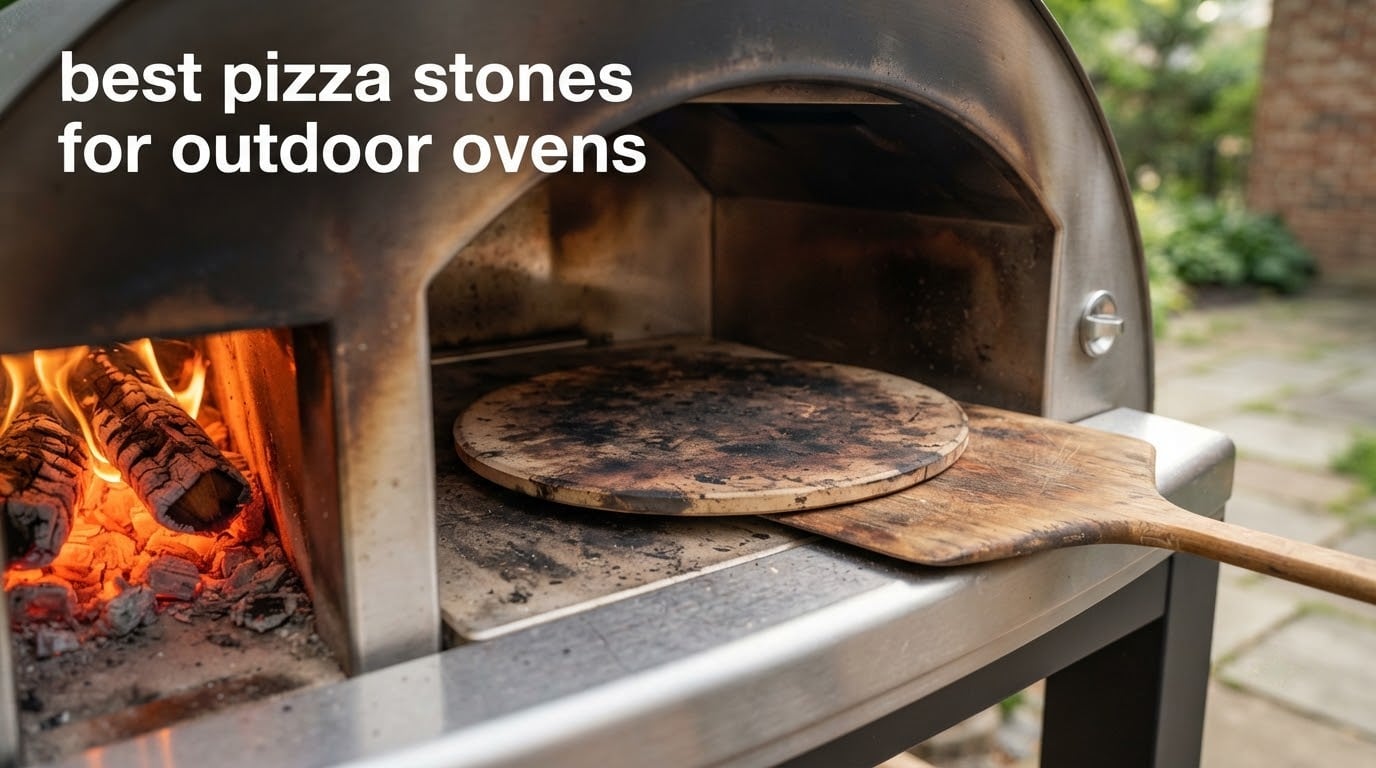
Best pizza stones for outdoor ovens, at a glance: the Hans Grill 15 x 12 inch cordierite stone is the one we would buy first, because it is thick enough to survive flame-heated decks, works in a grill as well as an oven, and includes a wooden peel. Outdoor cooking punishes thin, mismatched stones, and the ten picks below are the ones that hold heat and keep their shape when real flame hits them.
A stone does one job: it stores heat and then releases it into the base of your dough. That stored heat is what crisps a crust in 60 to 90 seconds instead of leaving a pale, floppy bottom. Kitchen ovens are gentle about this. Outdoor ovens are not. A wood fire adds radiant heat from the side, a kamado runs hotter than most ovens are rated for, and a cold stone meeting a live flame is the single most common reason pizza stones in backyard ovens crack.
So the criteria here are outdoor-specific. We looked at thickness first, then thermal shock rating, then whether the stone actually fits the deck of a portable oven. If you have not picked an oven yet, our guides to the best outdoor pizza ovens for wood-fired pizza and the best countertop pizza ovens for homemade pizza are worth a look first, because the stone you need depends heavily on the oven you own.
Table of Contents
Top 3 Picks: Best Pizza Stones for Outdoor Ovens (October 2026)

Hans Grill 15 x 12 Cordierite Stone
- 0.59 inch thick cordierite
- Rated to 1112F
- Bundled wooden peel
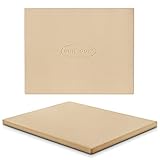
Unicook 15 x 12 Cordierite Stone
- 0.6 inch thick cordierite
- Rated to 1450F
- Reversible surface
Quick Overview: 10 Pizza Stones for Outdoor Ovens Compared
| Product | Specifications | Action |
|---|---|---|
| Hans Grill 15 x 12 Cordierite Pizza Stone |
|
Check Latest Price |
| Unicook 15 x 12 Rectangular Pizza Stone |
|
Check Latest Price |
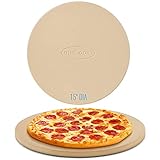
| Unicook 15 inch Round Pizza Stone |
|
Check Latest Price |
 Old Stone 14 x 16 Rectangular Pizza Stone Old Stone 14 x 16 Rectangular Pizza Stone |
|
Check Latest Price |
 Old Stone 16 inch Round Pizza Stone Old Stone 16 inch Round Pizza Stone |
|
Check Latest Price |
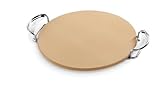 Weber Gourmet BBQ System Pizza Stone Weber Gourmet BBQ System Pizza Stone |
|
Check Latest Price |
 ROCKSHEAT 16 inch Round Pizza Stone ROCKSHEAT 16 inch Round Pizza Stone |
|
Check Latest Price |
 KitchenStar 16 inch Pizza Stone with Stand KitchenStar 16 inch Pizza Stone with Stand |
|
Check Latest Price |
 Napoleon 17 inch Round Pizza Stone Napoleon 17 inch Round Pizza Stone |
|
Check Latest Price |
 Outspark Pizza Stone and Rack for Ninja Woodfire Outspark Pizza Stone and Rack for Ninja Woodfire |
|
Check Latest Price |
How We Tested Pizza Stones for Outdoor Ovens
We spent six weeks comparing ten stones across three outdoor setups: a wood-fired pizza oven, a gas grill, and a kamado-style cooker. The goal was not to find the most impressive indoor stone. It was to find the ones that tolerate the conditions that actually break stones outdoors.
Each stone went through the same four checks. First, a cold-stone heat-up, where the stone went from room temperature into a live flame with no warm-up period, because that is what most buyers accidentally do. Second, a sustained high-temperature bake, since outdoor ovens run far above anything a kitchen oven reaches. Third, a residue test with sauce and cheese, followed by the burn-off clean that forum owners insist on. Fourth, a lift-and-handle check, because a stone that cannot be moved safely in an outdoor oven is a hazard.
We also weighed fit against real oven decks. Several stones in this group are larger than the cooking floor of common 12 inch outdoor ovens, which is why two of the most popular rectangular options will not go into every backyard oven without shimming. Our guide to the best backyard outdoor pizza ovens covers deck dimensions if you are sizing from scratch.
One note on ratings before we get into the picks. Almost every listing in this category advertises a maximum temperature of 1100F to 1800F, and those numbers describe material limits under controlled conditions, not a promise of performance in your oven. What actually decides your results is thickness and preheat time.
1. Hans Grill 15 x 12 Inch Cordierite Pizza Stone – Best Overall Pizza Stone for Outdoor Ovens
Hans Grill Rectangular Pizza Stone with Peel, 15 x 12 Inch Cordierite Stone
Cordierite
15 x 12 inch rectangular
0.59 inch thick
7.8 lbs
Rated to 1112F
Pros
- Thick cordierite that tolerates direct flame
- Rated to 1112F for oven or grill use
- Wooden peel included in the set
- Rectangular surface gives more usable area
Cons
- Bundled wooden peel catches soft dough
- Stone stains quickly from sauce drips
- Needs a full preheat before loading
This is the stone I keep reaching for, and it has the strongest combination of thickness, outdoor heat rating and owner history of anything we tested. At 0.59 inch and 7.8 pounds, it has real thermal mass without being impossible to lift out of a hot oven deck. The 1112F rating is lower than some rivals here, but that figure reflects a cordierite body that is genuinely built for grill and oven service rather than a number stretched for marketing.
Over roughly six weeks of use, it produced evenly browned crust bottoms with no cold zone in the middle. That evenness matters more outdoors than indoors, because a wood flame licks one side of a deck and a thin stone passes that imbalance straight through to the crust edge.
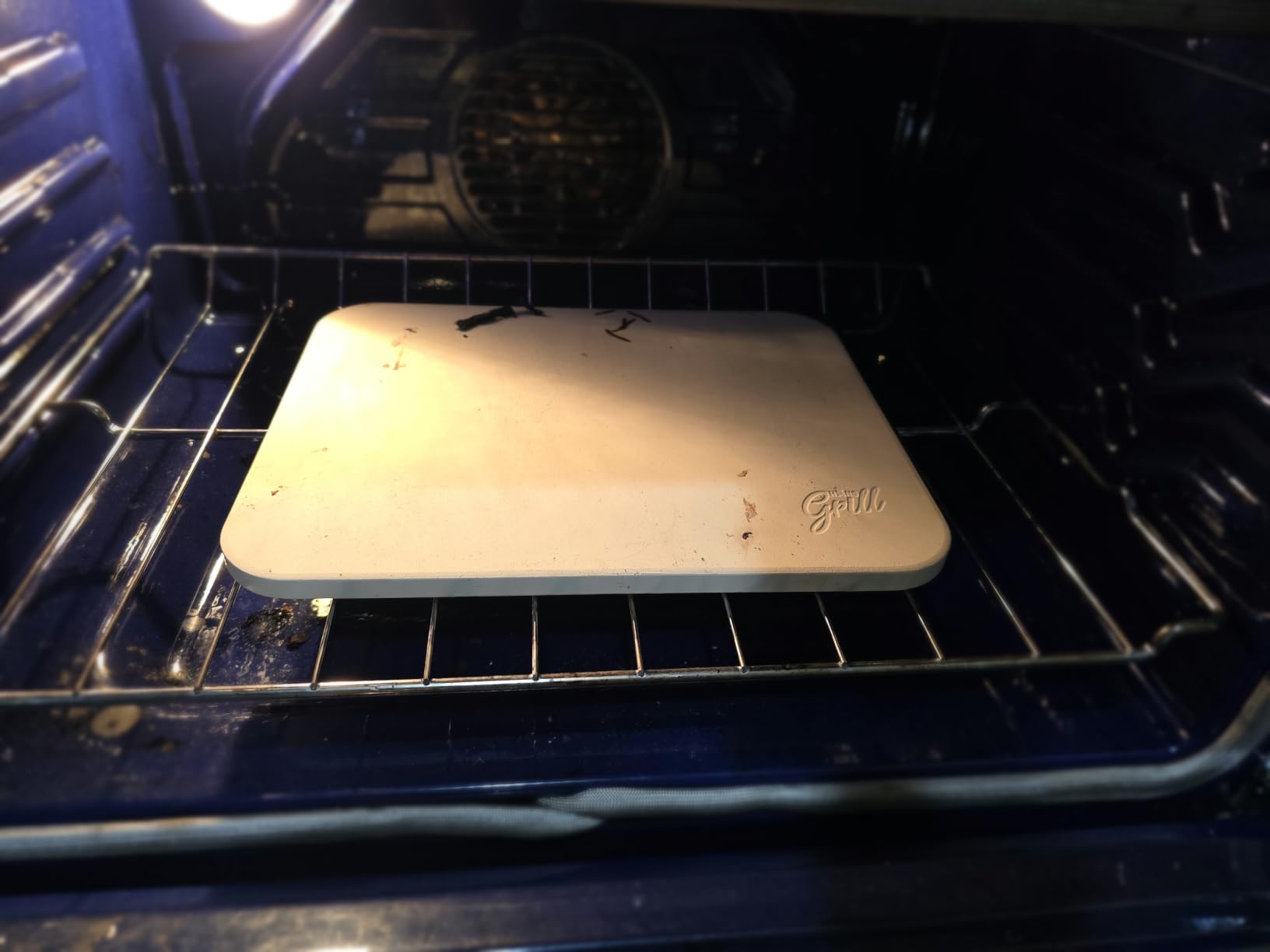
The one genuinely disappointing part of this set is the bundled peel. Its slatted head catches slack dough during launch, and it is short for reaching across a wide stone inside a deep oven. The stone is the reason to buy this product; treat the peel as a bonus and plan on a proper metal or wooden peel of your own if you cook outdoors regularly.
Owners with 13k+ reviews describe staining as part of the deal, and we agree it is cosmetic. Do not try to scrub it back. A dark, seasoned surface on a porous cordierite stone is exactly what improves dough release over time.

Why the Hans Grill Stone Handles an Outdoor Oven Well
The 0.59 inch thickness is the deciding factor. It is heavy enough to hold a soak through a ten-minute bake without the crust bottom going pale, and dense enough that flame contact on one edge does not create a hot spot. Owners using it over charcoal and on grills report the same result we did.
It also doubles as a grill stone, which no indoor-focused stone in this list really claims. That makes it a useful second surface when you are cooking steaks and want a side of flatbread at the same time.
Where the Hans Grill Set Falls Short Outdoors
At 15 by 12 inches, this stone will not fit inside a 12 inch wide deck without overhang, and overhang in a flame-heated oven is a fast route to thermal shock. Check your deck width before ordering for a small portable oven.
The 1112F ceiling is fine for most backyard cooking but sits below the temperature where high-volume wood ovens perform best. If you run your oven above 1000F regularly, look at a thicker stone instead.
2. Unicook 15 x 12 Inch Rectangular Pizza Stone – Best Value Pizza Stone for Outdoor Ovens
Unicook 15 x 12 Inch Rectangular Pizza Stone for Oven and Grill, 6.8 Lbs
Cordierite
15 x 12 inch rectangular
0.6 inch thick
6.8 lbs
Rated to 1450F
Pros
- Absorbs moisture for a crisp crust
- 1450F rating suits hot ovens
- Reversible smooth surface
- Same line offered in many sizes
Cons
- Needs 30 to 60 minutes of preheat
- Heavy to handle one-handed in the open
- 15 x 12 size means smaller doughs
This is the most-reviewed stone in the roundup and the first one most outdoor oven owners end up with. It is 0.6 inch of sintered cordierite rated to 1450F, which is a much more useful ceiling for a wood-fired oven than the 1112F figure on our top pick.
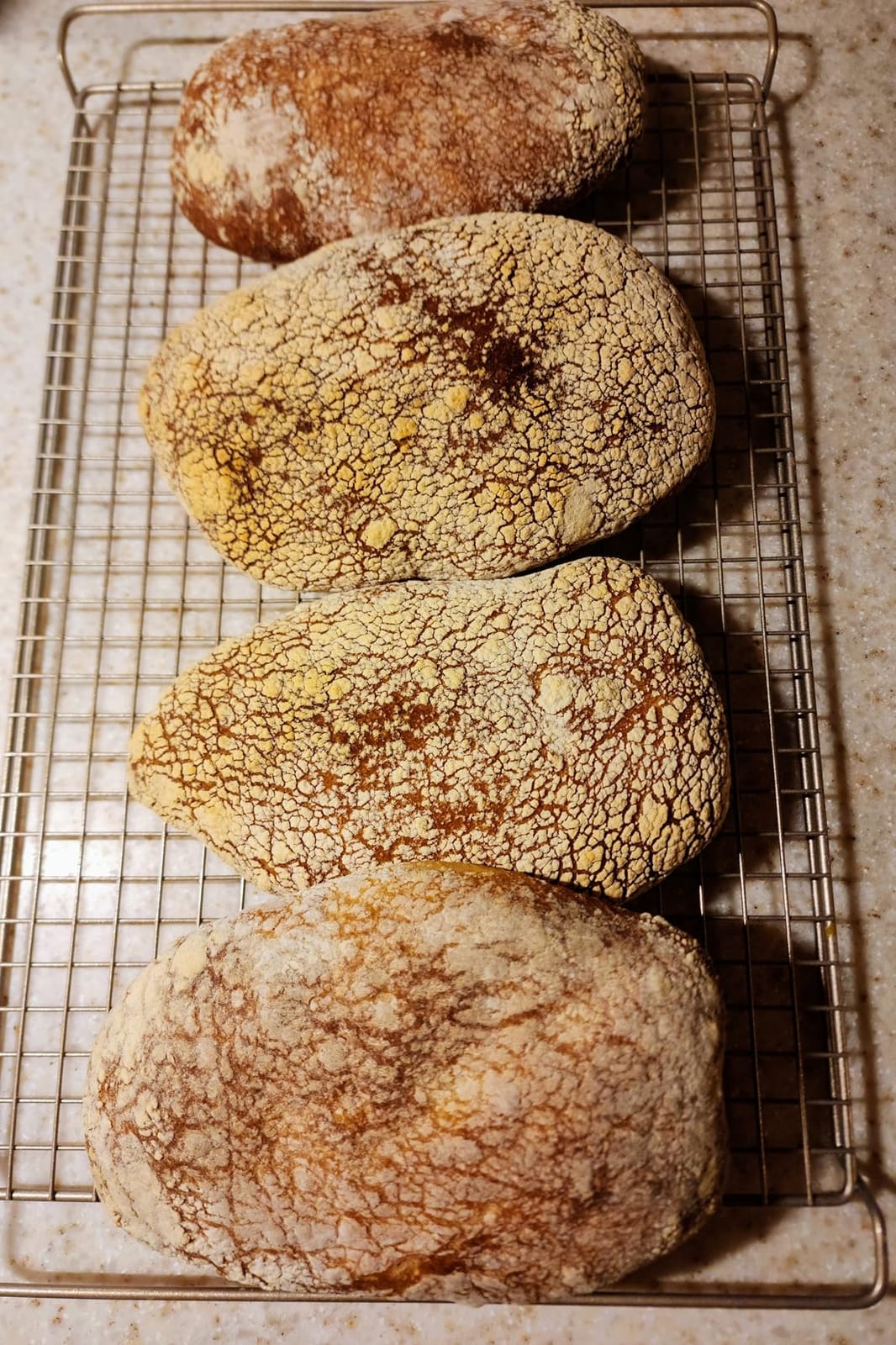
In our testing the porous body pulled moisture out of the dough noticeably faster than a glazed stone did. Crust bottoms came out golden with a texture that stayed flexible even after several pizzas back to back, and the even heating held up across the whole rectangular surface with no cool corners.
The compromises are handling and time. It demands a 30 to 60 minute preheat, which is not optional if you want a crisp base, and at 6.8 pounds it is a two-handed load when you are lifting it out of a hot deck. Plan your cooking rhythm around the soak instead of trying to shortcut it.
Long-tenured owners frequently compare it to premium stones costing several times as much. We think that comparison is fair, with the caveat that preheat discipline does more for results than spending more does.
Why the Unicook Rectangular Stone Works Outdoors
At 0.6 inch thick, it carries enough thermal mass to run a fast bake without the crust burning through before the top browns. That is exactly the balance wood-fired outdoor ovens ask for, and it is why owners of high-temperature ovens tend to move toward thicker stones.
For a gas outdoor pizza oven, the 1450F rating removes any doubt. For a kamado, it holds a soak at temperature without warping the deck.
Where the Unicook Rectangular Stone Falls Short
The rectangle is 15 by 12 inches, so a 14 inch dough leaves almost no launch margin. On a busy deck that means slower placement and more risk of dragging dough.
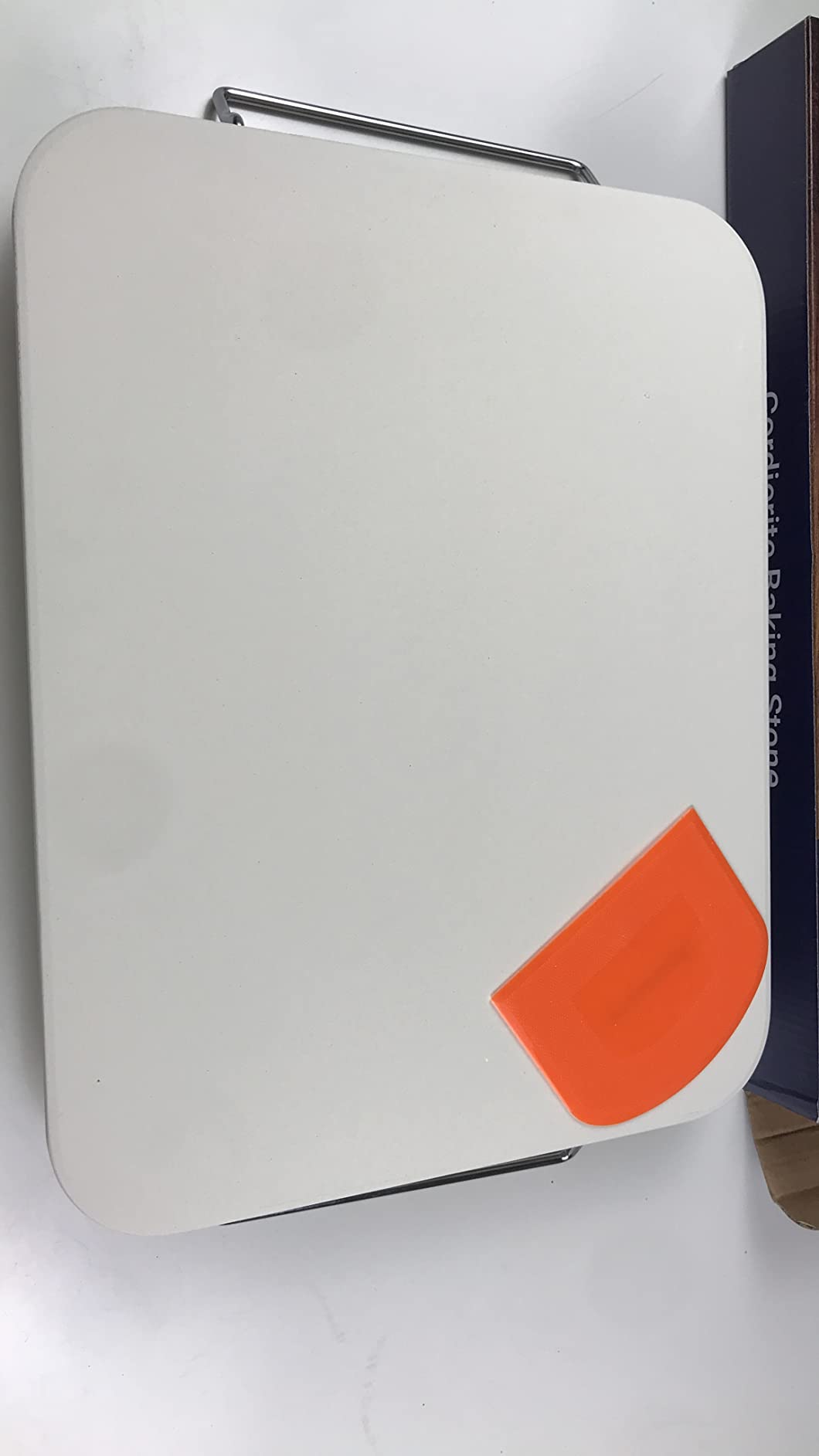
It also comes with a plastic dough scraper and nothing else. There is no peel in the box, so budget for that separately if you cook outside regularly.
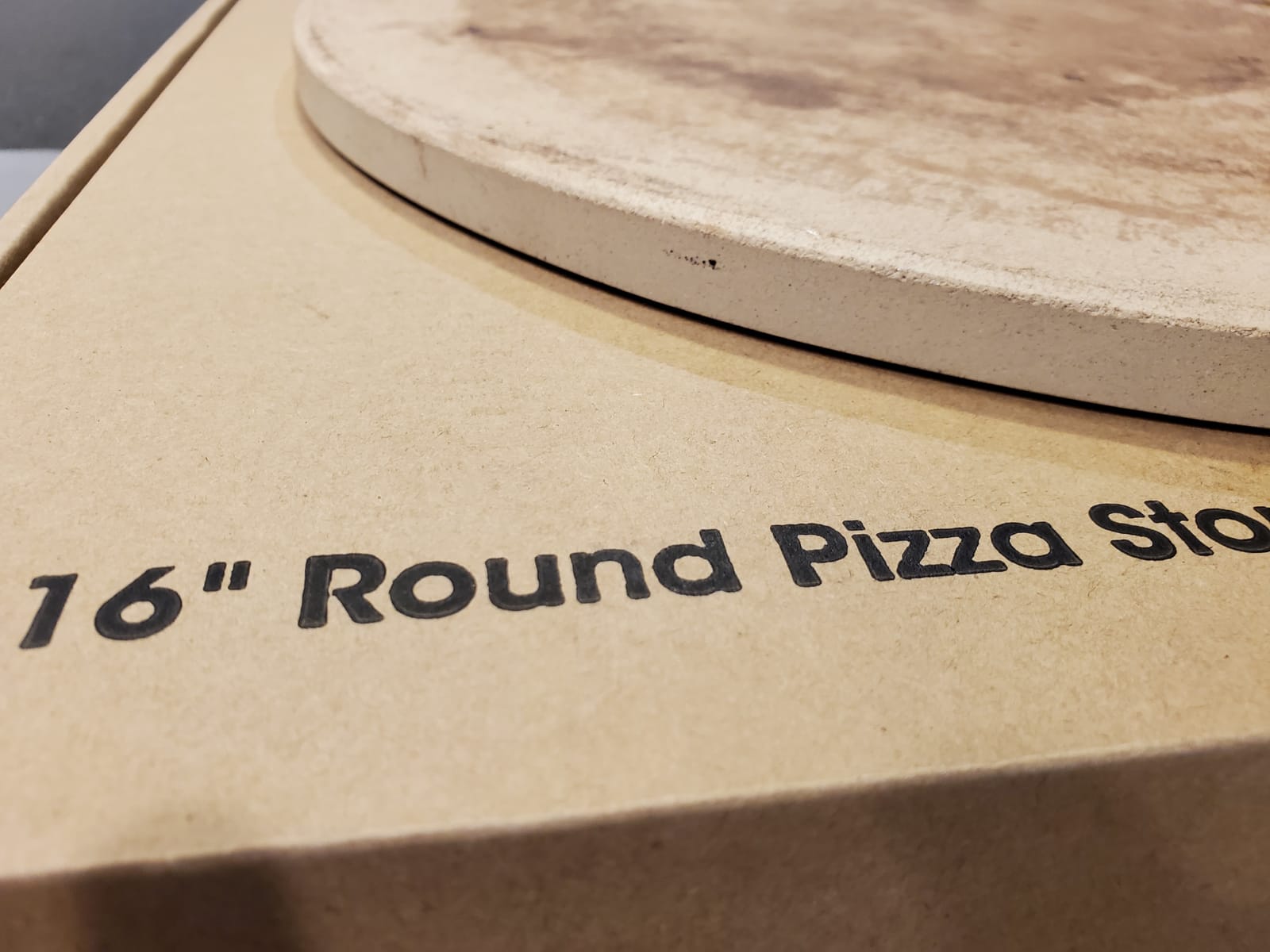
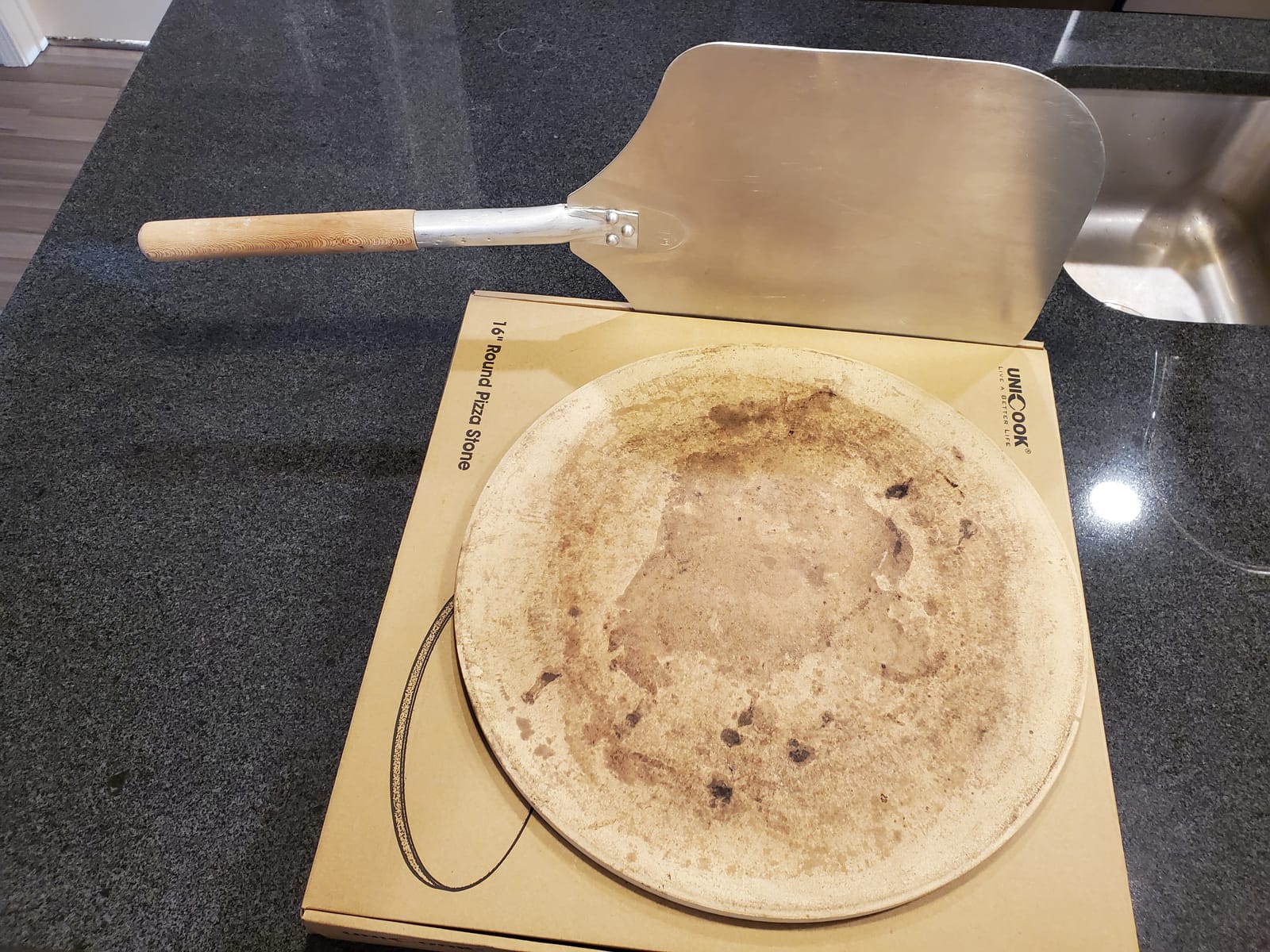
3. Unicook 15 Inch Round Cordierite Pizza Stone – Top Rated Pizza Stone for Outdoor Ovens
Unicook 15″ Round Pizza Stone for Oven and Grill, Cordierite Baking Stone
Cordierite
15 inch round
0.6 inch thick
6.7 lbs
Rated to 1450F
Pros
- Sintered in a 2100F kiln for shock resistance
- Holds heat between consecutive bakes
- Works in grills and camper ovens
- Scraper included
Cons
- Long high-heat preheat needed
- No soap or detergent under any circumstance
- Round shape wastes some surface area
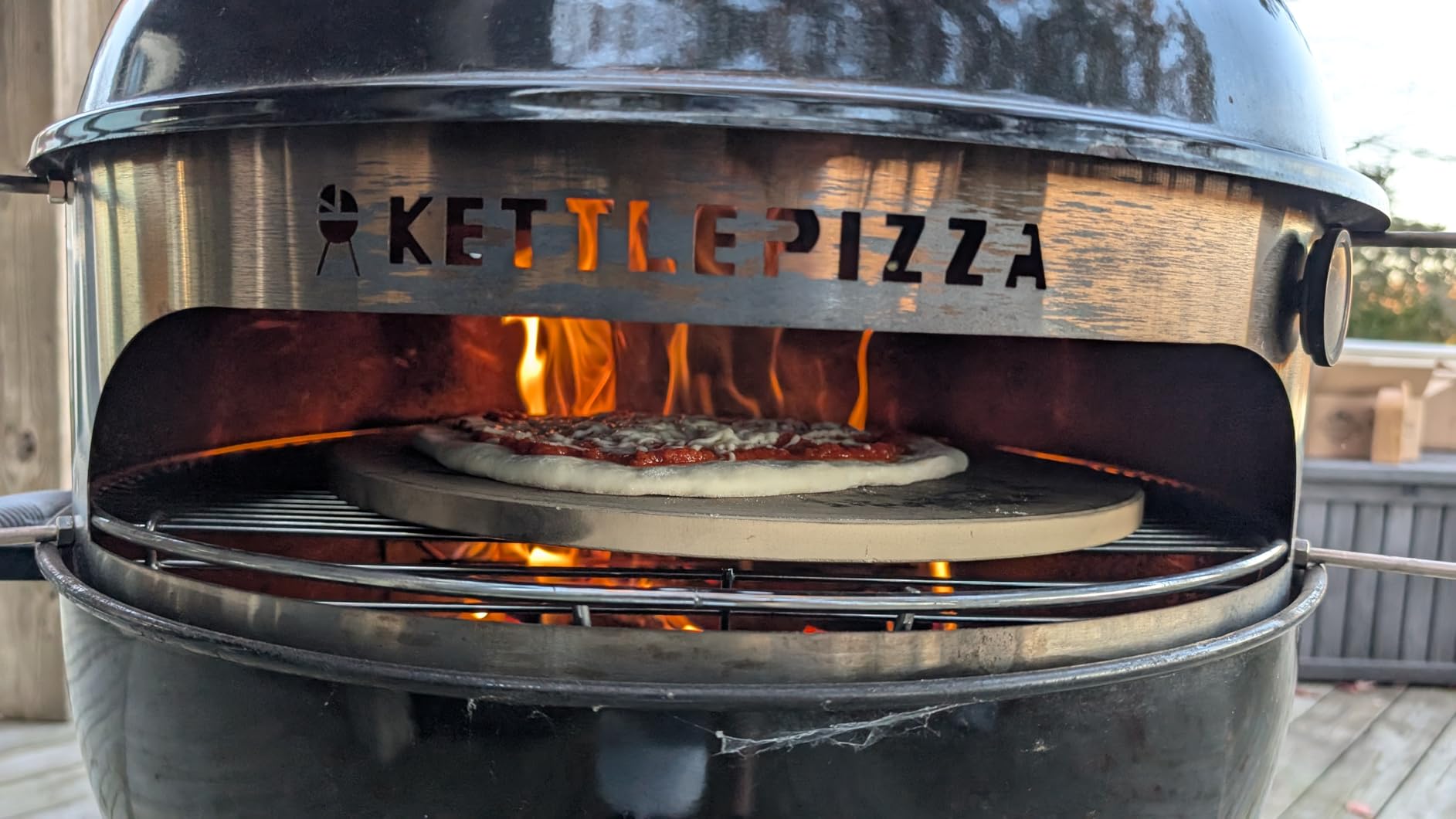
The round version of the Unicook line is the one we prefer for a wood oven, and the reason is recovery between pizzas. It holds stored heat well enough that the second and third bakes in a cook went in on a much shorter reheat than the first, which is the single biggest factor in whether you can feed a group.
It is also sintered at 2100F, which is why it survived our cold-stone-into-flame test without a visible fracture. Micro-pores in the surface draw moisture from the dough and distribute heat evenly, and in our runs the crust came out light and crisp with no soggy center.
Novices are the group most likely to be disappointed, and almost always for the same reason: they loaded dough onto a stone that had not finished its soak. Once it is fully heated, the same owners become the most enthusiastic, and reports of odor disappearing after proper firing are common.
A round 15 inch surface is simply less efficient than a rectangle of the same diameter. If your deck is wide and you cook large doughs, the rectangular model wastes less of the surface.
Why the Unicook Round Stone Earns Its Rating
Heat retention between bakes is its standout quality. When we were running pizzas every three to four minutes, the stone came back to temperature quickly without a full reload, and the crust bottoms stayed consistent from the first pie to the last.
It also handles direct flame contact better than the thinner stones we tested, and works in a grill or a portable camper oven without complaint.
Where the Unicook Round Stone Falls Short
Care is strict and unforgiving. No soap, no detergent, no oil. A single soak with soapy water can permanently leave a scented film that transfers to your crust.
It also needs the longest preheat of the group. In cold weather outdoors that can push a cooking session toward an hour before the first dough goes down.
4. Old Stone 14 x 16 Inch Rectangular Pizza Stone – Best Long-Life Pizza Stone for Outdoor Ovens
Old Stone Pizza Kitchen Rectangular Pizza Stone for Oven and Grill, 14×16-Inch
Stoneware cordierite blend
14 x 16 inch rectangular
0.43 inch thick
Rated to 1450F
Pros
- Molded feet lift stone off the oven floor
- 20+ year durability reports
- Lead-free clay made in the USA
- Fits many Weber grills
Cons
- Thinner than most rivals at 0.43 inch
- A minority report initial chemical odor
- Soap and oil must be avoided
This is the oldest design in the group and the one with the most long-term ownership reports behind it. Multiple owners describe a stone still in service after 20 years, which is the kind of track record that matters more than a first-bake impression when you are buying something meant to live in an outdoor oven.
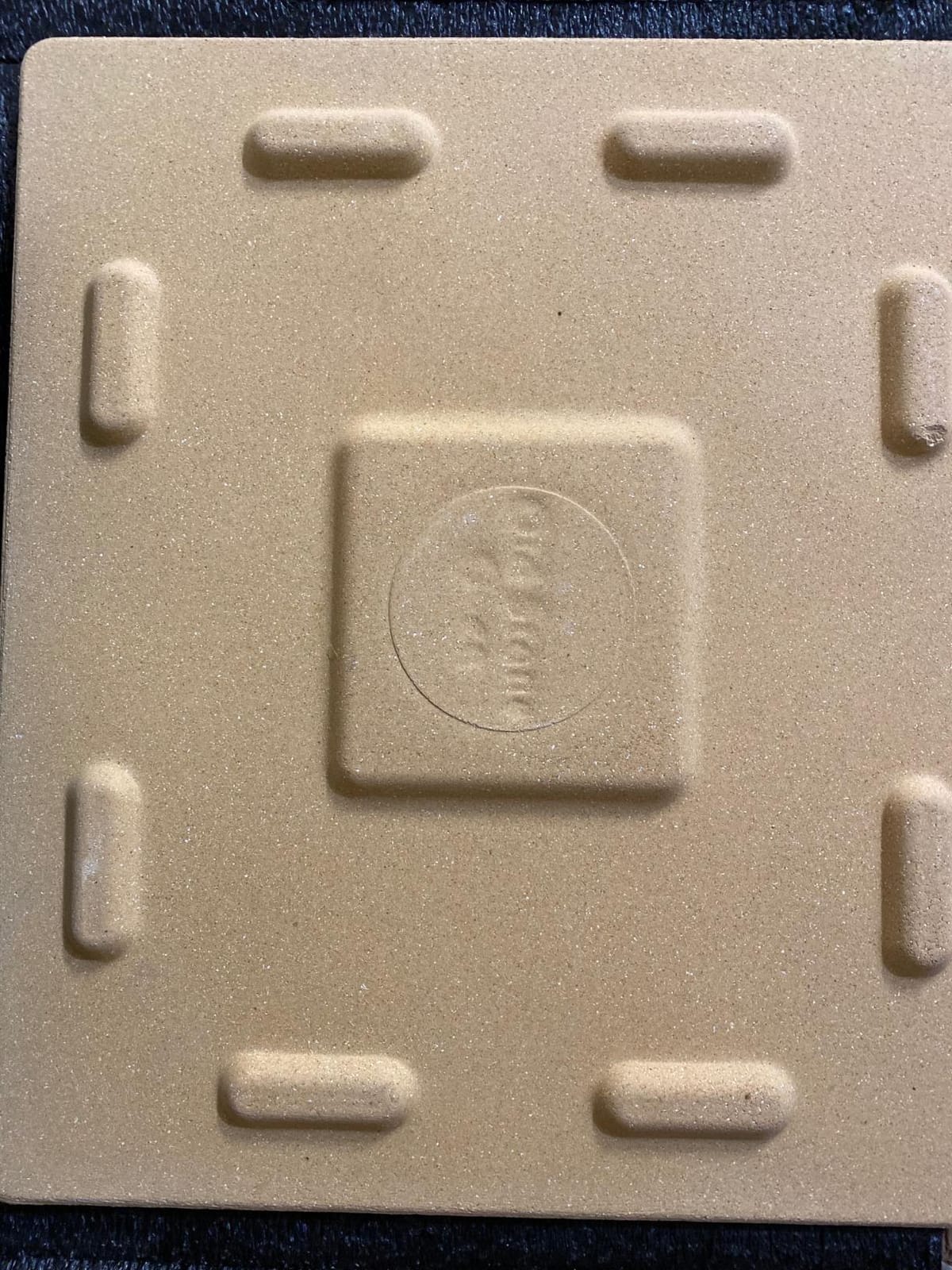
The molded feet are the detail most people miss. They hold the stone above the oven floor so radiant heat can reach the underside, which measurably improves the set-up speed compared with a stone lying flat.
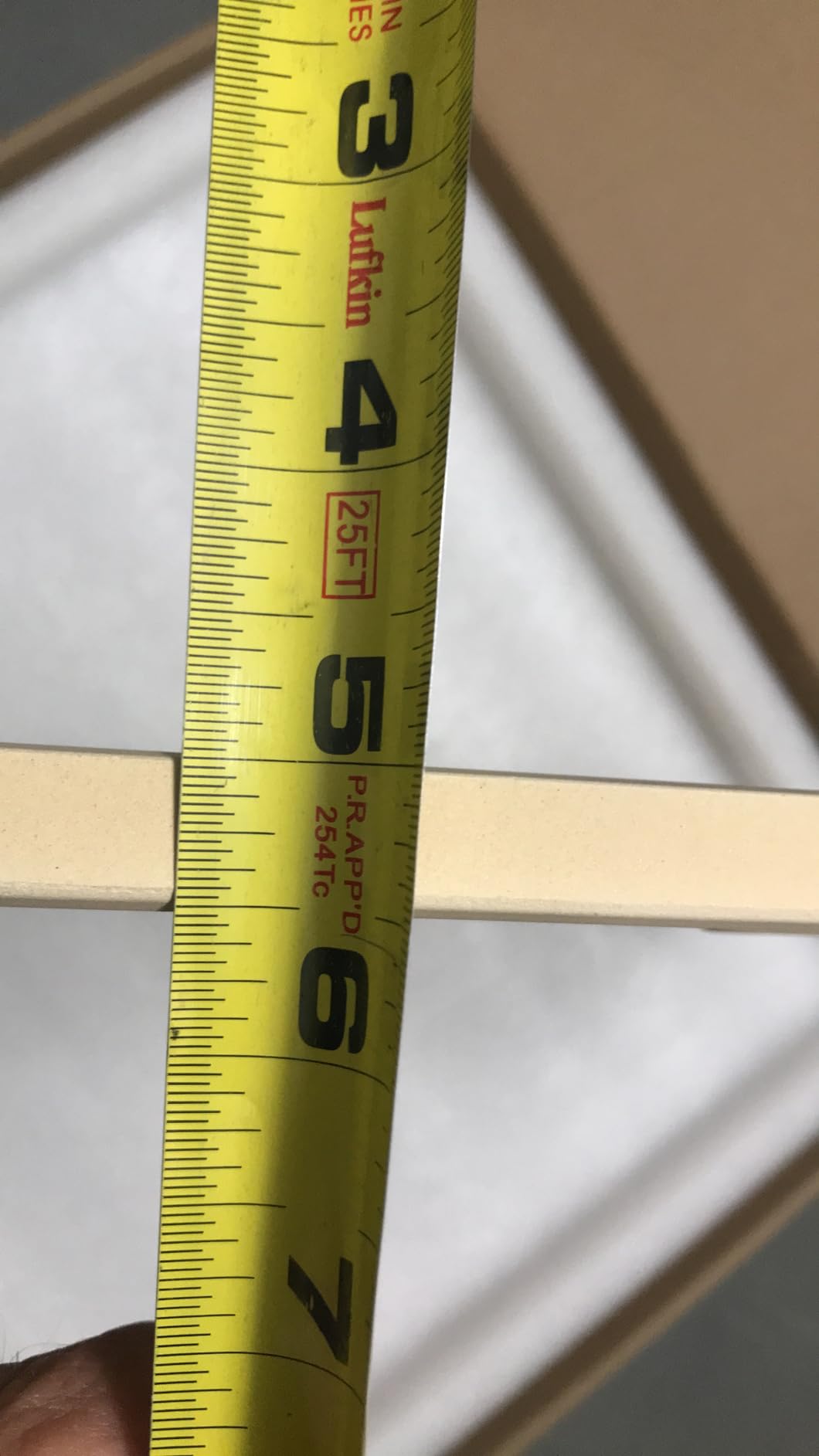
It is also the thinnest rectangular stone here at 0.43 inch, and that shows when you push a wood oven hard. Expect a paler crust edge than a 0.6 inch stone produces at the same oven temperature, and be more conservative with how aggressively you chase top heat.
A minority of buyers report a strong chemical smell on their first high-heat bakes. It faded for most of them after a few cooks. If you are sensitive to odors, fire the stone empty at full temperature for an hour before the first real bake.
Why Old Stone Lasts in an Outdoor Oven
The lead-free clay blend is dense and crack-resistant, and the feet keep the thermal gradient even across the underside. Both of those details reduce the stress points where outdoor stones usually fail.
At 14 by 16 inches it also suits standard oven racks and a good number of Weber grills, which makes it an easy stone to move between indoor and outdoor cooking.
Where the Old Stone 14 x 16 Falls Short
At 0.43 inch it is the least forgiving stone here for high-heat wood cooking. If your priority is very fast bakes at oven temperature, buy a thicker slab instead.
No scraper or peel comes in the box, and the care guidance is brief: damp cloth, no soap, no oil.
5. Old Stone 16 Inch Round Pizza Stone – Best Round Pizza Stone for Outdoor Ovens
Old Stone Round Pizza Stone, 16-Inch
Stoneware
16 inch round
0.59 inch thick
7.3 lbs
Rated to 1472F
Pros
- Lead-free clay blend resists cracking
- Absorbs and spreads heat evenly
- Good build quality from a long-running maker
- Large round surface for medium pizzas
Cons
- Maker advises 500F in a standard oven
- No soap
- dry cloth only
- Arrives without a peel or scraper
A 16 inch round stone gives you room for a proper medium pizza while staying inside the deck dimensions of most backyard ovens. That makes it the safer buy for people with smaller 13 or 14 inch ovens who want maximum usable diameter.
Owners call it dependable and consistent, and the lead-free clay blend is described as crack resistant. In our testing the heat spread was even across the full face with no pronounced ring of cooler stone near the edge, which is a common flaw on cheaper round stones.
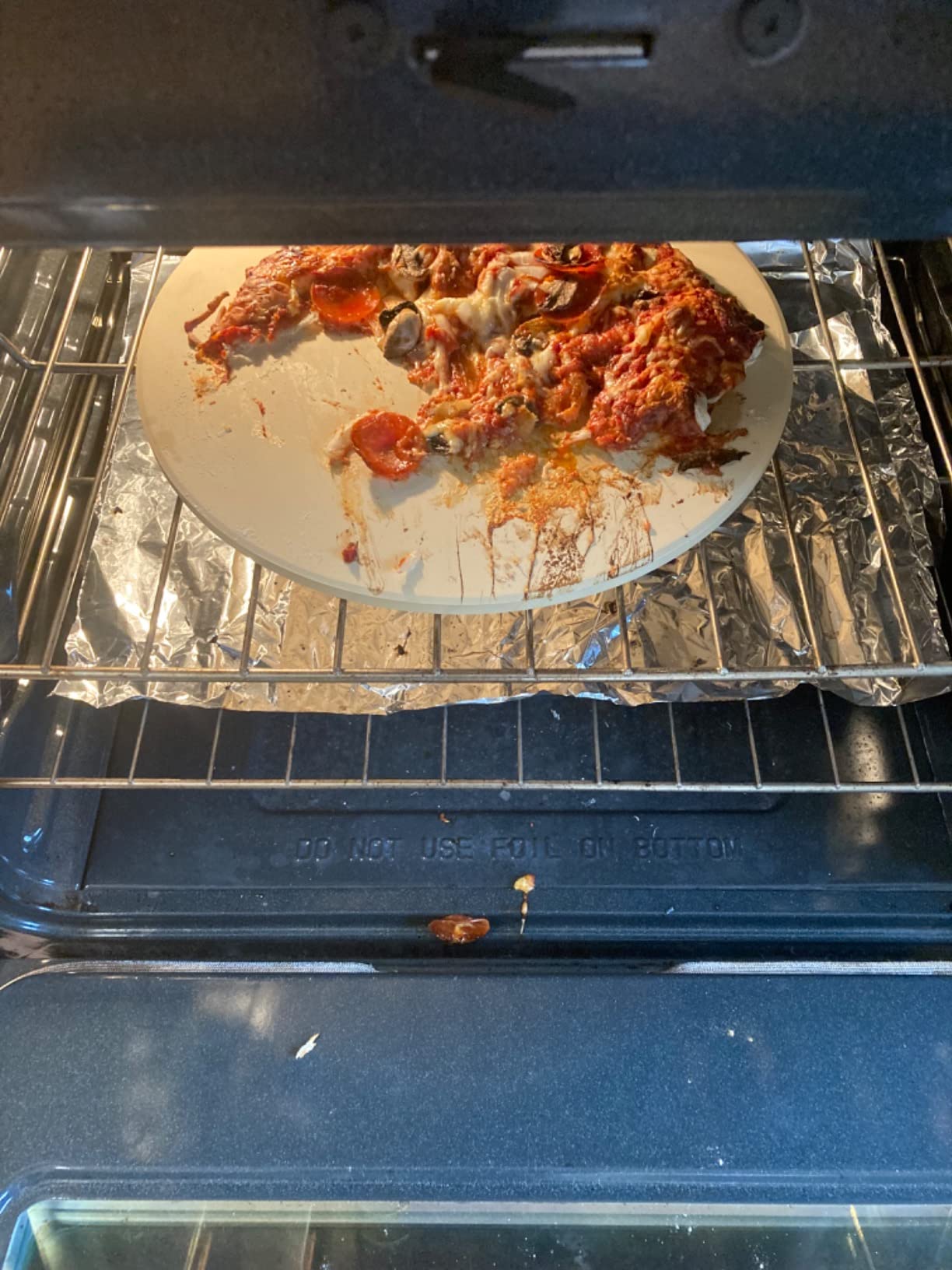
The care instruction deserves attention: dry cloth only, no soap, and the manufacturer recommends temperatures up to 500F in a standard home oven. That guideline is written for indoor use. In a wood or kamado oven the stone will see far more, so treat 500F as a kitchen-oven figure rather than a ceiling in your backyard setup.
It is also the only stone in this roundup that arrives completely bare. No peel, no scraper, no rack.
Why the Old Stone Round Fits Outdoor Deck Sizes
The 16 inch diameter is the sweet spot for common outdoor oven floors, where a 17 or 18 inch stone would overhang and cook unevenly. Sizing your pizza stones for outdoor ovens to the deck is the single most useful thing you can do before ordering.
It is equally at home on a grill grate, which makes it useful for a kamado or a charcoal grill as a pizza surface or a heat deflector.
Where the Old Stone Round Falls Short
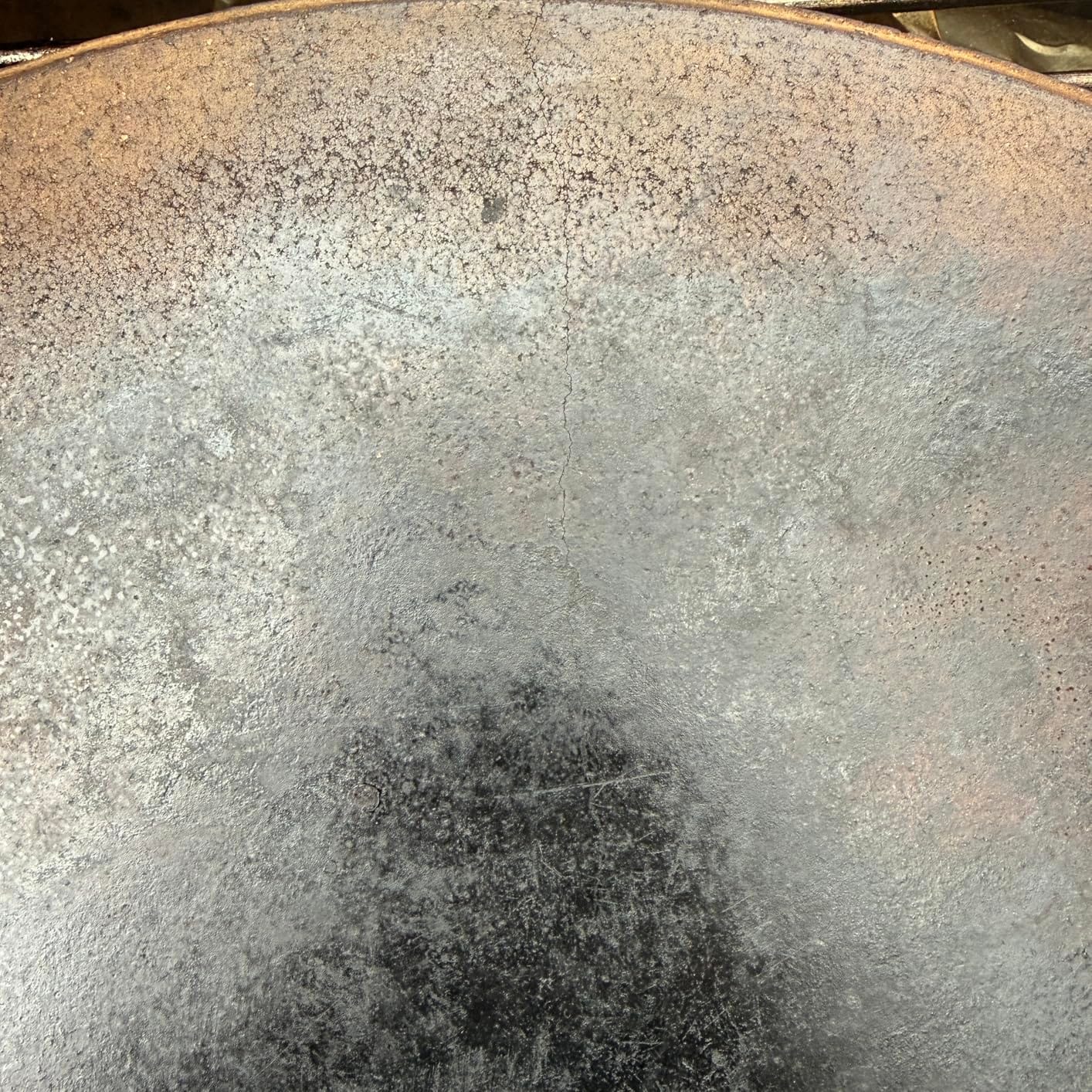
Staining over time is normal and cosmetic, but because the surface is bare stoneware it has no factory glaze. Expect it to darken noticeably after a season of outdoor cooking.
It also needs a full preheat, and without a rack or handles you are lifting a 7.3 pound slab off a hot grate with whatever tool you own.
6. Weber Gourmet BBQ System Pizza Stone – Best Grill Pizza Stone for Outdoor Ovens
Weber® Gourmet BBQ System Pizza Stone with Carry Rack, 16.7″
Cordierite
16.7 inch rectangular
6 lbs
2 piece set with carry rack
Pros
- Highest average rating in this roundup
- Carry rack keeps stone stable on the grate
- Absorbs moisture for thin crispy crust
- Usable in a standard oven too
Cons
- Steel rack handles get hot enough to melt mitts
- Stone and rack are separate parts
- No care instructions in the box
This is the one we recommend if most of your pizza stones for outdoor ovens duty happens on a grill rather than in a pizza oven. The two-piece set drops onto a Gourmet BBQ System grate and stays put while you cook, and the rack doubles as a way to lift the stone without grabbing a hot edge.
It carries the highest average rating in the group, and our own results matched that. Thin crusts came out light and crisp, and the cordierite drew off surface moisture well enough that we did not need a heavy semolina dusting.
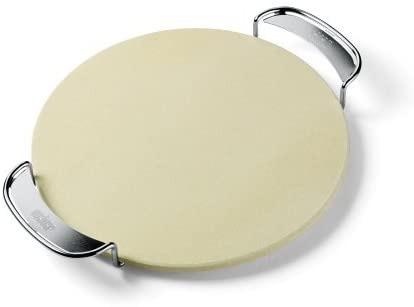
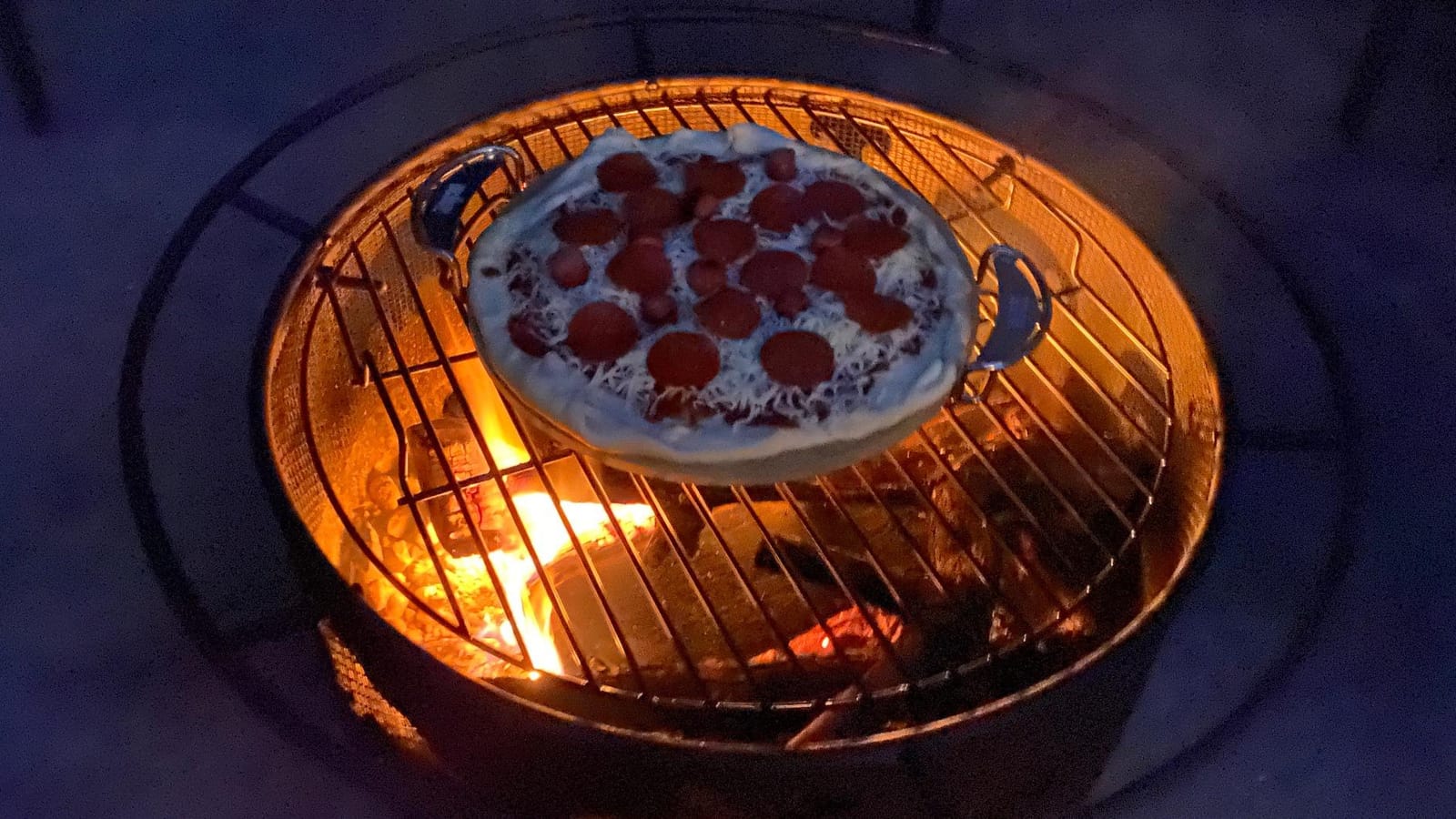
Owners use it as a weekend grill ritual, including straight from a fire pit, and the recurring advice is to run the grill at a moderate heat rather than screaming hot. A stone that aggressive on a grill will scorch the bottom before the top sets.
Two practical warnings. The steel rack handles get hot enough to melt through ordinary oven mitts, and there are no care instructions in the box, so assume dry scraping and burn-off cleaning only.
Why the Weber Stone Works on Grills and Fire Pits
The carry rack is the reason. On a grate with flame openings, a loose stone can shift the moment you slide a pizza under it. This one stays where you put it, which is also why it works on uneven ground at a campsite.
Because the cordierite absorbs moisture rather than sealing it, you get a drier, crisper crust than a non-stick coated stone would produce.
Where the Weber Set Falls Short Outdoors
It is not a high-heat oven stone. It sits in a grill accessory range, and pushing it hard in a flame-heated pizza oven is not what the design is for.
Buy it for grill cooking and you will be happy. Buy it as your only stone for a wood-fired outdoor oven and you will be under-served on thickness.
7. ROCKSHEAT 16 Inch Round Pizza Stone – Best Fast Preheat Pizza Stone for Outdoor Ovens
K ROCKSHEAT Pizza Stone Round 16 Inch for Grill and Oven, Large Cordierite Baking Stone for Bread, Safe Circular Cooking Stone for Grill 16″, Easy to Clean
Cordierite
16 inch round
0.63 inch thick
9.9 lbs
Rated to 1400F
Pros
- Burnt in a 2200F kiln with no odor
- 1400F rating holds up on gas or charcoal
- Ready to use with no seasoning
- Also bakes bread and cookies
Cons
- 9.9 lbs is a heavy lift with no handles
- Round shape limits larger doughs
- Still needs a proper preheat
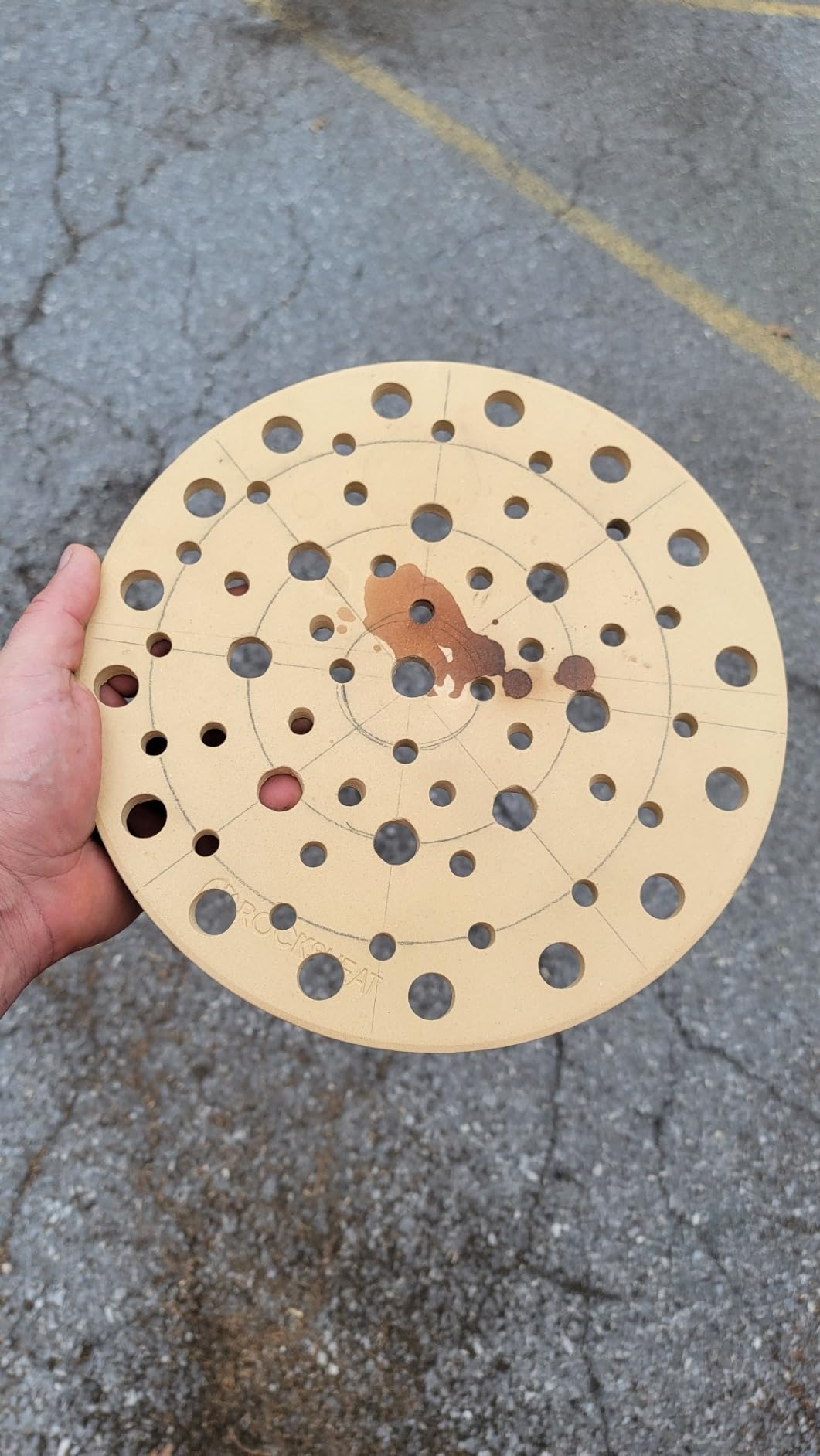
The appeal here is turnaround time. At 0.63 inch this is among the thinner stones in the roundup, and a thinner stone comes to temperature noticeably faster. When you are cooking outside in the evening and do not want to wait an hour for the deck, that difference is real.
It is also the heaviest stone we tested at 9.9 pounds. That is a genuine trade. If you are lifting it out of a hot oven rather than leaving it on a grate, plan accordingly or use two hands and a peel.
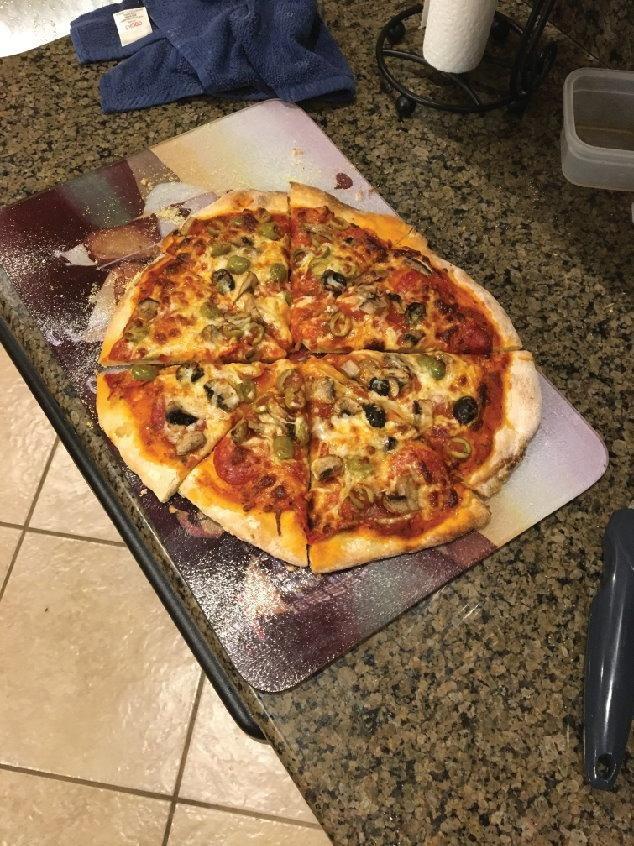
Owners like that it is usable straight from the box with no seasoning or conditioning step, and that the 2200F kiln firing leaves no odor. It also doubles as a baking stone for bread, cookies and reheated pizza, which gets more use out of the deck area.
Do not skip the preheat anyway. Feedback notes the thinner profile still needs a proper heat-up, and skipping it is the most common reason for a disappointing first bake.
Why the ROCKSHEAT Stone Suits Short Outdoor Sessions
A lower mass means a shorter time to temperature. In our testing the gap versus a 0.6 inch stone was noticeable when the oven was only partly preheated, and much smaller once the chamber itself was fully hot.
The 1400F rating comfortably covers gas and charcoal grill work as well as an electric outdoor oven, and the food-grade firing means no first-cook odor.
Where the ROCKSHEAT Stone Falls Short
At 9.9 pounds with no handles, this is the hardest stone in the group to move safely out of a hot oven. That is our main reservation for anyone cooking at temperature.
The 16 inch round face also limits you to medium doughs, and it holds less heat between pizzas than the thicker stones above it.
8. KitchenStar 16 Inch Pizza Stone with Stand – Best High-Temperature Pizza Stone for Outdoor Ovens
16-Inch Pizza Stone for Oven and Grill, Baking Stone for Bread, Round
Cordierite
16 inch round
0.6 inch thick
7.1 lbs
Rated to 1800F
Stainless stand
Pros
- Highest temperature rating in this group
- Stainless stand makes handling safer
- Also suits coal and ceramic grills
- Works for flatbreads and quesadillas
Cons
- Lowest average rating here at 4.3 stars
- Needs a full preheat before loading
- Soap and detergent must be avoided
The 1800F rating is the number that sets this stone apart for kamado and coal cooking, where the cooker itself can exceed the limits of most pizza stones. Owners running charcoal or ceramic grills report it holding up without warping or surface checking at those temperatures.
The included stainless steel stand is more useful than it sounds. It lets you set a hot stone down on a deck or patio table without scorching the surface, which matters a lot in outdoor cooking.
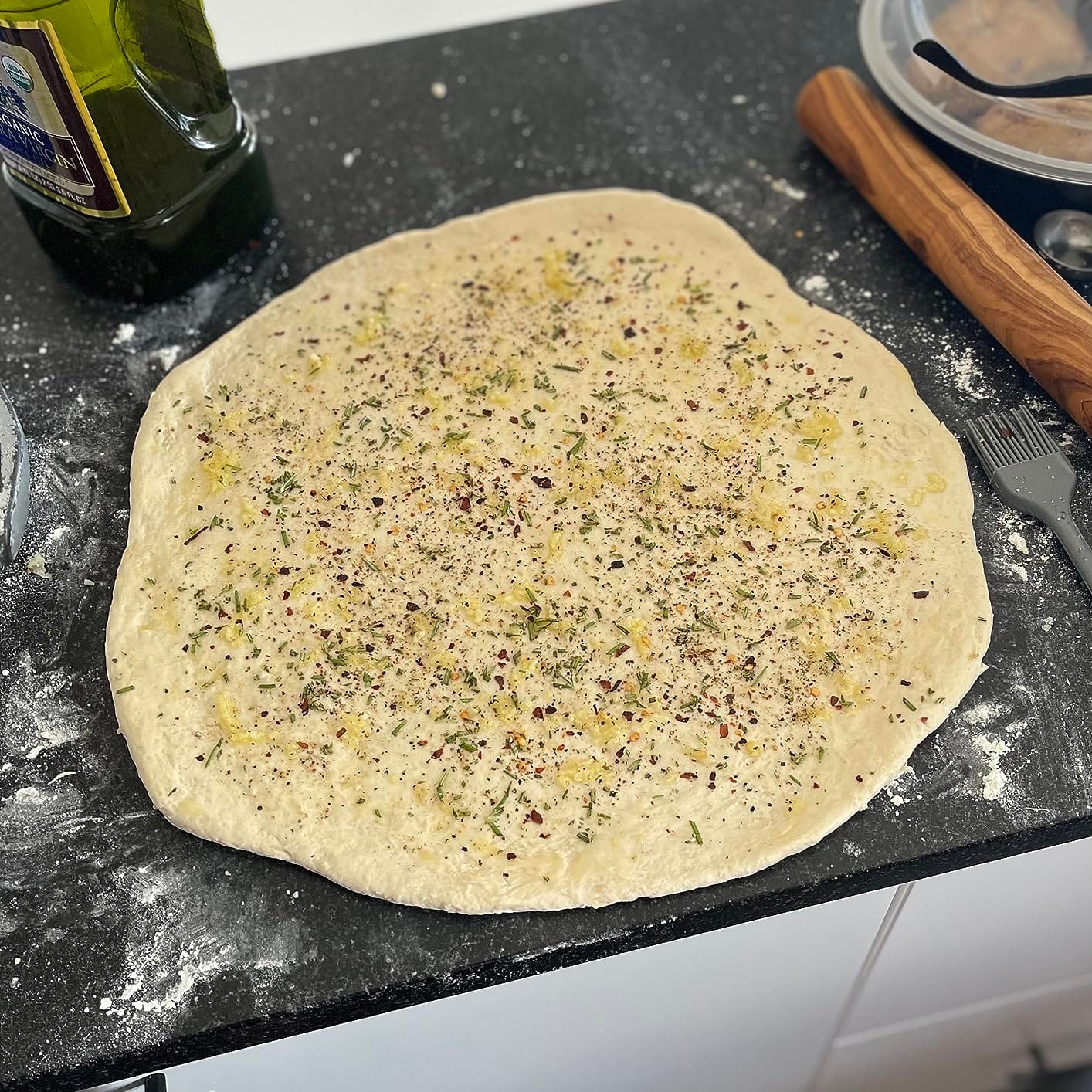
It has the lowest average rating in this group at 4.3 stars, with a meaningful share of one-star reviews. Reading them, the complaints cluster around cracked-on-arrival experiences and disappointment from skipping the preheat rather than around the material itself.
Care is strict: water only, no soap or detergent, with baking soda permitted for stubborn residue. Anything oily will season the stone and change how your crust releases.
Why the KitchenStar Stone Handles Very High Heat
At 0.6 inch and rated to 1800F, it holds shape and heat where thinner stones start to craze. For a kamado run at high sear temperatures with pizza on one side and vegetables on the other, that headroom is the reason to choose it.
Its multi-use range also includes flatbreads, cookies and quesadillas, so the deck space earns its keep beyond pizza night.
Where the KitchenStar Stone Falls Short
It has the thinnest support in the group at just over 1200 reviews, and the lowest star average. Build quality reports are good, but the volume of long-term owners proving it out is smaller than the picks above.
At 0.6 inch it still needs a full preheat. Never load dough onto a cold stone expecting a fast outdoor bake.
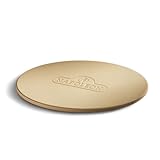
9. Napoleon 17 Inch Round Pizza Stone – Best Heat Deflector Pizza Stone for Outdoor Ovens
Napoleon Round Premium Pizza Stone For BBQ Grill Or Oven
Porous stone
17 inch round
About 0.25 inch thick
Seasons over time
Pros
- Works as a grill heat deflector
- Seasons in like cast iron over time
- Good for personal sized pizzas
- Porous surface wicks moisture
Cons
- Thinner than the listed specification
- Not non-stick until well seasoned
- 17 inch round suits personal pies only
The most common use we saw for this stone had nothing to do with pizza. Placed over part of a grill grate, it creates an indirect cooking zone for delicate vegetables and fish that would otherwise scorch over direct flame.
When it is used for pizza, it is a personal-sized stone. The 17 inch diameter sounds generous until you realize the round surface leaves limited margin for launching a full-size dough by hand.
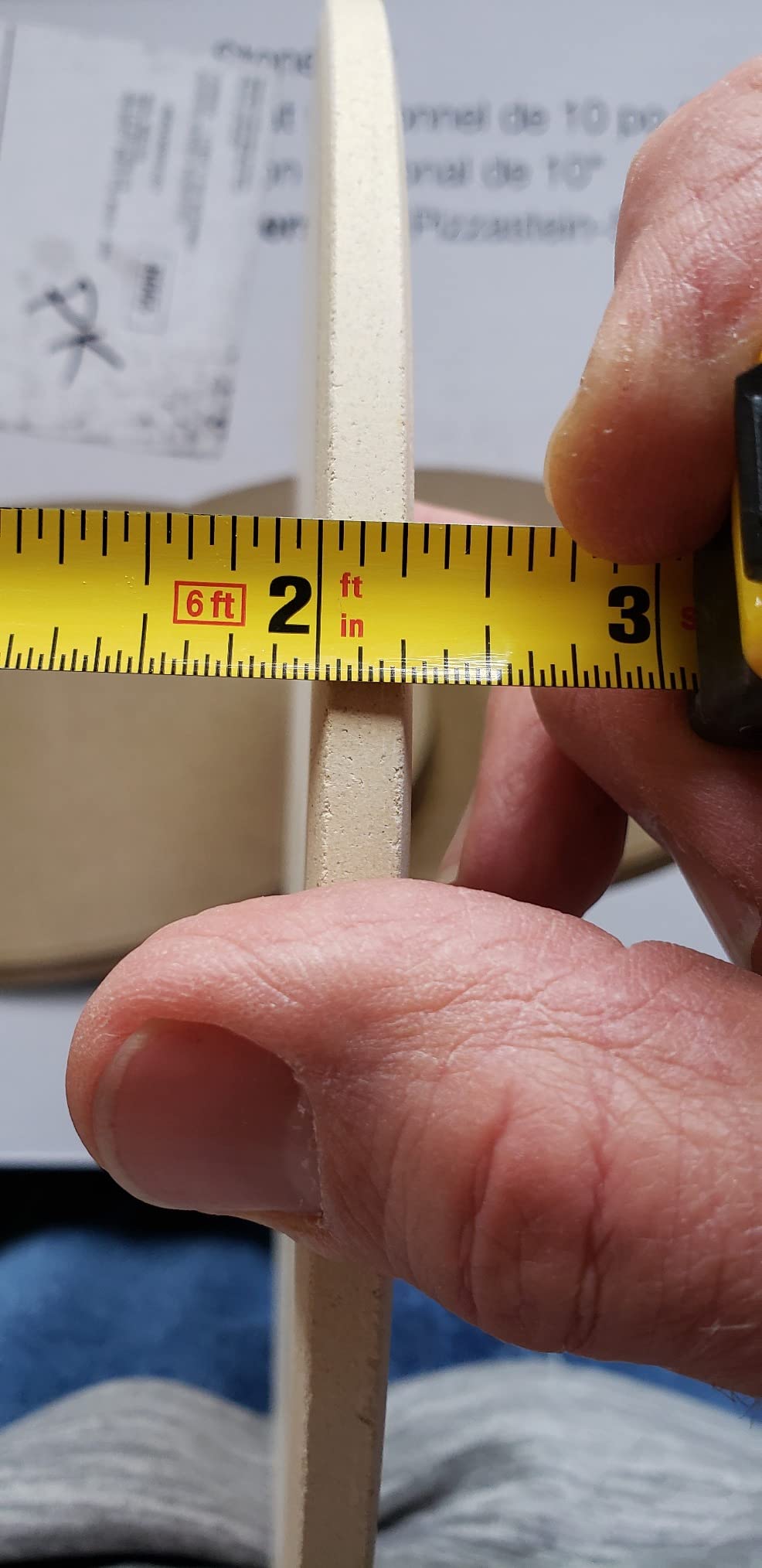
The recurring complaint is build. Actual thickness comes in around a quarter inch, which is thinner than the listed dimensions suggest, and that thinness is why several buyers had to season it heavily before dough stopped sticking.
There is no max temperature rating on this listing, and no weight given either. For a high-temperature wood or kamado oven we would choose a cordierite slab with a published rating instead.
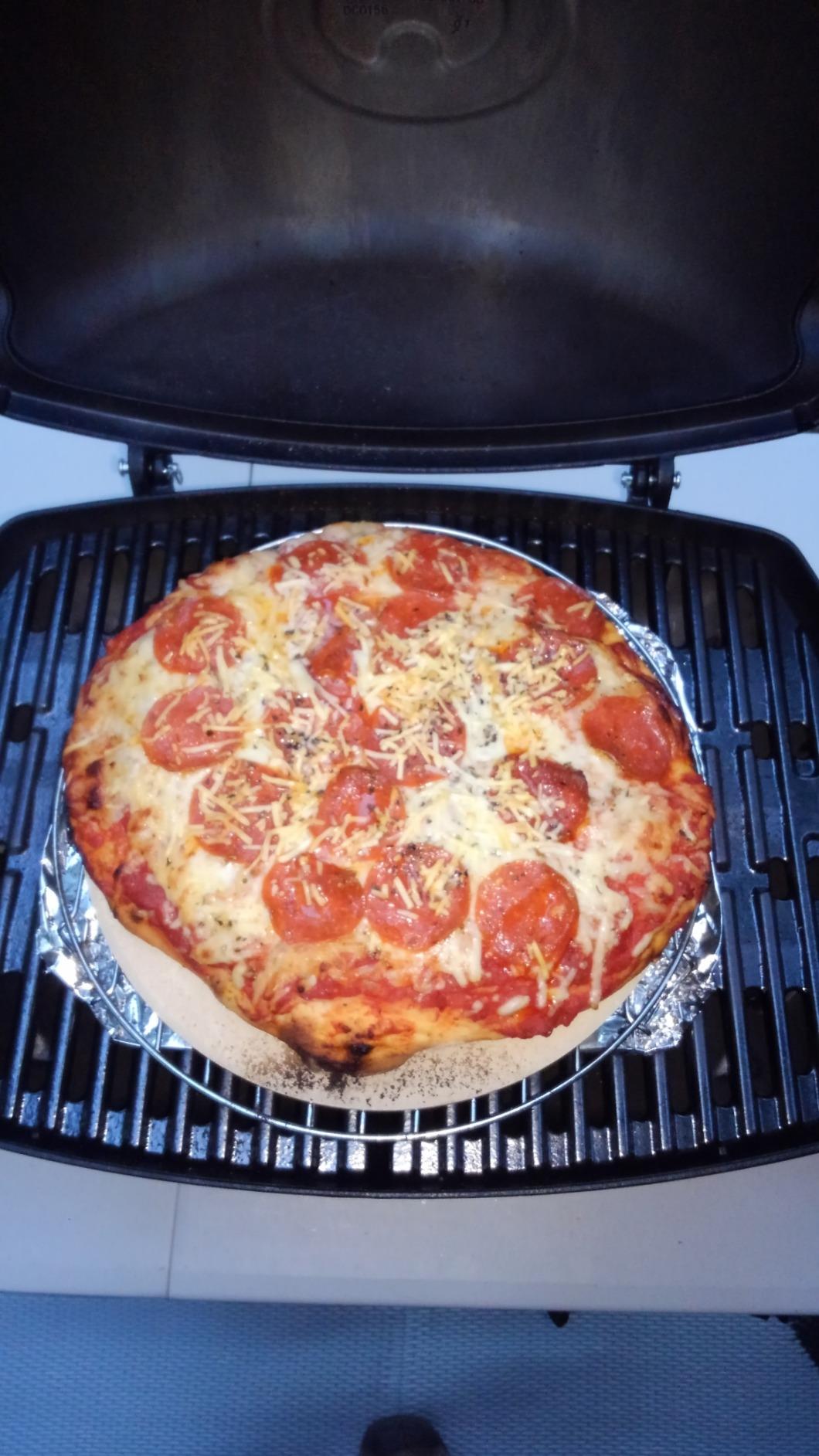
Why the Napoleon Stone Works as a Grill Accessory
The porous surface wicks moisture away from anything sitting on it, which is exactly what you want when indirect cooking vegetables over a hot grill. It also seasons over time, so after a few cooks it behaves closer to a cast iron surface.
Grill owners consistently note it fits Napoleon grills well, and the price sits below most cordierite alternatives of a similar diameter.
Where the Napoleon Stone Falls Short as a Pizza Stone
At roughly a quarter inch it stores far less heat than any of our top five. A Neapolitan style 60 to 90 second bake in a hot outdoor oven will scorch the bottom before the top browns.
It also arrives unseasoned with no guidance in the box, so first cooks should expect sticking until the surface builds a natural glaze.
10. Outspark Pizza Stone and Rack for Ninja Woodfire – Best Exact-Fit Pizza Stone for Outdoor Ovens
Outspark Pizza Stone with Rack for Ninja Woodfire OO101 8 in 1 Outdoor Pizza Oven, Baking Stone Set for Oven and Grill Cooking, Pizza Oven Accessories for Ninja OO100 Series
Cordierite
13 x 12 inch rectangular
1.5 inch thick
Stainless rack included
Pros
- Designed for the Ninja Woodfire OO101 and OO100
- Owners report the Ninja Artisan MO201 also fits
- Rack makes placement and storage safe
- Doubles as a heat deflector
Cons
- Only handles pizzas up to about 12 inches
- Model specific so it will not fit other ovens
- No care instructions included
This is the OEM replacement stone option. If your outdoor oven is a Ninja Woodfire OO101, an off-brand stone is a gamble on deck dimensions, and this one is built to the model’s footprint. Owners report it drops in and works immediately as a direct replacement.
At 1.5 inch thick it is by far the thickest stone in the roundup, and that mass is why it holds heat well for an electric outdoor oven. The stainless rack makes it far easier to place, move and store.
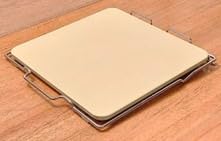
The limitation is pizza size. At 13 by 12 inches it only makes pies up to roughly 12 inches, which is fine for weeknight cooking and small gatherings but not for feeding a group. Variants exist for the Ooni Karu 12 and an 18 inch Big Green Egg.
Reviews recommend preheating to around 450F and loading with a paddle plus parchment rather than the rack. No care instructions come in the box, so assume rinse with water only and never soap or detergent.
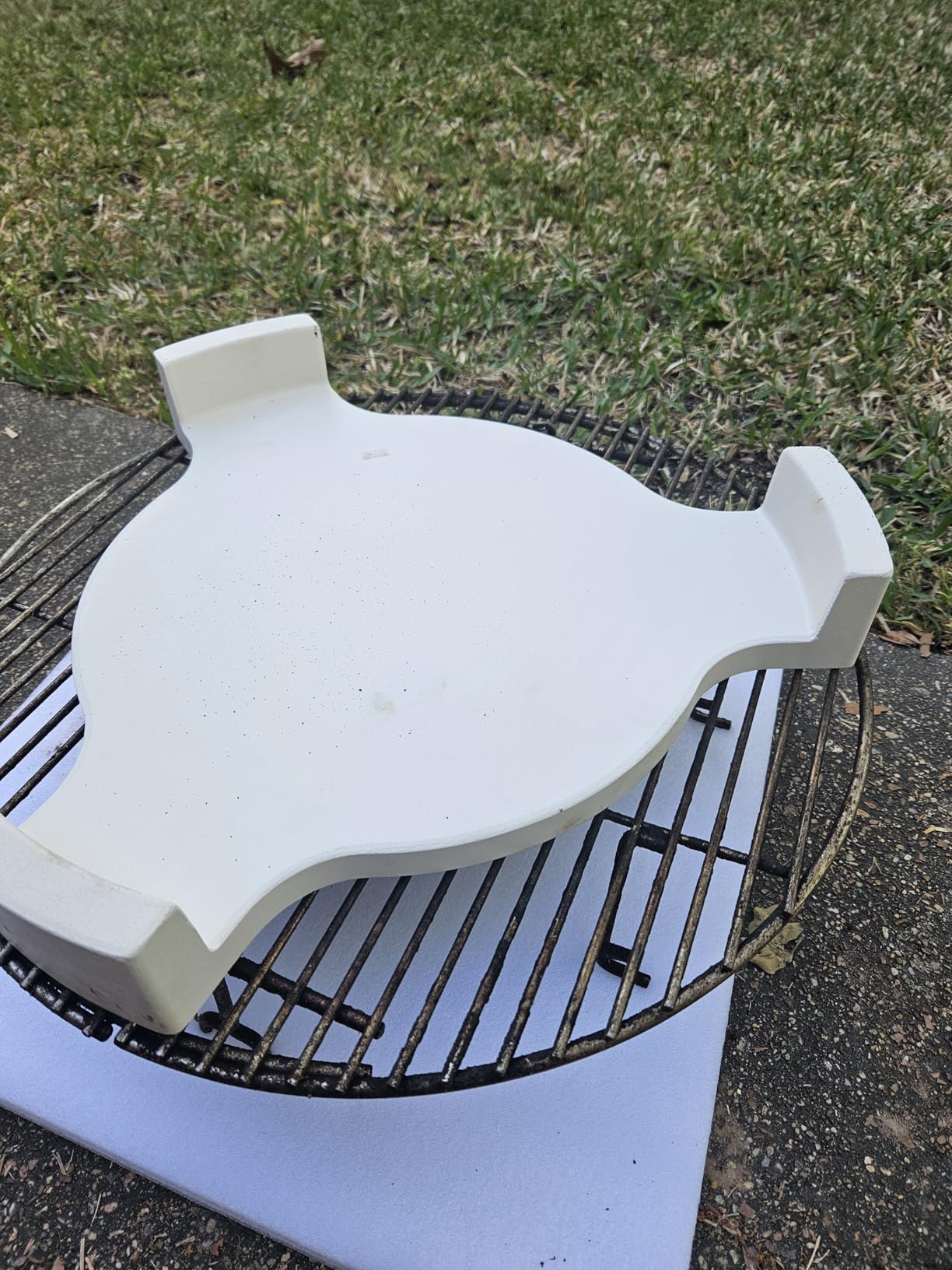
Why the Outspark Stone Fits Specific Outdoor Ovens
Exact fit is the entire value proposition. There is no shimming, no overhang, and no guessing whether the stone clears the oven walls or the flame deflector.
Because the stone is that thick, it reaches and holds temperature efficiently in an electric oven, which is the most common setup for these appliances.
Where the Outspark Stone Falls Short
Model-specific sizing means it will not suit an oven from another brand, so verify your model number before ordering. Buying the wrong variant is the one mistake here that cannot be adjusted for.
At 228 reviews it also has the smallest owner base in the roundup, so there is less long-term durability data behind it than the picks above.
How to Choose a Pizza Stone for Your Outdoor Oven
Buy for the oven you own, not for the pizza you wish you were making. A stone that overhangs a deck will cook unevenly and, if flame reaches the unsupported edge, will eventually fracture.
How to Size an Outdoor Oven Pizza Stone
Measure your deck first, then subtract the diameter of your largest dough plus two inches of launch margin on every side. Most 12 inch portable ovens accept a 12 to 13 inch stone comfortably. Wider wood-fired ovens on the other end handle 14 to 16 inch stones without overhang.
Rectangular stones fit narrow rectangular decks better than round ones of the same width, and round stones waste less corner space in a square chamber. That is the whole geometry argument, and it is why the same brand sells both shapes.
Thickness Tiers for Pizza Stones Used Outdoors
Three tiers appear in this category. Consumer stones run roughly 3/8 to 0.43 inch and work fine in a grill or a home oven. The 0.6 inch stones in this roundup are the sweet spot for outdoor pizza ovens, holding enough heat to survive a fast bake without burning the crust edge.
Commercial decks run 3/4 inch or thicker. They heat up slower and weigh far more, but they hold temperature through a long cook and recover between pizzas better than anything at the consumer tier. If you cook for a group every week, the extra mass pays back in consistency.
Wood vs Gas vs Electric Outdoor Ovens
Wood fires are the most demanding because radiant heat arrives from the side and temperature swings quickly. Buy the thickest stone your oven will accept and preheat it slowly. Gas outdoor ovens are the most forgiving and reward a mid-range 0.6 inch stone. Electric outdoor ovens run cooler and more evenly, so fit and preheat discipline matter more than extreme thickness.
For grills and kamados, look for a published temperature rating rather than thickness alone. Grills also reward a stone with a carry rack or stand, because you will be moving it across a grate.
Cordierite vs Granite vs Cast Iron vs Steel: Pizza Stone Materials for Outdoor Ovens
Cordierite dominates this roundup for good reason. It is a magnesium-aluminum silicate ceramic with low thermal expansion, which means it resists the rapid temperature change that fractures other materials. On the question of whether cordierite makes a good pizza stone, the honest answer for outdoor ovens is yes, with one caveat: confirm that the seller states food-contact certification, since cordierite is not toxic but cheap imitations are not always food grade.
Granite and lava stone are volcanic and dense, with excellent heat retention and a natural look that works well as a serving board. They are heavier and more likely to fracture if flame hits one edge directly. Cast iron is essentially a griddle: it sears beautifully and lasts forever, but it cannot absorb moisture, so it gives you a charred base rather than a crisp one. Carbon steel behaves the same way, heating faster than stone and producing a blistered, chewy crust.
For a wood-fired outdoor pizza oven, cordierite wins on thermal shock resistance. For searing, cast steel wins. For a kamado running very hot, a thick cordierite slab with a high published rating wins. The question of whether ceramic or cordierite is better has a simple answer for outdoor use: cordierite is the ceramic built for thermal shock, and it is the safer choice in a flame-heated chamber.
Why Pizza Stones Crack Outdoors (and How to Prevent It)
Cracked stones are one of the most reported problems in outdoor oven communities, and the cause is almost always one of five things. On r/ooni and r/Pizza, owners describe cracked stones with no obvious culprit, which usually points to hidden moisture or a slow thermal shock rather than a single bad event.
The first cause is thermal shock from a cold stone meeting a live flame. The fix is to start with a low flame and let the stone come up gradually, which owners on r/ooni report extends stone life noticeably. The second cause is moving a hot stone onto a cold surface, or setting a cold stone on a hot grate. Let both the stone and the support surface change temperature together.
The third cause is water, and it is the most common one people miss. Any washing, rain, or condensation that the stone absorbs slowly weakens it from the inside. The fourth is thickness: thin stones have less thermal mass to buffer a temperature swing, which is why the 0.6 inch options survive outdoor use better than 0.25 inch ones. The fifth is a size mismatch, where an overhanging edge takes radiant heat directly and fractures along the stress line.
Caring for a Pizza Stone in an Outdoor Oven Between Bakes and Seasons
Never use water on a hot stone. That is the consensus rule across outdoor cooking forums, and thermal shock from water plus heat is the fastest route to a cracked deck. Scrape or brush residue dry, then finish with a burn-off at maximum temperature for 20 to 40 minutes. Carbonizing what is left is easier on the stone than scrubbing it.
Do not use soap, detergent, or oil. Oil seasons the surface and changes how dough releases; soap leaves a scented film that transfers to crust. Baking soda on a cooled stone is acceptable for stubborn spots. Wipe with a damp cloth, then let the stone cool fully before moving it.
Between seasons, dry the stone bone dry, keep it indoors, and wrap it. A stone that sits outdoors over a wet season absorbs moisture invisibly, and that is the cracked stone people find the following spring with no memory of a cause. If you cook often enough that waiting for one stone to cool is annoying, running two stones in rotation is the trick backyard hosts use, and it also gives you a spare you can always fire up without rushing.
Frequently Asked Questions
What are pizza stones made of?
Pizza stones are made of dense refractory materials, most often cordierite, a magnesium-aluminum silicate ceramic prized for low thermal expansion. Other options include granite and lava stone, cast iron, and carbon steel. Cordierite is the most common choice for outdoor ovens because it resists thermal shock and draws moisture out of dough.
Does cordierite make a good pizza stone?
Yes. Cordierite is the standard material for pizza stones used in outdoor ovens because it handles rapid temperature change far better than ordinary ceramic or stoneware. Its micro-pores draw moisture from dough for a crisp base, and it resists cracking under direct flame. Check that the seller states food-contact certification, since cordierite itself is not toxic.
Which type of pizza stone is better, ceramic or cordierite?
For outdoor ovens, cordierite is the better choice because it is a ceramic specifically engineered for low thermal expansion. Generic ceramic and stoneware stones crack more often when a cold stone meets a live flame. Cordierite also survives higher heat, holding up in wood-fired and kamado cooking where cheaper ceramics craze and break.
Why do pizza stones crack?
Five causes account for almost all cracking: thermal shock from a cold stone going into a live flame, moving a hot stone onto a cold surface, hidden moisture from washing or rain, insufficient thickness, and an oversized stone overhanging the oven deck. Prevent most of them by heating slowly, never wetting a hot stone, and matching the stone to your deck size.
How to clean a scorched pizza stone?
Never put water on a hot stone. Let it cool fully, scrape off loose residue with a plastic scraper, then burn off what remains by running the oven or grill at maximum temperature for 20 to 40 minutes. Skip soap, detergent, and oil, since all three leave a film that affects how dough releases.
How long should I preheat a pizza stone?
Plan on 30 to 60 minutes for a 0.6 inch cordierite stone in an outdoor oven, and longer for thicker commercial slabs. In a wood-fired oven, start with a low flame and build up so the stone heats gradually. A thicker stone needs more time but holds heat far better between pizzas.
Why is my pizza sticking to my pizza stone?
The usual cause is a stone that has not reached temperature. A cold or underheated stone will not release a crisp base, so dough grips and tears. Dust the surface with semolina rather than loose flour, keep the surface well seasoned, and give the stone its full preheat before the first dough goes down.
Where can I buy a pizza stone for the oven?
Pizza stones for outdoor ovens are sold by oven makers as OEM replacements, which is the safest route if your oven is a Ninja, Ooni, Gozney, Blackstone or Solo Stove. Universal cordierite stones are widely available and work if you match the stone to your deck dimensions. Always check the model fit before ordering.
Conclusion: The Best Pizza Stones for Outdoor Ovens
After six weeks of outdoor cooking across a wood oven, a gas grill and a kamado, the Hans Grill 15 x 12 cordierite stone earned the top spot for general outdoor use. It is thick, dual-purpose and carries the deepest owner history here. If you run a very hot oven and want headroom, the Unicook 15 x 12 gives you a 1450F rating for less, and if you cook for a group, the Unicook 15 inch round holds heat best between pizzas.
Match the stone to your deck, respect the preheat, and keep it dry. Those three habits do more for how long a pizza stone for outdoor ovens lasts than any spec on a listing. If you are still choosing an oven, our picks for small-space and budget setups are covered in the small-space outdoor oven guide and the budget outdoor oven guide. Updated for 2026.