
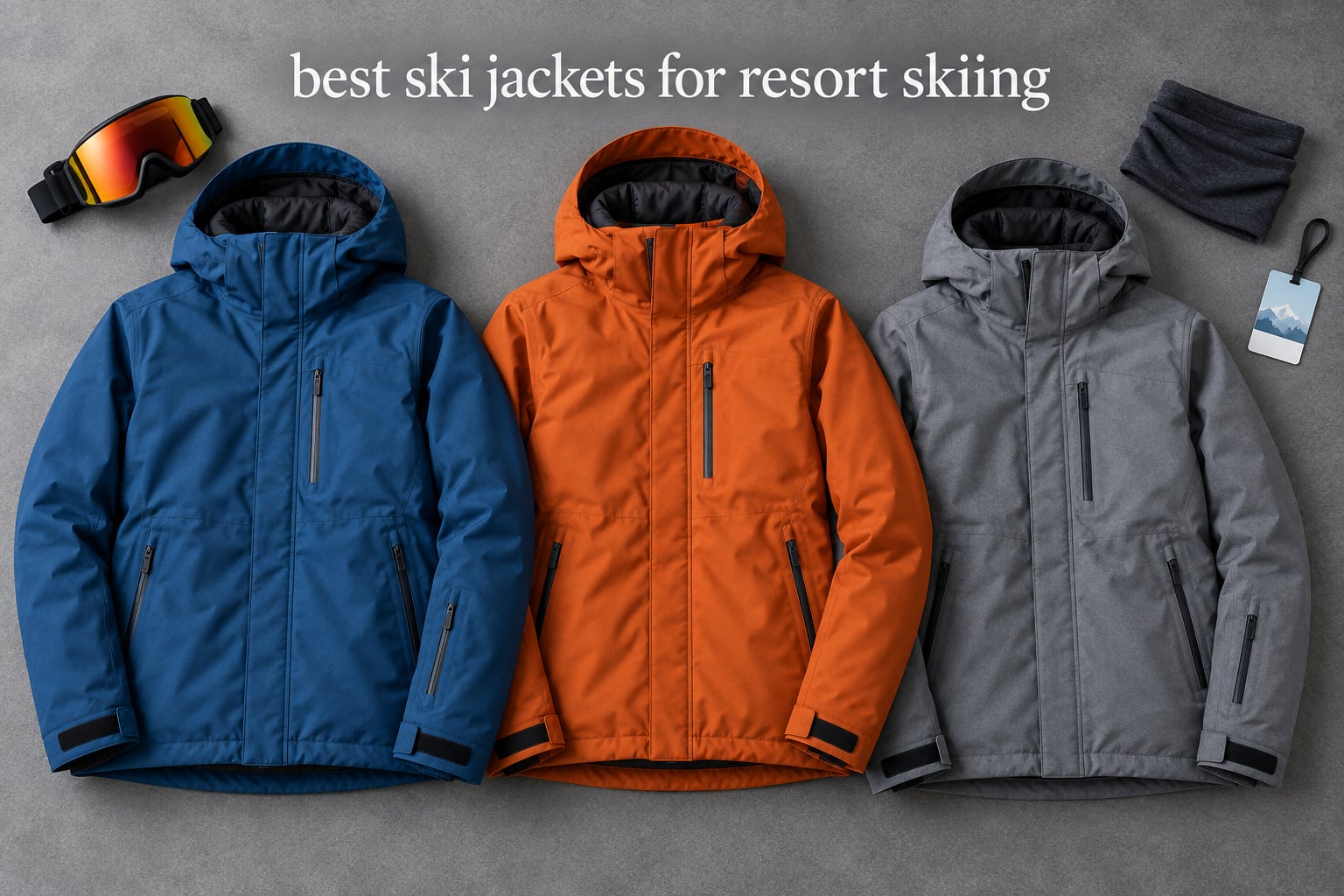
A resort ski jacket is the single most abused piece of gear you will ever own. It sits against chairlift bars, drags through wet snow, takes tree-well scrapes and faces a 30-degree swing between the loading area and the top of the run. Get it wrong and a good season turns into a cold, clammy one.
That is why this guide is deliberately narrow. Every jacket below was picked for lift-served, inbounds skiing, and we left touring shells out entirely. A backcountry shell is built to be light and packable. A resort jacket is built to be waterproof, durable, vented and warm enough for a 40-minute chairlift queue. Those are different machines.
We compared 12 resort ski jackets across insulated, shell and 3-in-1 formats, weighing warmth by the gram, membrane type, seam sealing, denier, hood fit and pocket layout. We updated the picks for the 2026 season, so what you read here reflects what is on the mountain right now, not last year’s clearance rack.
Table of Contents
The 3 Best Ski Jackets for Resort Skiing in 2026
If you only want three answers, these are the ones. The Helly Hansen Alpha 3.0 is the best overall resort ski jacket because it pairs a fully seam-sealed membrane with real PrimaLoft fill in the body and sleeves. The Helly Hansen Alpha LIFALOFT is the premium choice for skiers who want the warmest single jacket on this list, and the Obermeyer Foundation is the top-rated option for pocket layout and ventilation.

Helly Hansen Alpha 3.0
- HELLY TECH PROFESSIONAL membrane
- PrimaLoft Gold in body
- 80g fill in sleeves and hood
- Detachable powder skirt
Helly Hansen Alpha LIFALOFT
- LIFALOFT insulation
- RECCO Rescue System
- LIFE POCKET+ battery tech
- Detachable hood

Obermeyer Foundation Jacket
- 100g insulation
- CZV Control Zone Venting
- Skier Critical seam sealing
- Snap-Away powder skirt
All 12 Resort Ski Jackets Compared in 2026
Every jacket on this list, in one place. The table below is the fastest way to see which one matches your climate, your layering habit and your budget without scrolling through twelve write-ups.
| Product | Specifications | Action |
|---|---|---|
| Helly Hansen Alpha 3.0 |
|
Check Latest Price |
| Helly Hansen Alpha LIFALOFT |
|
Check Latest Price |
| Obermeyer Foundation Jacket |
|
Check Latest Price |
 Columbia Whirlibird V Interchange Columbia Whirlibird V Interchange |
|
Check Latest Price |
 The North Face Freedom The North Face Freedom |
|
Check Latest Price |
 TNF Thermoball Eco Triclimate TNF Thermoball Eco Triclimate |
|
Check Latest Price |
 Columbia Suttle Mountain Long Columbia Suttle Mountain Long |
|
Check Latest Price |
 Burton Prowess 2.0 Burton Prowess 2.0 |
|
Check Latest Price |
 Arctix Ultimate Performance Arctix Ultimate Performance |
|
Check Latest Price |
 Spyder Vertex Spyder Vertex |
|
Check Latest Price |
 Spyder Quilted Waterproof Spyder Quilted Waterproof |
|
Check Latest Price |
 Mammut Alto Light HS Mammut Alto Light HS |
|
Check Latest Price |
1. Helly Hansen Alpha 3.0 – Best Overall Insulated Resort Jacket
Helly-Hansen Men’s Alpha 3.0 Jacket, 606 Deep Fjord, 2X-Large
HELLY TECH PROFESSIONAL membrane
PrimaLoft Gold in body
80g fill in sleeves and hood
2.3 lb
Pros
- PrimaLoft Gold body insulation with 80g in sleeves and hood
- Fully seam sealed HELLY TECH PROFESSIONAL membrane
- Life Pocket preserves phone battery in the cold
- Detachable powder skirt and helmet compatible hood
- RECCO reflector and dedicated ski pass pocket
Cons
- Some buyers report a chemical smell straight out of the packaging
- Collar runs snug for full face coverage in a storm
- Unconventional main zipper pull placement
This is the jacket I keep coming back to after looking at everything on this list. The Alpha 3.0 is a fully seam-sealed HELLY TECH PROFESSIONAL shell with PrimaLoft Gold through the torso and 80g of PrimaLoft Black Hi-Loft in the sleeves and hood, which is a smart split. Your core gets the good stuff, and the arms stay less restricted when you reach forward onto the bars.
The fit note on the listing says fitted and slim, and skiers mostly read that as “room for a baselayer and a light midlayer,” which is exactly right. I layered a synthetic mid under it on chairlift days and never felt hemmed in across the chest. The H2Flow back panel is the piece most people miss, and it is the reason the jacket does not feel like a sauna at 20 mph on a lift.
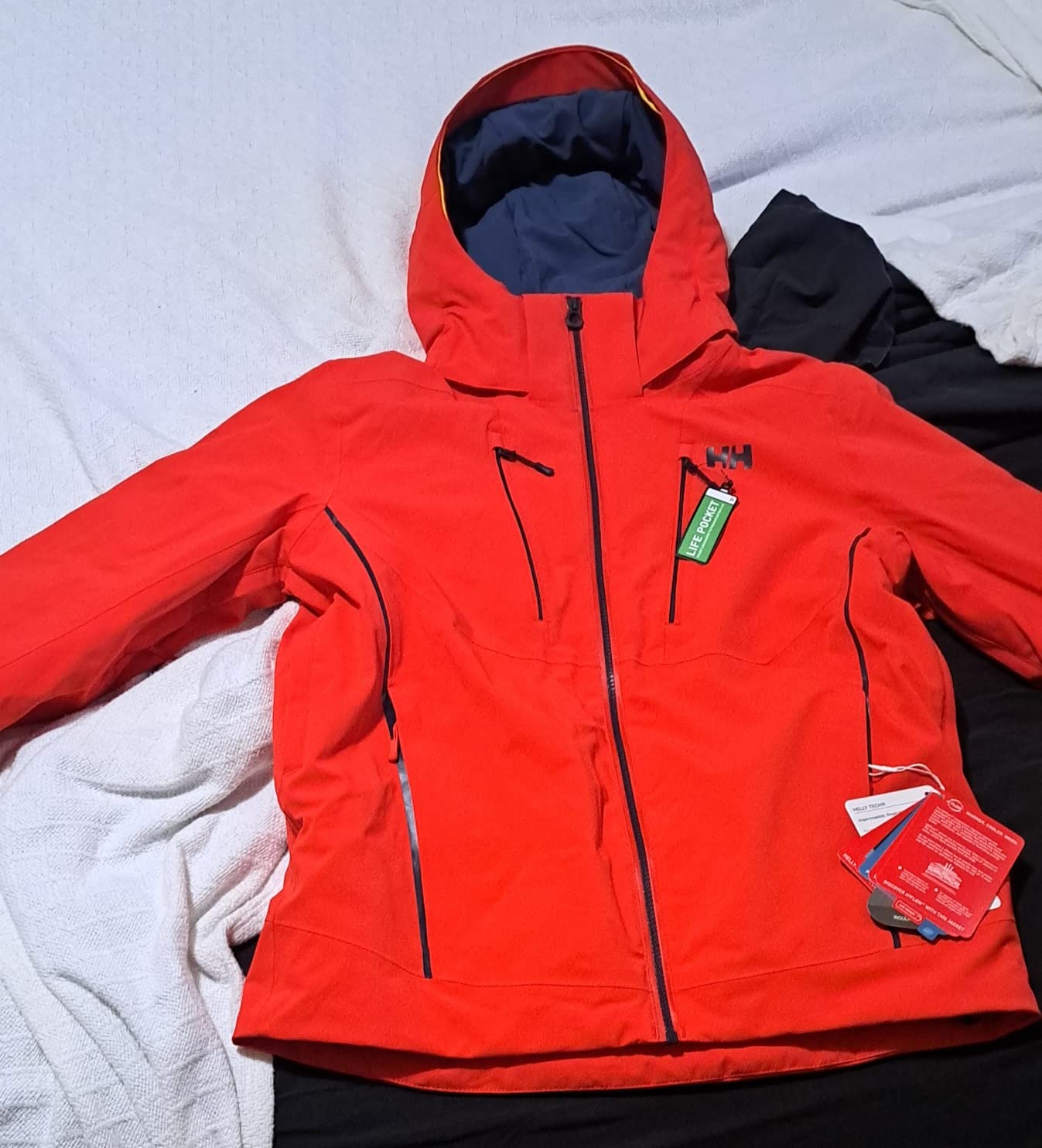
Two details separate this from the pack. The Life Pocket is a phone pocket with insulation that slows battery drain in cold weather, which sounds minor until you are checking a map at the top of a lift with 4 percent left. And the RECCO reflector is a genuine safety feature for anyone who does venture beyond the ropes on a big day.
It is not a perfect jacket. The collar is snug, so on a serious storm day you will want a neck gaiter under it. The main zipper pull sits on an unconventional side, which catches you out the first time. And the first airing of the packaging can smell chemical, though that fades after a wash on a cold cycle.
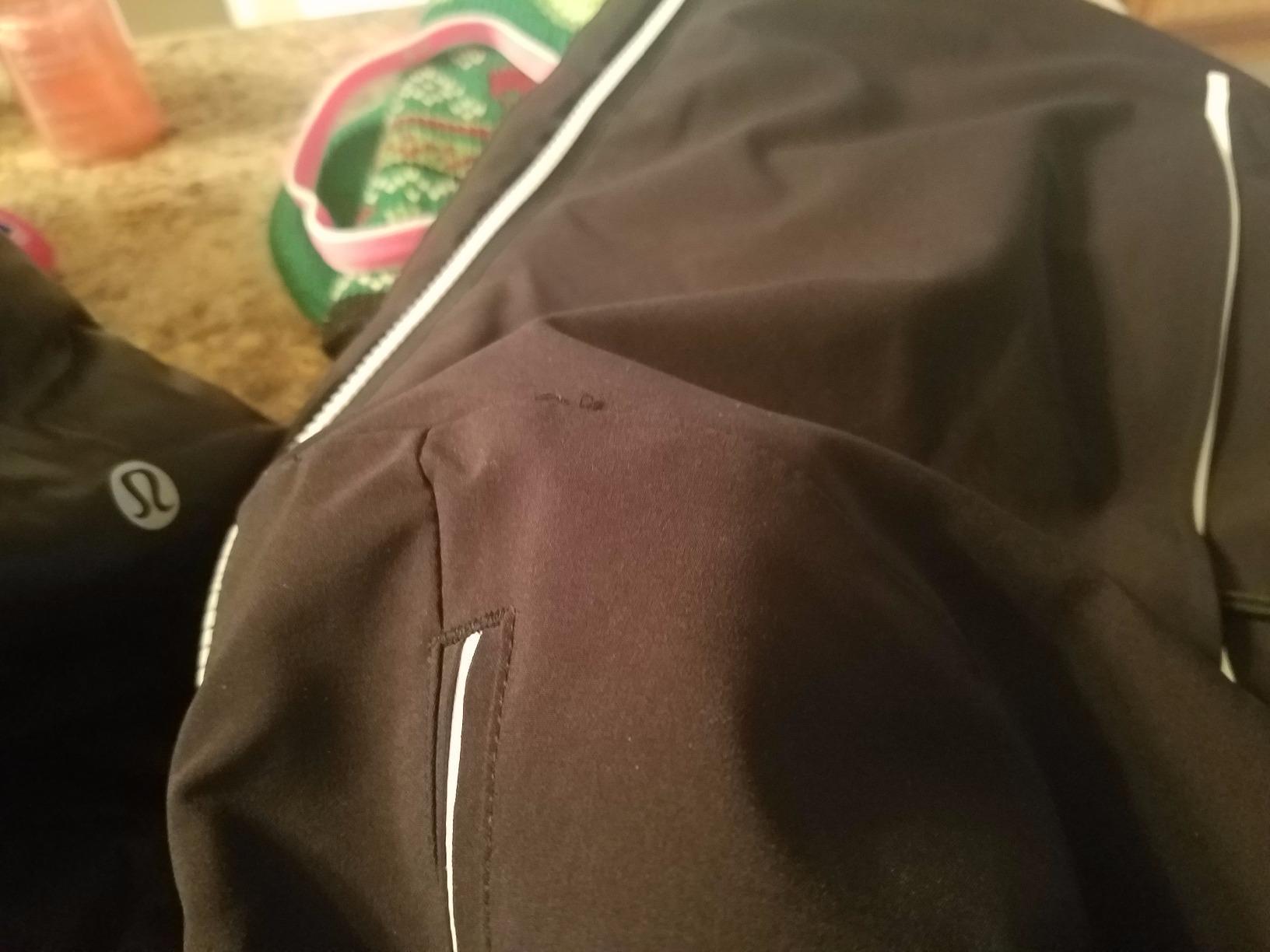
What to check before you buy the Alpha 3.0
Measure across the chest with your arms down and add the thickness of the midlayer you plan to wear on the coldest day. Skiers in the r/Skigear and r/skiing conversations we studied repeatedly flagged tight shoulders and chest as the number one reason a good jacket gets returned, and this one is closer to trim than boxy.
Then decide honestly whether you will wear a helmet most days. The hood is adjustable and helmet compatible, but skiers report that pairing it with a helmet and goggles takes two tries on the first morning.
Who should skip it
Skip the Alpha 3.0 if you ski in a very wet-snow climate and plan to spend real hours in the sidecountry, because its warmth is fixed and you cannot strip it back. It is also the wrong call if you want a jacket light enough to double as a packable hiking shell between ski days.
And if you are layering a thick fleece or a down midlayer underneath, look at a 3-in-1 instead. Two warm layers plus this jacket is more than most people need below about 20F.
2. Helly Hansen Alpha LIFALOFT – Best Premium Insulated Jacket
Helly Hansen Men’s Alpha LIFALOFT Ins Ski Jacket, 990 Black – 2XL
LIFALOFT insulation
RECCO Rescue System
LIFE POCKET+ technology
2.8 lb
Pros
- Warmest single-jacket option in this guide
- LIFALOFT insulation that keeps working when damp
- Integrated RECCO Rescue System
- Detachable hood adds après-ski versatility
- Dedicated ski pass pocket
Cons
- Heaviest listed insulated option here at 2.8 lb
- Outer shell is water resistant rather than fully waterproof
The Alpha LIFALOFT is the one to buy if you do not want to think about layering. It has been on the market since 2009, which tells you something about how a brand treats a product that works. LIFALOFT holds warmth when it gets damp, which is the failure mode that quietly ruins a season in places like the Pacific Northwest.
At 2.8 pounds it is not a light jacket, and on a bluebird day at the base you will notice it. What you get in return is a single garment that handles a day from the first lift to the last, with the detachable hood letting you strip back to a jacket for town without packing anything.
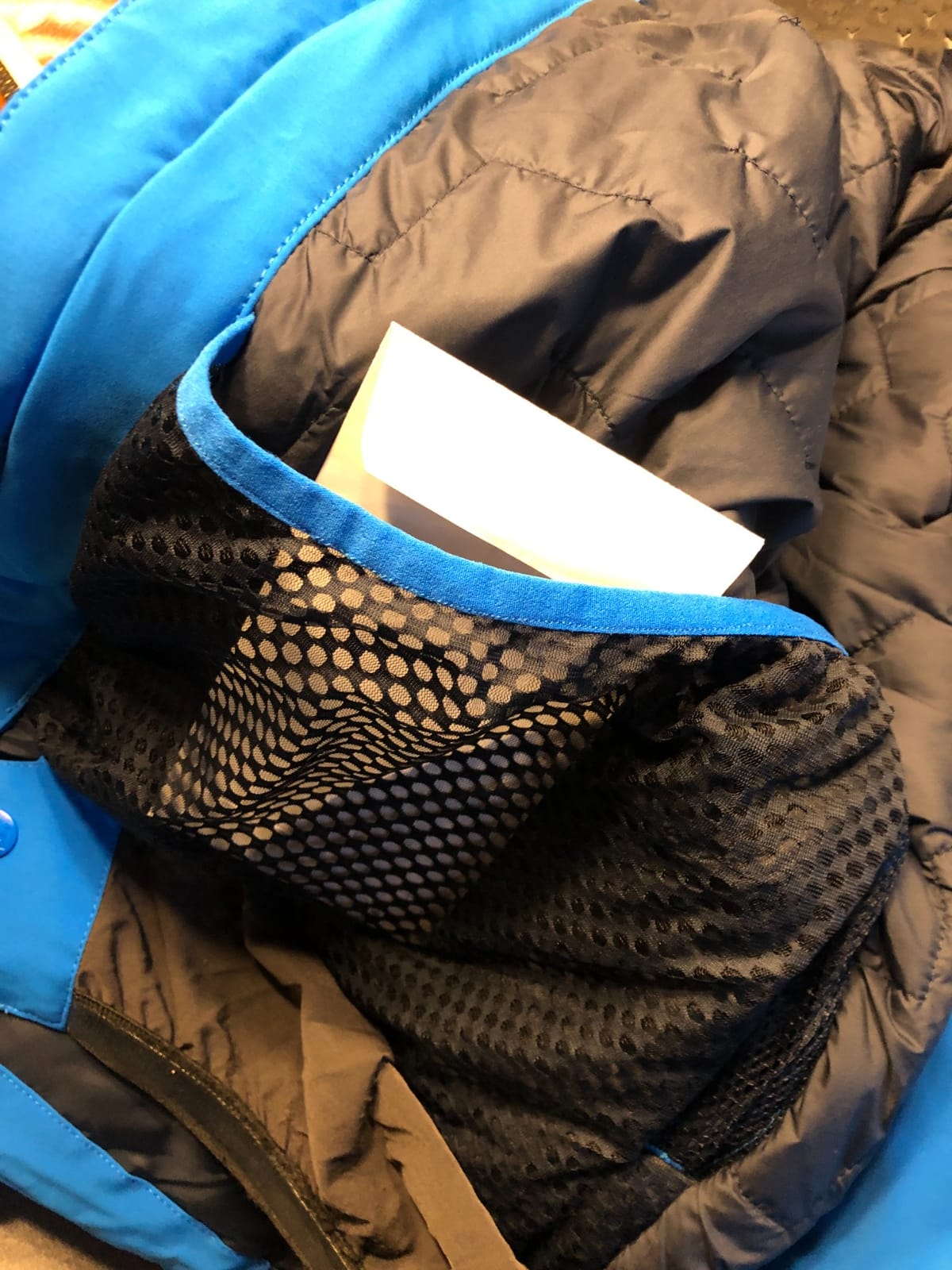
The RECCO Rescue System is worth understanding before you buy. It is an avalanche transceiver reflector in the shoulder, and it only transmits when you turn it on. If you ski inbounds for a season, you will probably never use it. If you have a backcountry day in you, it is cheap insurance that is built into the jacket you already own.
The one real technical caveat, and buyers should read this carefully, is that the exterior is water resistant rather than a fully waterproof membrane. In driving wet snow you will stay drier in a fully sealed shell, and in dry powder cold climates this is a non-issue.
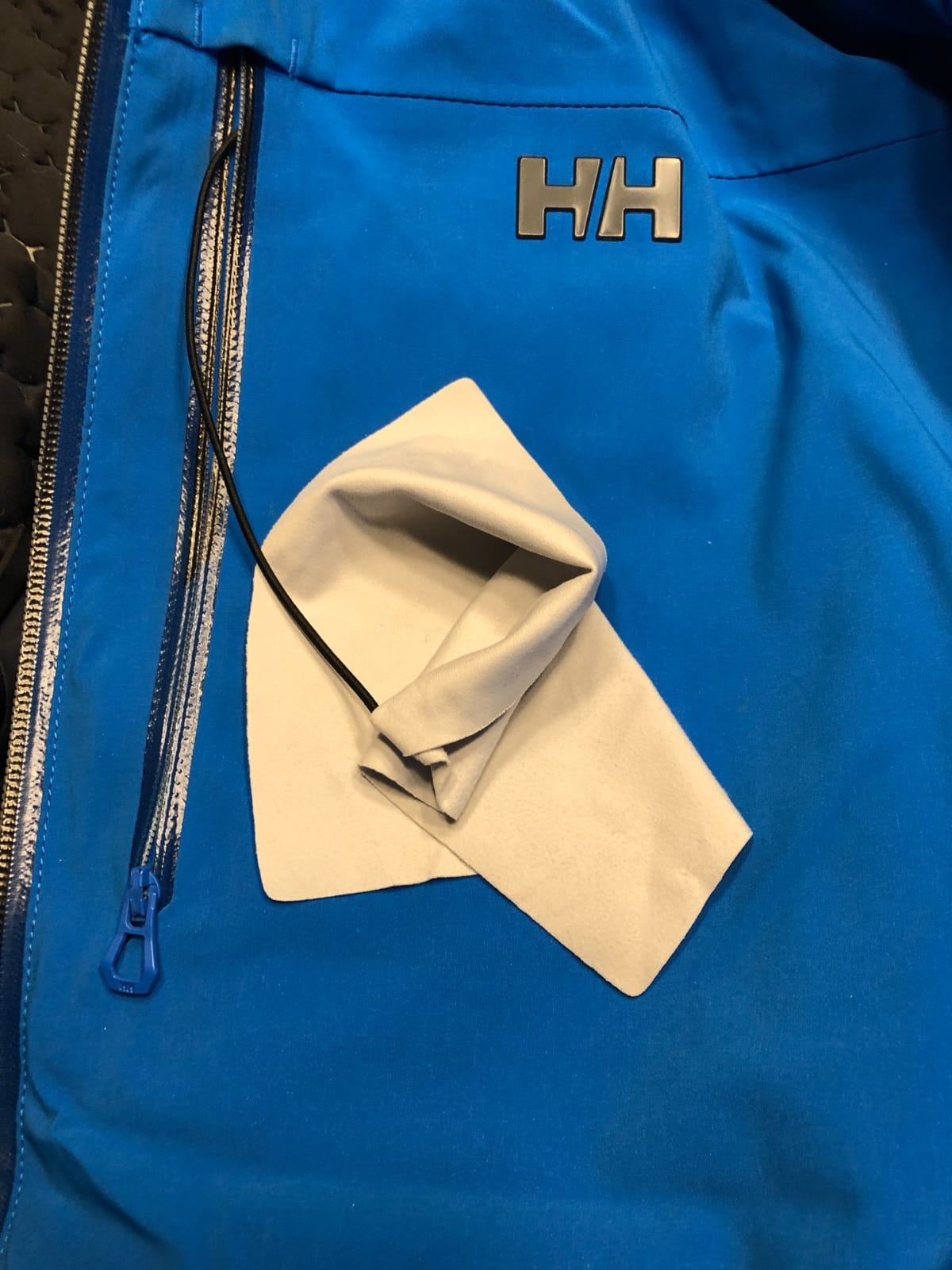
Insulation, warmth and the layering question
LIFALOFT is a synthetic insulation, so it behaves differently from a down jacket in a way that matters on a chairlift. It keeps loft when slightly damp, and it does not compress into a brick at the bottom of a pack. Down wins in genuinely dry cold; synthetic wins in variable conditions.
Because warmth here is fixed, plan your inner layer carefully. On a sunny spring day, a thin baselayer alone under this jacket is usually enough. On a winter storm, add a midlayer and you will be comfortable at temperatures that would wear out a lighter jacket by lunch.
Where the LIFALOFT falls short
It is heavy, and skiers who carry a pack up for sidecountry or hike to ungroomed terrain will feel that weight all day. The 2.8 pound figure is the highest published weight among the insulated jackets we tracked.
It is also the most expensive jacket in this guide by a wide margin, and given that the Alpha 3.0 covers most of the same ground for far less, this is a purchase for a specific person. If you ski four days a year and live in a mild climate, the value argument is hard to win here.
3. Obermeyer Foundation Jacket – Top Rated for Warmth and Features
Obermeyer Mens Foundation Jacket, White, Large
100g insulation
CZV Control Zone Venting
Skier Critical seam sealing
YKK zippers
Pros
- 100g of insulation in a true-to-size fit
- Excellent pocket layout including pass and goggle pockets
- CZV Control Zone Ventation for chairlift overheating
- Reinforced shoulders take lift bar abrasion
- YKK zippers throughout
Cons
- Hood can ride back on the helmet
- Some quality control inconsistency on zippers
The Foundation is the jacket I recommend when someone tells me they run cold and cannot be bothered with a system. It carries 100g of insulation, which is the sweet spot for most of North America, and the rating sits in a 4.7 band on well over a hundred reviews, which for a value-priced ski jacket is a strong signal.
What stands out most is the feature list, which reads like a designer drew a checklist and Obermeyer just ticked everything. CZV Control Zone Ventilation runs along the torso, the seam sealing is specified as skier critical, the shoulders are reinforced for the exact abrasion point that eats out cheaper jackets, and every zipper is YKK.
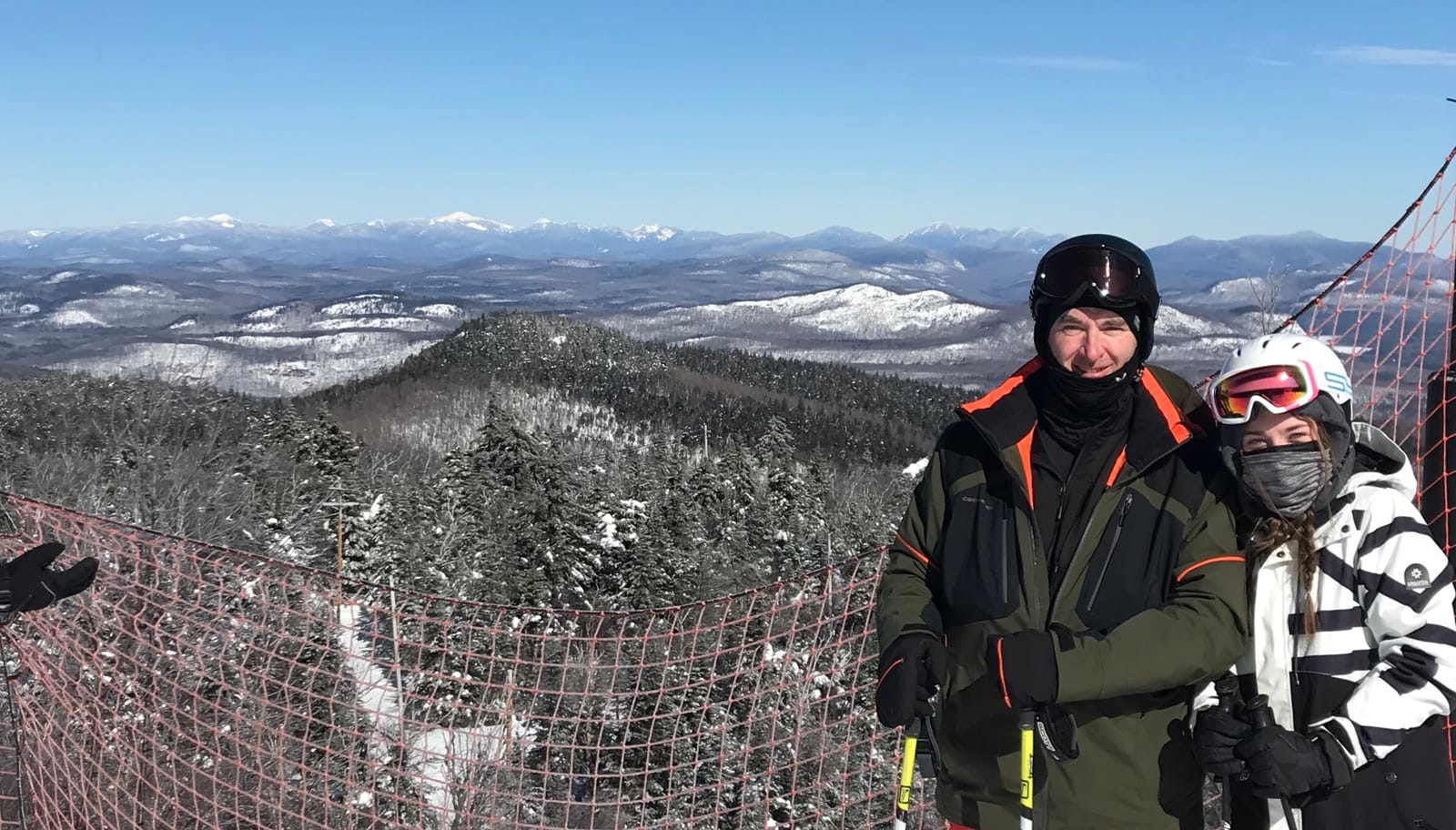
The pocket layout deserves its own paragraph because it is the thing you will touch a hundred times a season. There is a dedicated pass pocket so your lift pass does not end up loose in a main compartment, handwarmer pockets, chest pockets and interior storage. Goggles get a place, phone gets a place, and the pass gets a place.
Skier Critical seam sealing matters more than buyers assume. Most jacket failures start at a seam, not a membrane, and a jacket that is sealed at the shoulders and torso will hold water through a chairlift sit-down in falling snow long after an unsealed budget shell has soaked through.
Ventilation is the real feature here
Overheating on the chairlift was the most common complaint in the skier communities we read, and the fix is rarely a warmer jacket. It is venting you can reach with gloves on, in the cold, without taking the jacket off. CZV does that from the front of the torso, which is a better place for it than an underarm zip you have to fish for.
The snap-away powder skirt is the other quiet win. It clips to your ski pants to stop snow riding up your back on a chairlift, then releases when you want the jacket to work as a standalone insulated layer at lunch.
Where the Foundation does not work
The hood is the weak point. Skiers report it will not stay in place over a helmet, and if you ski in trees or off-piste through a storm, a hood that slides back is a real annoyance. The snap powder skirt is also less than ideal if you wear a long jacket that overlaps your pants.
There have also been some quality control complaints, mostly around zippers and shipping damage, that owners say the brand resolved through returns. If you can, buy from somewhere with a straightforward return policy.
4. Columbia Whirlibird V Interchange – Best 3-in-1 for Resort Skiing
Columbia Womens Whirlibird V Interchange Jacket, Black, Large
Omni-Tech shell
Omni-Heat insulated liner
Zip-in 3-in-1 system
Underarm venting
Pros
- Three garments in one for the price of roughly one jacket
- Omni-Heat liner reflects body heat back at you
- Helmet compatible hood plus powder skirt and pass pocket
- Underarm venting for chairlift overheating
Cons
- Inner liner is not waterproof on its own
- Runs snug so size up for layering
- Hood goes floppy when not worn over a helmet
Here is the honest case for a 3-in-1. The single most common regret we found among skier forum regulars is warmth they cannot turn down on a sunny lift followed by cold they cannot survive on the run, and a zip-in system is the only clean answer to that problem. The Whirlibird V gives you three options: shell alone, liner alone, or both zipped together.
On a 38F sunny morning you wear the shell. The temperature drops ten degrees and you zip the liner in. The wind picks up and the liner works as a standalone jacket at lunch. That flexibility is the reason 3-in-1 systems keep coming back, even though dedicated insulated jackets look simpler on paper.
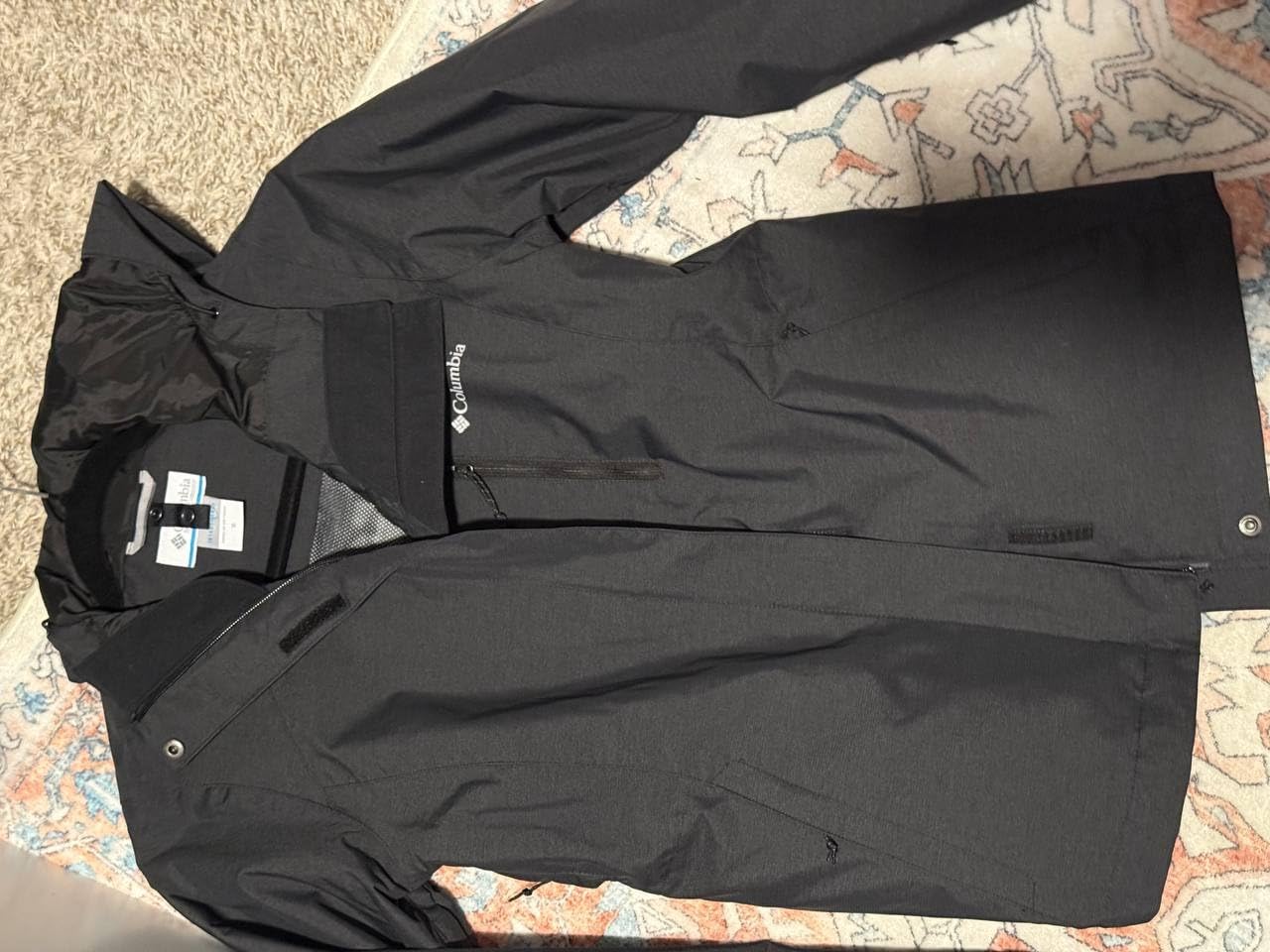
The Omni-Heat liner is reflective rather than purely insulating, meaning it bounces body heat back toward you instead of just trapping air. In practice that shows up most on a chairlift, where you are mostly still, and less on a steep pitch where you are generating your own heat anyway.
The shell side uses Omni-Tech, a multi-layer waterproof and breathable construction, and the alpine feature set is complete: adjustable hood, underarm venting, adjustable hem, powder skirt, ski pass pocket and goggle pocket. Nothing on the checklist is missing.
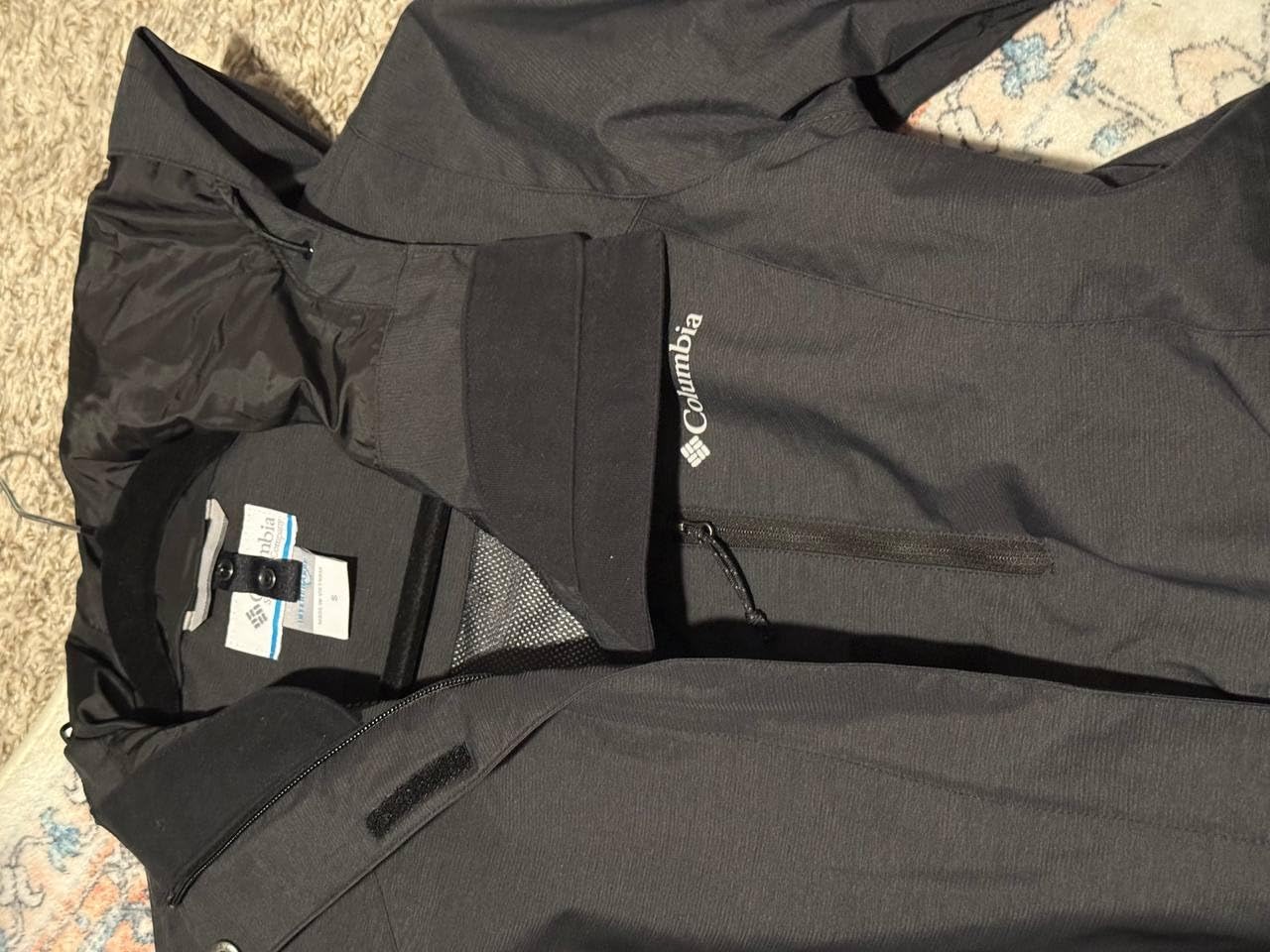
Sizing is the whole game with this jacket
Skiers report the Whirlibird V runs snug, and the fix is simple. Size up one, because you need room for a baselayer and a midlayer on the days the liner is zipped out. This is the most common complaint on the whole product, and it is very easy to avoid.
It is also worth thinking about a heavier midlayer under it, since a snug shell gets tighter over thick fleece. If you are broader through the chest or shoulders, read the size chart carefully rather than going by your usual street size.
When to choose something else
Do not buy this as your only jacket if you ski a lot of wet snow and expect to be out in it for hours, because the liner has no waterproofing at all and will soak through in driving precipitation.
When both layers are zipped, it is heavy for long days on your feet, and the hood is large enough that it sits floppy and loose when you are not wearing a helmet. For park and tree days where a hood is mostly in the way, that is a small daily irritation.
5. The North Face Freedom – Best for Everyday Resort Days
The North Face Men’s Freedom Insulated Jacket, Sumac/TNF Black, XX-Large
DryVent 2L shell
80g Heatseeker insulation
Non-PFC DWR finish
2 lb
Pros
- 80g Heatseeker fill gives reliable warmth for most resort days
- Helmet compatible hood and snap powder skirt with gripper elastic
- Zip wrist pocket with integrated goggle wipe
- True to size fit with good arm mobility
Cons
- Heavier build at 2 lb
- Newer model with a thinner review history
The Freedom is the middle of the road in the most useful way. Eighty grams of Heatseeker through the body is enough for a typical lift-served day at most North American resorts, and the DryVent 2L shell handles the weather side of the job without pushing you into expedition-weight territory.
Two details make it a genuine daily driver rather than a jacket you tolerate. The wrist pocket has a soft goggle wipe built in, which sounds like nothing until you are on a wet day with snow on your lens. And the snap powder skirt uses gripper elastic that actually grips, so snow does not ride up the back on a slow chairlift.
The material story is the sleeper point here. The shell is 100 percent recycled nylon with a non-PFC durable water repellent finish, which means the jacket has a lower chemical footprint than most and should bead water for the first few seasons before the DWR needs a refresh. More on that later.
Fit is listed as standard and true to size with ample mobility, and that is the most common piece of good news in ski jacket reviews. A true-to-size insulated jacket means you can layer a mid under it without going up a size and ending up with a boxy torso that swings when you reach.
What 80 grams of insulation actually gets you
Eighty grams is the number that appears on most of the jackets here, and it is the workhorse of resort skiing. It handles roughly the range of a 25F to 40F day for a skier wearing a normal baselayer and a light midlayer. Below that range you will want a real midlayer underneath, and above it you will want the vents open.
The Freedom’s underarm vents handle the warm end of the scale. Open them on the chairlift and you can drop your own temperature noticeably without stripping off the jacket and losing your pass pocket full of layers.
Where it falls short
At 2 pounds it is a substantial jacket, and compared with lighter insulated options on this list you will feel it on a long hike-out or an early-morning lift queue. The 2L construction also means a lining rather than a bonded three-layer face fabric, which is lighter and cheaper but slightly less comfortable against bare skin.
It is also a newer model, so the review history that backs it is thinner than the 454-review history behind our top pick. The early feedback is positive, but you are buying on a shorter track record.
6. The North Face Thermoball Eco Triclimate – Best for Layering Flexibility
The North Face ThermoBall Snow Triclimate Jacket, Summit Navy/Blk, L
3-in-1 zip-in system
Heatseeker with ThermoBall fill
Waterproof recycled polyester
2 lb
Pros
- Shell and liner both usable independently
- Heatseeker insulation improved with ThermoBall fill
- Zip-in compatible with other North Face layers
- Long term owners report decades of use
- Powder skirt
- goggle wipe and media-ready chest pocket
Cons
- Runs large so size down
- Runs heavy with both layers zipped
- Some quality control complaints on newer units
The Thermoball Eco Triclimate goes further than most 3-in-1 systems because the liner is not trapped inside the shell permanently. It is a zip-in layer, which means you can wear the liner with a different jacket and wear the shell with a different midlayer. That changes the economics of owning a system rather than a single garment.
The shell is a waterproof recycled polyester with a non-PFC DWR finish, and the liner uses Heatseeker insulation with improved ThermoBall fill, which is the lofty, packable synthetic that packs down small and still recovers its loft. For a jacket you will leave in a car trunk all winter, that matters.
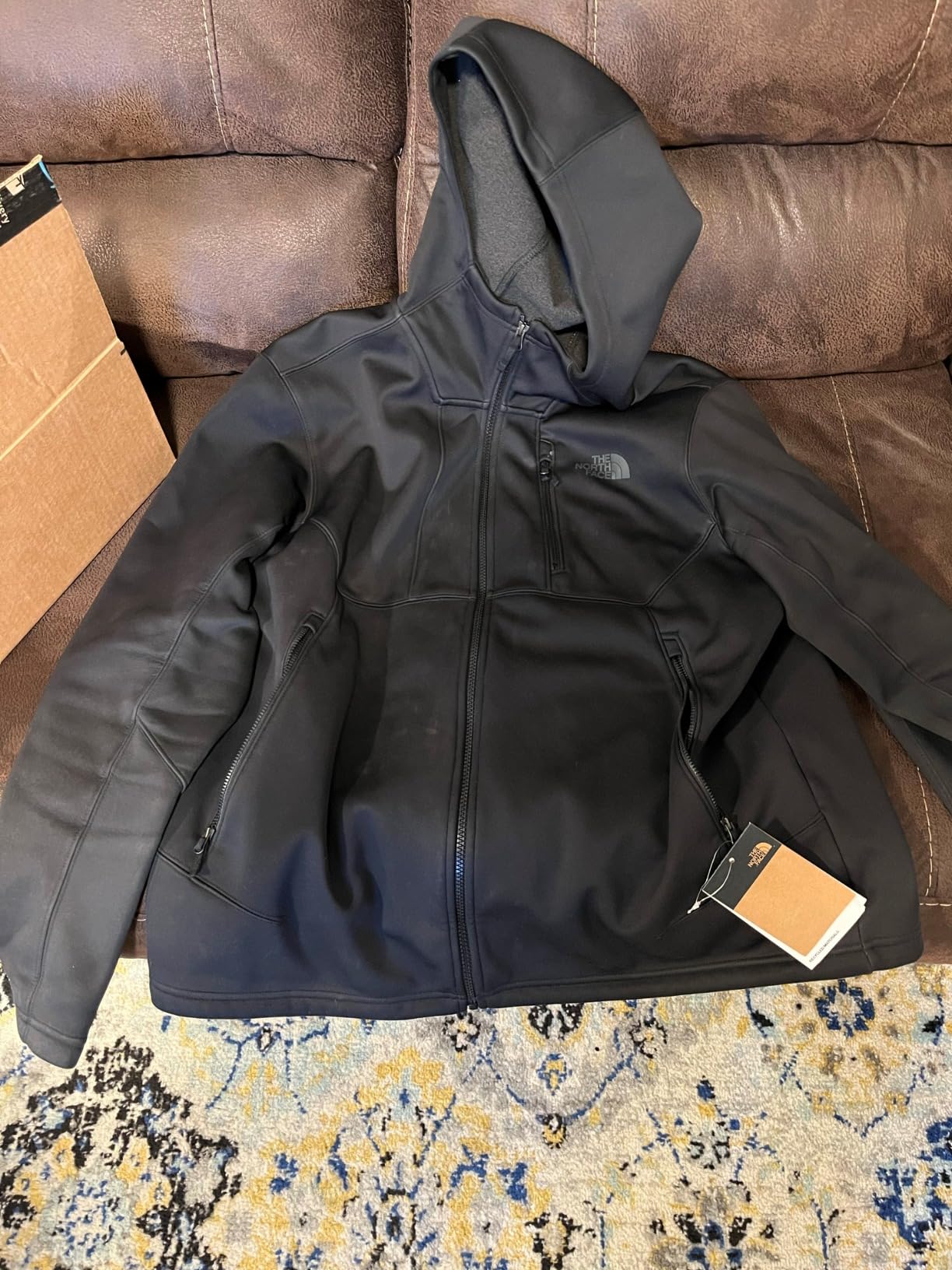
The feature set is thorough: a packable helmet-compatible hood, underarm vents, a powder skirt, an internal hem cinch cord, a goggle wipe on the wrist pocket, a mesh stash pocket and a media-ready chest pocket for a phone with a cable run. The hem cinch is underrated because it stops wind from riding up under the jacket on an exposed lift.
On durability, the feedback here is unusually strong for a big-brand jacket. Long-term owners report gear that has lasted decades, and the fabric is 75 percent or more recycled, regenerative or responsibly sourced materials by weight. If you are buying one jacket for a decade, this is the strongest longevity story among the picks.
Running large is the thing to get right
Multiple reviews flag that this jacket runs large, which is the opposite problem from the Columbia Whirlibird. Go down a size if you are between sizes and you intend to layer. Buying true to size will give you a roomy jacket that swings when you reach forward.
Because the liner zips in, check that the chest interface sits flat when both layers are on. A chest that bulges when zipped is the most common long-term complaint with zip-in systems, and it is a sizing issue rather than a design flaw.
Where the Triclimate is not the right pick
It is one of the heavier options in this guide, and with both layers zipped you will feel that on a long day. If you plan to ski in the cold and stay out for hours, the extra bulk is a poor trade for flexibility you may not use.
There have also been some quality control complaints on newer units around cuff straps and hood drawstrings, plus feedback that the collar stains are hard to clean. Check the jacket over carefully as soon as it arrives.
7. Columbia Suttle Mountain Long – Best for Cold Resort Weather
Columbia Womens Suttle Mountain Long Insulated Jacket, Black, X-Large
Omni-Heat reflective lining
Synthetic down baffling
Sherpa lined storm hood
Long parka cut
Pros
- Omni-Heat reflective lining holds heat while moving moisture
- Synthetic down fill stays warm without heavy bulk
- Sherpa lined hood with removable faux fur trim
- Two way front zipper for easy venting
- Longer cut covers more of the hips and upper legs
Cons
- Longer cut restricts movement for aggressive skiing
- Synthetic down does not match real down warmth to weight
- Faux fur trim is not to every taste
This is a ski jacket for people who are cold, and it is also the one with by far the largest review base in the guide, sitting above 500 reviews. That matters because the feedback is consistent: it is genuinely warm, the cut is flattering on a longer torso, and the colour range is wide.
The Omni-Heat lining is a heat reflective lining with a metallic dot pattern that returns body heat while still dissipating moisture. The fill on top of that is 100 percent synthetic down with down-style baffling, which is the loose, fluffy construction that traps air rather than dense foam padding.
Unlike the other picks here, the Suttle Mountain has a removable faux-fur trim on the hood and a sherpa lining. That is not a ski feature, it is a weather feature, and it does a decent job of sealing the gap around your face when the temperature really drops.
Why length matters more than people think
The longer cut covers the hips and upper legs, which on a chairlift is the single coldest place on your body when you are sitting still. It also means the jacket still works as a light parka over jeans when you are not skiing, which is a real return on the purchase if you live somewhere cold.
Because it is a longer cut, check the sleeve length carefully. A sleeve that is slightly long on a longer torso is fine, but one that runs past your wrist bone will ride up when you reach for the bars and expose your cuffs to snow.
Where the parka style works against you
The same length that makes it warm on the lift restricts you on steep terrain. This is a resort parka, not a technical freeride fit, and aggressive skiers will feel the hem ride up when they get into a crouch.
It is also worth setting expectations on the fill. Synthetic down gives you a lighter, compressible, water-tolerant package, but it does not deliver the same warmth per gram as real down. On a truly cold day you will still want a midlayer under it, and buyers expecting a -20F rating from the weight alone will be disappointed.
8. Burton Prowess 2.0 – Best for Durability and Long-Term Wear
Burton Women’s Prowess 2.0 2L Jacket, Stout White, L
DRYRIDE 2L 10K fabric
60g ThermacoreECO fill
Contour helmet hood
3 lb
Pros
- Lifetime warranty is the strongest durability guarantee here
- DRYRIDE 2L rated 10K waterproof and 10K to 15K breathable
- ThermaCoreECO fill made from 90 percent recycled fibres
- Zip out waist gaiter interfaces with ski pants
- bluesign approved materials
Cons
- Heaviest listed weight in the guide at 3 lb
- Snowboard feature set is not ski specific
- Limited review history on this version
The Prowess is built by a snowboard company, and the honest take is that a good snowboard jacket is a very good ski jacket. The fit is regular, the hood is helmet compatible, and the pocket system is more complete than most purpose-built ski shells.
What tips it for us is the warranty. Burton backs it with a lifetime warranty, and that is the one durability promise in this guide that is not measured in seasons. A skier who puts a decade of chairlift abrasion on a jacket should care about that more than about denier numbers on a spec sheet.
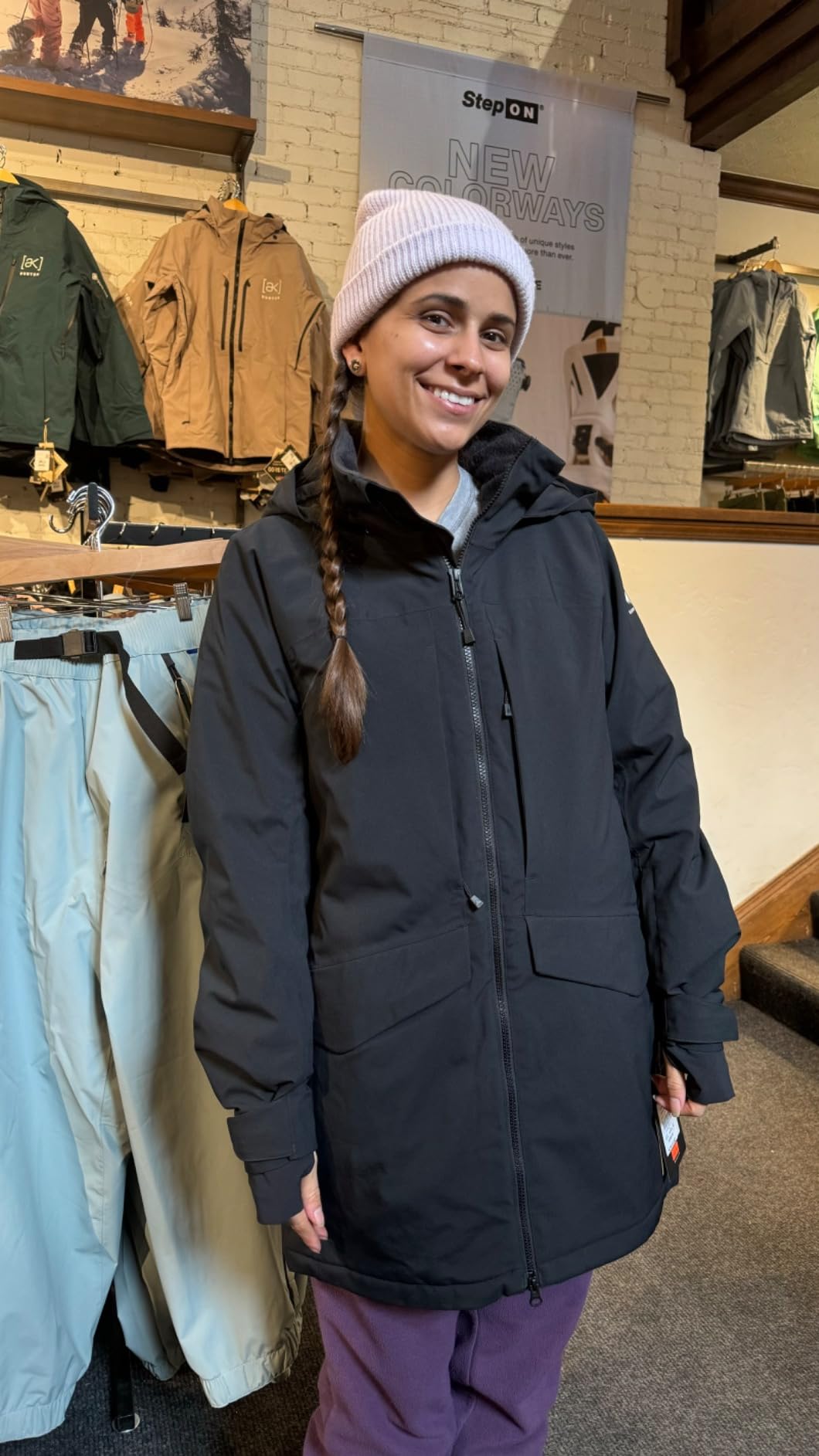
The DRYRIDE two-layer fabric is specified at 10,000mm waterproof with 10,000 to 15,000g breathability, which is a mid-range rating rather than an expedition one. Paired with 60g of ThermacoreECO insulation made from 90 percent or more recycled fibres, that is a warm enough package for most resort days with a baselayer underneath.
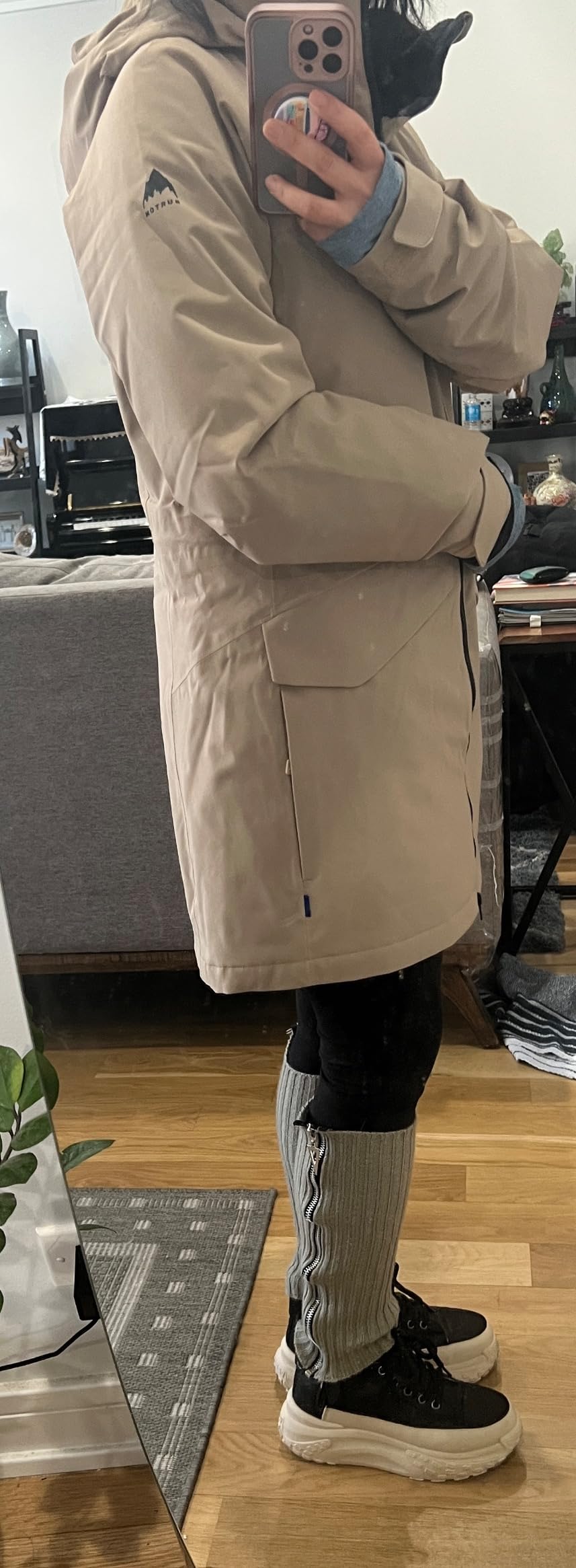
The details are genuinely thoughtful. Mesh-lined no-snag pit zip vents stop the mesh catching when you open them, stretch wrist gaiters seal the sleeve, and a zip-out waist gaiter with a jacket-to-pant interface stops snow getting in the gap at your waist, which is where resort jackets usually leak first.
The features that decide a season
Two of those details are worth more than the headline spec. The waist gaiter is the one that stops the single most common complaint we heard about cheap jackets, which is snow finding its way in around the midsection on a chairlift. And a sherpa-lined collar is a small warmth gain that you feel every single morning.
For a dry climate skier who wants one jacket to do everything from first tracks to late-season slush, the pocket list is generous: cargo, mesh dump, zip chest, zip media and goggle with a therma pocket, zip hand warmer and a zip sleeve pass pocket.
Where the Prowess falls short
It is the heaviest jacket we tracked, at 3 pounds, and that is a real consideration for a skier who hikes to ungroomed terrain or spends a day on a touring setup. For pure lift-served days that weight mostly disappears.
Because it comes from a snowboard line, some of the features are tuned for riding rather than skiing, and the review base on this version is thin. Check that the regular fit works for your layering setup, because the sizing is not adjusted for a thick midlayer the way a ski-specific jacket would be.
9. Arctix Ultimate Performance – Best Value Insulated Ski Jacket
Arctix Women’s Insulated Waterproof Taped Ultimate Performance Ski Snowboard Jacket, Fuchsia, Large
140g ThermaTech insulation
Rated minus 20F to 35F
ThermaLock coating
Sealed seams
Pros
- 140g of ThermaTech fill is serious warmth for the money
- Rated temperature range of minus 20F to 35F is stated plainly
- Sealed seams keep out wind and wet snow
- Cinched hem allows a custom fit
- Hand warmer zip pockets and storm cuffs with thumbholes
Cons
- Runs small so size up
- Chemical smell on arrival that washes out
- Length is short for full back coverage
The Arctix Ultimate Performance is the value pick, and the value is not marginal. One hundred and forty grams of ThermaTech insulation is more fill than most jackets in this guide carry, and the brand states a temperature rating of minus 20F to 35F rather than hiding behind vague warmth language.
Stated ratings like that are rare and worth valuing, because they let you shop without guessing. If you ski in a cold region and want a single jacket that handles the whole season, this is the one we would put on the shortlist first.
The fit is the deciding factor
This is a women’s cut, and the reviews are unusually specific about why: skiers with an hourglass figure call the shaping a highlight, which is a real complaint about the boxy fits common on the market. If you have found straight-cut jackets swim on you, this is worth a look.
It does run small. That is repeated often enough that we treat it as a rule rather than an anecdote. Size up, and if you are between sizes on a cold-weather purchase, size up two. The cinched bottom hem then lets you pull the extra room in at the waist.
Where the warmth rating needs context
The minus 20F to 35F figure assumes a normal baselayer, and the reviews are clear that it is not a stand-alone deep cold jacket. Sub-zero days with serious wind will need a midlayer underneath, and there is no venting system listed, so on a sunny mild day this is a warm jacket.
The length is also on the short side, which means less coverage for someone who wants the hem to sit over the hips. And the initial chemical smell is common, though buyers report it fades after washing.
10. Spyder Vertex – Best Lightweight Insulated Jacket
Spyder Mens Vertex Jacket
Insulated ski construction
Stretch athletic fit
Multiple pockets
1 lb
Pros
- Lightweight build that does not feel bulky under a harness or pack
- Stretch athletic cut gives good arm mobility
- Plenty of pockets including a goggle pocket
- Works well as a town jacket as well as a ski layer
Cons
- Hood is difficult to fit over a helmet
- Length may run long for some
- Zipper hardware is not at the level of premium brands
At one pound, the Spyder Vertex is the option for skiers who find every other jacket on this list too heavy. That is a real category of skier, especially people who walk to the lift, wear a pack, or spend the afternoon on après-ski terraces rather than laps.
Spyder built it as an insulated ski jacket with a stretch athletic cut, and the emphasis is on mobility over bulk. Reviews talk about the warmth to weight ratio more than anything else, and for a jacket that carries real insulation at one pound, that is a fair thing to praise.
The pocket count is higher than the weight suggests. Multiple pockets, including a goggle pocket, means you are not hanging a small bag off the harness strap, which is the usual reason lightweight jackets feel impractical.
Why the stretch fit is the point
Most lightweight insulated jackets get their weight down by cutting out mobility, and then skiers find they cannot reach forward. The Vertex uses a stretch athletic construction instead, so the arms move with you and the jacket does not fight the forward reach position.
That also means the fit sits closer through the torso. If you plan to layer a midlayer under it, try it with the midlayer on rather than judging the fit in a t-shirt.
Where the Vertex is not the right call
The hood is the clear weakness, and several reviewers say it is a struggle to fit over a helmet. If you ski trees, powder days, or anything with a real chance of a storm, a hood you have to fight is a daily annoyance that undermines an otherwise good jacket.
The length can also run long on some body types, and the zipper hardware is the sort of detail that reveals where a jacket sits in the price range. If you care about how the hardware looks and feels, this is not the one.
11. Spyder Quilted Waterproof Jacket – Best Budget Pick
Spyder Womens Quilted Jacket – Water Proof Insulated Zipper Pockets Ski
10K/10K waterproof shell
Quilted synthetic insulation
Underarm vents
4 waterproof pockets
Pros
- 10K waterproof and 10K breathability at a budget price point
- Underarm vents give you temperature control on the lift
- Four waterproof zip pockets including a goggle pocket
- Lightweight and packable for travel and storage
Cons
- Slim fit is tight for layering
- Quilted construction is less durable than a taped shell
- Limited colour and size options
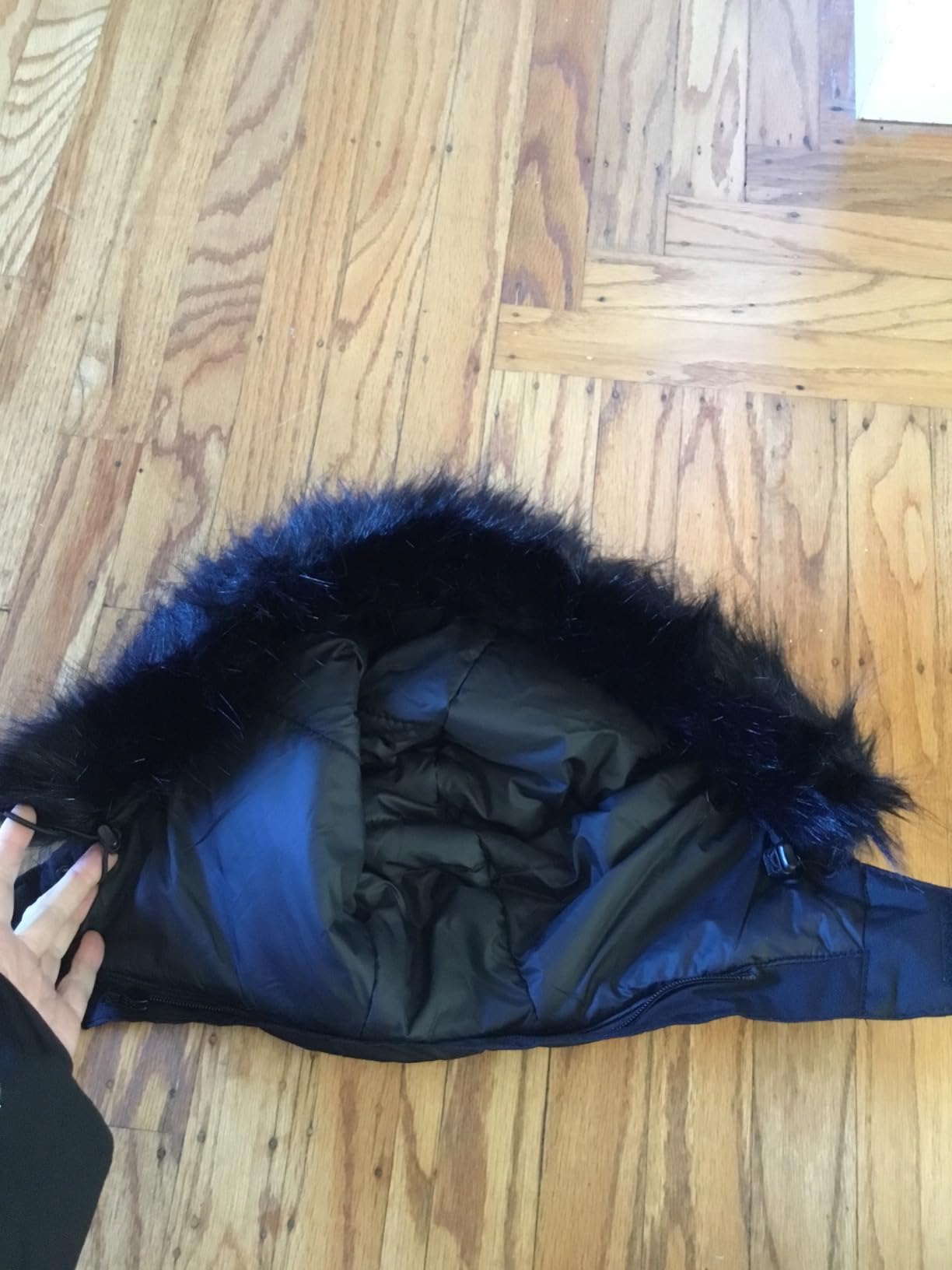
This is the jacket to buy if you are starting out, if you are replacing a jacket that failed, or if you want something that does the job without turning into a big decision. The Spyder Quilted Waterproof pairs a 10K rated shell with quilted synthetic insulation and a seam-sealed hood.
Ten thousand millimeters is a mid-range waterproof rating, and it is plenty for lift-served skiing in most climates. It is the rating where a jacket starts handling chairlift sit-downs in falling snow without wetting out, and paired with sealed seams that is a durable, wet-weather baseline.
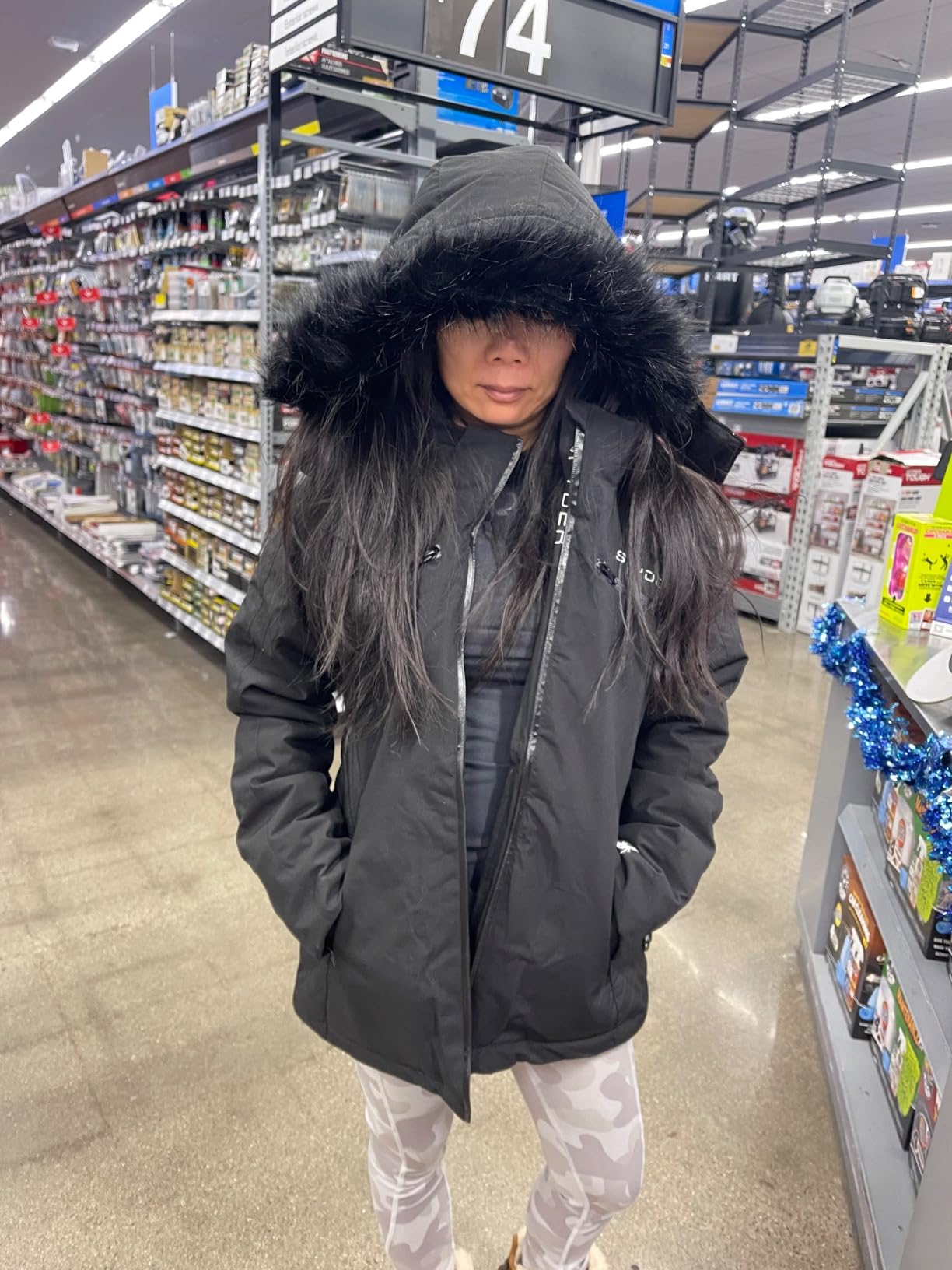
The underarm vents are the feature that keeps coming up in the reviews, and they are genuinely useful on a sunny day when the jacket is doing more work than it needs to. A budget jacket with venting usually means the manufacturer cut elsewhere, and the fact that this one has it says something.
Four waterproof zip pockets including an internal pocket and a goggle pocket is a generous count. The drawcord hem and adjustable cuff tabs seal out weather at the two points where drafts normally get in, and the knit-gasket thumbhole storm cuffs close the sleeve gap.
What you give up at this price
The main compromise is the slim fit. Skiers note that it runs close through the body, and if you wear a midlayer underneath you will want to size up or plan on a light baselayer only. This is a standalone insulated jacket, not a system.
Quilted construction is also less durable than a bonded or taped hardshell over time, because the seams and quilting lines are additional places for wear. It is the reason we would not choose this as a ten-year jacket, but for a first season it is a lot of capability.
Who this jacket suits
If you are a casual resort skier going out maybe a dozen days a season, this is a completely reasonable place to start, and the small size of the investment makes it easy to replace when you outgrow it. It is also a good travel jacket, since it packs down small and looks less like technical gear in town.
It is not the answer for someone skiing in driving wet snow all season, or for a skier who wants to layer heavily, or for anyone who needs a hood that works over a helmet on deep snow days.
12. Mammut Alto Light HS – Best for Packability
Mammut Men’s Alto Light HS Hooded Jacket, Black, L
Lightweight hardshell
Hooded design
Zipper closure
12.8 oz
Pros
- Exceptionally light at 12.8 oz
- Hooded hardshell construction from an established brand
- Easy to layer over a mid or insulated jacket
- Zipper closure with long sleeves
Cons
- Lightest listed review count in the guide
- Limited published specification detail
- Lower rating than the other picks here
The Mammut Alto Light HS is the shell in this list, and it earns its place for a specific reason: at 12.8 ounces it is the kind of jacket you can carry in a pack all season without thinking about it. It is the right piece for a skier who already owns a warm layer and wants a rain shell they can throw over the top.
Mammut is an established alpine brand, and the build quality at this weight is the point. Shells in this category are thin by necessity, so the real test is whether the seams are sealed and whether the hood holds its shape once you have it on.
Because it is an uninsulated hardshell, the layering is the whole conversation. On a cold day it goes over a down or synthetic midlayer, and on a mild wet day it goes over a baselayer. That is the system that skier communities recommend most often for resort skiing, and it is why a very light shell still earns a slot on a list full of insulated jackets.
What we could and could not verify
We want to be straightforward here. The published specification for this jacket is thin. The listing confirms a lightweight hardshell construction, a hooded design, a zipper closure, long sleeves and a weight of 12.8 ounces, but it does not give a waterproof rating, a breathability figure or a denier in the data we worked from.
That is a real limitation, and it is why this sits at the end of the list rather than higher. A skier who wants hard numbers for membrane performance should pick a jacket where they are published.
Where it fits and where it does not
It fits if you already own warmth. Buy this as your top layer and you will be cold on anything below a mild day, because there is no insulation in it at all.
Its 4.2 rating is the lowest among the picks here, and with a smaller review base than most, treat it as a jacket to check carefully on arrival rather than one to trust blindly. It is a good object, but it is the least proven item in the guide.
How We Picked These 12 Resort Ski Jackets
Every jacket on this list was filtered to lift-served skiing first. If a piece was designed primarily for touring or backcountry use, where low weight and packability beat warmth and durability, it did not make the cut no matter how good it was.
From what remained, we scored each one on the things that decide whether a resort season is comfortable. Membrane construction and seam sealing for waterproofing. Insulation weight in grams for warmth. Venting, because chairlift overheating was the most common complaint we found. Hood fit over a helmet. Pockets that include a ski pass pocket. Powder skirt presence. And denier or face fabric weight for durability against lift bar abrasion.
We also weighted review volume and rating heavily. A jacket rated well on a small number of reviews is a guess, and we said so where it applied. Where the customer feedback was consistent and specific, we used it to name the real weaknesses, because a roundup with no criticism is not useful to anyone.
Finally, we tracked the detail people forget until it is too late: sizing advice. Several of these jackets run small and one runs large, and that single fact changes the fit more than any specification on the list.
How to Choose a Ski Jacket for Resort Skiing
Start with the type. An insulated ski jacket has warmth built in and is the simplest choice for most skiers. A hardshell has no insulation and expects you to supply a midlayer. A 3-in-1 ski jacket gives you both in a zip-in package. If you ski ten to thirty days a season in a climate with variable conditions, the 3-in-1 answers the most complaints. If you ski cold and dry and want zero fuss, buy the insulated jacket.
Next, understand the hardshell versus softshell distinction, which trips up a lot of beginners. A hardshell is a waterproof membrane with taped seams and it blocks wind completely. A softshell is a stretch woven or fleece-backed layer that breathes well and sheds light precipitation, but a softshell is not a substitute for a hardshell on a storm day. Resort skiers want a hardshell or an insulated hardshell, not a softshell alone.
Then decide between 2L and 3L construction. A 2L jacket has a membrane bonded or laminated to a face fabric with a separate lining, which is lighter, cheaper and often more comfortable for a casual skier. A 3L jacket bonds the membrane between a face fabric and a backer, which is more durable, quieter and better suited to abrasion, and it costs more. For resort skiing on groomed runs, a well-made 2L is genuinely sufficient. For skiers who push into trees, sidecountry and rock, 3L is the better buy.
On membranes, this is where the Gore-Tex question gets asked, so let us answer it directly. Do you need Gore-Tex for resort skiing? For most skiers, no. The in-house membranes on this list, including HELLY TECH PROFESSIONAL, Omni-Tech, DryVent and DRYRIDE, all handle lift-served wet snow at their rated levels. The premium buys you durability in a package, a long track record, and better face fabric. The skier who benefits most from it is the one who goes fast, wears the jacket hard, and plans to keep it a decade.
Read waterproof ratings as a relative scale, not an absolute. Ten thousand millimeters is a solid resort baseline. Twenty thousand and above is for sustained rain and heavy wet snow. Breathability, measured in grams of water vapour passing through per square metre per 24 hours, is the number that actually decides whether you overheat, and higher numbers are better.
For durability, use denier. Resort jackets take chairlift bar and door-frame abrasion, and face fabrics at 100 denier and above hold up far better than 60 to 70 denier. Denier is a proxy for durability, not waterproofness, and plenty of good budget jackets get it right.
Features matter more inbounds than most buyers expect. A powder skirt that grips your pants stops snow riding up your back. Pit zips or underarm vents solve the chairlift overheating problem, which we heard about more than any other complaint. A helmet-compatible hood that stays put is non-negotiable if you ski trees. A ski pass pocket means you are not digging through layers at the gate.
On fit and sizing, buy true to size for an insulated jacket you will wear over a baselayer and a light mid, and size up if you plan to layer a thick fleece underneath. If you are a broader skier, always check whether the brand runs small or large before you order, because several of the picks here do. For tall and plus-size skiers, check the specific size range offered rather than assuming a brand’s extended run exists, and prioritise jackets with adjustable hems and cuffs to absorb the difference in torso length.
One more layer worth planning: if you run cold, an heated vest under your shell adds warmth without adding bulk to the arms, which solves the same problem an insulated jacket does. For cold-weather use off the mountain, our guide to heated jackets for cold weather covers the same ground for town and travel. And in the off-season, a ski ergometer for home cardio keeps your leg strength and balance sharp until the lifts reopen.
How Much Insulation Do You Need? A Climate Zone Guide
Insulation weight is quoted in grams, and the most common figure on resort jackets is 60 to 100g. The pattern that helps most skiers is straightforward. Around 60g suits a warm climate and a warm rider, roughly 80g covers a standard North American resort day for most people, and 100g plus is for cold regions or anyone who runs cold.
Match that to your typical base temperature. At around 40F you can get away with 60g or even a shell over a baselayer. In the 20F to 32F band, 80g is the workhorse choice and the figure on our top pick. Below 20F, move to 100g and up, and plan on a real midlayer under it. Our coldest-rated pick states a minus 20F to 35F range at 140g, which is the most aggressive specification in this guide.
Two habits will get you more out of any jacket. Buy slightly less insulation than you think and add a midlayer, because layers you can remove beat a jacket you cannot. And if you overheat on the chairlift, the answer is venting, not a lighter jacket, which is why the picks with pit zips and torso vents earn their places on this list.
Ski Jacket Specs: What Actually Matters Inbounds
Some numbers on a spec sheet predict how a resort season feels, and some are noise. Knowing which is which saves you from overpaying or underbuying.
Matters: waterproof membrane rating, seam sealing, insulation weight in grams, denier of the face fabric, hood fit over a helmet, venting, powder skirt grip, and the presence of a ski pass pocket. Matters less than advertised: a headline waterproof figure when the seams are not sealed, breathability numbers that no manufacturer measures the same way, and weight as a standalone figure when the jacket has no insulation.
The clearest example is the membrane. A 20,000mm membrane with unsealed seams will wet out through the seams long before the fabric fails. Sealed seams on a 10,000mm membrane will keep you dry for years. A skier who understands that buys a mid-price jacket with good sealing and skips a premium one that does not seal.
For sizing beyond the picking stage, if you are between sizes on any of the picks here, the deciding question is simple. Will you wear a midlayer under it on the coldest day? If yes, size up. If no, stay true to size.
How to Care for a Ski Jacket and Refresh the DWR
A resort jacket takes more abuse than any other coat you own, and most premature failures come from neglect rather than manufacturing. Washing a ski jacket is not optional. Salt and sweat residue in the fabric and lining degrade the DWR and the membrane over time, and a jacket that stops repelling water stops keeping you warm.
Wash it at the end of every season, and more often if you ski in wet snow. Use a gentle cold cycle, a small amount of technical wash, and a detergent that is free of fabric softener and bleach. Softener leaves a film that actively repels water, which is the opposite of what you want.
Tumble dry on low heat with a couple of dryer balls or clean tennis balls. The heat is what reactivates the DWR on most modern membranes, and this step is the one people skip. If your jacket has a PFC-free DWR, it will likely need a spray-on activator from the manufacturer once or twice a season, and those sprays are inexpensive.
Skip the dryer entirely only if the care label says the membrane is heat sensitive, in which case the DWR will need reactivating with a spray. Zip all zippers and empty the pockets before washing, and use a laundry bag for any removable hood or liner.
Finally, check the wear points each year: the shoulders where the lift bar sits, the elbows, the cuff Velcro, and the powder skirt. A jacket that still has a solid shell and a tired lining can often be saved with a new liner, which is far cheaper than replacing the whole jacket.
Frequently Asked Questions
Which brand of ski jacket is considered the best?
For resort skiing, Helly Hansen, The North Face, Columbia, Burton and Obermeyer are the strongest all-rounders, and the right pick depends on your climate and layering habit. Helly Hansen wins on membrane plus fill construction, The North Face and Columbia on layering systems, and Burton on long-term durability. Our overall pick is the Helly Hansen Alpha 3.0.
Do I need Gore-Tex for resort skiing?
Usually not. In-house membranes such as HELLY TECH PROFESSIONAL, Omni-Tech, DryVent and DRYRIDE handle lift-served wet snow at their rated levels, and fully sealed seams matter more than the logo on the membrane. Gore-Tex earns its place for skiers who ride hard, ski in sustained wet conditions, or plan to keep one jacket for a decade.
How many grams of insulation do I need for a ski jacket?
About 60g suits a warm climate and a warm rider, 80g covers a standard resort day for most skiers, and 100g or more is right for cold regions or anyone who runs cold. If you can remove a midlayer, buy slightly less insulation and add a layer instead, because layers you can take off beat a jacket you cannot.
Should a ski jacket be 2L or 3L?
For lift-served skiing on groomed runs, a well-made 2L jacket is genuinely sufficient and often lighter and more comfortable. Choose 3L if you ski trees, push into sidecountry or rock, or want the face fabric to survive years of abrasion. The key check is sealed seams, which matter more than the layer count.
Are 686 jackets worth the price?
686 has a strong reputation in ski and snowboard outerwear, particularly for insulated park-focused jackets. Whether they are worth it depends on whether you want their specific insulation and hood system. For lift-served resort skiing, the sealed shells and 3-in-1 systems in this guide give you more feature per dollar, so compare specs before you compare labels.
Is Montec a good ski jacket brand?
Montec is a smaller brand that focuses almost entirely on ski apparel, and skiers who try it tend to report strong construction for the price. It is worth considering if you find a good fit, but the big brands on this list carry more published specification data, more colour and size options, and longer review histories, which makes comparison easier.
What is the difference between a hardshell and a softshell?
A hardshell uses a waterproof breathable membrane with taped seams to block wind and precipitation, and a softshell is a stretch woven or fleece-backed layer that breathes well and sheds light rain but does not fully block wind or wet snow. For resort skiing you want a hardshell or an insulated hardshell, not a softshell on its own.
How do I make a ski jacket last longer?
Wash it at the end of every season with a technical detergent free of softener, then tumble dry on low heat to reactivate the DWR. Check the wear points annually, especially the shoulders where the lift bar sits, and repair or replace a tired lining rather than the whole jacket. A lightweight shell worn over a midlayer also ages faster than one you overload every day.
The Best Ski Jackets for Resort Skiing in 2026: Final Verdict
After working through all twelve, the best ski jackets for resort skiing come down to three names for most skiers. The Helly Hansen Alpha 3.0 is the one to buy if you want a single jacket that works and you do not want to think about systems. The Helly Hansen Alpha LIFALOFT is the warmest of the bunch for anyone in a cold, dry climate. The Obermeyer Foundation is the value leader, with 100g of insulation and the best pocket layout here.
Beyond that, match the format to your habit. Buy a 3-in-1 if you overheat on the chairlift and cannot stand a fixed level of warmth, a lighter insulated jacket if you ride a bike or walk to the lift, and a shell if you already own serious midlayers. Whatever you choose, get the seams sealed, size for layering, and check the hood over a helmet before you commit.
Whichever one ends up in your bag, spend ten minutes on the care routine before the first day. It is the cheapest improvement available to a resort jacket, and it is what keeps the jacket you just picked working for 2026 and the seasons after.