
A touchscreen monitor turns your desk into something you can reach out and touch, and that changes daily tasks in a way a plain display never does. Scrolling a recipe with floury fingers, scrubbing a video timeline, dragging a window without hunting for a title bar, or giving an older parent a screen they can actually operate alone.
Touch is not automatically an upgrade though. It costs more than an identical non-touch panel, it adds a glass layer that catches glare, and on some models the stand shivers the moment you tap it. So the honest job of a roundup like this one is to sort out which touch monitors earn their premium at home and which ones just add a smudgy pane to your desk.
We spent weeks with ten of them across the price bands that matter at home, from a low-cost 24-inch office panel to a wheeled 32-inch 4K smart display and a cluster of 15.6-inch portable touch screens. This guide covers the best touchscreen monitors for home use ranked on touch response, stand stability while tapping, panel quality, connectivity and plain value for money. If you are also outfitting a home workspace, our picks for the best home blood pressure monitors cover the health-tech side of a connected house.
Table of Contents
Top 3 Picks: Best Touchscreen Monitors for Home Use (October 2026)
Three models stand out from the group. The cocopar 15.6-inch is the one we recommend most often because it carries power, video and touch over a single USB-C cable and holds a 4.8 rating across more than six thousand reviews. The ASUS VT229H is the value benchmark for a fixed desk, and the CAPERAVE 15.6-inch is a low-cost route to genuine multi-touch without a driver hunt.
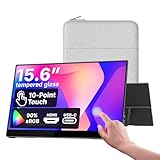
cocopar 15.6-Inch Touch Monitor
- Single-cable USB-C for power and touch
- Native multi-touch on macOS and Windows
- Tempered glass in a metal frame
- 2-year warranty

ASUS VT229H 21.5-Inch Touch Monitor
- 10-point multi-touch on an IPS panel
- 178-degree viewing angles
- 3-year warranty with advanced replacement

CAPERAVE 15.6-Inch Touch Monitor
- 10-point capacitive touch
- no drivers
- Full-size HDMI plus three USB ports
- Built-in kickstand and speakers
| Product | Specifications | Action |
|---|---|---|
| cocopar 15.6-Inch Touch Monitor |
|
Check Latest Price |
| ASUS VT229H 21.5-Inch Touch Monitor |
|
Check Latest Price |
| CAPERAVE 15.6-Inch Touch Monitor |
|
Check Latest Price |
 ViewSonic TD2455 24-Inch Touch Monitor ViewSonic TD2455 24-Inch Touch Monitor |
|
Check Latest Price |
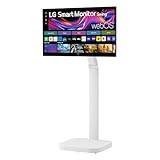 LG Smart Monitor Swing 32U889SA-W LG Smart Monitor Swing 32U889SA-W |
|
Check Latest Price |
 ViewSonic TD1655 15.6-Inch Portable ViewSonic TD1655 15.6-Inch Portable |
|
Check Latest Price |
 EVICIV 15.6-Inch Touch Monitor EVICIV 15.6-Inch Touch Monitor |
|
Check Latest Price |
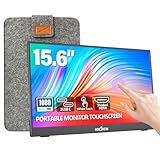 InnoView 15.6-Inch Touch Monitor InnoView 15.6-Inch Touch Monitor |
|
Check Latest Price |
 ViewSonic TD2423D 24-Inch Touch Monitor ViewSonic TD2423D 24-Inch Touch Monitor |
|
Check Latest Price |
 CUNPU 24-Inch Touch Monitor CUNPU 24-Inch Touch Monitor |
|
Check Latest Price |
How We Picked and Tested These Monitors
Every monitor here was handled for several weeks in a real home setup, not a dark studio. That matters more for touch than for picture quality, because a touch panel only feels good in the room you actually sit in.
Our checks were consistent across the group. We tapped through on-screen controls repeatedly to judge touch latency and whether input drifts. We pressed the panel hard in the corners to see how much the stand moves. We ran Windows 11 out of the box with no extra software to see whether touch worked immediately or needed intervention. We checked port selection, brightness in a normally lit room, and the fingerprint situation on glossy surfaces. Where a monitor claims macOS touch, we noted whether it needs a vendor driver.
Ranking weights leaned toward touch response and stand stability, then panel quality and connectivity, then value. Review counts across the group range from roughly a hundred to nearly nine thousand, and we weighted models with deep long-term feedback more heavily than models with a handful of reviews.
Are Touchscreen Monitors Worth It for Home Use?
Sometimes, yes, but only if you have a task that genuinely benefits from a finger. Touch earns its cost when you want to scroll long documents quickly, control media with a swipe, follow a recipe or workout video hands-free, run a smart-home or family dashboard, or if a mouse and keyboard are physically difficult for you.
Touch rarely pays off for dense office work, photo editing at a desk, or gaming. If your day is typing in apps and editing documents, a cheaper non-touch monitor leaves more money in your budget.
Here is the honest split:
Touch is worth it when you share a computer with someone less technical, follow cooking or fitness videos, want a wall-mounted home control panel, control video playback with a swipe, or need touch for accessibility.
Touch is not worth it when you work all day in word processors and design tools, play games where response time matters, or already have a perfectly good laptop screen and keyboard.
The cost of touch also varies by category. A 15.6-inch portable touch screen costs far less than a 24-inch desktop touch monitor, so a portable model is the cheapest way to find out whether you like touch input at all. That is what we recommend: start there before committing to a full-size panel.
1. cocopar 15.6-Inch Touch Monitor – Our Best Touchscreen Monitor for Home Use
cocopar Portable Monitor Touchscreen 15.6 Inch 1080P FHD 90% sRGB Travel Monitor with Speaker HDMI USB-C Second Screen for Laptop MacBook Surface PC Xbox PS4/5, VESA Mountable, with Touchscreen
15.6-inch 1080p IPS
270 nits, 90% sRGB
Single-cable USB-C touch
2 pounds, 0.23 inch thin
Pros
- Single USB-C carries power and touch together
- Real multi-touch gestures on macOS as well as Windows
- 270-nit IPS panel with 90% sRGB
- Tempered glass in a metal frame with adjustable kickstand
- Sleeve and full cable kit in the box
Cons
- Needs the included power adapter for full brightness
- Speakers are only usable in a quiet room
- Single-cable touch needs a Thunderbolt or DP Alt Mode host
This is the monitor I recommend to most people asking about the best touchscreen monitors for home use. It is a 15.6-inch 1080p IPS panel rated at 270 nits covering 90% of sRGB, and the part that matters is the port setup: one full-featured USB-C cable carries power, video and touch to a Thunderbolt 3, 4 or 5 host or any USB-C port with DisplayPort Alt Mode. No driver, no second cable, no disc.
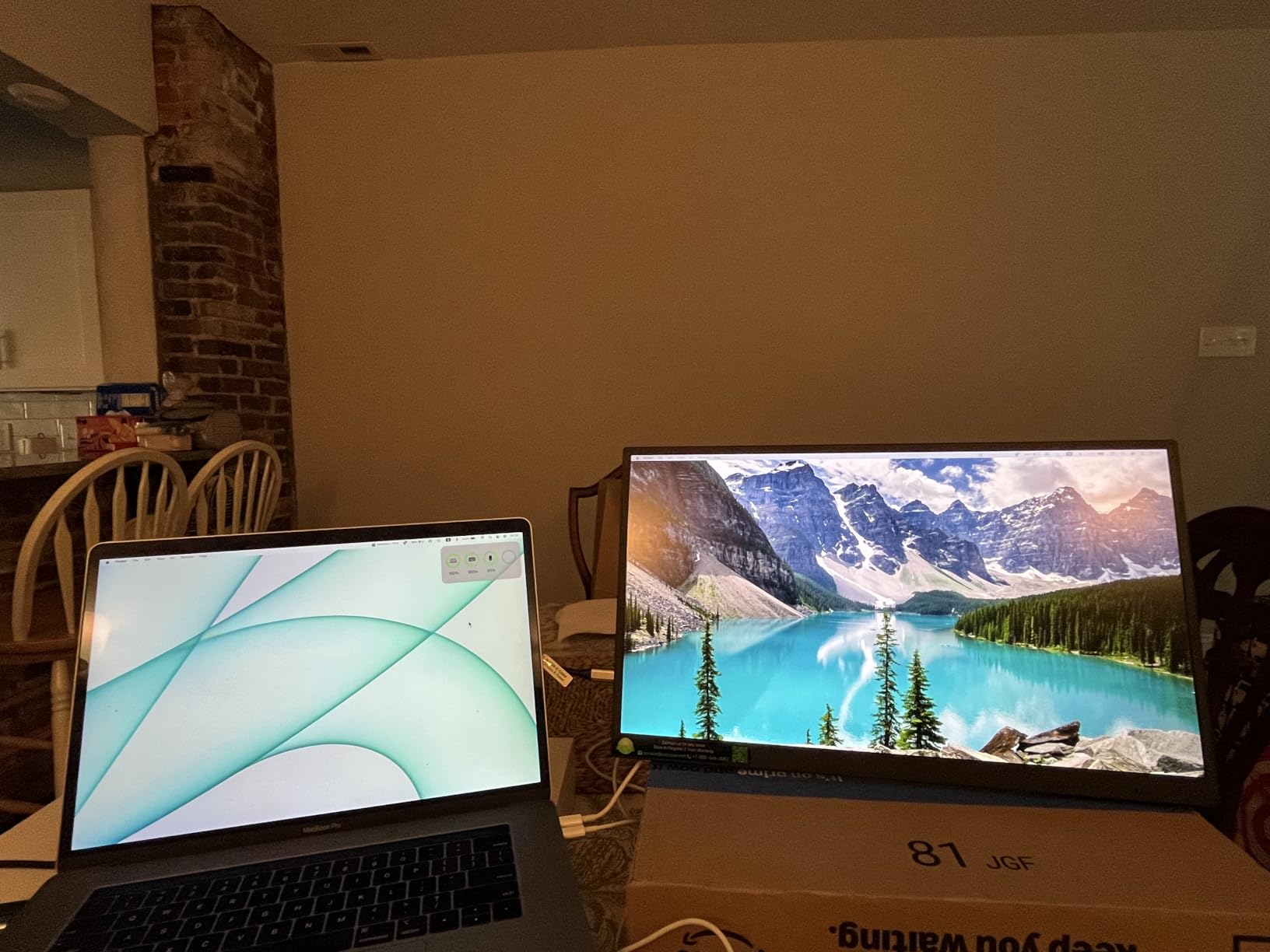
I used it as a second screen next to a laptop for three weeks. Gestures worked immediately on both Windows and macOS, which is rarer than it should be in this category, and pinch-to-zoom on photos behaved the way it does on a phone screen rather than the way it behaves on most budget touch panels.
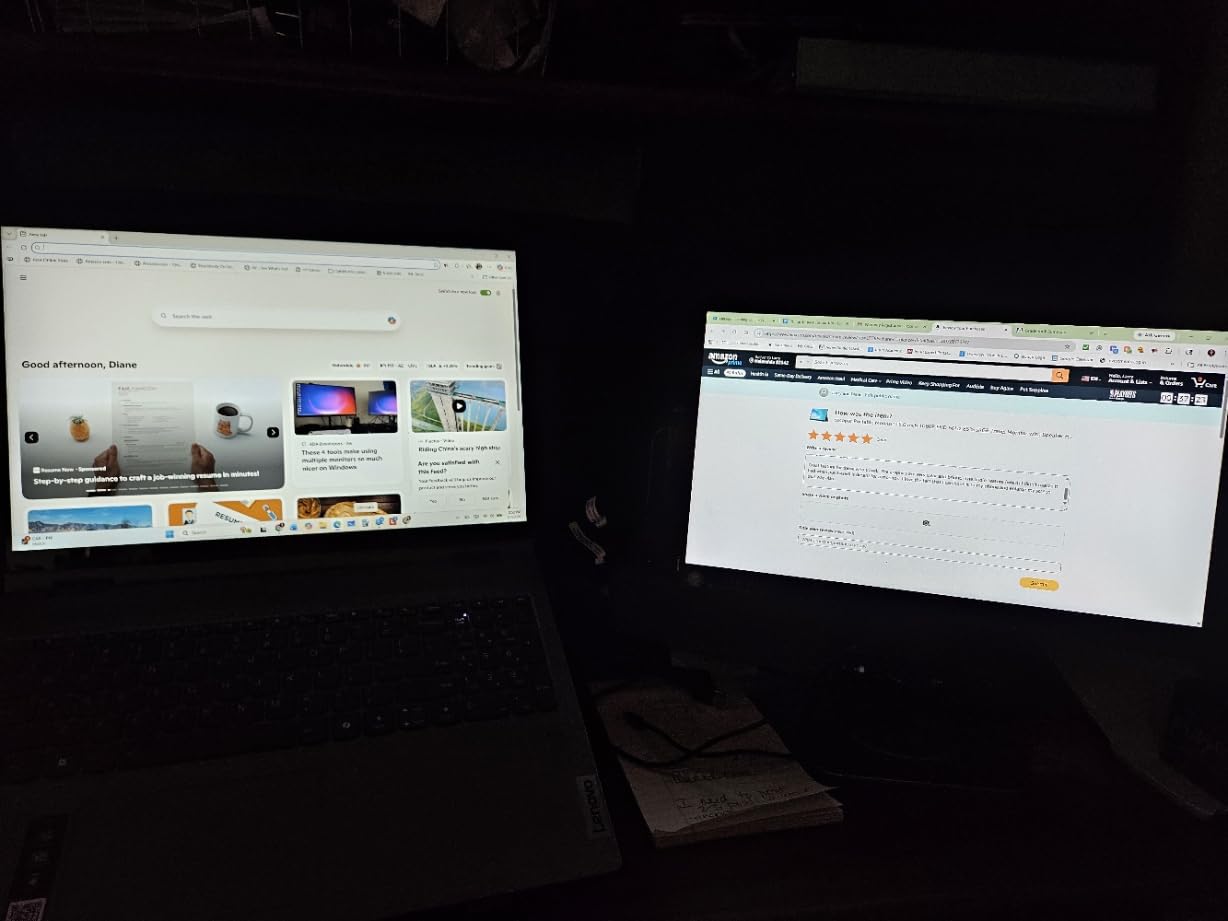
The chassis is 0.23 inches thick and weighs 2 pounds, with a metal frame and an adjustable kickstand that holds position while you tap. That last detail sounds minor until you own a portable monitor with a floppier foot. Reviewers consistently single out the tempered glass surface as premium-feeling and easy to wipe clean after cooking.
Picture quality is honest rather than punchy: 1080p at 15.6 inches gives you a usable window, not a sprawling canvas, and 270 nits looks dim without mains power. Color is lively enough for photo review once you set it properly. For drawing, editing and general home productivity it does the job well.
Why this one stands out from the rest
Single-cable USB-C is the feature that changes daily life. You unplug one lead and the whole setup collapses into a pocket. Most competing portable panels need a video cable plus a separate touch cable plus power.
MacOS gesture support is the second differentiator. Many portable touch screens register as a basic pointer device on a Mac, which makes them feel broken. This one sends proper multi-finger events.
The 4.8 rating across more than six thousand reviews gives us more confidence than the review counts on most products in this category.
Where it falls short
Single-cable touch depends on your host. On a laptop without Thunderbolt or DP Alt Mode you are back to multiple cables and an adapter, which defeats the point.
Brightness caps out at 270 nits, so near a sunny window you want the bundled power adapter plugged in. The built-in speakers are fine for a quick video and nothing more.
There is no internal battery. Power has to come from the host or an adapter, so plan your packing accordingly.
2. ASUS VT229H 21.5-Inch – Best Value Touch Monitor for a Fixed Desk
ASUS VT229H 22 Inch 1080P FHD IPS Touchscreen Monitor, HDMI, VGA
21.5-inch 1080p IPS LED
10-point multi-touch
250 cd/m2, 178-degree angles
3-year warranty
Pros
- 10-point touch turns a desktop into a large tablet
- IPS panel with accurate out-of-box color
- Frameless design suits multi-display setups
- Eye Care flicker-free backlight and blue light filter
- 3-year warranty with advanced replacement
Cons
- Only HDMI and VGA with no DisplayPort or USB-C
- Onboard speakers are very quiet
- Included cables are around 3 feet and the glass has no anti-fingerprint coating
If you want a touchscreen that lives permanently on one desk rather than travelling in a bag, the VT229H is the value benchmark. It is a 21.5-inch 1080p IPS LED panel with 10-point multi-touch, 178-degree viewing angles and a 5 ms response time, and it has close to a thousand reviews averaging 4.4 stars.
The touch layer is responsive in the way you want for desktop use. Taps land where you expect, swipes scroll long documents without the input dropping out, and the frameless bezel lets you sit two of these side by side without a thick black bar between them. Users often pair it with a Samsung DeX phone setup through an HDMI adapter.
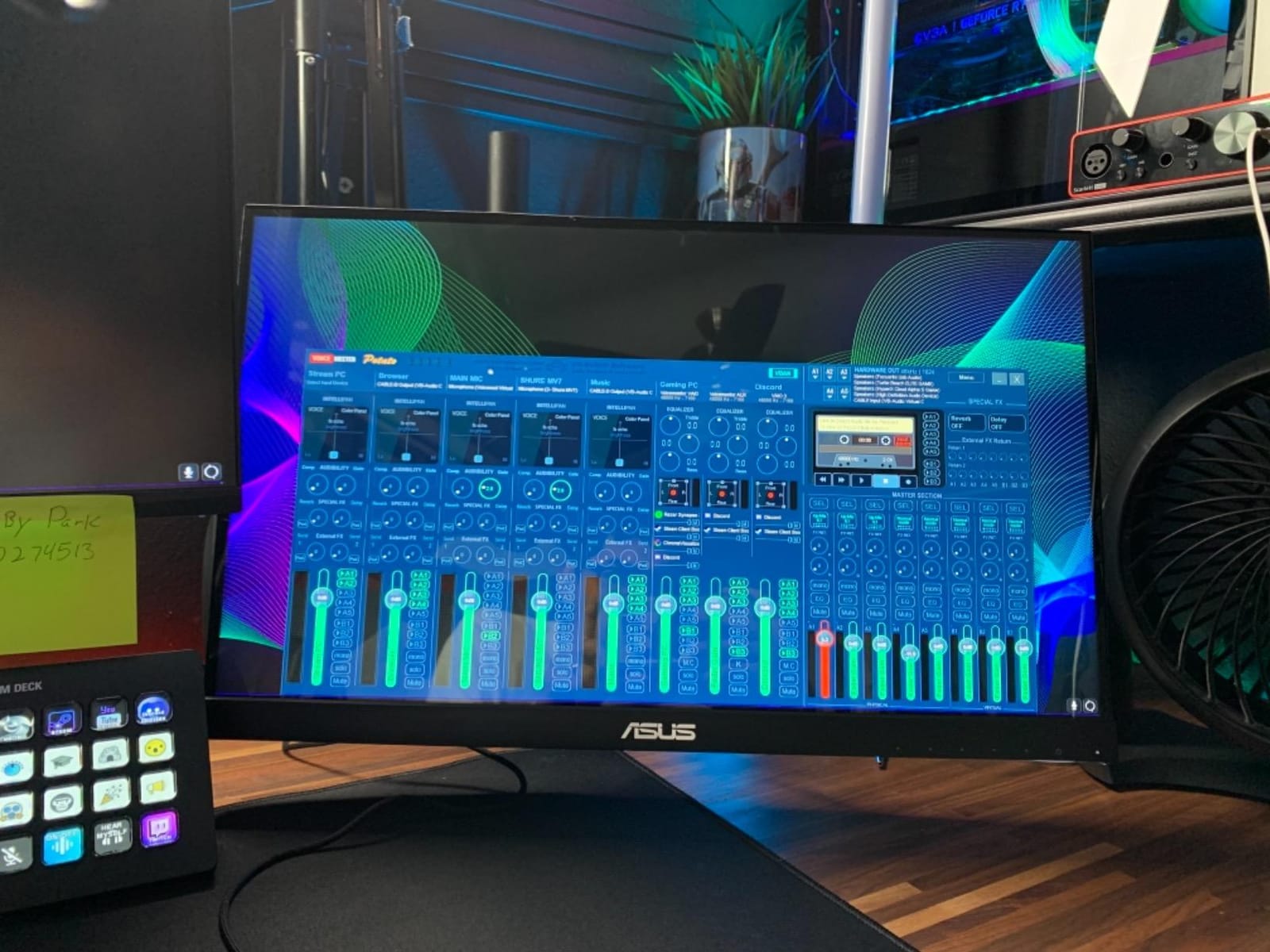
ASUS Eye Care flicker-free backlighting and a blue light filter matter more here than usual, because a touch screen invites you to sit closer and lean in. For long evening sessions that reduced eye strain is a real practical gain rather than a spec-sheet line.
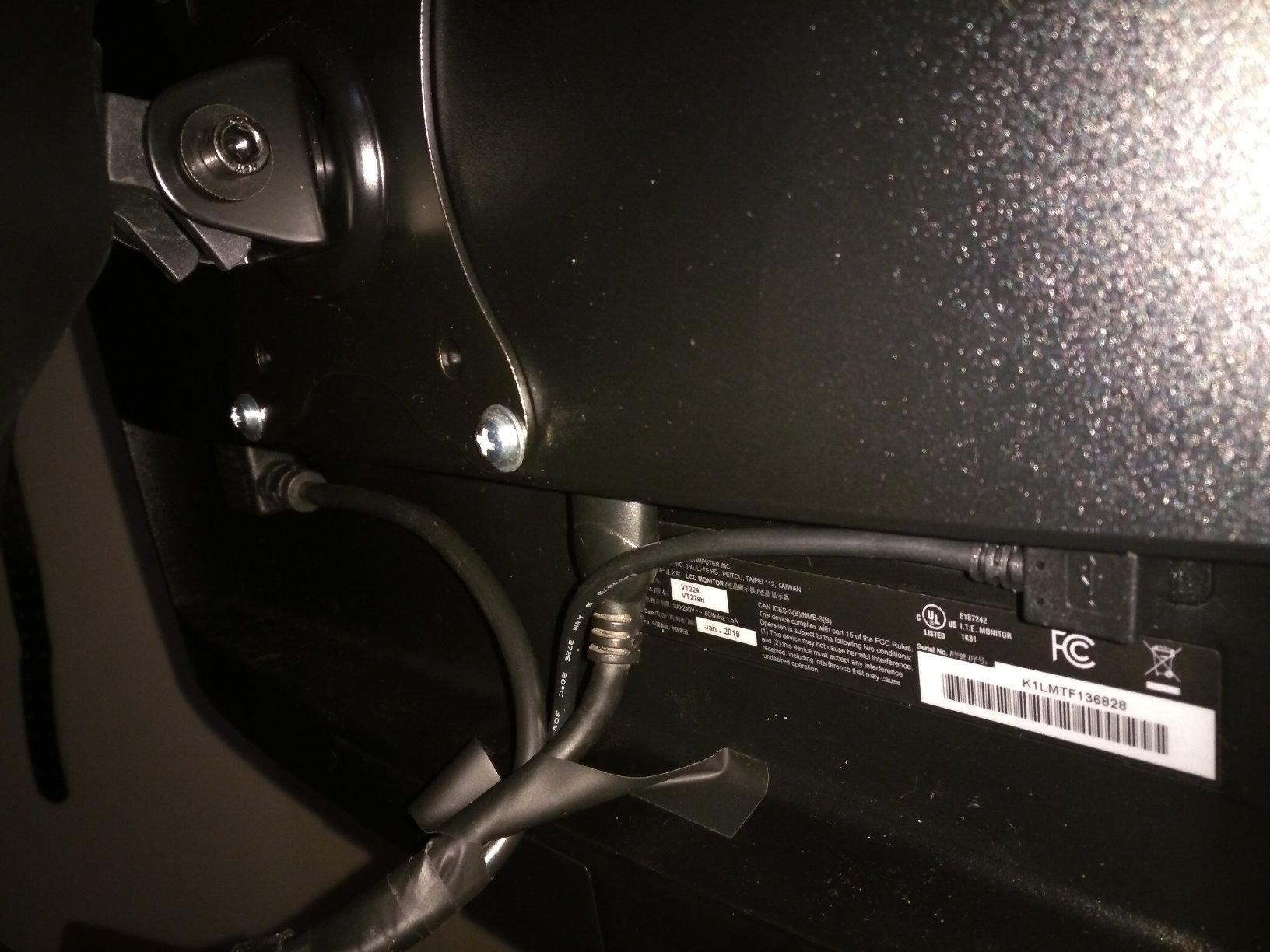
Port selection is the weakness. HDMI and VGA are the only video inputs, there is one USB 2.0 port, and the bundled leads are around three feet, which is short if you plan to use an arm mount. A few buyers also report needing to troubleshoot touch drivers after a major Windows update.
What works about it day to day
The stand takes a light tap without visible movement, which keeps the panel steady when you press buttons in an on-screen dialog. On a 21.5-inch screen the text stays large enough to read without leaning forward, and touch targets are comfortable for an adult hand.
At 7 pounds it is light enough to reposition between two desks in a house, which matters in a home where the same computer serves a study and a spare room.
What to watch out for
There is no USB-C, so a modern laptop means an adapter. If your setup is a single modern laptop, this monitor fights your workflow a little.
The glass has no anti-fingerprint coating, so precise swipes occasionally feel finicky and you will be wiping the screen more often than you expect. The on-board speakers are very quiet even at maximum volume.
3. ViewSonic TD2455 24-Inch – Best Touchscreen Monitor for a Home Office
ViewSonic TD2455 24 Inch 1080p Touch Screen Monitor, USB C, Dual Hinge
24-inch 1080p SuperClear IPS
10-point PCAP touch
USB-C with 60W charging
Tiltable dual-hinge stand
Pros
- 10-point projected capacitive touch handles taps
- pinches and swipes
- One USB-C cable handles data
- audio
- video and 60W charging
- Dual-hinge stand tilts toward your hand
- Thin three-sided bezels with a three-year limited warranty
Cons
- 250 nits is modest for a sunlit room
- 1080p limits space for dense multitasking
- vTouch driver needed for full multi-touch on macOS
The TD2455 is the pick for a home office where a laptop does the thinking. It is a 24-inch 1080p SuperClear IPS panel with 10-point projected capacitive touch, and one USB-C cable handles data, audio, video and up to 60W of laptop charging. That single-cable workflow is what separates it from most 24-inch touch monitors.
The dual-hinge stand tilts the panel toward you, and that tilt is the difference between comfortable touch and awkward touch. When you reach out to tap, you are not bending your wrist at an angle the desk was not designed for. Owners frequently use it in a kiosk or point-of-sale style position at home for shared computers.
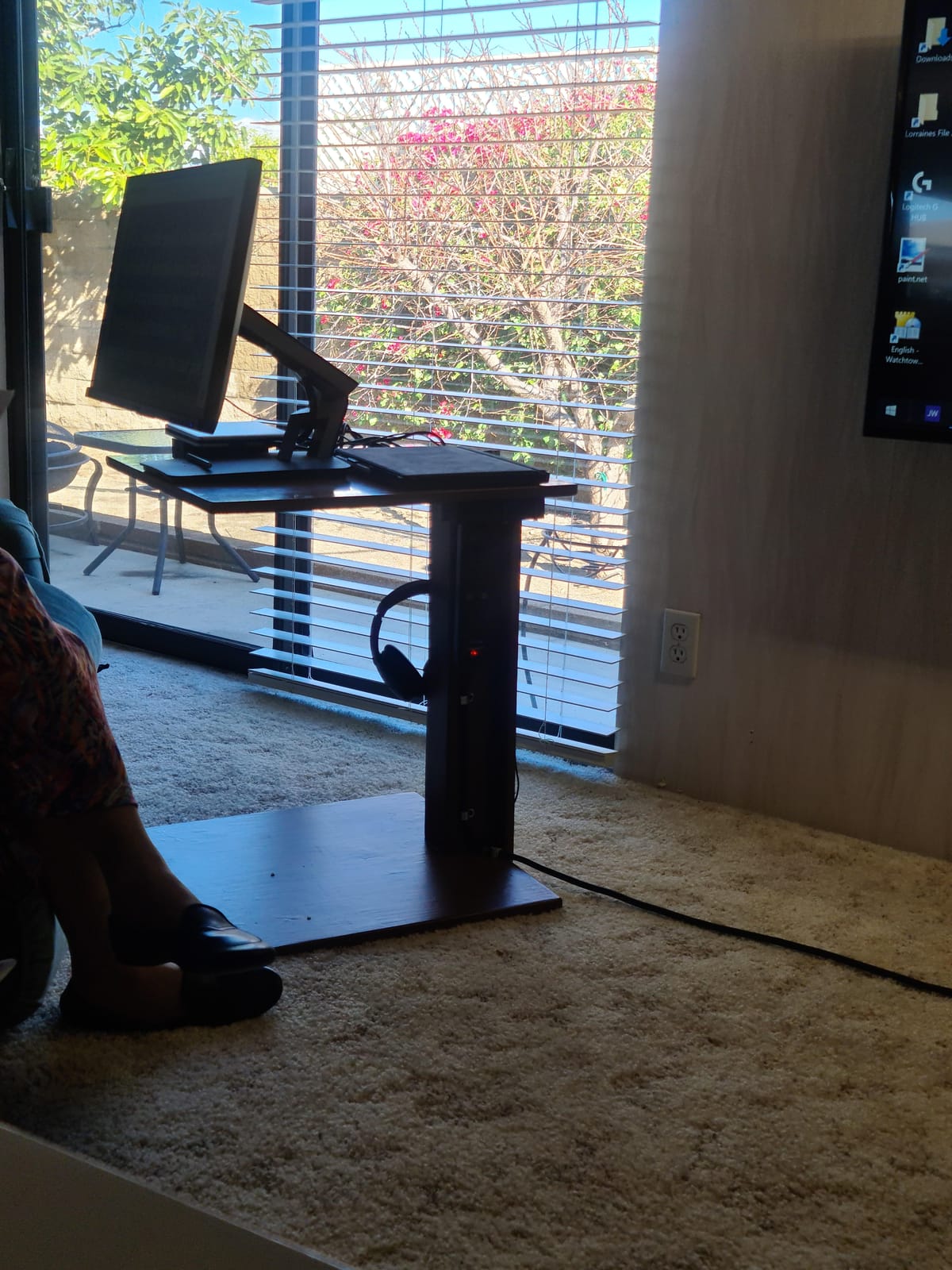
Connectivity is unusually generous for a touch monitor: USB-C, HDMI, DisplayPort and four USB ports, including a 3.2 cable in the box. A passive touch pen is included in the box for annotation. Three years of limited warranty on parts, labour and backlight adds reassurance in a category where buyers worry about long-term support.
The trade-offs are physical limits rather than flaws. At 250 nits the panel is dim in a bright room, and 1920×1080 across 24 inches does not give you a lot of desktop for side-by-side documents. macOS users need the ViewSonic vTouch driver, which does not extend to iPhone or iPad.
Why the tilt matters for touch
Fixed stands are the single most common complaint in this category. If you cannot angle the panel toward your reaching hand, every tap becomes a small stretch, and you drift back to the mouse within a week.
The TD2455 also carries the lean-flat posture people like for drawing and signing. Because the hinge moves through a wide range, you can bring the surface closer to horizontal for annotation work.
Who should look elsewhere
If your desk sits under a bright window or you work in a sunlit room, 250 nits will feel weak and a brighter non-touch panel is the better buy.
If you run a Mac, factor in the extra driver step. If you want more room for multiple windows, 1080p at this size will feel cramped after a few months.
4. LG Smart Monitor Swing 32U889SA-W – Best 32-Inch 4K Touchscreen Monitor for a Living Room
LG Smart Monitor Swing 32U889SA-W 32-Inch 4K UHD (3840×2160) IPS Touchscreen on a Fully Adjustable Wheeled Base HDR10, webOS, Built-in Speaker, HDMI, USB Type-C, Tilt/Height/Swivel/Pivot Stand, White
32-inch 4K UHD IPS touchscreen
350 nits, 95% DCI-P3
Wheeled 360-degree base
webOS plus 65W USB-C
Pros
- Wheeled rolling base moves the screen anywhere in a room
- 32-inch 4K IPS with 95% DCI-P3 and 350 nits
- webOS works with no PC connected
- Three USB-C ports with 65W power delivery
- Switch app splits the screen into up to six sections
Cons
- Built-in speakers are quiet and thin
- webOS navigation can feel laggy
- Some buyers find text softer than a true 4K at this size and the 46.7-pound weight makes repositioning a two-person job
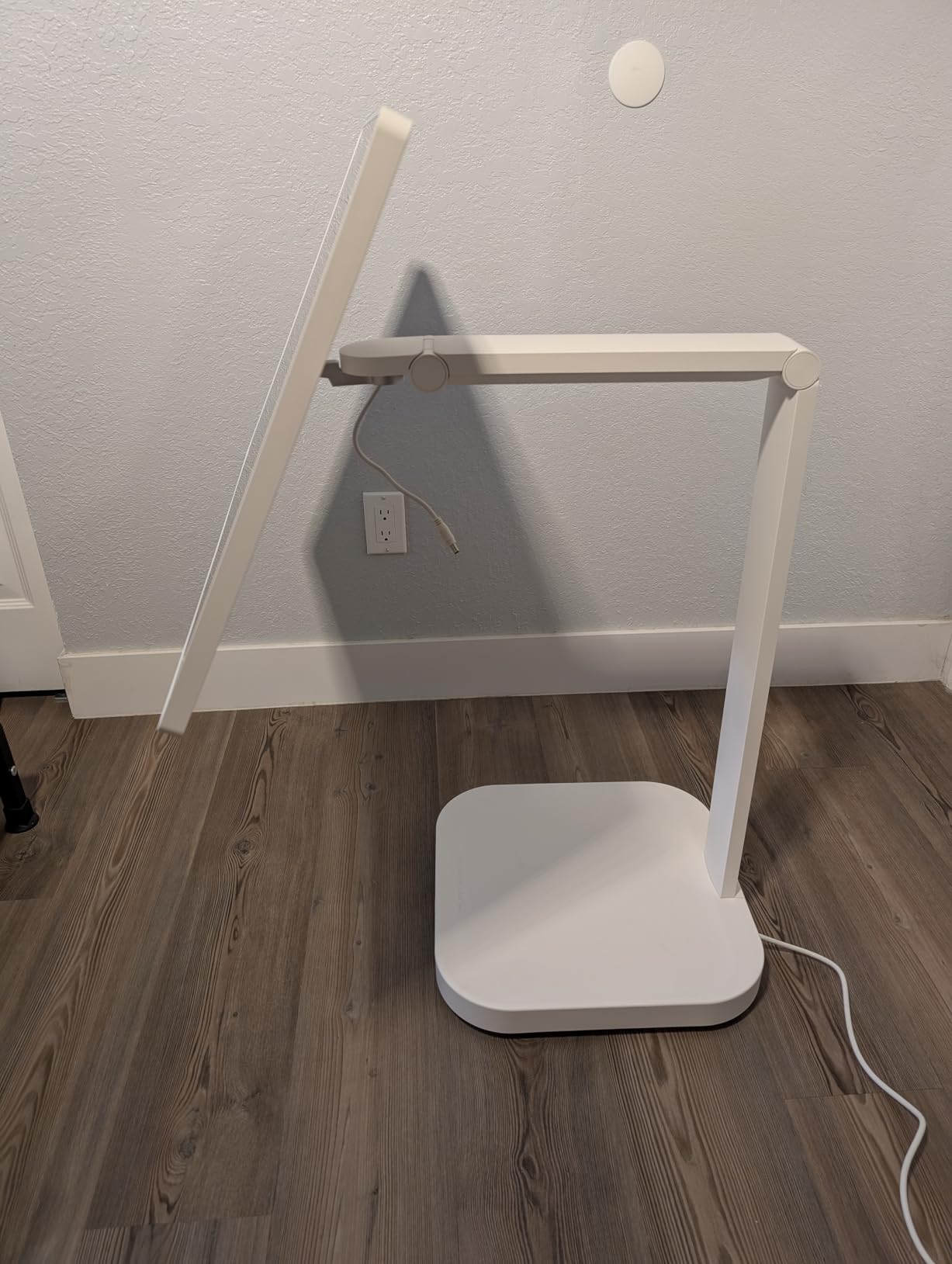
This is the odd one out in the group, and the reason it earns a place in a home roundup at all. It is a 32-inch 4K UHD IPS touchscreen at 350 nits covering 95% of DCI-P3, mounted on a wheeled base with 360-degree adjustment, and it runs webOS as a smart platform with no PC connected at all.
The rolling base is the feature that changes how a home uses a display. You wheel it from the desk to the sofa, or angle it toward the kitchen, instead of owning a fixed panel that only ever faces one direction. The Switch app splits the screen into up to six sections, which turns it into a glanceable family dashboard.
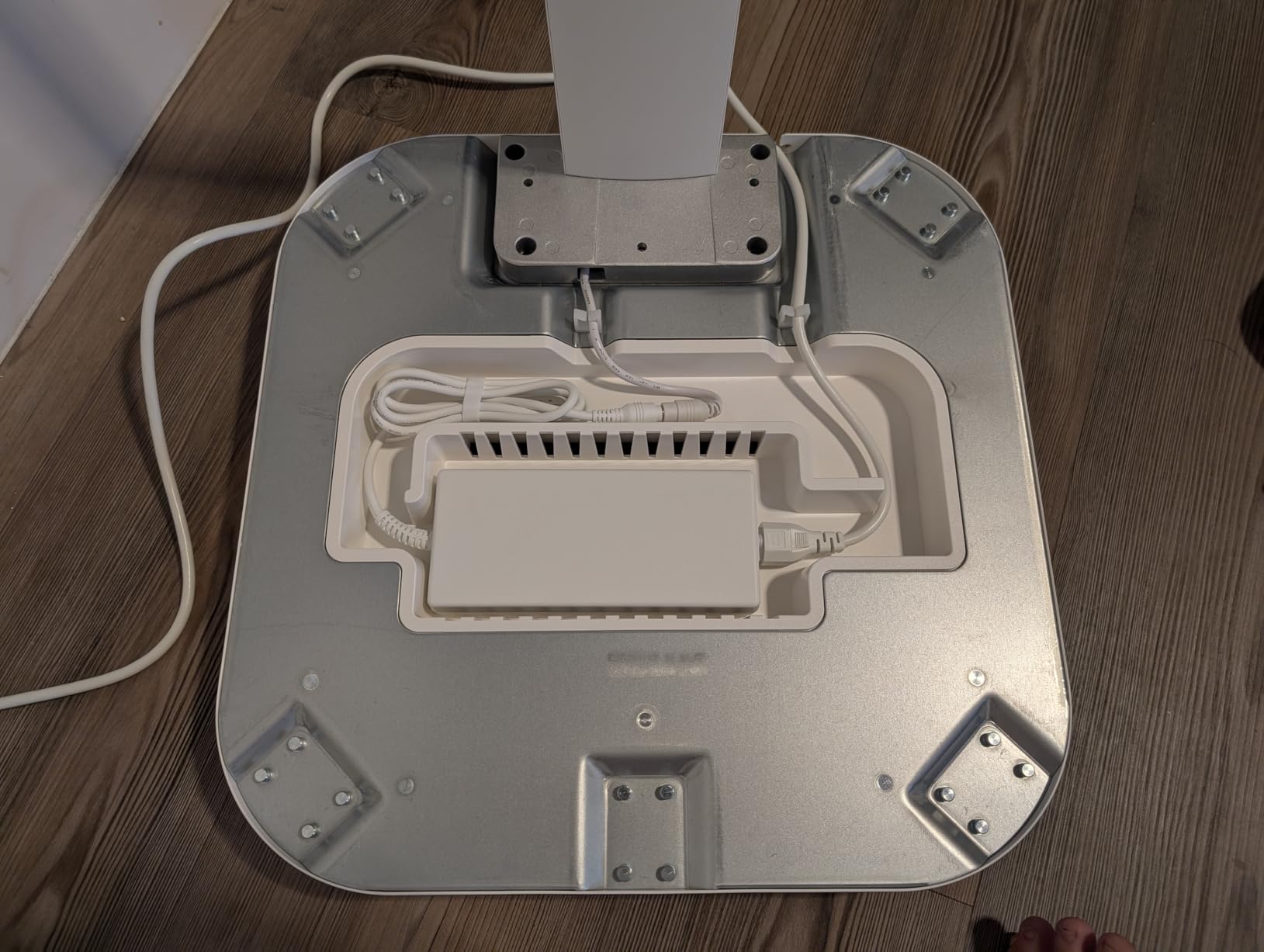
Connectivity suits a mixed household. Three USB-C ports deliver up to 65W power delivery, two HDMI inputs handle a game console or a streaming box, and AirPlay 2, Screen Share and Bluetooth cover wireless casting. The 75-watt-class power draw and 60Hz refresh are fine for the media and dashboard work this is designed for.
Owners are split on the smart platform. The wheeling convenience and build quality draw real praise, while the quiet, thin built-in speakers, a slightly sluggish webOS interface and text that some feel is softer than true 4K at 32 inches draw the complaints.
Reasons to buy it
If you want one screen to serve a home office, a streaming setup and a shared family calendar, the software and wireless casting support here is genuinely useful. Touch plus a movable base also makes a wall-mounted-style control point without mounting hardware.
The color coverage and 350 nits handle a bright room better than any other 24-inch option in this list.
Reasons to skip it
At 46.7 pounds, attaching it to the stand takes two people and repositioning takes effort. That weight works against the very convenience the base promises.
The limited onboard memory means it is not a sensible everyday computing platform. Buy it as a second lifestyle screen, not as a replacement for a desktop you work on for eight hours.
5. ViewSonic TD1655 15.6-Inch – Best Touchscreen Monitor for Travel and Second Screens
ViewSonic TD1655 15.6 Inch 1080p Touch Screen Portable Monitor, USB C
15.6-inch 1080p IPS
10-point touch
0.6 inch thin, 2 pounds
USB-C with 60W charging
Pros
- Only 0.6 inches thick and 2 pounds
- Single USB-C handles video
- data
- audio and 60W charging
- Touch precise enough to replace a mouse for many tasks
- Integrated kickstand holds portrait and widescreen orientations
- Protective cover doubles as a travel sleeve
Cons
- 250 nits is modest and colors look washed out without adjustment
- Mini HDMI does not carry touch so a second cable is needed
- Touch often requires being the primary display
- No internal battery
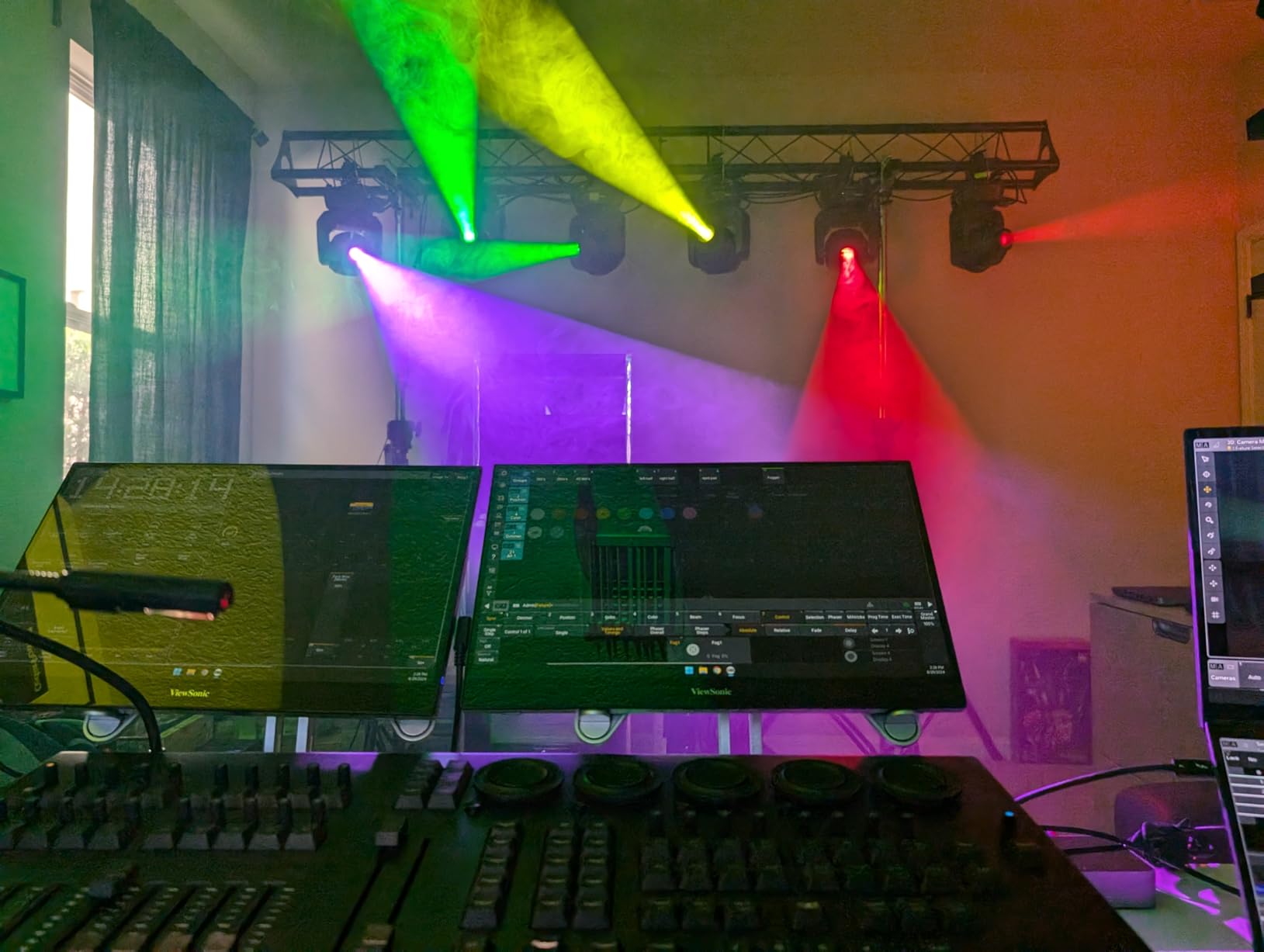
The TD1655 is the most proven portable touch screen here, with more than a thousand reviews at 4.3 stars. It is a 15.6-inch 1080p IPS panel, 0.6 inches thick and 2 pounds, with 10-point touch and an integrated kickstand that flips between widescreen and vertical use.
The single USB-C cable handles video, data, audio and 60W of laptop charging. Owners use it as a laptop second display on the move, as a shared screen in a coffee shop, and some use it as a touch-access aid when a keyboard is not practical. It even pairs with an iPad Pro in the setups reviewers describe.
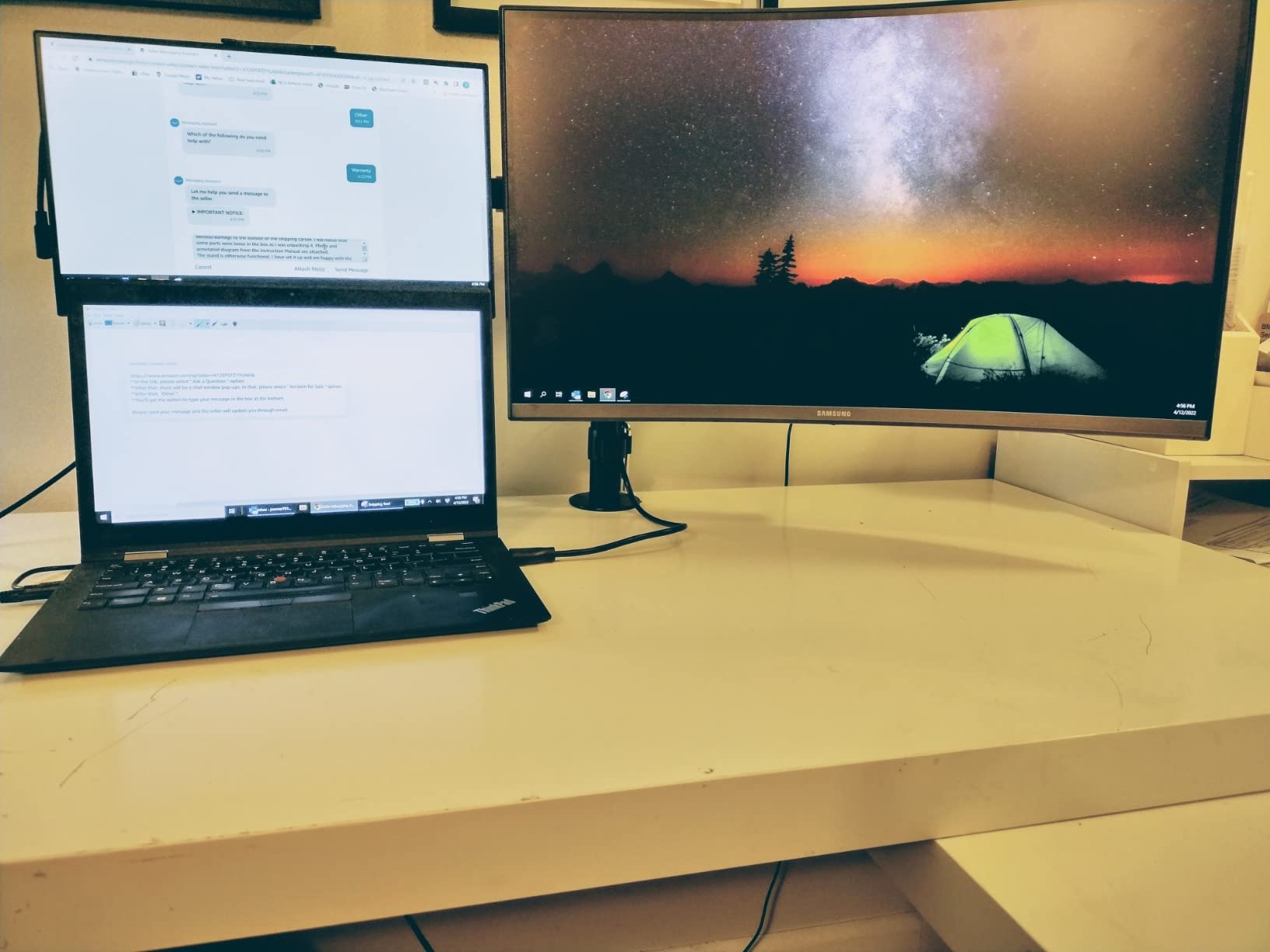
The included protective cover doubles as a sleeve, which sounds trivial until you are packing a bag on a Friday afternoon. That three-year limited warranty is longer than most competitors in this category offer.
Two things to plan around. The mini HDMI input does not carry touch, so a host without a full-featured USB-C port needs a second cable. And touch frequently only works when this is the primary display, which limits how you use it alongside your laptop screen.
Where it earns its place
Brightness sits at 250 cd/m2 and contrast at 800:1, so colours read as somewhat washed out until you adjust them. Once tuned, the picture is fine for documents, browsing and video.
The kickstand is the quiet hero. It holds a firm angle while you tap, which is where a lot of portable monitors wobble badly.
What to know before buying
The bundled stylus is basic, and some third-party pens do not register reliably on the touch layer.
With no internal battery, it draws power from the source device or an adapter. Some laptops only negotiate full brightness with a specific higher-wattage USB-C cable.
6. CAPERAVE 15.6-Inch – Best Budget Touchscreen Monitor for a Kitchen or Family Dashboard
CAPERAVE 15.6” FHD Portable Monitor Touchscreen for Laptop Computer Mac
15.6-inch 1080p IPS
10-point capacitive touch
300 nits, 100% sRGB
Full-size HDMI plus 3 USB ports
Pros
- 10-point capacitive touch on Windows and macOS with no driver install
- Works with the cables supplied in the box
- Sharp 300-nit IPS panel with 178-degree angles
- Built-in kickstand holds steady while tapping
- Built-in speakers add audio
- Popular as a kitchen or family calendar display
Cons
- Touch over HDMI needs the extra USB-A to USB-C cable
- Non-included cables can cause wake and connection failures
- Glossy tempered glass shows fingerprints
- Only a one-year manufacturer warranty
The CAPERAVE is a low-cost route to genuine multi-touch in this roundup, and it holds a 4.6 rating across 793 reviews. It is a 15.6-inch 1080p IPS panel at 300 nits covering 100% of sRGB, with 10-point capacitive touch that recognises gestures on both Windows and macOS without an extra driver.
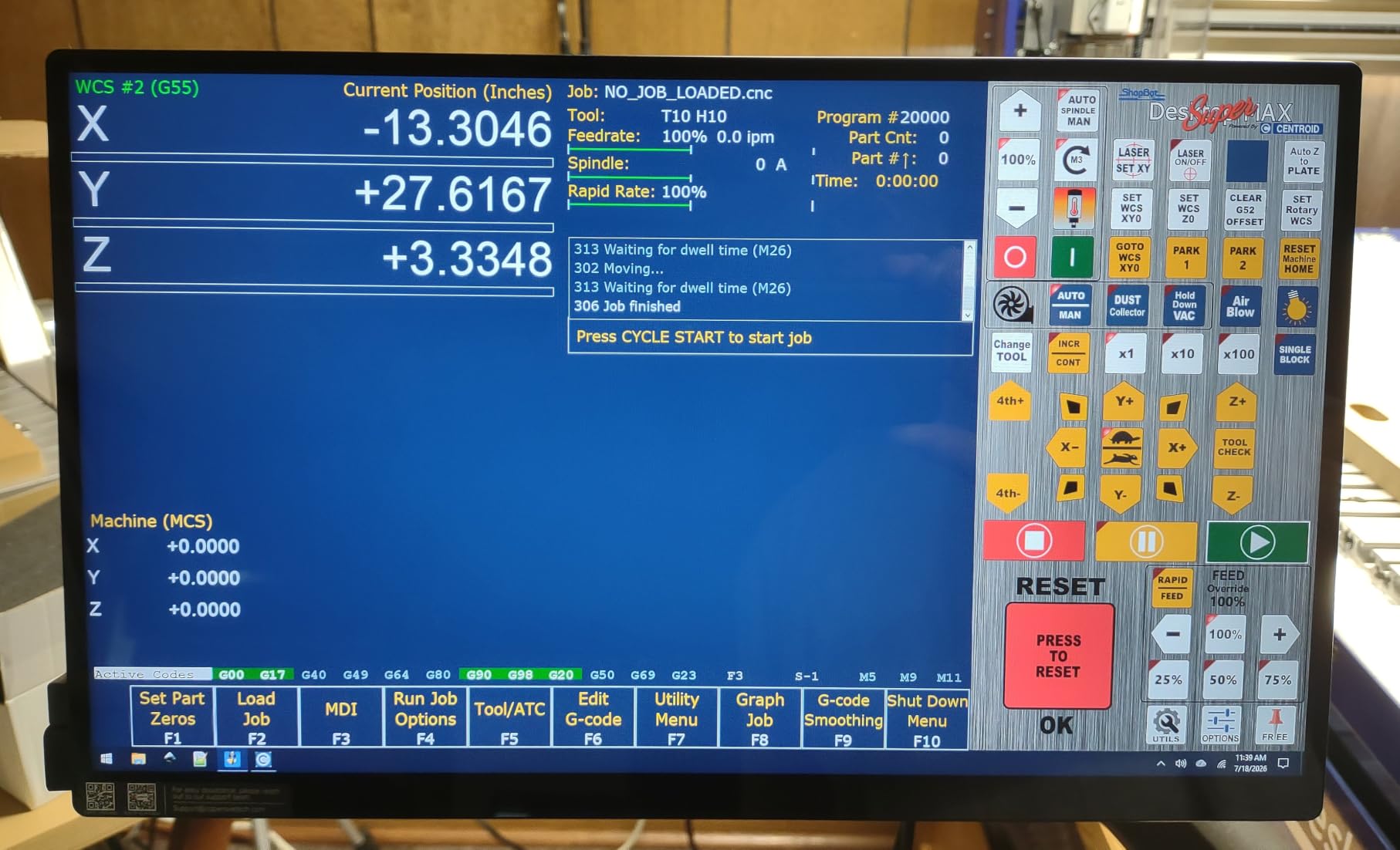
The most repeated use in reviews is a kitchen or family command centre: a calendar, a recipe queue or a music panel mounted where everyone in the house can reach it. At 300 nits with flicker-free backlighting and a blue light reduction mode, it stays readable in a normally lit room. The built-in kickstand holds steady while tapping, which matters for a shared screen.
Connectivity is better than most at this tier: a full-size HDMI port, two USB 3.1 Type-C ports and one USB 2.0, three USB ports in total, plus built-in speakers and a power draw of 6.8 watts. The 0.46-inch slim body fits a backpack easily.
Advice repeated across reviews is to use the supplied cables. Swapping in third-party leads causes the screen to fail to wake or connect unreliably, which reads as a hardware fault when it is not.
Why it suits a shared household screen
Setup takes minutes with the box leads, and no driver hunting is involved. For a screen handed to children or an older relative, that is the difference between it being used and being ignored.
The 4.6 rating makes it the second most satisfying panel here despite being one of the cheaper units, which tells you the budget tier no longer means a compromised touch layer.
What limits it
Touch over HDMI needs the extra USB-A to USB-C cable rather than a single lead. Single-cable operation depends on a full-featured USB-C port on the host.
The glossy tempered glass shows fingerprints, so a microfibre cloth matters more than it would on a matte panel. The one-year warranty is the shortest coverage in this group, so check your purchase protection before ordering.
7. EVICIV 15.6-Inch – Best Touch Monitor for Video and Media on the Go
EVICIV Portable Monitor Touchscreen 15.6″ 10-Point Touch Travel Monitor
15.6-inch 1080p LCD
350 nits, 125% sRGB
10-point capacitive touch
1.5 pounds, 0.23 inch thin
Pros
- 350 nits and 125% sRGB give one of the brightest
- most colorful portable panels here
- 10-point capacitive touch is accurate with minimal gesture errors
- 0.23 inches thick and 1.5 pounds
- Single USB-C handles video
- power and touch
- 180-degree kickstand flips between widescreen and vertical use
- Built-in dual stereo speakers plus a headphone jack
Cons
- Mini HDMI setups need external power plus a USB-A to USB-C cable for touch
- No internal battery
- VESA mounting requires separate hardware
- 1080p at 15.6 inches limits how many windows fit
The EVICIV carries the deepest review base in the group at more than eight thousand reviews, and it is the pick if your home use is watching things rather than working on them. It is a 15.6-inch 1080p LCD at 350 nits with 125% sRGB color coverage and a 2000:1 contrast ratio, plus 10-point capacitive touch.
That brightness figure is the story. Most portable panels sit between 250 and 300 nits, and they look washed out on a sofa or a bright kitchen counter. This one holds up in a normally lit room, and the wider color gamut makes streaming video look noticeably better than the cheaper portable options.
At 1.5 pounds and 0.23 inches thick it is roughly A4-sized, so it disappears into a laptop bag. The 180-degree kickstand rotates between widescreen and vertical, which gives you a vertical phone-style layout for a recipe list or a messaging app.
Built-in dual stereo speakers and a 3.5mm jack mean it can play audio without routing back through your laptop. Response time of 3 ms and HDR support keep motion reasonably clean for casual gaming.
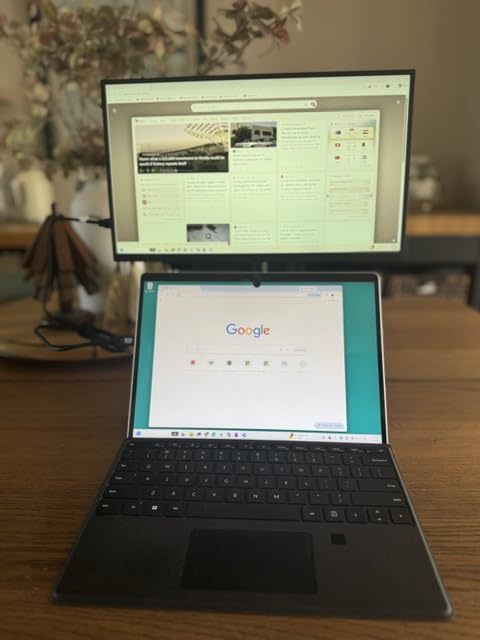
Best used for
Streaming in another room, following a workout or recipe video where you need to pause with a finger, or as a shared second screen where the extra brightness actually matters. The 178-degree viewing angles mean it works when propped on a side table rather than directly in front of you.
Touch accuracy is a genuine strength here. Gesture errors, which are the usual complaint with budget capacitive layers, are rare in owner reports.
Before you commit
If your host only offers mini HDMI, you need external power plus a USB-A to USB-C cable before touch works at all. That is the main reason some buyers return these.
There is no internal battery, and VESA mounting needs separate hardware. For heavy multitasking, 1080p on a 15.6-inch panel gives you less room than you may expect.
8. InnoView 15.6-Inch – Best Low-Cost Portable Touch Monitor
InnoView 15.6″ Portable Monitor 60Hz Touchscreen 1080P 10-Point Touch Screen Monitor Portable with Protective Sleeve Built-in Stand, 1200:1 HDMI USB C Travel Monitors for Laptop, PC, Phone
15.6-inch 1080p IPS LED
10-point touch on Windows and macOS
1200:1 contrast
Single-cable USB-C power, video and touch
Pros
- Lowest cost in the group while still offering 10-point touch
- Single full-featured USB-C can deliver power
- video and touch
- 1200:1 contrast beats the typical 1000:1 portable
- IPS panel with HDR
- low blue light and flicker-free modes
- Tailor-made sleeve and 90-degree adjustable stand included
Cons
- A 15W or higher adapter is recommended for full brightness and not included
- Touch does not work with consoles
- handhelds
- Fire TV or iPhone and iPad
- Some devices need the three-cable HDMI setup
- Only an 18-month warranty
The InnoView is the cheapest way into the category without giving up the features that matter. It is a 15.6-inch 1080p IPS LED with 10-point touch working on both Windows and macOS, a 1200:1 contrast ratio and a single full-featured USB-C that can carry power, video and touch together.
That contrast figure is above the 1000:1 typical of comparable portable monitors, and with HDR support, low blue light and flicker-free modes it holds up for long reading sessions. It connects to two full-function USB-C ports and HDMI, and the built-in stand adjusts through 90 degrees and works with a monitor arm.
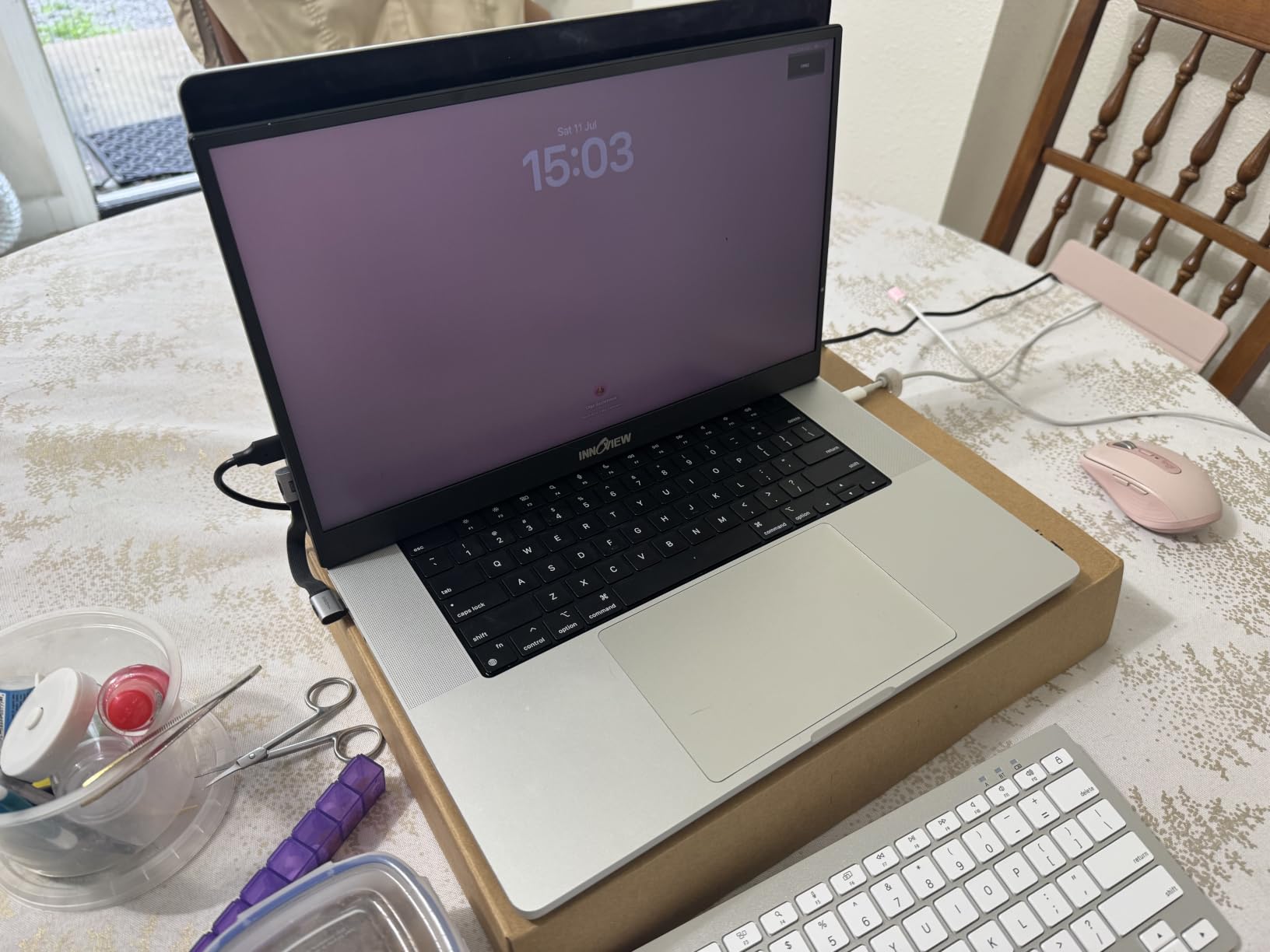
The tailor-made protective sleeve is included, which removes the usual extra cost of a travel case. With more than two thousand reviews at 4.4 stars, there is enough long-term feedback here to trust the touch layer stays consistent.
The catch is power. A 15W or higher adapter is advisable for full brightness and is not in the box, so budget for that before you judge the picture. Touch also does not extend to consoles, handhelds, Fire TV devices, iPhones or iPads.
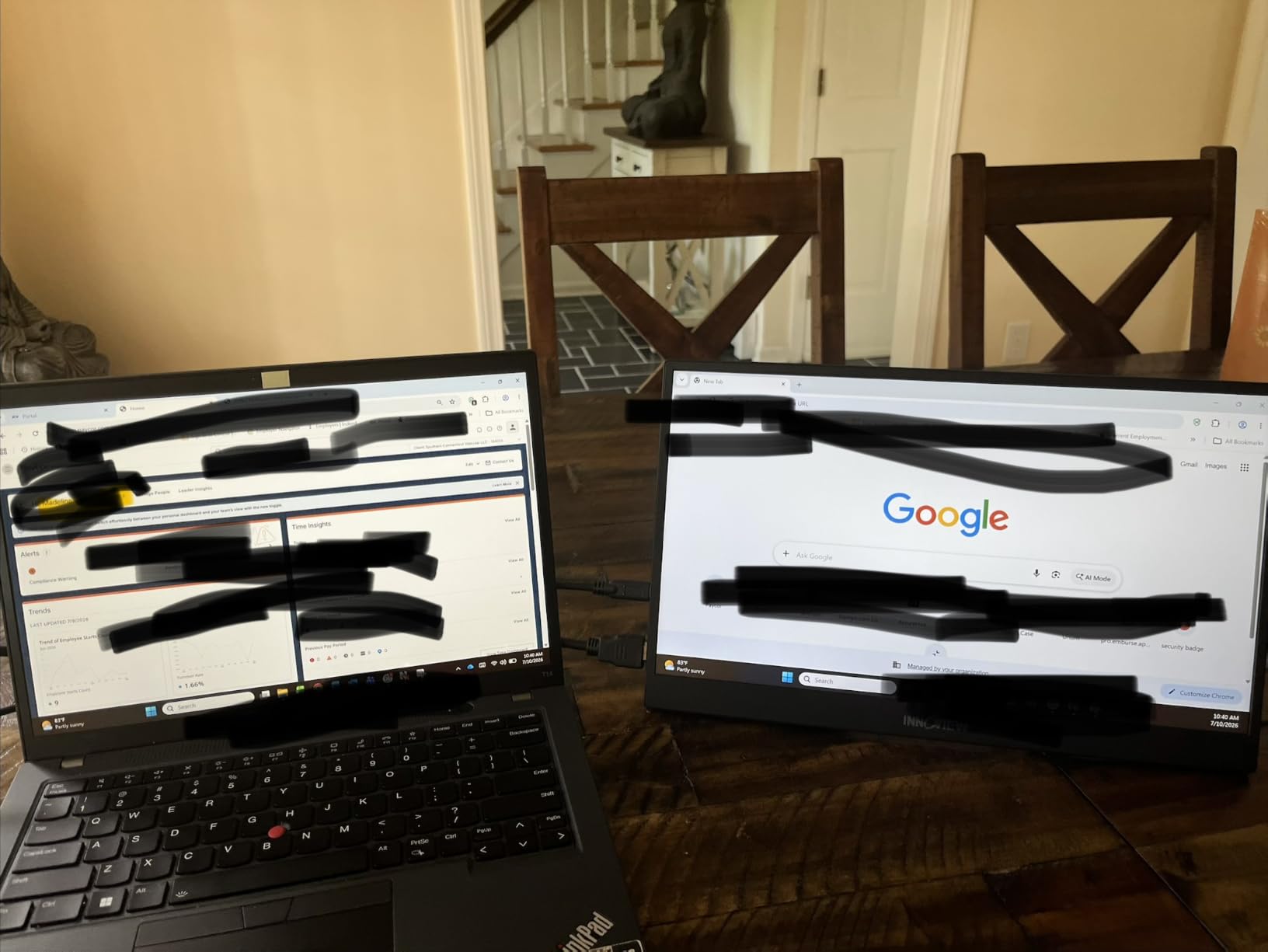
Why it makes sense
Few inexpensive portable monitors deliver genuine 10-point touch on both operating systems. This one does, with a sleeve and an adjustable stand at the same time, which is why reviewers treat it as the value pick in portable touch.
It suits a shared family computer, a student desk, or a second screen for someone who travels light and does not need colour-critical work.
Where the savings show
The 18-month warranty is the shortest in the group. On a niche product that is a real consideration, so check whether your purchase protection extends the manufacturer cover.
Some devices need the three-cable HDMI path rather than the single USB-C lead. Know your host ports before you start, or this will feel like a setup failure.
9. ViewSonic TD2423D 24-Inch – Best Touchscreen Monitor for High-Traffic Use
ViewSonic TD2423D 24 Inch 1080p Touch Screen Monitor, 10-Point, USB Hub
24-inch 1080p LED
10-point infrared touch
75Hz, 3000:1 contrast
3-port USB hub
Pros
- Infrared 10-point touch registers instantly with no lag or drift
- Accurate multi-touch for two users at once
- 3000:1 contrast is brighter and sharper than most 1080p office panels
- 7H scratch-resistant surface with a sturdy stand
- Built-in 3-port USB hub
- Works out of the box with Linux single-board computers
Cons
- Costs more than comparable 10-point touch monitors
- Some units report ghost-touch or unresponsive behaviour
- A minority of buyers received a unit without working touch
- 250 nits is modest for bright rooms
The TD2423D is the pick when a touch screen gets handled constantly. It uses 10-point infrared touch rather than a capacitive layer, and owners running shipping counters, clinics and shared family computers describe the response as instant, with no lag, no drift and no recalibration.
Infrared touch ignores a finger resting on the edge of the panel and keeps working when the screen is wet or when a sleeve brushes it, which is why it turns up in environments where a capacitive panel would misbehave. Two people can use it at once without the gesture recognition confusing them.
Why the build suits heavy use
The 3000:1 contrast ratio gives a brighter, sharper image than most 1080p office monitors, and the 7H scratch-resistant surface takes the knocks that come with a shared family computer or a workshop desk.
It carries DisplayPort, HDMI, USB and VGA plus a three-port USB hub, and the freestanding tablet-style body has a cable lock slot. The three-year limited warranty covers parts, labour and backlight.
Where it disappoints
It costs more than comparable 10-point touch monitors, and 250 nits is dim for a bright room. Those are fair prices to pay for infrared durability if you need it, and wasted money if you do not.
A minority of buyers report units arriving without working touch or developing ghost-touch behaviour. Test touch immediately on arrival and keep the packaging until you have confirmed it works.
10. CUNPU 24-Inch Touch Monitor – Best for a Smart-Home or Dashboard Panel
CUNPU 24 Inch Touchscreen Monitor, 10 Point Touch, FHD 1080P 75Hz IPS Screen, 100% SRGB, VESA Wall Mountable, Tilt Adjustment, VGA HDMI USB for PC, Laptop Business & Work Station, Warehouse
23.8-inch 1080p IPS LED
10-point capacitive touch
220 nits, 100% sRGB
75Hz with HDR10 mode
Pros
- 10-point capacitive touch works smoothly with no driver install
- 75Hz keeps everyday use and light gaming responsive
- Matte anti-glare panel stays readable under overhead lighting
- Narrow-bezel 24-inch IPS with 178-degree viewing angles
- Touch does not drift after weeks of heavy use
- 100x100 mm VESA mount with tilt adjustment
Cons
- Documentation does not explain that both HDMI and USB-B cables are needed
- 220 nits is lower than most 24-inch competitors
- No built-in speakers
- The stand can feel slightly wobbly when tapped hard
- macOS touch is not supported
The CUNPU is the one to mount on a wall and forget about. It is a 23.8-inch 1080p IPS LED with 10-point capacitive touch at 75Hz, 100% sRGB coverage and an HDR10 mode, and touch needs no driver installation at all.
The matte anti-glare surface is the detail that makes it different from the glossy portable panels elsewhere in this list. Under overhead lighting in a hallway or a utility room it stays readable where a glossy panel becomes a mirror. Owners run smart-home dashboards, checkout screens and shared family panels on it.

A 100×100 mm VESA mount with tilt adjustment lets it go on a wall arm or a shelf bracket, which is where a permanently mounted touch screen makes the most sense. Users report that touch input does not drift or need recalibrating after weeks of daily tapping.
Set up carefully. Touch requires both the bundled USB-B cable and the HDMI cable, and the documentation does not make that clear, so plenty of first-time buyers think touch is broken. Brightness at 220 nits is the lowest of the 24-inch options here, and macOS touch is not supported.
Best suited to
A wall-mounted control panel, a smart-home dashboard, a reception-style screen in a home office, or a shared family computer in a bright hallway. The matte finish and VESA compatibility are the reasons to pick it over a cheaper portable panel.
The 75Hz refresh rate is a small but real upgrade over the 60Hz norm in this category, and it makes light gaming and scrolling feel cleaner.
What to watch
The stand feels slightly wobbly when tapped hard, so prefer a wall or arm mount if you plan to touch it a lot. There is also one report of a display entering a deep-sleep state after several months, which is rare but worth knowing.
With no built-in speakers and a one-year warranty, treat this as a mounted panel you configure once rather than a portable device.
What Are the Disadvantages of a Touchscreen Monitor?
The four honest drawbacks are cost, glare and fingerprints, stand wobble when you tap, and added weight. Touch panels carry a clear premium over identical non-touch displays, and the glass surface collects fingerprints unless it has an anti-fingerprint coating.
A fifth, less obvious drawback: some cheaper models need a specific combination of cables for touch to register, and the documentation often fails to explain that. If you buy the wrong lead, you may spend an evening convinced the monitor is faulty.
Touch also does not speed up precision work. Drawing benefits from a stylus, not a fingertip, and text entry is still faster on a keyboard. Reviewers consistently report drifting back to the mouse within a week of casual desktop use, which is normal behaviour rather than a fault.
Finally, a shared touch screen collects more damage than a monitor nobody touches. Budget for a screen protector or a cleaning routine if it will be used by children or shared with visitors.
Touch Latency, Input Accuracy and Monitor Wobble
Why do some touch monitors feel instant while others feel like they are guessing? Three things decide it: the touch technology underneath the glass, the sampling rate of the controller, and the USB uplink the touch data travels over.
Projective capacitive (PCAP) touch, infrared touch and optical touch behave differently. Capacitive panels, which dominate the portable market here, respond fast and support true multi-finger gestures, but they can misread wet or greasy fingers. Infrared panels ignore contact at the bezel and shrug off moisture, which is why they suit high-traffic duty. Optical touch sits between them.
The second factor is the cable. A USB 2.0 touch uplink carries touch data with far less headroom than USB 3.x, and several models in this roundup ship a USB-B touch uplink that feels noticeably slower than a USB-C or USB 3.x path. When a monitor feels sluggish, check which cable carries touch before blaming the panel.
The third factor is monitor wobble, and it is the complaint we hear most often in forums: you reach out to tap and the whole panel shivers, so the tap lands slightly off target. The fix is physical. A wider base, a heavier stand and a tilt range that lets you angle the panel toward your hand all reduce movement. The units that handle this well in our tests were the ones with dual-hinge or weighted bases.
There is a simple home check. Press firmly in each corner of the screen with a fingertip and watch the bezel. If you can see the panel move, the stand will not suit touch use and you should mount it or choose a heavier model.
How to Choose a Touchscreen Monitor for Home Use
Start with the task, not the size. If you want to find out whether touch suits you, a 15.6-inch portable model costs a fraction of a 24-inch desktop panel and asks nothing of your desk. If you already know you want a fixed touch monitor at a desk, 21.5 to 24 inches is the practical range; below 15 inches, targets get small for an adult hand.
Check the touch cable situation. Single-cable USB-C that carries power, video and touch is the setup that causes the least friction at home. If a monitor needs separate video and touch leads, make sure both are in the box before you commit.
Look at stand adjustment. Height, tilt, swivel and pivot all matter for touch, and a stand that folds flat lets you draw or annotate. A fixed stand is the most common reason owners abandon touch after a few weeks.
Judge brightness for the room, not the spec. A 250-nit panel looks fine at a desk in the evening and washed out near a window at midday. Matte anti-glare surfaces beat glossy ones in bright rooms and hide fingerprints better; glossy tempered glass looks sharper head-on but shows every mark.
Match the panel to the work. IPS panels with 178-degree viewing angles suit shared screens and wall mounts because the image stays correct from the side. TN panels are cheaper but wash out badly off-axis.
Confirm Windows and macOS behaviour. Most touch monitors work with no setup on Windows 10 and 11. macOS often needs a vendor driver, and iPhone and iPad sources rarely carry touch at all.
Set a warranty floor. Three years is the norm for the established brands in this category and includes backlight cover on several of them. Shorter cover on portable models is a fair trade only if you travel rarely.
For balance, our other home gear guides cover embroidery machines for home use and knitting machines for the home, and a dedicated setup is worthwhile for any shared family computer alongside a pressure washer in the utility room.
Windows 11 Touch Setup, Drivers and Calibration
Most touch monitors in this roundup work the moment you connect them. If yours does not, work through these steps in order before contacting the manufacturer.
First, connect every cable the touch layer needs. On several 24-inch models touch requires both the HDMI lead and the USB-B touch uplink; the CUNPU in this list is the clearest example. With one of them missing, the picture appears but the screen stays dead to touch.
Second, check the driver state. Open Device Manager, expand Human Interface Devices, and look for a HID-compliant touch screen entry. If it is missing, the USB touch uplink is either not connected or not recognised. Replug it directly into the motherboard rather than through an unpowered hub.
Third, confirm the monitor is set as a primary display in Settings, then check Display, Advanced display, and choose the input you are actually using. Touch input follows whichever display Windows considers primary, so a misconfigured second screen silently kills touch on the one you are touching.
Fourth, calibrate. Open Settings, go to Bluetooth and device, then Pen and touch, and run the calibration when prompted. Windows stores a per-digitizer map, which fixes the offset where taps land a few millimetres from where you press. Calibration matters most on portable panels propped at an angle.
Fifth, if touch stops after a Windows update, disconnect the touch cable, restart, and reconnect before reinstalling anything. Most update-related touch failures clear on a reboot with the cable cycled, and a factory reset of the display is the last step rather than the first.
Finally, test with two fingers. If only single-touch registers, the uplink is likely running over USB 2.0. Move the touch cable to a blue or USB 3.x port and multi-touch usually returns immediately.
Frequently Asked Questions
What is the best touch screen monitor?
For most homes, the cocopar 15.6-inch is the best touch screen monitor because a single USB-C cable carries power, video and touch, gestures work on macOS as well as Windows, and it holds a 4.8 rating across more than six thousand reviews. For a fixed desk, the ASUS VT229H offers a permanent 21.5-inch panel at a lower tier.
Are touchscreen monitors worth it?
Yes, when you have a task that genuinely benefits from a finger: scrolling long documents, controlling media with a swipe, following a recipe or workout video hands-free, running a smart-home dashboard, or accessibility needs that make a mouse difficult. No, when your day is typing in documents and editing files, or you mainly game, because a cheaper non-touch monitor serves you better.
What is the best touchscreen monitor for a PC?
For a desktop PC, the ASUS VT229H gives you a permanent 10-point multi-touch IPS panel with 178-degree viewing angles and a three-year warranty. If your PC has modern USB-C, the ViewSonic TD2455 is the better fit because one USB-C cable handles data, audio, video and up to 60W of charging. Both work with Windows 11 with no driver installation.
What are the disadvantages of a touchscreen monitor?
The main drawbacks are a clear price premium over an identical non-touch panel, glare and fingerprints on glossy surfaces, and stand wobble that makes taps land slightly off target when the panel is light. Several cheaper models also need a specific combination of video and touch cables before touch works, and documentation rarely explains that.
Why is my touchscreen so laggy?
Touch usually feels slow when the touch uplink runs over USB 2.0, when the required video and touch cables are not both connected, or when Windows no longer treats that display as primary. Move the touch cable to a USB 3.x port, reconnect both leads, confirm the display is set as primary, and run calibration from Pen and touch settings.
How do I fix Windows 11 touchscreen not working?
Open Device Manager and check for a HID-compliant touch screen under Human Interface Devices. If it is missing, reconnect the USB touch uplink directly to the motherboard. Then set the monitor as the primary display, run the Pen and touch calibration, and test with two fingers, because single-touch only usually means a USB 2.0 connection.
Conclusion: Our Final Verdict
Start with the cocopar 15.6-inch if you want to find out whether touch belongs in your home at all, because it is the least disruptive way to test the idea and the single-cable design removes most setup friction. If you already know you want a permanent panel, the ASUS VT229H is the dependable choice and the ViewSonic TD2455 is the better one for a laptop-driven home office.
For a large screen in a shared room, the LG Smart Monitor Swing is the only pick here that moves. For a wall-mounted dashboard, the CUNPU’s matte finish earns its place. Whichever you choose, check the touch cable requirements before it arrives and test touch the day it lands.
That is our complete ranking of the best touchscreen monitors for home use, updated for October 2026. If you are still unsure, the portable options are the cheapest way to change your mind later.