
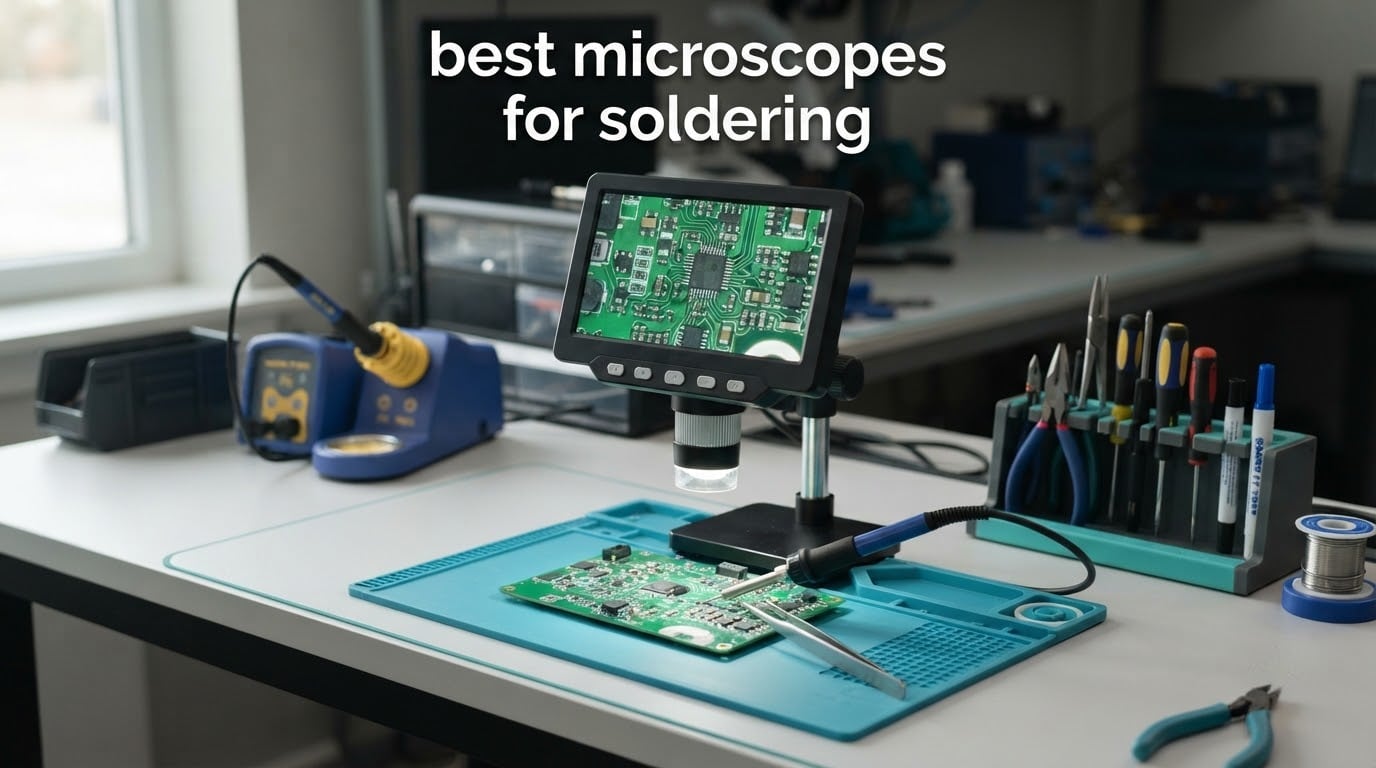
Do you need a microscope to solder? Not if you are building through-hole kits with healthy eyesight. Do you need one the moment you touch 0402 passives, a QFN, a BGA or a phone board? Yes, because unaided eyes stop telling you the truth about whether a joint is wetted, bridged or cold.
That is the split this roundup is built around. I compared eight named, currently available scopes across three tiers – budget LCD and USB units, mid-range HDMI models with multi-lens heads, and one true optical stereo microscope – and wrote up what each one is actually good at, where it stops working, and who should not buy it. Every model below is named, not a generic product category, because a list that says “HDMI digital microscope” helps nobody at the checkout screen.
How the picks were chosen: working distance under the lens first, then optics type, then the magnification range that is genuinely useful, then lighting, then stand stability, then latency, then screen size, then warranty and included accessories. Working distance comes first because it is the one spec you cannot work around – if your iron and tweezers do not both fit under the lens, the scope is useless no matter what the sensor can resolve.
One warning before the picks. The “2000x” figure on most digital listings is marketing, not a measurement. Read sensor resolution, field of view and optical versus digital zoom instead, and the guide near the end of this article explains exactly how. If you are still building your bench, our soldering kit roundup covers the tools that matter before optics.
Table of Contents
Top 3 Picks: Best Microscopes for Soldering in 2026
Three models cover most readers. The TOMLOV DM9 is the overall pick because it does the fundamentals properly at the bottom of the price range, the Andonstar AD246S-M is the value pick because three lenses in one kit beat one lens in three kits, and the Andonstar AD210 is the budget pick for anyone who wants a large screen above all else.

TOMLOV DM9 7 inch LCD
- 7 inch LCD
- metal base and stand
- 8 LEDs plus goosenecks
- 16GB card included


The one thing none of these three fix is depth perception. If you are doing phone board microsoldering all day and your eyes are already tired, read the stereo section before you buy anything digital. Our guide to stereo microscopes for hobbyists goes deeper on what true optical zoom feels like at the bench.
Quick Overview: 8 Best Microscopes for Soldering Compared in 2026
All eight models appear below with their type, the magnification range that is actually useful, and the single spec that decides who should buy them. Ratings and review counts are the ones buyers have recorded, and the counts tell you something useful: this category has thin review volume on the shiny new models and deep history on the older budget ones.
| Product | Specifications | Action |
|---|---|---|
| TOMLOV DM9 7 inch LCD Digital Microscope |
|
Check Latest Price |
| Andonstar AD246S-M 2160P HDMI Microscope |
|
Check Latest Price |
| Andonstar AD210 10.1 inch LCD Microscope |
|
Check Latest Price |
 TOMLOV TM4K-AF 4K Autofocus Flex Arm TOMLOV TM4K-AF 4K Autofocus Flex Arm |
|
Check Latest Price |
 AmScope SE306R-PZ Binocular Stereo Microscope AmScope SE306R-PZ Binocular Stereo Microscope |
|
Check Latest Price |
 TOMLOV DM602 Flex 3 Lens HDMI Microscope TOMLOV DM602 Flex 3 Lens HDMI Microscope |
|
Check Latest Price |
 Andonstar AD249S-M Plus 2160P HDMI Microscope Andonstar AD249S-M Plus 2160P HDMI Microscope |
|
Check Latest Price |
 Plugable USB Digital Microscope 250x Plugable USB Digital Microscope 250x |
|
Check Latest Price |
1. TOMLOV DM9 7 Inch LCD Digital Microscope – Best Overall for Most Benches
TOMLOV DM9 7″ Digital Microscope: 1080P 1200X Coin Microscope Magnifier, 12MP Ultra-Precise Focusing LCD Soldering Microscopes for Adults, PC View, 16GB
7 inch LCD
1200x claim
12MP stills and 1080P video
Metal base and stand
Pros
- Self-contained 7 inch LCD means no PC workflow
- Metal base and 8.5 inch stand stay put mid-solder
- 8 built-in LEDs plus two gooseneck lights
- 12MP capture and 1080P video
- 16GB micro SD card in the box
Cons
- No HDMI output
- so a larger view needs the PC connection
- High magnification relies on digital zoom
- 7 inch panel is the smallest here
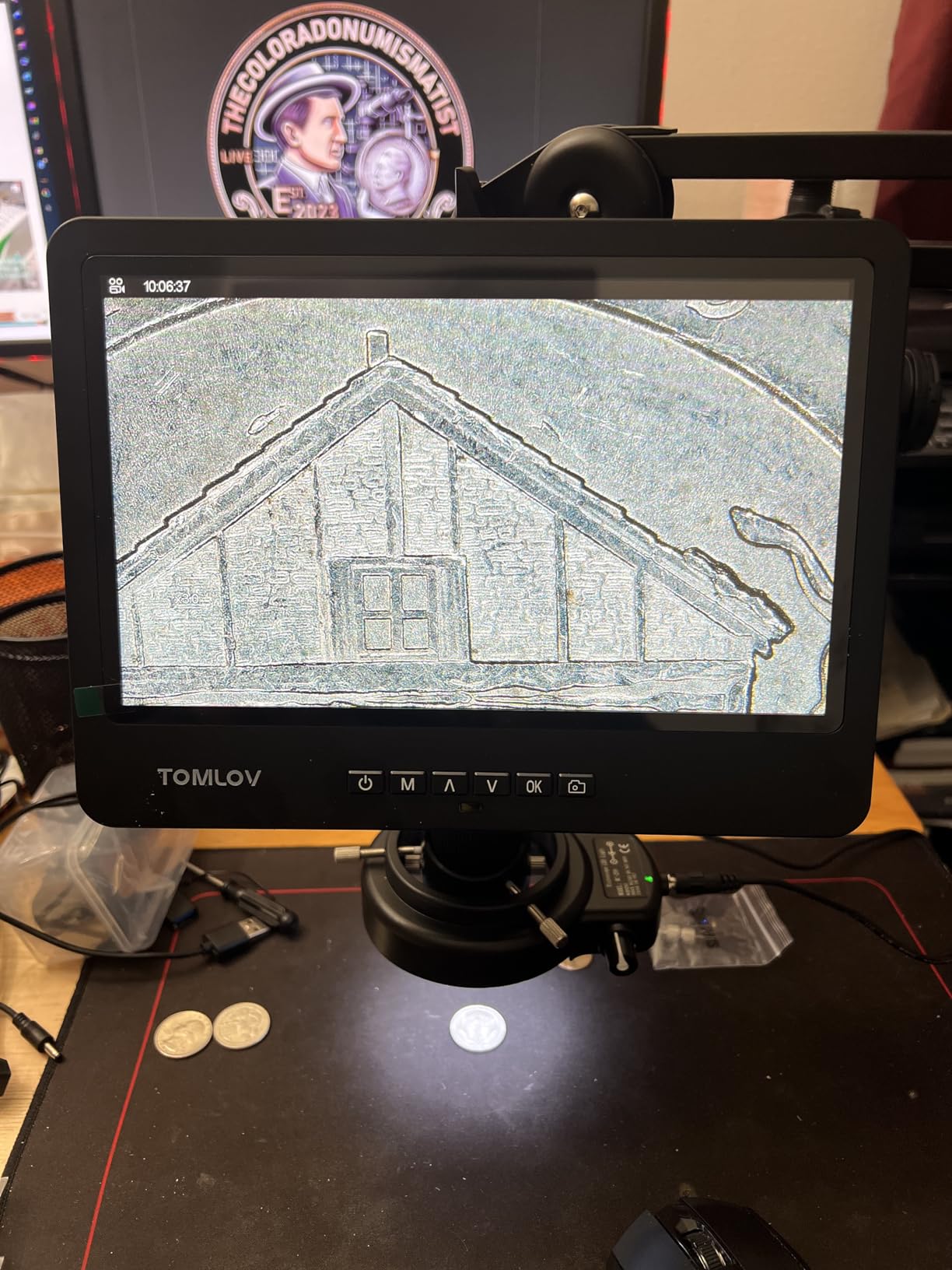
The DM9 is the one I keep coming back to, because it gets the unglamorous things right. The base is solid metal rather than the hollow plastic most budget scopes ship with, and the stand rises to 8.5 inches, which means the camera clears a soldering iron handle instead of forcing you to work around it. That single design choice matters more to your throughput than any resolution figure.
It is also self-contained. A 7-inch LCD sits directly on the unit, so there is no laptop, no capture card and no software to launch between you and the board. You pick up the iron, you solder, and when you want proof of a joint you press capture. For a beginner building muscle memory, removing the software friction is worth more than an extra hundred lines of resolution.

Light is handled unusually well at this level. There are eight built-in LEDs around the lens plus two flexible gooseneck arms you can aim independently, which means you can fill shadows cast by tall components instead of fighting them. Glossy solder mask throws reflections that hide real defects, and side-aimed light is the cheapest cure for that problem I have found.
The optics are an achromatic lens with a 178-degree viewing angle on the screen, and the claim on the box is 1200x. As always, treat that as the top of a digital zoom range rather than usable optical power – the 12MP still capture and 1080P video are the honest numbers. Mounted and lit properly, it resolves 0603 joints and most 0402 work without drama.
Who the TOMLOV DM9 suits
It suits anyone moving from through-hole to surface-mount, anyone who wants a second scope for inspection while keeping their main screen free, and anyone who has been put off by software-based USB scopes. The 4.4 rating across more than three thousand reviews is the deepest buyer history in this group outside the oldest budget model, which is useful evidence in a category where most listings show a handful of ratings.
The included 16GB card means photo and video capture works out of the box, and the Windows and Mac connection gives you a larger live view when you want one. It handles coins, textiles and circuit boards equally well, so it doubles as a general inspection scope on a mixed bench.
Where the TOMLOV DM9 falls short
The screen is 7 inches, and forum consensus is that 10 inches is the practical minimum for a scope you solder alongside a station. At 7 inches you will find yourself leaning in, and the tradeoff only disappears if you already own a good external monitor and the supplied PC software.
At the very top of the zoom range, detail degrades because you are looking at interpolated pixels rather than resolving new information. It also has no autofocus, so every height change means a manual focus turn – fine, but it adds up over a long session. If you need maximum magnification as your primary requirement, the three-lens models below resolve more at working distances that matter.
2. Andonstar AD246S-M 2160P HDMI Microscope – Best Value Multi-Lens Kit
Andonstar AD246S-M 3 Lens 2160P HDMI Digital Microscope 2000x for Adults
3 lenses including a soldering lens
2160P UHD HDMI output
Metal boom arm stand
8-level LED
Pros
- Three lenses cover soldering coins and slides
- 2160P UHD video over HDMI to any monitor
- Boom arm stand adjusts through a large work envelope
- Eight LED brightness levels
- Measurement software plus 32GB card and tweezers
Cons
- Lens changes mean unscrewing the objective
- 2.25 kg unit is not portable
- Brightness and zoom differ between screen and monitor output
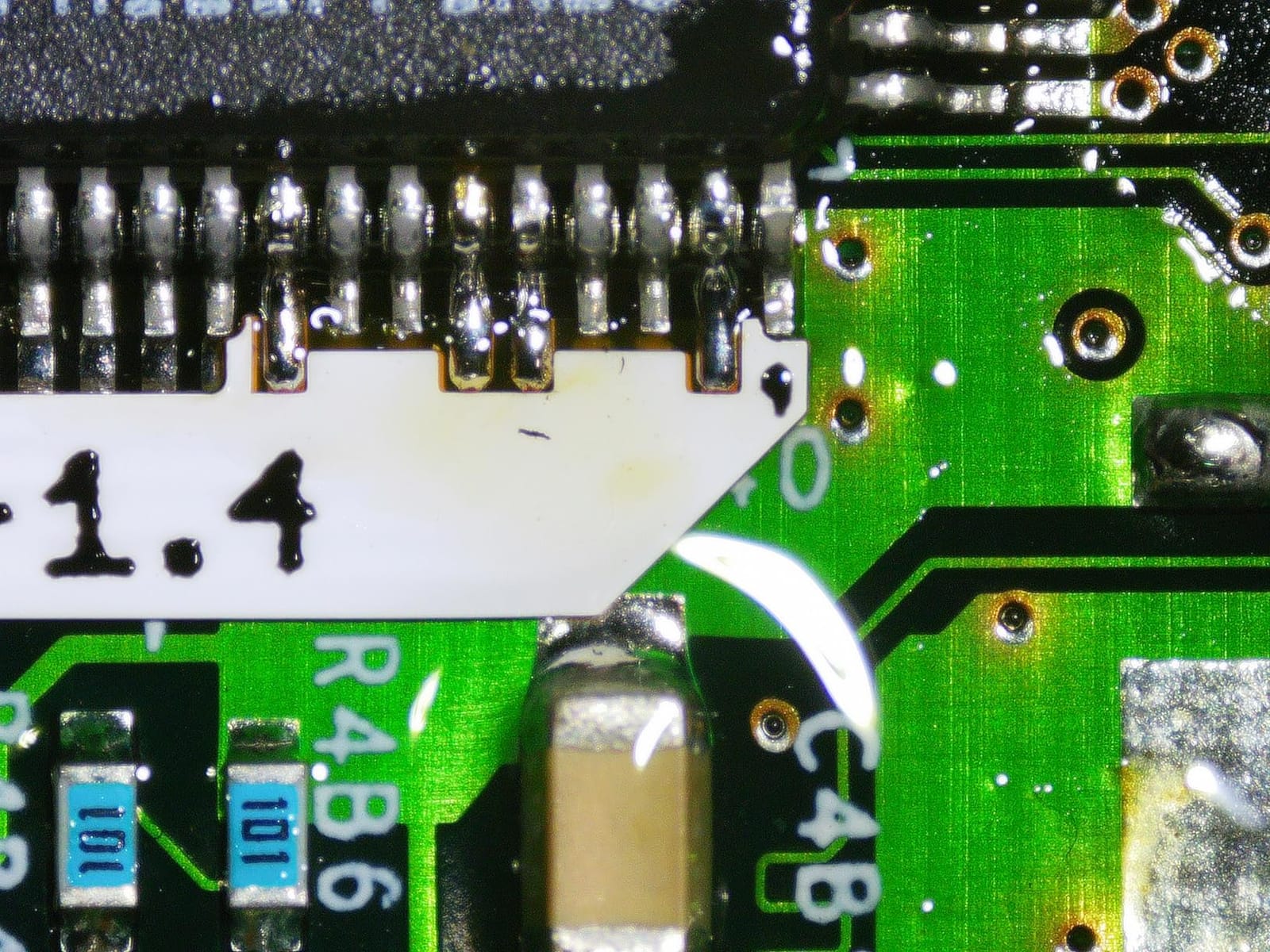
The AD246S-M is the kit I recommend when someone asks me what to buy once, rather than three times. It ships with three lenses, and the important one is marked L: 15x to 60x on the built-in screen, which reads as 60x to 240x when you run it to an external monitor. That is the range where real soldering decisions get made, on a board, with an iron in the other hand.
The second and third lenses widen the scope’s usefulness without widening its footprint. Lens A gives 4.5x to 180x for inspecting larger assemblies and coin work, and Lens D handles 450x to 510x for slides and fine detail. You are not paying three times for three scopes; you are paying once for a head that stops being the bottleneck when your work changes.

Output is 2160P UHD over HDMI, so it drives a proper monitor or television rather than asking you to squint at a laptop panel. That single change removes the input lag that makes USB scopes feel disconnected from the work, and it is the reason HDMI models became the default in most benches. The Windows measurement software handles length and area calculations, which is genuinely useful for documenting rework.
The stand is a metal boom arm rated for high-temperature soldering environments, and the body is 12.99 by 6.69 by 11.02 inches at 2.25 kg. Heavy enough not to drift when you refocus, which is the flaw that ruins most budget arms. LED brightness runs across eight levels, which is the difference between reading a joint and squinting at a glare spot.
Why three lenses beat one
Single-lens digital scopes force a compromise: wide enough to find your board, or tight enough to judge a joint. A solder-specific lens at 15x to 60x on screen gives you a working distance that suits a soldering iron while still resolving the features that tell you whether a pad is wetted. Swapping to the coin lens afterwards costs you about fifteen seconds.
The bundled extras are unusually complete for this tier: a 32GB card, five prepared slides, tweezers, an observation box and a wireless remote. The remote matters more than it sounds, because touching the body to start a capture knocks the focus out of position exactly when you are documenting a delicate joint.
Where the Andonstar AD246S-M falls short
Changing lenses is not a twist-lock operation. You remove and reinstall screws on the objective, which is fine twice a day and irritating eight times a day. If your work lives permanently at one magnification, this is the wrong shape of product and a single-lens model is cleaner.
The digital zoom ranges differ between the on-screen view and the external monitor output, so a magnification number quoted on the listing may not match what you see on your display. There is no built-in screen either, so you need a monitor or television within arm’s reach. The 4.5 rating over more than twelve hundred reviews is the strongest review base in the mid tier here.
3. Andonstar AD210 10.1 Inch LCD Microscope – Most Versatile With a Big Screen
Andonstar AD210 10.1 Inch LCD Digital Microscope for Soldering, Coin
10.1 inch Super IPS LCD
1cm to 26cm working distance
Top side and bottom LED
32GB card
Pros
- Large 10.1 inch IPS panel with 178-degree viewing angle
- Working distance adjusts from 1cm to 26cm
- Stand reaches 12.6 inches so tall iron handles fit
- Three lighting directions with adjustable brightness
- 32GB card reader and remote included
Cons
- No HDMI output so a larger view needs the PC connection
- Top magnification of 260x is modest
- Remote is needed for capture without touching the body
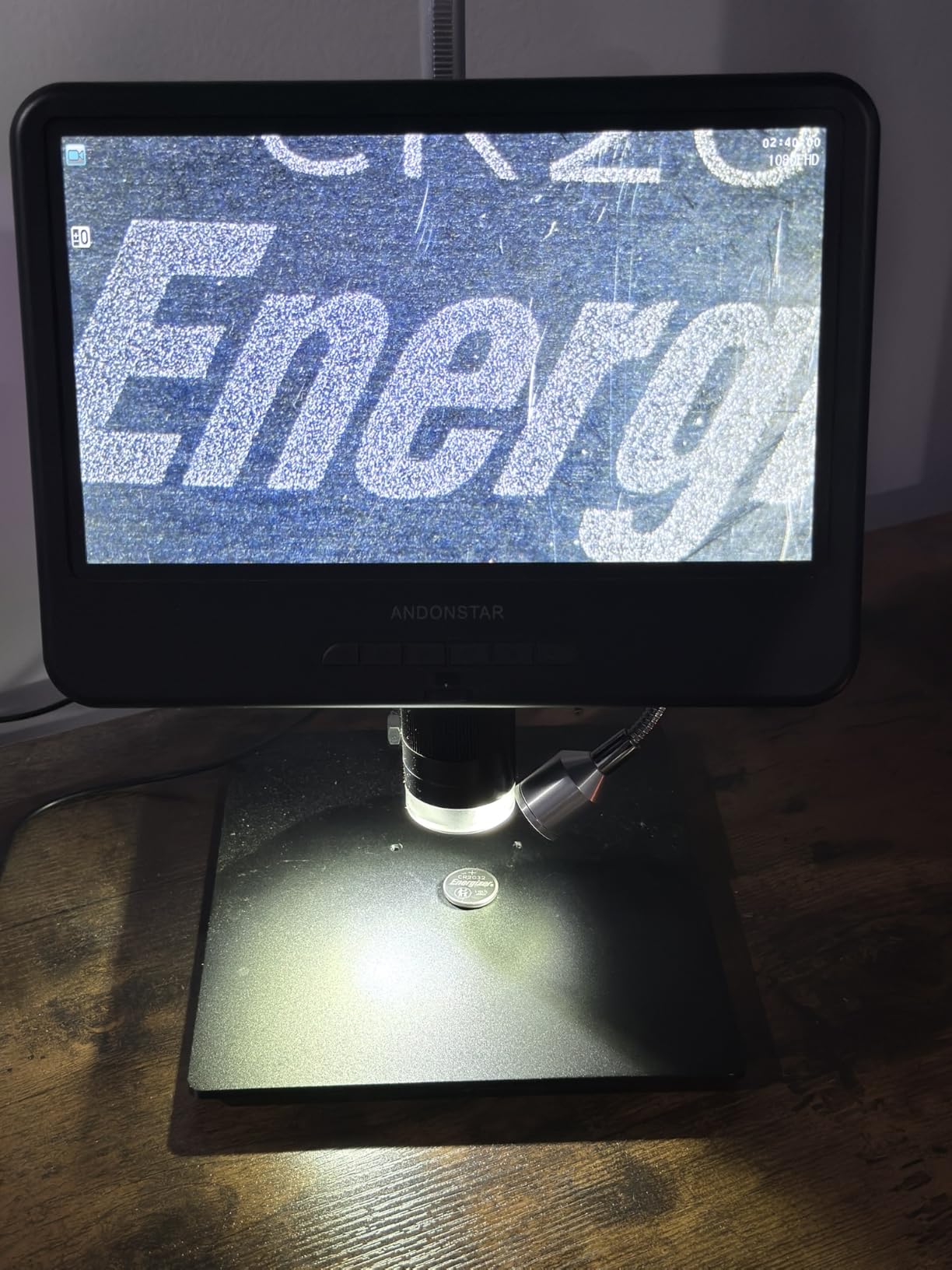
Screen size is the entire pitch for the AD210, and it is the right pitch. A 10.1-inch Super IPS panel at a 178-degree viewing angle means you can sit square to it instead of craning, and you can angle it away from a window without losing the board. On a solder bench that is worth more than another four hundred pixels of sensor resolution.
The working distance range is the other headline. It adjusts from 1cm to 26cm, and the stand reaches 12.6 inches, so you can go from inspecting a bare die to working on a tall through-hole power supply board without changing equipment. The objective is specified as long working distance, which is the correct design for hands-in-frame work rather than slide inspection.
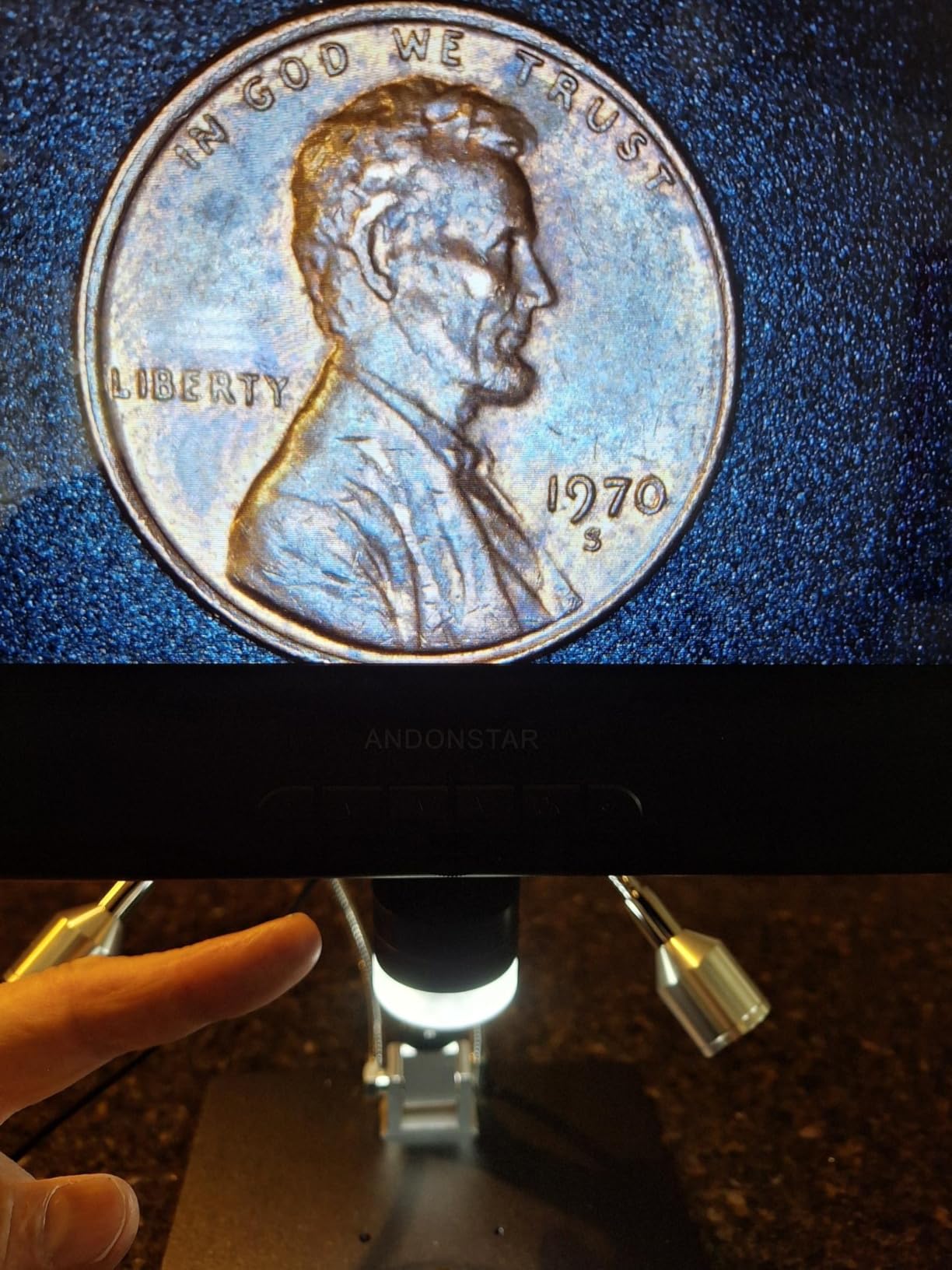
Lighting is switchable between top, side and bottom, and brightness is adjustable. The bottom light is aimed at prepared slides, but on a board with a pale solder mask it doubles as a transmitted option that separates a lifted pad from a seated one – a defect that is nearly invisible under top light alone.
Capture is 1080P video with 12MP stills, and a 32GB card, reader, remote and cleaning cloth are included. That means the scope is usable as a documentation tool the day it arrives, which matters if you intend to post repair work or keep a record of your own joints.
Who buys the Andonstar AD210
Buy this one if you spend long sessions at the bench and eye strain is already familiar. The large IPS panel is the single most-cited strength in reviews, and the 4.5 rating across several hundred buyers reflects that. It also serves double duty for coin and stamp inspection, which stretches the cost across two hobbies.
The upgraded metal stand is a genuine upgrade over the folding plastic arm on cheaper units, and reviewers single it out. It does not drift when you refocus mid-joint, which is the flaw that makes cheap stands the most common complaint in this category.
Where the Andonstar AD210 falls short
Top magnification of 260x is lower than the multi-lens models here, and it is a single fixed lens rather than a set. For 0603 and 0805 rework, through-hole inspection and board-level QA it is more than enough. For a dense QFN or a BGA array where you are checking individual balls, you will want the AD246S-M or the AD249S-M Plus lens sets instead.
The remote is not a nice-to-have. Pressing a button on the body to take a photo shifts the head, so steady capture means using the remote or propping something against the base. At 1.92 kg it is also the heaviest entry in this group, which matters if you planned to move it between benches.
4. TOMLOV TM4K-AF 4K Autofocus Flex Arm – Best for Autofocus and Uneven Surfaces
TOMLOV Autofocus 4K Digital Microscope, 8″ TM4K-AF Flex Arm for Soldering
TOF sensor autofocus
4K video and 52MP stills
8 inch 1280x800 screen
360-degree flex arm
Pros
- Autofocus with a time-of-flight sensor and AI focus tracking
- Manual focus still available as a fallback
- Two preset focus points for uneven surfaces
- 4K UHD video and 52MP images on a 100 percent sRGB screen
- Articulating arm with a fine focus rail
Cons
- External monitor output drops to 1080p
- PC-connected mode disables menus recording and zoom
- Lowest rating in this group at 4.2
- Head can feel cheap and the base mount less stable
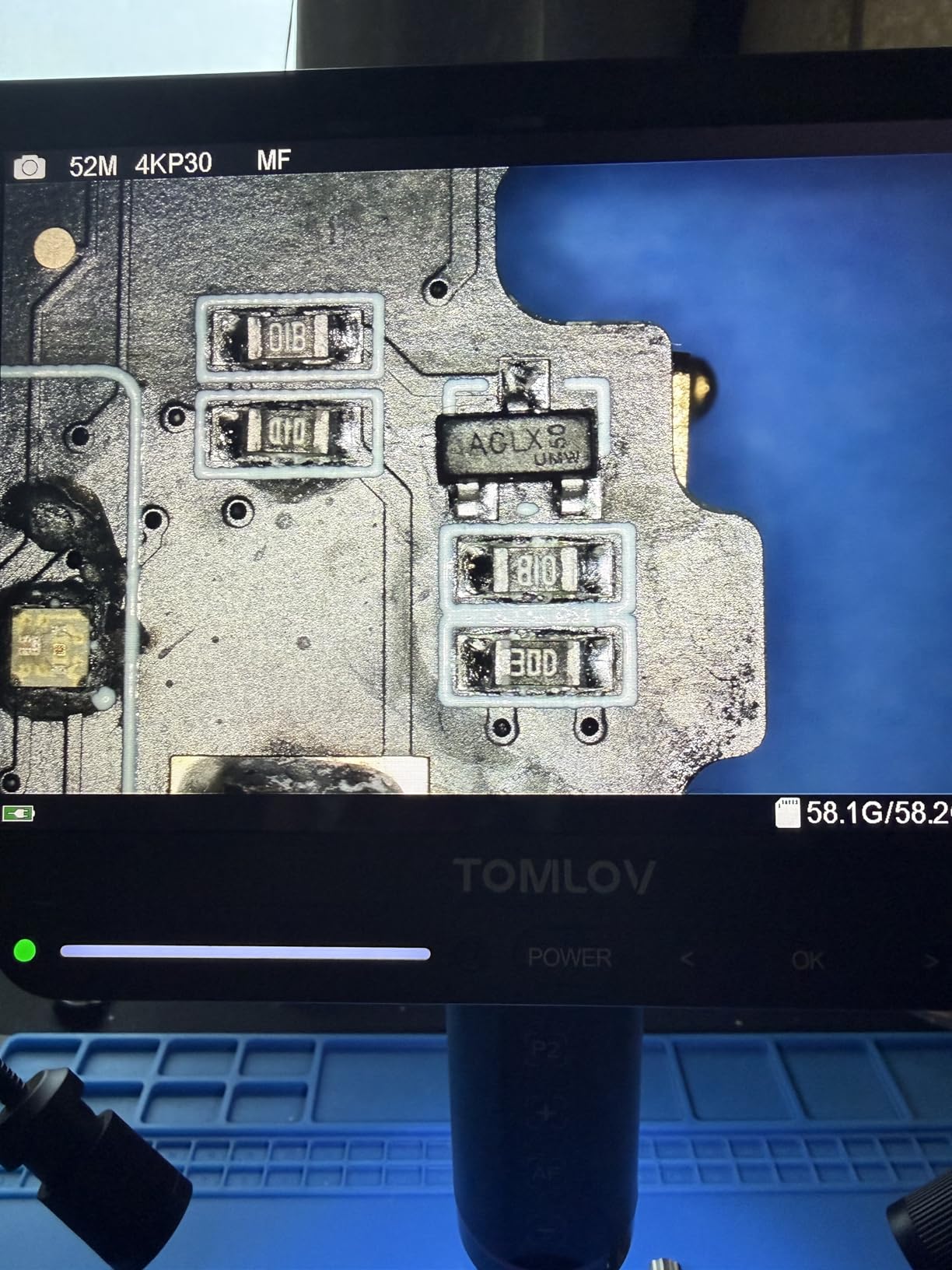
Autofocus is the reason this model exists, and it is a real answer to a real problem. A time-of-flight sensor measures distance and locks focus, with AI tracking that holds a target as you move. On a solder mask, a phone board or a heat sink, this removes the constant refocus-and-recentre cycle that digital scopes otherwise force on you.
Two preset focus points, labelled P1 and P2 and switched from the buttons, handle boards that are not flat. A raised connector, a stiffener or a repaired shield can sit at a different height from the surrounding board, and a single-focus model will hunt every time. Presetting the two planes means you flip rather than adjust.
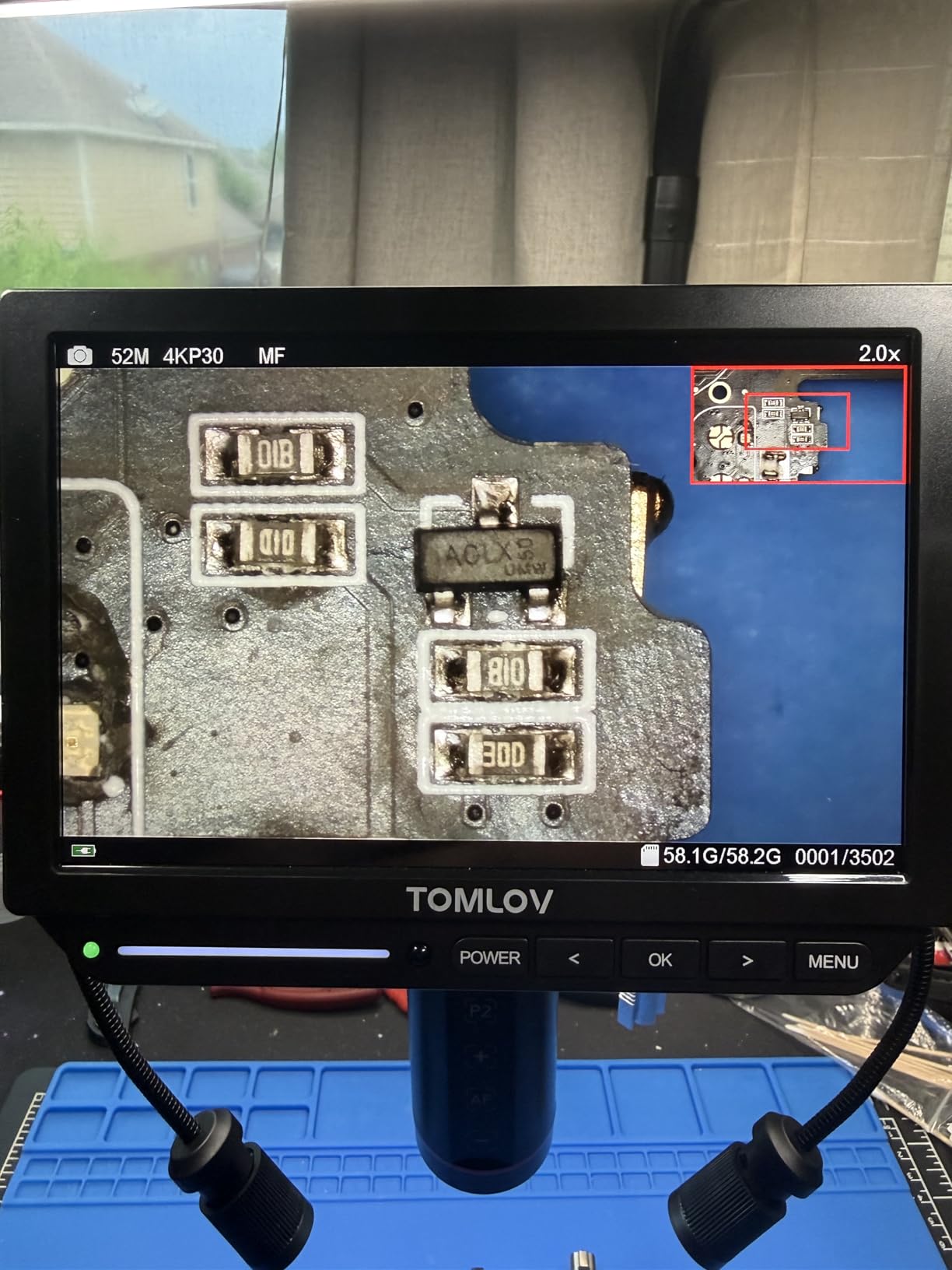
Image output is 4K UHD video with 52MP stills on an 8-inch 1280×800 screen at 100 percent sRGB, plus ring light and two adjustable gooseneck LEDs. A soldering mat and both HDMI and USB cables are included, so the common complaint about missing accessories simply does not apply here.
The 360-degree articulating arm with a fine up-and-down focus rail is the quiet strength. It reaches across a bench without a separate base, folds flat when you need the space, and the rail lets you make millimetre adjustments that a friction joint would never hold steady.
Where autofocus earns its keep
It earns its keep when your work changes height constantly. Jumper wire repair on a two-layer board, working around a phone’s shield cans, or reworking a connector on a warped board all move the focal plane every time you reposition. Set it and go, instead of nudging focus with a greasy thumb near a hot board.
It also helps beginners most, because focus is where new users get stuck. An autofocus scope removes the one variable that makes a first microscope session frustrating, and a manual fallback is always there for the rare case where you want to control the plane yourself.
Where the TM4K-AF disappoints
The external monitor output is 1080p rather than full 4K, so the headline resolution only exists on the built-in panel. In PC-connected mode the menus, recording and zoom are disabled, which makes it a standalone tool rather than a desktop one. It also carries the lowest rating in this group at 4.2, mostly from build feel.
Some buyers report the microscope head feeling like cheap plastic and the base mount being less stable, particularly if it is not fixed to a solid surface. Manual zoom also produces image shake when you touch it. If your bench is solid and your work is flat, the DM602 Flex gives you a larger screen and steadier construction for the same money class.
5. AmScope SE306R-PZ Binocular Stereo Microscope – Best for True Stereo Vision
AmScope SE306R-PZ Forward Binocular Stereo Microscope, WF10x and WF20x
Optical stereo at 20x 40x and 80x
WF10x and WF20x eyepieces
All-metal pillar stand
5-year manufacturer warranty
Pros
- True optical stereo vision with real depth perception
- 20x 40x and 80x settings from 2X and 4X objectives
- All-metal pillar stand that holds focus
- Switchable incident and transmitted lighting
- Five year manufacturer warranty
Cons
- Halogen top light runs hot
- Field of view is narrow especially with the WF20x eyepieces
- No built-in camera or image recording
- Narrow depth of field even at lower magnifications
This is the only optical microscope in the group, and that single fact changes everything about how you work. You look through paired widefield eyepieces at a real image, so your brain receives genuine depth information about where the tip of your iron sits relative to the pad. There is no screen, no processing and no lag between your hand moving and the view changing.
Magnification is stepped rather than continuous: 20x, 40x and 80x, produced by 2X and 4X objectives with WF10x and WF20x eyepieces. The 40x setting is the one most electronics work lives at, and the objective carries a widefield glass lens with a 45-degree field of view. Owners report years of service from the same unit, which is a different durability story to anything digital in this list.
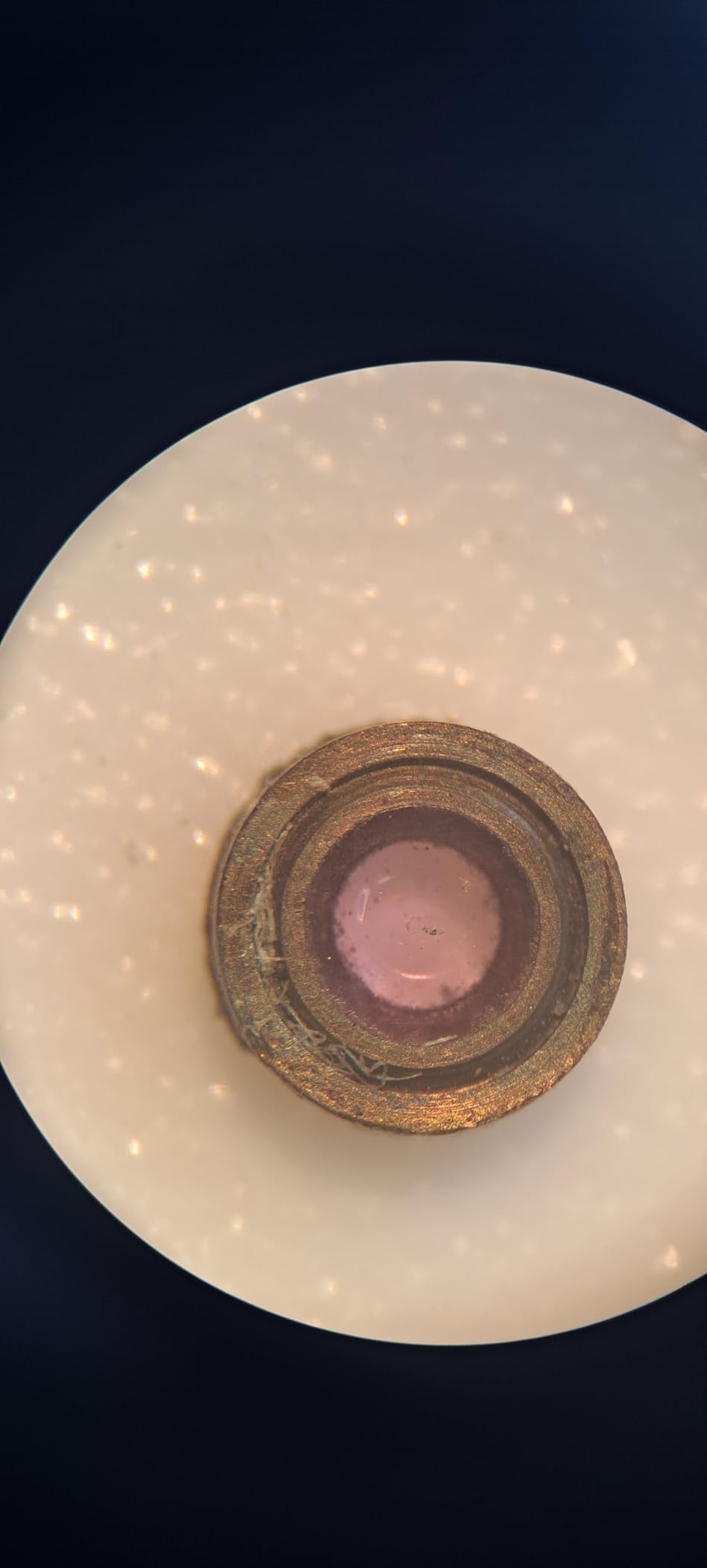
The stand is a solid all-metal pillar that does not drift after you focus, at 13.6 by 11 by 6.6 inches. Lighting switches between incident from above and transmitted from below, and the five-year manufacturer warranty is the longest in this roundup by a wide margin. That combination of build and cover is why AmScope keeps appearing in forum recommendations despite cost.
One note for overseas buyers, because it comes up constantly: import duties can add substantially to the landed cost of branded optics, enough to erase the gap with mid-range digital units. Check the delivered figure, not the listing, before deciding this is out of reach.

Why stereo vision changes the work
Depth perception is not a luxury when soldering. Placing a 0402 capacitor means judging a gap under a millimetre across, in three dimensions, through a hand that is also holding an iron. Stereo vision supplies the third dimension directly, and practitioners consistently report that going back to a flat screen view after using optics feels like a downgrade.
It also has no latency, because there is no signal path. That matters during a rework where you are dragging a pad with a wick while watching for the joint to release – the feedback is instantaneous. The 4.5 rating across 319 reviews reflects a well-understood product with a settled owner base.
Where the AmScope SE306R-PZ falls short
The halogen top light runs hot, and it can dry out or damage live specimens – irrelevant on a PCB, but a warning if you also use the scope for other work. More importantly it is dim at 40x and especially at 80x, and LED replacement lamps are the first upgrade most owners make.
Field of view is narrow, especially with the WF20x eyepieces, and depth of field stays shallow even at lower magnifications. There is no built-in camera and no image recording, so documenting a repair means bringing your own phone. If you need a photographic record of every joint, a digital model is the better tool.
6. TOMLOV DM602 Flex 3 Lens HDMI Microscope – Best for Phone Repair
TOMLOV DM602 Flex 3 Lens HDMI Digital Soldering Microscope, Flexible Arm
L 60-200x solder lens
144-LED ring light
10.1 inch IPS screen
Foldable flexible arm
Pros
- Dedicated L lens at 60x to 200x for micro soldering
- Bright 144-LED ring light with a front brightness knob
- 10.1 inch IPS screen at 178 degrees
- Foldable arm with 360-degree base rotation
- Heat-resistant soldering mat rated to 932F included
Cons
- Images shake if the arm sits on an unstable surface
- No hard master power switch
- Separate 12V cable for the sub-illuminator
- Some control panel failures reported after months
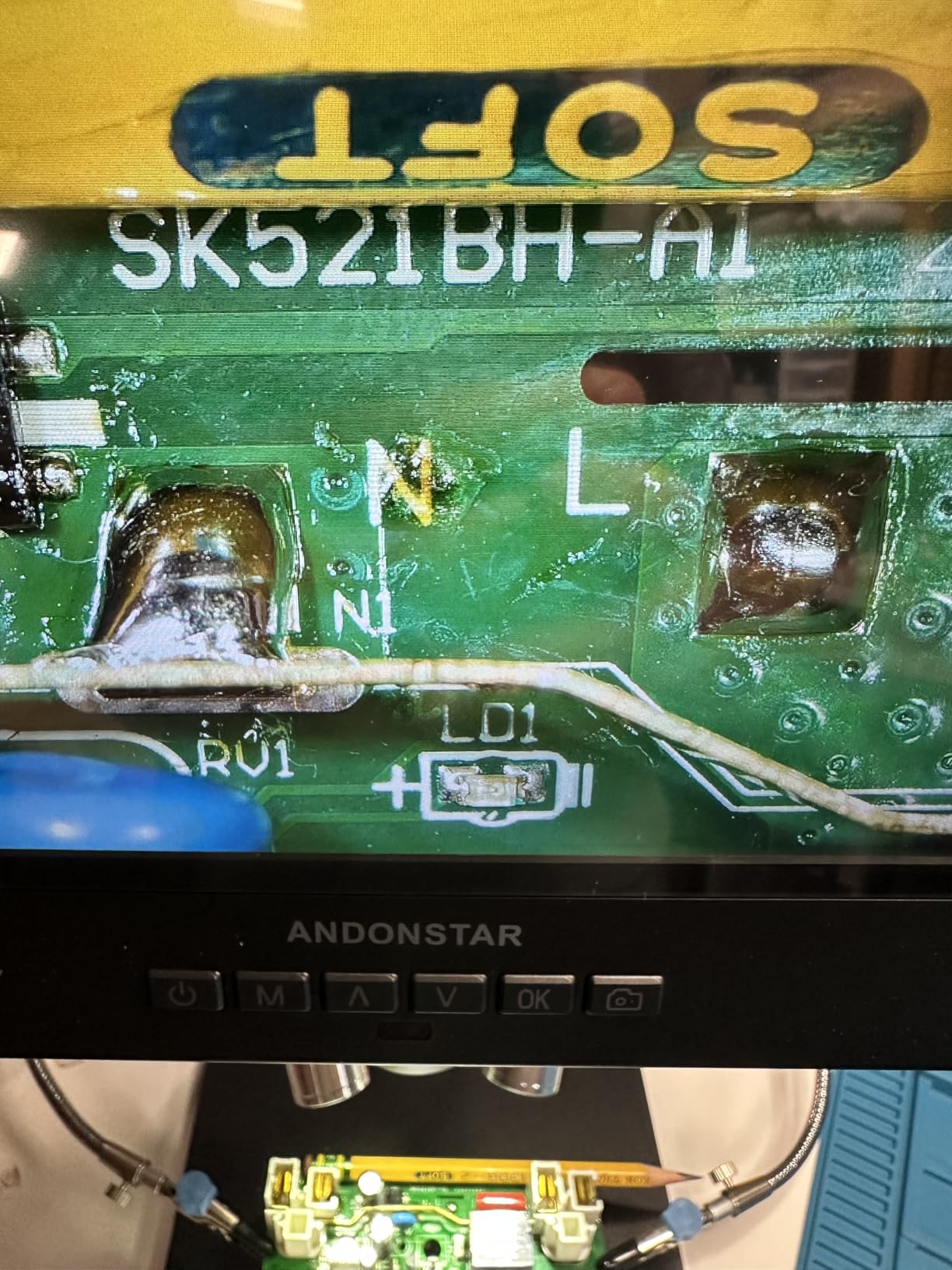
Phone board work rewards exactly what this scope provides. The dedicated L lens runs 60x to 200x, which is the band where you decide whether a shield can edge connector is seated or a microphone pad is bridged, and the 10.1-inch IPS screen at 178 degrees gives you the flat, well-lit view a cramped board needs.
The 144-LED ring light with a front-facing brightness knob is the detail that separates this from cheaper units. Even, close, shadowless illumination is exactly what you want over a dense multi-layer board where every component throws a shadow, and having a physical knob means you adjust it without navigating a menu with a hand you need clean.
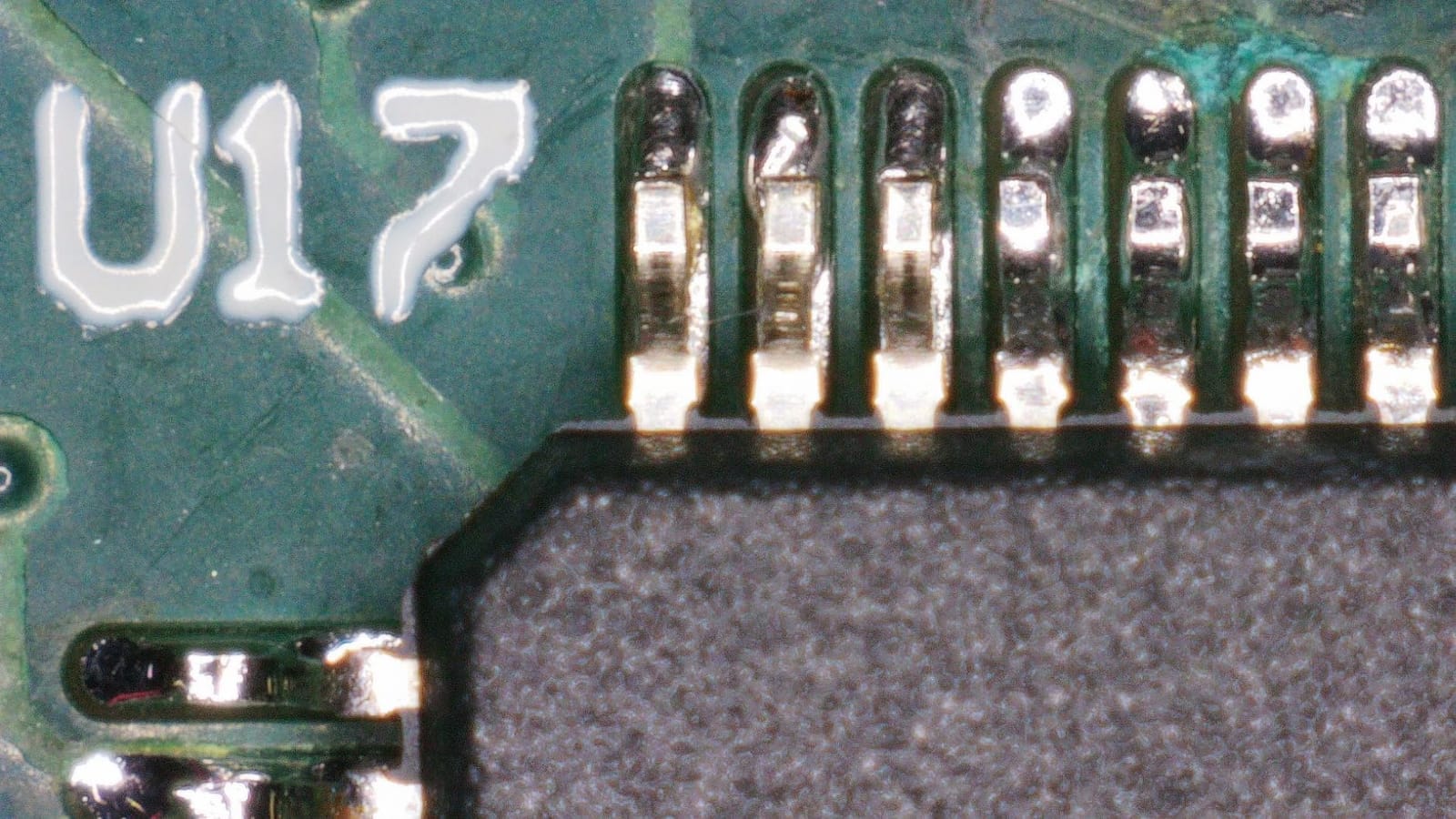
Two other lenses round it out: A at 2x to 700x for larger assemblies and coins, D at 1000x to 2000x for slides. Capture is 24MP photos and 2K video with both HDMI and USB output, so it can drive a bench monitor or record straight to a card. The 4.4 rating over 257 reviews comes with unusually specific praise for screen clarity.
The included silicone soldering mat is rated to 932F and comes with a printed ruler and part boxes. That is a small detail that tells you the package was designed for a soldering bench rather than a general inspection scope, and it saves you buying one separately.
Why the flex arm and ring light matter
The arm folds flat, rotates 360 degrees at the base, moves 135 degrees horizontally and 180 degrees vertically, so you can swing the head out of the way for through-hole work and back over a fine-pitch joint in seconds. On a crowded bench that flexibility removes a whole category of frustration.
The ring light solves the glare problem that glossy solder mask creates. Even illumination from directly above returns a consistent brightness across the board, so a matte pad and a mirror-finish one read the same. Side light creates a highlight you have to tilt your head around; a ring light largely removes that.
Where the TOMLOV DM602 Flex falls short
If the arm is mounted to a surface that flexes or that you bump, the image shakes. Clamp it to a solid bench edge or bolt the base down. There is also no hard master power switch, so the unit comes up with the bench power strip, and the sub-illuminator uses a separate 12V cable of a different length than the main lead.
Some buyers report control panel or remote failures after several months of use, which is worth factoring into a long-term purchase. At 1623 g it is lighter and more portable than the Andonstar units, but that same lightness is why it moves more on an unstable surface.
7. Andonstar AD249S-M Plus 2160P Microscope – Best Complete Soldering Station Kit
Andonstar AD249S-M Plus 3 Lens 2160P 10.1” HDMI Digital Microscope 2000x
Lens L 60-240x for soldering
2160P UHD HDMI
Extension base expands work area
Lens A 18-720x and Lens D 1560-2040x
Pros
- Three lenses tuned to real tasks including a dedicated solder lens
- Extension base increases the soldering work area by 230 percent
- Tool holder and rotatable helping hands included
- 2160P UHD video over HDMI
- Two year manufacturer warranty
Cons
- Lens changes still need unscrewing the objective
- Bundled accessories make the package bulkier than a bare microscope
- Extension base adds footprint to an already large unit
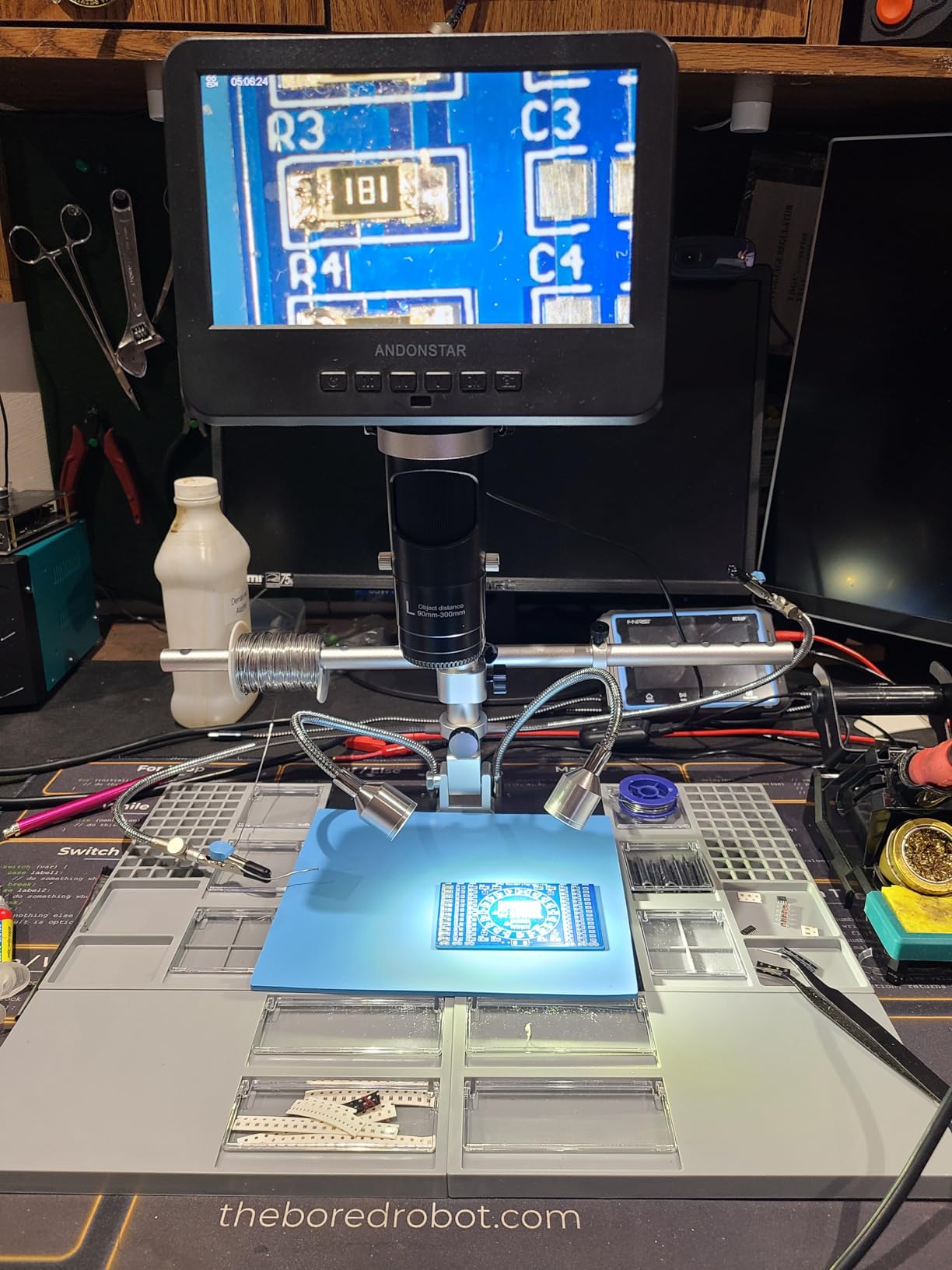
The AD249S-M Plus has the highest average rating in this group at 4.7, with 81 percent five-star reviews, and the reason is scope. Where most competitors sell you a microscope, this one sells you a soldering station: extension base, tool holder, rotatable helping hands, mat, bottom light stage and slide kit, all in one box.
Optically it is a three-lens system with a different tuning from the AD246S-M. Lens L covers 60x to 240x for soldering, Lens A spans 18x to 720x for coins and general objects, and Lens D reaches 1560x to 2040x for slides. The wide middle lens is the one most owners end up using day to day, and it does the job of two lenses on cheaper kits.
Output is 2160P UHD video over HDMI, with eight levels of LED brightness and a remote control included. The stated magnification ceiling of 2040x is again mostly digital, but the solder lens range is real and useful. The whole unit is 15.75 by 11.81 by 12.99 inches, so plan bench space before you commit.
The extension base is the feature that gets mentioned most. It raises the work area by 230 percent and adds component storage boxes, which means the scope, the iron rest and your parts all live in one footprint instead of sprawling across the bench. For someone who does not want to buy a microscope then buy everything around it, that is the argument.
What the bundled station actually changes
Helping hands and a tool holder stop the small frictions that add up. Nothing is tethered, nothing gets knocked, and the board stays where you put it. The extension base means you can raise the working plane instead of bending over a flat bench, which is the difference between a comfortable hour of rework and a sore one.
It is also the easiest pick here to hand to a beginner as a complete gift. Everything needed for a first soldering setup is in the box, and the two-year manufacturer warranty is the second longest in this roundup. Our digital microscope guide for electronics repair covers the alternatives if you want to compare before committing.
Where the Andonstar AD249S-M Plus falls short
Changing lenses still means unscrewing and rescrewing the objective. The accessory bundle also makes the package bulkier than a bare microscope, and the extension base adds footprint to an already large unit – if your bench is small, the DM602 Flex folds flat and stores better.
With 253 reviews behind a 4.7 rating, this is a smaller sample than most of the group, so treat the number as encouraging rather than settled. The 2.25 kg sibling’s rating rests on more than twelve hundred reviews. Neither is wrong, but a larger review base is more evidence.
8. Plugable USB Digital Microscope 250x – Best Low-Cost Starter Scope
Plugable USB Digital Microscope 250x, 2MP Micro Camera, Flexible Arm Stand
2.0 megapixel sensor
60x to 250x continuous zoom
LED halo light
Flexible arm stand included
Pros
- Largest review base in this roundup at over six thousand ratings
- Plug-and-play USB webcam style device on Windows Mac ChromeOS and Linux
- Flexible arm stand and observation pad included
- LED halo with brightness control at 7000K
- Two year limited parts and labor warranty
Cons
- No built-in screen so a monitor is required
- 250x ceiling is low for fine pitch work
- Fixed manual focus with no autofocus
The Plugable is the honest entry point. It is a 2.0 megapixel sensor with 60x to 250x continuous magnification, a flexible arm stand and an LED halo, and it connects to a computer as a standard video device. No driver hunt, no capture card, no app – it appears in your conferencing or camera software and works.
Its 4.2 rating is the joint-lowest here, but it rests on more than six thousand five hundred ratings, by a wide margin the deepest buyer history in the group. That is worth understanding honestly: the complaints are consistent and specific, and they are all about the ceiling of the device rather than its build, which is a plastic body with a two-year limited parts and labor warranty.
It works on Windows, Mac, ChromeOS and Linux through the webcam chipset, and can be used handheld or on the stand. At 3.5 by 1.25 by 1.25 inches and 2.9 ounces it is genuinely portable, which means it also works for field service and for inspecting a joint away from the bench.
The LED halo runs 7000K with a brightness control delivering up to 38 lumens, and the observation pad helps you set a board down without scratching it. If you are not sure whether you will still be soldering in six months, this is the cheapest way to find out.
What a budget USB scope is good for
It is good for learning, for through-hole and 0805 work, for inspecting a board for shorts and solder bridges, and for confirming that a repair worked. At 60x to 250x you can see an entire small board and zoom into a joint well enough to spot an obvious fault, which covers most beginner mistakes.
It is also good for anyone who already owns a decent monitor and wants magnification without buying another screen. Latency is the main practical complaint, and it is a real one, but for inspection work where you are not guiding an iron tip by hand, it does not matter much.
Where the Plugable falls short
There is no built-in screen, so you need a laptop or monitor within reach and a clear place to put it. Without that, a self-contained unit like the DM9 or AD210 is a better buy even though they cost more, because they remove a whole layer of setup.
At 250x maximum and with fixed manual focus and no autofocus, it is the wrong tool for QFN, BGA or dense fine-pitch inspection. Halogen-lit stereo scopes and three-lens HDMI units both resolve more where it counts. If your work is going there soon, skip ahead to picks two, six or seven. Students and first-time buyers can also start with our microscope guide for students for the broader context.
How to Choose a Microscope for Soldering in 2026
Work through these seven criteria in this order. Everything else on a product page is decoration; these are the specs that decide whether you can solder comfortably at the board.
1. Working distance. This is the clearance between the lens and the board while your hands are in the field of view. You need enough room for an iron handle, a pair of tweezers and ideally both at once. Anything that reaches roughly 25cm between the head and the work surface gives you room to breathe; scopes with a fixed short stand force you to work around the camera.
2. Optics type. Stereo means real depth perception and zero lag through the eyepieces. Digital means a camera, a screen and a processing chain, which buys you recording, sharing and a large display at the cost of depth and a little delay. Our compound microscope guide is not relevant here, but the stereo-versus-digital question is the one that matters.
3. Useful magnification. Aim for continuous coverage between about 10x and 45x for optical work, or 15x to 240x on screen for a digital scope. Ignore the headline number. Advertised totals are calculated by dividing the screen width by sensor pixel size and then multiplied by digital zoom, so a 2000x claim can correspond to no additional detail at all.
4. Lighting. A ring light gives even, shadowless illumination and is the best single upgrade for a digital scope. Side goosenecks beat a dim built-in ring on tall components. Top light alone creates shadows across dense boards. A transmitted bottom light separates lifted pads from seated ones, which is the defect you will miss most easily from above.
5. Stand stability. Cheap stands are the most common complaint in this entire category, and the forum consensus is that a flimsy stand ruins an otherwise good camera head. Look for solid metal, a pillar or boom arm, and enough height range. A scope that drifts out of focus mid-joint costs you more time than a mediocre sensor ever will.
6. Latency. USB scopes are compressed and passed up a cable, so a perceptible delay appears between moving the board and seeing it move. That delay is tolerable for inspection and unworkable when you are guiding an iron tip by hand. HDMI output to a monitor bypasses the computer entirely and is the single most effective upgrade for live soldering.
7. Screen size and capture. Ten inches is the practical minimum for a scope used alongside a solder station; seven-inch units work but invite leaning. If you document repair work, check for photo and video capture to a card rather than to app memory, and a remote control so capturing a photo does not knock the head out of focus.
Digital vs stereo: the real difference
Magnification type: stereo uses continuous optical zoom through the eyepieces, digital uses a fixed lens plus electronic and digital zoom. Depth perception: stereo gives true binocular depth, digital gives a flat image regardless of sensor quality. Latency: stereo is instantaneous because there is no signal path, digital adds processing delay that is obvious on USB and small on HDMI. Working distance: stereo scopes sit higher and clear taller tools, digital LCD units vary widely with the stand.
Image capture: stereo needs a camera attachment on a trinocular head, digital captures by default. Best use: stereo for hands-in-frame soldering and inspection, digital for documentation, teaching, phone work and sharing. Durability: optical scopes with metal bodies are built for decades, digital units have electronics and cables that eventually fail. Stereo-blindness is worth testing before committing – look through any binoculars or a phone’s portrait mode, and if the two images never merge, an optical scope will frustrate you every session.
Magnification by package size
Map the task to the zoom, not the other way around. 0201 and 0402 passives need roughly 15x to 20x on a stereo scope, or the low end of a solder lens on a digital unit. 0603 and 0805 parts sit comfortably at 20x to 30x. SOIC and other two-sided packages need 25x to 35x to see pin gaps. QFN and LQFP need 35x to 45x to check bridges between fine-pitch leads. BGA arrays need the top of that range, or a solder lens on a digital scope, plus patience with a very shallow depth of field.
A final honesty note: if you are building through-hole kits and your eyesight is good, a bench magnifier with an arm will serve you for years. Save the microscope budget for the moment you meet your first 0402 pad or a lifted BGA, and you will enjoy the purchase more because you will know what problem it solves.
Frequently Asked Questions
What magnification is good for soldering?
For most electronics work, aim for continuous coverage from 10x to 45x on a stereo microscope, or 15x to 240x on screen for a digital scope with a dedicated solder lens. Below 10x you cannot judge a joint, and above 45x optical the depth of field becomes so shallow that hand coordination suffers. Ignore advertised totals like 2000x, which are digital zoom calculations rather than resolved detail.
Do you need a microscope to solder?
No, not for through-hole work with good eyesight. Yes, as soon as you handle 0402 passives, 0603 parts, QFN and BGA packages, fine-pitch ICs or phone boards, because unaided eyes stop telling you whether a joint is wetted, bridged or cold. A bench magnifier covers through-hole work; a microscope earns its cost on surface-mount rework and inspection.
What is the difference between a digital microscope and a stereo microscope?
A stereo microscope uses paired eyepieces with optical zoom, giving true depth perception, zero latency and a clear 3D view directly through the lens. A digital microscope uses a camera and sensor shown on a screen or monitor, which adds a small processing delay but gives you recording, sharing and a large display. Stereo wins for hands-in-frame soldering; digital wins for documentation and phone work.
What are the best digital microscopes for soldering?
The TOMLOV DM9 is the strongest all-round digital scope for most benches, with a 7-inch LCD, a solid metal stand and dual gooseneck lighting. The Andonstar AD246S-M is the best value multi-lens kit, with a dedicated 15x to 60x solder lens and 2160P HDMI output. For phone board work, the TOMLOV DM602 Flex pairs a 144-LED ring light with a 10.1-inch screen.
Is a USB microscope good enough for SMD soldering?
For inspection, board-level fault finding and learning, yes. For guiding an iron tip on fine-pitch work, usually not, because USB compression introduces a perceptible delay between moving the board and seeing it move. Plug the same scope into an HDMI output and the problem largely disappears. If you solder under magnification every day, a direct-to-monitor HDMI scope is the better purchase.
How much working distance does a soldering microscope need?
Enough room to fit an iron handle, tweezers and your hands in the field of view at the same time. In practice that means the lens should sit roughly 20cm to 30cm above the work surface, and the stand should adjust to that height without drifting. Scopes with fixed short arms force you to work around the camera, which is the most common reason a good camera head gets abandoned.
Conclusion: The Best Microscopes for Soldering by User Profile
The best microscopes for soldering depend on one question: are you soldering, or are you inspecting? The TOMLOV DM9 is the winner for most benches because it puts a stable metal stand, dual gooseneck lighting and a self-contained screen in front of you without asking you to change your workflow. Its 4.4 rating across more than three thousand reviews is the strongest evidence base in this group.
Buy the Andonstar AD246S-M if you want the most magnification flexibility per purchase. Buy the Andonstar AD210 if a large screen and long working distance matter more to you than peak zoom, and the Andonstar AD249S-M Plus if you want the whole soldering station in one box. For phone board work, the TOMLOV DM602 Flex wins on ring lighting and screen size, and the Plugable USB scope remains the cheapest honest way to find out whether you will still be soldering next year.
And if your eyes already struggle, do not compromise. The AmScope SE306R-PZ is the only true optical scope here, and the depth perception it provides is the difference many bench workers notice first. Check current pricing and availability for each model before you commit, and buy the one that matches the packages you actually work on.