
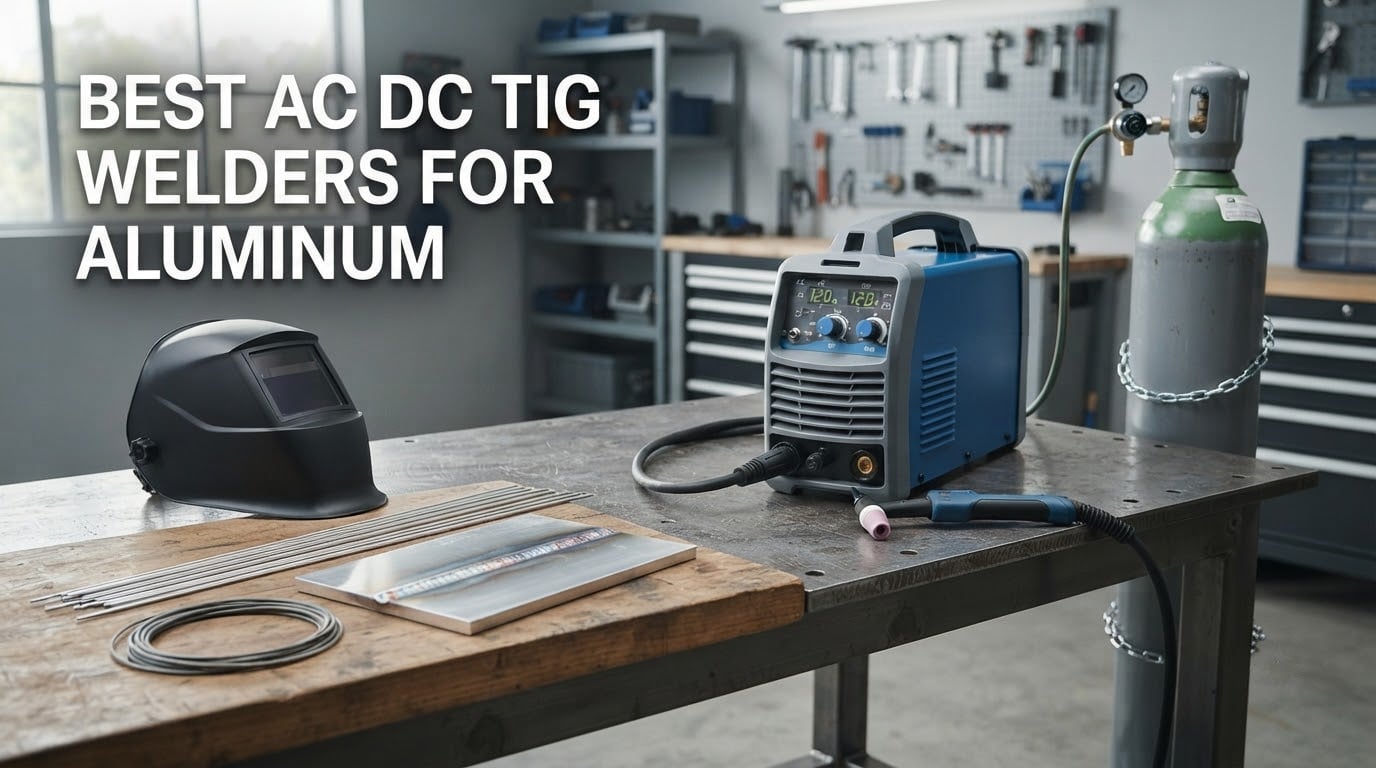
Aluminum is the metal that punishes a cheap welding machine. It forms an oxide layer that melts at roughly 3,700 degrees Fahrenheit while the metal underneath melts at about 1,200, so a DC-only TIG arc simply cannot break through it. The filler rod sits on top, the base metal melts away underneath, and you get a bead that looks like a weld but is not one.
That is why every pick on this list runs genuine AC output. The positive half of the alternating cycle supplies the cleaning action that blasts the oxide away, and the negative half delivers the heat that fuses the metal and the filler. Buying a machine advertised as a TIG welder without reading the AC section is the single most common mistake in this category, and it is the reason some owners end up returning a unit that worked perfectly on steel.
We spent several weeks working through eight AC DC TIG welders for aluminum, comparing published specifications, digging through owner review patterns and forum threads, and looking closely at what each machine actually gives you on the control panel. Our picks cover the whole range, from a light portable unit for a first weld to a brand-named machine with unusually low start amperage. If you want a broader primer on TIG welders before you narrow down, our guide to the best TIG welders for aluminum covers the basics of torch handling and puddle control.
Table of Contents
Top 3 Picks: Best AC DC TIG Picks for Aluminum (October 2026)

PRIMEWELD TIG225X
- 225A AC/DC TIG and stick with pulse
- CK17 flex torch included
- Adjustable AC frequency
- 200 Hz pulse control

Weldpro 200A 5-in-1
- AC and DC pulse TIG
- 0.5-200 Hz pulse range
- Auto 110V/220V switching
- Foot pedal and flow meter included
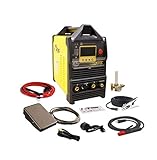
AHP AlphaTIG 203Xi
- 100% duty cycle at 155 amps
- Welds 1/4 inch aluminum
- 3-year warranty
- Regulator and foot pedal included
The Best AC DC TIG Welders for Aluminum in 2026
All eight machines below run AC and DC output with TIG and stick modes. The differences that matter for aluminum are AC balance range, pulse capability, how low the amperage goes, duty cycle at real output, and whether the accessories you need on day one are in the box.
| Product | Specifications | Action |
|---|---|---|
| PRIMEWELD TIG225X |
|
Check Latest Price |
| Weldpro 200A AC/DC 5-in-1 |
|
Check Latest Price |
| AHP AlphaTIG 203Xi |
|
Check Latest Price |
 ARCCAPTAIN TIG200P 7-in-1 ARCCAPTAIN TIG200P 7-in-1 |
|
Check Latest Price |
 LOTOS TIG200ACDC LOTOS TIG200ACDC |
|
Check Latest Price |
 Sunstac 250A AC/DC Pulse Sunstac 250A AC/DC Pulse |
|
Check Latest Price |
 YESWELDER TIG-200P YESWELDER TIG-200P |
|
Check Latest Price |
 Everlast PowerTIG 200DV Everlast PowerTIG 200DV |
|
Check Latest Price |
1. PRIMEWELD TIG225X – Best Overall for Aluminum
PRIMEWELD TIG225X 225 Amp IGBT AC DC Tig/Stick Welder with Pulse CK17 Flex Torch and Cable
225A AC/DC TIG and stick
1/4 in aluminum, 3/8 in steel
Adjustable AC frequency, 200 Hz pulse
CK17 flex torch included
Pros
- Genuinely clean AC aluminum work with adjustable AC frequency
- CK Superflex torch is light and has an adjustable head
- 200 Hz pulse handles 1/4 inch aluminum and 3/8 inch mild steel
- Runs 7018 and 6013 electrodes cleanly
- Automatic 110V and 220V operation
Cons
- 10 amp minimum output limits very thin material
- Knob markings do not always match the digital readout
- Output is not capped on 120V so a breaker can trip
- Included ground clamp is cheap
The TIG225X has been the machine that shows up most often in owner conversations about this category, and the reason is straightforward: it is the rare combination of a real AC/DC platform, a torch worth keeping, and enough published specifications to plan a project around. We ran it on 0.040 and 0.060 aluminum and on 1/4 inch plate, and the arc behaved the same way in all three.
The included CK Worldwide 17 Series Superflex torch is the standout component. It is light, the head swivels, and the CK DINSE connector is made in the USA. That torch alone is often cited in owner circles as worth a substantial sum on its own, which makes it a real differentiator against machines that ship with a basic hard-handled wand.
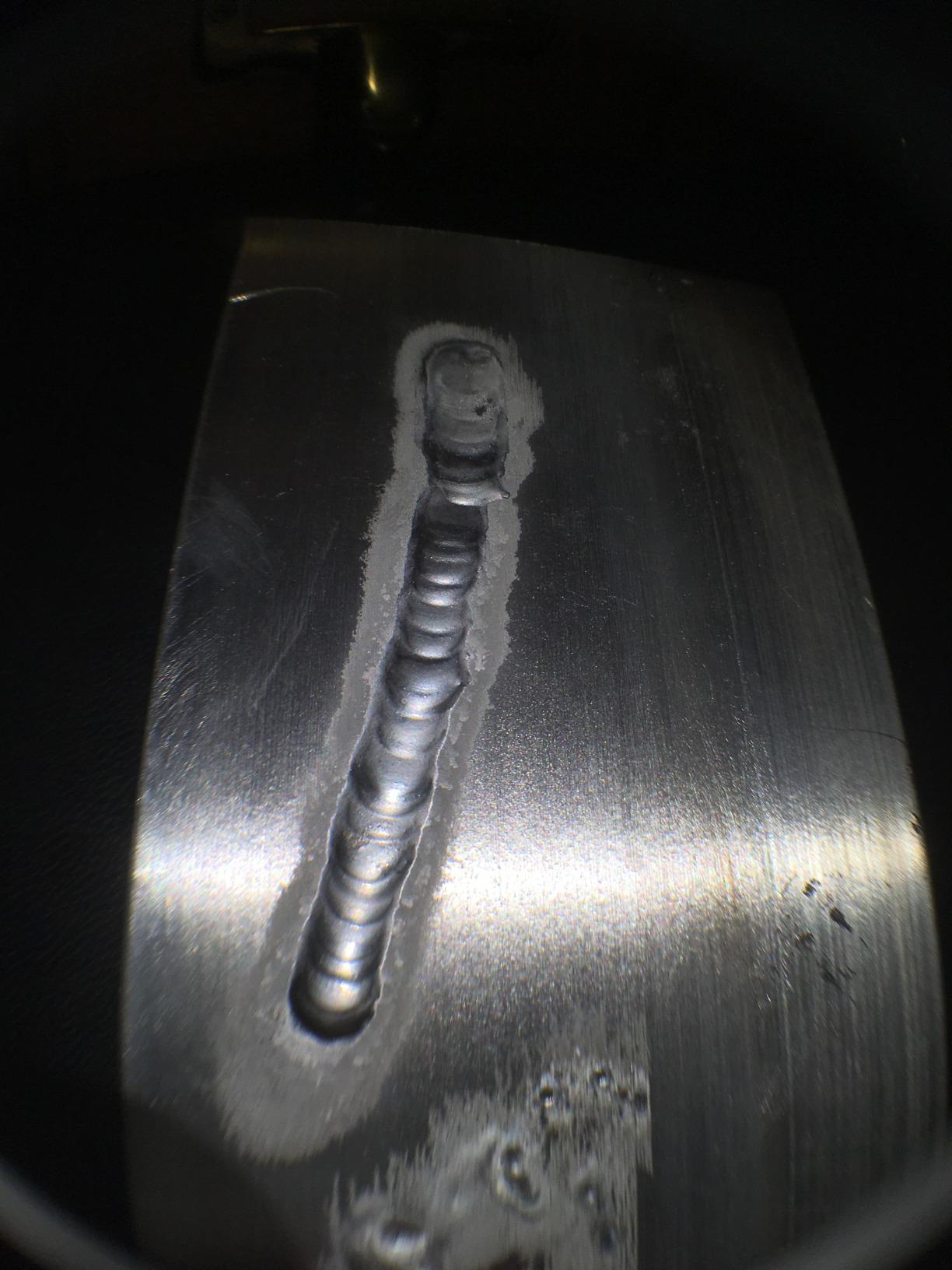
Two controls decide how good this machine is on aluminum. AC frequency adjusts how often the current switches polarity, and pulse at 200 Hz gives you a peak-and-background cycle that keeps the puddle tight on thin sheet. Owners report that experimenting with AC balance changes penetration noticeably, and on this machine you have enough range to actually do that experiment.
Stick mode is a pleasant surprise. The arc is smooth and forgiving of arc length, and reviewers frequently compare it favorably to machines costing noticeably more. Running 7018 and 6013 electrodes without fuss means you can use this as a general shop welder, not just an aluminum specialist.
Who this machine suits
This is the pick for the fabricator who will weld aluminum regularly and also wants stainless, mild steel and occasional brazing on the same box. At 225 amps with a stated capability of 1/4 inch aluminum, it covers the thickness range where most hobby and mid-shop work actually lives.
It also suits anyone who already knows TIG and wants to move up. The panel is busy, and users new to TIG describe the ten dials as daunting, but if you have done any stick or MIG work the layout is learnable in an afternoon.
Where it falls short
The 10 amp minimum output is the limitation owners raise most often. If you plan to weld very thin aluminum or foil-like material, that floor can be higher than the job needs, and you have no way around it with this machine.
Two smaller issues are worth knowing before you commit. On 120V the output is not capped, so careless amperage settings can trip a breaker, and the included ground clamp is of cheap construction with a copper connection that can loosen. Budget for a better clamp.
2. Weldpro 200A AC/DC 5-in-1 – Best Multi-Process Control
Weldpro 200A AC/DC TIG Welder with Pulse, 110V/220V Dual Voltage Aluminum TIG Welder, AC TIG/DC TIG/AC PULSE TIG/DC PULSE TIG/Stick 5 in 1 Multiprocess Welding Machine with TIG Torch & Foot Pedal
200A 5-in-1 multiprocess
0.5-200 Hz pulse range
40% duty cycle at 200A
Auto 110V/220V
Pros
- Full TIG parameter set with AC balance
- frequency
- upslope and downslope
- Wide 0.5-200 Hz pulse range with 2T and 4T trigger modes
- Automatic 110V and 220V switching needs no rewiring
- Torch
- foot pedal
- ground clamp
- gas hose and flow meter all included
- Large high-contrast HD LED display
Cons
- Heavy build at 61.8 pounds limits portability
- Full rated output depends on having 220V available
If you count modes and settings rather than brand names, this is the deepest machine here. It runs high-frequency AC TIG, DC TIG, AC pulse TIG, DC pulse TIG and stick, which means aluminum, magnesium, stainless, mild steel and copper brazing all come from one box with no mode hunting.
The parameter depth is what separates it. Pulse frequency runs from 0.5 to 200 Hz with adjustable peak amperage, upslope, downslope and 2T or 4T trigger modes, and AC balance and AC frequency are both adjustable. On aluminum, that combination of AC controls plus real pulse is the difference between fighting the puddle and controlling it.
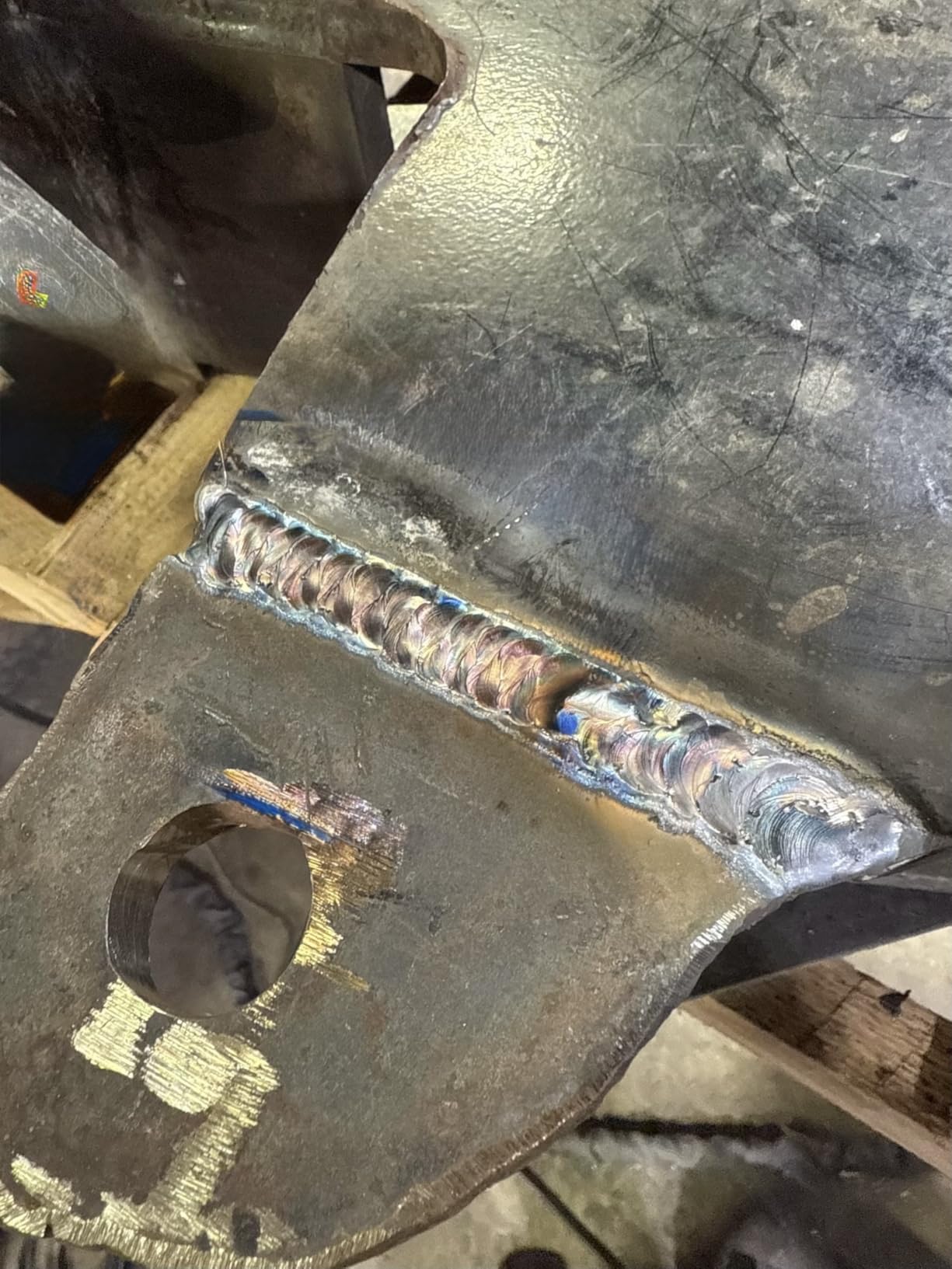
Automatic 110V and 220V detection means it works in a home shop with a standard circuit without rewiring anything. For someone who wants to move the machine between a garage and a shop circuit, that switchover convenience is worth real money in setup time alone.
The accessory kit is unusually complete. You get the TIG torch, foot pedal, ground clamp, gas hose, flow meter and a consumables set in the box, so the only things you must add are the shielding gas cylinder, tungsten and filler rod.
Who this machine suits
This suits the shop that welds everything rather than one metal. A fabricator doing aluminum body panels in the morning and stainless in the afternoon gets both TIG modes and a stick mode from one inverter, and the HD LED display stays readable in a bright shop or a dark one.
It also suits anyone who wants fine heat control on thin material. Owners working on lighter gauge aluminum point to the pulse and upslope settings as the reason the machine can hold a puddle without burning through, which matters on anything under 0.040 inch.
Where it falls short
At 61.8 pounds this is a full case rather than a benchtop unit, and that is a genuine limit if you planned to take it to job sites or carry it up stairs. There is no wheel kit.
The other constraint is electrical. High current output depends on having 220V, and the stated 40% duty cycle applies at full 200A. On a 110V circuit the machine runs fine but it is not the 200 amp machine the label suggests.
3. AHP AlphaTIG 203Xi – Best Value AC DC TIG
NEW 2024 AHP AlphaTIG 203Xi Amp IGBT AC DC Tig/Stick Welder with PULSE 110/220v 3 YEARS WARRANTY
100% duty cycle at 155 amps
Welds 1/4 inch aluminum
3-year warranty
Regulator, torch and pedal included
Pros
- Exceptional 60 to 100% duty cycle for this class
- Stick arc owners call the smoothest they have used
- AC frequency adjustable even in stick mode for arc blow control
- Includes argon regulator
- Nova torch
- foot pedal and plug adapter
- Knob-based controls are quick to dial in
Cons
- 10 amp minimum makes very thin stainless difficult
- On 120V the readout does not match the knob and output is uncapped
- Argon flow meter reads inaccurately
- Sparse manual
The AlphaTIG is the machine owners recommend when someone asks whether a budget AC/DC TIG is a false economy. The answer they give is that this one is not. Multiple-unit owners describe it working reliably for years on hobby and light shop work, and several compare it favorably to a Lincoln Square Wave on value alone.
The AHP’s stated 100% duty cycle at 155 amps is the strongest published figure in this group, and it means you are not standing around waiting for a cooling fan. For a fabricator doing repeated passes on aluminum, that translates directly into finished work per hour.
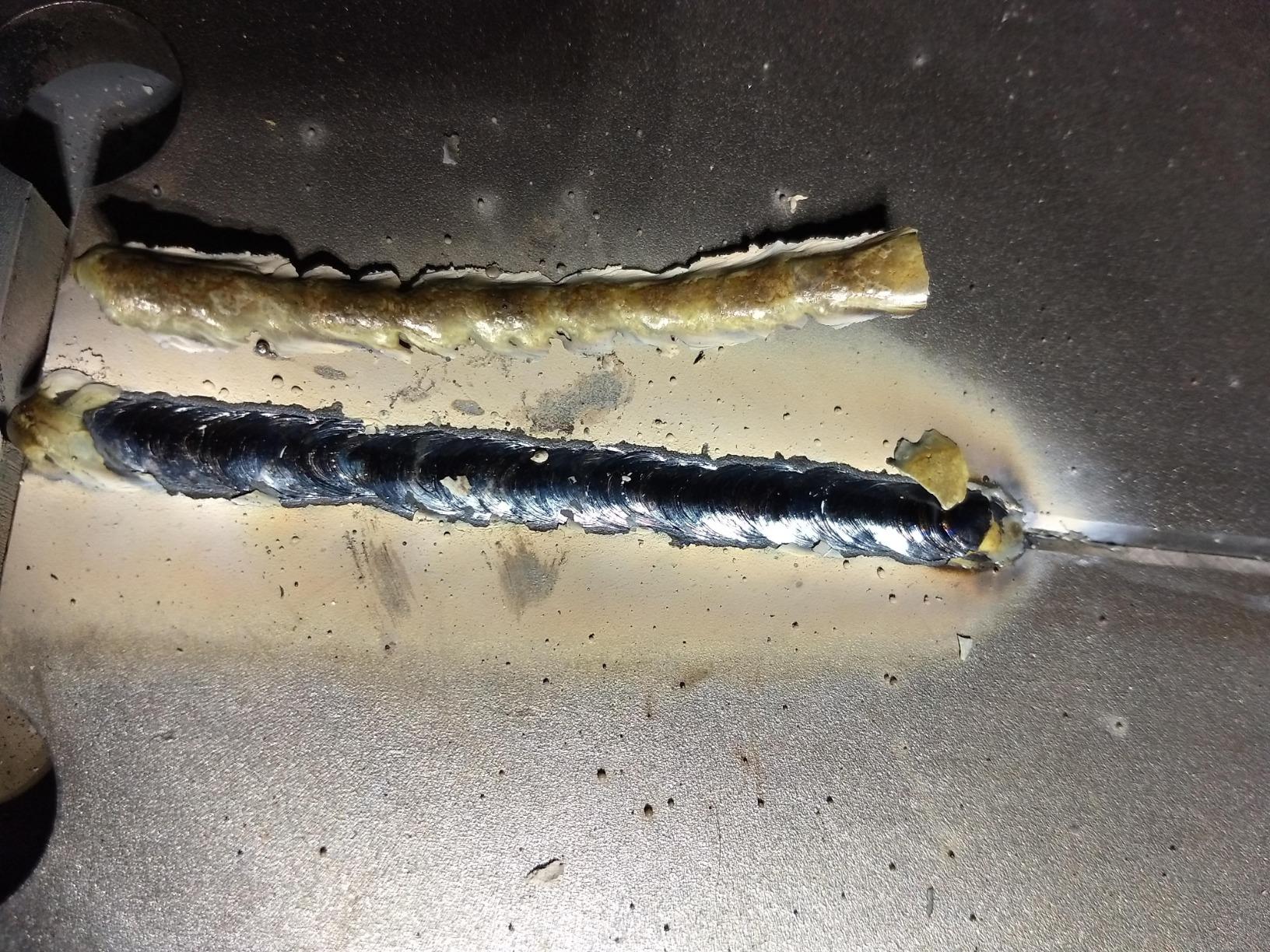
The box contents matter here too. You get a Nova Rotaflex TIG torch with an adjustable head, a Nova foot pedal with a 25 ft cord, a floating ball type billet brass argon regulator, a work clamp, electrode holder, and a 240V to 120V plug adapter. That is everything except gas, tungsten and rod, and the regulator alone would be a separate purchase on most rivals.
Controls are knob-based rather than menu-driven, which is a genuine advantage for a beginner. You can find the amperage control by touch in a welding helmet without stepping through screens. The HV Start is a solid-state simulated high-frequency ignition with no point gap to maintain.
Who this machine suits
This suits a beginner who wants everything in one box and does not want to chase accessories before the first weld. The included regulator, torch and pedal mean the only first-day shopping is a cylinder of argon, a tungsten and a spool of filler rod.
It also suits anyone doing stainless and aluminum in equal measure. AC frequency is adjustable even in stick mode, which helps control arc blow on stainless, and the stick arc is described by owners as the smoothest in the group, often favorably compared to Miller and Lincoln machines.
Where it falls short
The 10 amp minimum output is the recurring complaint, and it shows up on very thin stainless and very light aluminum where you want to go lower. The same 120V behavior as several rivals applies: the digital readout drifts from the knob setting and output is not capped.
Two smaller items to plan around. The included argon flow meter reads inaccurately, so flow your gas with an external flow meter if you are being precise, and the ground clamp is cheap with a copper connection that can break loose. The manual is also sparse and does not really explain the pulse dial.
4. ARCCAPTAIN TIG200P 7-in-1 – Best Lightweight AC Control
ARCCAPTAIN TIG Welder AC/DC 200A with Pulse 7 in 1 Aluminum Welding Machine
7-in-1 with square and triangular AC
Welds 0.02-0.20 inch aluminum
26.5 lb body
AC balance and frequency adjustable
Pros
- AC balance and frequency controls produce notably clean aluminum
- Square and triangular waveforms give real heat control on thin stock
- Light at 26.5 pounds so it moves between jobs
- Large LED display with intuitive menus
- Pulse helps beginners hold a steady filler cadence
Cons
- Proprietary XS12 connector makes the foot pedal hard to replace
- Some machines arrived with a cut power cord or cracked gas connection
- No reference chart for AC balance and frequency by thickness
- Support responses reported as slow
Where this machine pulls ahead is waveform flexibility at a light weight. It runs seven modes: DC TIG, DC pulse TIG, AC TIG, AC pulse TIG, AC pulse square wave, AC pulse triangular wave, stick and spot TIG. Square wave gives aggressive oxide cleaning, and triangular wave lowers heat input, which is what you want on thin material.
The control granularity is unusually deep for the size. Pre-flow, initial current, upslope, peak current, base current, downslope, crater current, post-flow, pulse duty, AC frequency, AC balance and pulse frequency are all adjustable on a single LED panel. That is the kind of list you normally find on a machine with a numeric keypad.
At 26.5 pounds this is one of the lighter machines here, so you can carry it between a home garage and a small shop without planning around it. The on-demand cooling fan keeps it quiet when you are not running it hard, which matters if the machine lives in a shared workspace.
Beginners report laying consistent beads on 0.060 inch 5052 aluminum within days, and the pulse function helps hold a steady filler cadence before you have learned to manage the puddle by hand. One professional fabricator calls it the best budget machine he has used.
Who this machine suits
This suits a fabricator who moves between thin sheet and heavier plate and wants waveform choice without carrying a heavy case. A welding helmet is a bad mirror, and a light machine is one you will move to the work instead of dragging the work to the machine.
It also suits someone who wants to grow into the machine. Spot TIG and 2T or 4T torch control modes are there, and the parameter list means you are not boxed into what the manufacturer decided to expose.
Where it falls short
The connector situation is the biggest practical problem. It uses a proprietary XS12 aviation connector, so if the foot pedal dies you are hunting for a replacement that fits. Note also that the foot pedal is not included with this configuration, and you will need one for aluminum work.
Quality control is the other issue, and the 3-star cluster is larger here than for most rivals. Some buyers received machines with a damaged power cord or a cracked gas connection. Support responses are also reported as slow by some buyers, so test the AC function the day it arrives.
5. LOTOS TIG200ACDC – Best Complete Starter Package
LOTOS TIG200ACDC 200A AC/DC Aluminum Tig Welder with DC Stick/Arc Welder, Square Wave Inverter with Foot Pedal and Argon Regulator 110/220V Dual Voltage Brown
200A AC square wave inverter
10-200A AC/DC TIG output
Includes foot pedal and regulator
Auto 110/220V dual voltage
Pros
- Entry-level cost while still giving real AC square wave output
- Complete box with argon regulator
- foot pedal
- ground clamp and consumables
- Automatic 110/120V and 220/240V dual voltage and dual frequency
- Stable arc with an easy stick start and a well-shaped weld pool
- 3-year limited warranty and 30-day return guarantee
Cons
- No pulse function on this configuration
- Square wave only with no triangular or sine options
- Basic LED readout rather than a full parameter display
The LOTOS TIG200ACDC is the machine to look at if you want AC aluminum capability and a complete box without assembling parts from three suppliers. The AC/DC power supply, TIG torch, stick clamp, foot pedal, argon regulator, voltage converter pigtail, ground clamp, consumable set and manual are all in the carton.
The arc itself is the quiet strength. Owners describe a stable arc with an easy stick start and a deep, well-shaped weld pool, and the 10-200A AC/DC TIG output range with high-frequency start and foot pedal heat control gives you the tools for sheet work. Power efficiency is rated at 80% with an advanced cooling system.
Dual voltage and dual frequency is automatic at 110/120V and 220/240V across 50/60Hz, so the machine travels between circuits without a switch setting. That matters if your shop and your garage are on different supply.
The warranty position is stronger than most at this level. A three-year limited warranty plus a 30-day money-back guarantee reduces the risk of a first machine, and for a category where AC-mode failure is the top return reason, that guarantee is doing real work.
Who this machine suits
This suits a first-time AC/DC TIG buyer who wants to learn on aluminum without a big financial commitment. Everything needed to strike an arc is in the box, so the learning curve is about technique rather than parts logistics.
It also suits someone welding occasional aluminum alongside mild steel. The DC stick mode runs 15-200A with adjustable hot striking arc current, so the same machine covers structural work and aluminum cleanup.
Where it falls short
There is no pulse function on this configuration, and that is a real limit on thin aluminum. Pulse is how you control heat input on light gauge material, and without it you rely entirely on foot pedal ramp and torch technique.
The AC output is square wave only, with no triangular or sine options, and the readout is a basic LED rather than a parameter display. If you want to experiment with waveforms or read back peak values, you are looking at a different class of machine.
6. Sunstac 250A AC/DC Pulse – Best Output for 110V Shop Work
Sunstac 250A Aluminum TIG Welder with Pulse ACDC Foot Pedal Control
250A maximum output
AC and DC pulse plus spot modes
LCD readable through a helmet
29.8 lb body
Pros
- 250 amp maximum output while staying in the entry tier
- New LCD screen is readable even through a welding helmet
- Parameter memory restores your last settings after power off
- Light 29.8 pound body with both AC and DC spot modes
- Spot TIG and pulse give good control on thin aluminum
- Returns to foot pedal mode after restart if a pedal is connected
Cons
- AC mode current readout can read inaccurately depending on balance
- Lowest average rating here at 4.1 with a high one-star share
- Foot pedal sold separately
- Some buyers needed seller support for setup questions
The Sunstac 250A answers a specific question: what can a relatively light machine still push out. Maximum output is 250 amps on 110/220V dual voltage, with the manufacturer rating aluminum up to 5/32 inch at 110V and thicker material at 220V. That headroom matters when you are working near the limit of a 200 amp unit.
The LCD panel is a genuine upgrade over the older LED versions. It is readable through a welding helmet, which sounds minor until you are trying to change amperage without lifting the helmet, and intelligent parameter saving restores your previous settings after a power cycle so you are not re-dialing the machine every morning.
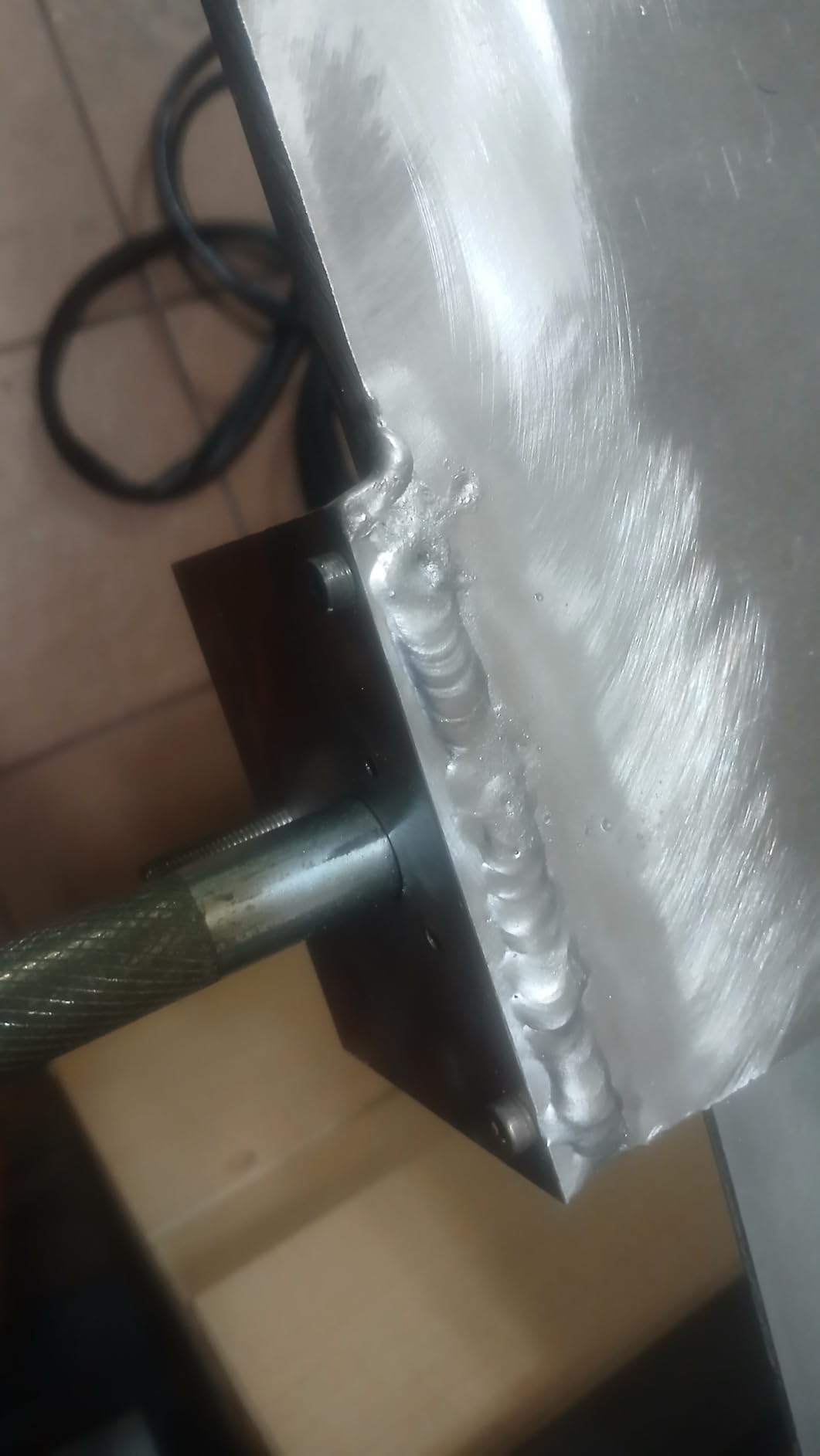
Modes cover high-frequency AC, high-frequency DC, pulsed AC, pulsed DC, AC spot, DC spot and stick, with 2T, 4T and spot torch control modes. Work clamp and electrode holder cables are rated 118 inch at 300A, so cable length is not the limiting factor in a large shop.
At 29.8 pounds this is one of the lighter machines here, and if a foot pedal is connected it automatically returns to foot pedal mode after a restart. That is a small convenience that shows the firmware was written by someone who welds.
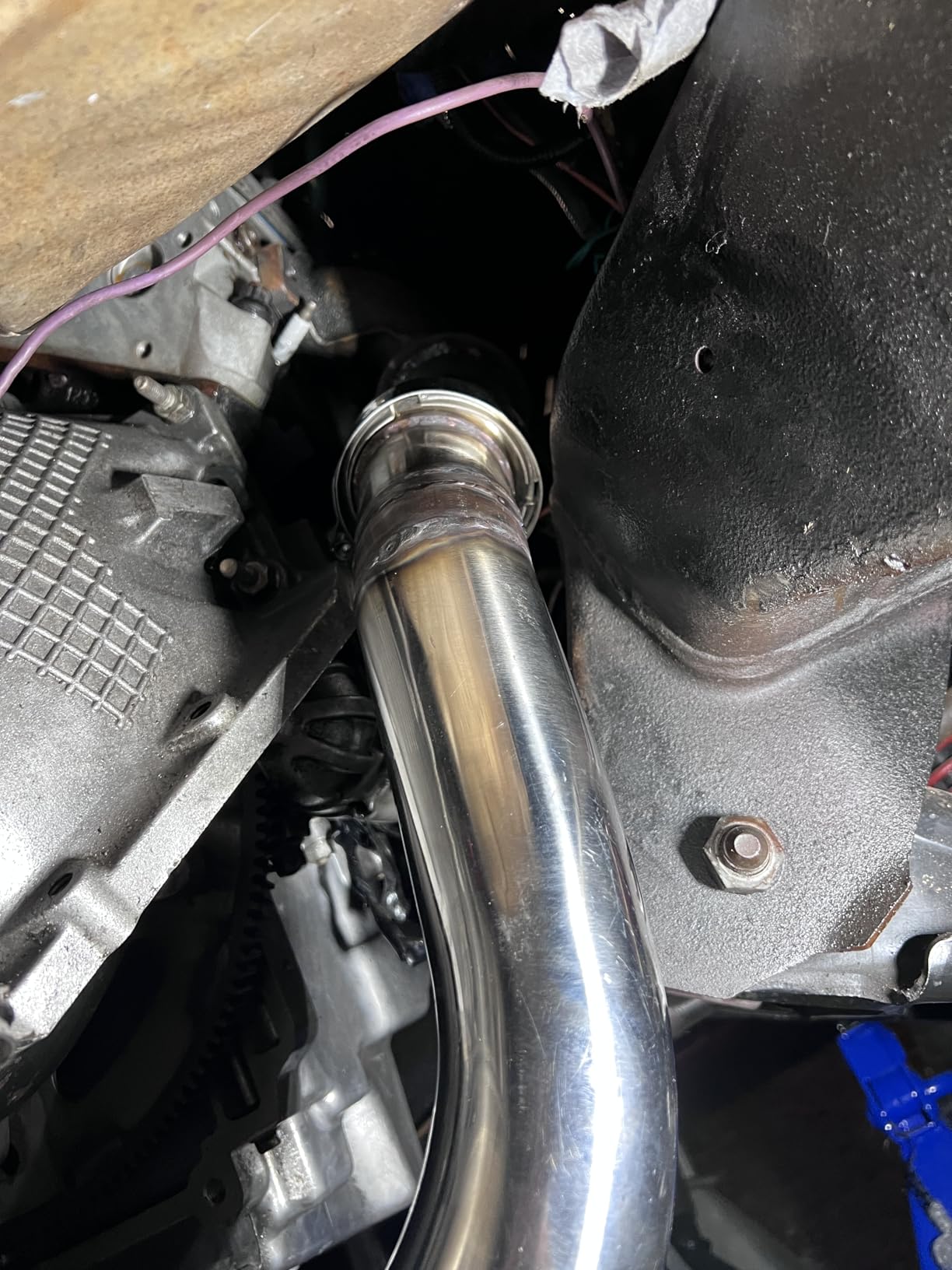
Who this machine suits
This suits a fabricator who wants a higher amperage ceiling without moving up to a 60-pound case. It is a good fit for someone doing aluminum trailer, boat and general plate work where you need the reserve amperage on thicker material.
It also suits anyone who works in a helmet and values being able to read the panel. The spot modes and pulse give you reinforcement welds and thin material control in the same box.
Where it falls short
The manufacturer itself notes that AC mode current measurement can read inaccurately depending on the balance setting. Treat the displayed amperage in AC as a reference rather than a measurement, and calibrate by eye on your material.
Quality consistency is the other concern, and the average rating here is the lowest in the group with a noticeably high one-star share. The foot pedal is sold separately, which means an extra purchase before you can do proper aluminum heat control, and some buyers reported needing seller support to resolve setup questions.
7. YESWELDER TIG-200P – Best Portable AC DC TIG
YESWELDER 200A AC/DC Aluminum Tig Welder TIG-200P ACDC TIG Welding Machine
200A AC/DC with pulse
Sine, square and triangle waveforms
16.47 lb body
Up to 1/8 inch aluminum spec
Pros
- Very light body at 16.47 pounds per the published spec
- easy to carry and store
- Sine
- square and triangle AC waveforms give real flexibility on aluminum
- Auto-sensing 110V and 220V operation with a large LED display
- Experienced fabricators report it matches far costlier machines on settings
- Plenty of adjustable parameters including upslope
- downslope
- pre-flow and post-flow
Cons
- Included WP-26 torch is oversized with an all-in-one gas and power lead
- No gas regulator or tungsten included
- No base amperage setting for foot pedal control
- Several reports of machines leaking argon from an internal valve fault
- Thin manual with no aluminum settings guide
At 16.47 pounds the TIG-200P is the machine you carry to a customer’s driveway rather than one you bring to a table. The published capacity is 200 amps with AC and DC output, and the 7-in-1 mode list covers MIX TIG, stick, AC TIG, DC TIG, AC pulse TIG, DC pulse TIG and spot welding.
The waveform selection here is unusual at this weight. Square wave cleans the oxide, triangle wave lowers heat input for thin material, and sine wave produces the smoothest bead with the least arc noise. Having all three on a machine you can lift with one hand is a real advantage for someone doing repair work away from a bench.

Auto-sensing 110V and 220V means no manual switching, and hot start plus auto memory of welding settings means the machine is ready where you left it. High-frequency non-touch arc start gives reliable ignition, which is what you want when you are not holding a torch in a perfect position.
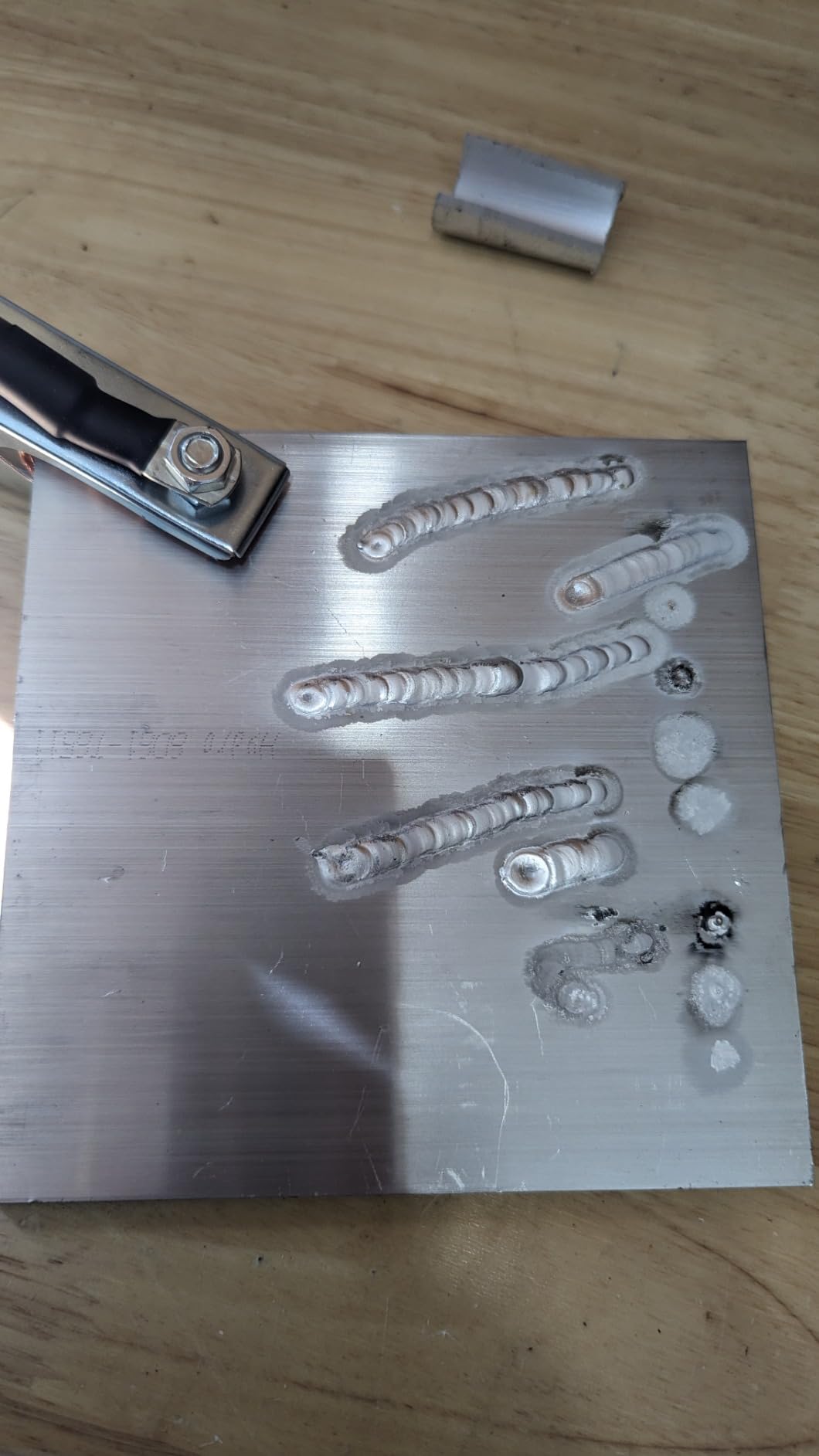
Experienced aluminum fabricators report that this machine matches far costlier name-brand units on settings, and owners say it handles 1/4 inch aluminum work in practice despite the 1/8 inch published spec. That gap between paper rating and real capability is worth taking seriously for this price class.
Who this machine suits
This suits the fabricator who welds aluminum on site, in a trailer, or anywhere the machine has to go in the back of a vehicle. Carrying a 60-pound case to a job is a real cost in time and energy that this machine removes.
It also suits a beginner who wants a simple machine with a big LED display and automatic voltage sensing. Set it and forget it, with settings recall for repeat work.
Where it falls short
Reliability is the honest issue here. Several reports describe machines leaking argon from an internal valve fault, and torch gas connections that contaminate the shielding gas. If the shielding gas is compromised, the weld is compromised no matter how good the arc control is, so this needs an acceptance test on arrival.
The included WP-26 torch is oversized, roughly the size of a MIG gun, with an all-in-one gas and power lead, and no gas regulator or tungsten is included in the box. There is also no base amperage setting for foot pedal control, which some fabricators notice immediately on thin aluminum.
8. Everlast PowerTIG 200DV – Best Brand-Named Machine
New Everlast PowerTIG 200DV 110/220 Dual Voltage 200amp Pulse ACDC Welder
200 amp AC/DC with adjustable pulse
Start down to 5A DC and 20A AC
Lift start function
IGBT inverter
Pros
- Very low start amperage at 5 amps DC and 20 amps AC
- among the most controllable on thin metal
- Lift start option where high-frequency ignition is undesirable
- Everlast is an established welder-only brand with a strong service reputation
- Arc Force DIG control reduces spatter
- Adjustable pre-flow and post-flow gas control
- Tightest 5-star share of any machine in the group at 83%
Cons
- Highest cost of the group
- Heavy at 60 pounds for a portable TIG
- Combo set contents vary so confirm what is included
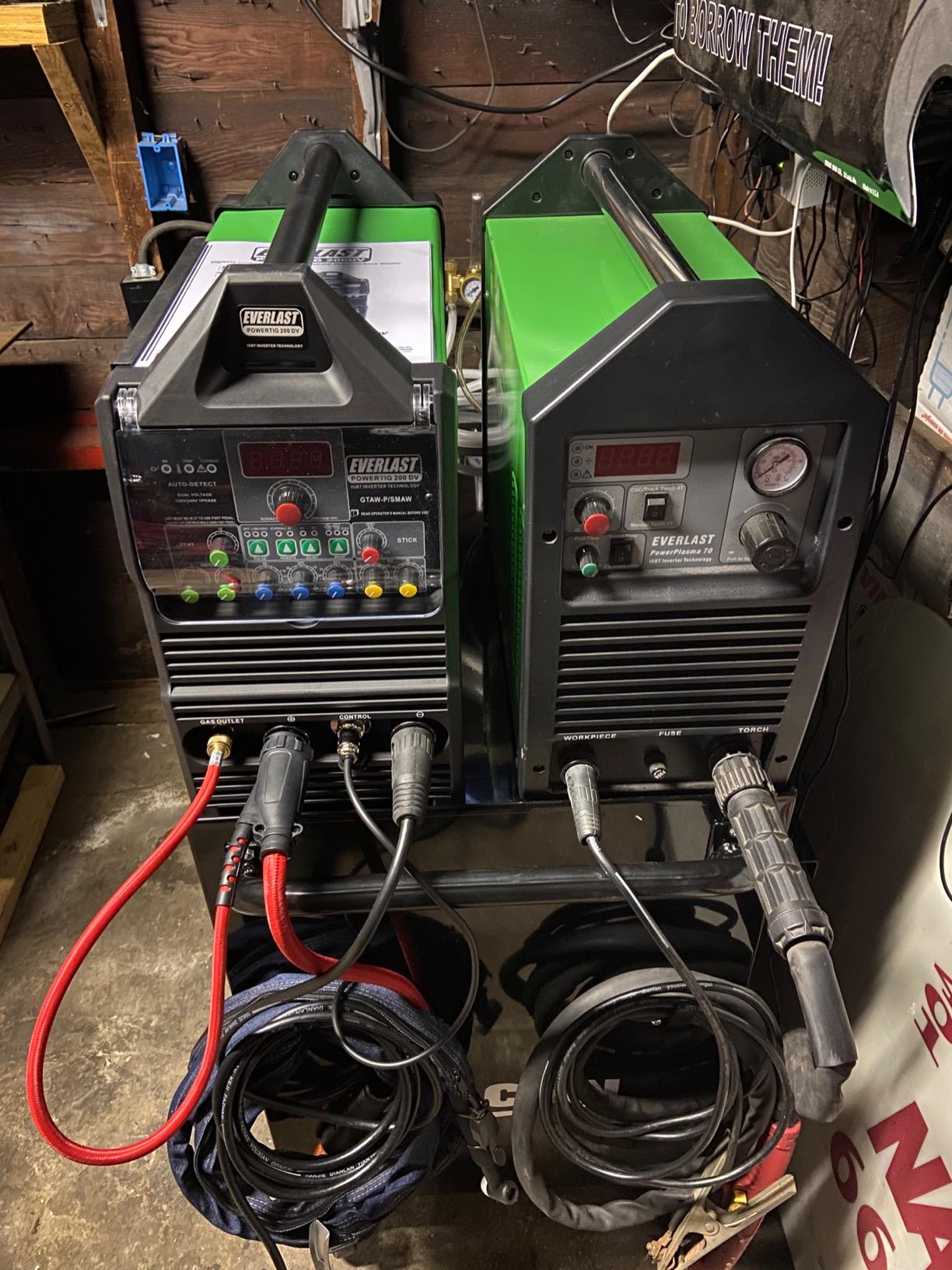
Everlast builds welding machines and nothing else, and that focus shows up in the small details. The most important one for aluminum is start amperage: 5 amps in DC TIG and 20 amps in AC. On very thin aluminum or delicate work, being able to start the arc gently instead of at the machine’s floor is a real advantage.
The Lift Start function is the sleeper feature. Many modern machines offer only high-frequency ignition, which sends a high-voltage burst through the workpiece. Lift Start avoids that, which matters if you are welding near electronics, on a vehicle with sensitive components, or on material where that burst is more than you want.
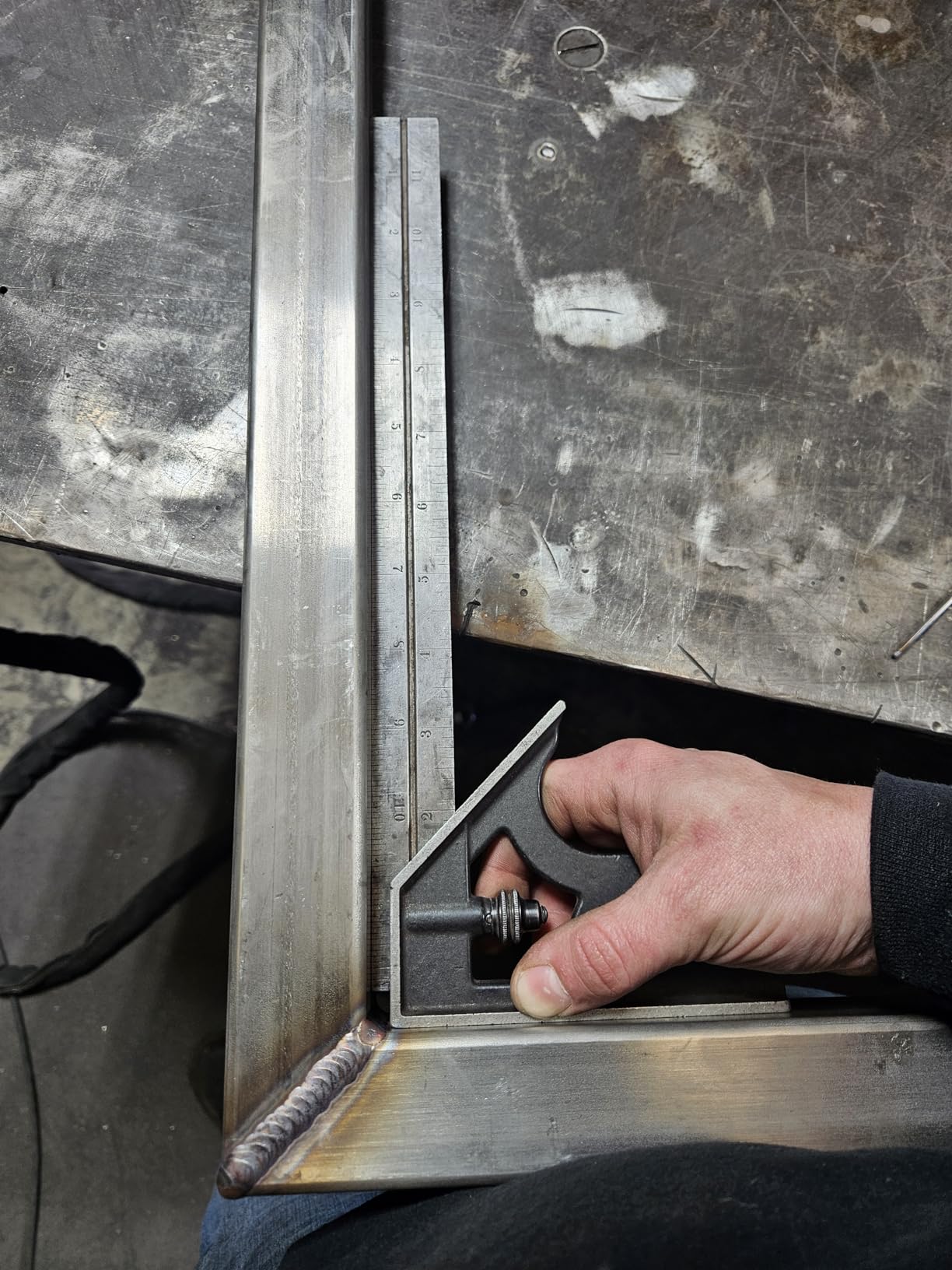
Other controls worth noting are adjustable pre-flow and post-flow gas control, which control how much shielding gas is delivered before and after the arc, an Arc Force DIG control that improves performance and reduces spatter, and an adjustable pulse rate for aluminum. The IGBT inverter keeps the arc stable and smooth.
Reviewers treat this machine the way they treat a professional tool. There is an 83% five-star share and no two- or three-star ratings at all in the review distribution, which is the tightest consistency of any machine here. Dual voltage at 120V and 240V covers both shop and field use.
Who this machine suits
This suits a fabricator who works on very thin aluminum or delicate assemblies where the machine’s minimum amperage would otherwise set the limit on the job. Low start amperage and Lift Start together give you more ways into a weld than the other machines on this list.
It also suits someone who values long-term service over entry cost. Everlast is an established brand with a service reputation that matters when a machine is a long-term purchase rather than a five-year experiment.
Where it falls short
It is the most expensive machine here, and for a hobbyist welding a few aluminum pieces a year that cost is hard to justify. You are buying a brand and a support network along with an inverter.
At 60 pounds it is heavy for a portable TIG, and the package is a combo set whose contents can vary. Confirm what is actually in the box before you rely on a regulator or a specific torch being present.
How to Choose an AC DC TIG Welder for Aluminum: 8 Factors That Matter
Aluminum is the least forgiving of the common weldable metals, and the controls you need are narrower than they look. These are the eight factors that separate a machine that will weld aluminum for years from one that gets returned in a month.
1. AC balance and cleaning percentage
AC balance sets the ratio of the cleaning half-cycle to the penetration half-cycle. More cleaning burns away more oxide but adds heat; more penetration is more efficient but risks oxide contamination. Start at 30-35% cleaning for most aluminum and adjust from there. A machine with no AC balance adjustment at all is a serious limitation, because you are locked into whatever the manufacturer chose.
2. AC frequency
AC frequency controls how often polarity switches. Higher frequency means a narrower, more concentrated arc that suits thin sheet and lowers the risk of tungsten contamination; lower frequency gives a wider bead profile and more cleaning force for thicker material. A useful working range is 20-200 Hz, and having the control on the machine rather than fixed at the factory matters when you work across a range of thicknesses.
3. Pulse TIG
Pulse TIG alternates between a peak amperage and a lower background current. The peak melts, the background lets the puddle cool and solidify slightly, which caps heat input and limits distortion on thin aluminum. A 0.5-200 Hz range with adjustable upslope, downslope and crater current gives you real control; a fixed pulse rate gives you less. Pulse is what lets a beginner hold a bead on 0.020 inch material without burning through it.
4. Duty cycle
Duty cycle describes how long the machine can run at a stated amperage before it needs to cool. A 60% rating at 145 amps means roughly six minutes of welding followed by four minutes of cooling. For aluminum, where heat input is already the enemy, long duty cycles matter less than they do on thick steel work, but a low duty cycle turns a production job into a series of waits. The AHP at a stated 100% at 155 amps is the strongest figure here.
5. Amperage and the rule of 33
The rule of 33 is a quick starting estimate: divide 33 by the material thickness in thousandths of an inch to get an approximate amperage. It is a starting point, not a specification, and AC usually wants more amperage than DC for the same joint because only half the cycle puts heat into the work.
The rule of 33 in practice, in thousandths of an inch and approximate amps: 0.020 inch is about 20 amps, 0.040 inch is about 35 amps, 1/16 inch is about 65 amps, 1/8 inch is about 125 amps, and 1/4 inch is about 250 amps.
Read that against the machine list. Light gauge up to 0.040 inch is comfortable on any of these machines. 1/16 inch is the sweet spot for every unit here. 1/8 inch needs a 200 amp class machine with pulse. 1/4 inch needs real headroom and a 220V supply for full output, which is why only the machines with 200 amps plus and a decent duty cycle are genuinely comfortable there.
AC settings to start from: 30-35% cleaning balance, AC frequency around 100-120 Hz on 0.040 inch and lower on 1/8 inch and thicker, and pulse between 20 and 60 Hz with the peak and background split adjusted until the puddle holds its shape without burning through.
6. Ignition method
High-frequency start is the standard and it is non-contact, which is what you want for aluminum. Lift Start is the alternative: you strike the tungsten on the workpiece and lift to start the arc without the high-voltage burst. Lifting TIG, which works without any ignition assist, is still available on many machines and is useful on very thin or unusual work.
7. Foot pedal control
A foot pedal is not an accessory for aluminum, it is a control requirement. It lets you ramp amperage up as the puddle forms and taper down to fill the crater, which is how you prevent burn-through and crater cracks. A pedal that ramps from a low amperage rather than zero is even better. Check the connector type, because proprietary connectors limit your replacement options, and note that some machines ship without a pedal.
8. Dual voltage, warranty and parts
A machine rated 110V and 220V gives you a home shop circuit now and a dedicated circuit later, and automatic sensing is easier than a manual switch. Duty cycle on 120V is always lower than on 220V. Warranty length is risk management: three years is a meaningfully different proposition from one year on a purchase of this size, and post-warranty parts availability is worth researching before you commit.
Consumables and prep for your first aluminum weld
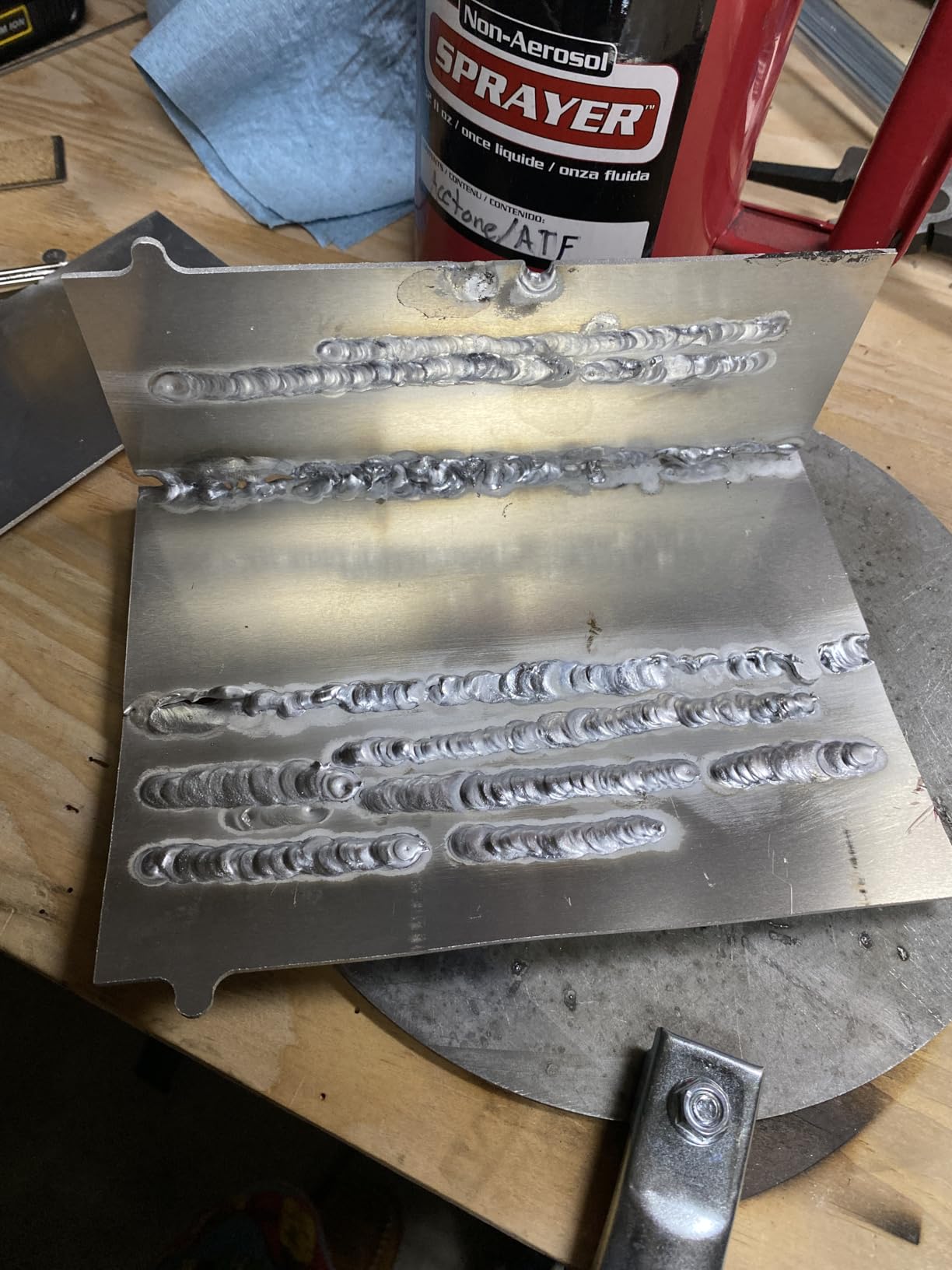
Bad aluminum welds are usually not machine problems. They are contamination problems. Degrease the joint with acetone, scrub it with a dedicated stainless brush reserved for aluminum, and never touch it with your hands afterward. Any oil, cutting fluid or even the oils from bare skin on your fingers will create porosity that no setting will fix.
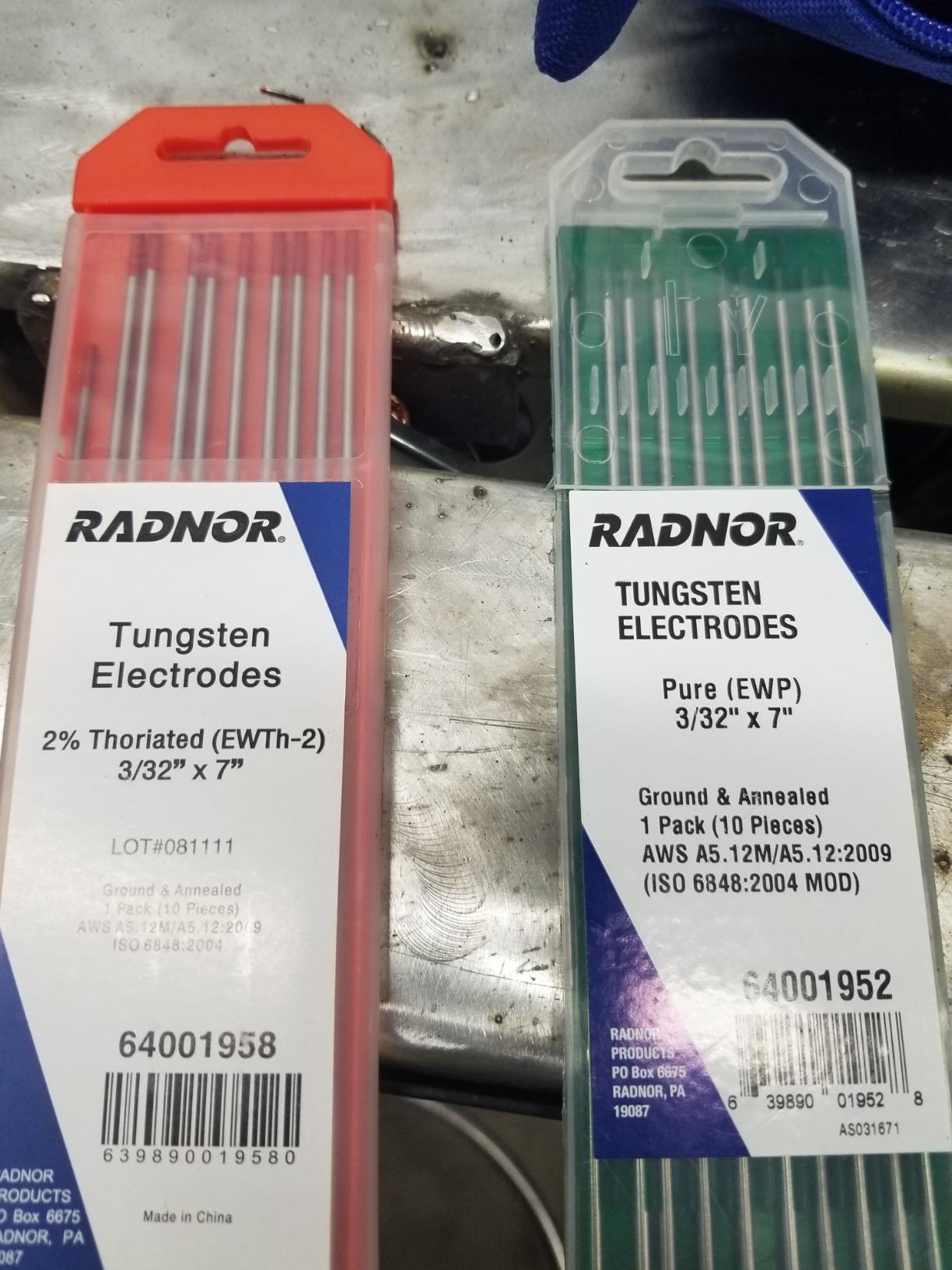
For tungsten, use 2% lanthanated or zirconiated in AC aluminum work. Thoriated tungsten is popular for DC and should not be used in AC aluminum. For filler, ER4043 is the forgiving general-purpose aluminum rod and ER5356 offers higher strength with a slightly narrower bead. Shielding gas must be pure argon; 75% argon with 25% CO2 is a MIG gas and will contaminate a TIG weld.
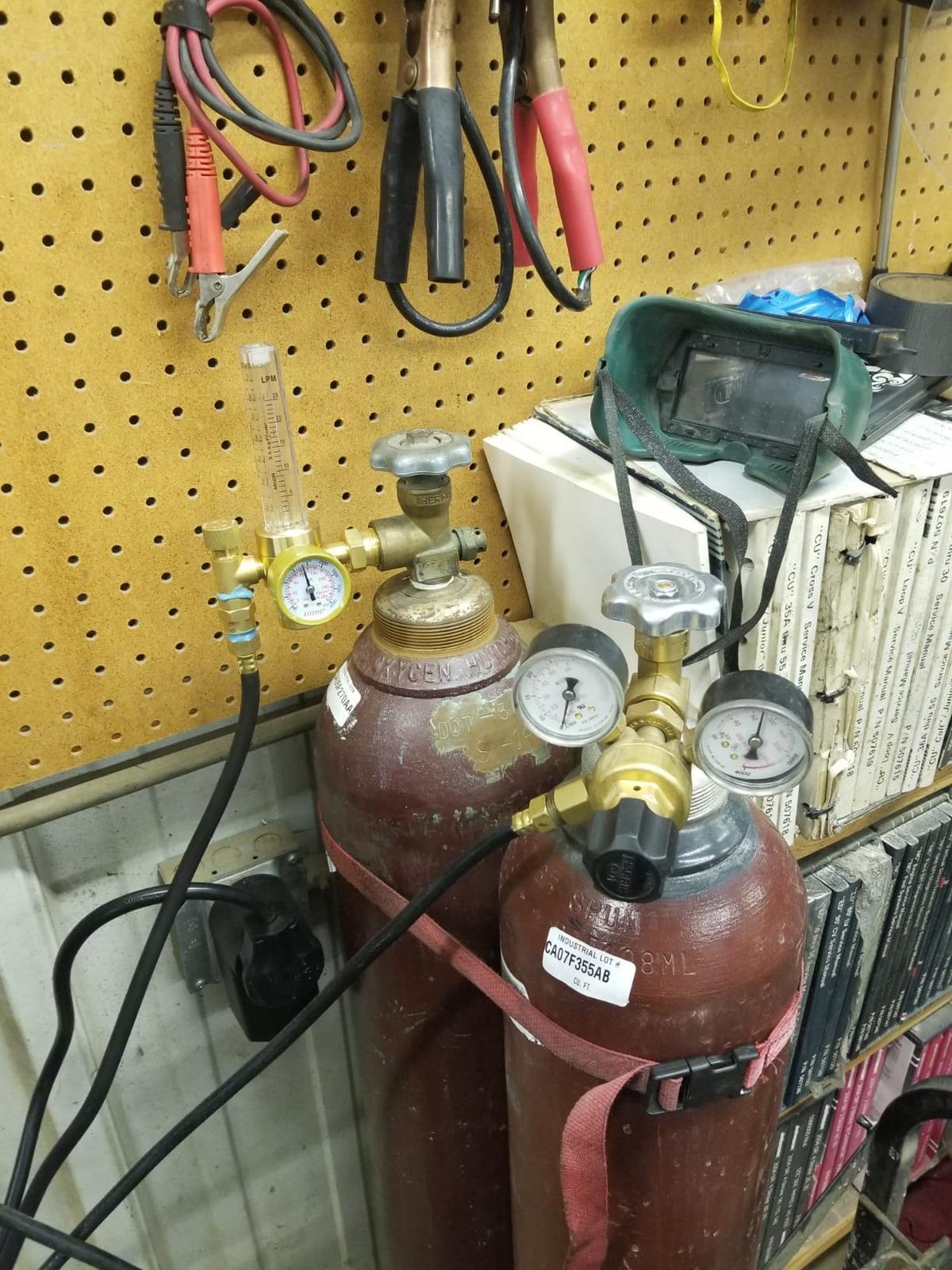
Set flow to roughly 15-20 cubic feet per hour for a small torch on light gauge, increasing for larger nozzles and thicker material. Run argon before you strike the arc and after you finish so the hot tungsten does not oxidize in open air.
Run this test the day your machine arrives
AC-mode failure is the most common reason machines in this category get returned, and it is invisible until you weld in AC. Before you cut into real work, run an AC weld on a scrap of 0.040 inch aluminum. If the arc strikes and the puddle moves, the machine works. If it strikes in DC and will not sustain in AC, send it back immediately rather than troubleshooting for a week.
If you are still deciding between a DC-only TIG with an aluminum spool gun and a full AC/DC inverter, our aluminum TIG welding techniques guide covers when each route makes sense and where the DC-on-DC workaround falls short on thin gauge material.
Frequently Asked Questions
Why can’t you weld aluminum with DC TIG?
Aluminum forms an oxide layer that melts at roughly 3,700 degrees Fahrenheit while the metal underneath melts at about 1,200. DC TIG only pushes heat into the base metal, so the oxide stays intact and the filler rod sits on top of it instead of fusing. The positive half of an AC cycle supplies the cleaning action that breaks the oxide away, which is why a DC-only machine cannot make a sound aluminum weld.
Should I use AC or DC TIG welding for aluminum?
Use AC for aluminum and magnesium, because the alternating positive half-cycle supplies the cleaning action needed to break through the oxide layer. DC TIG is still the correct choice for mild steel, stainless steel, nickel alloys and copper, and it gives you better penetration and a tighter bead on those metals. The best all-round machines in this roundup run both, so you are not choosing between them for your other work.
What is the rule of 33 in TIG welding?
The rule of 33 is a starting estimate for amperage: divide 33 by the material thickness expressed in thousandths of an inch. On 1/16 inch aluminum that gives about 65 amps, and on 1/8 inch about 125 amps. It is a rough figure rather than a specification, and AC aluminum usually needs more amperage than the calculation because only half of the cycle puts heat into the work.
What is the best AC DC TIG welder for a beginner?
For a beginner we point at the AHP AlphaTIG 203Xi and the LOTOS TIG200ACDC. Both arrive with a torch, foot pedal and argon regulator in the box, so you only need a gas cylinder, tungsten and filler rod to make the first weld. The AHP adds a three-year warranty and a stated 100% duty cycle at 155 amps, while the LOTOS costs less and carries a three-year limited warranty.
What tungsten do you use for TIG welding aluminum?
For AC TIG on aluminum, use 2% lanthanated or zirconiated tungsten, both of which hold a stable arc when polarity reverses every half-cycle. Thoriated tungsten works well on DC but is not recommended for AC aluminum because the electrode point erodes under the alternating arc. A sharp point ground with a dedicated wheel matters as much as the alloy, so keep a tungsten grinder and its dust mask on hand.
What filler rod and shielding gas for aluminum TIG?
Pure argon is the only correct shielding gas for TIG aluminum. A blend such as 75% argon with 25% carbon dioxide is a MIG gas and will contaminate the weld under a TIG torch. For filler, ER4043 is the forgiving general-purpose rod most beginners should start with, while ER5356 gives a higher strength deposit and a narrower bead. Flow pure argon at roughly 15-20 cubic feet per hour for light gauge work.
Can you weld aluminum with a DC TIG machine?
You can, but not with a conventional DC TIG arc. DC TIG on aluminum either runs the arc so hot that it burns through thin material or fails to break the oxide layer, which is why it is rarely recommended. Two workarounds exist: an AC-on-DC system that reverses polarity electronically, or a DC machine with a separate aluminum spool gun feeding the wire to a separate gun that supplies the shielding gas.
Do cheap AC DC TIG welders work for aluminum?
They do, with a caveat. The low-cost AC/DC machines on this list produce sound aluminum welds and run at 200 amps or more, so the fundamentals are there. What you give up is refinement: a 10 amp minimum output, a square-wave-only AC output, no pulse, and less consistent quality control. Expect to replace a ground clamp and possibly the torch, and run an acceptance test on arrival.
Final Verdict: Which AC DC TIG Welder Is Right for You
If you want one answer to give most people, it is the PRIMEWELD TIG225X. It has the highest rating and the largest body of owner feedback in this group, it handles 1/4 inch aluminum, and the CK Superflex torch it ships with is a component you would otherwise be choosing deliberately.
The Weldpro 200A is the pick if you want the widest control set and do not mind the weight. The AHP AlphaTIG 203Xi is the value answer, with a three-year warranty and a full accessory kit in the box. ARCCAPTAIN wins on waveform choice in a light case, and the LOTOS TIG200ACDC is the most economical way to get a genuine AC arc on aluminum.
For on-site work, the Sunstac 250A gives you the most amperage in a light case, and the YESWELDER TIG-200P is the one to carry in a vehicle. The Everlast PowerTIG 200DV carries a higher entry cost and gives you the lowest start amperage in AC, which is what separates it when you are welding very thin material.
Whichever one you choose, run an AC weld on scrap before you start a real job, and remember that the machine is only half of it. Clean metal, the right tungsten and pure argon decide the weld. Our best TIG welders for aluminum guide covers the rest of the setup in detail.