
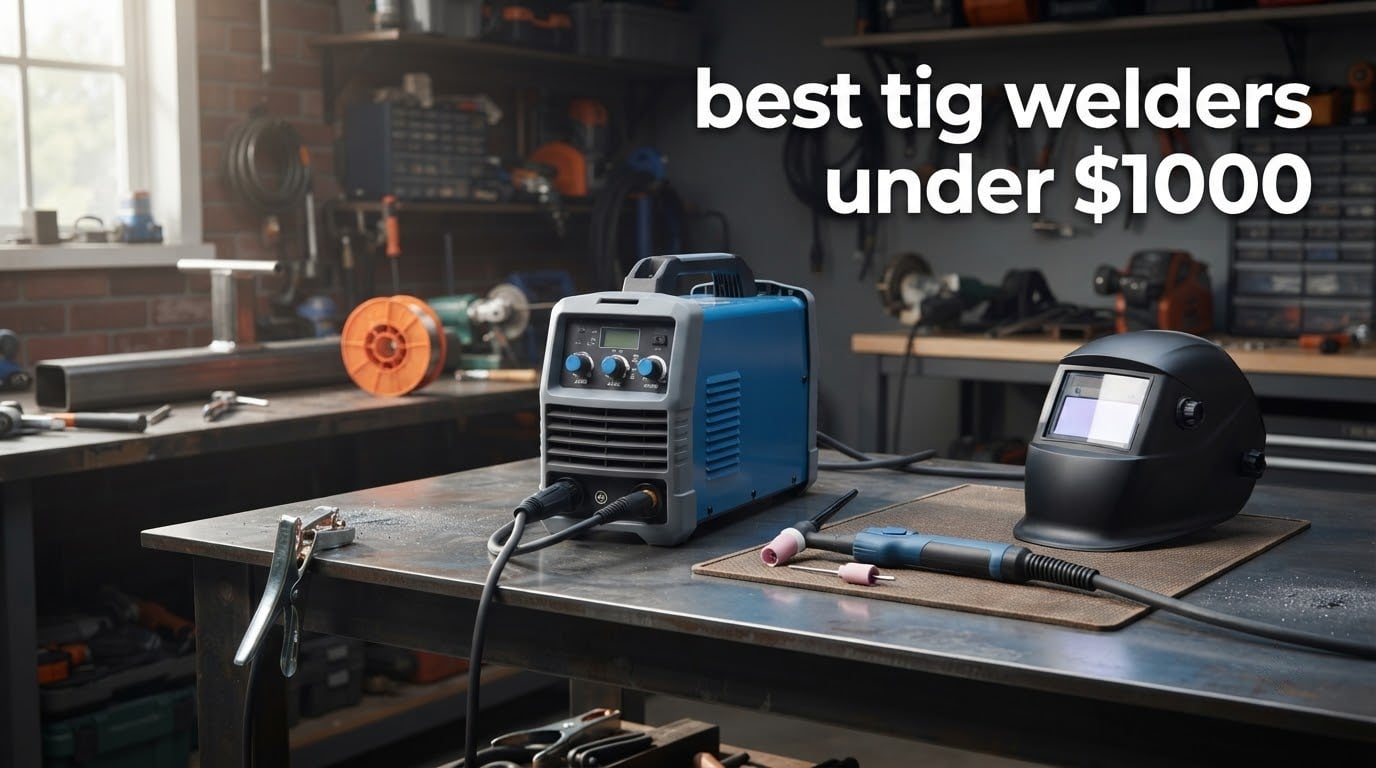
The best TIG welder you can get under 1000 dollars is the PRIMEWELD TIG225X, a 225 amp AC/DC inverter with pulse, a CK Worldwide torch in the box and the highest rating of any machine on this list. If your work is stainless and mild steel only, cheaper DC machines work very well for far less money.
Ten machines sit under that ceiling right now, and the gap between the cheapest and the best of them is enormous. The lowest-cost units give you a DC arc and an on-off torch trigger. The best one gives you true AC, adjustable balance and frequency, pulse up to 200Hz and a torch you can service at any welding supply house in a week. We built this guide around that gap.
Every machine below was checked against its published specification sheet, its warranty terms and the pattern of complaints in its owner reviews. We did not fabricate hands-on test results, and where the numbers below come from a manufacturer claim we say so. Street prices for welding machines move constantly, so use the buttons on this page to see current pricing rather than trusting a number from memory.
The whole list matters because TIG is the first process most people learn, and it is also the last one where a cheap machine can genuinely hold you back. Thin stainless at 5 amps is where cheap inverters fall apart, and aluminum is where a DC-only box is simply the wrong tool. Getting those two decisions right is worth more than any amount of extra amperage.
If you are still working out the process itself, our guide to welder types for beginners covers the difference between stick, MIG and TIG in plain terms. And if aluminum is the material you mostly want, read our picks for the best TIG welders for aluminum welding before you spend.
Table of Contents
Top 3 Picks: Best TIG Welders Under $1000 (October 2026)
These three cover the realistic range of buyers. One is the cheapest sensible way in, one is the best machine money can buy before you cross the four-figure mark, and one is the strongest AC performer for aluminum work.

PRIMEWELD TIG225X
- 225A AC/DC TIG with pulse
- CK 17 Series Superflex torch included
- 200Hz pulse and adjustable AC frequency
- 1/4 inch aluminum and 3/8 inch mild steel

S7 200A TIG Welder
- 200A DC TIG and stick
- 110V and 220V dual voltage
- High frequency arc start
- Digital current display

Weldpro 200A 5-in-1
- AC and DC pulse TIG
- 0.5-200Hz pulse with upslope and downslope
- 40 percent duty cycle at 200A
- Foot pedal and flow meter included
Bottom line: the S7 wins on pounds spent per usable machine, the TIG225X wins on everything else, and the Weldpro wins when aluminum is the priority.
All 10 Best TIG Welders Under $1000 at a Glance
This table is the fast version. It lists every machine in the roundup with the two or three features that actually separate them from each other.
| Product | Specifications | Action |
|---|---|---|
| PRIMEWELD TIG225X |
|
Check Latest Price |
| S7 200A TIG Welder |
|
Check Latest Price |
| Weldpro 200A 5-in-1 |
|
Check Latest Price |
 AHP AlphaTIG 203Xi AHP AlphaTIG 203Xi |
|
Check Latest Price |
 TOOLIOM 200A TIG-200T TOOLIOM 200A TIG-200T |
|
Check Latest Price |
 YESWELDER TIG-205P YESWELDER TIG-205P |
|
Check Latest Price |
 ARCCAPTAIN TIG200 ARCCAPTAIN TIG200 |
|
Check Latest Price |
 LOTOS TIG200ACDC LOTOS TIG200ACDC |
|
Check Latest Price |
 Sunstac TIG-250 TP ACDC Sunstac TIG-250 TP ACDC |
|
Check Latest Price |
 Everlast PowerTIG 185DV Everlast PowerTIG 185DV |
|
Check Latest Price |
How We Picked These TIG Welders
Six filters decided what made this list and what did not. We applied the same five to every machine so the ranking is repeatable.
Real AC output for aluminum, not a DC machine with AC in the marketing. The spec sheet had to show AC TIG mode with adjustable balance or frequency for anything ranked above a budget slot.
Arc control at low amperage. Reviewers repeatedly report problems between roughly 10 and 30 amps, which is exactly where beginners practise on thin stainless. Machines with a 10 amp floor lost points.
A foot pedal that works. An on-off trigger instead of an amperage control pedal is a deal-breaker for real TIG work.
Standard torch consumables. CK Worldwide 9, 17 and 26 series parts are cheap and everywhere. Proprietary fittings mean waiting weeks for one small collet.
Duty cycle and warranty stated in writing. We used the published percentage at the published amperage, and we counted the warranty term, not the marketing adjective.
Owner feedback patterns, not isolated complaints. Where a complaint appears again and again across reviews for one model, we wrote it into that product’s section.
On the forums, the machines in this bracket get argued about constantly. One r/Welding user described running a business on a TIG225X for five or six years and called PrimeWeld customer service unbeatable. Another, comparing brands in the same thread, called Everlast the best of the low-end brands and praised the out-of-box accessories. Those two opinions shaped our top three, but we did not let forum reputation override the spec sheets.
What we did not do is pretend to bench-test machines. Nothing in this roundup is based on a claimed weld coupon we produced. Everything traceable to a spec sheet is presented as a manufacturer claim.
1. PRIMEWELD TIG225X – True AC/DC With Pulse And A CK Torch
PRIMEWELD TIG225X 225 Amp IGBT AC DC Tig/Stick Welder with Pulse CK17 Flex Torch and Cable
225A AC/DC TIG with pulse
CK Superflex torch
200Hz pulse
1/4 inch aluminum
Pros
- Highest rating in the roundup at 4.8 stars
- True AC/DC with adjustable AC frequency and 200Hz pulse
- Professional CK Worldwide Superflex torch and hose in the box
- Handles 1/4 inch aluminum and 3/8 inch mild steel
Cons
- Heaviest machine in the group by the maker's own listing
- Stick output listed for 7018 and 6013 electrodes only
This is the machine the whole sub-thousand-dollar category is measured against, and the spec sheet explains why. 225 amps of AC/DC TIG with pulse, adjustable AC frequency, pulse up to 200Hz, and a CK Worldwide 17 Series Superflex torch with a flex head and CK Superflex hose included in the box. It carries a 4.8 star average over 1426 reviews, and 90 percent of those are five-star.
For aluminum the machine maker claims 1/4 inch capability, which is the point most buyers under this ceiling are shopping for. The AC balance and frequency controls are what separate it from cheaper AC boxes, because they let you tune the bead rather than accept whatever the machine decides on a given thickness.
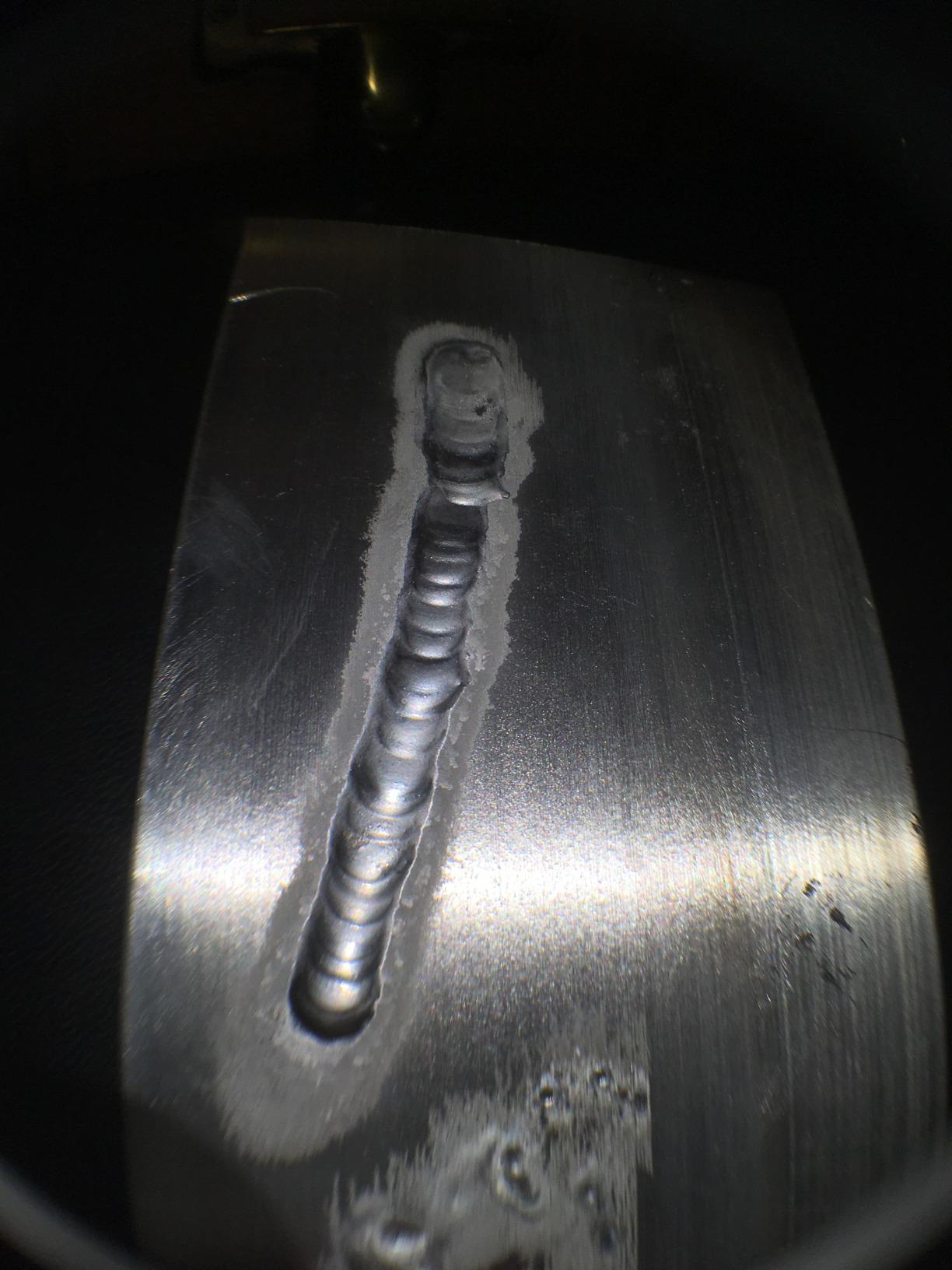
Owner sentiment on r/Welding is unusually consistent for this price band. One long-time owner described having the 225X for five or six years, running a business on it, and calling PrimeWeld support unbeatable. In the same kind of thread, users upgrading from a lift-start multi-process box report a dramatic jump in arc quality.
The hardware behind the claims is an IGBT inverter using PWM control, with HF start through the hand torch and amperage control through the foot pedal. The CK DINSE connector is US-made, which matters because it is the fitting you can replace in an afternoon rather than a week.
Why this TIG welder wins the top spot
The torch is the quiet advantage. A CK Worldwide 17 Series Superflex torch is a standard part sold by welding supply houses and industrial distributors, so collets, cups, lenses and caps are consumables you buy off the shelf. Budget machines with proprietary fittings turn every small replacement into a support ticket.
The other advantage is control density where it counts. Two pulse frequency values would be thin; 200Hz with adjustable AC frequency and adjustable balance is a machine you can grow into. If your projects move from aluminum trailer skin to stainless tubing to 3/8 inch mild steel, this one box covers all three.
Where it falls short
It is the heaviest machine in this roundup according to the product listing, so treat it as a shop machine rather than a carry-to-the-site box. If you plan to load it into a van every morning, the lighter entries below suit that better.
Stick output is listed as 7018 and 6013 electrodes. That is a narrower stick section than some competitors, and for anyone whose day job is mostly MMA it is worth knowing before you commit.
2. S7 200A TIG Welder – Cheapest Door Into TIG
S7 200A TIG Welder with DC TIG and Stick Welding
200A DC TIG and stick
110V and 220V dual voltage
18.01 lb
High frequency arc start
Pros
- Lowest cost entry to a real TIG arc
- High frequency start with a smooth arc on thin stainless
- Digital current display with simple controls
- Compact 17 x 10 x 13 inch body
Cons
- Torch trigger and pedal are on-off only
- Push-on gas fitting needs modifying
- Instructions and setup help are thin
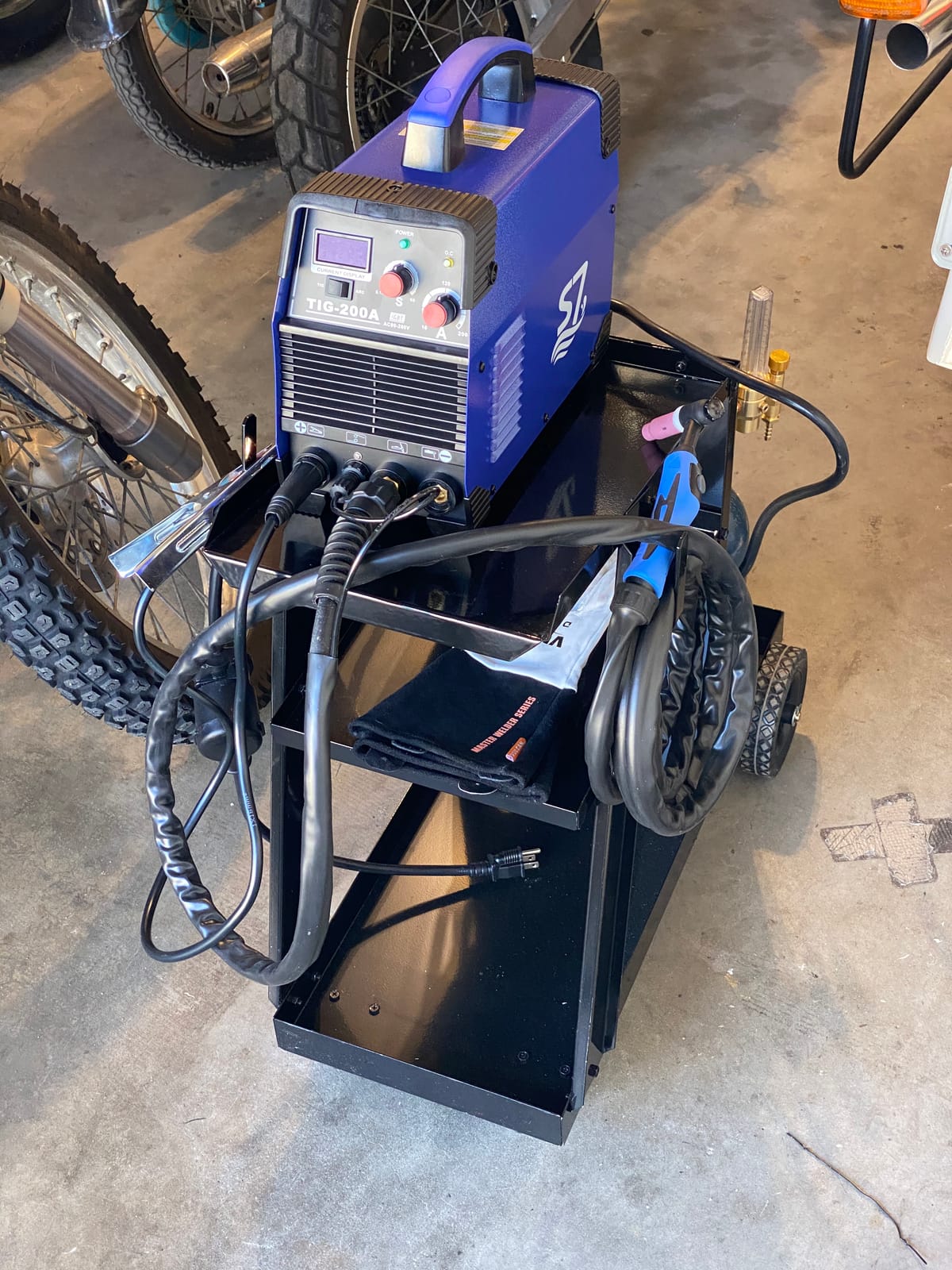
This is the machine I would hand someone who wants to learn TIG this month instead of next year. It is a 200 amp DC TIG and stick unit that runs on either 110 or 220 volts, weighs 18.01 pounds and carries a 4.4 star average across 1530 reviews. For a first garage machine on thin stainless and mild steel, the bang for the buck is hard to argue with.
The arc is the surprise. Reviewers talk about smooth beads and reliable ignition rather than the stutter you usually get at this money, and the digital current display means you are setting numbers instead of guessing at a knob. The chassis is small enough to carry with one hand at 17 x 10 x 13 inches.
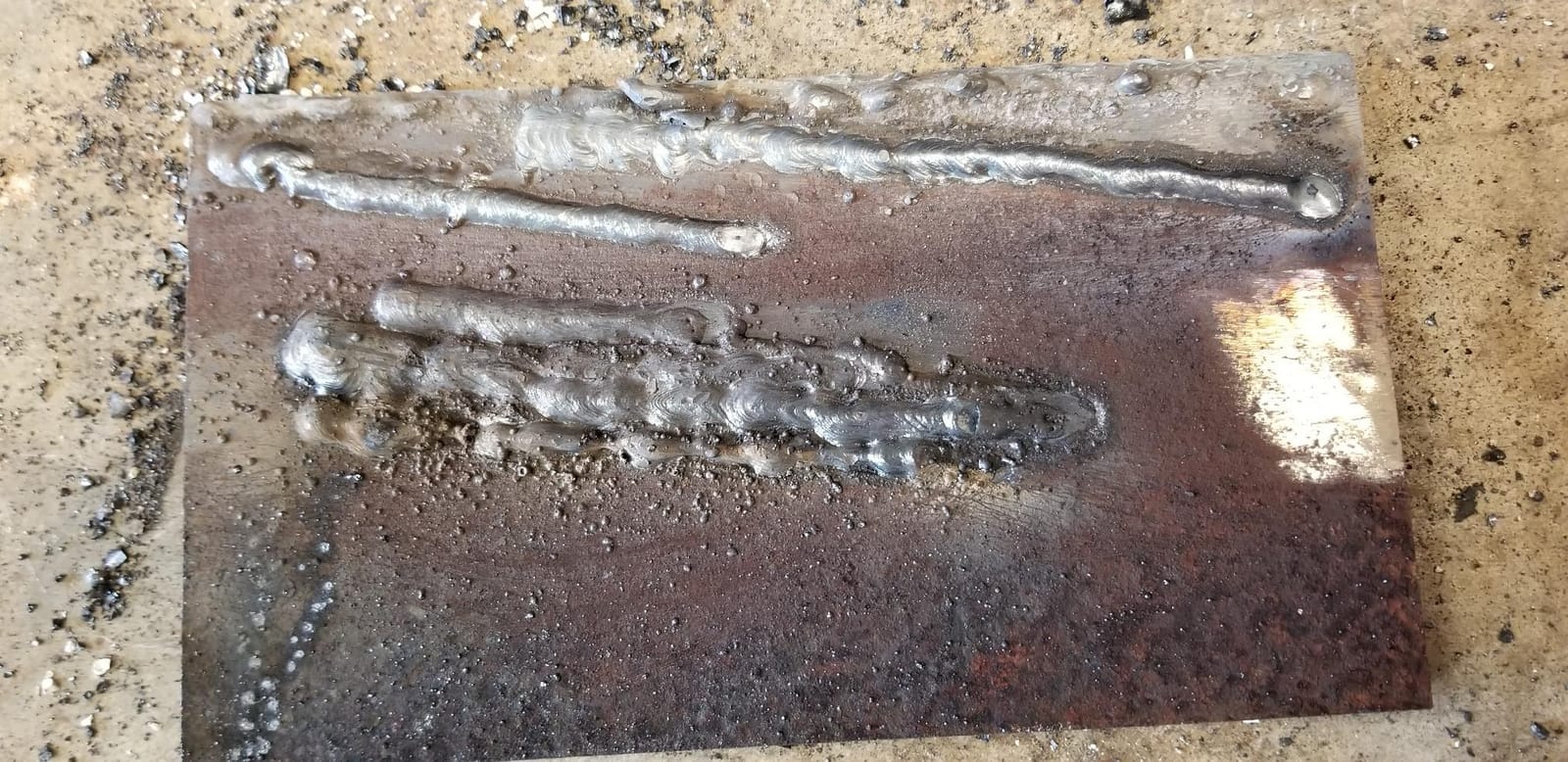
What you give up is control. The torch trigger and the foot pedal are on-off, so amperage is set on the machine and stays there. That is workable for flat work and genuinely frustrating for anything where you want to feather the heat while filling a puddle or when you need to creep down to 5 amps on a window frame.
The gas fitting is a push-on style rather than a screw-on, so you will want a short adapter or a replacement fitting before your first session. The included leads and accessories draw repeated criticism, and the documentation is thin, so plan on twenty minutes of research before your first arc.
What this TIG welder handles best
Thin stainless tubing, 16 and 18 gauge sheet, small mild steel brackets and hobby-level tube work. At these thicknesses the fixed amperage setting is an advantage rather than a problem, because you are not chasing puddle control anyway.
It also works as a stick machine, which means one box covers a beginner’s grounding work and their first TIG project. Dual voltage lets you start on a standard household circuit and move to 220 volts later if you need the output.
Where it falls short
Aluminum is not the target material here. The listed output is DC TIG and stick, and DC alone will not weld aluminum cleanly without tricks you should not be learning on your first machine.
The on-off trigger is the other hard limit. If your goal is finesse work on thin material, this is the wrong box to start on, and no amount of saving fixes the missing control. For pure value entry it is still the cheapest sensible way in.
3. Weldpro 200A 5-in-1 – Best AC Control For Aluminum
Weldpro 200A AC/DC TIG Welder with Pulse, 110V/220V Dual Voltage Aluminum TIG Welder, AC TIG/DC TIG/AC PULSE TIG/DC PULSE TIG/Stick 5 in 1 Multiprocess Welding Machine with TIG Torch & Foot Pedal
200A 5-in-1 multiprocess
0.5-200Hz pulse
40% duty cycle at 200A
61.8 lb
Pros
- Five modes including AC pulse and DC pulse
- Adjustable AC balance and frequency for aluminum
- 0.5-200Hz pulse with upslope and downslope
- Foot pedal flow meter gas hose and clamp included
Cons
- Heavy at 61.8 pounds for a portable machine
- Power specification is bulky for a 200A unit
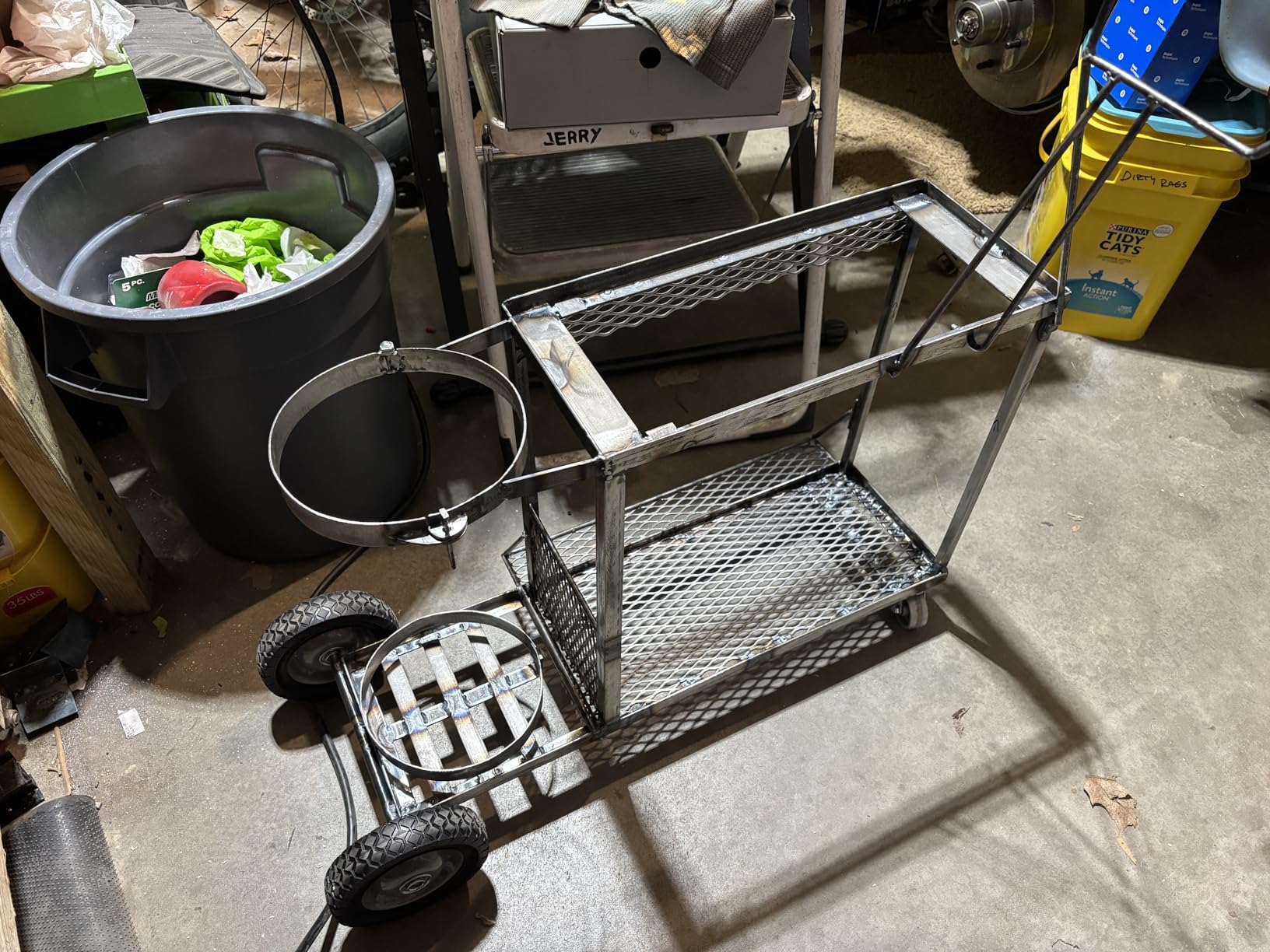
This is the most adjustable machine we found under the ceiling, and for aluminum that is exactly what you want. It runs HF AC TIG, DC TIG, AC pulse TIG, DC pulse TIG and stick in one body, with fully adjustable AC balance, AC frequency and pulse settings. It holds a 4.6 star average across 836 reviews.
The pulse range is the headline number: 0.5 to 200Hz, with adjustable peak amperage plus independent upslope and downslope. That matters on thin sheet, where controlling how quickly the current rises and falls is the difference between a flat bead and a melted-through puddle. Duty cycle is published at 40 percent at full 200A output.
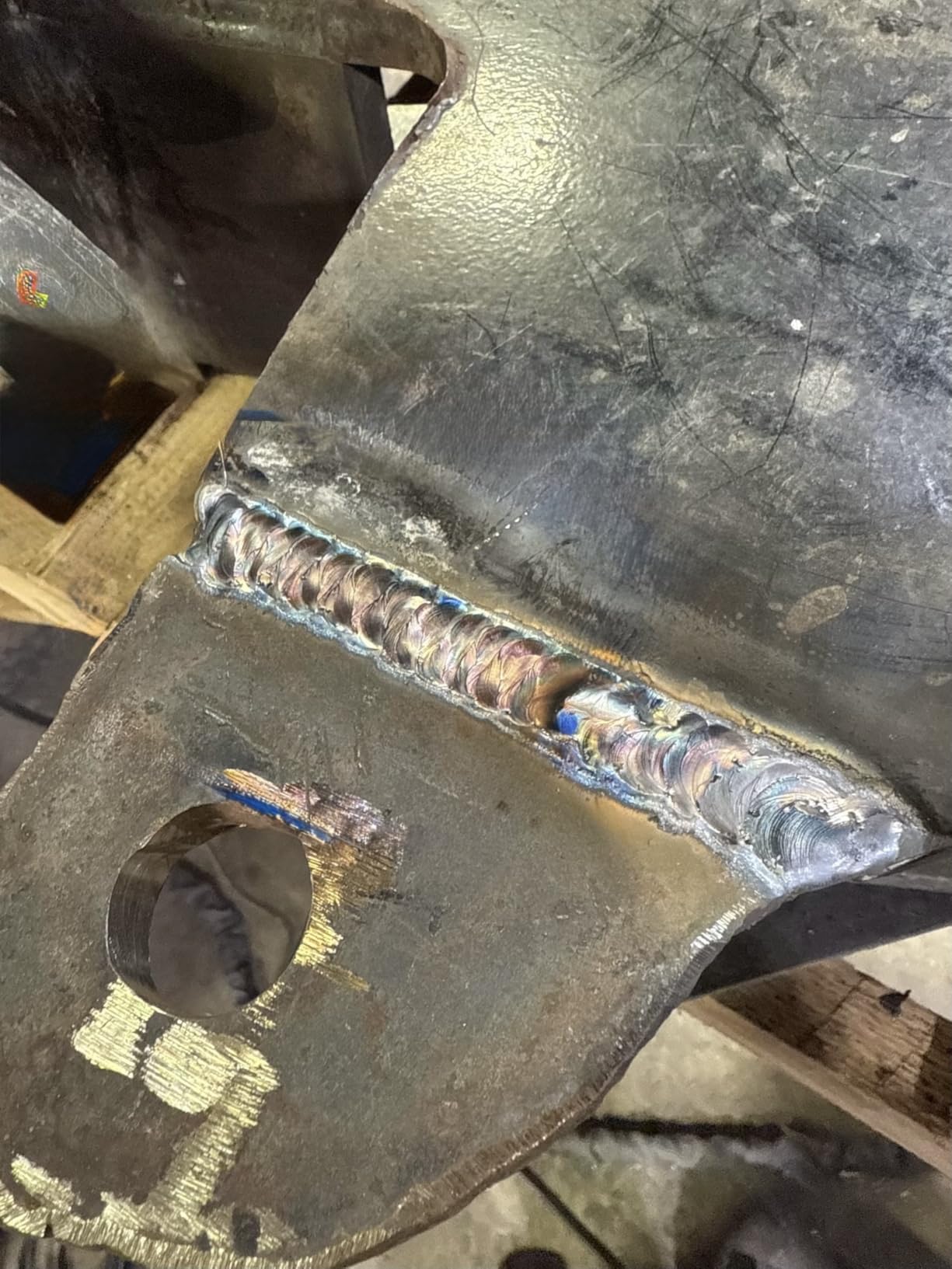
The box is unusually complete for this money. The package list includes the TIG torch, a foot pedal, gas hose, flow meter and ground clamp, so you are not buying a regulator and a pedal on day two. A large HD LED display shows live parameters, and 2T and 4T trigger modes cover short spot work and long continuous beads.
Reviewers consistently single out the AC balance and frequency controls as the feature that pays off, particularly on thin-gauge non-ferrous work. The protective circuitry covers overheat, over-current, over-voltage and under-voltage conditions, which matters on a household circuit.
Why a fabricator would pick this TIG welder
Granular AC control is the reason. Balance sets how much of each AC half-cycle you spend cleaning the aluminum oxide versus penetration, and frequency sets how fast the arc oscillates across the puddle. A machine with one fixed AC waveform can weld aluminum but leaves you tuning with filler rod technique instead of the machine.
The dual voltage is automatic, so the same box works in a garage on 110 volts and in a shop on 220 without a settings change. Combined with 2T and 4T modes, that makes it comfortable for both hobby tube work and production pipe welding.
Where it falls short
It weighs 61.8 pounds. That is heavy for a 200 amp machine and it means this is a floor machine, not something you carry up stairs or onto a scaffold.
The listed power specification is also bulky for the amperage, which usually translates into a physically large chassis and a bigger footprint on the bench. If your shop space is tight, the Lotos entry later in this list is smaller for similar AC capability.
4. AHP AlphaTIG 203Xi – The Duty Cycle And Warranty Winner
NEW 2024 AHP AlphaTIG 203Xi Amp IGBT AC DC Tig/Stick Welder with PULSE 110/220v 3 YEARS WARRANTY
100% duty cycle at 155A
AC/DC TIG and stick with pulse
HV start upgrade
69 lb
Pros
- 100 percent duty cycle at 155 amps is the highest published here
- 3 year warranty with responsive support
- Rotaflex 9/17 torch with adjustable head included
- Owners compare TIG quality favorably to a Lincoln Square Wave
Cons
- On 120V the readout does not match the knob
- 10 amp minimum output on very thin stainless
- Included ground clamp and flow meter are basic
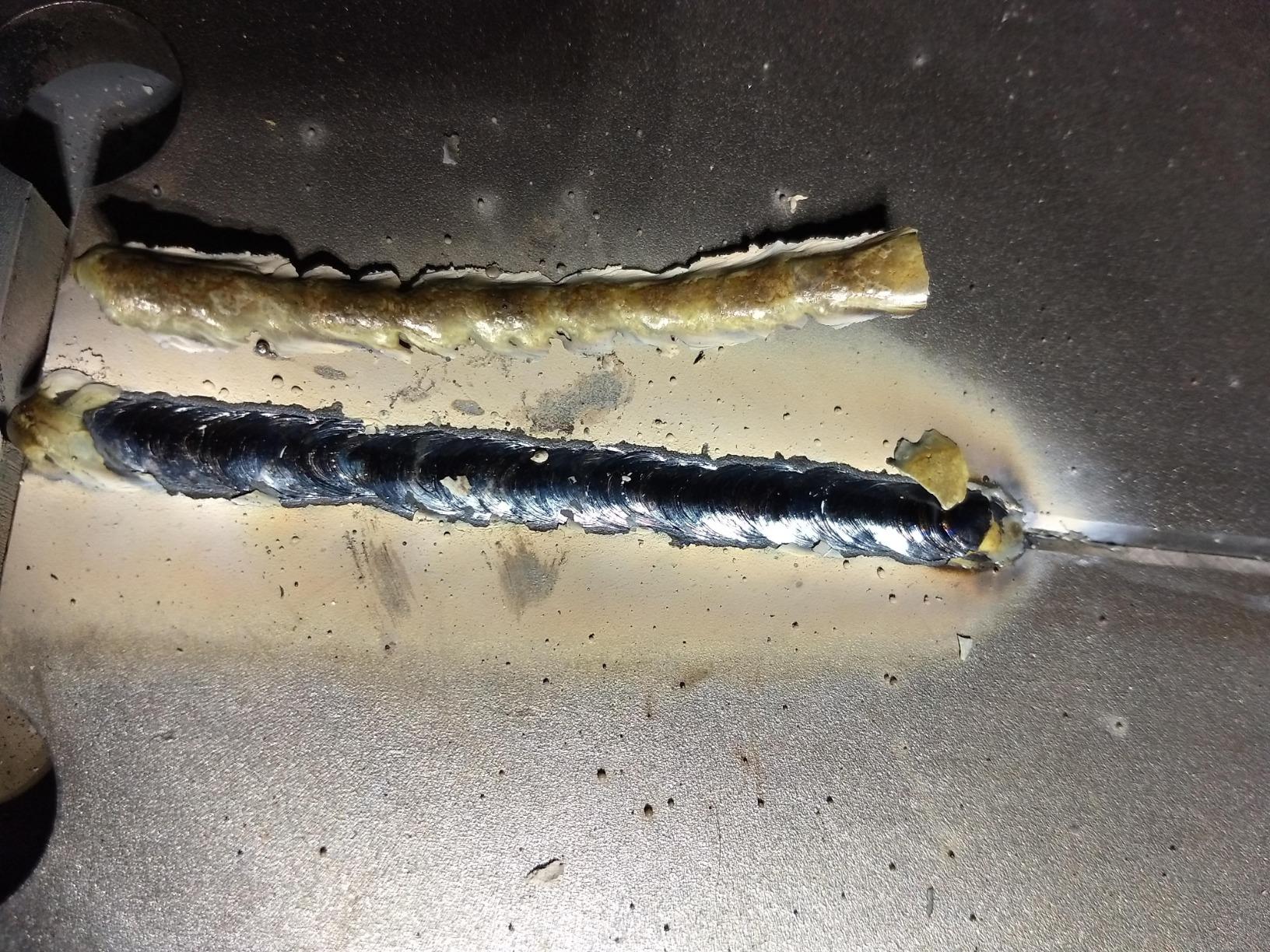
The AlphaTIG 203Xi is the machine in this list I would trust for a full day of production work, and the reason is one line in the spec sheet: 100 percent duty cycle at 155 amps. Nothing else here publishes that. Most budget machines publish 40 percent at full rated output, which means real breaks every ten minutes.
It is an AC/DC TIG and stick machine with pulse, built on IGBT inverter technology with PWM, and updated with a 2024 HV start that uses an electronic solid-state simulated HF function so there is no point gap to service. The listed capability is 1/4 inch aluminum and 3/8 inch mild steel, welding 7018 and 6013 electrodes.
The included components list is unusually thorough. You get a plug adapter, a 250A stick electrode holder on a 9 foot lead, a consumable kit that does not include tungsten, a floating ball argon regulator, a Nova foot pedal with a 25 foot cord, a Nova Rotaflex 9/17 TIG torch on a 12.5 foot lead with a 9mm quick connect, and a 6 foot work clamp.
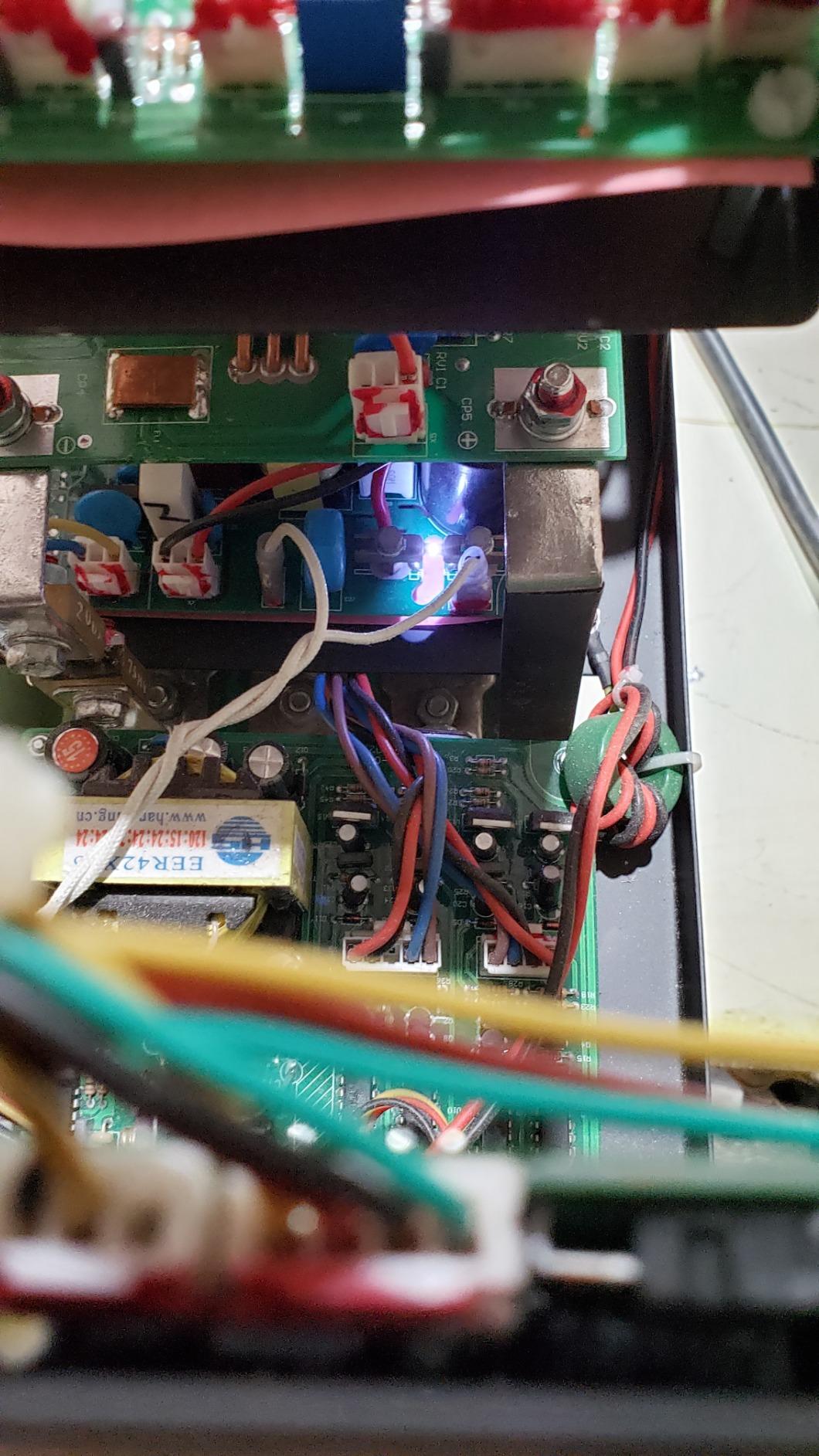
Owners report the stick mode as noticeably smoother than machines from larger names, and several describe TIG quality as comparable to a Lincoln Square Wave. The three-year warranty and responsive support are frequently mentioned as reasons people bought it in the first place.
Why this TIG welder suits production work
A 100 percent duty cycle rating at 155 amps means you are not planning your day around thermal rest periods. If you are welding all day, doing production work or picking up fabrication contracts, that single line is worth more than 50 extra amps of headline capacity you could never hold.
The controls are knob-based rather than menu-driven, which experienced operators consistently prefer. When you are wearing a helmet and adjusting between tacks, a physical knob is faster than scrolling a display, and the high visibility LCD gives you a readout without giving up the tactile control.
Where it falls short
On 120 volts the digital readout does not match what the knob is set to, and the machine is not current-capped on that input. If you plan to run primarily on a household circuit, this is the specific flaw to know about, and the S7 or Weldpro entries handle low-voltage use more predictably.
The minimum output of 10 amps is also a real constraint on very thin stainless, and the included ground clamp breaks loose at its copper connection quickly. Budget a better clamp and a thinner tungsten before your first job.
5. TOOLIOM 200A TIG-200T – Big Features, Small Number
TOOLIOM 200A TIG Welder with Pulse, 110V/220V Dual Voltage
200A 4-in-1 multiprocess
Auto sensing 110V/220V
5-pin foot pedal interface
Pros
- Four modes including TIG spot and pulse in one body
- Auto sensing dual voltage needs no manual switch
- Large digital display for amperage and mode
- Low spatter and reliable arc start at this money
Cons
- DC TIG only so aluminum needs another machine
- Thermal protection cuts output on long sessions
- Limited instructions and feature depth
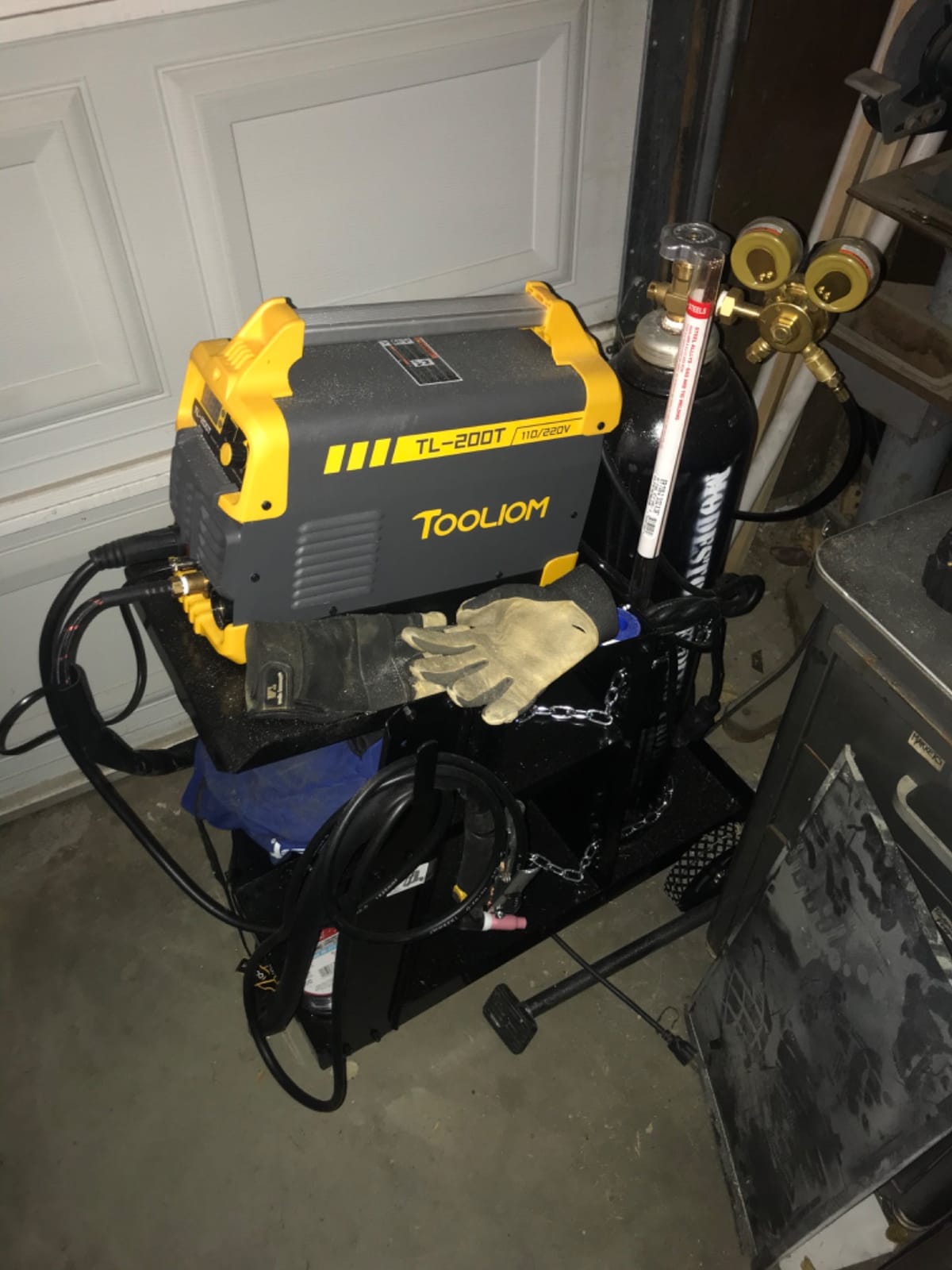
The TOOLIOM packs four modes into one body: stick MMA with hot start, arc force and anti-stick, DC TIG, pulse TIG and TIG spot. Output is 200 amps with low spatter, and it auto-senses 110V or 220V so there is no switch to remember. The 4.3 star average across 489 reviews is the fourth-lowest here, and the rating gap traces straight back to one missing letter: DC.
What it does well on the DC side is real. The TIG side uses HF ignition with 2T, 4T and spot operation, and the pulse mode gives you independent control of frequency, duty cycle and current. A large digital display shows amperage, mode and parameters without needing a helmet light.
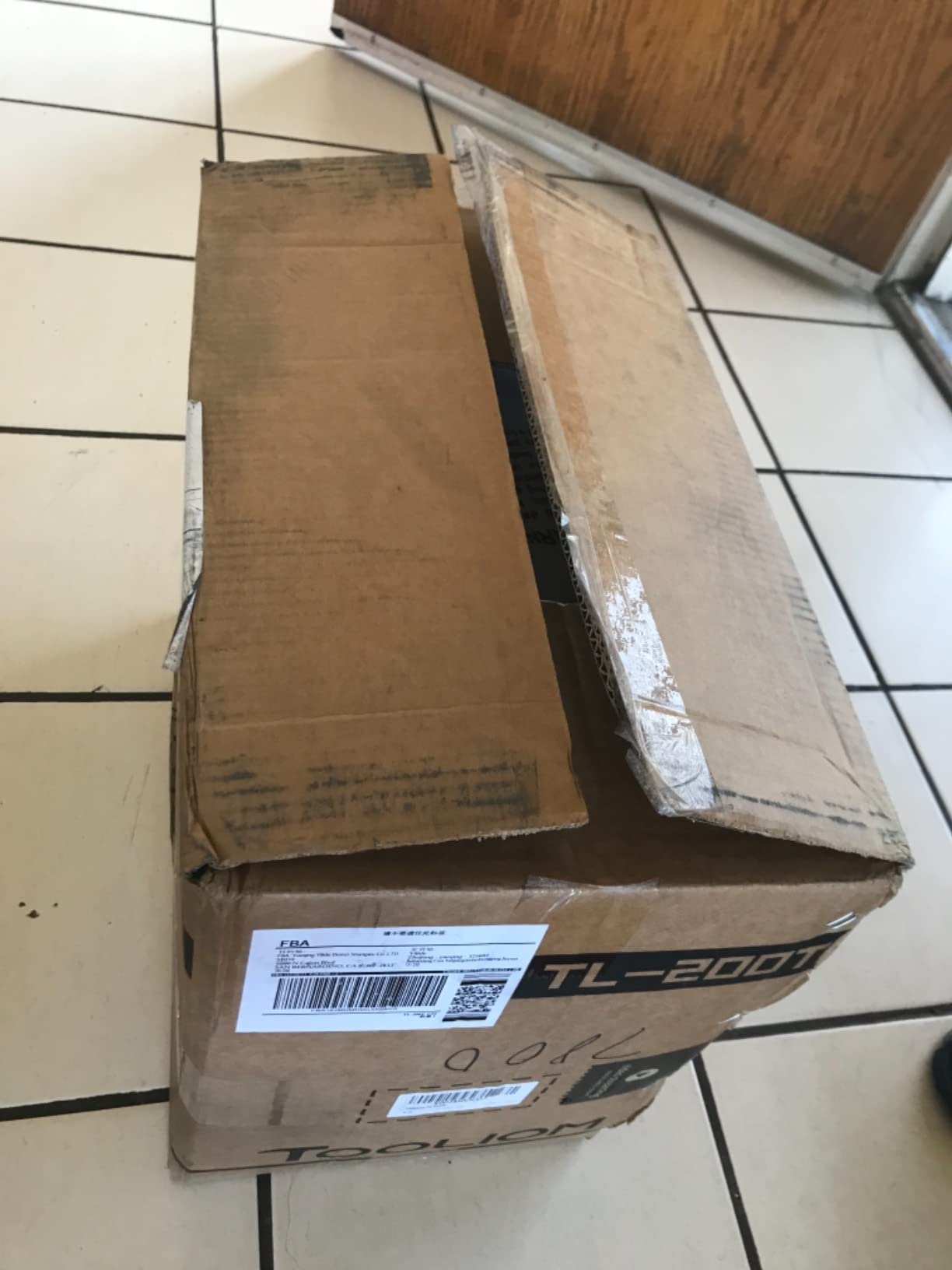
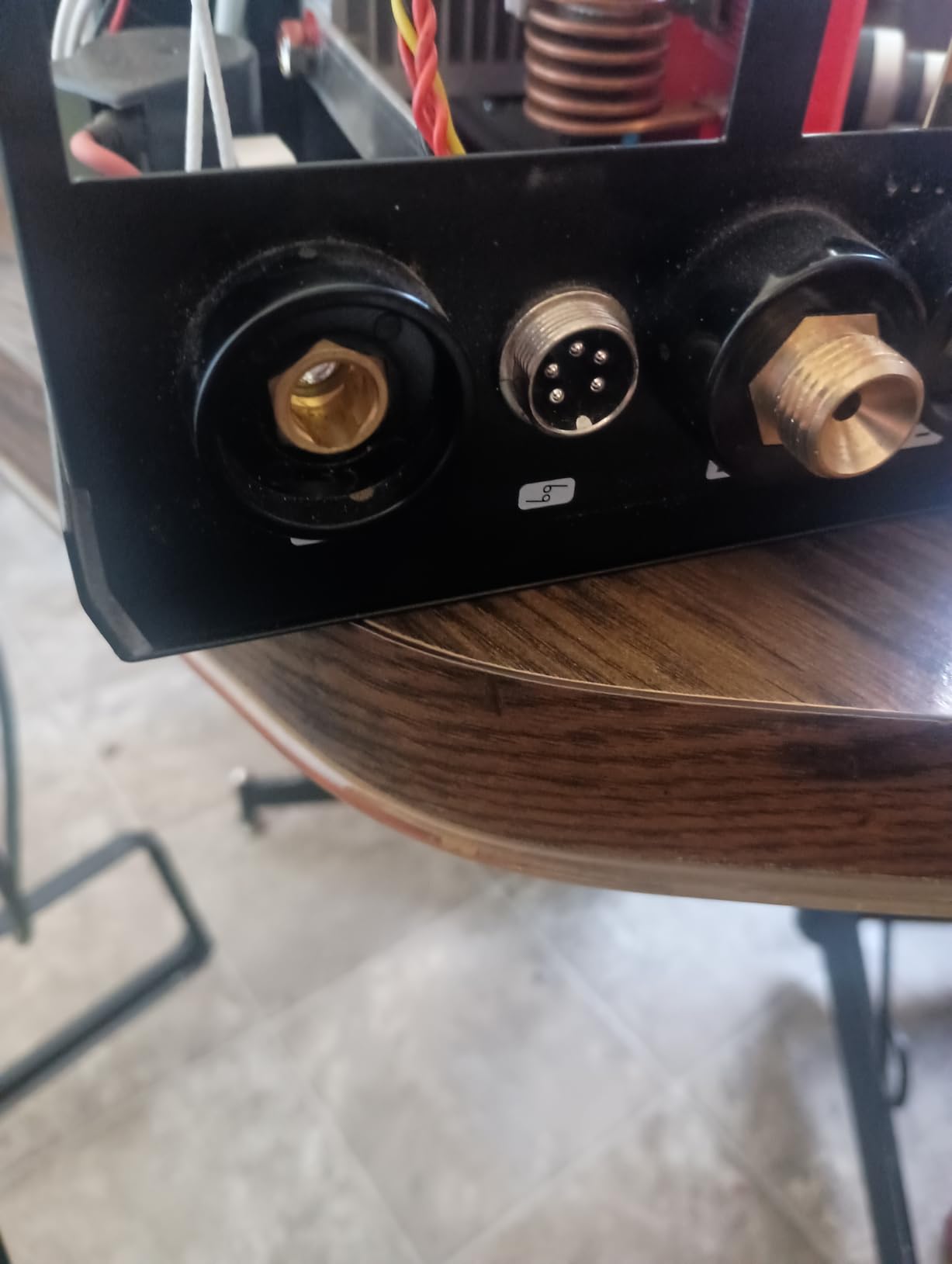
The 5-pin foot pedal interface is worth calling out because it is the correct standard for amperage control pedals, and the pedal itself is a separate purchase. Thermal protection with fan-assisted cooling extends service life, though reviewers note it cuts output during extended sessions.
That cooling behaviour is the honest trade-off. It is a compact machine pushed hard, and when you run it continuously the protection does its job by throttling. For a hobbyist with weekend welding sessions that never matters. For production work it would.
Why this TIG welder is worth a look
The feature density is unusual at this price. TIG spot mode, pulse TIG and a stick mode with arc force and anti-stick usually appear on machines well above this tier, and having spot mode means you can weld thin tabs without burning through them.
Auto-sensing dual voltage removes a real beginner mistake. Manually switched voltage machines get left on the wrong setting and produce a weak arc that gets blamed on the welder. Here you plug it in and it reads the circuit.
Where it falls short
DC TIG only, which means aluminum is out. If there is any chance you will weld aluminum, buy an AC machine instead and pay the difference now rather than owning two boxes later. Our guide to TIG welders for aluminum covers that trade in detail.
Documentation is thin, and the feature depth does not extend far past the mode selection. If you want deep control over AC balance or advanced sequencing, this is not the machine, but for stainless and mild steel with spot and pulse work it does more than its rating suggests.
6. YESWELDER TIG-205P – The One You Can Carry With One Hand
YESWELDER 205A Tig Welder Pulse STICK/DC TIG/PULSE TIG 3 in 1 TIG-205P
3-in-1 stick DC TIG and pulse
Auto sensing 110V/220V
10.7 lb
Pros
- Lightest machine in this roundup at 10.7 lb
- Auto sensing dual voltage for household outlets
- Pulse TIG with independent frequency duty and current control
- Setting memory restores your last configuration
Cons
- Cannot weld aluminum
- 5-pin foot pedal sold separately
- Output listed as 200 amps despite the model name
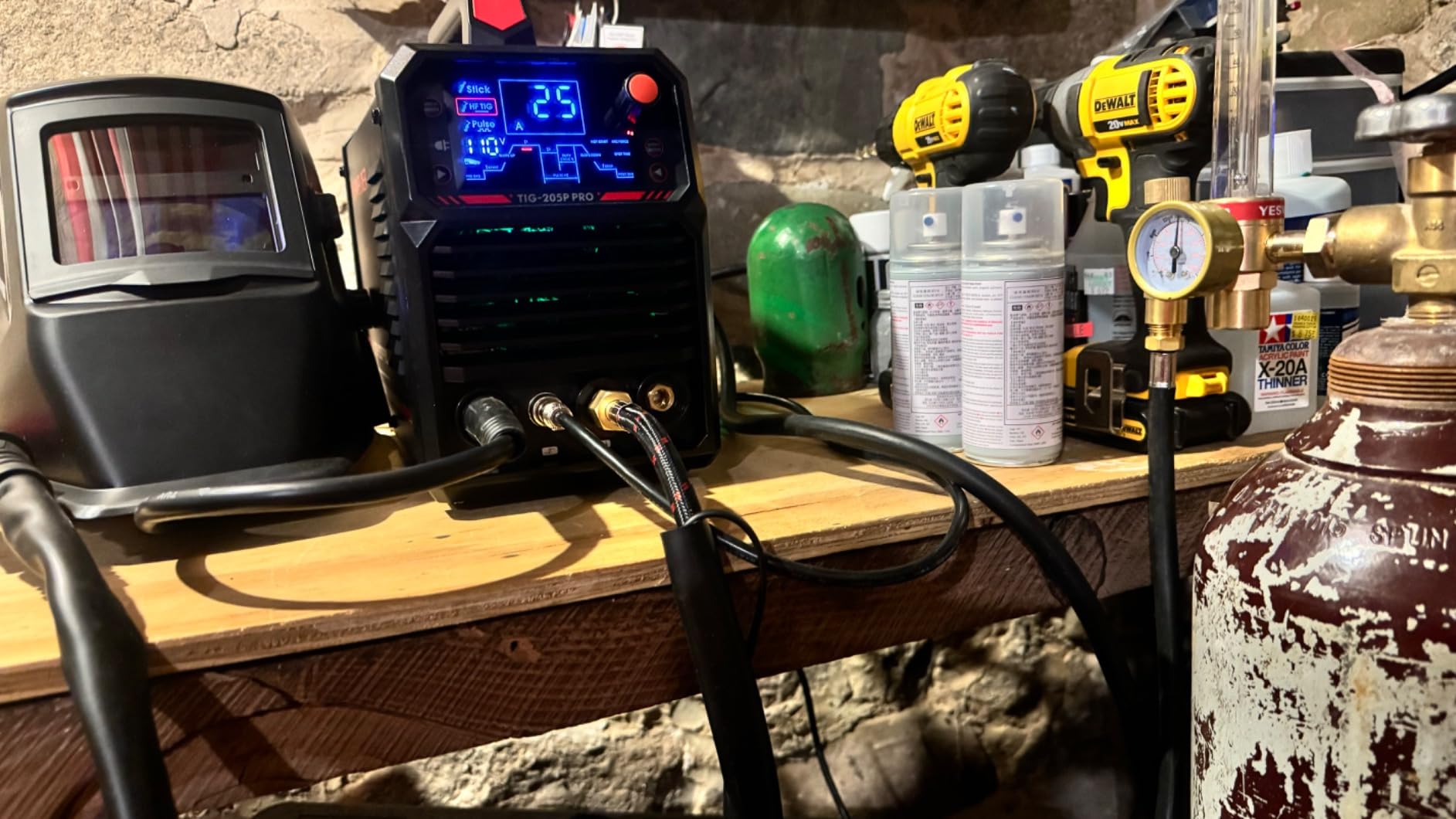
At 10.7 pounds the TIG-205P is the machine in this roundup you can genuinely carry in one hand while holding something else. It is a 3-in-1 unit covering stick MMA, DC TIG and pulse TIG, with auto-sensing 110V and 220V that needs no manual switching. The 4.5 star average sits across 346 reviews.
The details are better than the category usually allows. Stick mode has hot start, arc force and anti-stick. The TIG side uses HF arc ignition with 2T, 4T and spot operation. Pulse TIG gives independent control of pulse frequency, duty cycle and current, and a large LED display remembers your settings after power off so you are not dialling in the same numbers every session.
Users pick it for portability, fast setup and effective pulse control on thin materials. The package measures 16.7 x 13.4 x 11.1 inches, which is a normal small-case footprint for a welder rather than an oversized carton.
Two things to plan for before the first session. The manufacturer states it cannot be used for welding aluminum, and the 5-pin foot pedal interface is there but the pedal is a separate purchase, so budget for one if you want amperage control from your foot.
Why portability changes your welding
A machine you can move is a machine you will use. Site repair work, trailer work, boat hardware, farm equipment fixes and any job where the steel is already welded to something else all benefit from a welder that lives in the bed of a truck rather than bolted to a bench.
Auto-sensing voltage matters most in exactly that scenario, because site outlets are inconsistent. Pulse control with independent frequency, duty and current control gives you a decent bead on thin gauge, which is most of what field repair work actually involves.
Where it falls short
No aluminum, full stop, and there is no path to add AC later. That single line decides this machine for anyone whose project list includes aluminum, trailers, wheels or anything outdoors in metal.
Also note the spec sheet lists up to 200 amps of output on a model named TIG-205P. That is a naming discrepancy rather than a performance problem, but if you are matching machines on paper it is worth knowing why the numbers differ.
7. ARCCAPTAIN TIG200 – Stainless And Mild Steel Workhorse
ARCCAPTAIN 200A TIG Welder, 110V/220V TIG/Stick 2 IN 1 Welding Machine
HF non-contact arc start
IGBT digital control
Post gas 1-10s
Pros
- Non-contact HF start reduces tungsten and material waste
- Full timing control for post gas and down-slope
- Sustained output reported well past the listed duty cycle
- Noted for strong customer service
Cons
- Included torch is heavy and not swivelable
- Weak on 110V compared with 220V operation
- DC only so aluminum needs the AC model
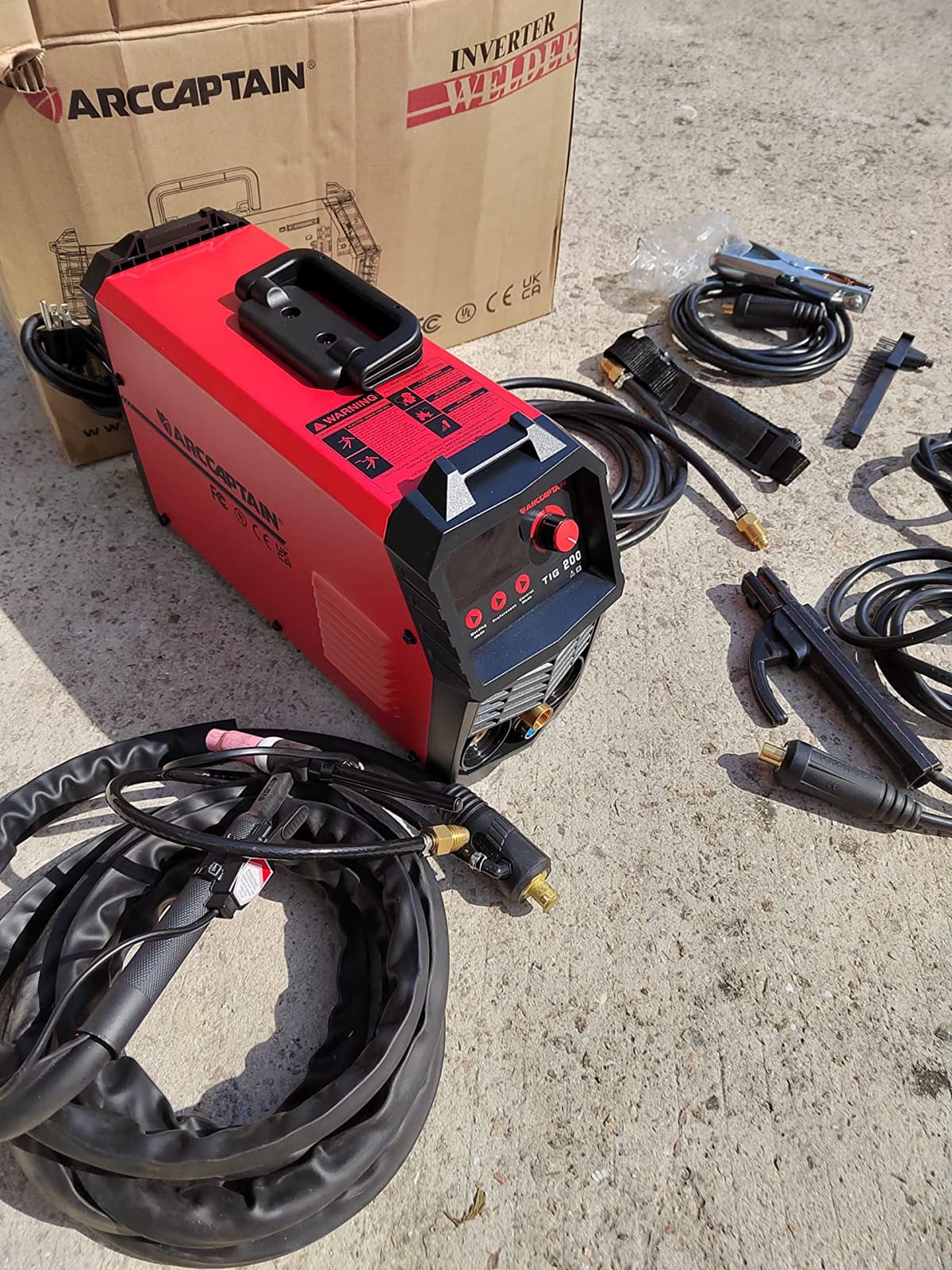
The ARCCAPTAIN TIG200 is a 200 amp HF TIG and stick machine built around an MCU and IGBT inverter with digital control for low spatter. It carries a 4.5 star average across 289 reviews, and the owner feedback pattern is about steady power rather than headline features.
The timing controls are what set it apart. Post gas time is adjustable from 1 to 10 seconds, which controls how long argon keeps flowing after you stop the arc and directly extends tungsten life. Down-slope time is adjustable from 0 to 10 seconds, which controls how fast the current falls at the end of a bead. Both are the difference between a clean cap and a tungsten that crumbles.
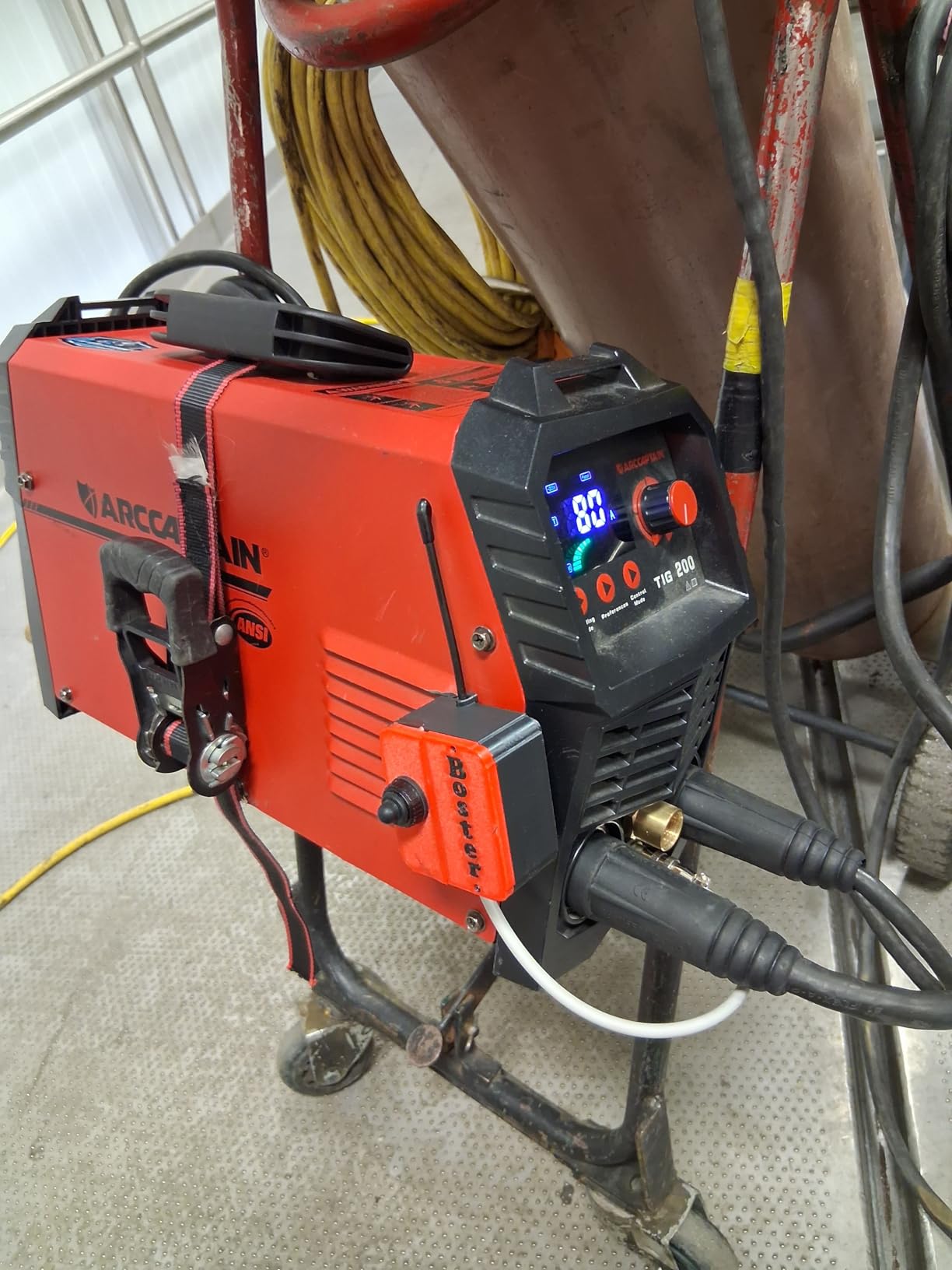
Safety circuitry includes VRD plus over-current, over-voltage, over-load and overheat protection, and the cooling fan runs only when it is needed rather than continuously. That matters in a hot shop or on a job site where a permanently running fan adds noise and heat.
Owners report sustained output beyond the listed duty cycle, stable power even when run from a generator, and several note that their sticks performed favorably against a Lincoln AC-225. The recurring upgrade path is the torch, a longer ground clamp and a 5-pin foot pedal.
Why repair and fabrication shops like this TIG welder
Post gas and down-slope control are working welder settings, not decoration. On stainless, tungsten contamination ruins a bead and post gas is your first defense. On thin material, a controlled down-slope prevents the crater crack you get when current just stops.
Two-inch welding plus 2T and 4T trigger modes cover both short tacks and long seams, with 4T suited to extended welding. For stainless and mild steel repair work, this is a genuinely capable box rather than a compromise.
Where it falls short
The included torch is the main complaint, repeatedly. Owners describe it as heavy and awkward, and note it is neither swivel nor bendable, so most upgrade to a CK Worldwide torch with a stubby gas lens. Plan on that replacement as a first purchase.
It is also weaker on 110V than on 220V, and it is DC only. For a shop with a 220V circuit and no aluminum in the plan, this is a strong pick. For a 120V-only garage or an aluminum fabricator, look elsewhere.
8. LOTOS TIG200ACDC – The Most Complete Box On The List
LOTOS TIG200ACDC 200A AC/DC Aluminum Tig Welder with DC Stick/Arc Welder, Square Wave Inverter with Foot Pedal and Argon Regulator 110/220V Dual Voltage Brown
200A AC square wave inverter
10-200A AC/DC TIG
37 pounds
Pros
- One of the few machines in the roundup doing true AC aluminum TIG
- Foot pedal and argon regulator included in the box
- Automatic dual voltage and dual frequency handling
- 10 amp lower output limit for thin gauge work
Cons
- Older design with one of the larger footprints here
- AC balance and frequency are less granular than premium units
- Only a small set of customer review images
The LOTOS TIG200ACDC is the value anomaly in this list. It is a 200 amp AC square wave inverter with TIG output from 10 to 200 amps on AC and DC, listed at 80 percent power efficiency, and it sits far below everything else with true AC aluminum capability.
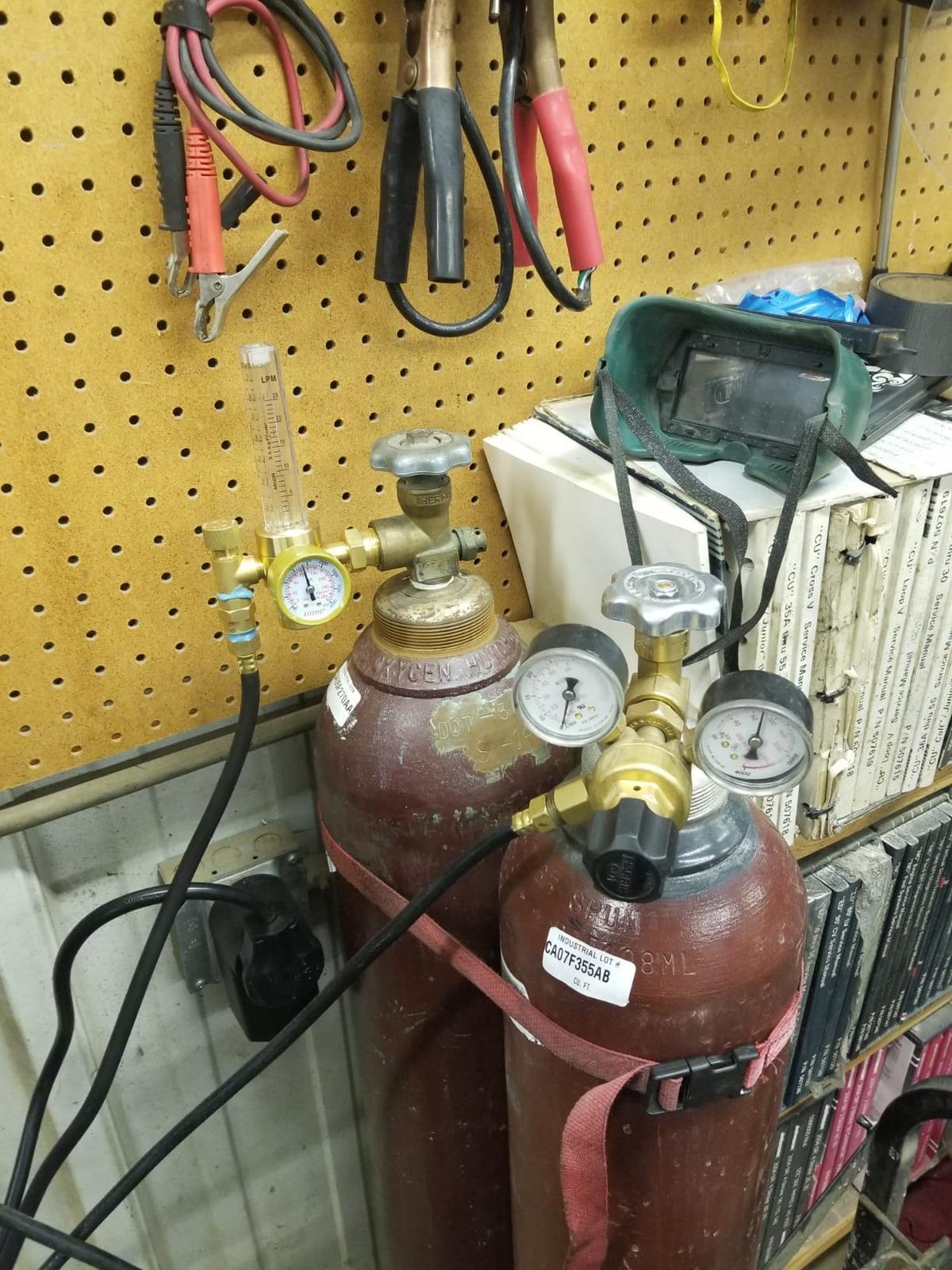
The box contents are where it quietly wins. The package includes the AC/DC power supply, TIG torch, MMA clamp, foot pedal, argon regulator, a 220V to 110V converter pigtail, ground clamp, a consumable set and a manual. On any other machine in this roundup you would be buying at least the regulator and the pedal separately.
Stick output runs 15 to 200 amps on DC with adjustable hot striking arc current. The power supply handles automatic dual voltage and dual frequency at 50 and 60Hz, so it works in more of the world than a fixed-frequency machine would.
The 10 amp lower TIG output is genuinely useful and often overlooked. On thin sheet and small stainless components, most machines struggle below about 20 amps, and having a usable low end lets you tack without melting through.
Why this TIG welder makes sense for aluminum hobbyists
If aluminum is on your list and the budget is fixed, this is a low-cost honest route to AC TIG in the roundup. A 30 day money-back guarantee and a 3 year limited warranty back it, which is better protection than most machines at twice the money.
The included argon regulator matters more than it sounds. A beginner who plans the gas bottle, regulator and machine all at once ends up with a working setup, whereas a machine without a regulator means a hardware store trip before the first weld.
Where it falls short
This is an older design and one of the larger footprints here at 28 x 13 x 17 inches and 37 pounds, so it claims bench space in a small garage. The AC balance and frequency controls are less granular than what the Weldpro or TIG225X offer.
The review base is also thinner at 278 ratings, which means less long-term evidence about how the machine ages. If you want finer aluminum control, the money above this model buys it. If you want AC capability now, this is the efficient place to stop.
9. Sunstac TIG-250 TP ACDC – Highest Amperage In The Group
Sunstac 250A Aluminum TIG Welder with Pulse ACDC Foot Pedal Control
Up to 250 amps on 110V/220V
AC DC pulsed and spot modes
LCD readable with helmet on
29.8 pounds
Pros
- 250 amps with AC DC pulse and spot modes in one body
- Screen readable while wearing a welding helmet
- Parameter memory restores previous settings
- 118 inch 300A rated cables reduce repositioning
Cons
- Foot pedal not included
- Manufacturer states AC current measurement is inaccurate
- Lowest rating in this roundup at 4.1
The Sunstac TIG-250 TP ACDC lists up to 250 amps, which is the highest listed output in this roundup, and it does it across HF AC, HF DC, pulsed AC, pulsed DC, AC spot, DC spot and stick modes. It runs on 110 or 220 volts and weighs 29.8 pounds. It also carries the lowest rating we found, at 4.1 stars across 145 reviews.
The gap between those two facts is the reason this machine is worth reading carefully. The feature list is long and mostly sensible, but the rating distribution includes 15 percent one-star reviews, which is roughly triple the next worst machine in this group.
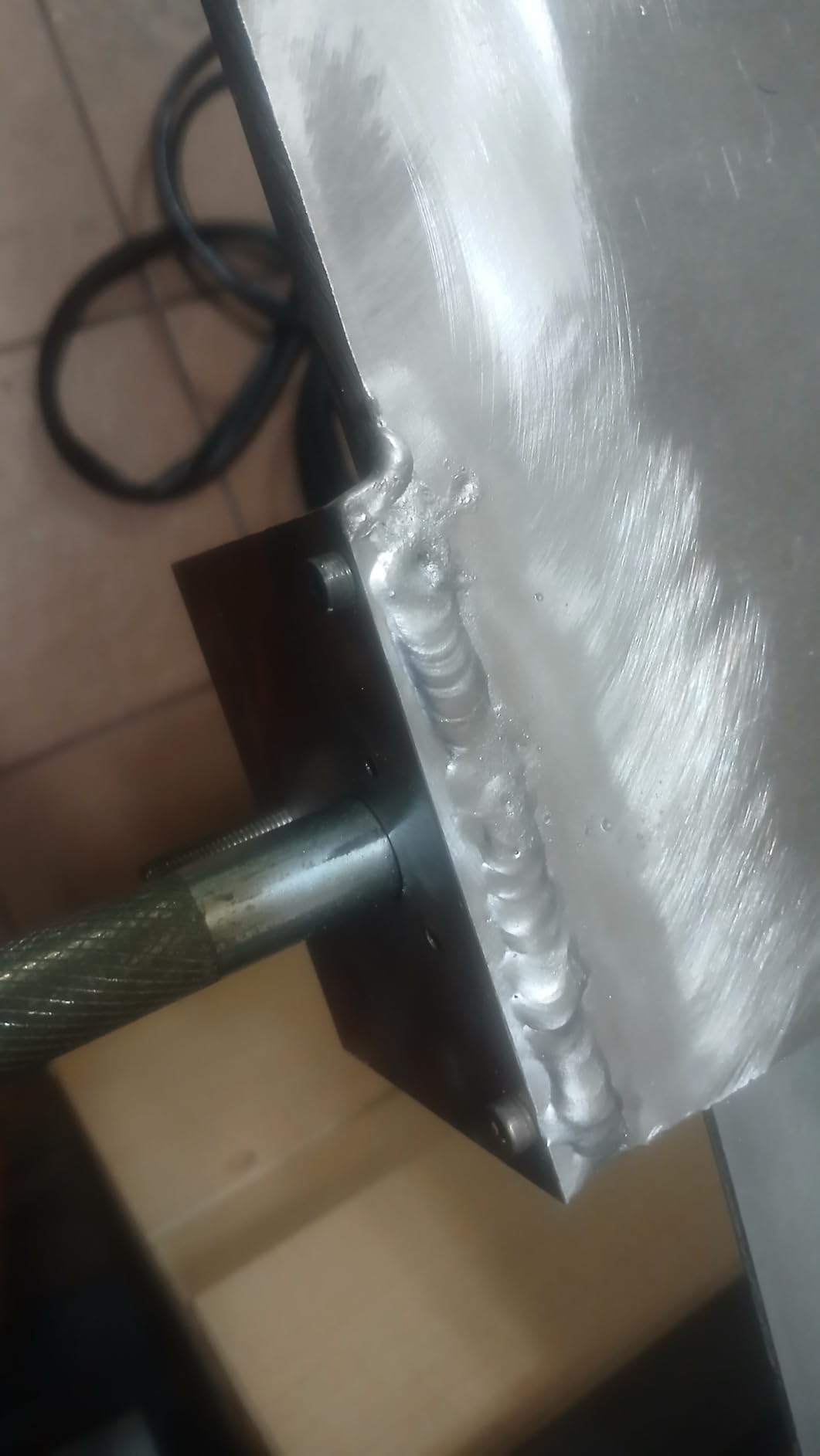
The detail behind those complaints is on the manufacturer’s own material: the maker notes that AC mode current measurement is inaccurate and inconsistent with AC balance. On a machine where the AC numbers are the ones you set by feel, an inaccurate meter is a real problem rather than a cosmetic one.
Thickness capability is listed as up to 5/32 inch (4mm) of aluminum at 110V and 6/25 inch (6mm) at 220V, which is a modest ceiling for an AC TIG machine. The foot pedal is optional and not included, and the machine returns to foot pedal mode after a restart only if a pedal is connected.
What works well here
The LCD screen is readable while you are wearing a welding helmet, which sounds minor until you have tried reading a dark display through a dark filter. That alone removes a real annoyance from every session.
Parameter saving stores your settings and restores them, and the 118 inch 300A-rated work clamp and electrode holder cables mean you rarely reposition mid-job. Both are practical features that owners consistently praise.
Where it falls short
The manufacturer itself flags the AC current measurement as inaccurate with inconsistent AC balance, and that is the mode people are buying it for. When the number on the display disagrees with what is happening at the puddle, you end up setting by eye and wondering why the machine feels unpredictable.
Add a missing foot pedal and the thinnest review base in the roundup, and this becomes a machine to consider only if you specifically want the highest rated output. For most buyers under this ceiling the PrimeWeld or Weldpro is the safer allocation of the same money.
10. Everlast PowerTIG 185DV – The Name With The Service Network
2021 Everlast PowerTIG 185DV AC/DC TIG Stick Welder 110/220 Volt Inverter-Based Dual Voltage 185Amp with Pedal Package
185A AC/DC TIG and stick
Dual 110V and 220V
Pulse at 1 or 50 Hz
Pros
- Established brand with a service network and parts support
- Analog-style controls for fast adjustment without menus
- Two pre-programmed pulse settings for repeat work
- Pedal package included as a combo set
Cons
- Fewest reviews here at 77 ratings
- Pulse limited to two fixed presets
- 185 amps is below the 200-250A competitors
The Everlast PowerTIG 185DV is a 185 amp AC/DC TIG and stick welder built on a digitally controlled IGBT inverter, running on dual 110 and 220 volts. It is 40 pounds, it is sold as a combo set with a pedal, and it carries a 4.5 star average from 77 ratings.
The argument for it is not spec sheets, it is the company behind it. On r/Welding, users comparing brands in this bracket call Everlast the best of the low-end names and specifically praise the accessories in the box. A machine from an established brand means parts, service advice and technical questions have somewhere to go.
The controls are analog-style, which experienced operators consistently prefer over menu-driven panels. You turn a knob to a number rather than pressing a button to cycle through a menu, which matters when you are adjusting between tacks in a helmet.
TIG pulse has two pre-programmed settings, one at 1 pulse per second and one at 50. For repeat work at a known setting that is all you need. For anyone who wants to explore the effect of pulse frequency on bead shape and heat input, two fixed presets are the limit.
Why a buyer would pick this TIG welder
Support and resale value. A named brand with an established service network is easier to get help with, and it holds its value better than an unbranded box of the same size. If you keep machines for years, that has real value even when the purchase price is not the lowest.
It also suits repeat production at a fixed setting, since the preset pulse values and analog controls make repeat work fast. AC/DC capability means aluminum is on the table, which most of the cheaper machines in this roundup cannot offer.
Where it falls short
185 amps is below every other machine here, so it is the smallest engine in the group. If you plan to weld 3/8 inch plate or thicker regularly, you are choosing a smaller machine on purpose.
The review base of 77 ratings is also the thinnest in this roundup, which means less evidence about long-term reliability than the others have. And the two fixed pulse presets are a genuine step back from machines with full 0.5-200Hz control.
Which TIG Welder Fits Your Work: A Use Case Shortlist
Skip the ranking and shop by job. This is how the ten machines divide up when you sort them by what people actually buy them to weld.
For aluminum work
The PRIMEWELD TIG225X is the strongest all-round AC machine here, with adjustable AC frequency and pulse up to 200Hz plus a CK torch. The Weldpro 200A gives you the most granular AC balance control of the group at the broadest pulse range. The LOTOS TIG200ACDC is the cheapest true AC route, with the regulator and pedal already in the box.
For thin sheet and small stainless parts
The S7 200A is the value entry, with a digital display and an arc reviewers call smooth on thin stainless. The YESWELDER TIG-205P wins on portability, with the lightest body in the roundup and pulse control for thin gauge. The Lotos unit’s 10 amp lower output is the quiet advantage for very small components.
For production and all-day welding
The AHP AlphaTIG 203Xi is the only machine here publishing 100 percent duty cycle at 155 amps, which is the number that matters when you are welding all day rather than on weekends. Its three-year warranty and Nova Rotaflex torch add to the case. Everyone else in this bracket should plan around cooling breaks.
For repair work in a shop
The ARCCAPTAIN TIG200 has the best timing controls in the roundup, with post gas from 1 to 10 seconds and down-slope from 0 to 10 seconds. That is tungsten life and crater control, which is stainless work in practical terms. The Lotos unit also suits shop use thanks to its dual frequency handling.
For a 120V-only home garage
The S7 200A and the TOOLIOM TIG-200T both auto-sense dual voltage, and the S7 carries a simple digital readout that matches its output. The AHP AlphaTIG has a known mismatch between its digital readout and its knob on 120V, so plan to set by machine rather than by display there.
For brand support and resale
The Everlast PowerTIG 185DV is the pick when the service network and the brand name matter more than amperage. Support questions have somewhere to go, and it will hold its value better than an unbranded box of the same size.
How To Choose The Best TIG Welders Under $1000
This is the part of the decision that actually decides whether you regret the purchase. Ten specifications matter more than the twenty that end up on the box.
Buy AC/DC now, because you cannot add AC later
Aluminum carries an oxide layer that melts at a different temperature than the metal underneath it. On DC the oxide sits there like a blanket and the arc pushes around it, which is why DC TIG on aluminum looks messy and welds weakly. Alternating current flips polarity, so the cleaning half-cycle scrapes the oxide away just before the penetration half-cycle lays the bead.
The important part is that AC is a property of the power source, not the panel. A DC-only machine cannot be upgraded, and there is no add-on box that gives a DC welder true AC TIG. If there is any chance aluminum enters your project list, spend the difference now. A useful rough guide is the rule of 33: about one amp per thousandth of an inch of steel, so 33 amps handles material up to about 0.033 inch, and aluminum wants roughly 1.5 to 2 amps per thousandth.
Check what the foot pedal actually is
A TIG foot pedal is an air or electronic control that varies current as you press. An on-off pedal just starts and stops the arc. On-off pedals are common at the low end of this bracket, and they mean your amperage is locked at whatever the machine is set to.
For flat work and hobby tacking that is fine. For thin sheet, small tube and anything where you want to control heat by feel, it is a deal-breaker. Check whether the pedal is in the box or whether you have to buy a 5-pin one separately. Several machines in this roundup ship without one, which is the most common owner complaint on this price tier.
Understand duty cycle at the amperage you will use
Duty cycle is how long the machine can weld at a stated amperage in a ten-minute window. A machine rated 40 percent at 200 amps welds for four minutes and rests for six. A machine rated 100 percent at 155 amps welds continuously at that output.
Read the amperage in the rating, not the headline number. 200 amps at 25 percent duty cycle means you need a break every two and a half minutes at full output. Most people weld at a fraction of peak output, so the practical question is what the machine sustains at the amperage you will actually dial in for your material.
Input voltage decides how you use the machine
Dual voltage machines run on either a standard household circuit at 110 volts or a dedicated 220 volt circuit. That is what makes them growable, and it is why we weighted them heavily in this list. The tradeoff is real: on 120 volts a 200 amp machine is a fraction of a 200 amp machine. Expect breaker trips on shared household circuits if you push it, and expect a materially weaker arc on thick material.
If you want to weld 1/4 inch steel or 3/8 inch material regularly, plan on a dedicated 220V branch circuit. That means a double-pole breaker, correct wiring, and a machine placed near the outlet rather than at the far end of a garage. Add a gas bottle, regulator, hoses and ventilation to your setup budget, because none of that is in the machine box.
HF start, lift-arc and scratch start
HF start fires a high-frequency spark between the tungsten and the workpiece to start the arc without touching the material. It is the standard on modern inverters and it is the easiest way for a beginner to get a clean first bead. The trade-off is noise and a small amount of electrical noise that can bother sensitive electronics nearby, and some operators prefer lift-arc, which instead strikes the arc by touching the tungsten and lifting.
Scratch start means dragging the tungsten to start, and it is the option to avoid. At this budget every machine in the roundup offers HF start or a solid-state equivalent, which is one reason the category has improved so much. If you work next to a stereo or sensitive electronics, lift-arc machines are worth a look.
Confirm the consumables are standard
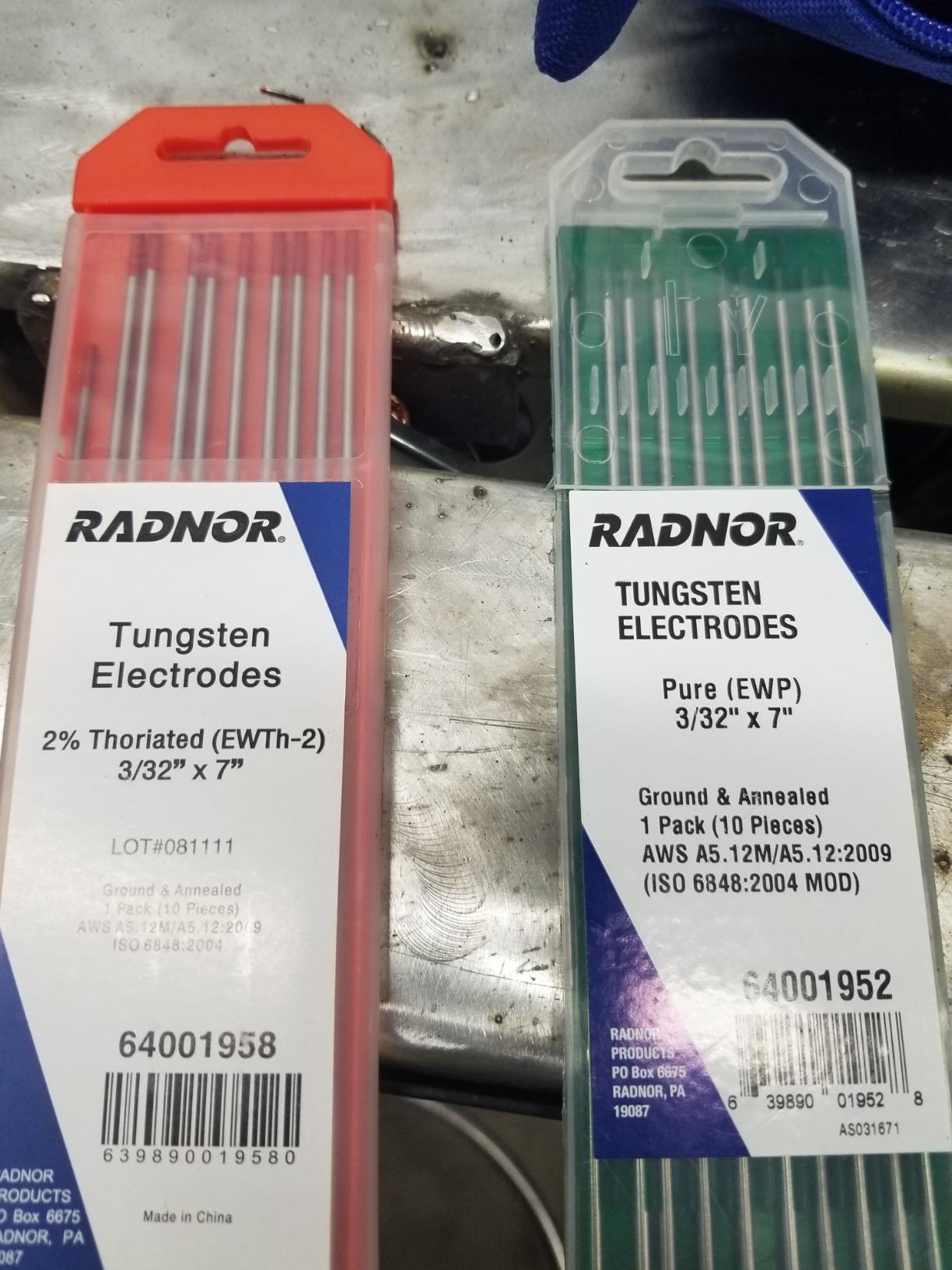
The torch is the part you replace most. A CK Worldwide 9, 17 or 26 series torch uses collets, cups, caps and lenses that any welding supply house sells, often by the piece. A proprietary fitting turns one damaged collet into a multi-week wait.
Before you buy, look up the torch series and confirm standard parts exist. Also note that torch cable stiffness is a real usability factor at this tier, and a rigid cable fighting your wrist during a 1/8 inch bead is a genuine complaint in owner reviews of several machines here.
Warranty and support versus the sticker
Count the warranty years, not the adjectives. In this roundup the AHP carries a stated three-year warranty, the LOTOS a three-year limited warranty with a 30 day money-back guarantee, and several of the cheapest machines carry the shortest terms. Warranty length is also a decent proxy for how confident a company is in its own power electronics.
US-based service matters when something goes wrong. A part that ships from overseas can turn a small control board into weeks of downtime, and that cost is not on the price tag.
Set aside money for the accessories
The machine is the smallest part of the budget. You need an argon bottle and a regulator rated for the machine, a cup of tungsten sized for your amperage, spare collets and cups, at least two lenses of the right shade for your material, a ground clamp worth owning, and if the pedal is not included, a 5-pin foot pedal. Plan on helmet, gloves and jacket too, and our picks for the best metatarsal work boots for welders cover the footwear people ruin first.
Also budget for the electrical work if you need a 240 volt circuit installed. That cost alone can rival the machine, and it is the reason some buyers on this budget choose a lighter 120V unit instead.
Six Mistakes To Avoid When Buying The Best TIG Welders Under $1000
Buying a DC-only machine and planning to weld aluminum later. This is the most common expensive mistake on this budget, and there is no upgrade path. AC is a property of the power source, so if aluminum is even a maybe, buy AC now.
Ignoring the foot pedal situation. Several machines in this bracket ship without one, and some ship with an on-off pedal rather than an amperage control. Check the box contents before you order, not after.
Trusting a 40 percent duty cycle at peak output. The number that matters is what the machine sustains at the amperage you will actually use. If you weld all day, look for a published 100 percent duty cycle rating.
Buying 300 amps of machine for thin work. Overbuying gets you a heavier, more expensive box with no benefit for 20 gauge practice work, and the extra weight is real. Match the machine to your thickest material, not to your ambition.
Forgetting the 220V circuit and the gas bottle. A 220 volt branch circuit, wiring, a bottle of argon and a regulator can add up quickly. Budget for them before the machine, not after.
Paying for features you will never touch. Very high pulse rates, memory banks and spot timers crowd the panel while beginners mostly need puddle control. Buy the AC and duty cycle you need, and ignore the feature list length.
If a multi-process machine is what you actually want, our beginner MIG welder picks cover that side, where the compromises are different.
Frequently Asked Questions
What is the best TIG welder under 1000 dollars?
The PRIMEWELD TIG225X is the best TIG welder under 1000 dollars in our roundup. It delivers 225 amps of true AC/DC TIG with pulse, adjustable AC frequency, pulse up to 200Hz and a CK Worldwide 17 Series Superflex torch in the box, and it rates 4.8 stars across 1426 reviews. It handles aluminum, stainless and mild steel in one machine.
Which TIG welder is better, Everlast or PrimeWeld?
PrimeWeld offers more capability for the money and Everlast offers more support. The TIG225X gives you true AC/DC with adjustable AC frequency, 200Hz pulse and a CK torch included, which is why it leads our ranking. The Everlast PowerTIG 185DV has a smaller 185 amp output and two fixed pulse presets, but it comes from an established brand with a service network and resale value behind it.
Do I need a 240V outlet for a TIG welder?
For most of the work people do at this budget, no, but you will get more from the machine if you add one later. A dual voltage welder runs on a standard 110V household circuit, so you can start immediately, but the same 200 amp machine produces substantially less usable output on 120 volts than on 240. If you plan to weld 1/4 inch steel regularly, plan on a dedicated 220V branch circuit with a double pole breaker.
What is the best affordable AC/DC TIG welder?
The Weldpro 200A 5-in-1 gives you the most control for the money, with adjustable AC balance and AC frequency plus a 0.5-200Hz pulse range with upslope and downslope control, and it includes a foot pedal, flow meter and gas hose. If you want the simplest complete package instead, the LOTOS TIG200ACDC gives you AC aluminum capability with the argon regulator and foot pedal already in the box.
What can a 1000 dollar TIG welder weld?
A machine at this budget covers most hobby and light fabrication work: thin stainless tubing, 16 and 18 gauge sheet, mild steel up to about 1/4 inch single pass with an AC/DC model, and aluminum up to around 1/4 inch on the better units. Stainless exhaust and handrail tubing, small brackets, trailer frames and general repair work all fall inside that range. Thicker plate is where duty cycle, not headline amperage, becomes the limit.
Is the PrimeWeld Tig225x worth the money?
Yes, for most buyers who want one machine that covers aluminum, stainless and steel. It is the highest rated machine in our roundup at 4.8 stars across 1426 reviews, it includes a CK Worldwide torch you can service anywhere, and its adjustable AC balance and frequency give you real control on aluminum. The main reason to skip it is weight, since it is the heaviest machine in the group and awkward to move to a job site.
Final Verdict: Our Best TIG Welders Under $1000
The best TIG welder you can buy under 1000 dollars is the PRIMEWELD TIG225X, and the gap between it and the next option is wider than the price difference suggests. It is the only machine in this roundup combining true AC/DC with adjustable AC frequency, 200Hz pulse, a serviceable CK Worldwide torch and a 4.8 star average across 1426 reviews.
Runners-up depend on your work. The Weldpro 200A gives you the most granular aluminum control available at this budget, and the AHP AlphaTIG 203Xi wins for production work with its 100 percent duty cycle at 155 amps and a three-year warranty. If the budget is genuinely tight and steel is the material, the S7 200A is the cheapest sensible way to start learning TIG.
One last rule before you order: check whether a working foot pedal is in the box, and check whether the machine is AC or DC. Those two answers decide more about whether you will be happy with the purchase than any other spec on the list.