When to Use a Wilcoxon Signed-Rank Test? (2026 Guide)

When to Use a Wilcoxon Signed-Rank Test

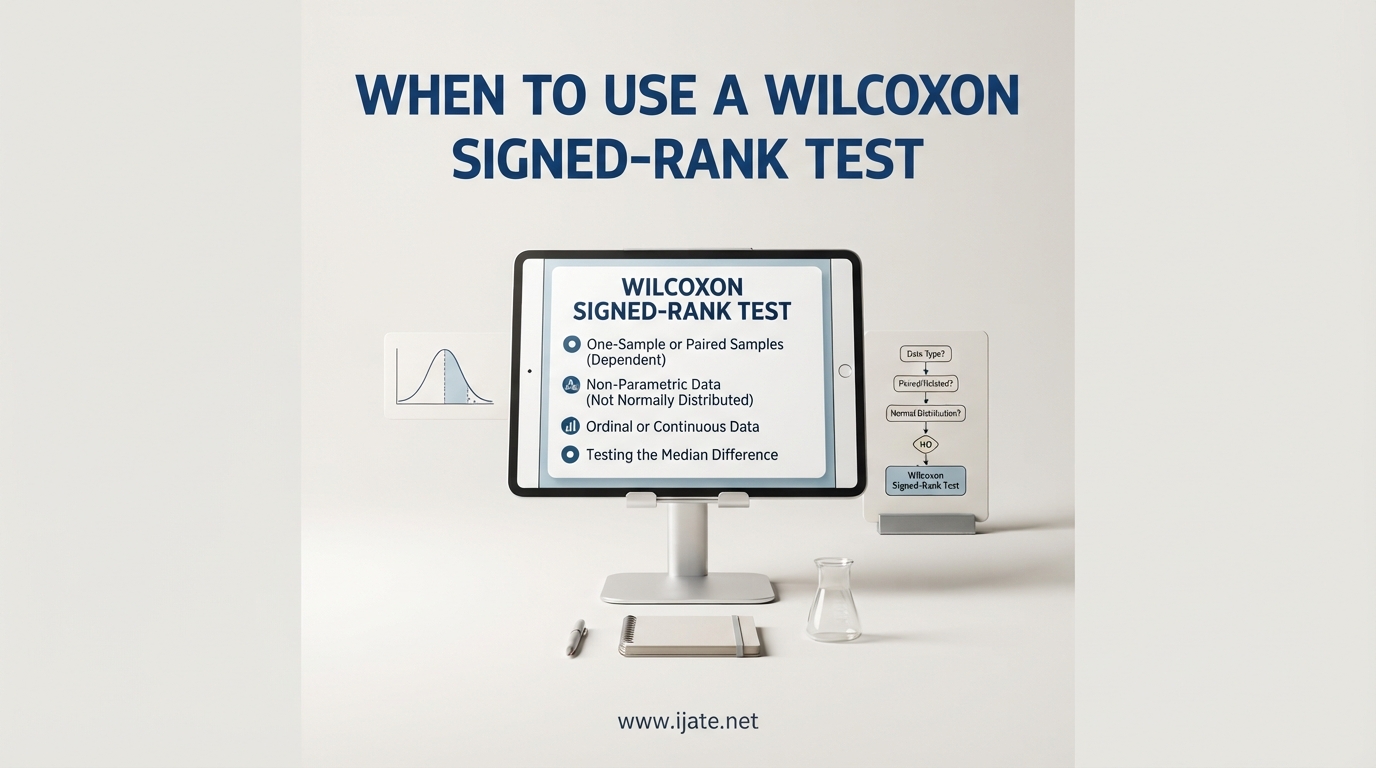
If you have ever run a paired t-test and watched your normality check fail, you have probably asked yourself when to use a Wilcoxon signed-rank test instead. You are in the right place. Our team has analyzed statistics textbooks, peer-reviewed papers, and hundreds of forum discussions from Reddit, StackExchange, and academic communities to build a … Read more

How to Translate and Adapt a Survey for Another Culture? (2026 Guide)

How to Translate and Adapt a Survey for Another Culture

Translating a survey for a different culture involves far more than swapping words between languages. A direct word-for-word translation can distort meaning, confuse respondents, and produce data that is impossible to compare across populations. When our team works on cross-cultural research projects, we treat translation and cultural adaptation as a single integrated process that preserves … Read more

How to Handle Missing Data in Educational Research? (2026 Guide)

How to Handle Missing Data in Educational Research

Missing data is one of the most common headaches in educational research. Whether you are running a longitudinal study tracking student performance across multiple semesters or analyzing survey responses from a cross-sectional sample of teachers, incomplete data can creep in from almost every direction. Participants drop out, survey items get skipped, technical glitches corrupt assessment … Read more

How Anchoring Vignettes Improve Cross-Cultural Survey Comparability? (2026 Guide)

How Anchoring Vignettes Improve Cross-Cultural Survey Comparability

Imagine asking people in Japan, Brazil, and Germany to rate their health on a scale from “very good” to “very bad.” A person in one country might rate the exact same health condition as “good” while someone elsewhere calls it “moderate.” The result? Cross-cultural survey data that looks different on paper, even when the underlying … Read more