Back-Translation for Adapted Instruments ([cy Guide)

Back-Translation for Adapted Instruments

Back-translation is the process of translating already-translated content from the target language back into the original source language, then comparing both versions to check whether meaning was preserved. When we talk about back translation adapted instruments, we are talking about using this method to validate surveys, questionnaires, and psychometric scales that have been translated for … Read more

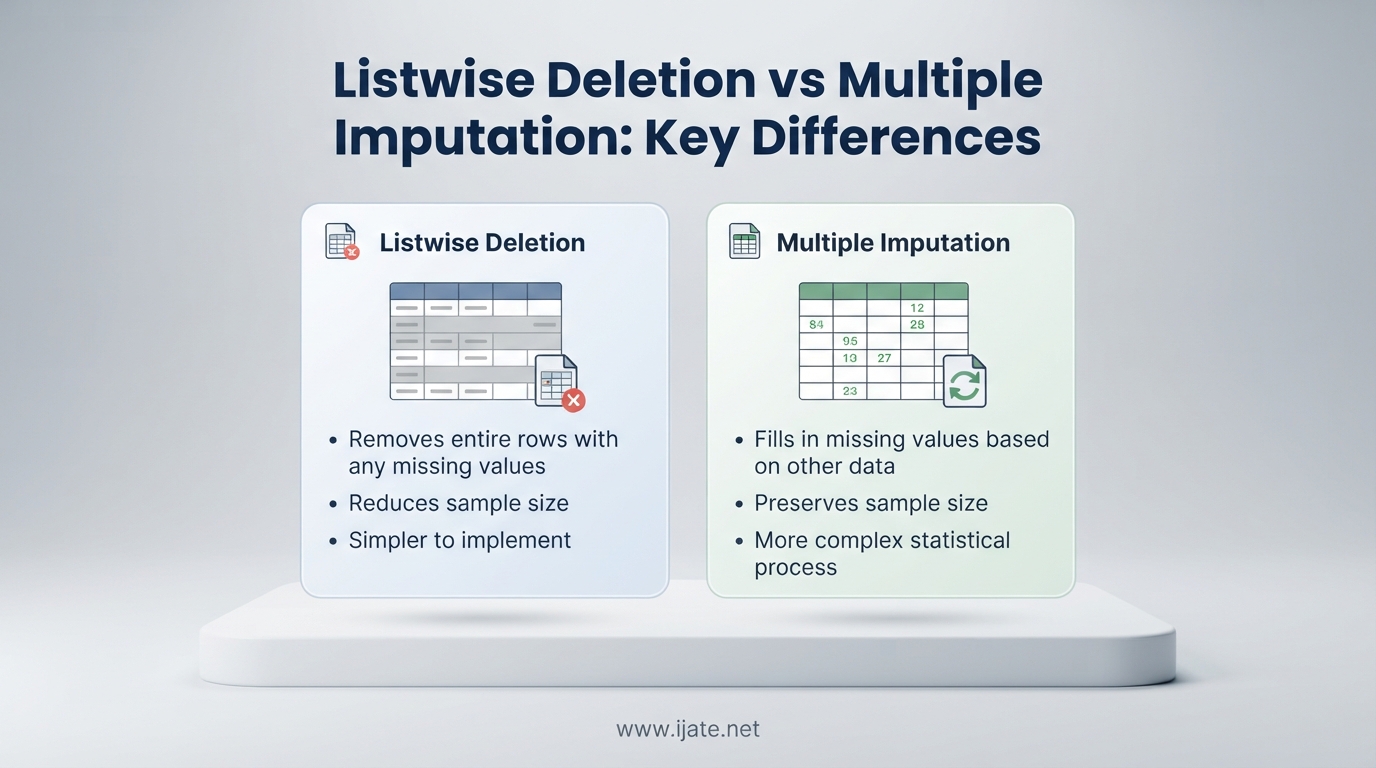
Listwise Deletion vs Multiple Imputation: Key Differences in 2026

Listwise Deletion vs Multiple Imputation Key Differences

Missing data is one of the most common headaches in statistical analysis. Whether you are running a regression on survey responses, analyzing clinical trial outcomes, or building a machine learning model, incomplete rows creep into nearly every real-world dataset. The two most widely debated methods for handling this problem are listwise deletion and multiple imputation. … Read more

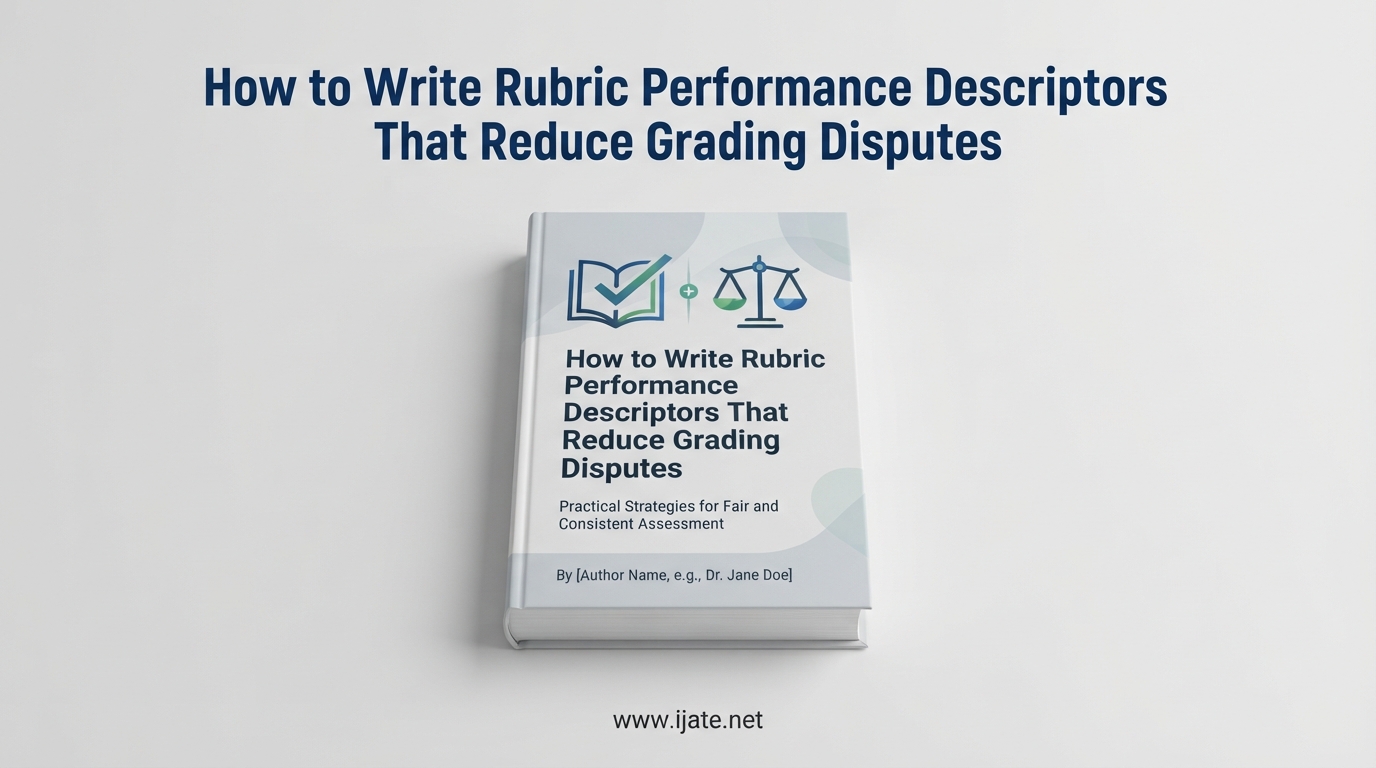
How to Write Rubric Performance Descriptors That Reduce Grading Disputes in 2026?

How to Write Rubric Performance Descriptors That Reduce Grading Disputes

Every semester, teachers and professors face the same frustration: a student disputes a grade, points to the rubric, and argues the language was unclear. Learning how to write rubric performance descriptors that reduce grading disputes can prevent these conflicts before they start. Well-written descriptors make expectations transparent, give you documentation to point to during challenges, … Read more

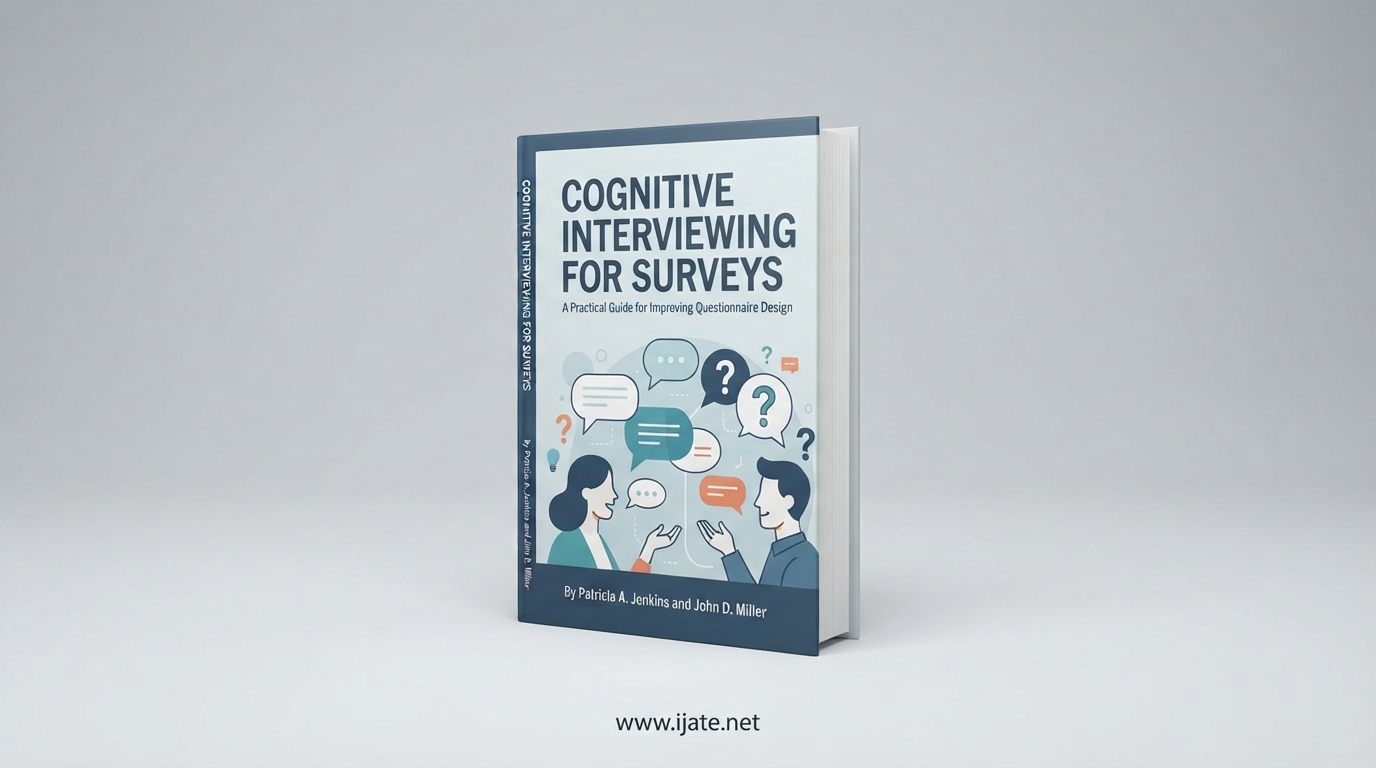
Cognitive Interviewing for Surveys (2026 Guide)

Cognitive Interviewing for Surveys

Learning how to conduct cognitive interviews for survey question testing is one of the highest-value skills a survey researcher can build. A badly worded question collects bad data, and bad data leads to bad decisions. Cognitive interviewing catches those wording problems before a single respondent takes your final survey. Our research team has spent years … Read more