
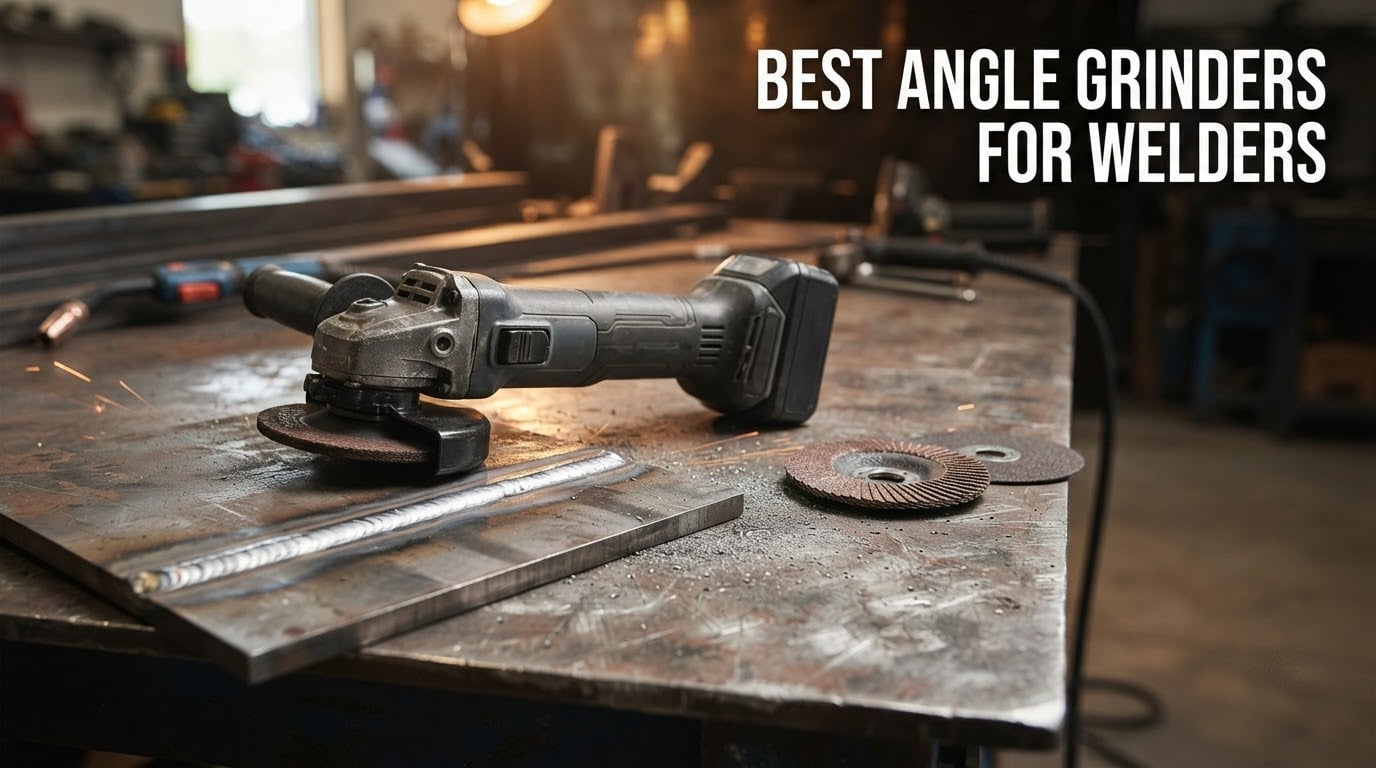
Every welder owns an angle grinder before they own a second welding machine. The arc does the joining, but the grinder does everything around it: stripping mill scale off the base metal before you tack, knocking a proud bead flush afterward, cutting plate and tube to size, and deburring a flame-cut edge so your next weld can start clean.
That is why picking the best angle grinders for welders is not a matter of chasing the biggest number on the box. What matters is whether the tool holds speed when you press a 40-grit flap disc into a cold mill-scale seam, whether it shuts down before a bind-up becomes a kickback injury, and whether the windings survive years of conductive metal dust pulled straight through the motor.
We spent weeks with ten grinders across corded and cordless formats, from 4-1/2 inch shop tools to a 7 inch heavy removal machine, weighing what each one does on weld prep and bead work specifically. This guide covers the ten best angle grinders for welders in 2026, plus the disc choices, switch types and durability details that decide whether a grinder survives a fabrication shop.
New to welding and still choosing your machine? Our beginner’s guide to welders covers the other half of the bay.
Table of Contents
Top 3 Best Angle Grinders for Welders in 2026
Our overall pick is the DEWALT DCG413B, a brushless 20V paddle-switch grinder whose kickback brake stops the wheel in two seconds or less. The best value option is the corded Makita 9557PBX1, the tool most shops keep at the bench because it is compact, sealed against dust and comes with a case full of wheels. The premium pick is the Milwaukee 2780-20, which uses the same metal housing and gearing as Milwaukee’s high-end corded machines.

DEWALT DCG413B
- Brushless 20V motor
- Kickback brake stops wheel in 2 seconds
- Two-stage paddle trigger

Makita 9557PBX1
- 7.5 amp corded motor at 11000 rpm
- Sealed labyrinth and varnish armoured armature
- Metal gear housing with ball bearings
Milwaukee 2780-20
- Brushless motor with 5-year tool warranty
- Corded-class metal housing and gearing
- Tool-free guard and accessory changes
Best Angle Grinders for Welders: Our Top 10 Picks at a Glance
The full table ranks every grinder we tested by job fit, power and the safety electronics that matter when a wheel grabs. Ratings and review counts are copied straight from the manufacturer listings so you can see how well established each tool is.
| Product | Specifications | Action |
|---|---|---|
| DEWALT DCG413B 20V Brushless Paddle Grinder |
|
Check Latest Price |
| Makita 9557PBX1 4-1/2 Inch Paddle Grinder |
|
Check Latest Price |
| Milwaukee 2780-20 M18 FUEL Paddle Grinder |
|
Check Latest Price |
 DEWALT DCG416B FLEXVOLT 4-1/2 to 5 Inch Grinder DEWALT DCG416B FLEXVOLT 4-1/2 to 5 Inch Grinder |
|
Check Latest Price |
 CRAFTSMAN V20 CMCG400B Cordless Grinder CRAFTSMAN V20 CMCG400B Cordless Grinder |
|
Check Latest Price |
 DEWALT DWE4011 One-Touch Guard Corded Grinder DEWALT DWE4011 One-Touch Guard Corded Grinder |
|
Check Latest Price |
 Metabo HPT G12SR4 4-1/2 Inch Grinder Kit Metabo HPT G12SR4 4-1/2 Inch Grinder Kit |
|
Check Latest Price |
 Bosch GWS8-45 4-1/2 Inch Corded Grinder Bosch GWS8-45 4-1/2 Inch Corded Grinder |
|
Check Latest Price |
 Makita XAG09Z 18V LXT Brushless Cordless Grinder Makita XAG09Z 18V LXT Brushless Cordless Grinder |
|
Check Latest Price |
 Makita GA7021 7 Inch 15 Amp Corded Grinder Makita GA7021 7 Inch 15 Amp Corded Grinder |
|
Check Latest Price |
1. DEWALT DCG413B: The Best Angle Grinder Overall for Weld Prep
DEWALT 20V MAX* Angle Grinder Tool Cordless Brushless, 4 1/2 Inch, with Paddle Switch and Kickback Brake, Tool Only (DCG413B)
Brushless 20V motor
Kickback brake, 2-second stop
Two-stage paddle trigger
3.8 lb tool only
Pros
- Brushless motor needs no brush changes
- Kickback brake stops the wheel instantly on a bind-up
- Light and well balanced for long handheld sessions
- Quick tool-free wheel changes with an Allen wrench
Cons
- Battery runtime runs short on heavy grinding
- Battery and charger cost extra for the bare tool
- Less sustained power than a comparable corded grinder
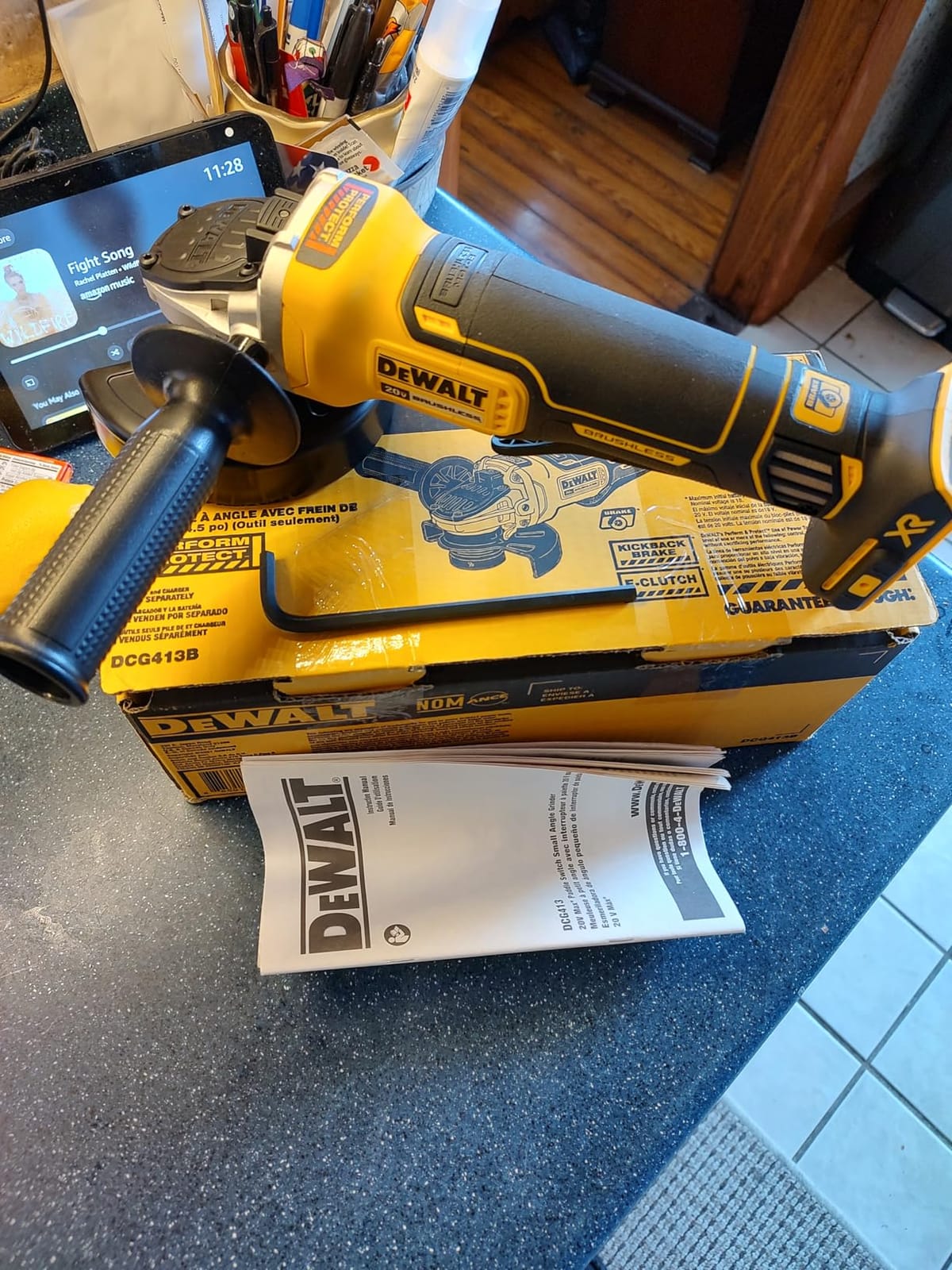
This is the grinder I reach for first when a job turns into weld cleanup rather than clean fabrication. The DCG413B weighs 3.8 pounds as a bare tool, and that balance is the reason my hands still feel normal at the end of a long grinding session.
The safety electronics are the reason it earns the top spot. The kickback brake engages when a pinch, stall or bind-up is sensed and stops the wheel in two seconds or less on average, and the two-stage paddle trigger means the tool needs two deliberate actions to start. Those are not small details when a wheel binds on a cold seam halfway through a pass.
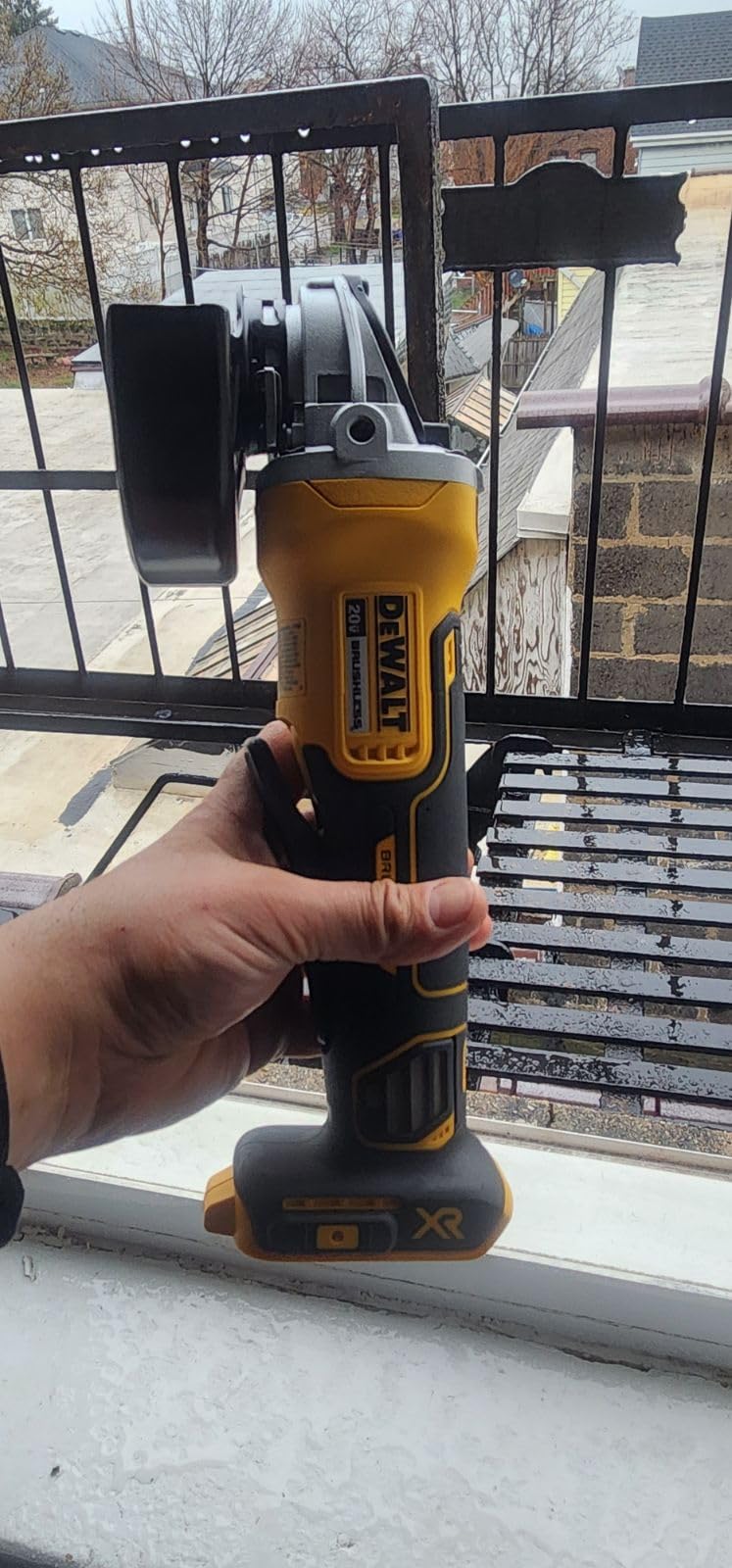
Owners consistently report using it for grinding welds, cutting steel brackets and cleaning metal, and the brushless motor means no brush changes across the life of the tool. The electronic brake also tends to extend abrasive life, because a stopped wheel stops fraying.
Where it falls short is endurance. A 4Ah pack gives roughly 20 to 30 minutes of hard grinding, so owners who grind all day tend to keep a second pack charging. It is also sold as a bare tool, which means the real cost of entry includes a battery and a charger.
What tells you the DCG413B will suit your shop
If your grinding comes in short bursts between weld passes, this is the sweet spot. Clean a mill-scale seam, blend the cap, move to the next joint. The brake and the light body absorb the stop-and-start rhythm that wears out a welder’s hands.
If you grind continuously for more than a few minutes at a stretch, you will notice the battery level more than you notice the power. Keep a spare pack on the charger and it stops mattering.
Where it falls short for you
Shop grindsers working long sessions at a fixed bench should look at the corded picks below instead. Sustained power under load is the one place a cordless tool gives ground, and no brake circuit changes that.
Buyers on a strict budget should also price the battery platform before committing. If you have no 20V packs, the platform cost dominates the tool cost.
2. Makita 9557PBX1: The Best Value Corded Grinder for Bench Work
Makita 9557PBX1 4-1/2″ Paddle Switch Cut-Off/Angle Grinder
7.5 amp corded, 11000 rpm
4.5 lb barrel grip
Labyrinth seals, varnish armature
Pros
- Reaches tight corners a larger grinder cannot
- Paddle switch runs the full length of the tool
- All-ball-bearing design with metal gear housing
- Labyrinth sealing and varnish protect the motor from dust
Cons
- Case will not hold the tool with the side handle fitted
- Guard changes need a Phillips screwdriver that is not supplied
- 7.5 amp motor trails 10 to 11 amp grinders on heavy material
This is the bench grinder I keep within arm’s reach of the welding position. At 4.5 pounds with a 2-1/2 inch barrel grip, it fits into frame rails and inside corners where a 5 inch body simply will not go, and the paddle switch runs the length of the barrel so it works from almost any hand position.
The durability story here is what welding rewards. Labyrinth construction seals and protects the motor and bearings from dust and debris, and protective zig zag varnish seals the armature from the same dust. Conductive metal dust is the single most common reason grinder windings fail in a fabrication bay, and this tool is built specifically against it.
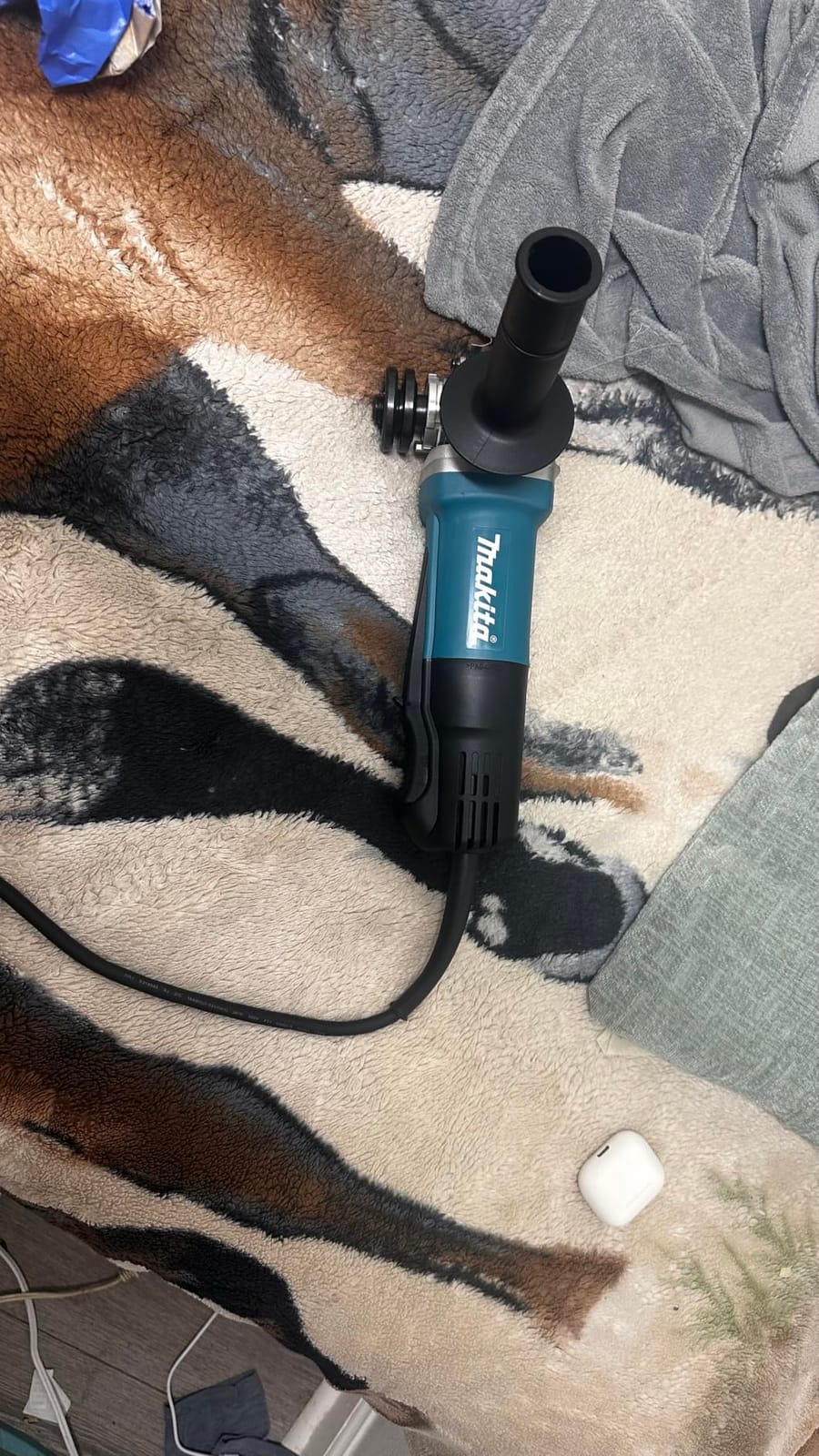
The box contents matter too. You get an aluminum case, five grinding wheels, a diamond blade, a wheel guard, a cut-off guard, lock nuts, a lock nut wrench, a side handle and an inner flange. For a first shop grinder, that package removes the most common early complaint, which is not owning a guard or a wrench when you need one.
Users report cutting through disc locks, steel plumbing pipe and thinset with this model, and reviewers call out the smooth 11,000 rpm operation and factory-balanced wheels. The most repeated complaint is cosmetic rather than functional: the case will not fit the tool with the side handle attached.
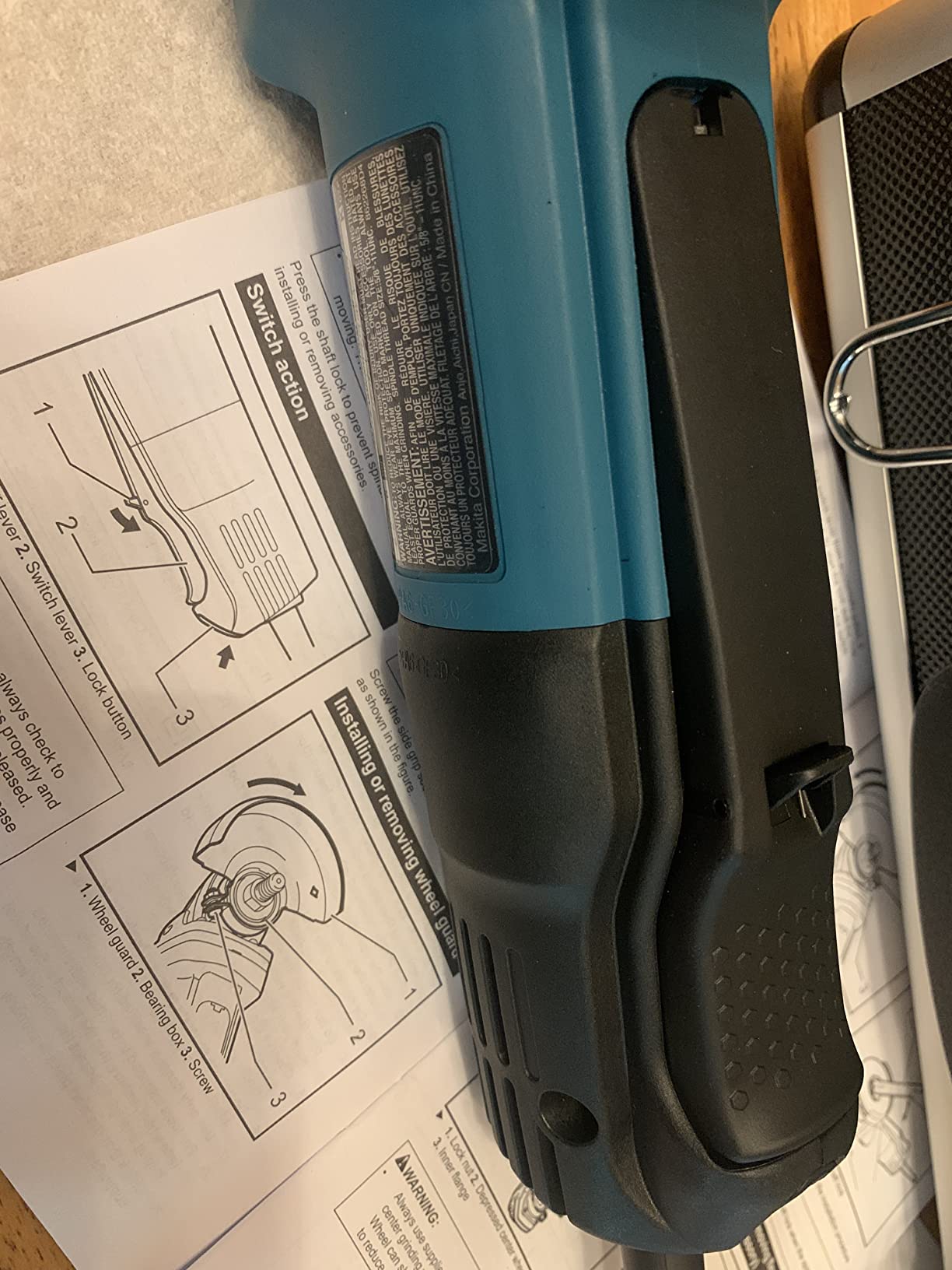
Why the 9557PBX1 works for daily shop use
The 900 watt, 7.5 amp motor is enough for weld prep, blending and general metal cleaning all day without a battery in the loop. No pack to swap, no runtime ceiling, and the dust sealing means it keeps working in a bay where fine grinding dust never fully settles.
For students and apprentices this is the tool to buy first. The paddle switch teaches good dead-man habits from day one, and the included accessories mean nothing gets skipped on safety gear.
Where the 7.5 amp ceiling bites
On thick, heavy material the motor bogs sooner than a 10 to 11 amp grinder. If your day involves grinding down structural fillet welds or slicing heavy plate, step up in power or add a cordless brushless machine for those passes.
The screwdriver-dependent guard changes are also mildly annoying if you reposition the guard constantly, which happens on pipe work and in-frame fabrication.
3. Milwaukee 2780-20: The Best Cordless Grinder for Mobile Welding
Milwaukee 2780-20 M18 Fuel 4-1/2″/5″ Pad, Bare
M18 FUEL brushless motor
Corded-class metal housing
Tool-free guard changes
Pros
- Corded-class grinding power in a cordless body
- Same metal housing and gearing as high-end corded grinders
- Rotor brake stops the wheel quickly
- Very low vibration and quiet spin-up
- Tool-free accessory and guard changes
Cons
- A 5Ah pack can drain in roughly 10 minutes of hard use
- Heavier than 4-1/2 inch cordless rivals
- Paddle switch only with no trigger option
When the job leaves the shop, this is the grinder that goes in the truck. The 2780-20 uses the same metal housing and gearing system as Milwaukee’s high-end corded grinders, which is why it feels like a bench tool once the wheel touches metal.
The POWERSTATE brushless motor and REDLINK PLUS intelligence handle the part that usually goes wrong on cordless grinders. System communication between tool, battery and charger delivers an electronic clutch and overload protection, so the motor is not simply stalled into a death spiral when the wheel binds.
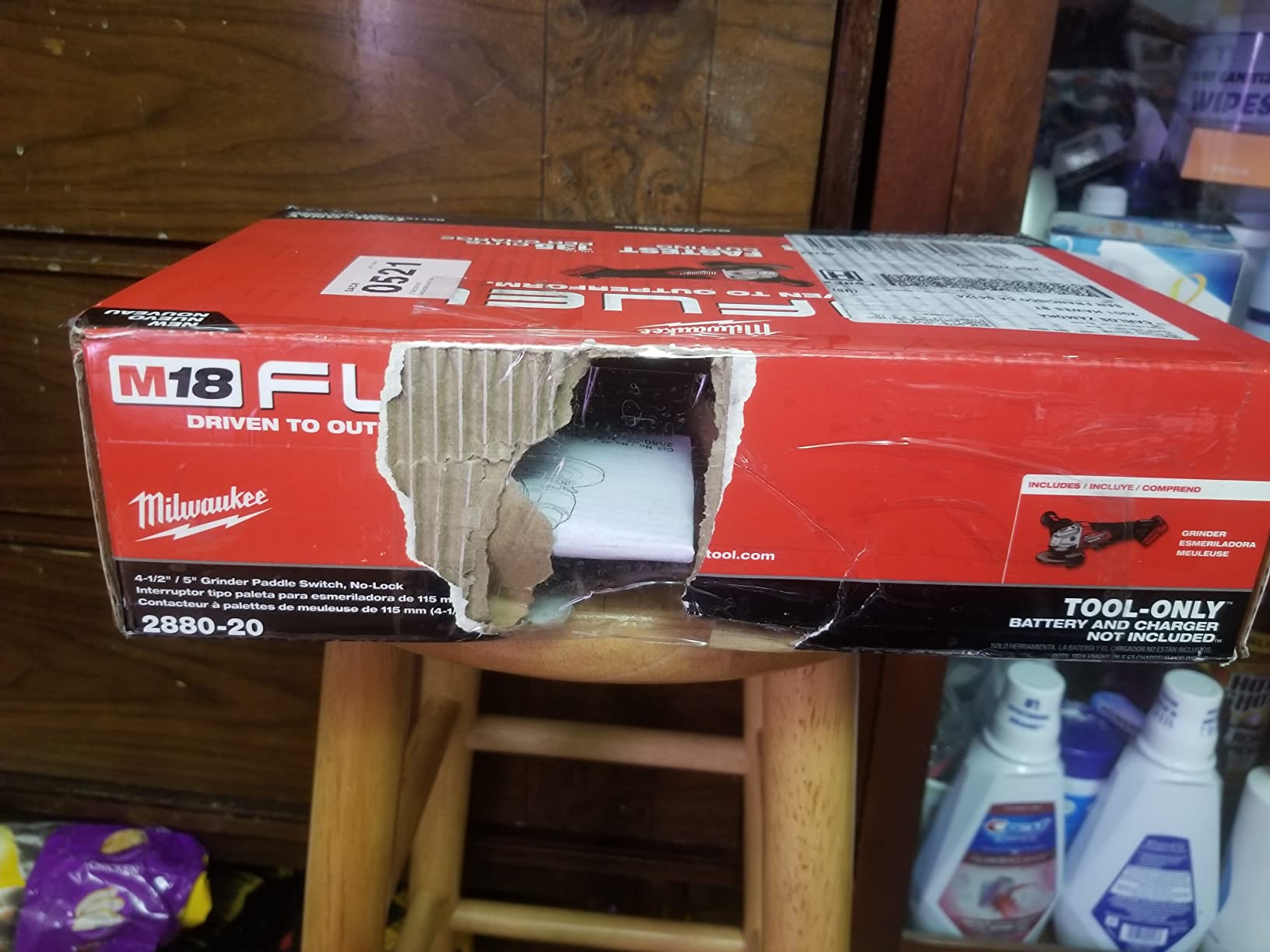
Owners praise the power-to-weight ratio, the fast rotor brake that stops the wheel so it does not skate away after release, and the freedom from a trailing cord on field repair. The 100 percent tool-free accessory and guard system saves real time when you are changing discs between jobs.
Battery consumption is the honest drawback. Reviewers with large M18 collections are delighted; welders running long grinding sessions warn that a pack can drain in about ten minutes of near-continuous use. Treat it as a tool between welds rather than a production grinder.
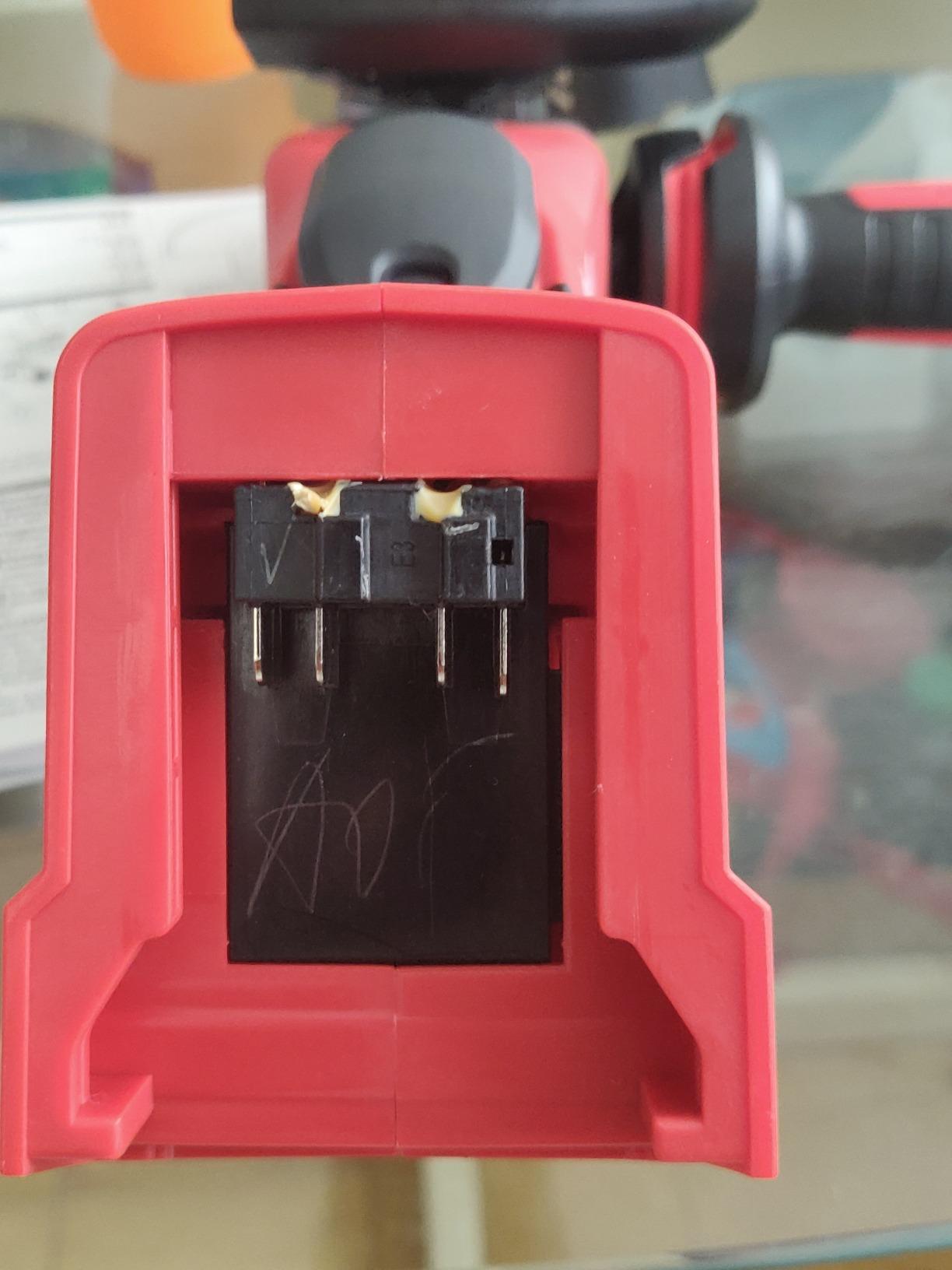
Where the 2780-20 earns its place
Mobile repair, field service and shop work in a bay without a dedicated outlet. The 4-1/2 inch to 5 inch capability handles bead cleanup and plate cutting without a cord across the walkway.
Shop owners already committed to M18 also get the cheapest per-use cost of any cordless option here, because the packs and chargers are already on the shelf.
Where it is the wrong choice
If you grind for hours straight, the pack drain will end your productivity faster than any other factor. Buy the grinder for mobility, not for continuous production removal.
Fabricators who dislike paddle switches also note there is no trigger option here. If you prefer a sliding on-off control, look at the corded picks instead.
4. DEWALT DCG416B: Best for Thick Plate and Heavy Weld Removal
DEWALT FLEXVOLT ADVANTAGE 20V MAX* Angle Grinder, Paddle Switch, 4-1/2-Inch to 5-Inch, Tool Only (DCG416B)
Up to 54 percent more power on FLEXVOLT
E-Clutch and kickback brake
Runs 4-1/2 and 5 inch discs
Pros
- Noticeable power jump with a FLEXVOLT battery
- E-Clutch and kickback brake cut power in a fraction of a second
- Runs both 4-1/2 inch and 5 inch discs
- Tool Connect chip ready for jobsite tracking
Cons
- Standard 2Ah and 4Ah packs are consumed very quickly
- Gets heavy with a large FLEXVOLT battery fitted
- Paddle switch feels awkward until habit forms
This is the cordless grinder that closes the gap with a bench machine, as long as you feed it the right battery. Run it on a FLEXVOLT pack and the output climbs by up to 54 percent, which is the difference between a tool that tidies a bead and one that takes down a heavy fillet.
The dual protection system is what impressed us. The E-CLUTCH shuts the motor down in under a tenth of a second when a pinch or stall is detected, and the kickback brake engages with maximum force to stop the wheel and shut the grinder off. Reviewers who already own 20V and FLEXVOLT batteries treat it as a like-for-like replacement for a corded grinder.
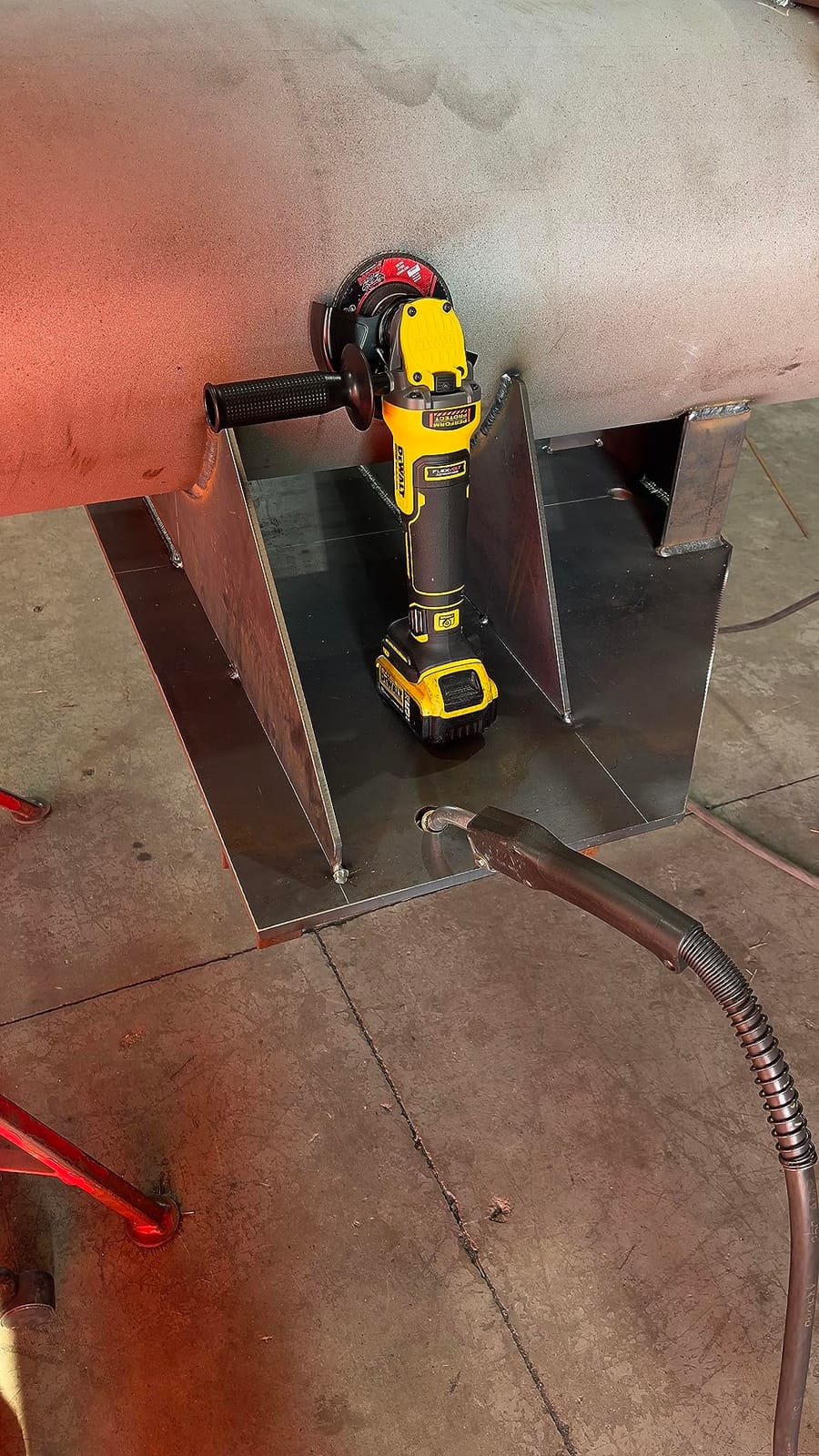
The backing flange accepts both 5/8 inch and 7/8 inch arbors, so one tool covers 4-1/2 inch and 5 inch work. It comes with a side handle, a 4-1/2 inch Type 27 guard, a wrench and both flanges.
Watch the weight. A large FLEXVOLT battery transforms this from a light tool into something tiring to hold overhead, which matters a lot in frame and in-vehicle work. For the lightest cordless options, look at the CRAFTSMAN and DCG413B sections.
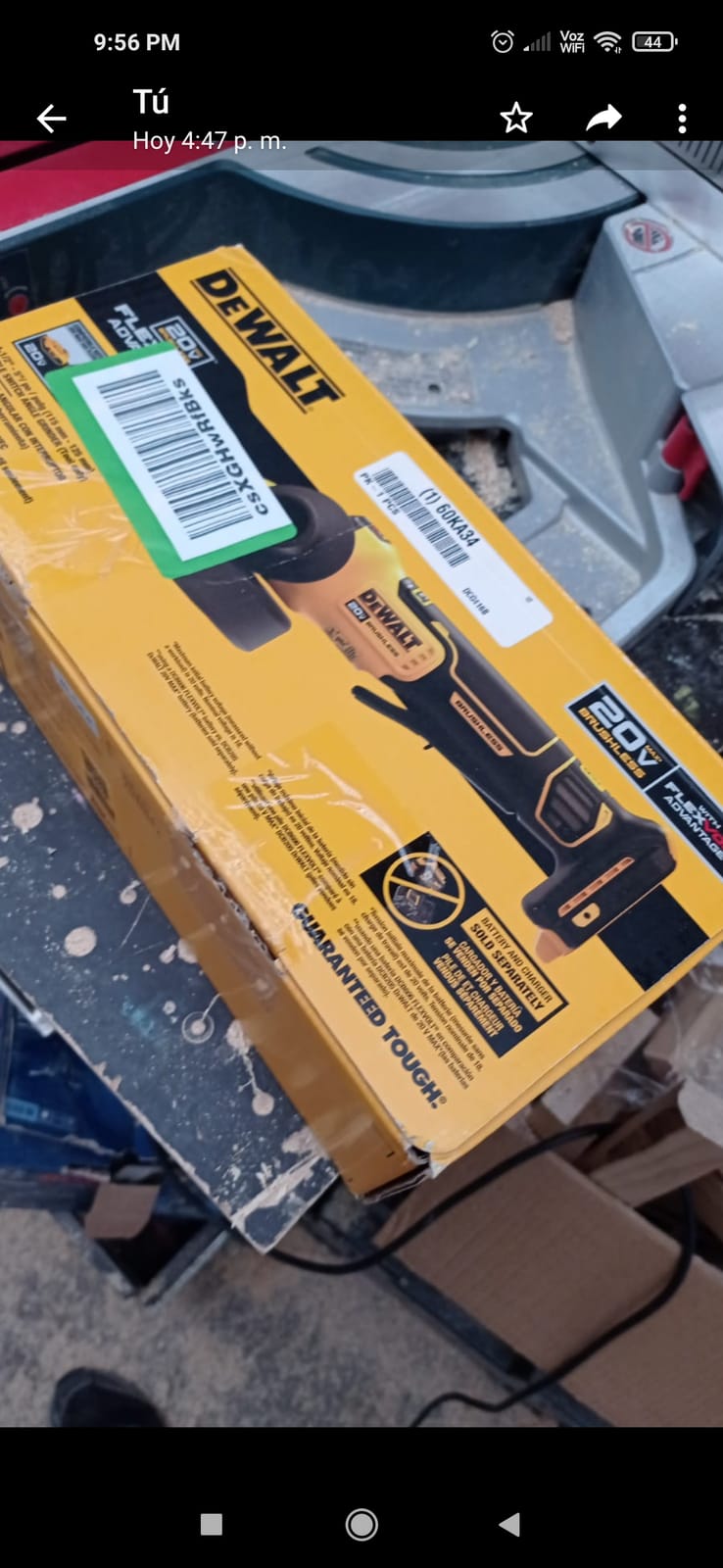
What tells you the DCG416B is right for you
You grind structural welds, heavy plate or thick tubing, and you want to do it away from an outlet. The E-Clutch and brake also extend abrasive wheel life by preventing frayed and shattered discs, which is real money saved on a busy fabrication schedule.
If you already own 6Ah FLEXVOLT packs, the power jump is immediate and obvious on cold, heavy seams.
When to pick something else
Overhead and in-frame work with a large battery is where arm fatigue shows up fastest. Choose a lighter 4-1/2 inch cordless grinder for that, and keep this one on the bench.
Standard 2Ah and 4Ah packs drain quickly under heavy grinding, so this tool only makes sense with high-capacity batteries in the mix.
5. CRAFTSMAN V20 CMCG400B: Best for Fast Guard Changes and Shop Value
CRAFTSMAN V20* Angle Grinder, Small, 4-1/2-Inch, Tool Only (CMCG400B)
8500 rpm cordless tool
Cast metal gear housing
Tool-free guard adjustment
3-position handle
Pros
- Tool-free guard adjustment speeds up accessory changes
- Cast metal gear housing dissipates heat during extended use
- 3-position contoured handle gives good control
- Limited lifetime warranty
- Aggressive 8500 rpm class performance
Cons
- Battery and charger sold separately
- Entry-level 20V platform delivers less power on heavy material
The tool-free guard is a bigger deal than it sounds. On a shop floor where the guard gets repositioned dozens of times a day, not hunting for a screwdriver between beads adds up quickly, and this grinder puts the adjustment on a lever.
The cast metal gear housing is the other quiet strength. It dissipates heat during extended use, which matters because heat is what kills small grinders long before the motor is finished. The contoured over-molded 3-position handle keeps control decent in the awkward grips that frame work demands.
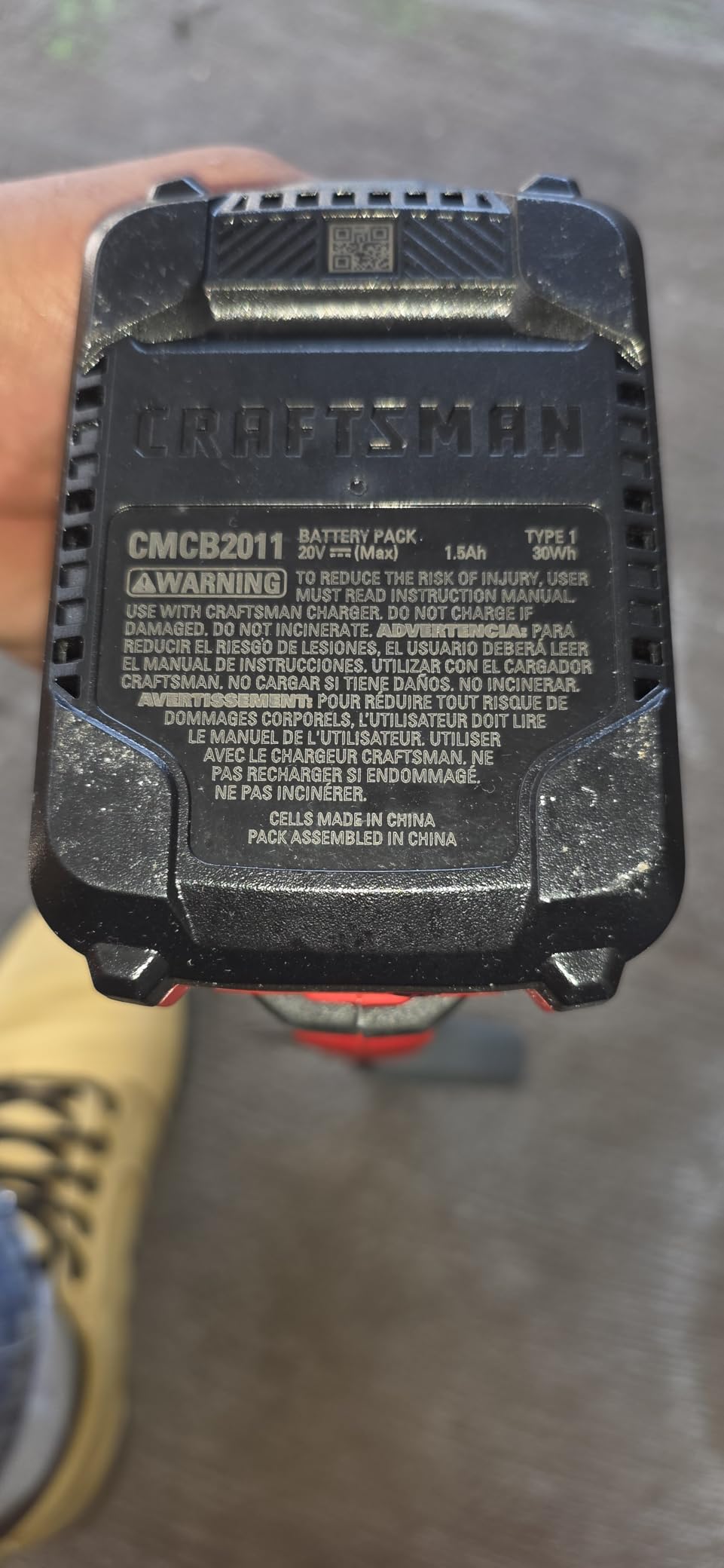
For garage and hobby welders who grind occasionally, the package makes sense. You get the grinder, a grinding guard, a grinding wheel and a spanner wrench, and a limited lifetime warranty covers the tool itself for the long haul.
The honest limit is platform power. This is an entry-level 20V cordless platform, so it delivers less torque than premium brushless grinders when you lean into a hard weld. Reviewers are also clear that the battery and charger are separate purchases, which pushes the true system cost above what the tool listing suggests.
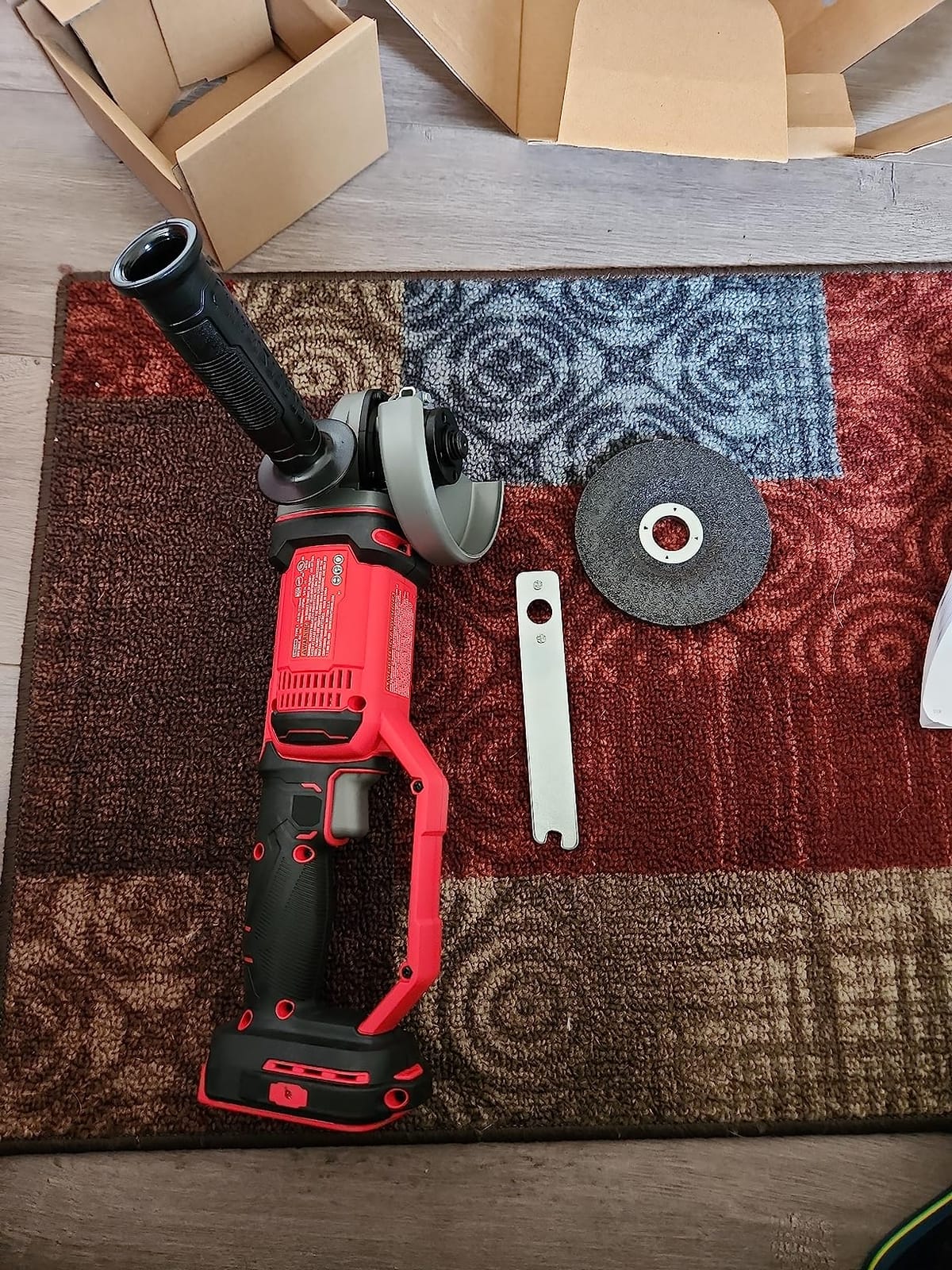
Who should look at the CMCG400B
Occasional weld cleanup, hobby garage work, and anyone who wants a cordless grinder without a premium platform commitment. The heat-dissipating gear housing earns its keep on longer sessions than the power rating suggests.
Shop welders with heavy daily removal should keep looking. This is a convenience grinder, not a production grinder.
What to watch out for
Budget the battery and charger as real line items. Ignoring them is how a cheap tool becomes an expensive one.
Users doing heavy stock removal will feel the platform power ceiling quickly. Pair it with a corded grinder rather than expecting it to do everything.
6. DEWALT DWE4011: Best for Everyday Weld Cleanup on a Budget
DEWALT Angle Grinder, One-Touch Guard, 4-1/2 -Inch (DWE4011)
7 amp AC/DC, 12000 rpm
One-Touch guard, no tools
Tool-free wheel release
Slim 3.9 lb body
Pros
- One-Touch guard rotates with a lever and no tool
- Quick-change wheel release removes discs tool-free
- 12000 rpm 7 amp AC/DC motor with overload protection
- Slim ergonomic body for extended use
- Removable 2-position side handle
Cons
- Only a hex wrench is supplied and it fits one job
- Slide switch is small and can be missed by the thumb
- Noticeably loud with slightly elevated vibration
This is the grinder that shows up in the most small shops and garages we know. Long-term owners describe the DWE4011 as the same dependable tool they have used for two decades, with fewer exposed body screws that can vibrate loose over time.
The One-Touch guard is the genuine upgrade here. It rotates with a lever so no tool is needed to reposition it, and the quick-change wheel release removes discs without a wrench. That combination cuts guard discipline shortcuts, which is where a lot of grinder injuries start.
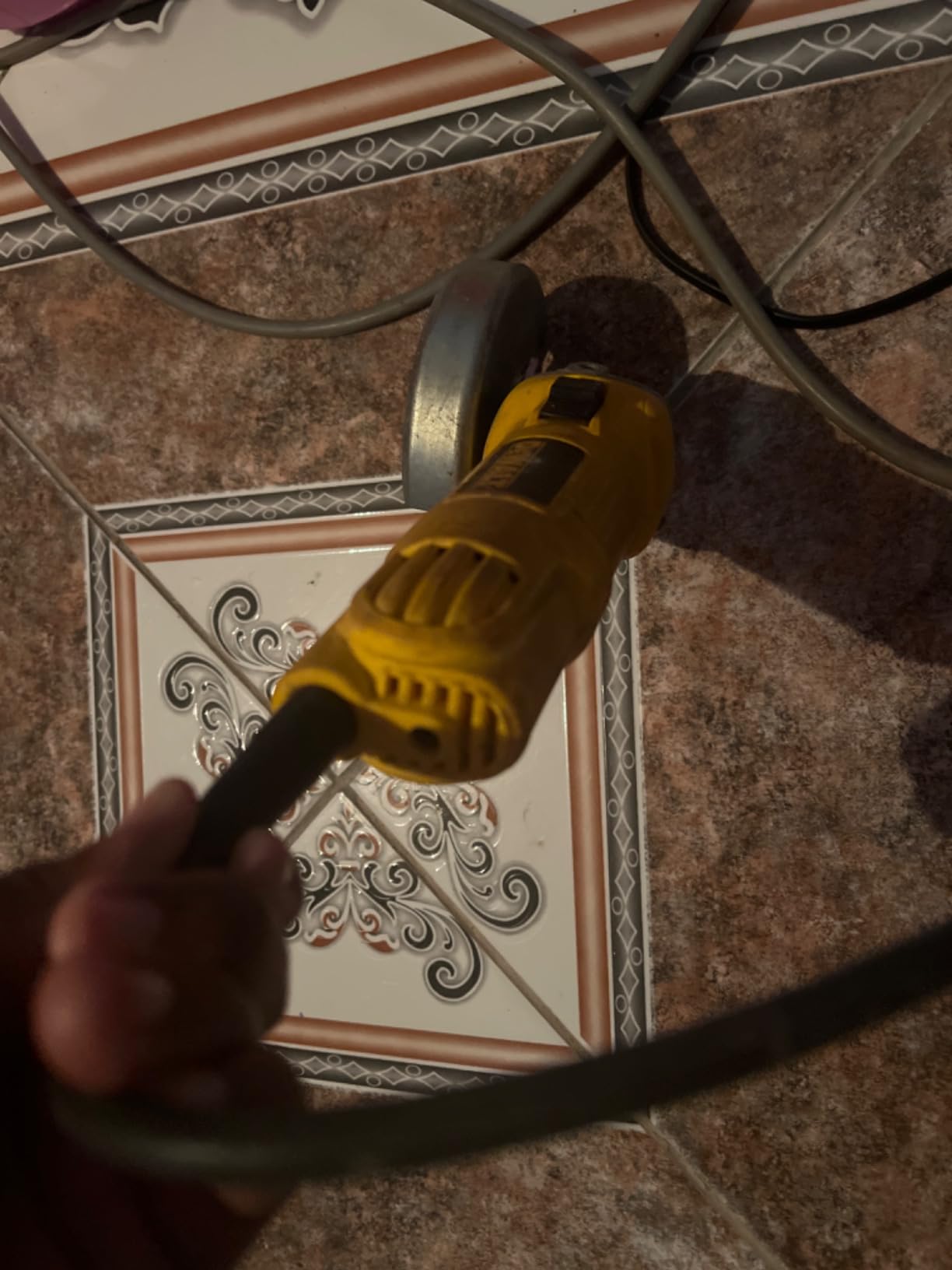
The 7 amp AC/DC motor runs at 12,000 rpm, which is fast for a small grinder, and it is designed for faster material removal and higher overload protection than older 7 amp machines. It also runs on AC or DC power, so it works from alternative power sources on site.
What you get out of the box is thin by design: a depressed center wheel, the One-Touch guard, a hex wrench and a 2-position removable side handle. Users sharpening mower blades and doing general metalworking rate it highly for that reason.
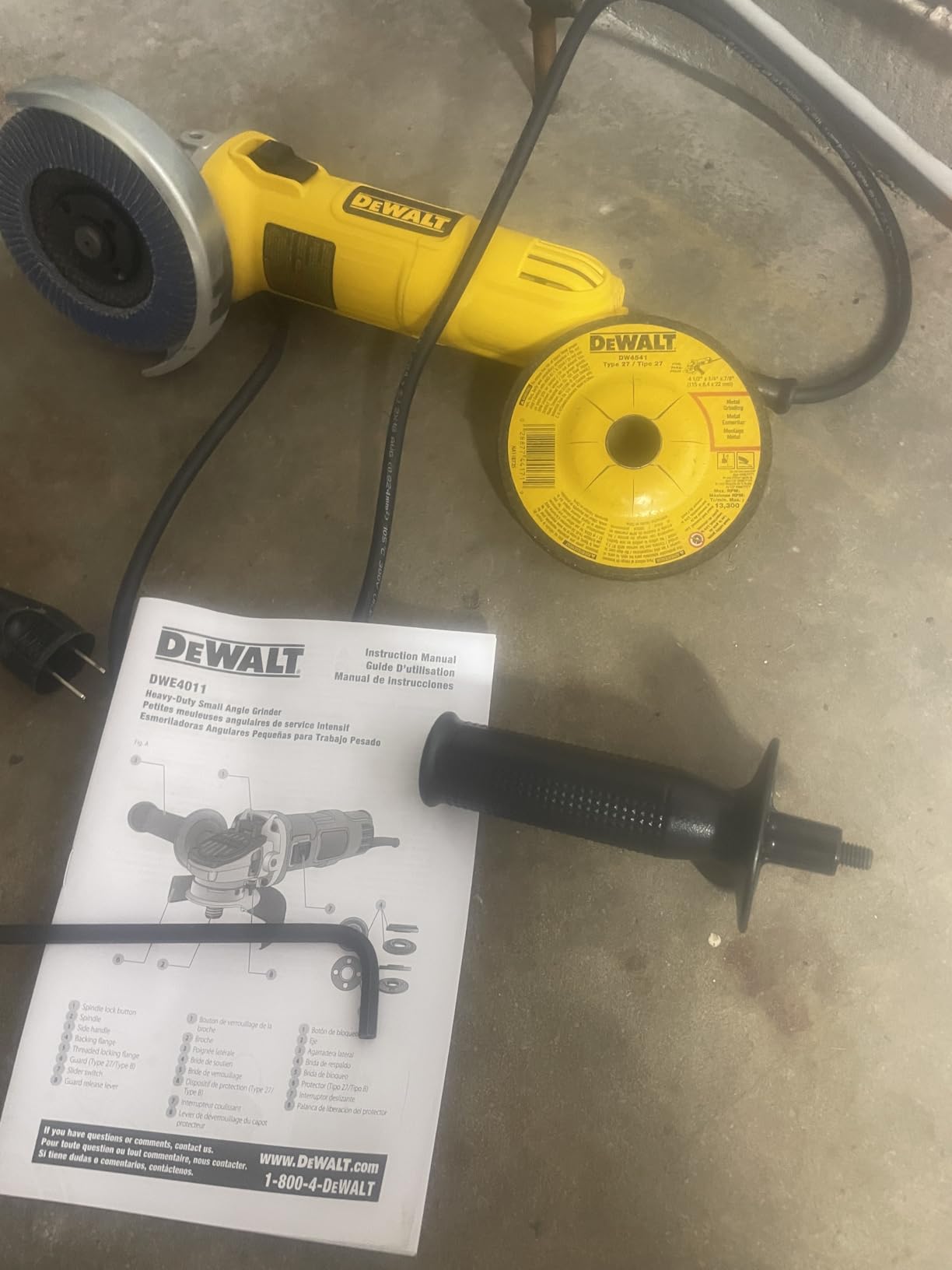
What tells you the DWE4011 fits your work
Light weld blending, sharpening, general cleanup and hobby fabrication. At 3.9 pounds with a slim body it stays comfortable through long sessions, and the AC/DC capability gives you flexibility on temporary power.
The 5/8 inch 11 spindle thread accepts a wide range of 4-1/2 inch accessories, so discs are easy to source.
What to watch out for
The slide switch is smaller than on previous models and some users report missing it with the thumb, which is exactly why paddle switches keep showing up on modern picks. The noise and elevated vibration come up often enough to matter if you work under a vehicle or in a quiet indoor space.
For heavy structural weld removal, move up in amps or move to a brushless cordless machine.
7. Metabo HPT G12SR4: The Best Budget Grinder for Occasional Weld Prep
Metabo HPT 4-1/2-Inch Angle Grinder, Includes 5 Grinding Wheels & Hard Case, 6.2-Amp Motor, Compact & Lightweight, G12SR4
6.2 amp, 980W output, 12000 rpm
Spindle lock for quick changes
Low-profile gear case
Pros
- Lowest-cost entry point in this roundup and still a full kit
- Spindle lock makes disc changes fast without a pin spanner
- Compact low-profile gear case reaches tight areas
- Forward-canted side handle suits both grip preferences
- 4.0 lb body reduces fatigue
Cons
- 6.2 amp is the lowest output here and limits heavy removal
- Slide switch rather than a paddle or lock-on switch
- Labyrinth sealing and 1-year warranty trail premium rivals
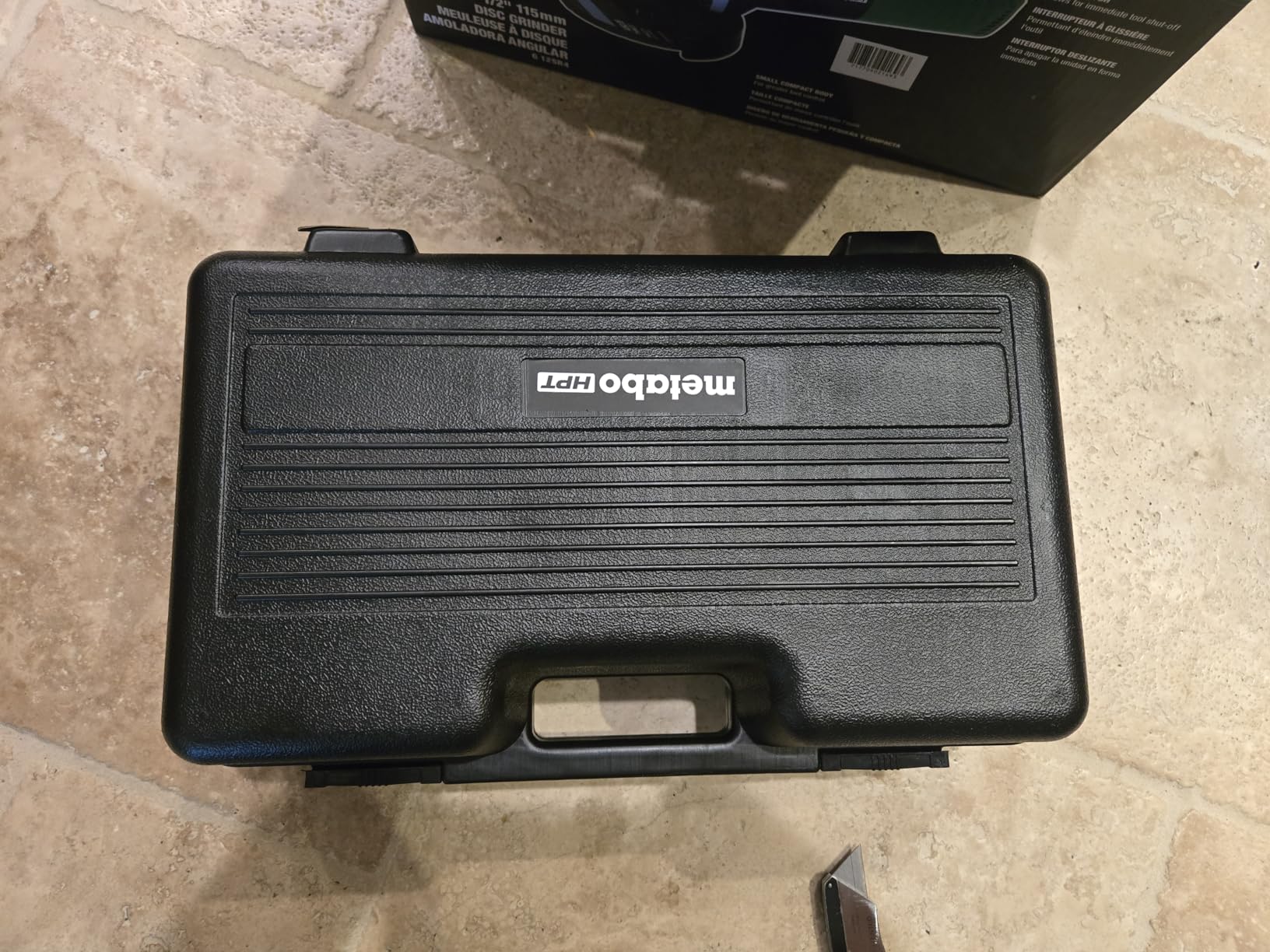
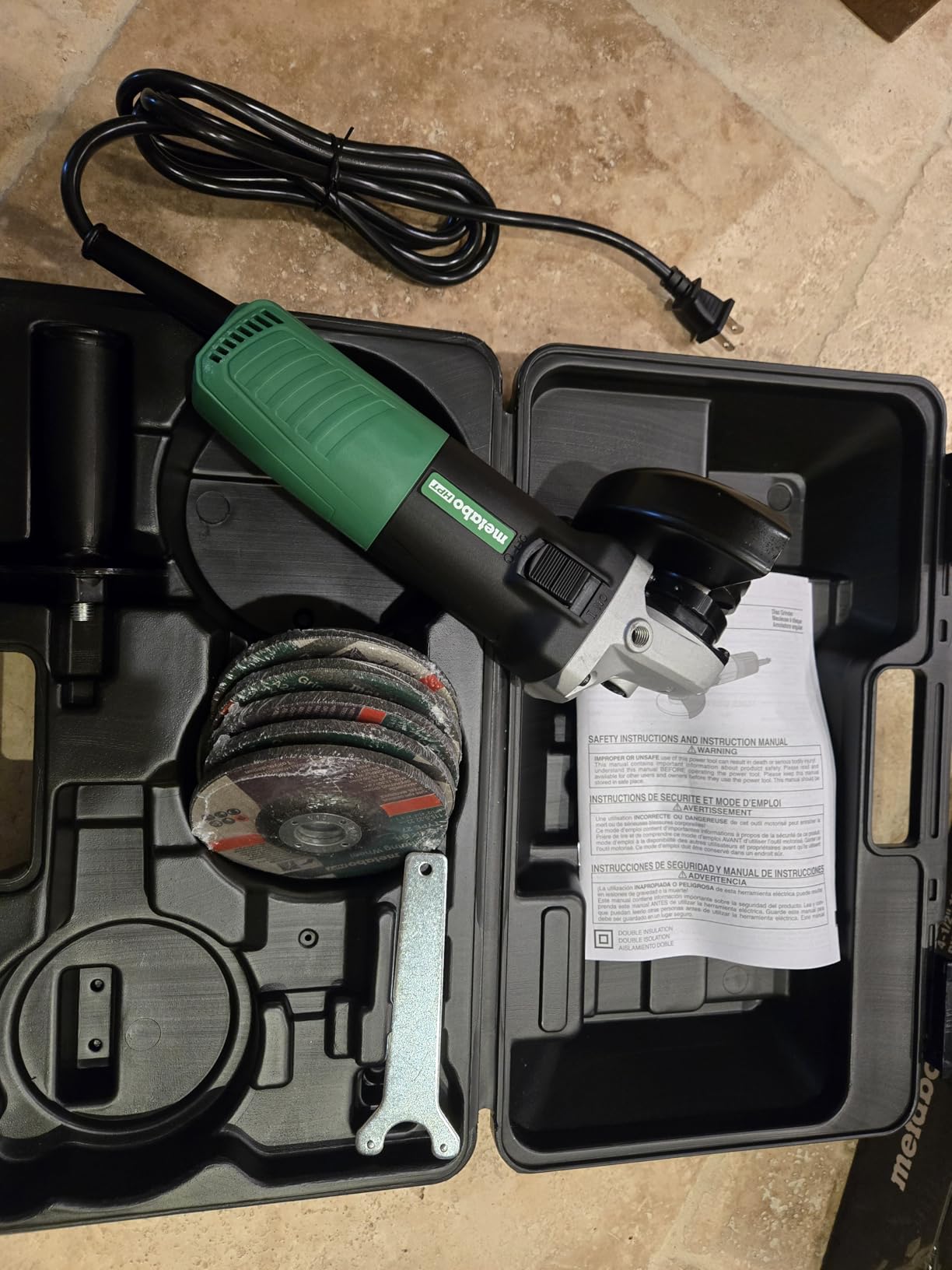
The Metabo HPT G12SR4 is the package we hand to students and hobby welders. You get the 4-1/2 inch grinder, five grinding wheels and a carrying case, which is more than most tools at this level include.
The low-profile gear case is genuinely useful. It gets into tight areas that other grinders cannot reach, which is the situation you are in when cleaning the inside of a joint or the back side of a bracket. The spindle lock also means disc changes do not require a pin spanner.
The 6.2 amp motor produces 980W of maximum output at 12,000 rpm, and at 4.0 pounds with a smaller grip it stays comfortable through long light sessions. The removable forward-canted side handle improves control for both grip preferences.
The limit is honest: 6.2 amps is the lowest output in this group. Reviewers are consistent that this suits hobby and light fabrication rather than heavy production grinding. The slide switch with quick-off is also a step back from the paddle switches on the premium picks.
When the G12SR4 is the right buy
Occasional weld prep, school and training work, or a first grinder for someone who grinds a few times a month. The included wheels and case mean nothing else needs buying before the first job.
The small grip and low weight reduce fatigue for welders with smaller hands or existing grip issues.
When it is not
Anyone grinding welds daily should not start here. The motor will bog on aggressive flap discs on thick material and the 1-year base warranty offers less protection than the brushless competitors.
The labyrinth dust sealing is a help, but in a bay with heavy metal dust you will get more service life from the sealed Makita in position two.
8. Bosch GWS8-45: Best for Students, Apprentices and Light Shop Work
Bosch GWS8-45 4-1/2 In. Angle Grinder
7.5 amp, 11000 rpm
4.2 lb slim-grip body
Directed air flow, Service Minder
Pros
- Slim-grip body is small enough to run one-handed and stays comfortable
- 7.5 amp motor at 11000 rpm runs constant without bogging
- Directed air flow keeps dust off vital components
- Service Minder brushes stop the tool when service is due
- Large spindle lock makes disc changes easy
Cons
- Guard must be loosened with an Allen key when repositioning
- Manual does not rate the tool for cut-off applications
- Slide switch takes getting used to for one grip preference
- Forward handle placement is awkward above waist height
The Bosch GWS8-45 is the grinder we recommend to welders who are still building habits. The slim-grip design is small enough to run one-handed, and owners who grind metal daily, including students in welding classes, rate it as resilient and appropriately compact.
The 7.5 amp professional motor delivers 11,000 no-load rpm and reviewers report it runs constant without bogging down. The directed air flow diverts dust away from vital components, and the Service Minder brush system stops the grinder when preventative maintenance is due rather than letting you guess.
That self-shutdown feature is underrated. A brush that wears past its limit is a motor that cooks itself, and the service reminder is a cheap insurance policy most budget grinders do not carry.
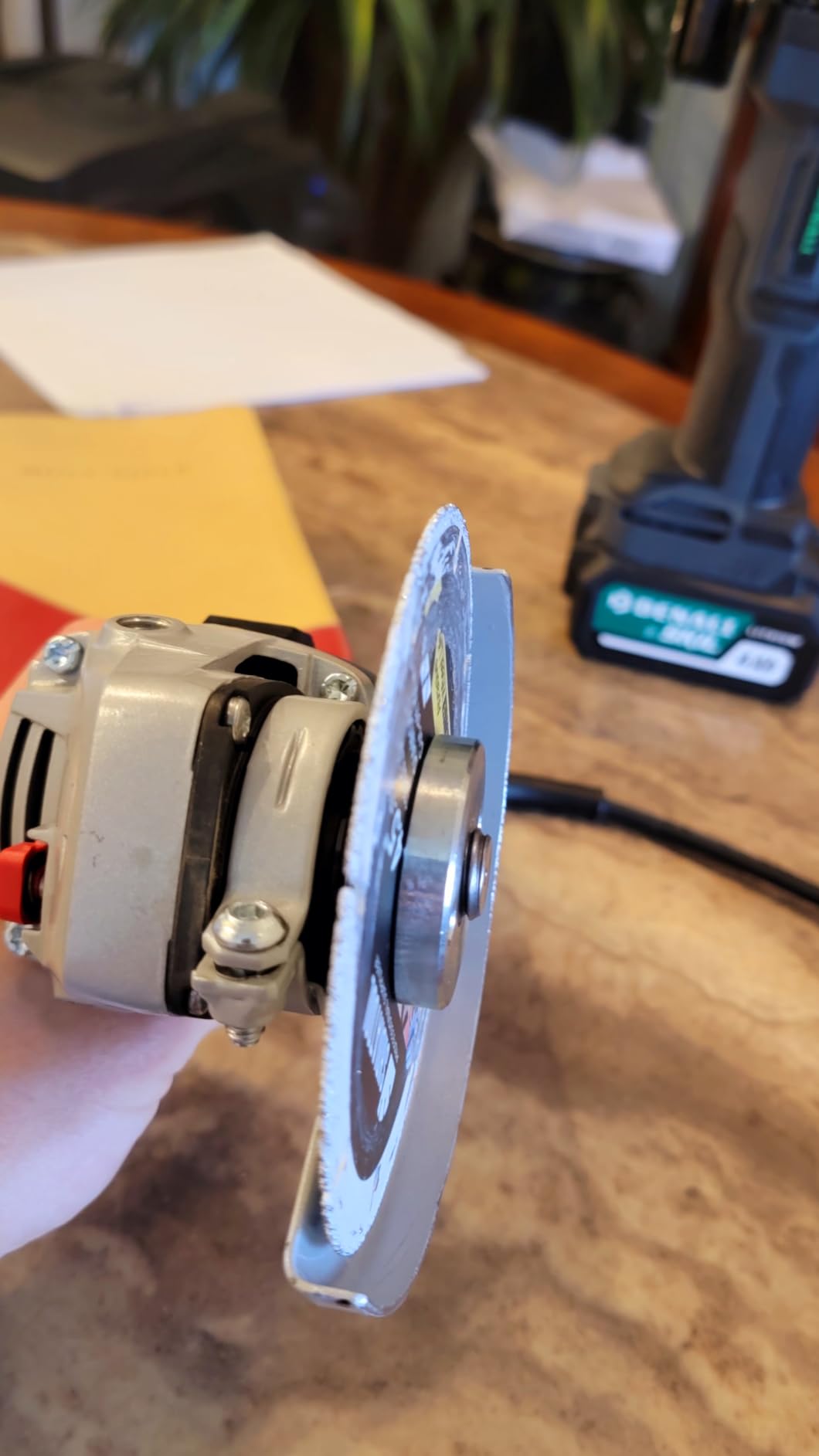
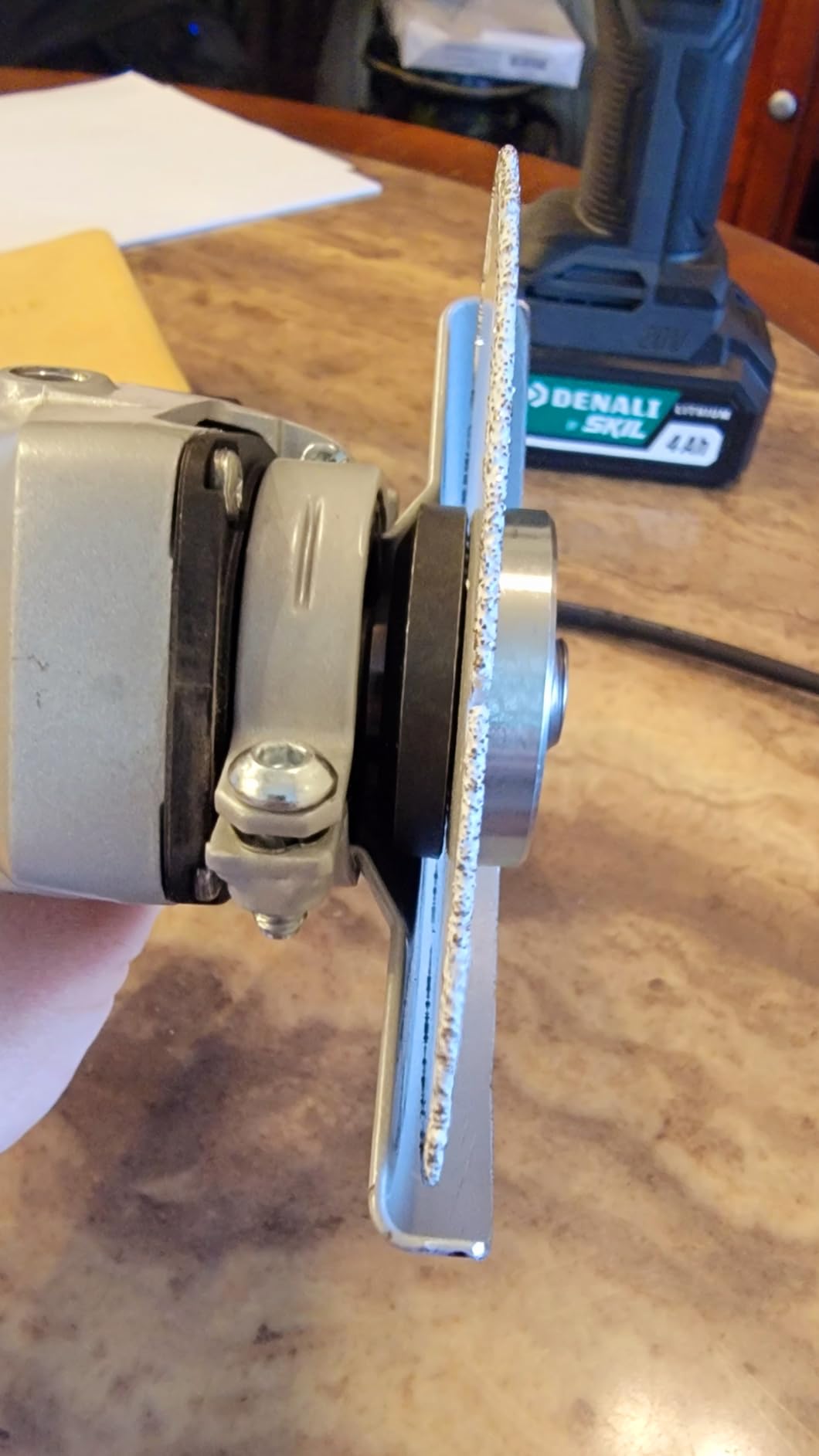
The guard is the recurring complaint. It must be loosened and repositioned with an Allen key, which is tedious when you change setup often, and several reviewers researched the manual’s cut-off restriction and found cutting works in practice with a Type 27 wheel even though the documentation does not rate the tool for it.
Where the GWS8-45 earns its spot
Training bays, apprenticeship shops and anyone who grinds most days but not all day. At 4.2 pounds it stays comfortable, and the guard fits 4-1/2 inch by 7/8 inch poly discs correctly.
If you already own Bosch or need a one-hand controllable grinder for awkward geometry, the slim-grip body is the reason to pick it.
Where it frustrates
Overhead work is awkward because of the forward handle placement. For in-frame and overhead work, a tool with a repositionable side handle and a lower profile head is easier to control.
Constant guard repositioning will annoy you, and for that reason the one-touch guard on the DEWALT DWE4011 is worth a look.
9. Makita XAG09Z: Best for Welders Who Prioritise Safety Features
Makita XAG09Z 18V LXT Lithium-Ion Brushless Cordless 4-1/2″/5″ Cut-Off/Angle Grinder
18V LXT brushless, 10000 rpm
Active feedback sensing
Electric brake in 2 seconds
Pros
- Active feedback sensing turns the motor off if the wheel stops rotating
- Electric brake stops the wheel in two seconds or less
- Automatic speed change adjusts speed and torque during operation
- Brushless motor runs cooler and more efficiently
- Comes with a tool-less guard and a dedicated 5 inch cut-off guard
Cons
- Bare tool with battery and charger sold separately
- Heaviest cordless grinder here at 5.7 pounds
- Costs more than corded 4-1/2 inch alternatives
If your priorities are protection layers rather than raw power, the Makita XAG09Z is the most defensive tool we tested. Active feedback-sensing technology turns the motor off if rotation of the wheel is suddenly forced to stop, and the electric brake stops the grinding or cut-off wheel in two seconds or less.
Automatic speed change technology adjusts speed and torque during operation for what the motor can sustain, which protects both the wheel and the workpiece on thin material. On a 5 inch disc, that matters more than raw top-end speed for anyone doing weld cleanup on stainless or aluminum.

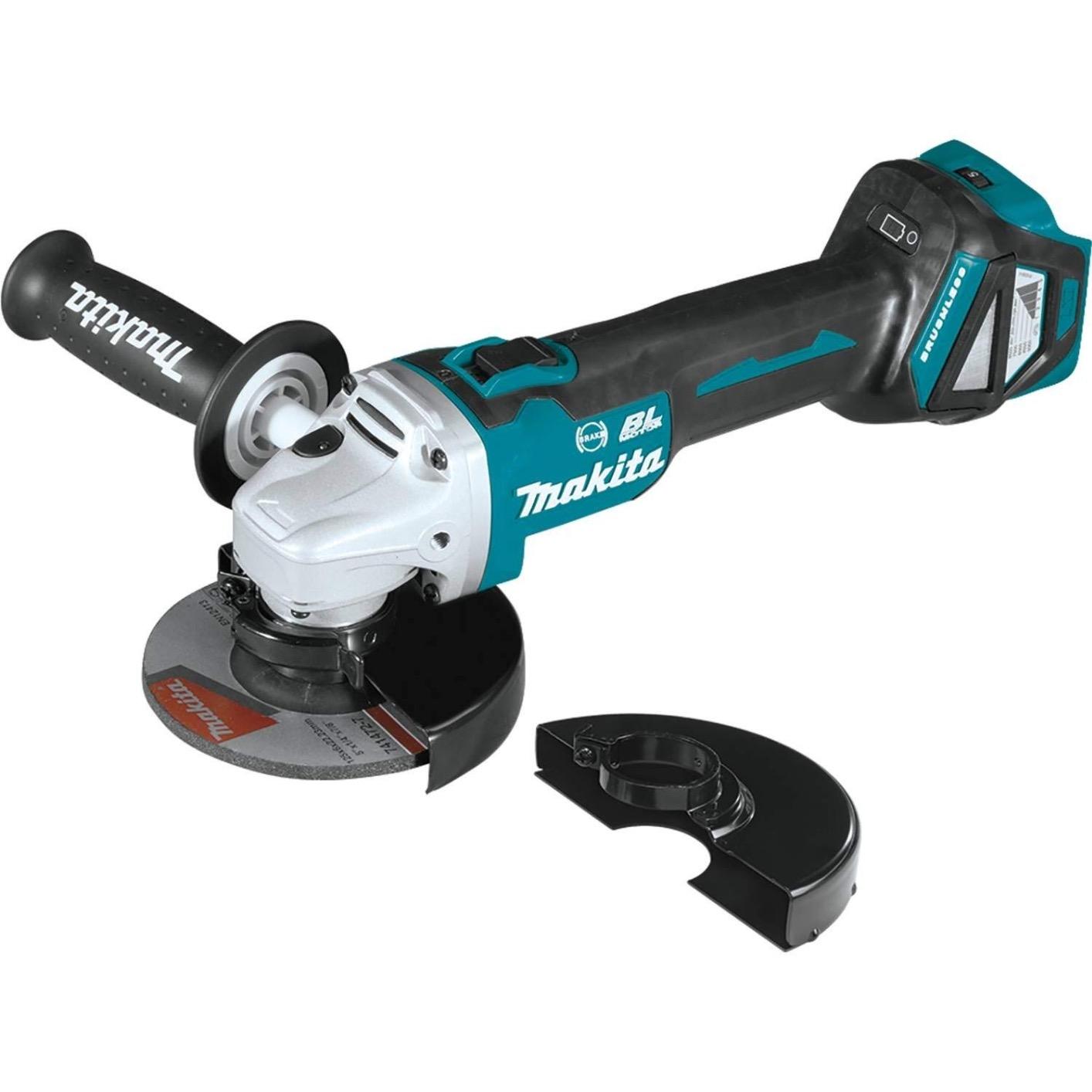
It ships ready to work. The box includes a 5 inch cut-off wheel guard, a 5 inch tool-less wheel guard, an ultra-thin stainless cut-off wheel, a 36 grit 5 inch INOX grinding wheel and a lock nut wrench. Very few bare-tool grinders arrive with two guards already fitted to the job.
The BL brushless motor is electronically controlled to optimise battery energy use for up to 50 percent longer run time per charge, and the motor runs cooler and more efficiently for longer life. Warranty is three years.
Who should buy the XAG09Z
Welders who grind stainless and thin material where heat and wheel glazing cause problems, and anyone who wants the most safety electronics per dollar. The included guards mean you can switch from grinding to cutting immediately.
It also handles 4-1/2 inch and 5 inch work with 10,000 rpm, so it covers both bead cleanup and thicker removal.
Where it is not the answer
At 5.7 pounds it is the heaviest cordless grinder here, and that weight fatigues the arm on long sessions or overhead work. Reviewers and shops both note the bare-tool format, so the 18V LXT battery and charger sit outside the purchase.
If you already run M18 or 20V packs, the total system cost tips the calculation. Read the value alongside our cordless angle grinder roundup.
10. Makita GA7021: Best for Heavy Material Removal at a Fixed Station
Makita GA7021 7″ Angle Grinder, with AC/DC Switch
15 amp, 1800W, 6600 rpm
7 inch disc
Tool-less wheel guard
Lock-on rear trigger
Pros
- 15 amp motor handles the most demanding removal work
- Tool-less wheel guard for quick guard adjustments
- Lock-on rear trigger supports long continuous cuts
- Rubberized soft grip handle and rubber tool rest improve comfort
- AC/DC switch allows alternative power sources
Cons
- Heaviest tool here at 15.4 pounds so it tires the arm
- Largest disc size cannot reach tight spots
- 1-year warranty is shorter than brushless rivals
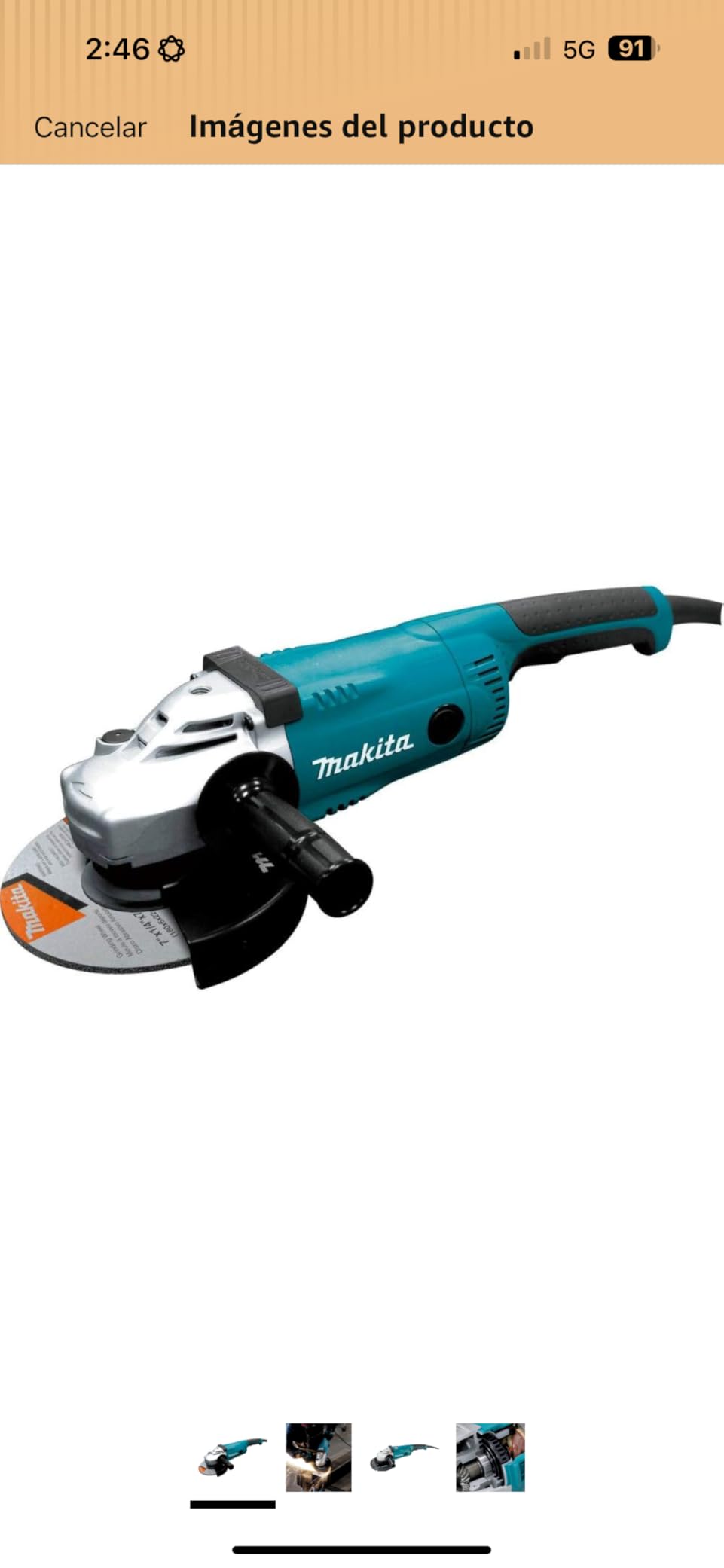
This is a different class of tool, and it belongs in a different part of the shop. At 15 amps and 1800 watts with a 7 inch disc, the GA7021 is for material removal at a fixed station rather than handheld bead work, and owners treat it exactly that way.
The tool-less wheel guard allows quick guard adjustments without extra tools, and the rear trigger switch with lock-on supports long continuous cuts. The large rubber tool rest protects the workpiece from damage, which matters when you are dressing a cut edge instead of grinding a seam.
The rubberized soft grip handle improves comfort on long passes, and the AC/DC switch lets the tool run from alternative power sources when the shop layout gets awkward.
The 15.4 pound weight is the whole argument. It is station-based grinding and heavy cutting, not handheld precision work, and no amount of grip technique makes that weight disappear overhead. The 1-year limited warranty is also shorter than the brushless competitors in this list.
What tells you the GA7021 earns a place
Fabrication shops that cut and dress heavy plate and structural sections every day. The power headroom means it does not bog when a rigid grinding wheel finds real metal.
If you want to know how large-format grinders compare, our guide to angle grinders for metal cutting covers the cutting side in more depth.
Where it is the wrong tool
Never reach for it on weld bead blending or in tight corners. A 7 inch disc cannot reach the geometry that a 4-1/2 inch tool handles, and the weight makes short awkward passes punishing.
Most welders should run one of the smaller grinders as their primary tool and add this one only if heavy removal is a daily task.
Corded vs Cordless Angle Grinders for Welding
There are two main types of angle grinders used by welders: corded grinders, which plug in and deliver uninterrupted sustained power for bench and production work, and cordless grinders, which run on battery packs and free you from the outlet for mobile and jobsite repair. Corded tools cost less per unit of power and never stop mid-grind. Cordless tools cost more to get running but move with you.
Welders who grind at a fixed bench should default to corded. The DCG416B’s own power advantage on a FLEXVOLT pack shows how much a cordless design gives up when the wheel loads up, and the same is true in reverse: no cordless grinder holds a 15 amp motor on continuous removal.
Mobile welders and repair technicians should default to cordless. Users in knife forums put it plainly: a corded grinder is the right call because running out of power mid-grind ruins the job. The Milwaukee 2780-20 and DEWALT DCG413B cover that work well.
Many experienced fabricators keep both. Running two grinders, one short 4-1/2 inch and one larger, is a common shop pattern rather than a sign of indecision. The small one handles bead work in tight corners, the larger one handles stock removal and cutting.
The catch with cordless is running cost. A bare tool plus a battery and charger is the real entry cost, which is why the platform decision matters. Our full cordless angle grinder reviews break down that math.
How to Choose an Angle Grinder for Welding
Here is what actually decides which grinder belongs in your bay, in the order we would weigh it.
Disc size. 4-1/2 inch is the default for weld prep and bead grinding. 5 inch gives you more material removal per pass and suits heavier welds. 7 inch is a different tool class for heavy removal and cutting, not a bigger version of the same job.
Amps and RPM for corded tools. Below roughly 7 to 8 amps the motor bogs on aggressive flap discs, and 10 to 13 amps is the useful band for daily shop use. No-load speed typically sits between 9,000 and 11,000 rpm.
Kickback brake and paddle switch. An electronic brake stops the wheel when a bind-up is sensed, and a paddle switch means the tool stops the instant you let go. Both matter most if you grind regularly.
Protection against metal dust. Welding is an abrasive environment, and conductive metal dust pulled through the motor is a leading cause of winding failure. Look for labyrinth sealing, sealed or varnish-protected armatures and directed airflow.
Disc change speed. A spindle lock or tool-free wheel release saves minutes per day in a shop that changes discs constantly. The CRAFTSMAN and Milwaukee tools both use tool-free systems.
Grip and vibration. Sustained grinding tires hands. Weight, grip diameter and switch placement decide whether a full day of weld cleanup is comfortable or painful.
Battery platform cost. If you have no packs for a platform, the battery and charger cost more than several of the grinders here. If you already own them, a cordless brushless machine becomes a cheap addition to the bay.
Weight is the criterion nobody prints on the box but welders care about most. Across this roundup the tools run from 2.59 kilograms down to just over 3 pounds for the lightest cordless, up to 15.4 pounds for the 7 inch machine. Overhead and in-frame grinding punish heavy tools fastest, so match the weight to the position, not just the job.
Brand reliability splits along predictable lines. Metabo and Makita models here carry the strongest dust-sealing detail, DEWALT and Milwaukee dominate cordless platforms and safety electronics, and budget tools rely on a smaller grip and lower amps to hit their price point. Owners also report gearbox and gear noise as a recurring complaint with certain mid-tier grinders, so buying from a brand with a real service network in your country is worth something.
For a broader look at how these tools handle fabrication work beyond welding, see our angle grinders for metalworking roundup.
Discs and Grits: What to Mount and When
Mount the right wheel and most grinder complaints disappear. Mount the wrong one and you get gouging, warping and a genuine safety hazard.
Flap disc. The default for weld bead grinding and blending. Around 40 grit for aggressive stock removal, 60 to 80 grit for finishing. Flexible backing sands the bead without digging into the parent metal.
Rigid grinding wheel. For heavy removal of mill scale and thick weld. Rigid and slow, which keeps control high and reduces gouging on thin material.
Cutoff wheel. For parting metal only. Never use it for surface grinding, which is one of the most common and most dangerous mistakes on the bench.
Wire wheel. For cleaning mill scale and rust from base metal before welding. It does not cut, but it does remove contamination that would otherwise cause porosity.
Grit semantics catch people out. A lower grit number means a coarser grit, which removes faster, runs hotter and throws bigger sparks. Higher grit numbers sand smoother and cooler. On thin material, running a coarse grit hot is exactly how you warp a part.
Cheap discs are often false economy. Bargain abrasive wheels that shed or break quickly cost more across a year of weld prep than reliable ones, and cheap discs are also the most common source of the fragments that make grinder work dangerous. Buy 5-packs and 10-packs of a brand you trust and keep a spare stocked.
For technique, hold the tool with both hands, keep the dead-man switch hand on the paddle at all times, let the wheel reach full speed before contact, approach at roughly 5 to 10 degrees for cleaning and blending and 15 to 30 degrees for grinding, keep the tool moving, and use light pressure. Pushing harder does not remove more, it generates more heat. Angle grinders used on masonry and concrete need their own disc types entirely, which we cover in our angle grinders for cutting concrete guide.
Frequently Asked Questions
Which brand is considered the best for angle grinders?
It depends on the job rather than the badge. Metabo and Makita tools lead on sealed or varnish-protected windings that resist conductive metal dust. DEWALT and Milwaukee lead on cordless safety electronics, including kickback brakes, E-Clutch shutoff and brushless platforms. For the strongest balance of safety features, control and build quality in a welding shop, the DEWALT DCG413B is our top pick, with the corded Makita 9557PBX1 as the bench value option.
Which two types of grinders are commonly used by welders?
Welders mainly use corded and cordless angle grinders. Corded grinders plug in and deliver uninterrupted sustained power for bench work and production removal, and they cost less per unit of power. Cordless grinders run on battery packs and free you from the outlet for mobile repair and jobsite work, but trade that freedom for battery runtime and platform cost.
What are the top 10 best angle grinders?
Our ten picks are: 1. DEWALT DCG413B, best overall for weld prep. 2. Makita 9557PBX1, best value corded bench grinder. 3. Milwaukee 2780-20, best cordless for mobile welding. 4. DEWALT DCG416B, best for thick plate and heavy weld removal. 5. CRAFTSMAN V20 CMCG400B, best for fast tool-free guard changes. 6. DEWALT DWE4011, best for everyday weld cleanup. 7. Metabo HPT G12SR4, best budget kit. 8. Bosch GWS8-45, best for students and apprentices. 9. Makita XAG09Z, best for safety features. 10. Makita GA7021, best for heavy material removal at a fixed station.
What size angle grinder is best for welders – 4-1/2 inch or 5 inch?
A 4-1/2 inch grinder is the default for weld prep and bead grinding because it fits tight corners, inside frame rails and flat base metal that a larger body cannot reach. Move up to 5 inch when you need more material removal per pass on heavy welds or plate. A 7 inch grinder is a different tool class for heavy removal and cutting rather than a larger version of the same bead work.
Are cordless angle grinders powerful enough for grinding welds?
Yes for short-burst weld prep, blending and deburring, and no for sustained multi-minute heavy removal. Brushless cordless grinders such as the Milwaukee 2780-20 use corded-class metal housings and gearing, but battery packs still set a ceiling on how long you can grind. That is why many fabricators still buy corded tools for daily production work.
How many amps should a corded angle grinder have for daily shop use?
Look for 10 to 13 amps for daily shop use. Below roughly 7 to 8 amps the motor bogs down on aggressive flap discs and thick welds, which shortens tool life and slows the work. Hobby and occasional cleanup can be handled at 6 to 7.5 amps, while 15 amp tools belong at a fixed grinding station rather than in handheld bead work.
Do I need a grinder with a kickback brake?
If you grind regularly, yes. An electronic kickback brake senses a pinch, stall or bind-up and stops the wheel with maximum force, and a paddle switch means the tool stops the instant you release it. It is a reasonable tradeoff only for occasional, light work where a bind-up is unlikely and you can react to it.
Why does my angle grinder overheat or burn out?
The usual cause is conductive metal dust reaching the motor windings, which is why welding bays are harsher on grinders than most people expect. Overheating also comes from sustained heavy passes on a motor with too little output, worn brushes on brushed models, or a bearing or gearbox fault that adds drag. Sealed windings, labyrinth construction, a cast metal gear housing and clean air paths all extend service life.
Which Angle Grinder Should You Buy?
The DEWALT DCG413B is the grinder we recommend to most welders. It weighs 3.8 pounds, its kickback brake stops the wheel in two seconds or less, and it carries more reviews at that rating than anything else on this list. If you already run 20V packs it is the shortest path to a safer weld prep routine.
For a fixed bench with metal dust in the air, the Makita 9557PBX1 is the better tool. Its labyrinth sealing and varnish-protected armature are built for exactly that environment, and the included case, wheels and paddle switch make it a complete bench kit on day one. For work away from an outlet, the Milwaukee 2780-20 takes corded-class metal gearing into the field. For heavy removal at a station, the Makita GA7021 is the only one of these ten built for the job.
Whatever you choose from the best angle grinders for welders in this roundup, match the switch type to your habits and the disc diameter to the geometry you work in. Those two decisions fix most of the problems people blame on the tool.