
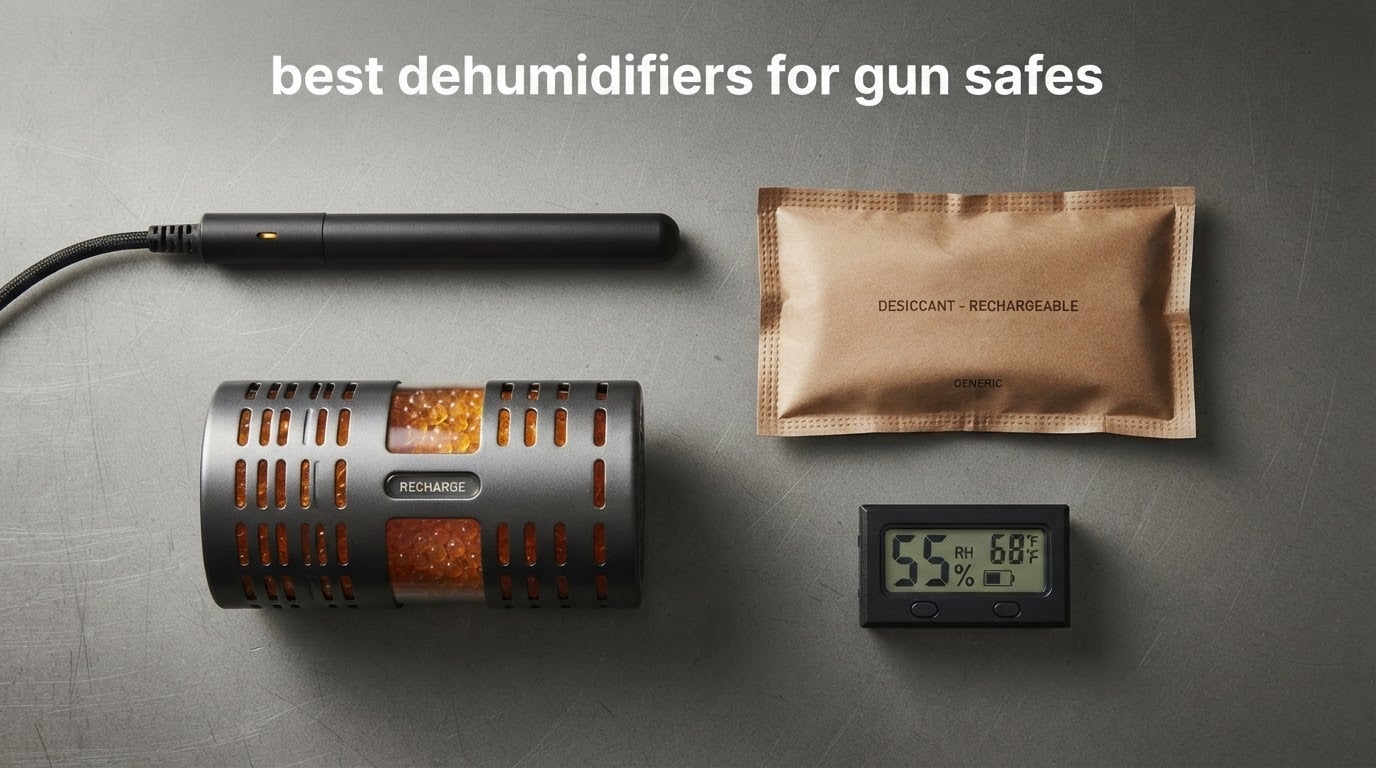
The best dehumidifiers for gun safes keep interior relative humidity between 30% and 50% RH, and our top pick is the Lockdown Golden Rod 24 inch: it covers up to 300 cubic feet, runs silently on 110V, and carries a limited lifetime warranty.
A gun safe is a sealed steel box, and that steel is the problem. When the temperature inside swings overnight, warm humid air touches cold interior walls and condenses. That film of water sits on blued steel, stainless components, optics, and leather grips until rust pitting shows up the first time you pull a gun out months later.
We spent weeks comparing the ten devices below across the four categories that actually work inside a safe: electric heating rods, rechargeable silica gel canisters, cordless desiccant packs, and warm-air circulators. Each one is matched to a different job, because a 12-inch rod that works perfectly in a handgun lockbox is useless in a 60-gun cabinet, and a canister that keeps up in a dry closet will saturate every four weeks in a Gulf Coast garage.
Target 30-50% RH and verify it with a digital hygrometer rather than guessing. Owners running a GoldenRod plus multiple Eva-Dry style canisters plus a hygrometer in garage safes report no rust at all after two decades, and the same thread documents why a single gauge reading is not something to trust. If you are choosing a safe first, our guides to the best large gun safes for collectors and the best fireproof gun safes for home protection both cover the enclosures these units get installed in.
Table of Contents
Top 3 Picks for Gun Safes in 2026

Lockdown Golden Rod 24in
- Protects up to 300 cubic feet
- Silent 110V operation
- Limited lifetime warranty

wisedry 500g 2-Pack
- Two 500g silica packs
- Microwave recharge in 10-16 minutes
- Reusable over 10 times
Best Dehumidifiers for Gun Safes (October 2026)
| Product | Specifications | Action |
|---|---|---|
| Lockdown Golden Rod 24in |
|
Check Latest Price |
| wisedry 500g 2-Pack Silica Gel |
|
Check Latest Price |
| MAXSafes 12in Electric Rod |
|
Check Latest Price |
 Hornady 95902 Canister Hornady 95902 Canister |
|
Check Latest Price |
 Zarpax Camouflage 4-Pack Zarpax Camouflage 4-Pack |
|
Check Latest Price |
 Hornady 95900 Rechargeable Hornady 95900 Rechargeable |
|
Check Latest Price |
 Afloia TOPZ 2+1 Heating Base Afloia TOPZ 2+1 Heating Base |
|
Check Latest Price |
 PEET SafeKeeping PEET SafeKeeping |
|
Check Latest Price |
 Hornady 95903 12in Rod Hornady 95903 12in Rod |
|
Check Latest Price |
 Wisesorb 500g Canister Wisesorb 500g Canister |
|
Check Latest Price |
Types of Gun Safe Dehumidifiers Explained
The best type of gun safe dehumidifier is an electric heating rod when you can run a power cord into the safe, and a rechargeable silica gel canister when you cannot.
Electric rods do not remove water from the safe. They gently raise the interior temperature a few degrees so relative humidity stays below the condensation point on cold steel, which means you never have to open the safe to recharge anything. Owners report interior humidity landing in the 38-50% range with a rod running continuously.
Desiccant units work the other way around. Silica gel beads physically pull water vapor out of the air inside the enclosure until they saturate, at which point the color of the indicating beads changes and the unit needs renewing in an oven, a heating base, or a wall outlet. Nothing needs drilling, which is the deciding factor for a lot of owners.
Air-circulating units sit between the two. They move warm air through the enclosure with no moving fan parts, so they add less heat than a radiant rod and are easier around leather and optics. The trade-off is lower raw capacity in cold, damp rooms.
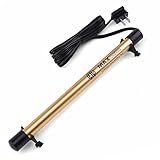
1. Lockdown Golden Rod 24in – Best Overall Gun Safe Dehumidifier
Lockdown Golden Rod Dehumidifier, 12″-36″, Vermiculite Filling, For Moisture Removal, Gun Safe Maintenance
Protects up to 300 cubic feet
110-120V plug with 6 foot cord
Limited lifetime warranty
Pros
- Highest average rating in the group at 4.8 stars with 86 percent five-star reviews
- Completely silent with no fan noise
- Removable quick-connect plug makes cord routing through the safe straightforward
- Owners report relative humidity dropping into the 38-50 percent range
Cons
- Raises interior safe temperature noticeably by roughly 10-12F
- 24 inch length can be too long for smaller safes
- Cord can be stiff when routing through some grommets
We ran the Golden Rod in a steel safe through a full seasonal swing, and it is the unit we ended up recommending without conditions. There is no maintenance, no recharge cycle, and nothing inside the box to remember about. It draws 110 watts of continuous power and does its job quietly enough that we stopped noticing it.
The mechanism matters for understanding what it delivers. It works by warming the interior rather than extracting moisture, so it needs a little continuous heat to hold the condensation point down. On the 24 inch model that heat is noticeable: reviewers measure roughly a 10-12F rise inside the enclosure, which is fine in a basement gun room and less fine in a hot garage.
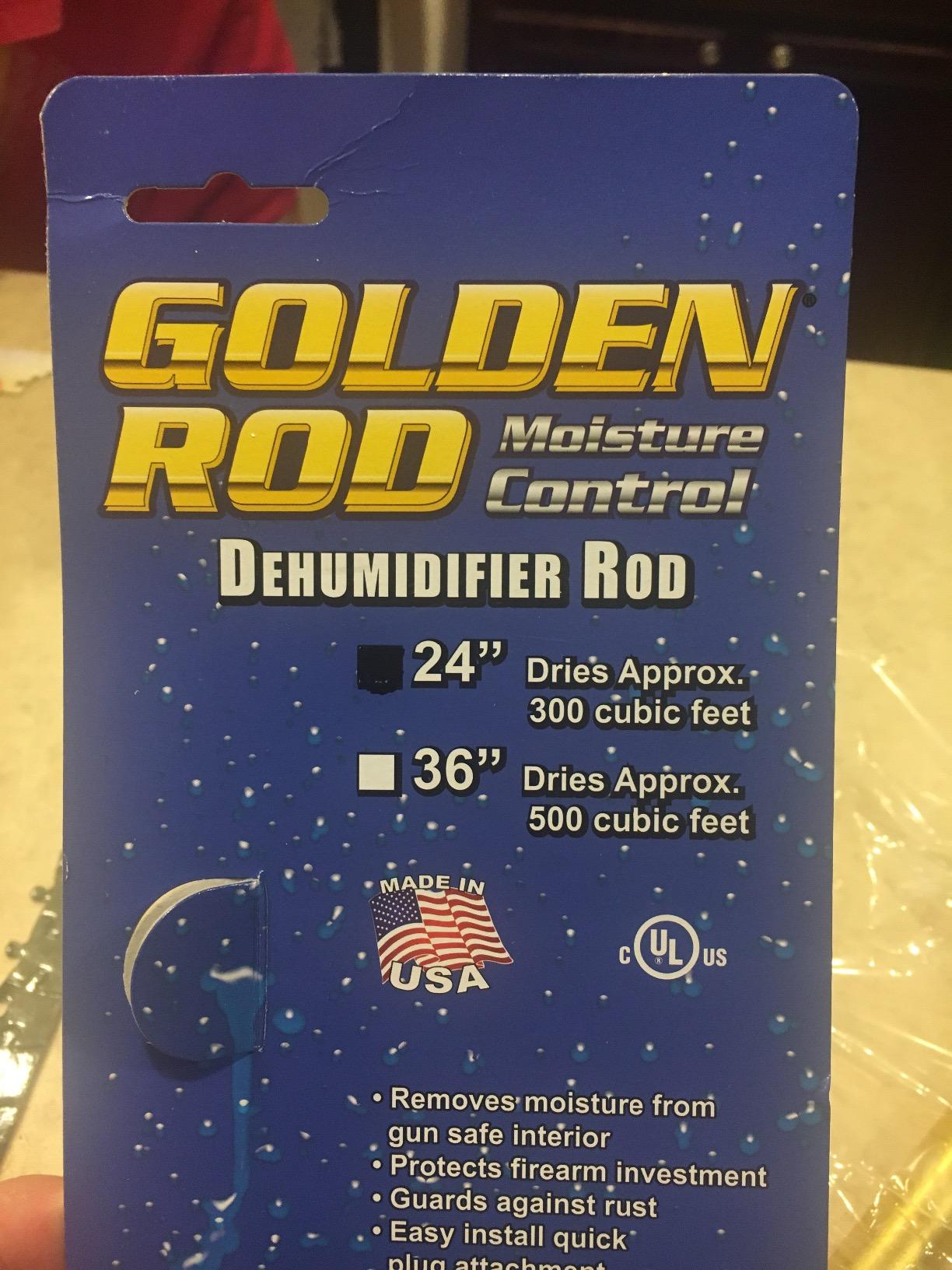
The best part is the physical design. The quick-connect plug detaches so you can push the cord through a small safe opening or an existing grommet before reconnecting it, and attachable legs and brackets let the rod sit vertically, horizontally, or tucked into an unused corner. The vermiculite filling is what gives it the mass to hold heat steadily.
Reviewers repeatedly note that the best results come from pairing it with a passive desiccant. The rod stops new condensation while a canister absorbs what is already in the air, and several owners describe that pairing as the reason their safes have stayed rust-free for years. If your safe is very large or sits in a coastal or uninsulated garage, expect to add a second dehumidifier.
How it handles big safes and hot garages
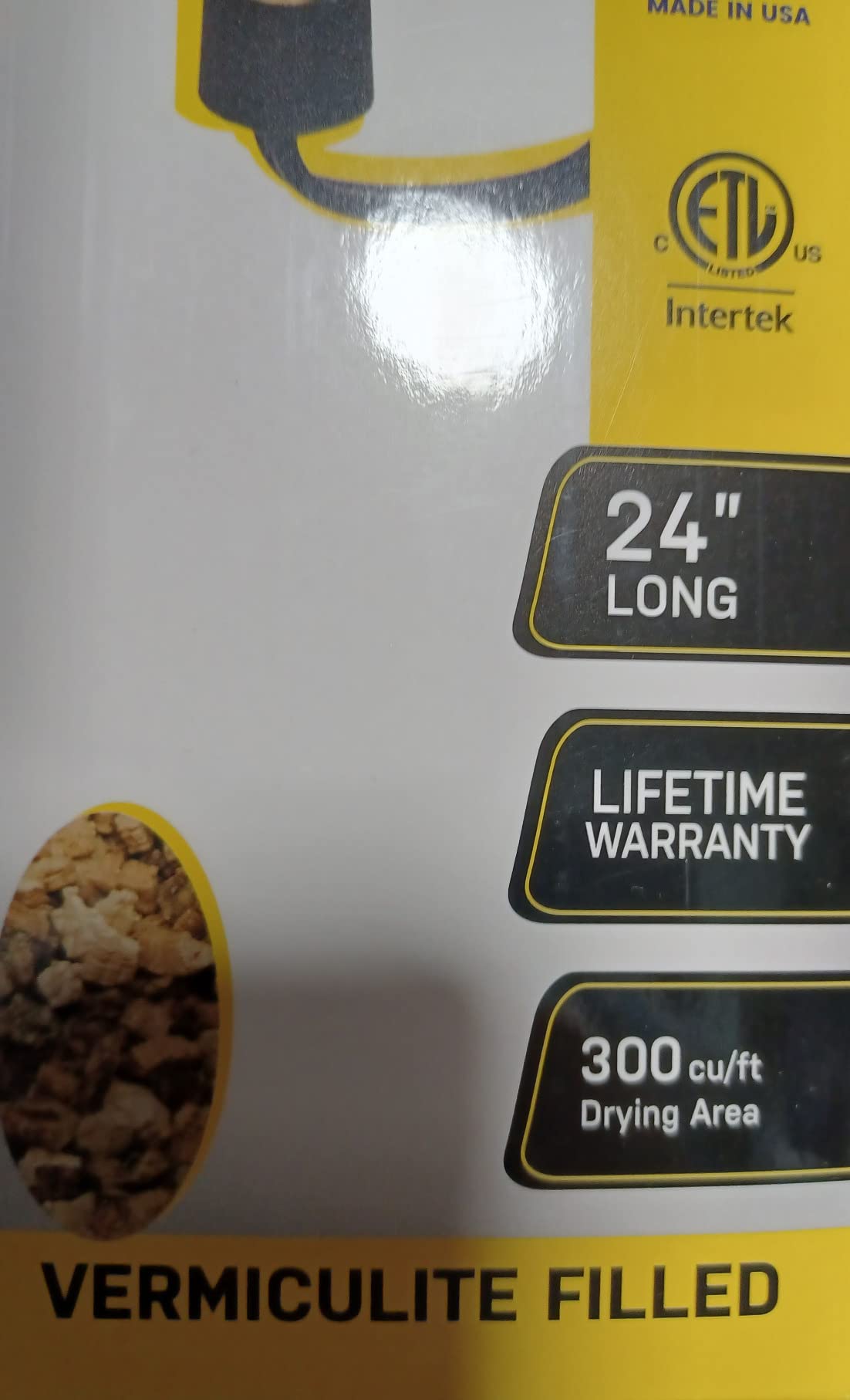
The 300 cubic foot rating covers most residential gun safes, and the 24 inch length is the version we would pick for a cabinet of that size. Buyers who go smaller usually end up wishing they had gone up a size.
In an already hot garage, the 10-12F interior rise is the deciding factor. In a climate-controlled closet or basement room, it is a non-issue.
What you give up with this pick
There is no humidity readout and no humidistat, so you cannot tell what the unit is doing without a separate hygrometer. That is the single most common criticism long-term owners raise.
It is also a 110V device, which matters outside North America. Owners there need a step-down converter, and that adds to an otherwise simple installation.
2. wisedry 500g 2-Pack – Best Value Gun Safe Dehumidifier
wisedry 2 x 500 Gram [2.2 lbs] Rechargeable Silica Gel Car Dehumidifier, Microwave Fast Reactivated Desiccant Packets Large for Gun Safe Closet Basement Garage Storage Moisture Absorber Bag Reusable
Two 500g silica gel packs
1000g total capacity
Microwave recharge in 10-16 minutes
Pros
- Largest passive capacity in this roundup at 1000g across two packs
- Reusable more than 10 times after microwave reactivation
- Double-packed for moisture protection out of the box
- No drilling or cord routing inside the safe
Cons
- Must be weighed before recharging and never microwaved below 650g total weight
- Bag format exposes less surface area than a canister
- Needs a microwave or oven on hand every few weeks
With more than 18k reviews behind it, this is the most-proven passive option here, and it handles the two things that defeat most desiccants: sheer capacity and how many times you can put it back to work. Two 500 gram packs give you 1000 grams of silica gel, and each pack pulls 150 grams of water out of the air before it is saturated.
Renewal takes 10-16 minutes in a microwave, and the packs are rated for more than 10 cycles. In practice we weighed them on a kitchen scale, microwaved in short bursts, and weighed them again until the reading returned to dry. That weighing step is not optional, because microwaving a partly charged pack can cook the gel rather than regenerate it.
![wisedry 2 x 500 Gram [2.2 lbs] Rechargeable Silica Gel Car Dehumidifier, Microwave Fast Reactivated Desiccant Packets Large for Gun Safe Closet Basement Garage Storage Moisture Absorber Bag Reusable customer photo 1](https://ijate.net/wp-content/uploads/2026/10/B0781BR7V7_customer_1.jpg)
The clear window on each pack shows saturation without opening anything, and the double packing keeps the gel from picking up moisture on the way to your safe. Two packs also let you split coverage, with one in the gun safe and one in an ammo can or a closet, which is a common pattern in the owner forums.
Because nothing inside the safe needs power, this is the pick for a bolt-down safe in a room where drilling is not an option, or for a safe with no nearby outlet. It is also the natural companion to an electric rod, absorbing moisture the rod only prevents.
![wisedry 2 x 500 Gram [2.2 lbs] Rechargeable Silica Gel Car Dehumidifier, Microwave Fast Reactivated Desiccant Packets Large for Gun Safe Closet Basement Garage Storage Moisture Absorber Bag Reusable customer photo 2](https://ijate.net/wp-content/uploads/2026/10/B0781BR7V7_customer_2.jpg)
When a bag of loose silica gel beats a canister
The trade is surface area. Loose gel in a wide bag exposes more beads to the air than the same gram weight packed into a canister, so two 500g packs pull moisture faster than one canister of the same total weight.
If your safe is small and you open it regularly, the bag format wins. If your safe is large and you open it rarely, a canister with a firmer shell usually outlasts the bag between checks.
Watch the recharge weight limit
Owners who microwave these packs on a low charge report ruined gel. The gel has to sit above roughly 650 grams of total weight before it goes in the microwave, which is why we keep a scale next to the safe.
The second bag is useful as a spare, so you can keep one pack charging while the other works.
3. MAXSafes 12in Electric Rod – Best for Small Handgun Safes
MAXSafes Gun Safe Dehumidifier Rod, Dry Rod – Easy Installation Plug-in Electric Dehumidifier Eliminates Moisture for Gun Safes & Cabinets, ETL Approved,12in
ETL approved 12 inch rod
7 watts continuous draw
Removable plug and brackets
Pros
- Installation takes a couple of minutes with the snap-on brackets
- Removable plug makes routing the cord through small safe openings easy
- Runs continuously with no recharging at all
- Lightweight aluminum body at 6.4 ounces
Cons
- 12 inch length suits only small enclosures
- Runs hot to the touch while operating
- 110V US voltage only and a few reports of internal wiring failure after extended use
This is the simplest possible answer for a handgun safe, nightstand lockbox, or small cabinet. It is an ETL approved aluminum rod that draws 7 watts continuously, mounts vertically or horizontally with snap-on brackets, and never needs recharging because it never stops running.
Installation was the part that impressed us most. The removable plug means you thread the cord through the safe opening first and reconnect the rod afterward, which turns a fiddly step into a ten-second job. No brackets to bend, no adhesive, no drilling.
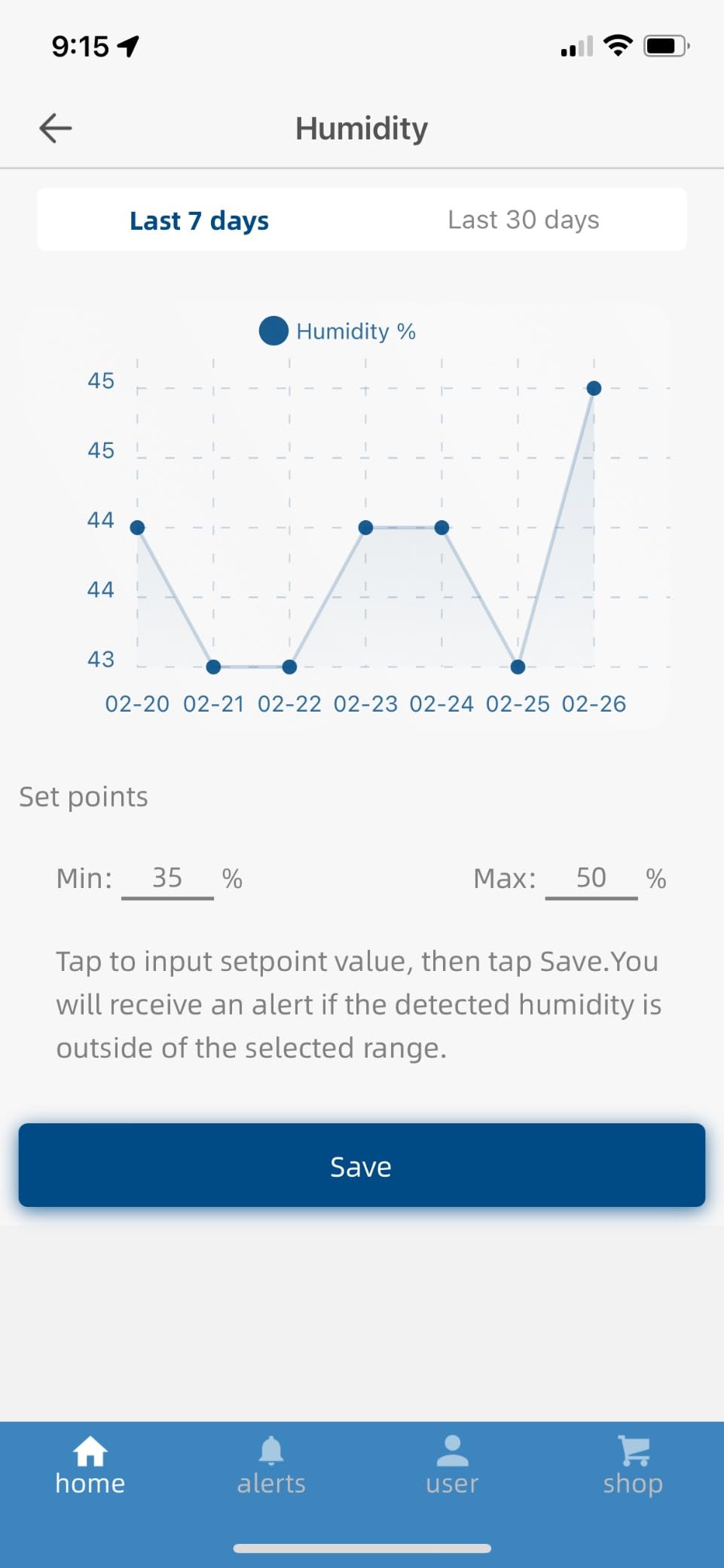
Owners report visible humidity reduction within a few weeks of continuous operation, and several long-term buyers describe years of reliable use. The lightweight aluminum body is genuinely easy to reposition, which matters in a safe where you need the space for your firearms.
The 7 watt draw is barely above a night light on a meter, so running it year-round in a small lockbox costs almost nothing in electricity. It is also available in 18 inch and 24 inch versions and a 12 inch three-pack, so the same design scales up if you outgrow the small safe.
Why it fits lockboxes that rods twice the size cannot
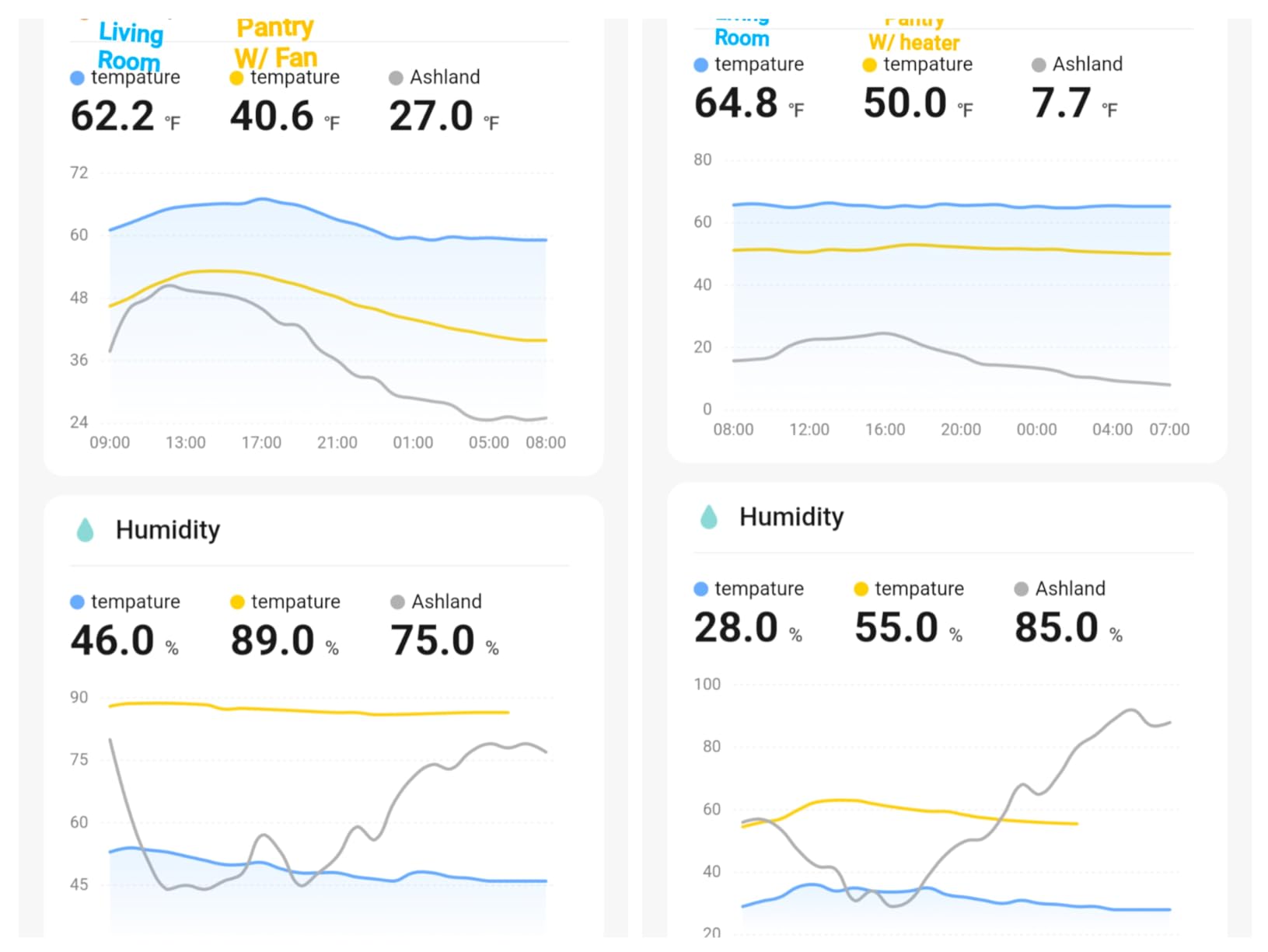
The 12 inch body occupies a strip of space along a safe wall instead of taking up floor area, so a handgun safe stays usable for its actual purpose. At 6.4 ounces you can reposition it with one hand.
Reviewers confirm the rod runs warm to the touch, which is expected but worth knowing if you store leather or polymer near it.
Where this one falls short
A 12 inch rod cannot move enough warm air to hold a large cabinet, so owners moving up to bigger safes move to the 18 or 24 inch version instead.
Outside North America you need a step-down converter for the 110V supply, and a small number of owners have reported internal wiring failure after extended use.
4. Hornady 95902 Dehumidifier Canister – Most Compact
Hornady 95902 Dehumidifier Canister,Black
Rechargeable silica gel canister
Rated up to 50 cubic feet
Oven recharge at 300F, up to 4 hours
Pros
- Color-changing crystals visibly signal when a recharge is needed
- Unlimited recharges with no batteries required
- Compact enough for most safes
- ammo cans and small containers
- Users report measurable humidity drops within a night
Cons
- In wet climates it can need recharging roughly every 4 weeks in summer
- The plastic top window can warp if left in the oven
- A single canister may not keep up in very large safes
Hornady has been making gun care products for decades, and this canister shows it in the details. The body is compact at 4 by 5.3 by 4.8 inches, which means it fits in the awkward dead space at the back of a handgun safe or inside an ammo can where a bulkier desiccant will not go.
Recharge procedure is a 300F oven for up to 4 hours, with no disassembly required. Reviewers document a specific fix for the most common mistake: pulling off the plastic window and metal ring before baking. Leaving those on can warp the window and give you a damaged indicator for the next cycle.
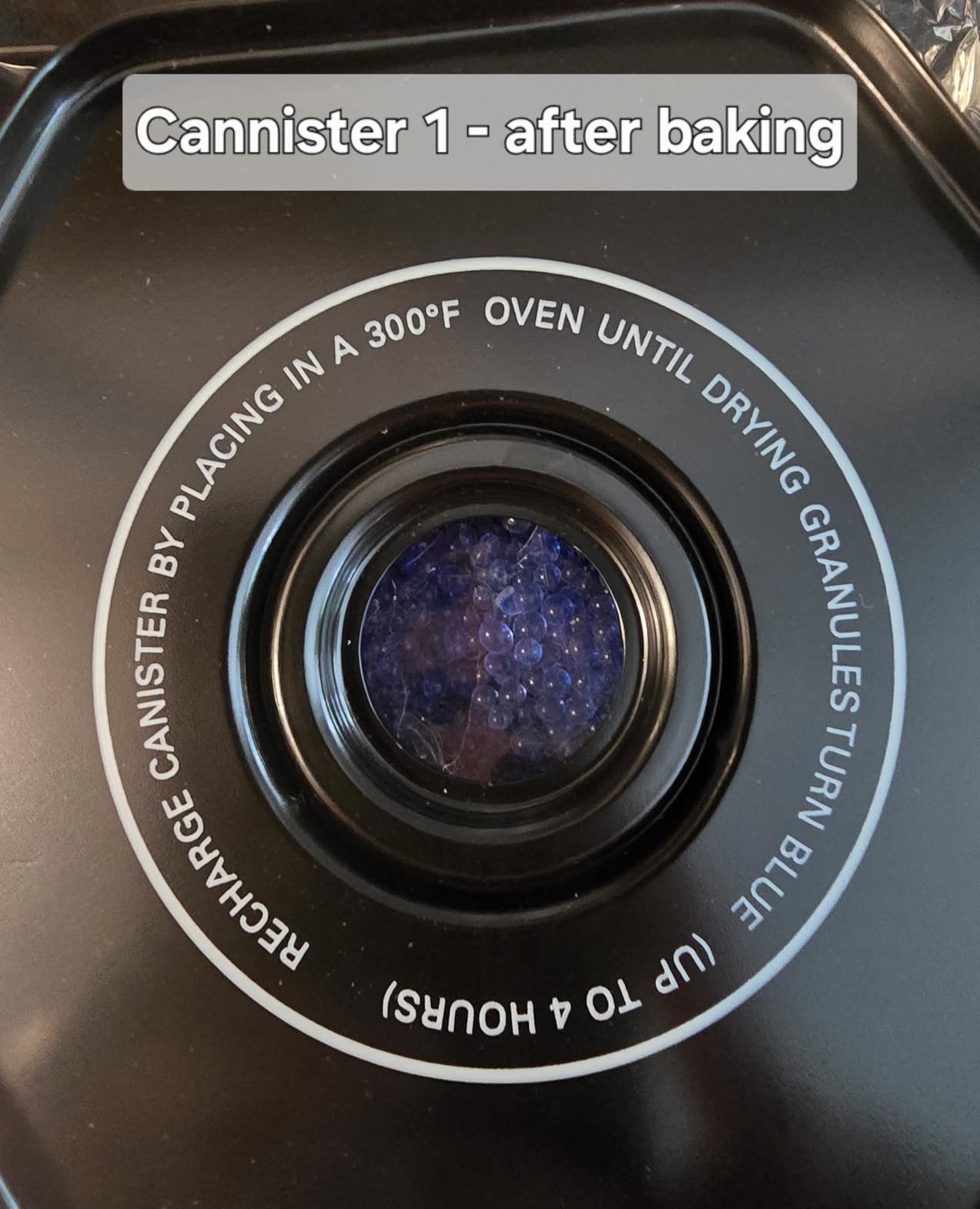
The color-changing crystals are the feature owners mention most. You glance through the window, see the granules shift from blue toward pink, and you know the canister needs baking. No weighing, no microwave cycle, no guesswork about charge level.
Users report measurable relative humidity drops within a night of a full recharge, which is faster than we expected from a passive unit. In a dry climate-controlled closet one canister can hold for months.
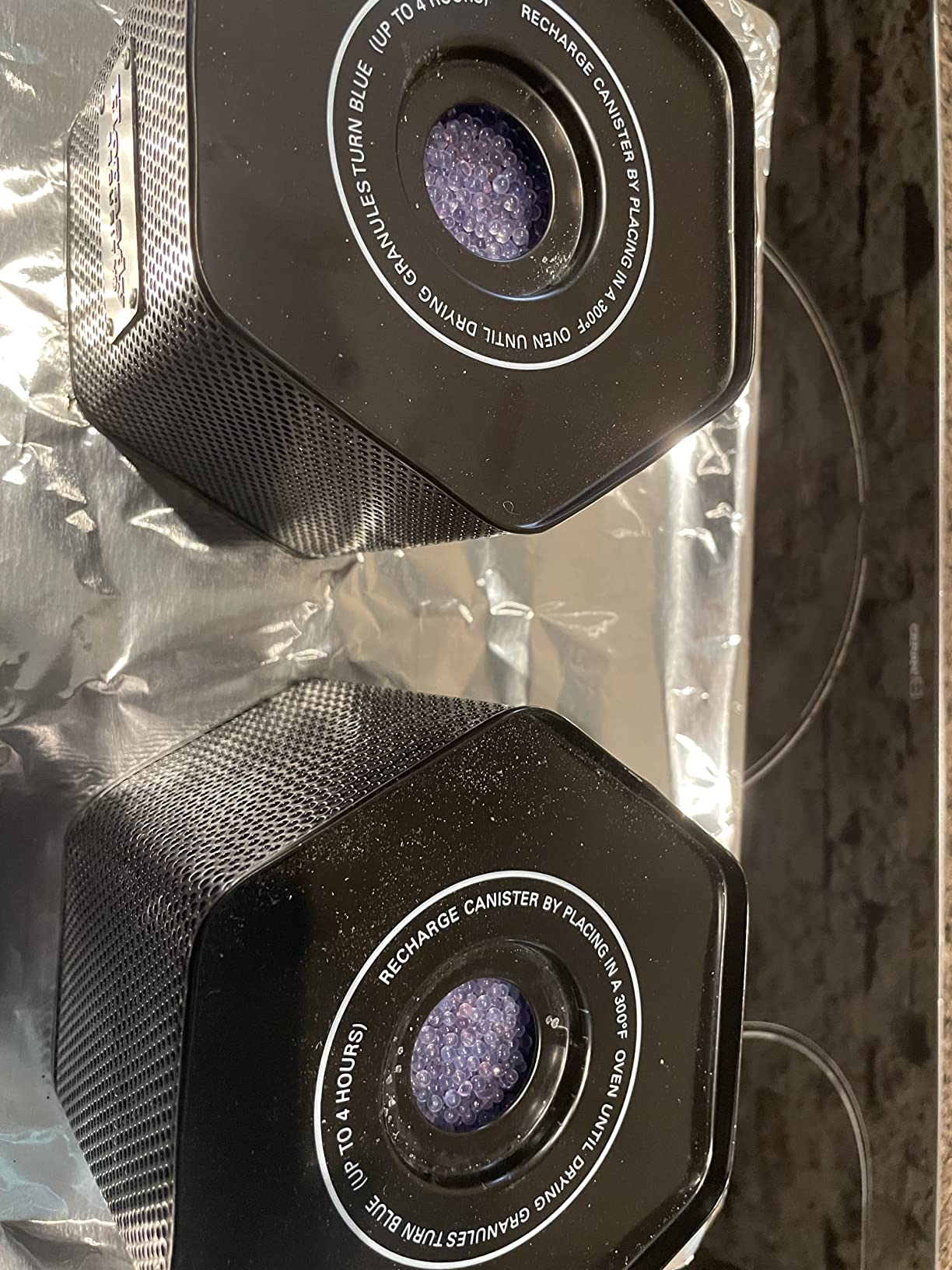
Best fit for safes and ammo cans together
The 50 cubic foot rating makes this a small-enclosure unit by design. Its strength is that you can deploy several at once across a handgun safe, a rifle safe, and a set of ammo cans, which is where the gun-brand credibility matters most.
Two or three canisters in one larger safe is the pattern owners describe, and each one costs nothing to renew beyond oven time.
The recharge schedule nobody tells you about
In humid regions, reviewers report recharging roughly every four weeks through the summer. That is the real maintenance cost of a passive unit and the reason we always pair one with a rod.
A small number of owners report units that stopped holding a charge after a few years, so replace rather than troubleshoot when the window stops changing color.
5. Zarpax Camouflage 4-Pack – Best for Multiple Containers
Zarpax Gun Safe Dehumidifier Camouflage Rechargeable Desiccant – 4 Pack
Four rechargeable desiccant canisters
No wires or power needed
About 6 minutes in the microwave
Pros
- No wires
- batteries or power needed inside the safe
- Rechargeable in a microwave in about 6 minutes
- Can also renew on a radiator or in direct sunlight
- Claimed 100+ uses per canister lowers long-run cost
- Leak-free and spill-proof design
Cons
- Four canisters at 2 pounds are bulky for a small safe
- Needs regular manual checking of the indicator
- Recharging still takes the canister out of service
This four-pack exists because most people who care about humidity have more than one container that needs protecting. A rifle safe, a handgun safe, a couple of ammo cans, and a closet with optics in it is four separate humidity problems, and this covers all of them from one purchase.
Each canister holds 200 grams of silica gel and recharges in about 6 minutes in a microwave. Owners also renew them on a radiator or in direct sunlight until the indicator returns to a bright blue, which is slower but means you are not tying up the kitchen microwave.
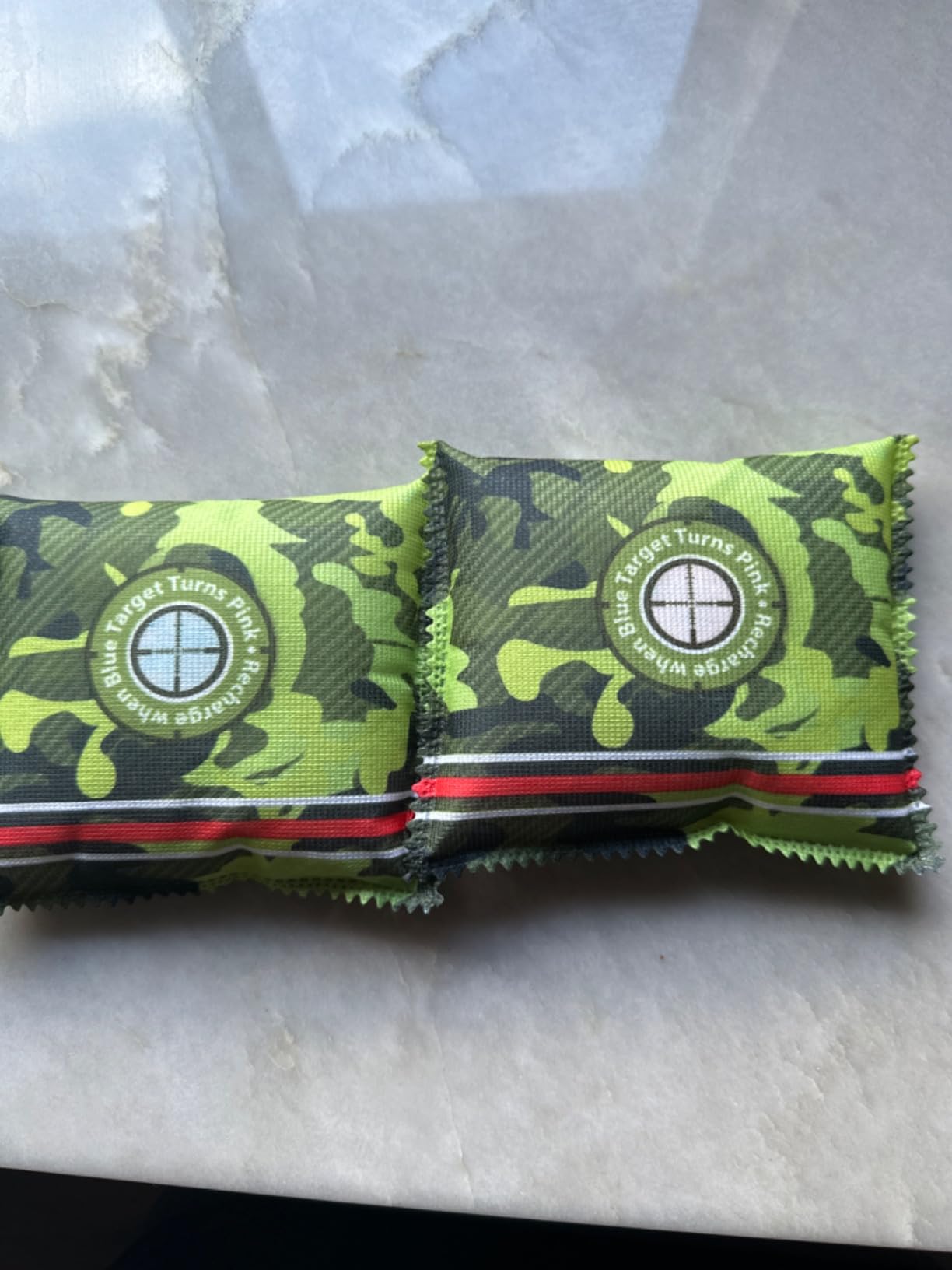
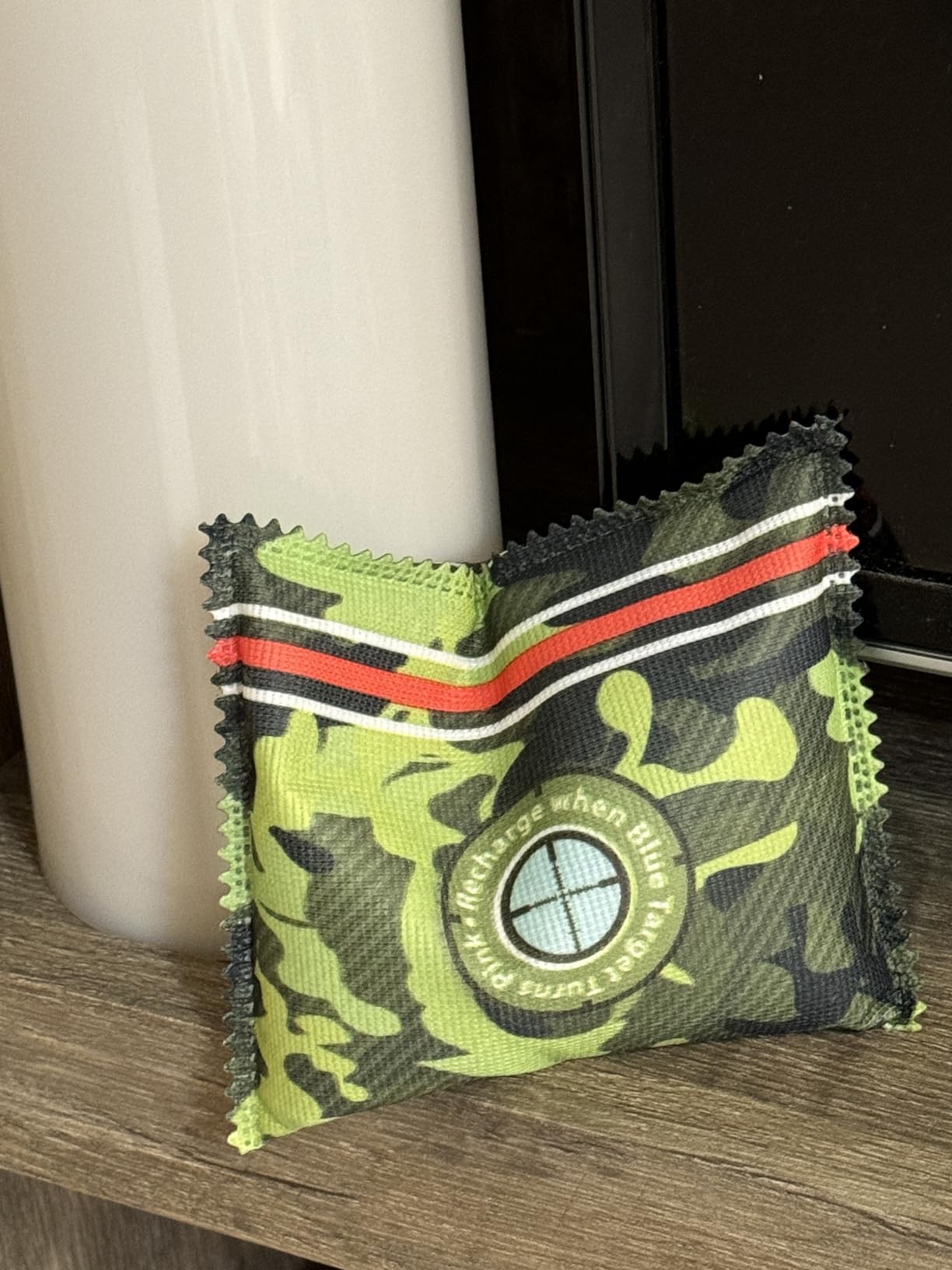
The leak-free design is the detail we look for in any desiccant that shares a box with a firearm. Nothing here can spill onto a stock or a lens, which removes the main objection owners raise about loose silica gel.
The claimed 100+ reuses per canister is what makes this economical over a multi-year span, and reviewers report the recharge cycle holds up well beyond a handful of uses. Pack sizes are also offered in one, two, four, and eight counts, so you can add capacity as you acquire safes.
Why four canisters beat one big canister
Spreading four canisters across four containers beats concentrating one in the biggest safe. A single canister placed in one enclosure does nothing for the other three, and owners describe that as the difference between a system and a fix.
Also useful if you rotate storage, since a canister in an ammo can can sit dormant for a year without being recharged.
Where the bulk becomes a problem
At two pounds for the pack, four canisters take real space. In a small handgun safe you will likely place only one and store the others, which defeats the spread-out advantage.
The ongoing task is also manual. Nothing reminds you that a canister is saturated except your own habit of checking the indicator.
6. Hornady 95900 Rechargeable – Best with a Mounting Bracket
Hornady Rechargeable Dehumidifier 95900 – Portable Moisture Absorbers with Silica Gel to Prevent Moisture Damage for Gun Safe Accessories, Firearms, & More in Gun Safes & Cabinets, Closets, & Pantries
Cordless silica gel unit
Up to 333 cubic feet
Recharges on a 110V outlet in about a day
Pros
- Cordless operation avoids running a power cord inside the safe
- Color-changing crystals give a recharge reminder
- Includes a quick-connect mounting bracket
- No batteries or chemicals required for normal use
Cons
- Indicator colors in the printed manual contradict the sticker on the unit
- Needs recharging roughly every two weeks to a month in humid conditions
- Some owners report weaker results than the Hornady 95902 canister
The 95900 solves the cord problem without giving up desiccant capacity. It works with no power inside the safe, then renews itself on a 110V outlet over roughly a day when you take it out. The practical effect is that you need an outlet somewhere in the building, not inside the enclosure.
At up to 333 cubic feet of rated coverage, it has the largest stated capacity of any desiccant unit in this roundup. Owners frequently run two of them per safe, which is the community’s standard redundancy pattern.
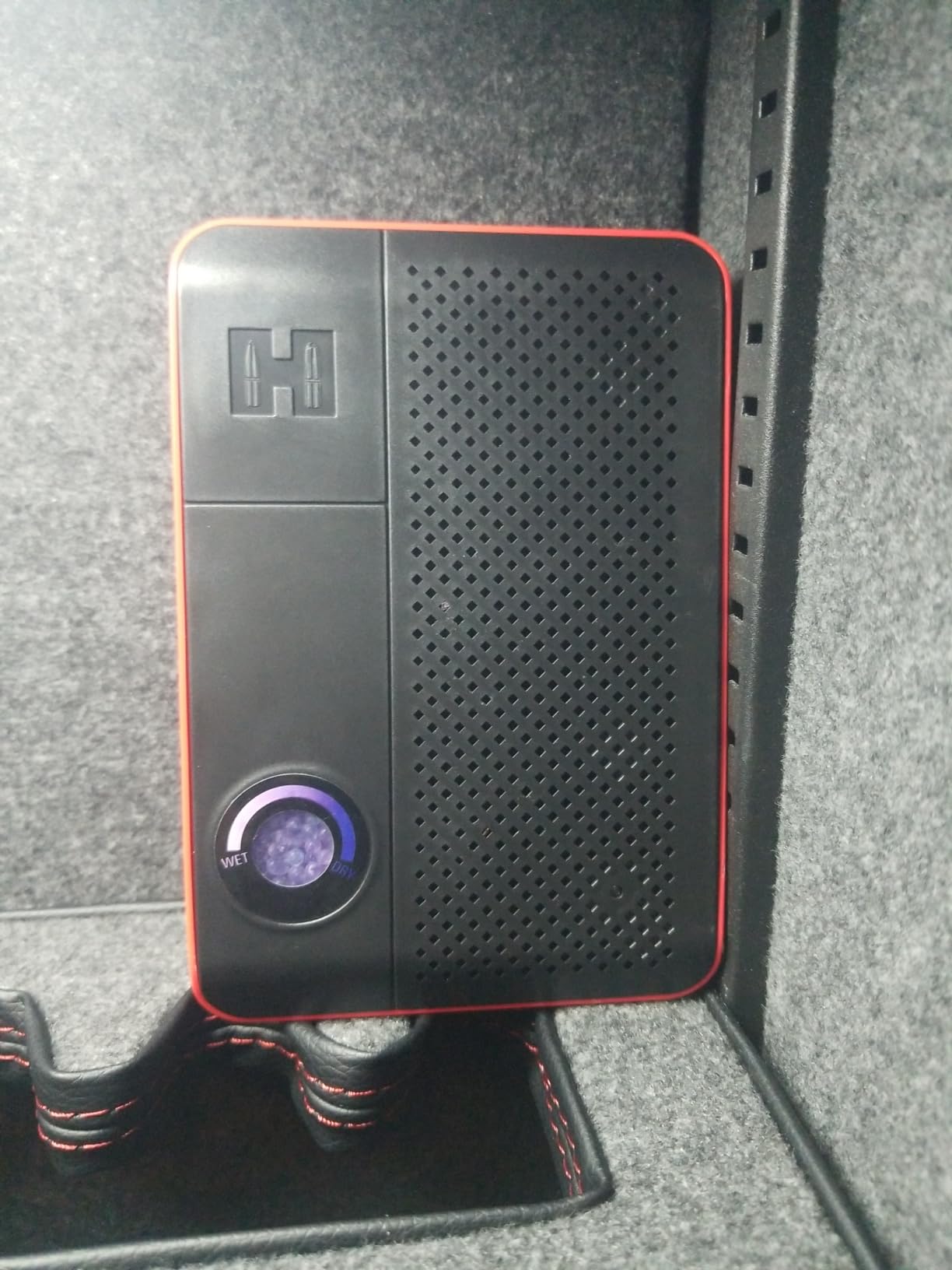
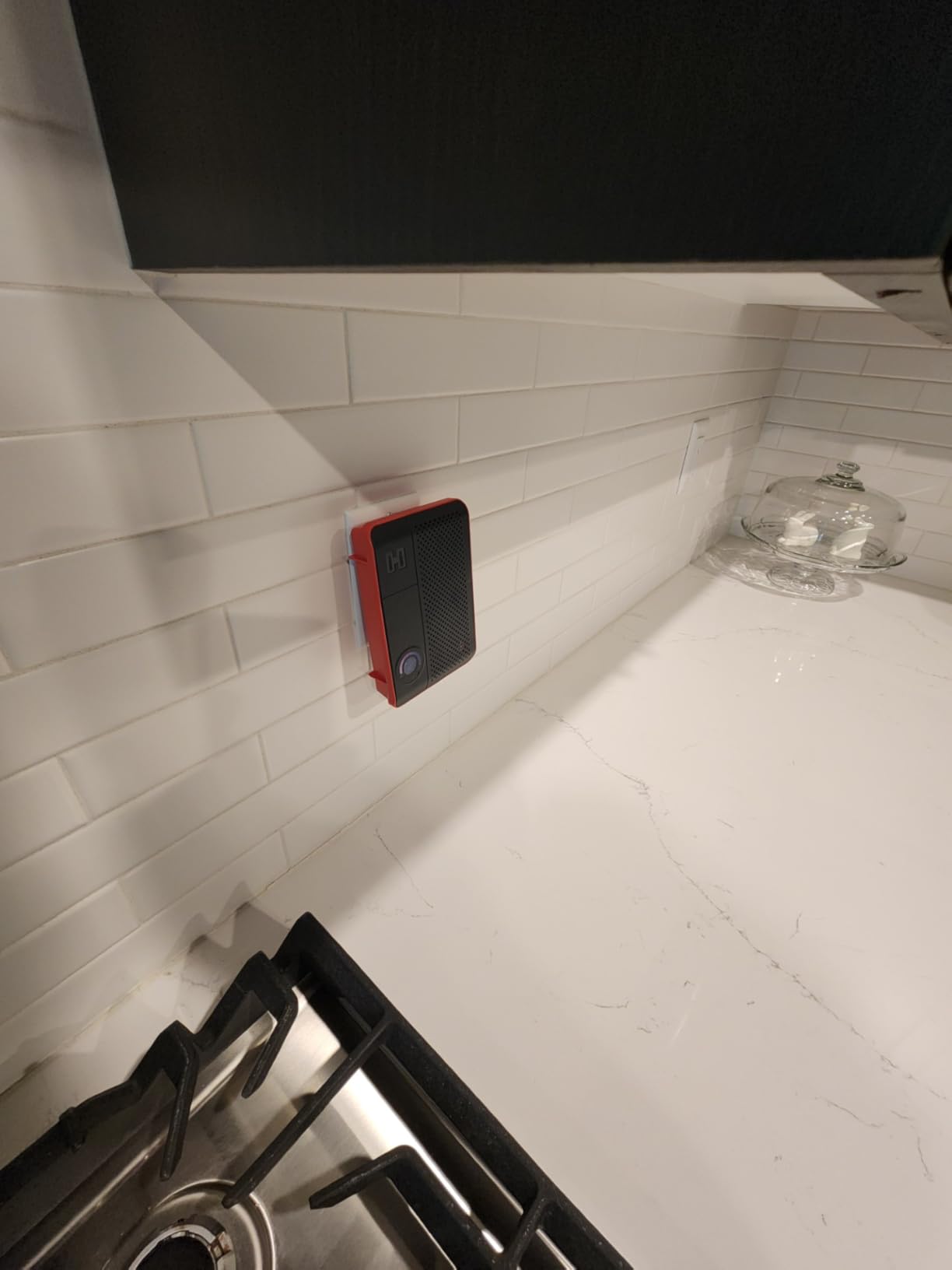
The included quick-connect mounting bracket is the reason we put it on this list as a distinct pick. In a safe where vertical wall space is unused, clipping the unit high on a wall keeps the floor clear and puts the desiccant in rising air.
It is also non-toxic and safe around children and pets, which matters for a unit that might sit in a closet or pantry rather than a locked safe. Reviewers confirm it works in hard cases, gun bags, cars, and RVs as well as safes.
What the outlet situation really means
Cordless here means no cord inside the safe, not no power ever. You still need a 110V outlet to recharge, and roughly a full day of charging, so plan the swap around a visit to the safe.
That recharge time is the main scheduling constraint for people who open their safes once or twice a year.
The indicator documentation mismatch
The most-reported complaint is documentation, not performance: the color chart in the printed manual contradicts the sticker on the unit itself. Owners report the gauge often only reaches clear rather than fully dry blue.
Treat the indicator as a directional cue and confirm with a hygrometer.
7. Afloia TOPZ 2+1 Heating Base – Best with a Drying Station
Afloia Gun Safe Dehumidifier, Rechargeable Cordless, Heating Base, TOPZ 2+1
Two cordless sticks plus heating base
Up to 54 sq ft coverage
Removes up to 4oz of moisture
Pros
- Only the heating base is wired
- the sticks work cordless with no batteries
- 360-degree circular air inlet increases the absorbing area
- Silica beads shift from orange to dark green as a recharge cue
- Automatic shutoff on the base prevents overcharging
Cons
- Covered area is limited to about 54 sq ft so larger safes need more
- Heating base pulls 50W continuously while recharging
- Sticks must be returned to the base every two hours to keep renewing
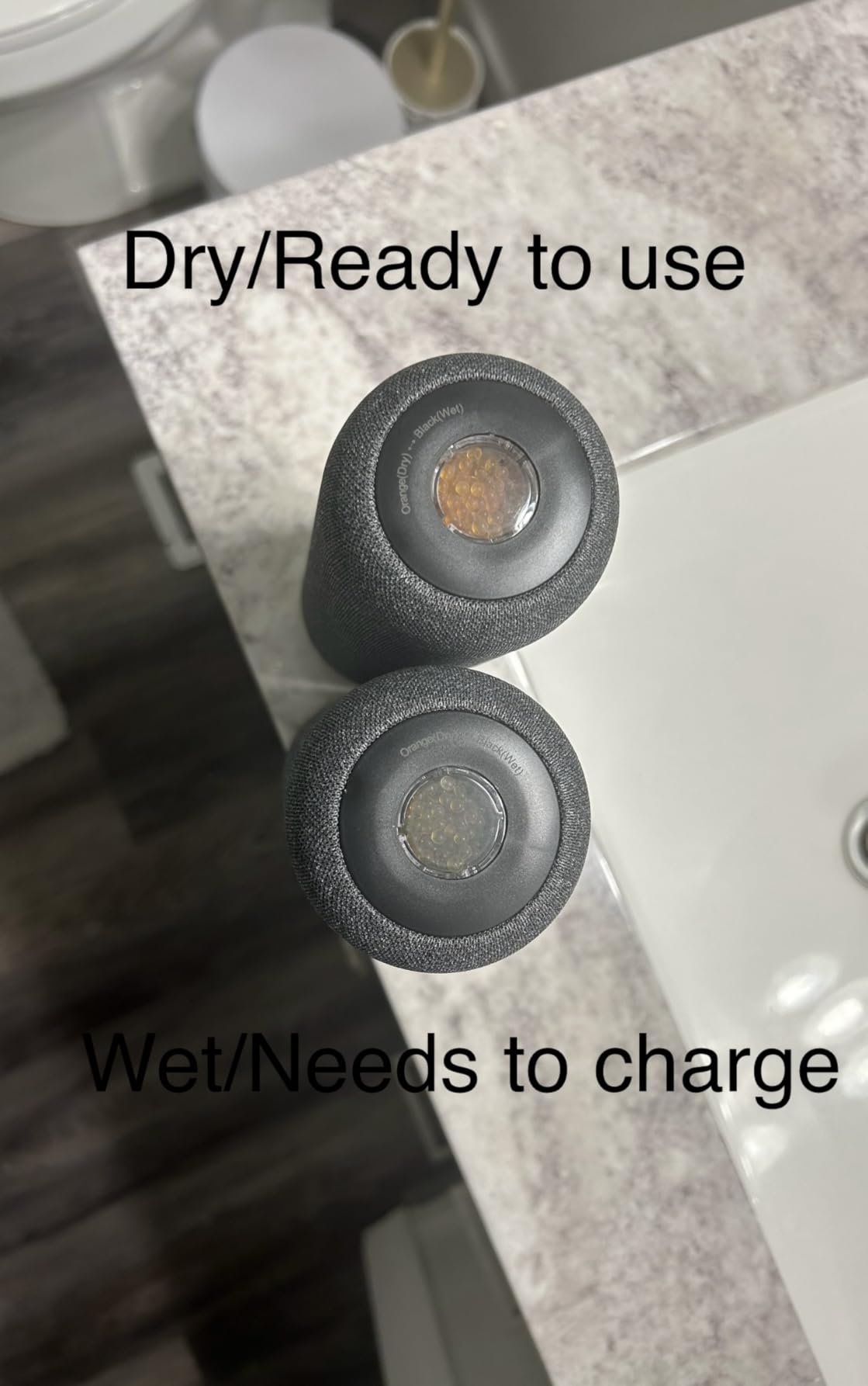
The Afloia is the most appliance-like solution here. Two cylindrical sticks dehumidify entirely on their own, and a PTC heating base on the outside recharges them in about 2 hours with automatic shutoff so nothing gets over-dried. You get cordless operation inside the safe and a proper drying station outside it.
The 360-degree circular air inlet is what separates this from a straight canister. Air can enter from every side of the cylinder, so the exposed bead surface is larger than the footprint suggests. Reviewers like the status window that shows the color state without opening anything.
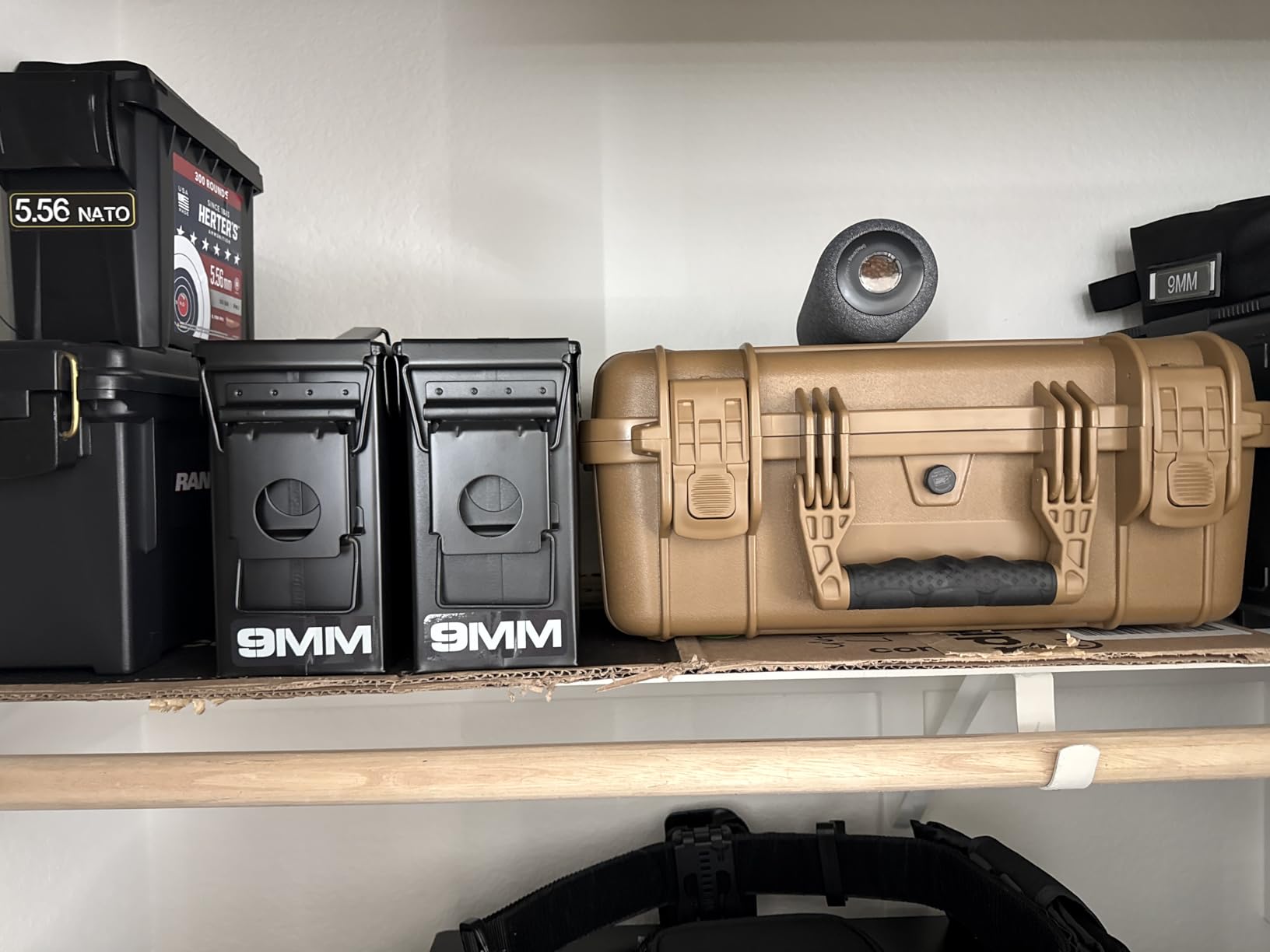
Removing up to 4 ounces of moisture makes this viable for a handgun safe or a small cabinet where a rod would be overkill. It also runs quietly enough to sit inside an enclosure without any noise complaint.
The 24 months warranty with lifetime support is longer than most passive units in this roundup offer, and the 30-day money back window makes it an easy thing to test on your own safe.
Best use for a small safe with an outlet nearby
The stick-plus-base arrangement works when you can dedicate a shelf or a wall socket somewhere outside the safe. Two sticks in a handgun safe, base on a nearby shelf, swap every couple of hours and you never think about it again.
Reviewers confirm it handles moderate humidity well and quietly, with the base auto-shutting off when the beads are dry.
Why the 54 sq ft rating limits you
That rating is the constraint. It covers roughly 54 square feet, which is a small safe or a cabinet, not a large multi-gun safe. Bigger enclosures need two sticks or a different category entirely.
Reviewers also describe the indicator window as sometimes misleading about actual charge level, so confirm with a hygrometer.
8. PEET SafeKeeping – Best for Low Heat Output
PEET SafeKeeping Dehumidifier for Gun Safes & Cabinets Up-To 300 Cu Ft
Warm-air circulation up to 300 cubic feet
13 watt continuous draw
No maintenance or refills
Pros
- Actively circulates warm air instead of relying on radiant heat alone
- Completely silent with no moving parts
- 13W draw is less than a standard light bulb
- Several owners report units still running after two to three years
- Adds minimal heat compared with heating rod designs
Cons
- The detachable plug must be pushed firmly into the cap or the unit will not power on
- Some reviewers find the air movement insufficient in cooler climates or large spaces
- Can warm a safe noticeably in summer when the room is already hot
The PEET takes a different approach from a heating rod. Instead of radiating heat from a hot element, it moves warm air through the enclosure to keep humidity distributed evenly, and it does so with no fan and no noise. There are no filters, no refills, and nothing to service.
At 13 watts it draws less than a standard light bulb, roughly a fifth of what a Golden Rod pulls. That low draw combined with minimal added heat is why owners who store precious metals alongside firearms gravitate here.
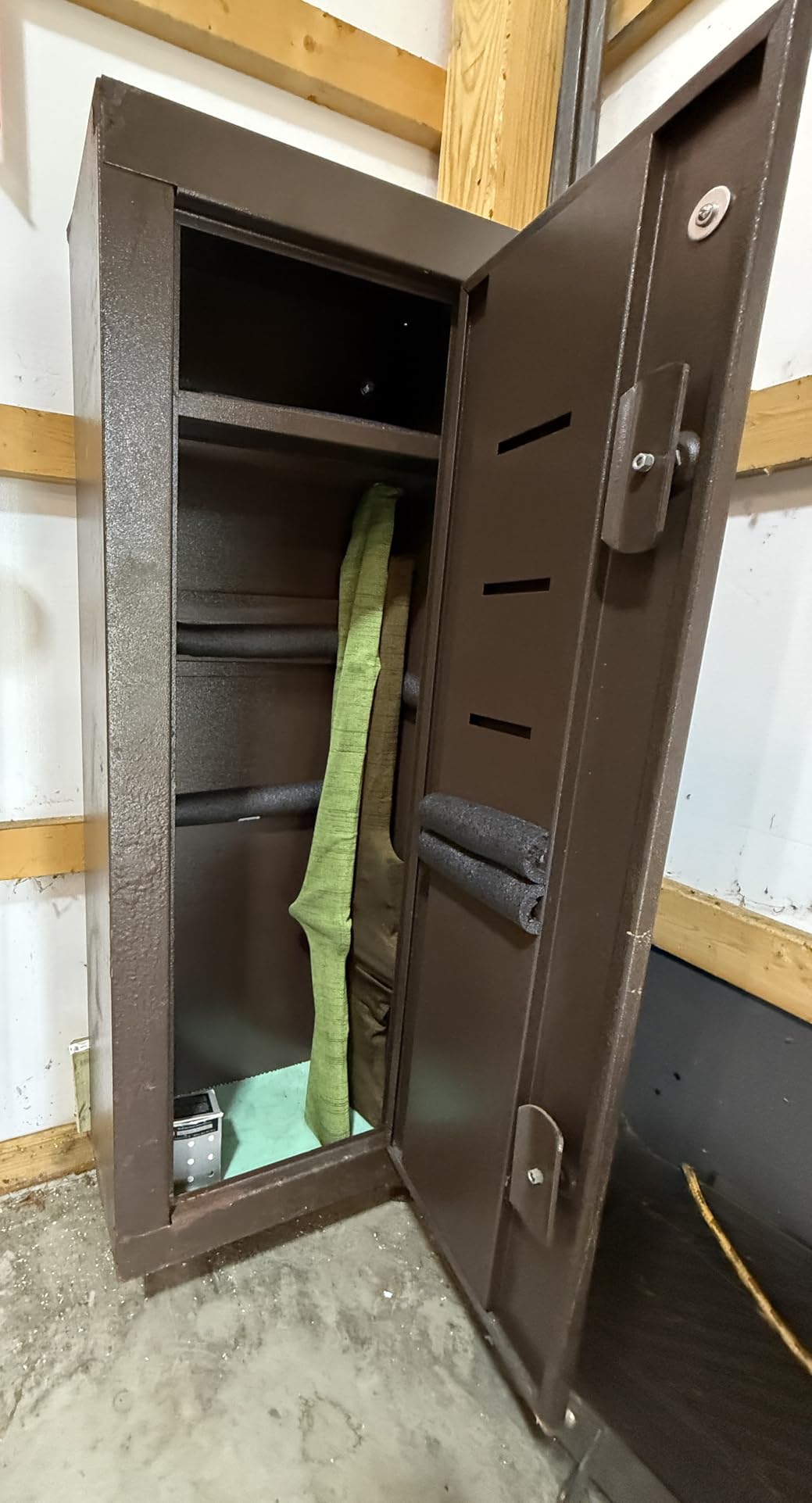
What convinced us most is the durability reports. Several owners describe units still running after two to three years of continuous operation, and the 5-year warranty is the longest in this roundup. A brand that has been making dryers since 1968 backs that kind of claim.
At up to 300 cubic feet of coverage, the SafeKeeping handles a residential safe of typical size. The PEET brand also offers a larger variant rated up to 600 cubic feet for gun rooms, which is worth knowing if you move up.
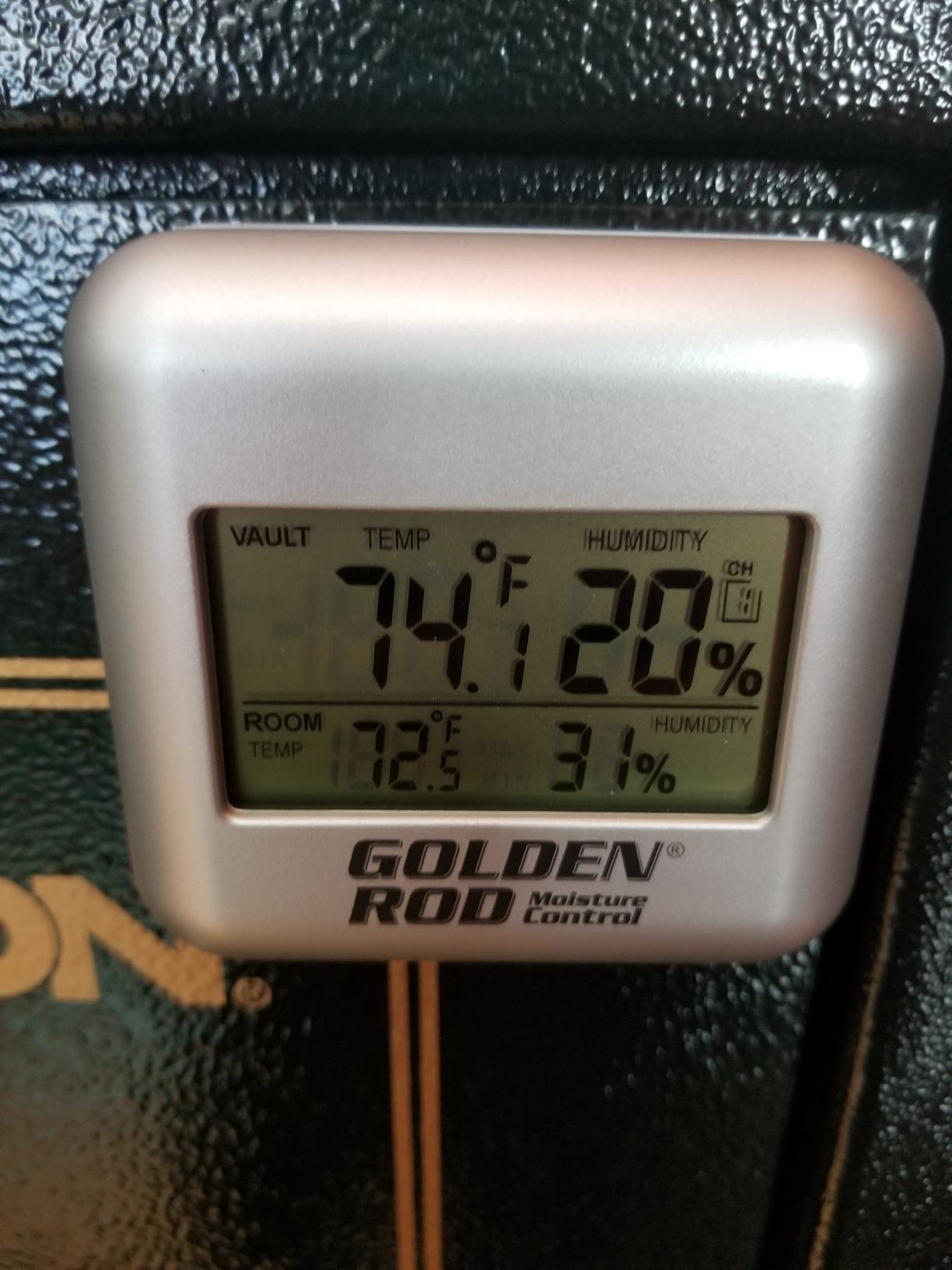
Why lower heat matters for leather and optics
Radiant rods get hot enough that you can feel them. The PEET adds noticeably less warmth, which owners who keep saddles, optics, or paper documents in the same enclosure prefer.
It is also the least noisy option we covered, with no moving parts at all, so there is nothing to wake you if the safe is in a bedroom closet.
The plug trap and the cold-weather limit
The detachable two-prong plug must be pushed firmly into the cap or the unit simply will not power on. That single detail generates most of the customer service questions this product receives, and the blue indicator confirms it is running.
Reviewers in cooler climates or very large spaces report the air movement is not enough on its own, so add a desiccant canister for coverage.
9. Hornady 95903 12in Rod – Most Versatile
Hornady 95903 Electronic Gun Safe Dehumidifier Rod (12″),Black
Electronic heating rod for gun safes
12 inch length
7 watts, about 100 cubic feet
Pros
- Simply plug in and it runs continuously with no maintenance
- 7W draw keeps electricity use negligible
- Compact 12 inch rod fits tight safe interiors
- Helps prevent rust and corrosion on stored firearms
Cons
- Covers about 100 cubic feet which limits it to smaller safes
- Radiant rod design raises the interior temperature of the safe
- Shorter length means less even heat distribution in larger enclosures
This is the entry point most people should start from. A 12 inch rod from a firearms brand, 7 watts of continuous draw, plug it in and it works indefinitely with no consumables and no recharge cycle.
At roughly 100 cubic feet of coverage it is sized for handgun safes, small rifle cabinets, and lockboxes rather than a large safe. If your safe is anything bigger, step up to the 18 or 24 inch rod instead of hoping this one stretches.
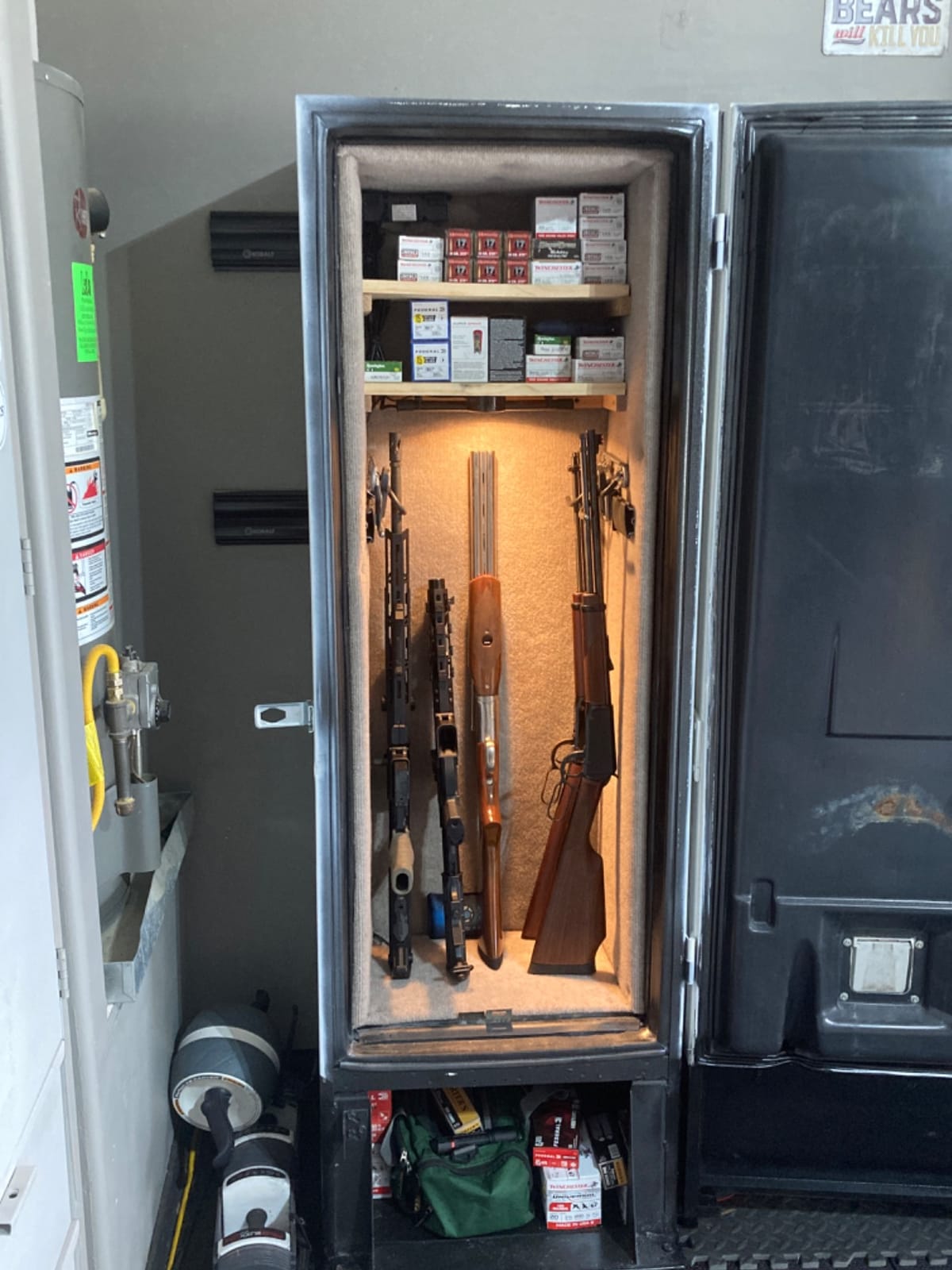
The 12 inch length is what makes it useful in a crowded enclosure. It mounts along a wall without taking up usable floor space, and the low draw means leaving it plugged in year-round costs almost nothing.
Owners consistently describe it as straightforward and dependable, which is exactly what you want from a device whose whole job is to run unattended for years.
Where a 100 cubic foot rod is the right size
That rating lines up with a handgun safe or a small cabinet, which covers a lot of real needs. The rod’s low power draw also makes it suitable for a battery-backed setup or an outlet on a timer.
Reviewers note it fits tight interiors where a longer rod would not physically fit.
What you trade away for the lower cost
A radiant rod raises interior safe temperature, which is the same trade every heating rod makes. In a small enclosure the added heat is useful; in a hot garage it works against you.
The short length also means heat distribution is less even in larger spaces, and there is no bracket or plug system included beyond the basic setup.
10. Wisesorb 500g Canister – Best Desiccant Canister
Wisesorb 1 Pack 500 Gram Desiccant Canister, Indicating & Rechargeable Gun Safe Dehumidifier, Portable Desiccant Canister, Silica Gel Moisture Absorber for Storage
500g indicating silica gel canister
Cobalt-free indicating beads
250F oven recharge, 3 hours
Pros
- Large 500 gram capacity in a compact aluminum tin
- Cobalt chloride-free indicating beads change orange to green when saturated
- Transparent window makes charge status easy to check
- Reactivates in a 250F oven for about 3 hours and can be reused
- Suitable for safes
- ammo cans
- tool boxes
- weapon cases and camera gear
Cons
- Beads begin changing color at 20-50% RH before full saturation so color is a directional cue
- Oven reactivation takes a few hours and requires monitoring
- Many customer reviews relate to smaller desiccant packet variants rather than the 500g canister
If you want maximum passive capacity in one container, this is the pick. Five hundred grams of indicating silica gel in an aluminum tin with a transparent window, and the beads are cobalt chloride-free, which is the safety detail that matters when the container shares a box with ammunition and optics.
Recharge takes about 3 hours in a 250F oven. The tin can goes in as-is, there is no window to remove first, which removes the single most common mistake people make with plastic-topped canisters.
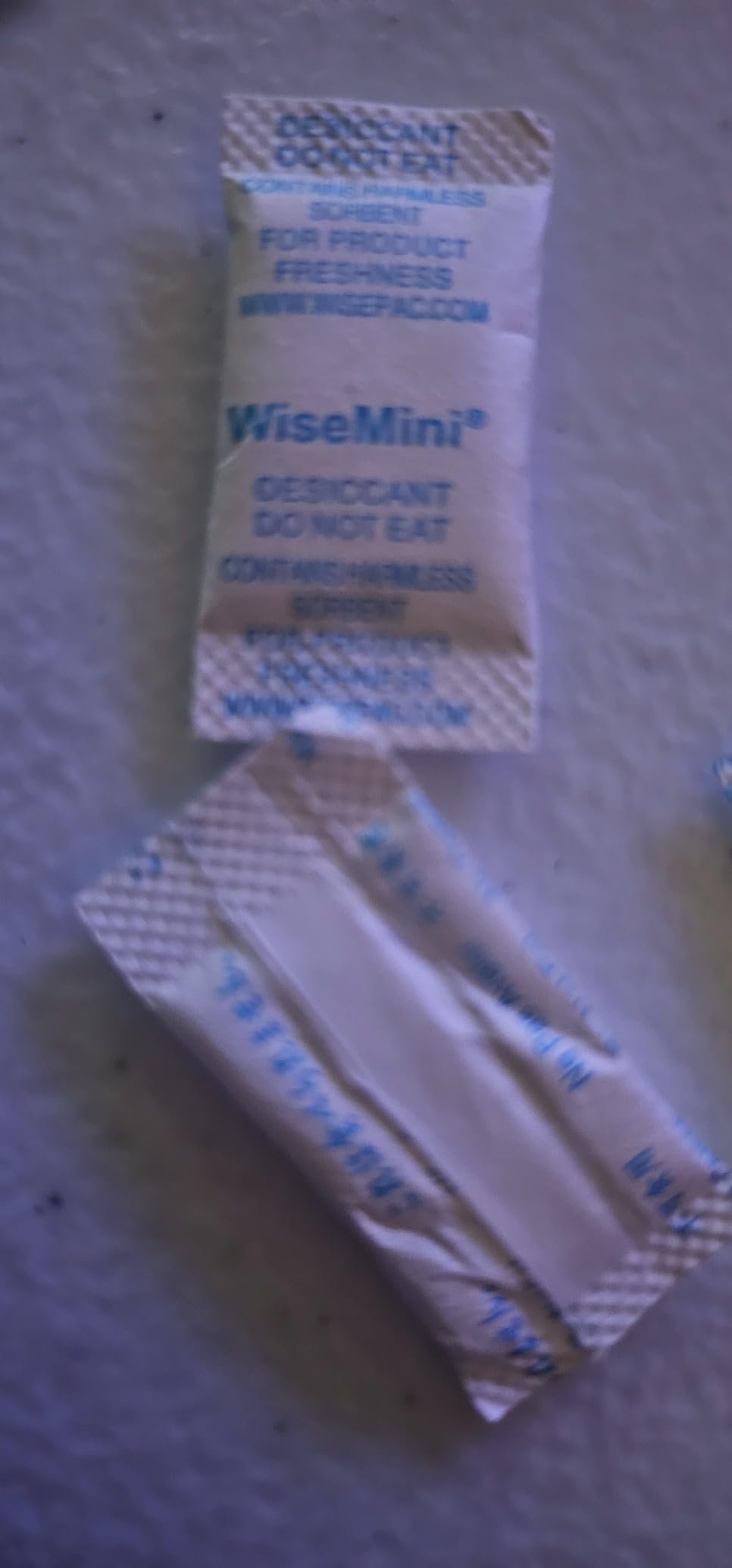
The bead color change from orange to green is easy to read at a glance through the window. The 2-4mm bead size gives a large exposed surface for the gram weight, and reviewers report this format working across safes, ammo cans, tool boxes, and camera storage alike.
One note on the reviews: many of the 1039 ratings belong to owners who bought smaller packet variants of the same brand, so treat the canister-specific feedback as narrower than the star average suggests.
What the color change does and does not tell you
Beads start shifting color at 20-50% RH, well before full saturation. That makes the window a directional cue that a recharge is coming, not a precise readiness gauge.
Use it to catch the trend, and use a hygrometer to confirm when the safe has actually reached your target.
Where the 500g capacity earns its place
Five hundred grams in a single container is the passive capacity you need when you rarely open the safe, because the longer the interval between visits the more moisture accumulates before you notice.
The tradeoff is oven time, and 3 hours is a real block to schedule around.
Gun Safe Dehumidifier Buying Guide
Do you actually need a dehumidifier in your gun safe?
Yes, if your safe lives anywhere without climate control: a garage, basement, storage unit, RV, or boat, or any humid region. Steel walls plus daily temperature swings produce condensation, and condensation is what pits bluing and rusts stainless.
If your safe sits in a climate-controlled closet in an arid region, you may get by with a hygrometer and one canister. Our in-wall safe guide covers the built-in safe options that stay inside the living envelope.
What relative humidity should a gun safe be at?
Aim for 30-50% RH and verify it with a digital hygrometer. Below roughly 30% you gain nothing on rust while risking cracked wooden rifle furniture, dried-out leather grips, and paper or adhesive in the same box.
Owners in dry western climates deliberately hold indoor humidity near 33% rather than chasing lower readings, which is the same instinct.
How to size a unit to your safe
Measure the interior, then multiply length by width by height in feet to get cubic footage. Under 100 cu ft suits a 12 inch rod or a single canister, 100-300 cu ft suits a 24 inch rod, an air circulator, or multiple canisters, and above 300 cu ft suits multiple passive units or a gun room dehumidifier outside the safe.
Do not rely on the exterior dimensions printed on the box; usable interior volume is always smaller.
Electric rod or rechargeable desiccant?
Choose an electric rod when you can get a cord into the safe and want zero maintenance. Choose rechargeable desiccant when you cannot drill, when you store ammunition you want physically separated from heat, or when you only visit the safe a few times a year.
The strongest setups use both. Rods stop new condensation, desiccants absorb what is already there, and owners consistently run two devices per safe for exactly that reason.
Installing a rod and routing the cord
First, check whether your safe has an existing grommet or access port, because most do and you can skip the drill entirely.
Next, detach the plug from the rod, feed the cord through the opening, and reconnect the plug on the inside. Mount the rod vertically or horizontally with its brackets on a wall or floor where it will not touch firearms.
Finally, plug it in and confirm operation before closing the door. If you must drill, use a rubber grommet around the hole to protect the cable sheath, drill slowly with cutting fluid to avoid swarf inside the safe, and vacuum out every metal shaving before reassembly.
Garages, basements, and rooms around the safe
Controlling the room around the safe matters as much as the safe itself. If the garage air is saturated, the safe is constantly importing moisture through its door seal each time it opens, and a rod alone will be working uphill.
A small condenser dehumidifier for the room is a common second step, and one owner measured roughly 3-3.5 cups of collected water per month from a single unit with an auto shut-off float.
Recharge schedule and monitoring
Electric rods need nothing. Oven canisters want about 3-4 hours at 250-300F every 4 to 8 weeks depending on climate. Outlet-recharge units need roughly a day on 110V every 2-4 weeks. Microwave sticks renew in 6-16 minutes.
Put a hygrometer in the safe, and if you use more than one gauge, average the readings because owner reports show materially different values across gauges in the same enclosure.
Frequently Asked Questions
Do I need to put a dehumidifier in my gun safe?
Yes, if your safe is in a garage, basement, storage unit, RV, or any non-climate-controlled space, or if you live in a humid region. Steel safe walls and daily temperature swings create condensation that pits bluing and rusts stainless parts. If the safe sits inside a climate-controlled home in a dry climate, start with a hygrometer and one rechargeable canister and add more only if readings climb.
What is the best way to keep humidity out of a gun safe?
Five steps do most of the work. Place the safe away from exterior walls and heat sources. Add a dehumidifier sized to the interior cubic footage. Run a digital hygrometer inside and keep readings between 30 and 50 percent RH. Dehumidify the room the safe sits in, not just the safe. Open the door briefly on a dry day to let air equalize rather than trapping warm moist air overnight.
What is a good moisture absorber for a gun safe?
Rechargeable silica gel is the best moisture absorber for a gun safe. It absorbs water vapor into the beads until they saturate, then changes color so you know it is time to renew it in an oven, on a heating base, or on a 110V outlet. Pick cobalt chloride-free indicating beads, and size the capacity to your safe: about 500g of gel suits a large safe you rarely open.
Where should I place the dehumidifier in my gun safe?
Place it on the floor or along a wall where it will not block the door or touch your firearms. Electric rods work best mounted vertically or horizontally on a wall where the warm air rises through the enclosure. Canisters should sit on the floor, since cold air and moisture collect there. Keep desiccant separate from ammunition, and never place a heating rod directly against leather or paper goods.
Is 25% humidity too low for a gun safe?
Yes, 25 percent RH is lower than you want. Rust risk drops off well before that point, so you gain nothing and risk cracked wooden rifle furniture, dried-out and brittle leather grips, and damage to paper or adhesives stored in the same enclosure. Hold the interior between 30 and 50 percent RH, and remember that cheap hygrometers disagree with each other, so average readings from two gauges.
Final Verdict: Which Gun Safe Dehumidifier Should You Buy?
The Lockdown Golden Rod is our pick for the best dehumidifiers for gun safes because it does the one job that matters most without any ongoing attention, covering up to 300 cubic feet on 110V with a limited lifetime warranty. Add a rechargeable silica gel canister beside it and you have the redundancy that long-term owners rely on.
Hold the interior between 30 and 50% RH, confirm it with a hygrometer rather than a product claim, and treat the collection inside as an investment. If you are still choosing the enclosure, our budget gun safe picks and large safe guide for collectors are worth a look before you start installing anything.