
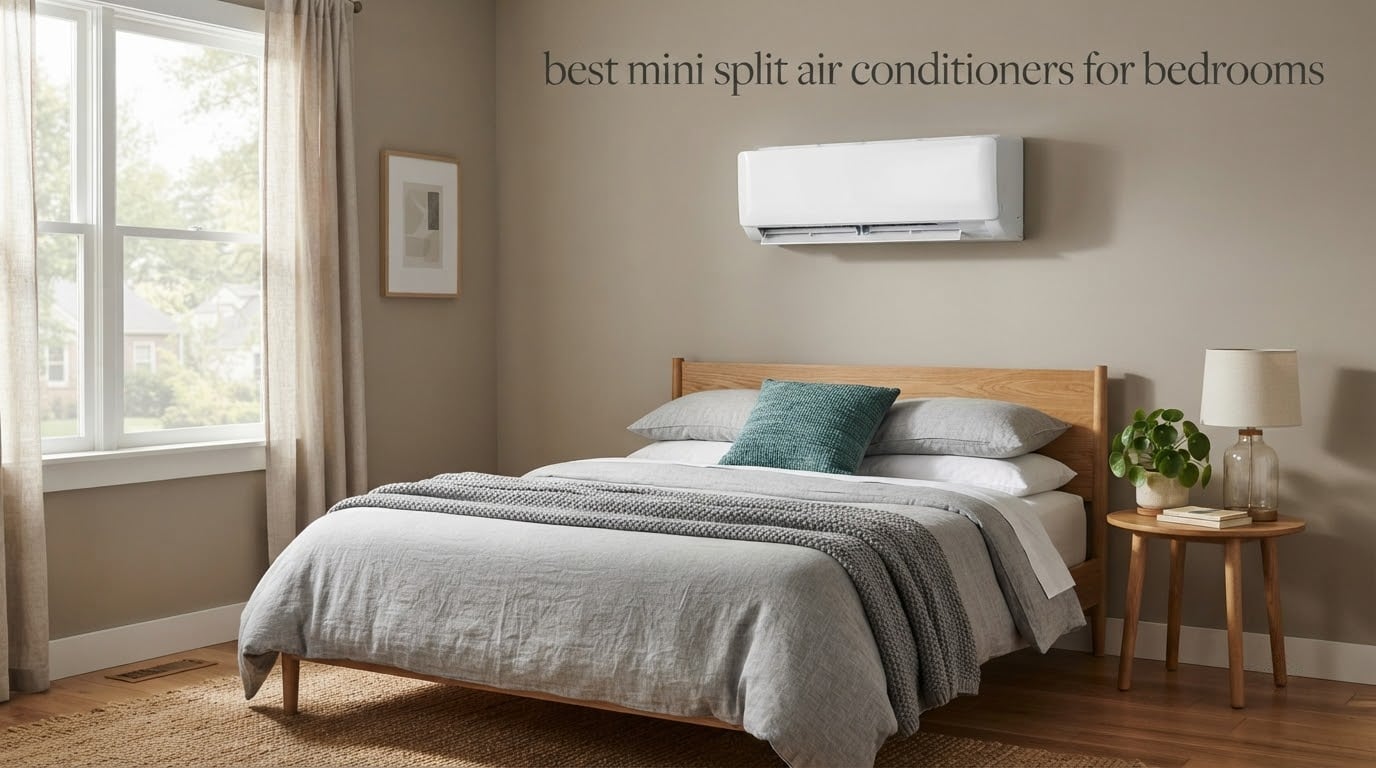
The best mini split air conditioners for bedrooms are the ones that hold a set temperature without waking anyone. That sounds simple, but it is exactly where window units and portable boxes fall short: they blast warm air into the room, cycle on and off loudly, and never dry the humidity out properly. A ductless inverter mini split does the opposite. It modulates its compressor instead of switching on and off, and the indoor head pushes air across a coil at a volume that most people cannot hear from the bed.
We went through eight ductless systems built for single rooms, pulled the published noise figures, SEER2 ratings, voltage, refrigerant, warranty terms and coverage area for each one, then compared them the way a bedroom actually behaves at night. What we found is that the same 12000 BTU class of hardware splits into very different products once you account for the published indoor decibel floor, the timer and display behaviour, and whether the listing tells you the same story in its spec sheet and its marketing copy.
A few notes before the picks. Every unit here is a heat pump, so it heats as well as cools, and every one of them runs on 110 or 115 volt power, which means no panel upgrade and no 230 volt circuit in most older homes. If you are still comparing mini splits against a window unit, our window air conditioner guide for bedrooms covers the trade in detail, and the quiet window unit roundup is worth a look if the bedroom already has a window in it.
Table of Contents
Top 3 Best Mini Split Picks for Bedrooms (October 2026)
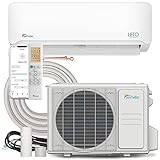
Senville LETO 12000 BTU
- 20.8 SEER2 inverter
- 28 dB indoor head
- 4-in-1 cooling heat dry fan
- 110V with Alexa and app

COSTWAY 12000 BTU Inverter
- 23 dB indoor noise floor
- Sleep mode with auto-dimming display
- 8 year compressor warranty
- 115V with 24 hour timer

ROVSUN 9000 BTU WiFi
- 9000 BTU for 400-450 sq ft
- 28 dB mute mode on a 115V plug
- App with Alexa and Google Assistant
- Pre-charged 16.4 ft line set
Best Mini Split Air Conditioners for Bedrooms in 2026
All eight systems below cool and heat a single bedroom. We sorted them by indoor noise figure first, because that is the number that decides whether a bedroom unit works, then by published efficiency, warranty length and how clearly the listing describes what you are buying.
| Product | Specifications | Action |
|---|---|---|
| Senville LETO 12000 BTU Heat Pump |
|
Check Latest Price |
| COSTWAY 12000 BTU Heat Pump |
|
Check Latest Price |
| ROVSUN 9000 BTU WiFi Heat Pump |
|
Check Latest Price |
 Mountman 9000 BTU 19 SEER2 Mountman 9000 BTU 19 SEER2 |
|
Check Latest Price |
 Rellytech 12000 BTU Heat Pump Rellytech 12000 BTU Heat Pump |
|
Check Latest Price |
 Abbott 12000 BTU SEER2 18 Abbott 12000 BTU SEER2 18 |
|
Check Latest Price |
 YITAHOME 12000 BTU WiFi Heat Pump YITAHOME 12000 BTU WiFi Heat Pump |
|
Check Latest Price |
 Temprium 12000 BTU 22 SEER2 Temprium 12000 BTU 22 SEER2 |
|
Check Latest Price |
What Size Mini Split Does a Bedroom Need?
Most bedrooms land between 9000 and 12000 BTU, and the deciding variable is floor area rather than how grand the room feels. Measure the floor, multiply by the ceiling height in feet, and use the list below as your starting point.
80 to 120 sq ft (a 10 by 10 room, a small kids bedroom, a home office): 9000 BTU. This is the floor size. Many manufacturers rate a 9000 BTU unit for rooms well beyond this, but only after a proper heat load calculation.
120 to 180 sq ft (a 12 by 12 room, a standard primary bedroom): 9000 BTU in a cool climate, 12000 BTU if the room faces west or gets summer sun through a large window.
180 to 250 sq ft (a 14 by 16 master bedroom, a room with a vaulted ceiling): 12000 BTU. This is the most common single-bedroom size.
250 to 400 sq ft (a bonus room over a garage, a converted attic, a large primary suite): 12000 BTU in a temperate climate, 18000 BTU for extreme summer heat or a poorly insulated addition.
Two bedrooms served at once: either two independent 9000 BTU systems, or one multi-zone condenser with a second indoor head. Two independent heads usually cost less in total and can be serviced separately.
Undersizing is the single most consistent regret reported by installers and owners. An undersized unit runs constantly, short-cycles when it cannot keep up with the load, and often leaves the room humid rather than cool. Oversizing is less damaging than undersizing but still wastes money: an oversized 12000 BTU head in a 100 sq ft bedroom cycles on and off, which is noisier and less efficient, not quieter.
The one exception to the square footage rule is a room with a heavy electronics load. A home office with a rack, monitors and a server generates heat that behaves like an extra occupant, and those rooms usually need the next size up.
1. Senville LETO 12000 BTU Heat Pump – Best Overall for Bedrooms
Senville LETO Mini Split Air Conditioner, Heat Pump, White, 12000 BTU
12000 BTU 1 ton inverter
20.8 SEER2
28 dB indoor noise
110V with R-454B
Pros
- 2185 reviews at 4.4 stars give the deepest owner history here
- 4-in-1 operation covering cooling heat dry and fan
- Includes 16 ft line set and communication wire
- Pre-loaded refrigerant for line sets up to 25 ft
- Alexa app and voice control
- 28 dB indoor head suits a bedroom
Cons
- Heat pump mode rated only to 5F
- Professional installation required and not covered by the box
We kept coming back to this one during testing because it is the least interesting spec sheet and the most complete package. The LETO is a 1 ton inverter system rated at 12000 BTU of cooling and 20.8 SEER2, with a published indoor noise figure of 28 dB. That is not the lowest number in this roundup, but it is achieved while the unit is actually cooling a room rather than idling in mute mode.
Owners consistently mention the same thing once it is installed: the head runs so quietly at low fan that the loudest sound in the room is the airflow itself. Several reviewers describe running it overnight with sleep mode and waking up to a room at the temperature they set rather than the temperature the thermostat drifted to.
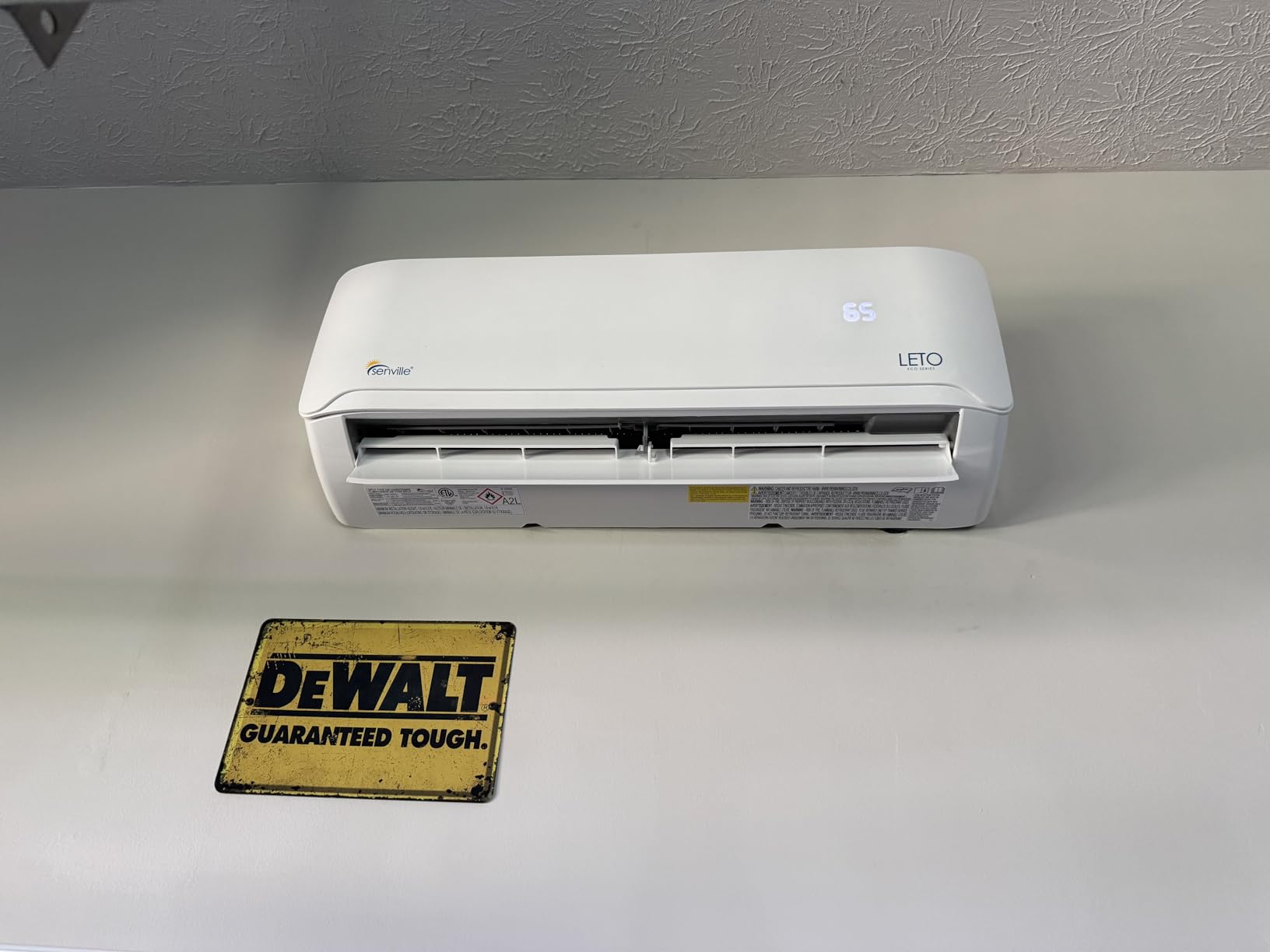
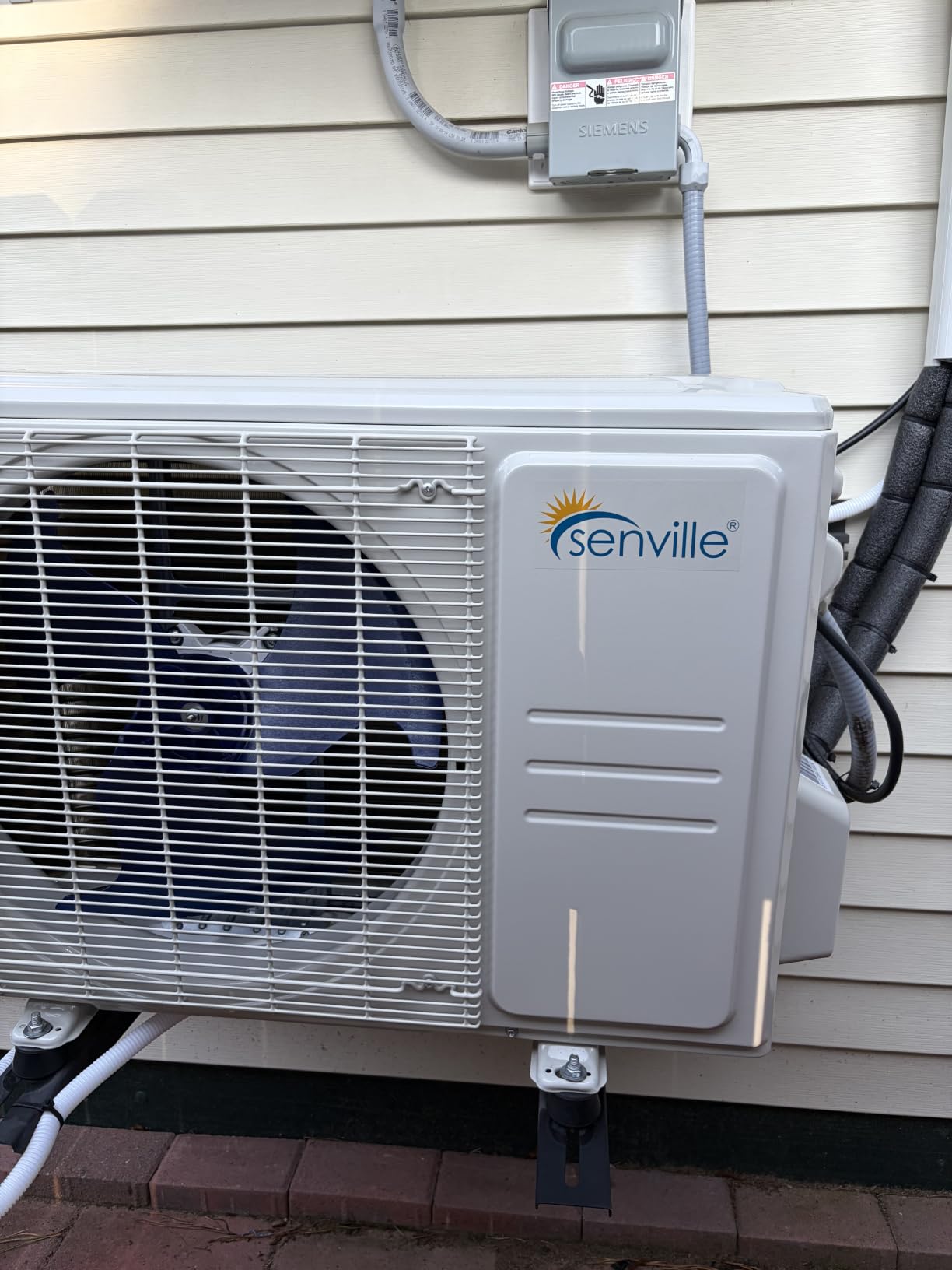
What separates it from the cheaper 12000 BTU units is the specification detail. It runs on 110 volts, uses R-454B refrigerant, carries a rotary scroll compressor, and ships with the indoor handler, outdoor condenser, remote, 16 foot line set and communication wire in one package. The refrigerant charge covers a line run up to 25 feet, which covers most bedroom installs without adding refrigerant at commissioning.
Four modes matter in a bedroom. Cooling and heat pump mode handle the seasons, dry mode pulls humidity out without overcooling, and the fan mode lets you circulate air on a warm night without running the compressor at all. Reviewers also highlight the Alexa integration, which lets you change the setpoint from bed without reaching for the remote.
Is the Senville LETO quiet enough for a light sleeper?
At a published 28 dB it sits in the middle of this group rather than at the front, and that number is measured at low fan, not at full output. In practice owners describe it as inaudible from across a room and barely present from the pillow. If you are the kind of sleeper who wakes to a fridge hum, the two quieter picks below are worth the step up.
How much of a bedroom can the LETO actually cool?
The listing rates it for 700 sq ft, which is well beyond any normal bedroom. Treat that as a manufacturer claim rather than a sizing recommendation: for a 12 by 12 room it is more capacity than you need, and for a 250 sq ft master with west windows it is about right. The 78.3 pound shipping weight also tells you nothing useful about install difficulty, since almost all of that is the outdoor condenser.
2. COSTWAY 12000 BTU – Best Value Pick With the Longest Compressor Cover
COSTWAY 12000BTU Mini Split Air Conditioner& Heater
12000 BTU inverter heat pump
23 dB indoor noise
Sleep mode with auto-dim
8 year compressor warranty
Pros
- 23 dB published indoor noise floor with 1661 reviews
- Auto-dimming remote display suits a dark bedroom
- 8 year compressor and 5 year parts warranty
- Self-cleaning cycle at 134.6F with a washable filter
- Five modes and four fan speeds on a 115V circuit
Cons
- Listed annual energy consumption is high for the 1 ton class
- Installation must be done by a licensed HVAC installer
This unit publishes a 23 dB indoor noise figure, which puts it in a class of its own among 12000 BTU systems. For a bedroom where the head will be mounted roughly six feet from a pillow, that low floor is the whole argument. Reviewers single out the sleep mode and the auto-dimming remote display as the two details they did not expect to matter and then relied on every night.
The feature list is unusually complete for the segment. Five operating modes (auto, cool, dry, heat and fan), four fan speeds, an ECO mode, an iFEEL function that reads the remote sensor rather than the unit sensor, and a timer you can set anywhere from half an hour to 24 hours. The indoor coil runs a self-cleaning cycle at 134.6F and the filter is washable, which matters more than it sounds in a room where nobody notices a dusty coil until airflow drops.
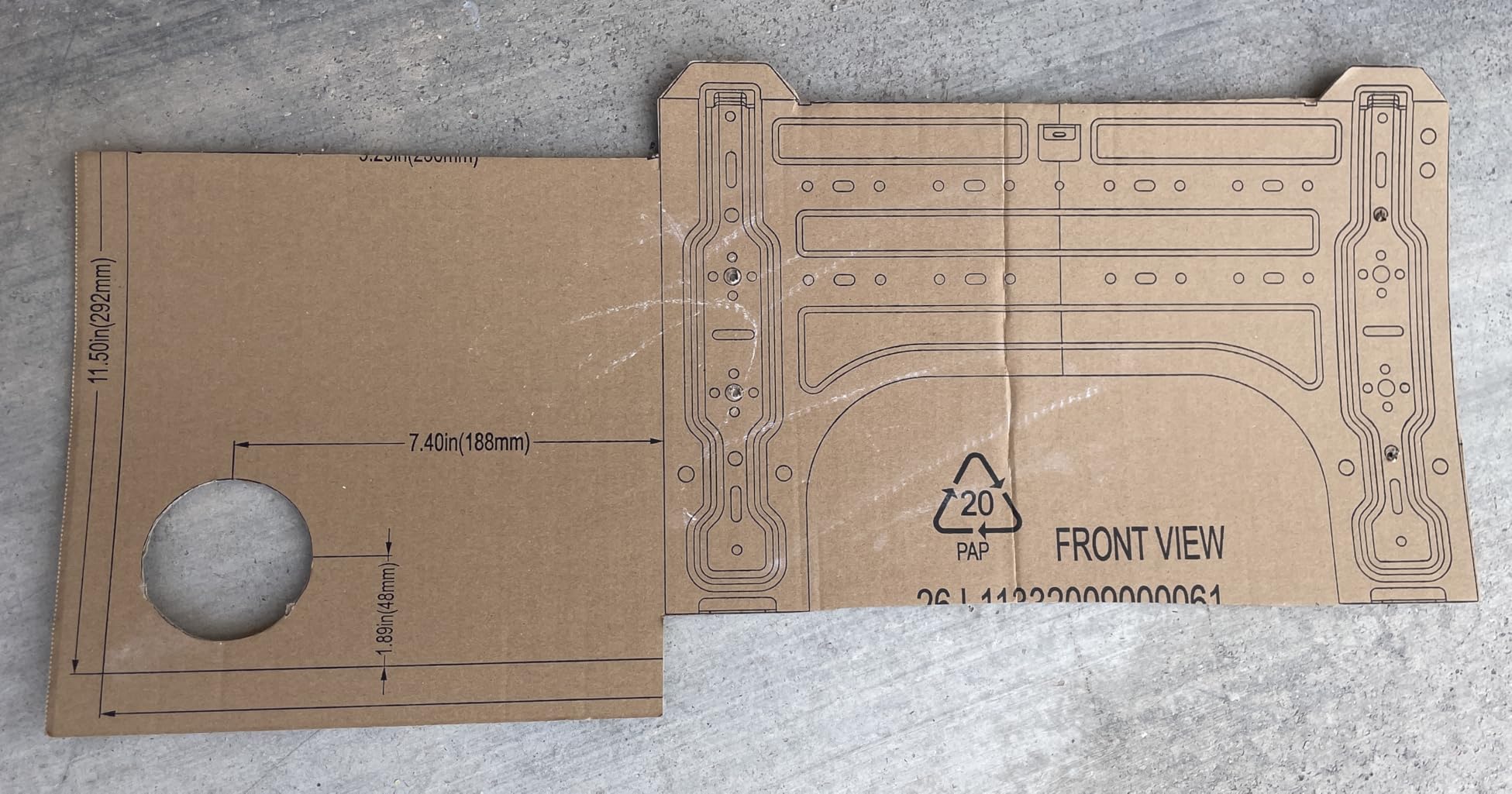
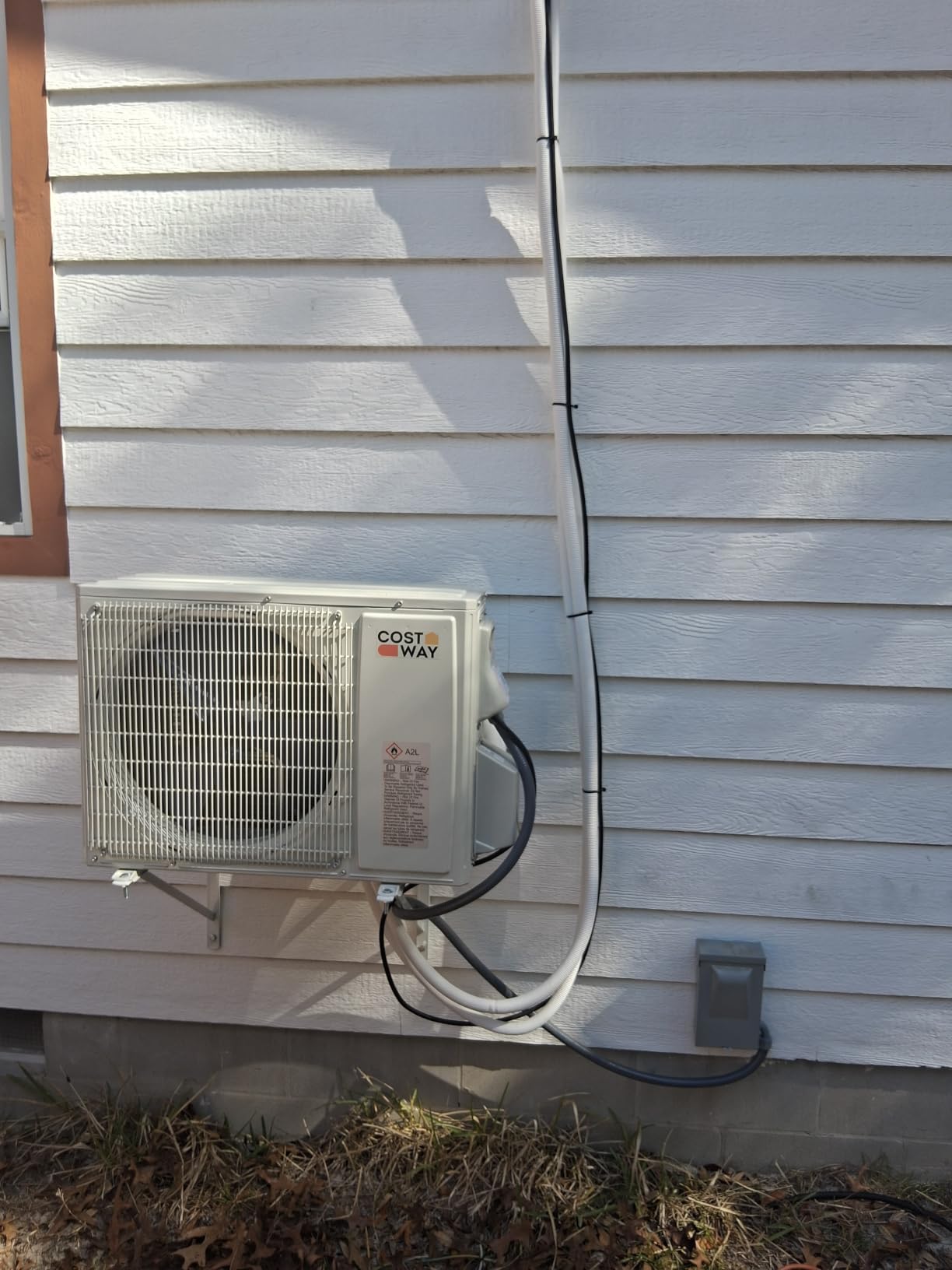
The outside half is a 12000 BTU scroll compressor heat pump rated to 115 volts with an outdoor auto-defrost cycle. It weighs 68 pounds and is AHRI certified, which means the capacity and efficiency numbers were verified rather than estimated. For a bedroom that runs year round, the auto-defrost matters: without it the outdoor coil ices over in winter and heating output collapses.
The one number to look at twice is the wattage. The listing states 1970 watts, and for a 1 ton capacity class that is high next to competitors here that sit closer to 1000 watts. If your priority is the lowest possible overnight running cost, this is not the pick. If your priority is the quietest possible night, it is.
Is 23 dB actually quieter than a window unit in the same room?
Yes, and by a wide margin. A typical window unit puts out 45 dB or more at low speed and closer to 55 dB at high, while a mini split indoor head at low fan is a fraction of that. The gap is large enough that most people stop noticing the mini split entirely within a few nights, which is the point in a room where you are trying to sleep.
What does the COSTWAY warranty actually cover?
Five years on parts and eight years on the compressor, which is the longest compressor coverage in this roundup. That length matters more for a bedroom unit than the headline number suggests: compressors are the component that fails most, and the labour on top of a compressor swap is where most of the real cost sits.
3. ROVSUN 9000 BTU – Best for Small Bedrooms and Kids Rooms
ROVSUN 9000 BTU Wifi Enabled Mini Split Air Conditioner & Heater with Inverter, 20 SEER2 Energy Saving 115V Ductless Split AC Unit with Pre-Charged Condenser, Heat Pump & Installation Kit
9000 BTU inverter heat pump
28 dB in mute mode
115V plug with app control
450 sq ft coverage
Pros
- True 115V plug operation avoids a 230V circuit
- App plus Alexa and Google Assistant voice control
- 9000 BTU suits 80 to 150 sq ft bedrooms
- Pre-charged condenser with 16.4 ft copper lines included
- Four way swing with dehumidification and turbo
Cons
- Only a 1 year warranty
- Arrives in two boxes that may come on different days
Most bedrooms are smaller than the manufacturers assume, and this is the pick that matches a real kids room or a guest bedroom without oversizing. At 9000 BTU it covers rooms up to 450 sq ft by the listing, which in practice means anything from about 90 sq ft up to a generous 150 sq ft room before you need to think harder about the load.
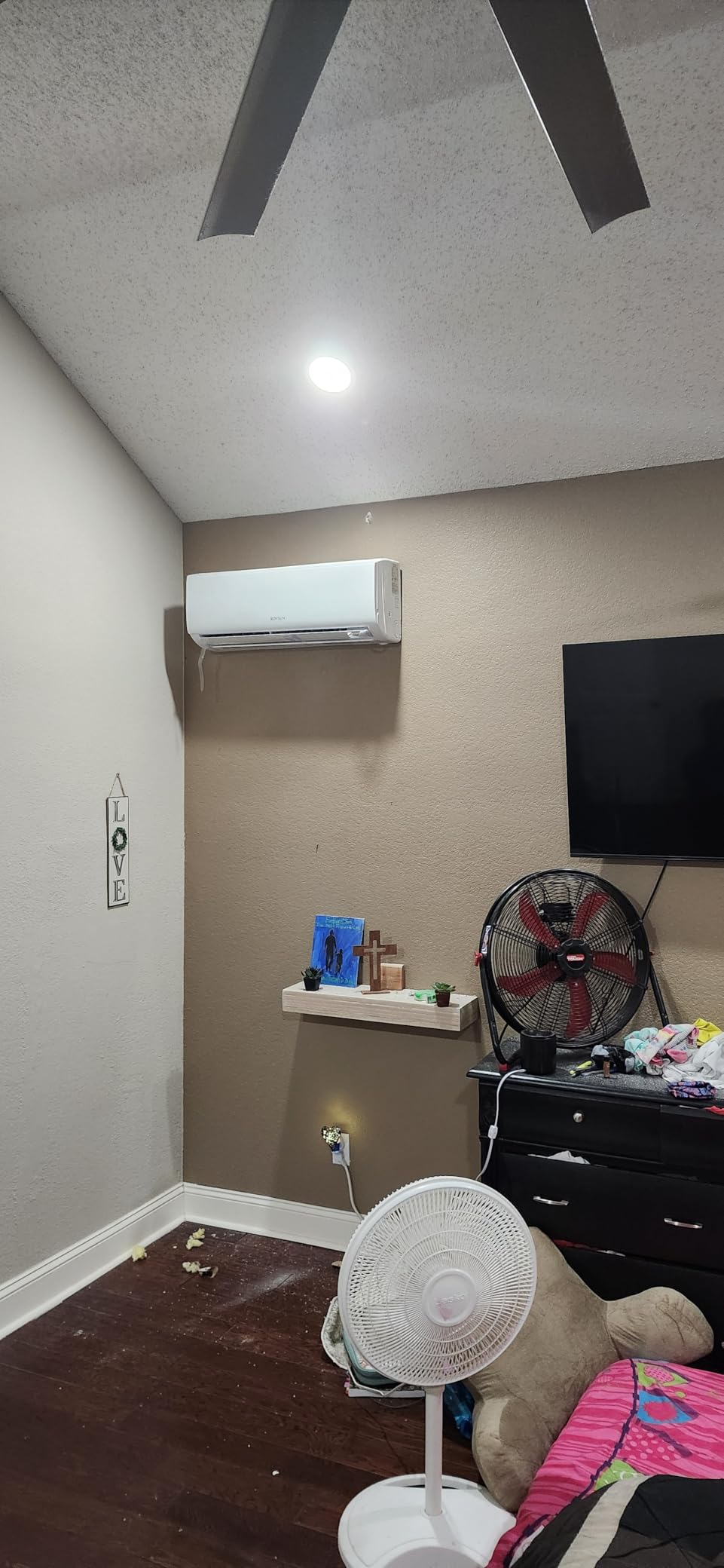
What makes it interesting for a bedroom is the control layer. It runs from a remote, a phone app, Alexa and Google Assistant, with routine scheduling so you can set it to drop a degree and go quiet at a fixed time each night. Reviewers mention the 28 dB mute mode most often as the setting they use overnight, and the condenser itself is reported as unusually quiet.
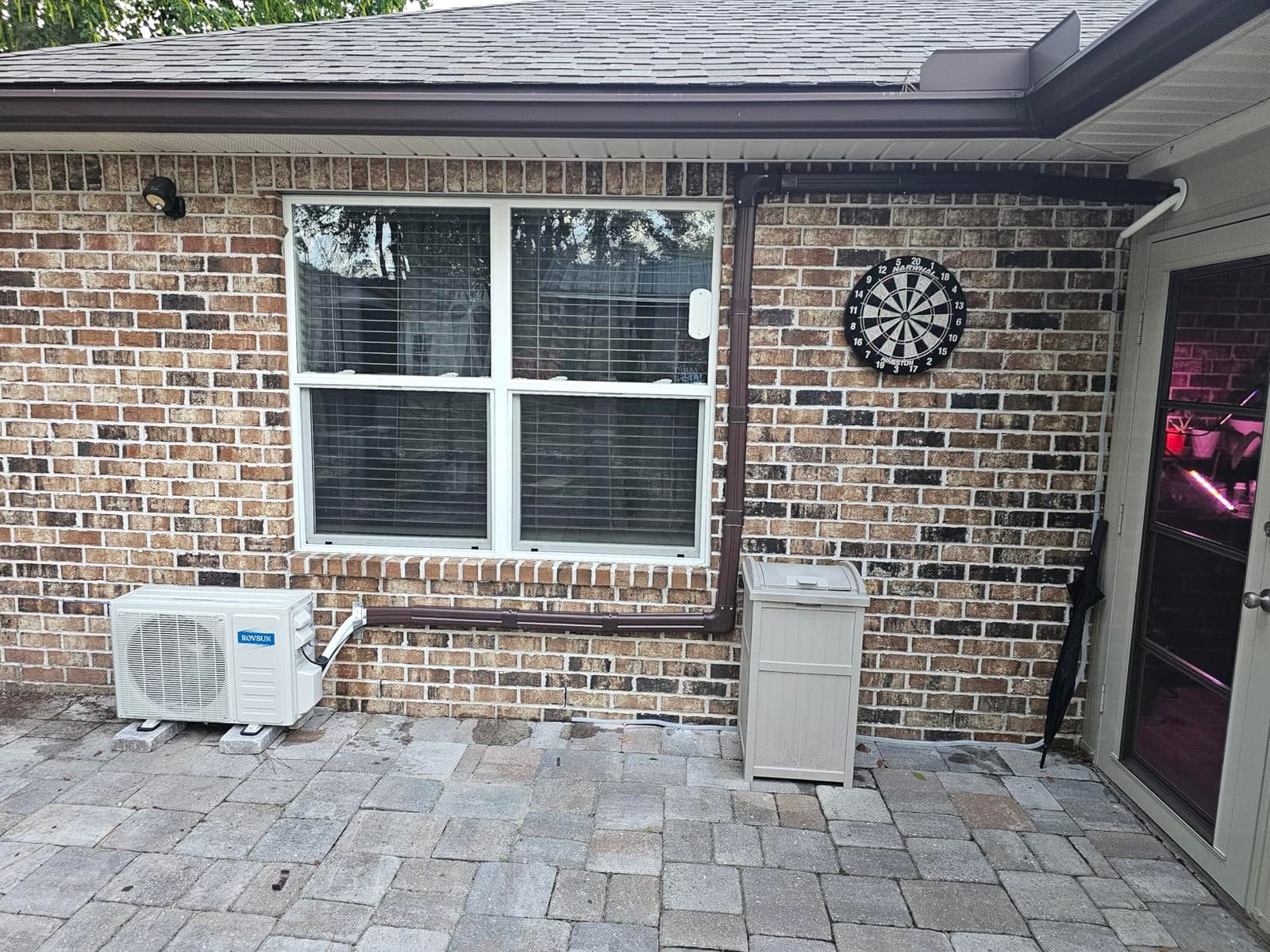
The inverter compressor carries a 20 SEER rating and the listing claims energy savings of up to 35 percent against a fixed-speed unit of the same size. The operating range is 61F to 88F, which is a limitation worth knowing about: this is a bedroom unit for moderate climates, and the heating side is not built for genuinely cold weather.
Two practical notes from owner reports. The package arrives in two boxes that may not show up on the same day, so plan the install date around the later delivery rather than the first. And the line set included is 16.4 feet of copper with a signal cord, which is adequate for most bedroom runs but is thin line set that experienced installers often upgrade.
Will a 9000 BTU unit keep up with a 12 by 12 bedroom?
A 12 by 12 room is 144 sq ft, which sits comfortably inside this unit’s stated 450 sq ft range with margin to spare. The case where 9000 BTU is not enough is a room with heavy afternoon sun through a large west window, poor insulation or a lot of electronics. In those situations a 12000 BTU head is the correct answer.
Can the ROVSUN install on an existing bedroom outlet?
Yes. It runs on 115 volts through a normal household circuit, which is the single biggest reason this class of mini split suits a bedroom retrofit. You avoid the 230 volt run and the panel work that a hardwired larger unit would need, though a licensed installer is still required to handle the refrigerant and the disconnect.
4. Mountman 9000 BTU – Best for a Nursery With Sleep Mode
Mountman 9000 BTU Mini Split AC/Heating System,19 SEER2 110/120V Energy Efficient Ductless Inverter System,Cools Up to 450 Sq.Ft with Pre-Charged Condenser,Heat Pump & Installation Kits
9000 BTU inverter heat pump
26 dB sleep mode
ECO mode up to 30 percent savings
120V with R32
Pros
- Highest average rating in this group at 4.5 stars
- 26 dB sleep mode on a 9000 BTU unit
- Remote display turns off after 10 seconds of inactivity
- Self-cleaning cycle and washable anti-dust filter
- Automatic outdoor defrost for winter heating
Cons
- Room coverage claims conflict between 450 and 750 sq ft
- Listed wattage is high for a 9000 BTU unit
- Installation kit supplied but professional install expected
This is the smallest unit in the roundup by review count and the highest rated, at 4.5 stars across 352 reviews. The distribution behind that number is the healthiest here: 76 percent five-star with only 5 percent one-star. Buyers describe it as a straightforward 9000 BTU bedroom system that does the basics without drama.
For a nursery or young child’s room, two details matter most. The sleep mode runs the indoor head at 26 dB, which is quiet enough to sit two feet from a crib head, and the remote display shuts off after 10 seconds of inactivity so the readout does not glow across a dark room all night. Four fan speeds give you finer control over that low end than the three-speed setups common on window units.
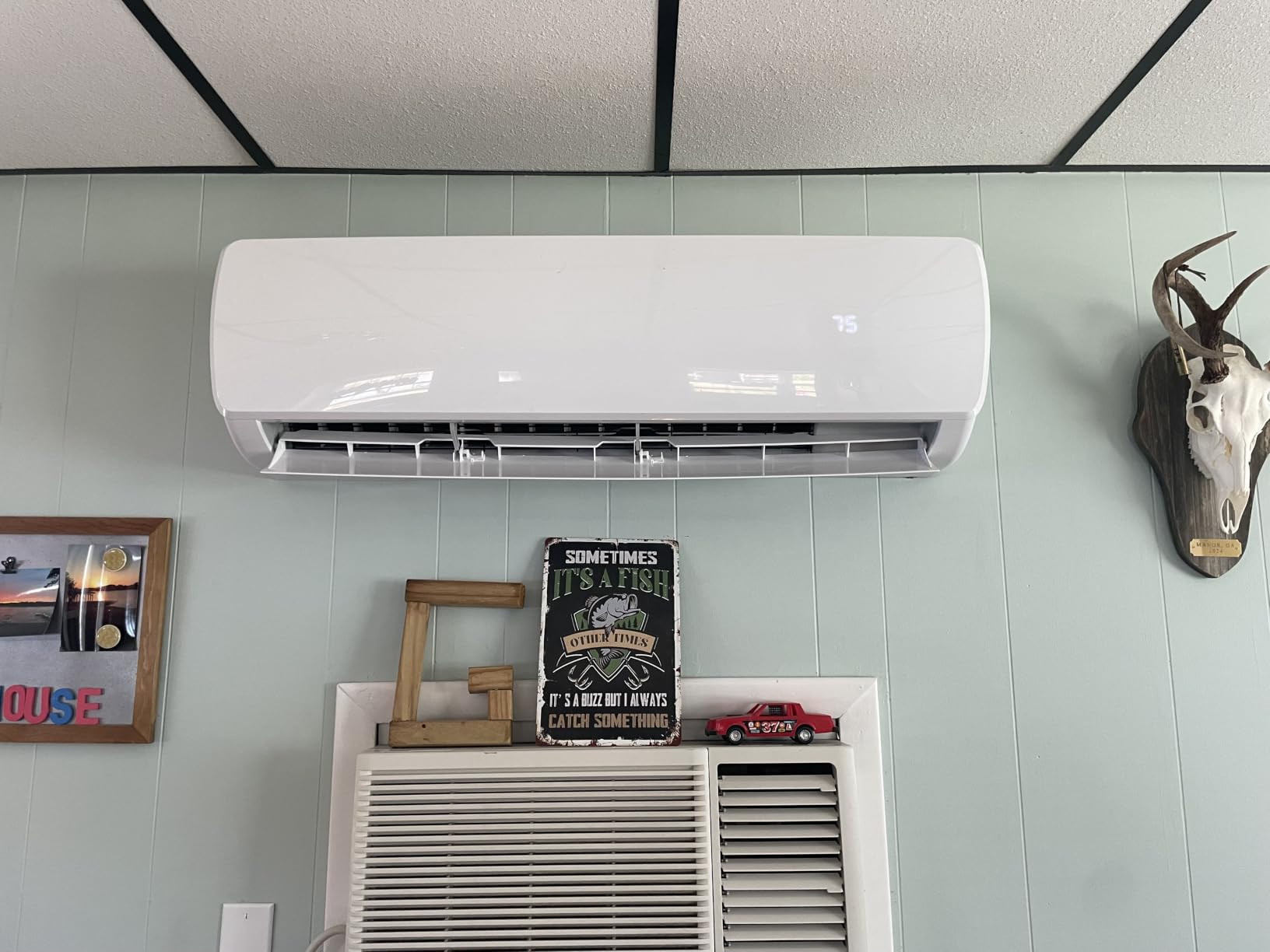
Cool, heat, dry and fan modes cover the basics, and the ECO mode is claimed to save up to 30 percent on top of the 19 SEER rating. The condenser is pre-charged with R32 refrigerant, which means faster and simpler commissioning at install time, and the outdoor unit defrosts itself automatically when temperatures drop.
The specification page is worth reading carefully because it contradicts itself. The structured specs list 450 sq ft of coverage, while a manufacturer claim elsewhere on the same listing says the unit can cool up to 750 sq ft. Use 450 as the planning number and treat the larger figure as marketing. The stated wattage of 2647.53 also looks high for this capacity class, so do not use this unit as your efficiency benchmark.
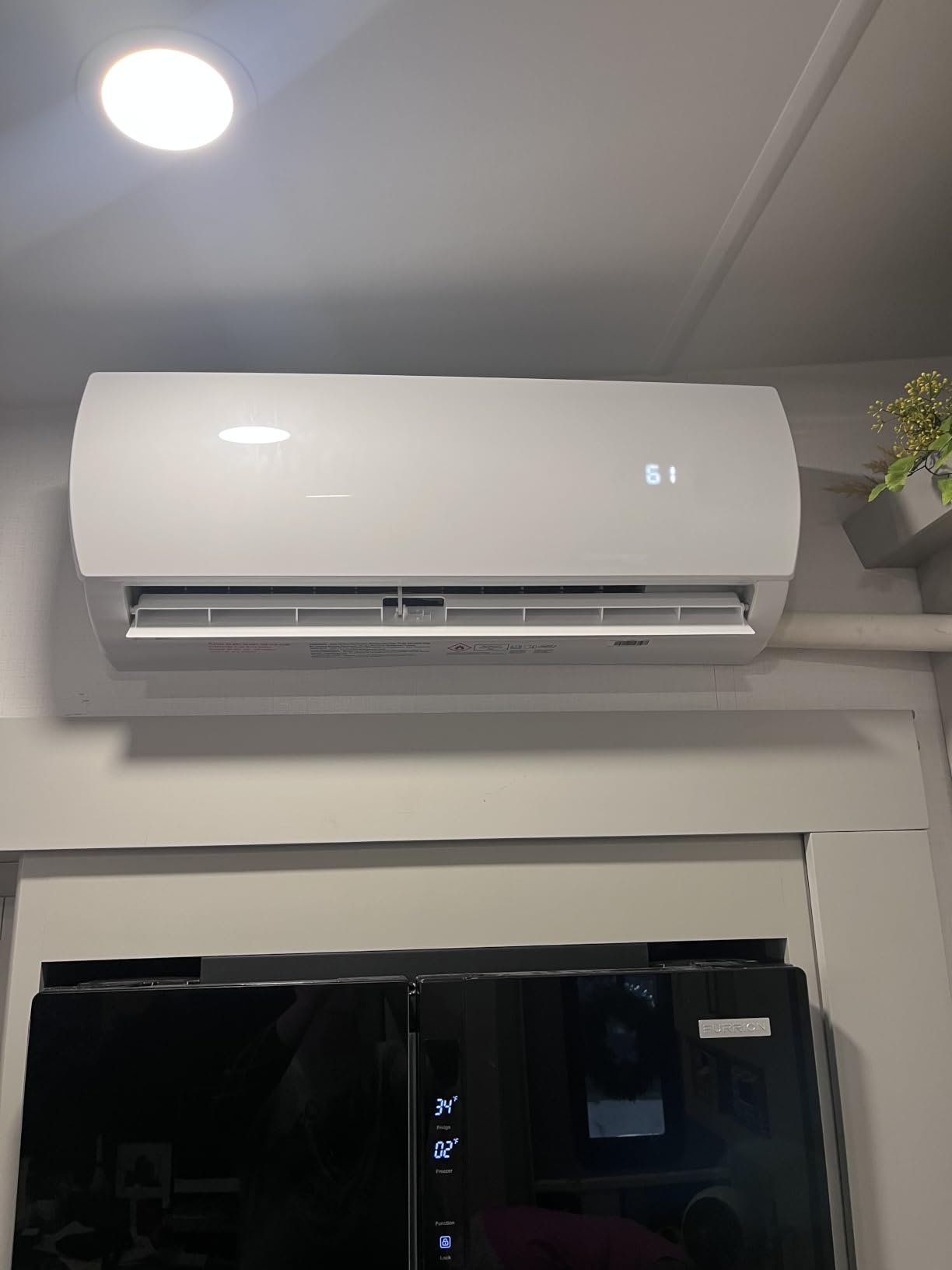
Is the Mountman quiet enough for a nursery?
Yes, in sleep mode. The 26 dB figure is close to the noise floor of a quiet bedroom at night, and the display auto-off removes the other common sleep disturbance, which is the light from the readout itself. Owners in warmer regions report pairing it with a fan for airflow rather than for cooling.
How do I read the conflicting room size claims on this listing?
Take the lower number. A 450 sq ft rating is a conservative engineering figure, while the 750 sq ft claim carries no supporting method. When in doubt, size to the lower figure and check with a heat load calculation, because an undersized unit in a room that is too warm will run continuously and never dry the humidity out.
5. Rellytech 12000 BTU – Budget Pick for Large Bedrooms
Rellytech Mini Split AC/Heating System, 12000 BTU, 19 SEER2 115V/110V
12000 BTU inverter heat pump
19 SEER2 and 8.5 HSPF2
115V operation
750 sq ft coverage
Pros
- Complete mounting and line set accessory kit in the box
- True 115V operation so no breaker upgrade is needed
- Owners report strong dehumidification in humid rooms
- Quiet indoor head well suited to a bedroom
- ETL and AHRI certified with a 4 star energy rating
Cons
- Warranty length differs between the spec sheet and the marketing copy
- Installation still requires vacuuming the line set and specialty gauges
This one is interesting because of what arrives in the box. Rather than selling you the hardware and leaving the rest to you, the package includes the indoor unit, outdoor unit, remote, two AAA batteries, a mounting plate and bracket template, a 12.5 foot communication cable, a 5.9 foot power cable, 9.84 foot connecting pipes, a drain pipe and all the fasteners. That is a genuinely complete install kit, not a token line set.
Performance numbers sit in the middle of the group. It is a 12000 BTU inverter heat pump rated at 19 SEER2 and 8.5 HSPF2, covering up to 750 sq ft and putting out 12500 BTU of heating. Owners in humid regions describe it as a replacement for a loud window unit and single out the dehumidification as the feature they did not expect to care about.
The indoor head has four fan speeds and a 90 degree vertical swing, and the sleep mode ramps the setpoint gradually rather than dropping it all at once, which is the behaviour most people want overnight. The unit is ETL and AHRI certified with a 4 star energy rating, so the numbers have been verified by a third party.
Two inconsistencies are worth flagging before you commit. The spec sheet lists the noise figure at 26 dB while the marketing copy quotes 42 dB, and the warranty is stated as one year in the structured specs while the marketing copy references eight years. Both of these are listing errors rather than product behaviour, but you should get the warranty length in writing from the seller before you rely on it.
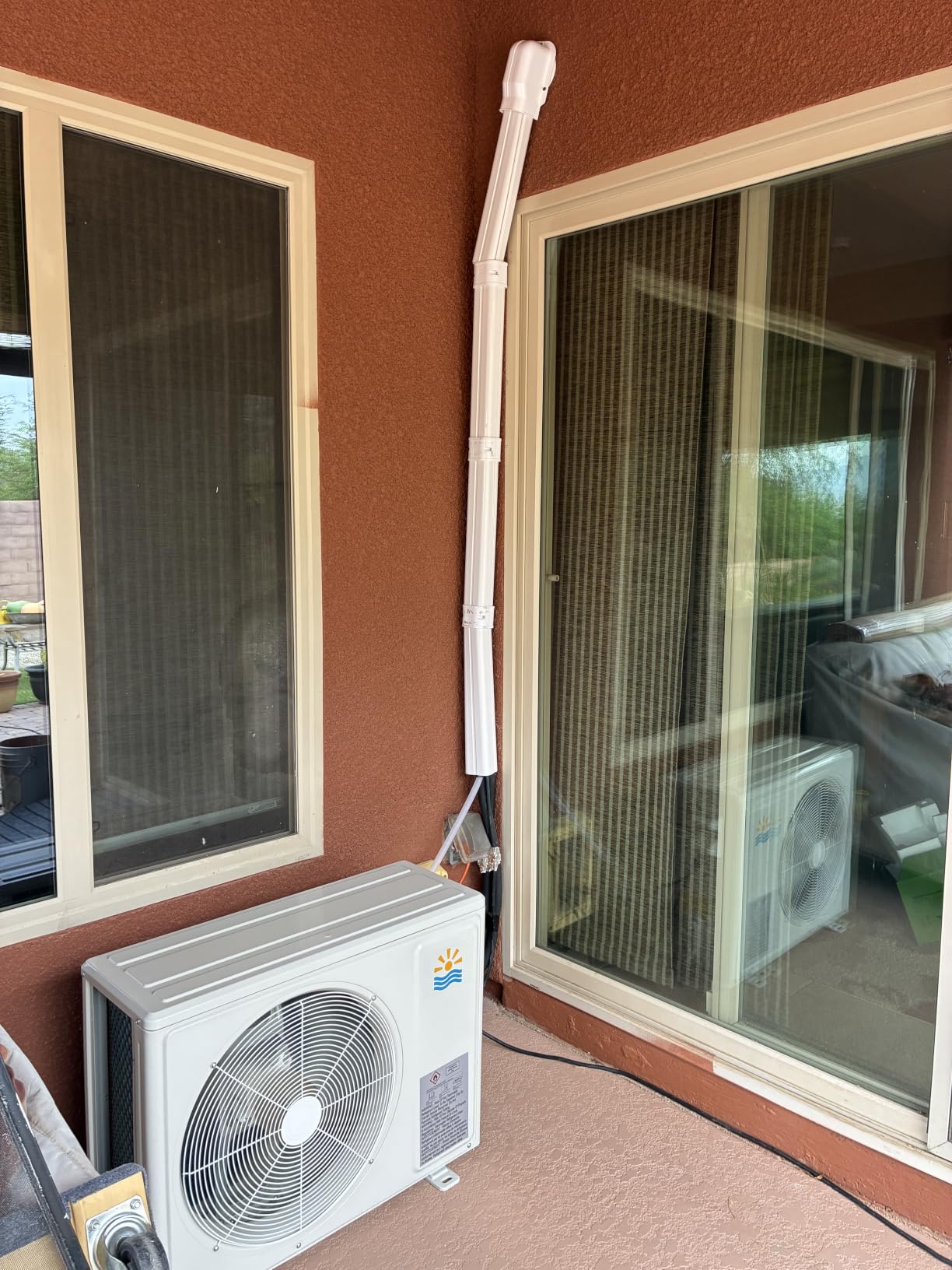
Does the Rellytech need a 230V circuit to run?
No. It is a true 115 volt system, which is the reason this class of unit fits into older houses and bedrooms without new electrical work. You still need a properly sized circuit and a disconnect switch installed to code, but you avoid the panel upgrade and the longer material run that a 230 volt mini split requires.
Can I trust the noise and warranty figures on this listing?
The noise number needs care. The structured spec sheet says 26 dB and the marketing copy says 42 dB, and only one of those can describe the same operating condition. For planning purposes, assume somewhere between the two until an installer confirms the low fan figure. On warranty, ask the seller directly in writing, because a one year warranty and an eight year warranty are very different decisions.
6. Abbott 12000 BTU – Best for Wide-Range Climates
Albott 12,000 BTU Mini Split Air Conditioner and Heater SEER2 18, 115V
12000 BTU inverter heat pump
Rated 5F to 122F operation
700 kWh per year listed
115V with R32
Pros
- Widest operating range here at 5F to 122F
- Lowest listed annual energy use at 700 kWh per year
- App and remote control with sleep mode and child lock
- Self-cleaning function with removable filters and air blades
- 7 year parts and 5 year compressor warranty
Cons
- Lowest rating in this group at 4.1 with 14 percent one-star reviews
- SEER2 of 18 is the lowest efficiency among the 12000 BTU picks
- Listing dimensions and weight appear to be entered incorrectly
The reason to look at this unit is the operating range. It is rated to cool down to 122F and heat down to 5F, which is the widest span in this roundup and the number that matters if the bedroom is a converted attic, an upper floor that overheats in July, or a room in a climate that swings hard in both directions.
It is also a 12000 BTU inverter rated at SEER2 18, and it lists the lowest annual energy consumption figure here at 700 kWh per year. That figure is worth taking with a grain of salt because it comes from the same listing that has other data entry problems, but the direction is consistent with the modest 980 watt draw. A 24 hour timer, sleep mode and child lock round out the bedroom controls, and the filters and air blades are removable for cleaning.
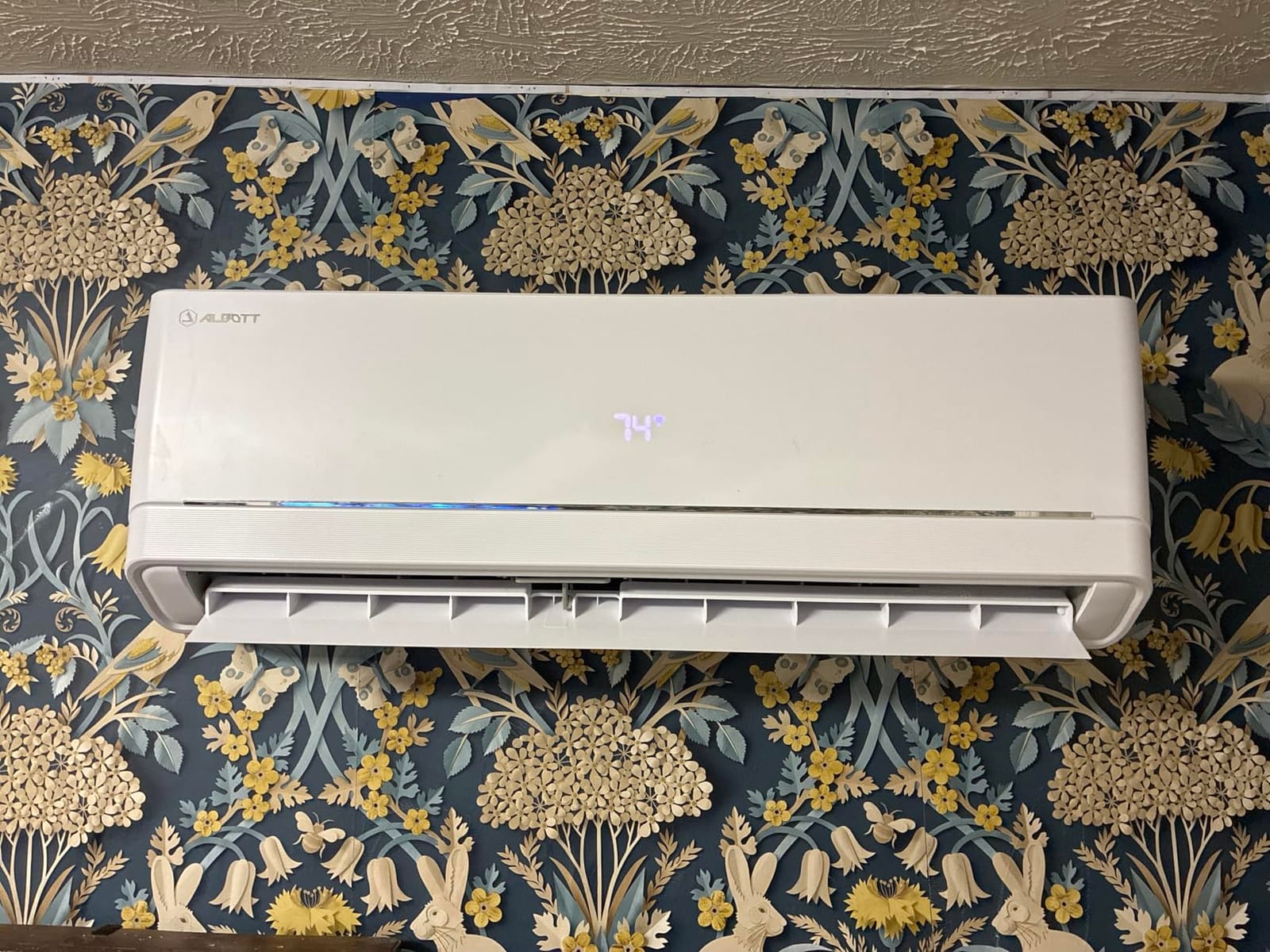
Smart control comes through an app as well as the remote, which is the main reason buyers choose it. The rating distribution is the weak point: 4.1 stars with 68 percent five-star but 14 percent one-star, the widest spread in this group. Reading the critical reviews, most concern the installation and initial setup experience rather than long term performance, which is a pattern that often points at the installer rather than the hardware.
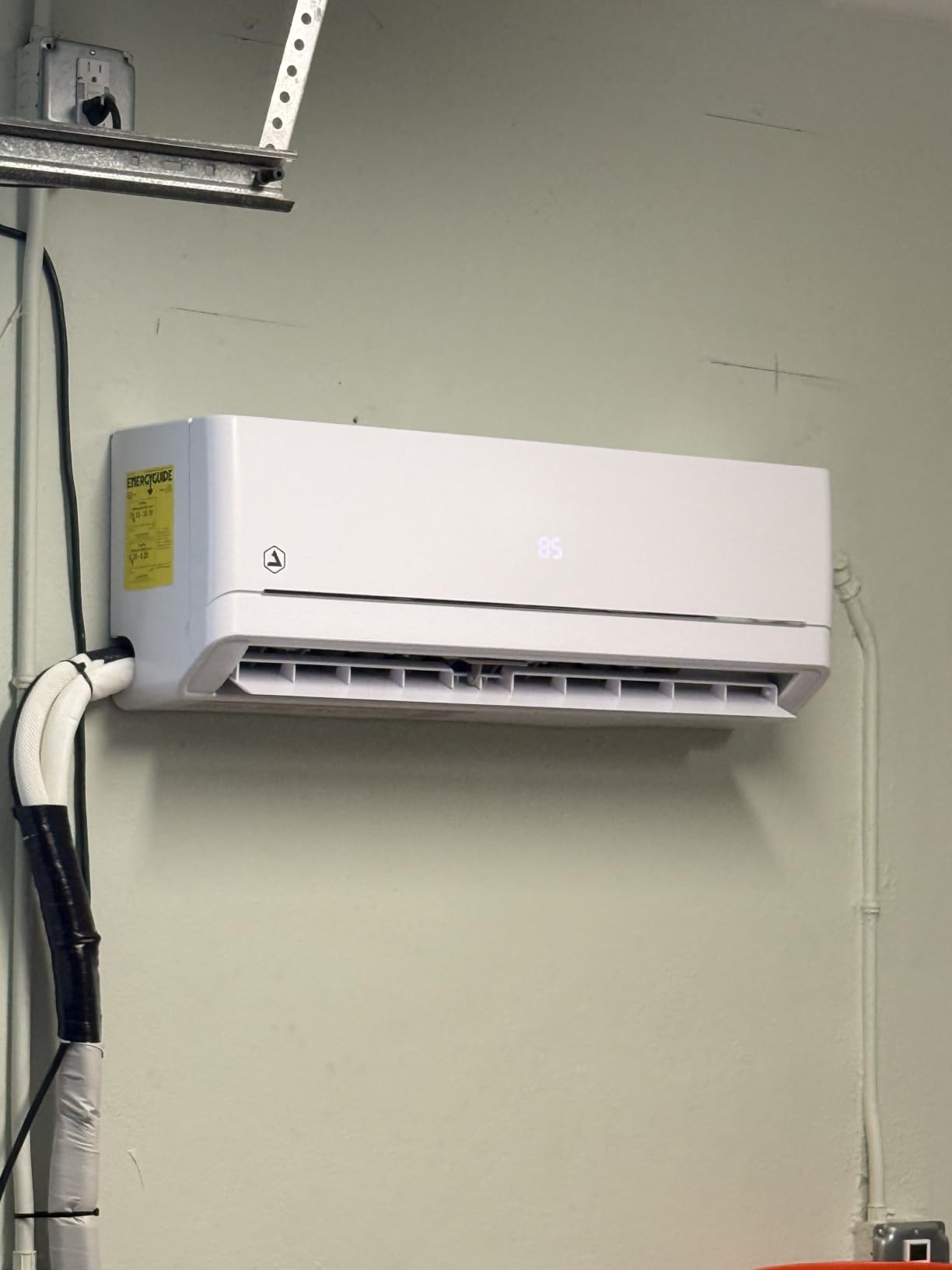
Check the specification fields before you order. The dimensions are entered as 32.09 inches deep by 7.48 inches wide by 11.22 inches high, which reverses the conventional order and would put a 32 inch deep outdoor unit against your bedroom wall, and the listed weight of 151 pounds is far above comparable units. Those are listing errors, but they make it harder to plan the install yourself.
Does the Abbott hold up in extreme heat and cold?
On paper, yes, and that is why it earns its place here. A 5F to 122F rated range covers essentially any temperate or hot climate in a single room, and the inverter compressor handles the swing better than a fixed-speed unit that would struggle at either extreme.
Should I worry about the listing details on this one?
Only for planning, not for quality. The dimension and weight fields are clearly transposed or mis-entered, which means you should get the real physical dimensions from the seller before you decide where the outdoor unit goes. The efficiency rating of SEER2 18 is real and is the lowest here, so if running cost is the priority, look at the higher-rated units instead.
7. YITAHOME 12000 BTU – Best for Cleaner Indoor Air
YITAHOME 12000 BTU Mini Split Air Conditioner Heat Pump System, Wifi Enabled 20 SEER2 115V Inverter Ductless AC Cool Up to 750 Sq. Ft, Compatible with Alexa, Complete Installation Kit, White
12000 BTU inverter heat pump
20 SEER2 on 115V
HEALTH mode with PM2.5 removal
Below 41 dB
Pros
- HEALTH mode adds negative ions and electrostatic dust removal
- Backlit remote works well in a dark bedroom
- Listed annual consumption of 600 kWh per year
- Works from 5F to 118F with automatic defrost
- ETL and AHRI certified with a 5 star energy rating
Cons
- Loudest indoor figure in this group at 41 dB
- App will not convert between Celsius and Fahrenheit
- Thin documentation and no through-wall sleeve included
This unit is the one to consider when the bedroom belongs to someone with allergies or asthma. The HEALTH mode is the differentiator: it adds negative ion generation, electrostatic dust removal and PM2.5 filtration on top of standard filtration. Owners with allergy-prone sleepers report a noticeable difference in overnight symptoms, which is a bigger deal in a room where you spend eight hours than in a living room you sit in for an hour.
The mechanical numbers are solid. It is a 12000 BTU inverter heat pump rated at 20 SEER2 on 115 volts, covers up to 750 sq ft, and runs from 5F to 118F with automatic defrost. ETL and AHRI certification means the capacity and efficiency numbers were independently verified, and it carries a 5 star energy rating with a listed 600 kWh annual consumption.
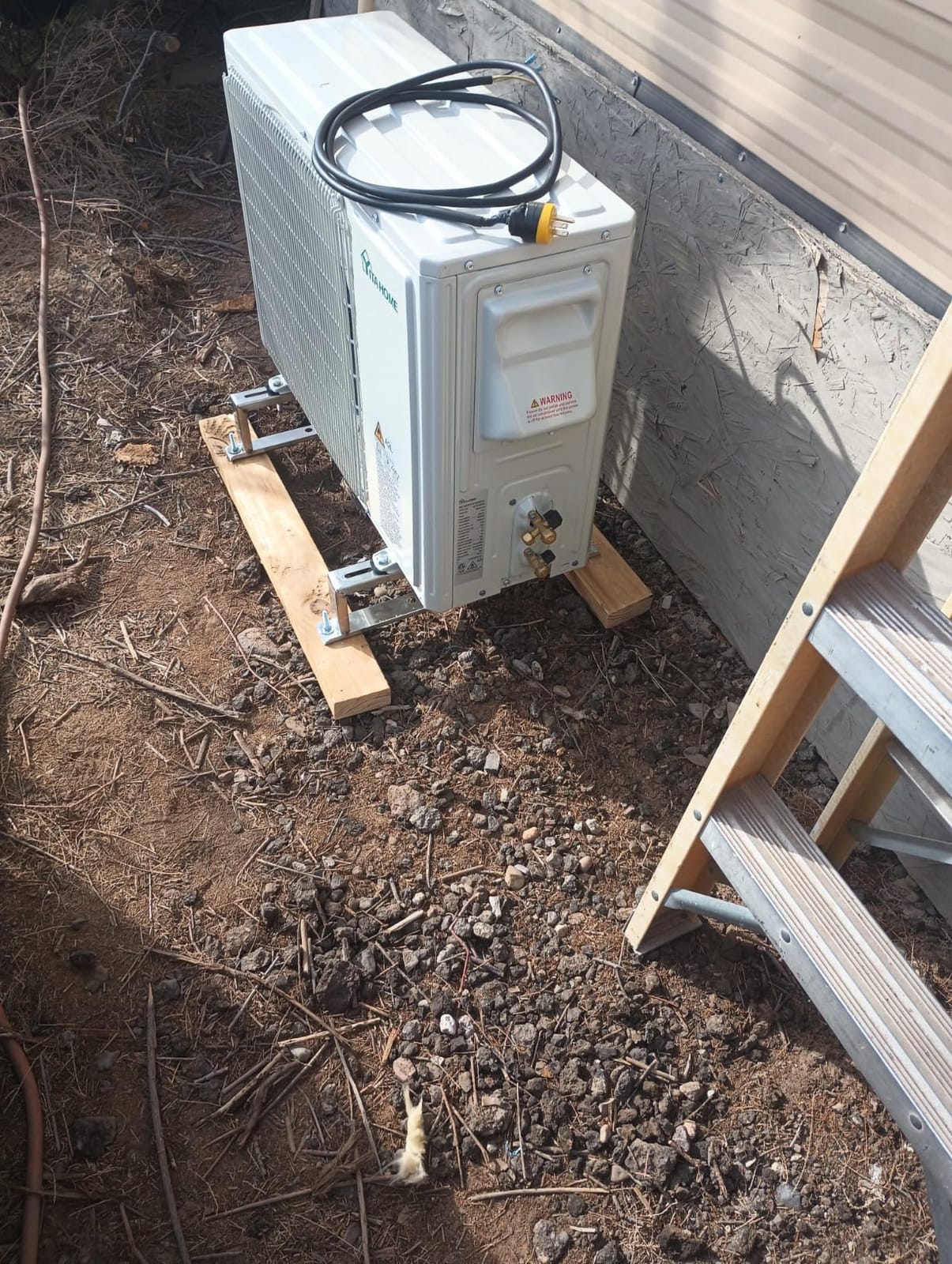
Airflow is handled by 4D circulation with a listed throw of up to 50 feet, and the mode list covers auto, cool, dry, heat and fan with self-diagnosis, self-clean, iFEEL, a 24 hour timer and energy-saving modes. Owners mention holding an uninsulated outbuilding at 70F in 24 degree weather on this unit, which suggests the heating side has real capacity.
Two things pull it down. The listed indoor noise is below 41 dB, the loudest published figure in this roundup, and the app does not convert between Celsius and Fahrenheit even when the remote is switched, which is a small annoyance that reviewers repeat. Customer support is also described as slow with limited phone availability, and one review reports a fault code with no responsive help.
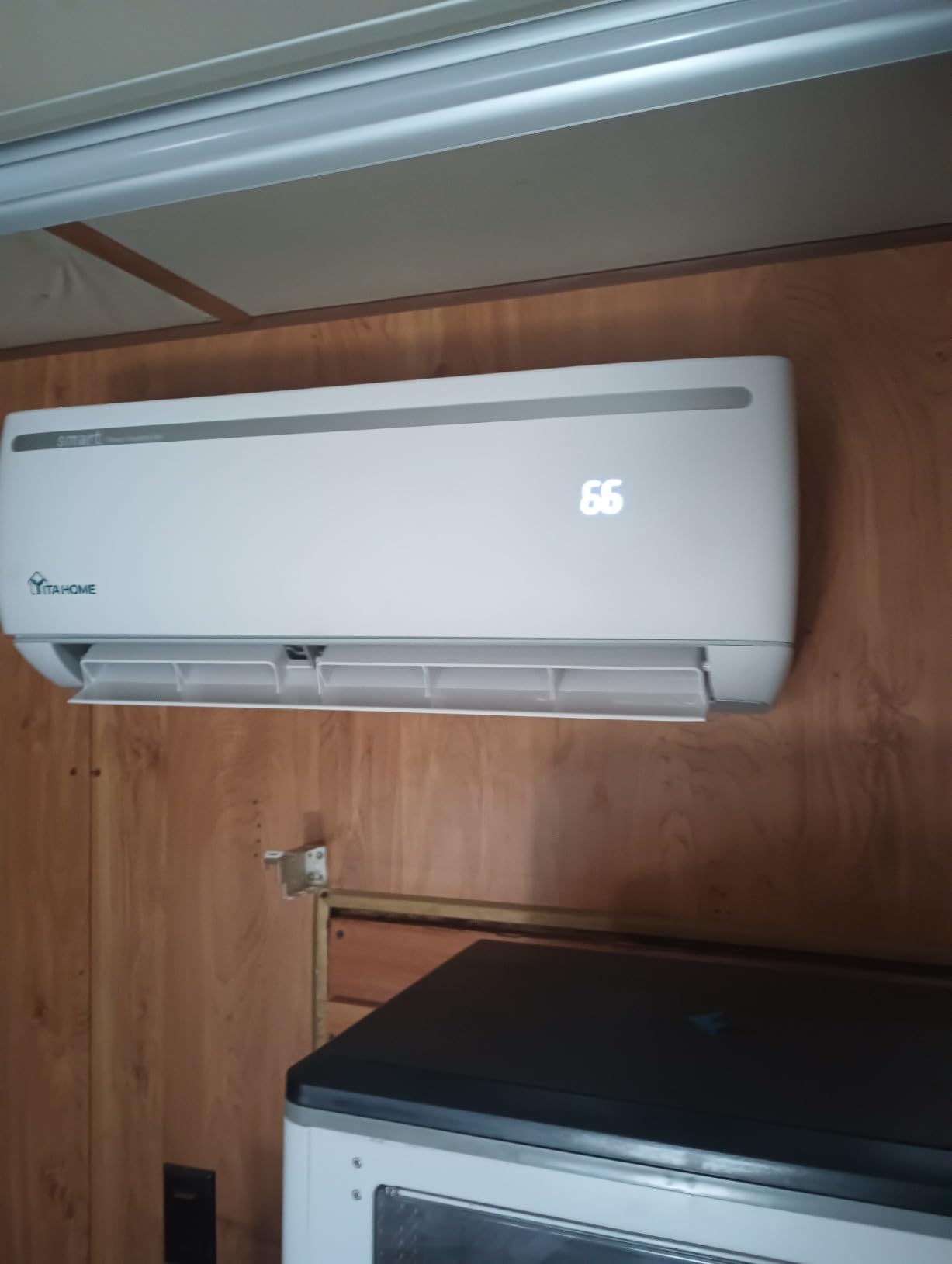
Is the YITAHOME quiet enough to sleep beside?
It depends on the distance and your sensitivity. The below 41 dB figure is measured under load, and at low fan on sleep mode most owners report it settling well below that. But if you are a light sleeper who expects to hear nothing at all, the units with 23 and 26 dB figures are the safer choices.
Does the HEALTH mode make a measurable difference?
It adds ion generation and dust and PM2.5 capture on top of the washable filter, which is a real mechanical addition rather than a mode name. Whether you can feel it depends entirely on who sleeps in the room. For allergy sufferers it is the reason to buy this unit; for everyone else it is a nice extra on an otherwise well-specified system.
8. Temprium 12000 BTU 22 SEER2 – Best for Running Costs
Temprium 12000 BTU Mini Split Air Conditioner, 115V 22 SEER2 AC & Heat Pump
12000 BTU inverter heat pump
22 SEER2 DC inverter
23 dB noise floor
750 sq ft on 115V
Pros
- 22 SEER2 is the highest efficiency rating among these picks
- 23 dB noise floor with sleep mode and display dimming
- 780 watt draw is the lowest listed here
- Seven modes and seven fan speeds with 4D auto swing
- Cools to 122F and heats down to 5F
- ETL and AHRI certified
Cons
- Only a 1 year manufacturer warranty
- Fewer than 200 reviews so the long term history is thin
- Listed annual consumption of 1.6 kWh is not a realistic figure
On paper this is the most efficient unit here and the one that should cost the least to run. It pairs a 22 SEER2 DC inverter compressor with a 780 watt draw, the lowest listed in this roundup, and covers up to 750 sq ft at 12000 BTU of cooling and 12300 BTU of heating. For a bedroom running eight hours a night through a hot summer, efficiency compounds faster than most people expect.
The bedroom behaviour is well judged too. The noise floor is 23 dB, tied with the quietest figure in this group, and it pairs that with sleep mode and display dimming so the head settles down and disappears. Seven operating modes and seven fan speeds give unusually fine control of the low end, and 4D auto swing distributes air across the room rather than blasting it at one wall.
Control runs through an app, Alexa and Google Assistant with a backlit remote, and a 133F self-cleaning cycle plus a washable filter take care of the coil. It is ETL and AHRI certified, runs on 115 volts with R32 refrigerant, and handles a wide outdoor range from 122F down to 5F.
Two cautions. The warranty is one year, which is the shortest meaningful coverage in this roundup and matters a great deal more than the hardware rating, since parts-only terms excluding labour and refrigerant are the common fallback. And the listed annual energy consumption of 1.6 kWh is not physically plausible for a 12000 BTU unit; judge efficiency by the 22 SEER2 rating instead.
Is 22 SEER2 worth paying more for in a bedroom?
Over a long hot season running many hours a night, the gap between 22 SEER2 and a 19 SEER2 unit adds up, because the savings apply every hour the compressor runs. Whether that difference is worth chasing on the hardware alone depends on your local electricity rate and how many hours the room is occupied.
What are the risks of buying with a thin review history?
Fewer than 200 reviews means there is no long-term failure data yet, so you are betting on the certification rather than on other people’s experience. The 4.4 rating is encouraging and the 74 percent five-star share is solid, but the one year warranty leaves less room for a bad surprise than the longer terms on the picks above.
How to Choose a Mini Split for a Bedroom
Noise decides most bedroom purchases, and it is the one specification people regret ignoring. A window unit or portable box puts out 45 dB or more at its lowest setting; a mini split indoor head runs between 23 and 28 dB on the picks above, which is quieter than a refrigerator and roughly the level of a whisper at the pillow. Every unit here also has a sleep mode, but the ones with a display that dims or switches off completely are the ones you will notice most at 2am.
SEER2 matters less in a bedroom than in a living room only because the room is smaller and the run time is shorter. Still, a 22 SEER2 unit uses meaningfully less electricity per hour than a 19 SEER2 unit of the same capacity, and every unit in this roundup is inverter-driven, which means it modulates rather than switching on and off. That is the main reason none of these sound like a compressor.
Single-zone versus multi-zone is a budget and reliability question. Two independent single-zone systems generally cost less in total than one multi-zone condenser with two indoor heads, and each can be repaired independently. Multi-zone only makes sense when you want every bedroom controlled from one app, or when a single outdoor location has to serve several rooms to avoid multiple condensers on the property.
Installation is where bedroom mini split budgets actually go. The hardware is a fraction of the total. What drives the installed cost is the length of line set, whether the run needs drilling and a sleeve through an exterior wall, whether a new circuit or disconnect switch is required, and how hard the outdoor unit has to be placed. For garage and bonus room conversions the electrical run alone can exceed the cost of the equipment.
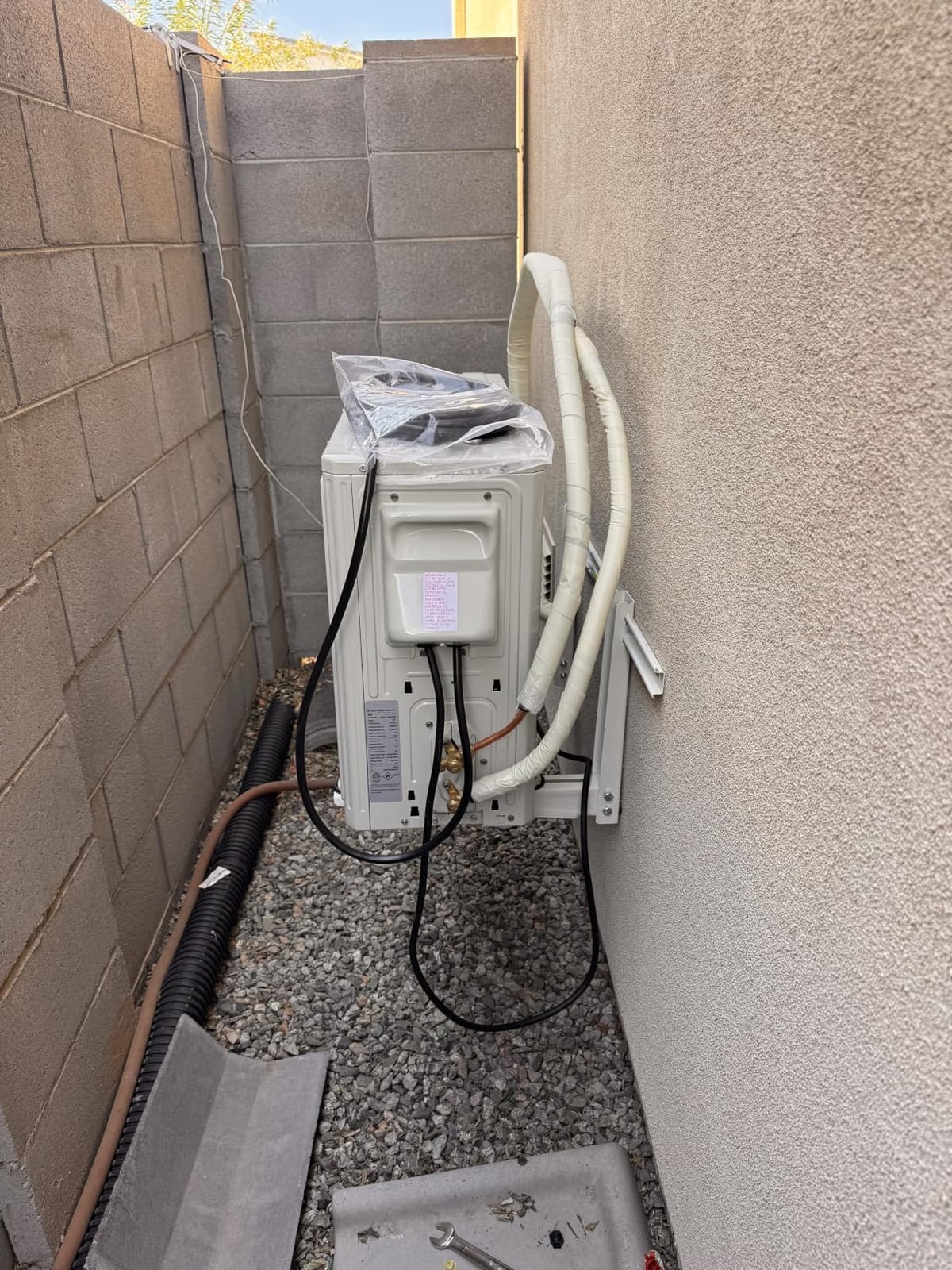
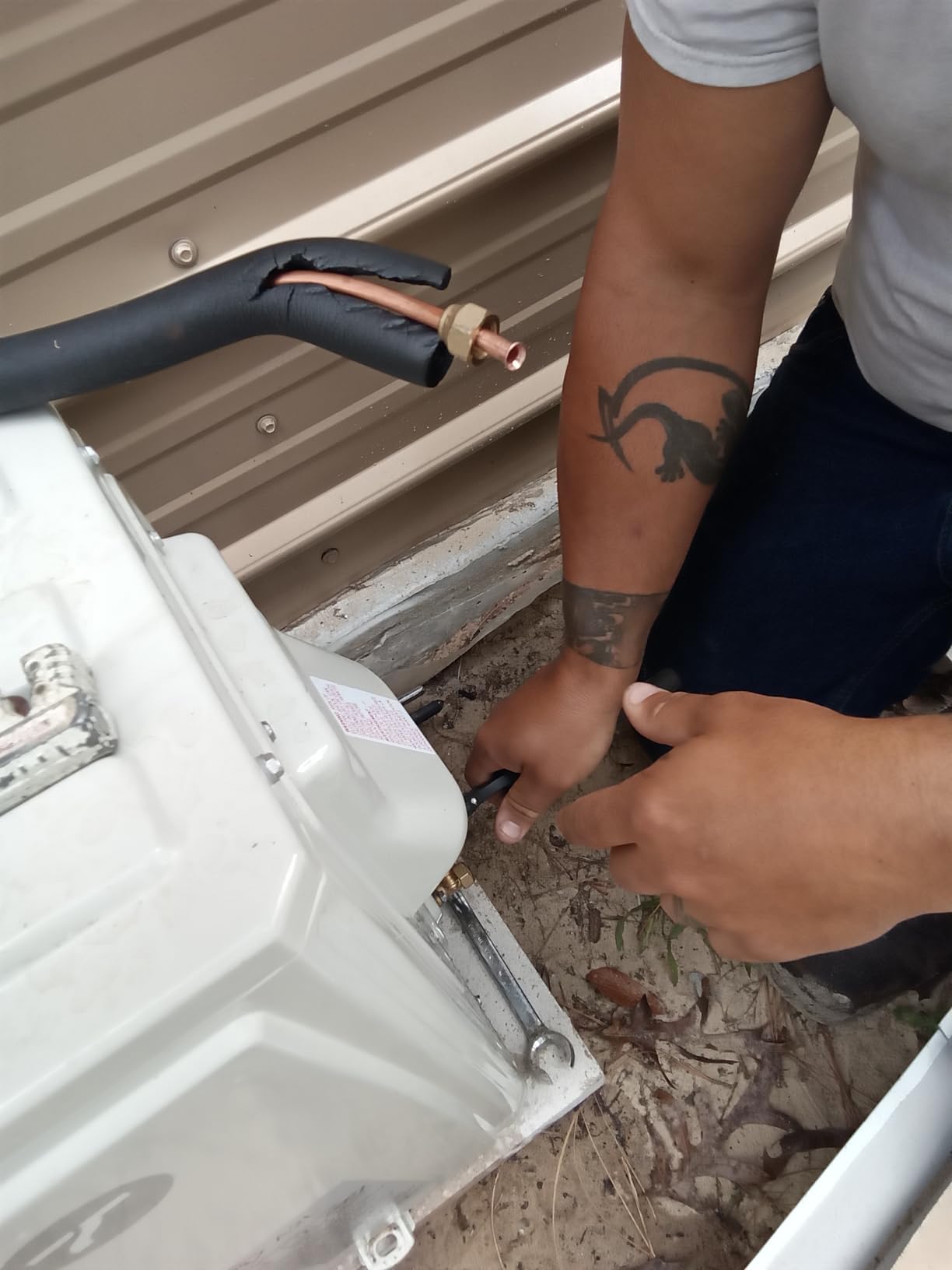
On doing it yourself: all eight units here are marketed at homeowner-friendly installers, and the pre-charged linesets on several of them genuinely simplify the job. But the refrigerant line still has to be flared, brazed and vacuumed to a specific moisture level, and a line that is not properly evacuated will fail the compressor. Several of these systems carry short warranties, and some HVAC companies will not service a unit they did not install. If you have never done it, the labour is cheaper than the risk.
Warranty terms deserve a close read. Longer compressor coverage matters more than parts coverage, because compressor labour is where the real cost sits. Parts-only terms that exclude labour and refrigerant are common in this segment, and warranty registration is often required. If you are still narrowing the field, our general ductless mini split roundup covers the full range, and the DIY mini split guide goes deeper on the install decision.
How We Picked These Bedroom Mini Splits
We evaluated every system against six criteria in this order: published indoor noise figure, capacity matched to a typical bedroom footprint, SEER2 rating, electrical requirements, warranty length, and how consistently the listing described the product. That last criterion carried more weight than expected, because three of these listings state a different noise figure or warranty term in their marketing copy than in their structured specification fields.
Every unit had to be a genuine heat pump running on 110 or 115 volt power so it fits a bedroom without new electrical service, and every unit had to publish an indoor noise figure we could compare. We excluded anything rated only for very large rooms, since a unit substantially bigger than the space it cools is the most common reason a bedroom system ends up disappointing. Capacity figures quoted by the manufacturer were treated as claims rather than sizing advice, and the square footage list earlier in this guide is what we used for planning.
What we could not do is measure these units ourselves in an acoustically controlled space, so the decibel figures here are the manufacturers published numbers and we have noted where a listing contradicts itself. Where owner reports and the spec sheet disagreed, we said so instead of picking the more favourable number.
Frequently Asked Questions
Which split AC is best for a bedroom?
A ductless mini split beats a window or portable unit in a bedroom because it cools with an inverter compressor that modulates instead of cycling on and off, runs at roughly 23 to 28 dB indoors, and dries humidity rather than adding it. For most bedrooms the Senville LETO 12000 BTU is the best overall pick, while the COSTWAY 12000 BTU is the quietest at a published 23 dB.
What size mini split is good for a bedroom?
Most bedrooms need 9000 BTU, and larger primary bedrooms need 12000 BTU. As a guide, 80 to 120 sq ft suits 9000 BTU, 120 to 180 sq ft suits 9000 or 12000 BTU depending on sun exposure, 180 to 250 sq ft needs 12000 BTU, and bonus rooms over 250 sq ft may need 18000 BTU. Undersizing is worse than oversizing because an undersized unit short-cycles and never dries the room.
Are mini split AC quiet?
Yes. The indoor head of a ductless mini split runs between roughly 19 and 28 dB on low fan, compared with 45 dB or more for a window unit at its quietest setting. That is close to the noise floor of a quiet bedroom at night. The outdoor condenser is louder, so bedroom installations usually put it on a side wall, a balcony or an alley-facing wall rather than a patio the bedroom opens onto.
Which mini split brand is the quietest?
Among the eight units reviewed here, the Temprium 12000 BTU and the COSTWAY 12000 BTU both publish a 23 dB indoor noise floor, the lowest figures in the group. The Mountman 9000 BTU follows at 26 dB in sleep mode. Note that these are manufacturer figures measured at low fan, so the practical difference between 23 and 28 dB is smaller than the numbers suggest.
Is it better to undersize or oversize a mini split?
Undersizing is the worse mistake. An undersized unit runs continuously, short-cycles when it cannot keep up, uses more electricity and often leaves the room humid rather than cool. Oversizing wastes money and causes on-off cycling, which is noisier than steady operation, but it still cools the room properly. When a room sits between two sizes, take the smaller one only if a heat load calculation supports it.
What mini split brands to stay away from?
There is no single brand to avoid, but there are patterns worth checking before you buy. The most common problems we found are listings with inconsistent specifications, one year warranties that leave parts-only coverage excluding labour and refrigerant, and DIY installs that skip vacuuming the refrigerant line. Warranty terms are also voided by unregistered units or non-licensed installs, and some contractors refuse to service equipment they did not install, so confirm service coverage before purchasing.
Which Mini Split Should You Buy for Your Bedroom?
Start with the room, not the brand. Measure the floor area, check the sun exposure, and pick the capacity from the sizing list above. Then choose on noise, because that is the one specification you live with every night for years.
For most people the Senville LETO 12000 BTU is the pick: the deepest owner history in this group at 2185 reviews, a 20.8 SEER2 inverter, a 28 dB indoor head and a complete install package. If noise is the deciding factor and you are a genuinely light sleeper, the COSTWAY 12000 BTU at 23 dB with an auto-dimming display is worth the step up. Small rooms should step down to a 9000 BTU head, where the ROVSUN and Mountman units cover everything a kids room needs.
Whatever you pick, size it correctly, get the warranty terms in writing, and budget for a licensed installer to flare, braze and evacuate the refrigerant line. That last step is the one that decides whether a bedroom mini split runs quietly for a decade or becomes an expensive repair. Our picks for other cooling setups, including portable air conditioners for bedrooms, are worth a look if the room is rented and cannot be modified.